
If you’ve been researching custom tiny homes built for New England’s demanding climate, Tiny House Crafters is a name that keeps appearing. This small Vermont company has carved out a reputation among tiny house enthusiasts for handcrafted quality and personalized design. Here’s what you need to know about working with them.
Quick Facts About Tiny House Crafters
At a glance: Tiny House Crafters is a family-run company based in Londonderry, Vermont, specializing in custom tiny houses on wheels. Founded in the mid-2010s by the Anderson family, they’ve been building homes for roughly nine years.
The team consists of three builders who handle everything from initial design conversations to final inspection. This intentional smallness means you’re working directly with the people constructing your home—not a sales department passing you off to anonymous fabricators.
They specialize in fully finished tiny houses on wheels designed for four-season New England living. Whether you need off-grid capability with composting toilets and propane systems, or prefer standard hookups for a backyard accessory dwelling unit, they build for both scenarios.
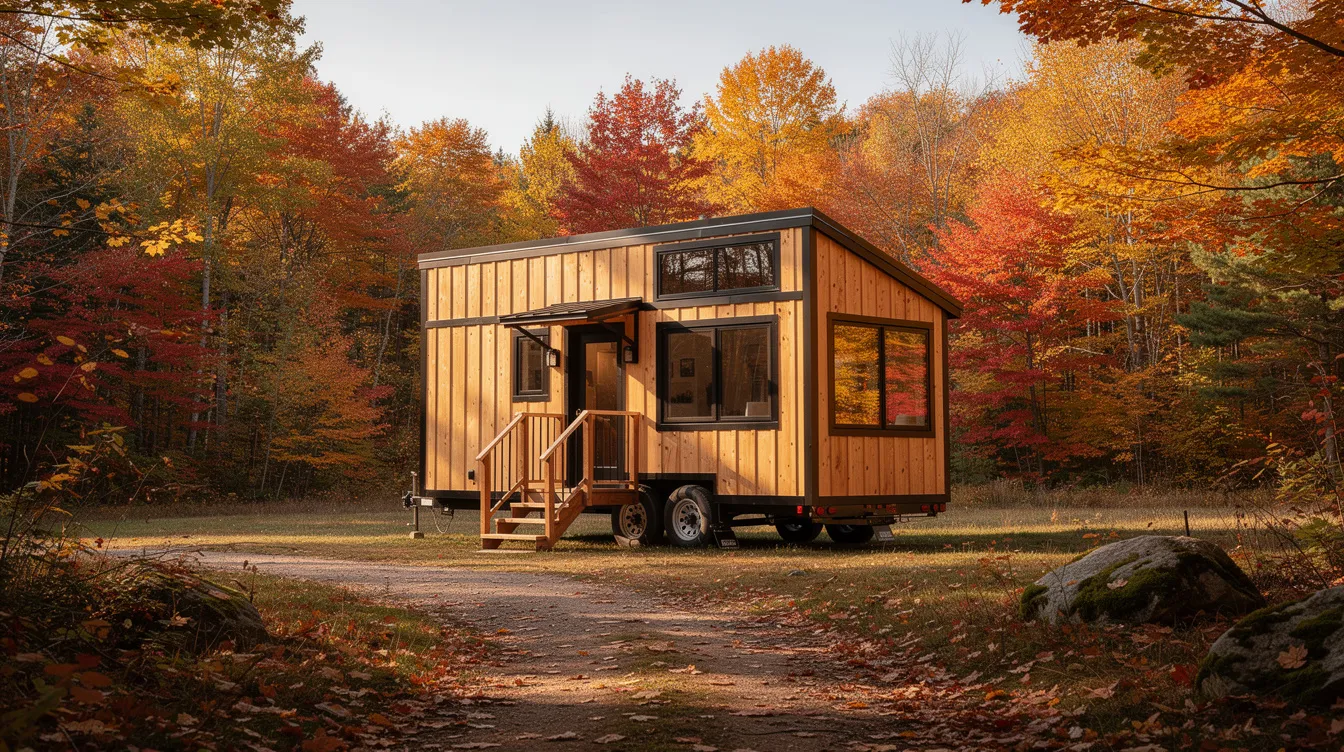
Their workshop serves clients across Vermont and the broader New England region. The most talked-about tiny home model in their portfolio is the 8×20 Sherwood—featuring a space-saving shed roof, sleeping loft, full kitchen, and their signature under-stair storage solutions.
To get started, visit their website at tinyhousecrafters.com or call for a consultation. Typical projects run several months from design through delivery.
Who Are Tiny House Crafters of Vermont?
Tiny House Crafters emerged from a passion project rather than a business plan. Around the mid-2010s, members of the Anderson family—combining backgrounds in contracting, environmental consulting, and design—decided to channel their expertise into something they believed in. The tiny house movement was gaining momentum nationally, and Vermont’s culture of craftsmanship and sustainability made it fertile ground.
The founding team brought complementary skills to the table. One member had spent most of his life in construction. Another transitioned from environmental consulting to help others pursue low-impact living. Together with architectural input, they created a company focused on building custom tiny homes that function as genuine residences, not novelty structures.
The team intentionally stays small. Three builders means direct involvement in every aspect of a project—from sketching layouts to pounding nails to conducting final walkthroughs. This contrasts sharply with larger manufacturers where production efficiency trumps personalization. When you work with house crafters of this scale, you’re joining a process, not purchasing from a catalog.
Their ethos centers on craftsmanship, efficient use of space, and homes tailored to each client’s lifestyle. They build both fully custom designs and variations on their proven base layouts. One third-party review praised their “solid, tight, super high quality joinery,” noting cabinet work that exceeded expectations for the price point.
Signature Models and Design Style
Tiny House Crafters maintains roughly four to five base designs that serve as starting points for customization. These templates represent years of learning about what works in compact living—refined tiny house plans that clients can then modify to fit their needs.
The Sherwood is their most recognized design. The standard 8×20 version delivers approximately 160 square feet on the main floor plus an 8-foot sleeping loft. The shed roof design isn’t just aesthetic—it maximizes headroom on one side while reducing wind resistance for a home on wheels. Inside, you’ll find their “funky under-stair storage” that transforms awkward spaces into functional cubbies, a full kitchen despite the compact footprint, and interior walls finished with quarter-inch plywood for a clean, drywall-like appearance.
For clients wanting more space or main-floor sleeping, they build longer variations. An 8×24 Sherwood adds roughly four feet, creating room for a larger bedroom layout or full-size bathtub without climbing ladders. These homes typically range from 160 to 260 square feet on the main floor, plus loft space.
Their aesthetic blends rustic Vermont charm with modern functionality. Think natural wood interiors, tongue-and-groove walls, and strategically placed windows that frame forest or mountain views. Every build incorporates smart design principles—maximizing storage through built-in cabinetry, toe-kick drawers, and multi-use furniture that serves double duty, similar to many inspiring tiny house interiors that prioritize function in small spaces.
Custom Tiny House Features & Amenities
Every build from Tiny House Crafters is tailored to the buyer’s needs, but most share core features that make year-round living comfortable in Vermont’s demanding climate.
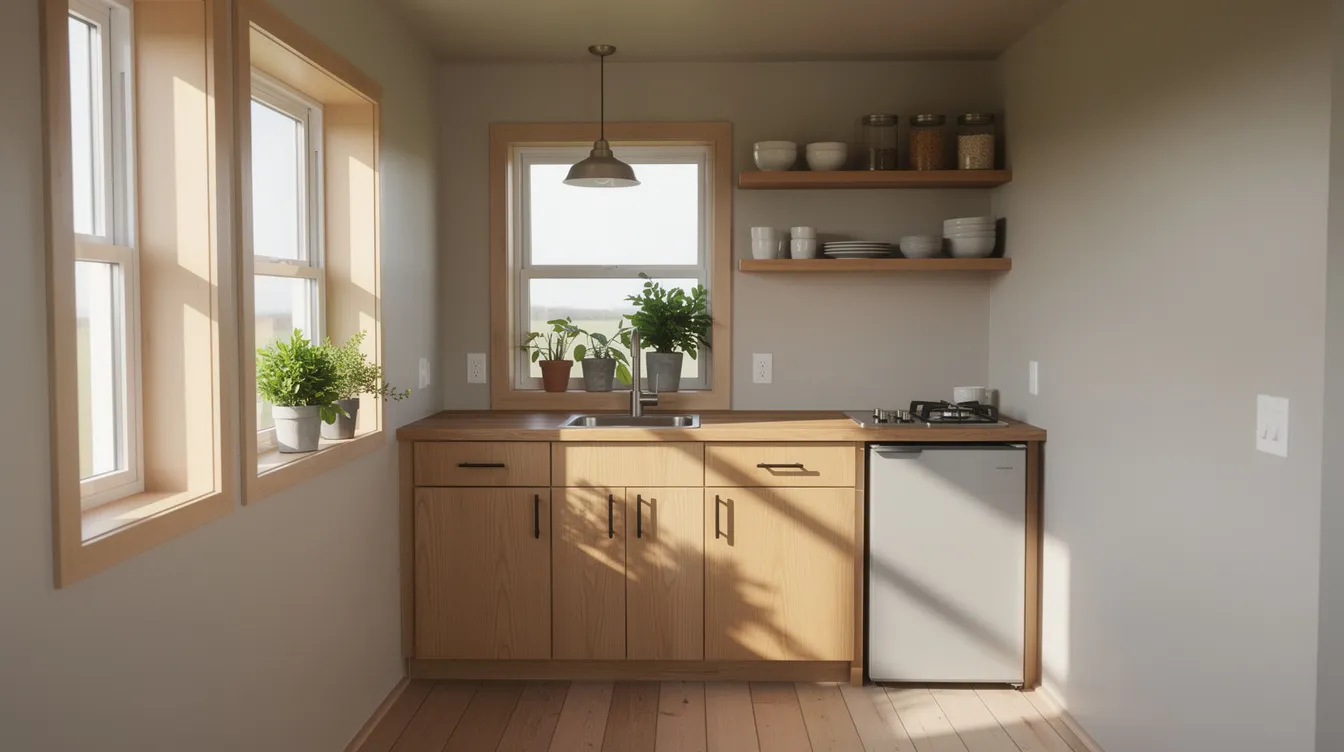
Kitchen configurations demonstrate their refusal to compromise on functionality. Typical builds include a 20-inch range (smaller than standard but with full stovetop and oven capability), a 7.5 cubic foot refrigerator sized for regular shopping habits, deep sinks, and solid surface or butcher block countertops. Cabinet storage fills every usable inch. Some clients add dishwashers or washer/dryer combo units—features that transform a tiny house from weekend cabin to legitimate primary residence.
Climate control is engineered for New England reality. Propane heat systems and propane hot water heaters provide reliable warmth when temperatures drop below zero. Insulation levels exceed typical building codes—necessary when you’re heating 200 square feet while it’s negative ten outside. Mini-split systems handle summer cooling for clients who need air conditioning.
Electrical and tech features reflect modern living expectations. Standard 120V 30-amp hookup capability provides substantial power—enough for simultaneous use of multiple appliances. LED lighting throughout reduces electrical load, USB outlets at strategic locations serve contemporary devices, and wiring routes accommodate Wi-Fi equipment without visible cables.
Safety and exterior elements complete the package. Smoke and CO detectors, fire extinguisher placement, and egress windows in lofts aren’t optional—they’re standard. Metal roofing provides decades of durability for a structure that may travel. Once parked, clients often add small porches or decking to extend living space outdoors.
These homes serve varied purposes: full-time residences, Airbnb rentals generating $100+ nightly income, backyard ADUs for aging parents, or seasonal cabins positioned near ski areas. Features can be tuned accordingly, much like other great tiny homes that redefine small space living.
Build Process: From First Call to Finished Tiny Home
Working with a three-person team means your project receives attention that larger manufacturers simply cannot provide. The process is collaborative from beginning to end.
Discovery and initial contact starts when you reach out via their website form, phone, or email. The team wants to understand your intended use—full-time living, guest house, rental property, home office—along with your budget parameters and timeline expectations. This isn’t a quick product selection; it’s the beginning of a design conversation.
Design development involves multiple conversations via phone, video, or in-person meetings. Sketches and floor plans get shared and refined. You’ll make decisions about loft versus main-floor sleeping, kitchen size, storage priorities, and special features, many of the same considerations you’d face if you chose to build a tiny house yourself. The team helps with material selections—wood species for interiors, tile options, fixture choices—and advises on trailer specifications matched to your build.
Permitting guidance comes next. While they don’t handle every jurisdiction’s paperwork or give legal advice about zoning, they understand Vermont tiny house norms and can connect you with local inspectors when needed. Different Vermont towns treat tiny homes differently—research before building is essential.
Construction follows a logical sequence: trailer delivery, framing, electrical and plumbing rough-in, insulation, interior finishing, cabinetry installation, and final punch list. The small team structure means one project completes before the next begins, so expect to schedule in advance. Total build time typically ranges from three to six months depending on complexity.
Delivery can be arranged through their towing capability or professional transport companies for broader destinations. Your site needs preparation—level ground, adequate maneuvering space, and hookup infrastructure if intended.
Living Tiny in Vermont with Tiny House Crafters
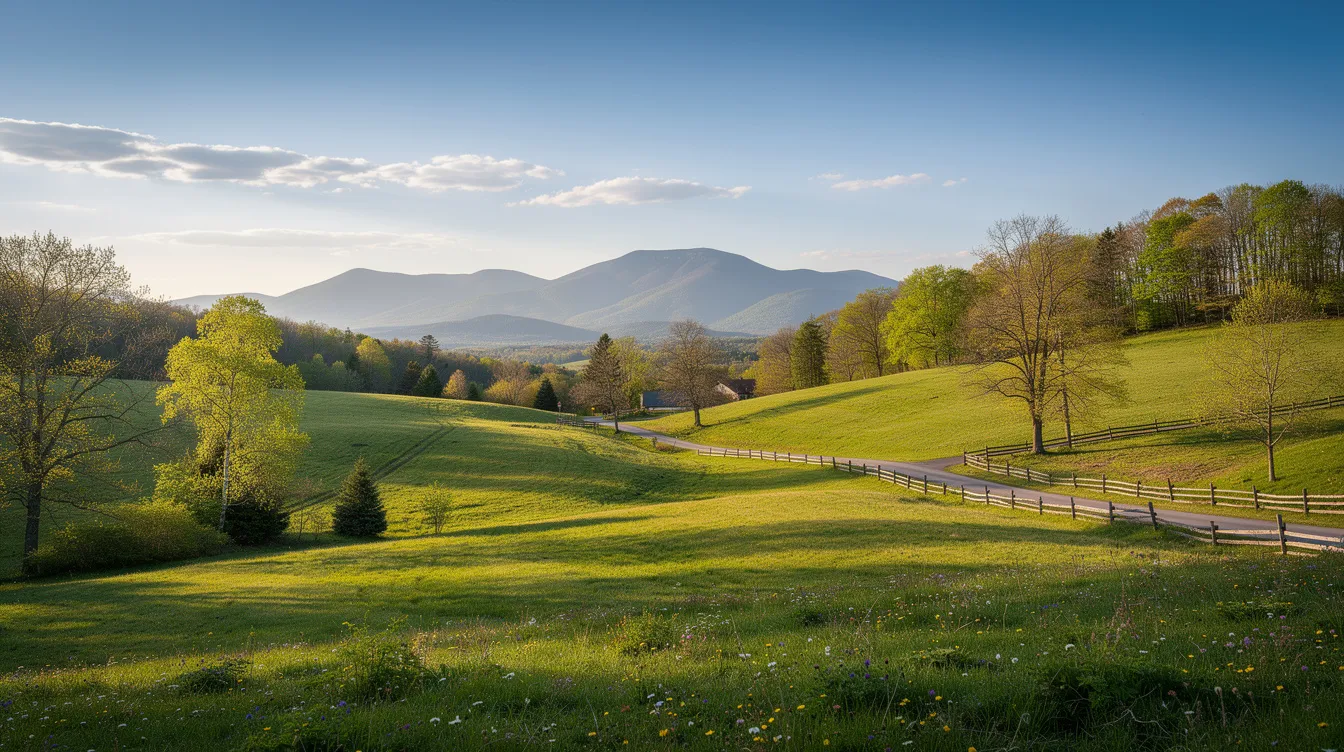
Vermont offers ideal conditions for the tiny house lifestyle. Mountains, forests, distinct seasons, and a culture that values sustainability over consumption create a natural fit for people choosing to live tiny and to explore cute tiny house designs that match their surroundings.
Tiny House Crafters designs specifically for this climate. Four-season insulation, proper vapor barriers preventing moisture problems, and roof structures engineered for snow loads aren’t afterthoughts—they’re fundamental to every build and contribute to elegant tiny homes that redefine modern living. Heating systems are sized for sub-zero winter nights, not mild southern winters.
Vermont clients typically choose several parking scenarios. Some position homes on rural family property, either as primary residences or housing for extended family members. Others lease pads on working farms, enjoying pastoral settings at affordable monthly rates. RV parks accommodate some tiny homes depending on facility rules, while some owners experiment with Home Depot tiny house kits or similar structures as starter units. And in more progressive towns like Burlington and Montpelier, tiny houses increasingly qualify as legal accessory dwelling units.
Real-world examples show the variety: a Londonderry couple using their tiny house as a ski-season base, someone near Brattleboro generating rental income through Airbnb, a family adding backyard studio space in a Burlington-area town. The lifestyle benefits clients consistently report include reduced housing costs, minimal cleaning time, more hours spent outdoors, and alignment with their environmental values.
How to Get Started with Tiny House Crafters
If you’re interested in a tiny house for Vermont or New England, a few preparation steps will make your first conversation more productive.
Before reaching out, clarify your budget range—custom tiny homes from Vermont builders typically run from $30,000 to $100,000+ depending on size and features. Decide whether your home will move frequently or stay mostly parked, as you would when comparing a top tiny house builder in NY or other regional options. Have a rough idea of desired length and sleeping arrangements.
To make contact, visit their official website and use the contact form, or call directly with a short project description. Bring information about intended use (full-time home, rental, office), preferred timeline, and any must-have features like washer/dryer or specific accessibility requirements.
For local buyers or those planning a Vermont visit, scheduling an in-person consultation lets you tour works in progress and examine material samples firsthand. Photos cannot replicate the experience of standing inside a completed space and understanding the quality of the end result.
Partnering with a small, hands-on team like Tiny House Crafters means your tiny house dream becomes a custom built home—designed for your life, constructed with care, and built to last decades in Vermont’s demanding environment. The freedom to create something genuinely yours starts with a phone call.