
Retirement should mean freedom. Not endless maintenance. Not crushing housing costs. Not living far from the people you love.
That’s why tiny house living for retirees has exploded in popularity. A compact home between 150 and 400 square feet can cut your expenses in half, eliminate yard work, and put you closer to family than ever before.
Key Takeaways
A tiny house typically ranges from 150 to 400 square feet and can slash housing costs by more than half compared to a traditional home. Monthly expenses in a tiny home often total under $1,200, while a conventional 1,800-square-foot house can run $2,500 to $4,000 monthly when you factor in mortgage, utilities, taxes, and maintenance.
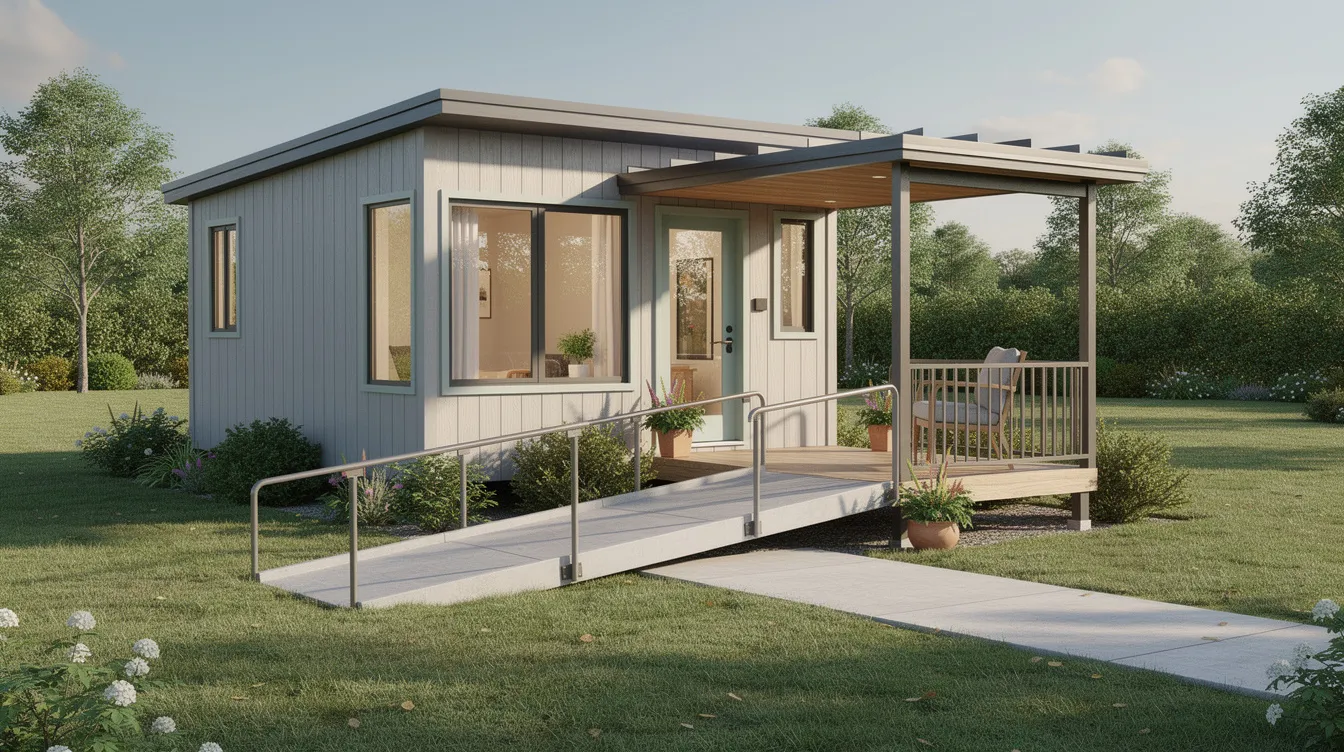
Single-level tiny homes with wide doorways, step-free entry, and a full-size bathroom are the safest layouts for retirement. One story tiny homes eliminate the challenges of stairs and hard-to-reach loft spaces, making movement throughout the home safe and comfortable for seniors.
Before committing, retirees can test tiny living through nightly or monthly rentals in tiny house villages across Florida, Oregon, and North Carolina. Prices range from $100-$200 per night, giving you a real-world trial before spending $60,000 to $150,000 on a purchase.
Common placement options include a child’s backyard as a modern granny flat, a dedicated tiny home community with shared amenities, or a small rural lot for more privacy and nature. Each option offers different benefits for long term living.
Key challenges include zoning rules, parking regulations, and access to healthcare. This guide walks through how to handle each one.
- Why Tiny House Living Appeals to Retirees Today
- Designing a Retirement-Friendly Tiny House
- Types of Tiny Homes for Retirement
- Living Close to Family in a Tiny Home
- Joining a Tiny Home Community in Retirement
- Financial Planning and Cost of Tiny House Retirement
- Health, Safety, and Accessibility in a Tiny Home
- How to Test and Transition into Tiny House Living
- Frequently Asked Questions about Tiny House Living for Retirees
- Is a tiny house really legal to live in full time as a retiree?
- How much does a retirement-ready tiny house typically cost?
- Can I live in a tiny house if I use a walker or wheelchair?
- What happens if my health changes and I can no longer live entirely independently?
- Will a tiny house feel too small after years in a larger home?
Why Tiny House Living Appeals to Retirees Today
Since around 2020, something shifted. Housing costs skyrocketed. U.S. median home prices rose 50% to $420,000 by 2025. Meanwhile, most people on retirement income—averaging about $1,900 monthly from Social Security—found themselves squeezed.
At the same time, many retirees discovered they didn’t need more space. They needed peace. They wanted a simpler life without the endless upkeep of a large house.
The Financial Relief
Compare the numbers:
Expense | Traditional 1,800 sq ft Home | Tiny House (250-400 sq ft) |
|---|---|---|
Mortgage/Payment | $1,200-$1,500 | $0 (if cash purchase) |
Utilities | $300-$400 | $50-$150 |
Property Taxes | $300-$500 | $200-$400 |
Insurance | $150-$200 | $300-$600/year |
Maintenance | $300-$500 | Minimal |
Monthly Total | $2,500-$4,000 | $600-$1,200 |
Living in a tiny home can free up financial resources, allowing retirees to spend more on activities that matter to them, such as traveling or visiting family. |
Lifestyle Benefits
The tiny house lifestyle means:
- Less cleaning and maintenance. No mowing lawns. No painting exteriors. Free up 10-20 hours weekly.
- More time for what matters. Travel seasonally—base in Arizona during winter, visit kids in Ohio during summer.
- Freedom to downsize stress. Fewer possessions mean less worry about upkeep and repairs.
Emotional Benefits
Living in a tiny home allows seniors to maintain their independence without feeling isolated, as they can enjoy their own space while being near family support. This beats the institutional feel of an assisted living facility, which averages $4,500 monthly.
One story tiny homes provide seniors with the independence of their own private residence while allowing them to stay close to family, often placed on shared property for easy access to loved ones.
Designing a Retirement-Friendly Tiny House
The most critical decision? A layout built to age in place safely.
Forget lofts. Forget ladders. About 70% of standard tiny homes include sleeping lofts—risky for anyone planning to live in their tiny home into their 70s and 80s.
Main-Floor Living
Design your sleeping area on the ground level, starting with tiny house plans that fit your life and long-term mobility needs. Options include:
- A dedicated ground-floor bedroom (10×10 feet fits a queen bed)
- A Murphy bed or convertible sofa
- Wide hallways (at least 36 inches) for walkers
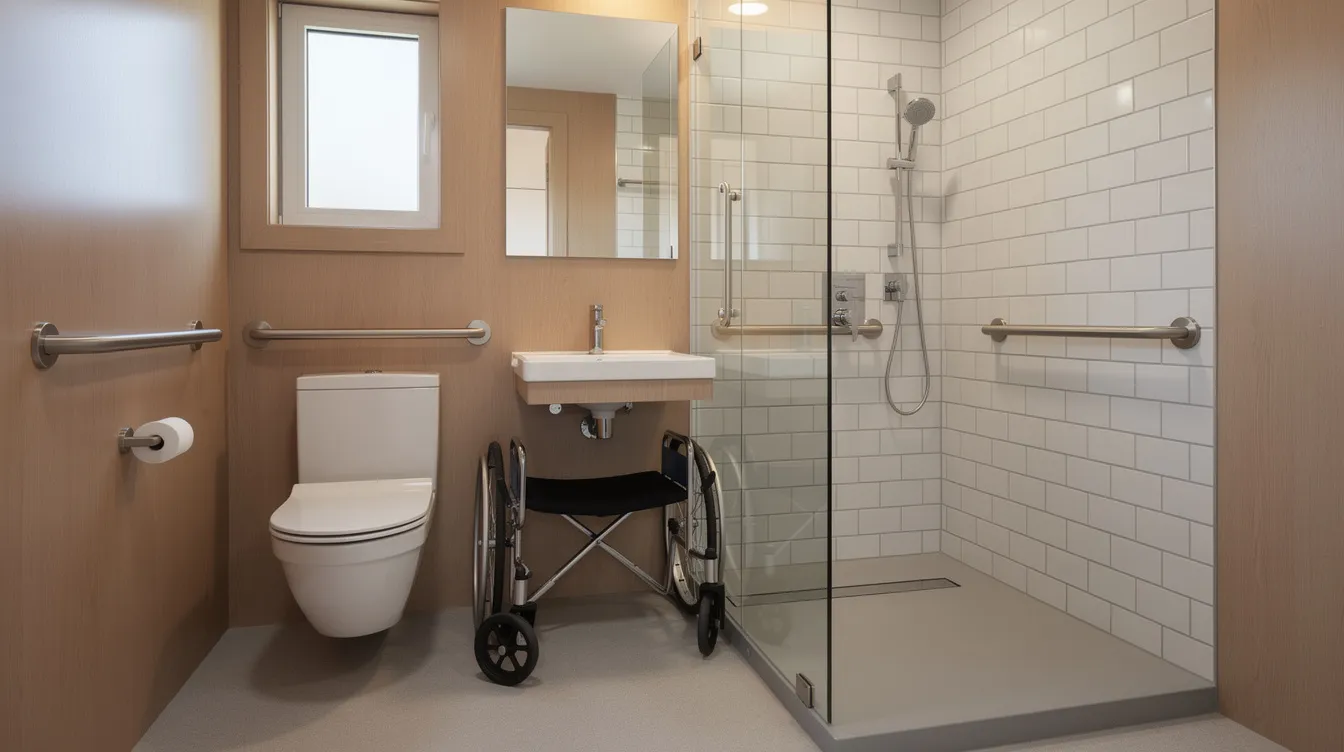
Designing a tiny house for older adults should include features like a full-sized shower, handrails, and fold-away shower seats to accommodate mobility issues.
Accessible Bathroom Design
Your bathroom needs:
- Full-size curbless shower (at least 36×36 inches)
- Reinforced walls for grab bars (supporting 250+ pounds)
- Non-slip porcelain tile flooring
- Space for a small shower chair
- Lever faucets instead of knobs
Kitchen Considerations
Create a kitchen that works for you:
- Lower countertops (32-34 inches) for seated use
- Pull-out pantry drawers instead of overhead shelves
- D-shaped cabinet handles for arthritic hands
- Induction cooktop (safer than gas—no open flame)
- LED task lighting (500+ lux)
Safe Entry and Circulation
- Zero-step threshold or ramped entry (1:12 slope)
- Sturdy handrails extending 12 inches beyond steps
- Doors at least 32 inches wide (36 inches is better)
- Lever door handles
Storage Tips
Drawing on ideas from inspiring tiny house space-saving designs can make a big difference as you age.
- Under-bed drawers with hydraulic lifts
- Lower cabinets with lazy Susans
- Built-in seating with lift-top storage
- Avoid overhead-only storage space
Types of Tiny Homes for Retirement
Retirees can choose between three main options. Each has trade-offs, so it helps to review whether buying a tiny house is really right for you.
Tiny Houses on Wheels (THOW)
These are typically 20-30 feet long and 8-10 feet wide. Perfect for snowbirds who want mobility. However, most people eventually park them semi-permanently—about 60% never move again.
Pros: Mobile, $50,000-$90,000 range, flexibility Cons: Depreciate like RVs, require stable parking, utility hookup challenges
Tiny Homes on Foundations
Better stability. Easier permitting in most U.S. cities since the 2018 IRC Appendix Q updates allowing homes under 400 square feet. Pair this with choosing the best foundation for your tiny house to ensure long-term stability and compliance. They appreciate 3-5% yearly like traditional property.
Pros: Stability, appreciation, easier financing Cons: Can’t relocate, longer permitting (3-6 months)
Prefab ADUs and Granny Flats
Factory-built cottages (200-600 square feet) that connect to existing home utilities. These boomed after California’s 2017 ADU law changes, now active in 30+ states.
Pros: Shared infrastructure cuts costs 50%, family proximity Cons: Depends on family property, zoning caps
Choose based on whether you prioritize mobility vs. stability, and whether you plan to live close to family or in a dedicated community.
Living Close to Family in a Tiny Home
The backyard tiny home trend has exploded since 2020. Adult children add a granny flat behind their own home, giving parents independence while keeping them close, and many exceptional tiny home designs show how comfortable these small spaces can be.
Tiny homes can strengthen family connections by enabling seniors to live close enough for regular family interactions, such as weekly dinners and support during times of need.
Emotional Benefits
- Daily contact with grandkids
- Shared meals without living in each other’s space
- Help with rides to appointments
- Someone nearby in emergencies
Practical Arrangements
How families make it work:
- Utilities: Split 50-70% of costs (roughly $50/month each)
- Internet: Wi-Fi extenders from the main house
- Laundry: Shared access
- Boundaries: Knock-first signs, quiet hours (10pm-8am), private patios
Example Setup
Picture a 350 square feet tiny home on your daughter’s half-acre lot in 2025. It connects to the main house’s water and sewer. You have a separate small deck, a garden plot, and your own entrance. You’re 30 seconds away in an emergency—but you have your own space.
Compare this to:
Option | Monthly Cost | Independence | Family Access |
|---|---|---|---|
Move into spare bedroom | Free | Low | High |
Assisted living facility | $4,500+ | Low | Limited |
Backyard tiny home | $400-$600 | High | High |
Zoning Notes
About 60% of U.S. cities now permit ADUs under 1,000 square feet for full-time living. Tiny houses on wheels often face more restrictions. Check your local planning department before building.
Joining a Tiny Home Community in Retirement
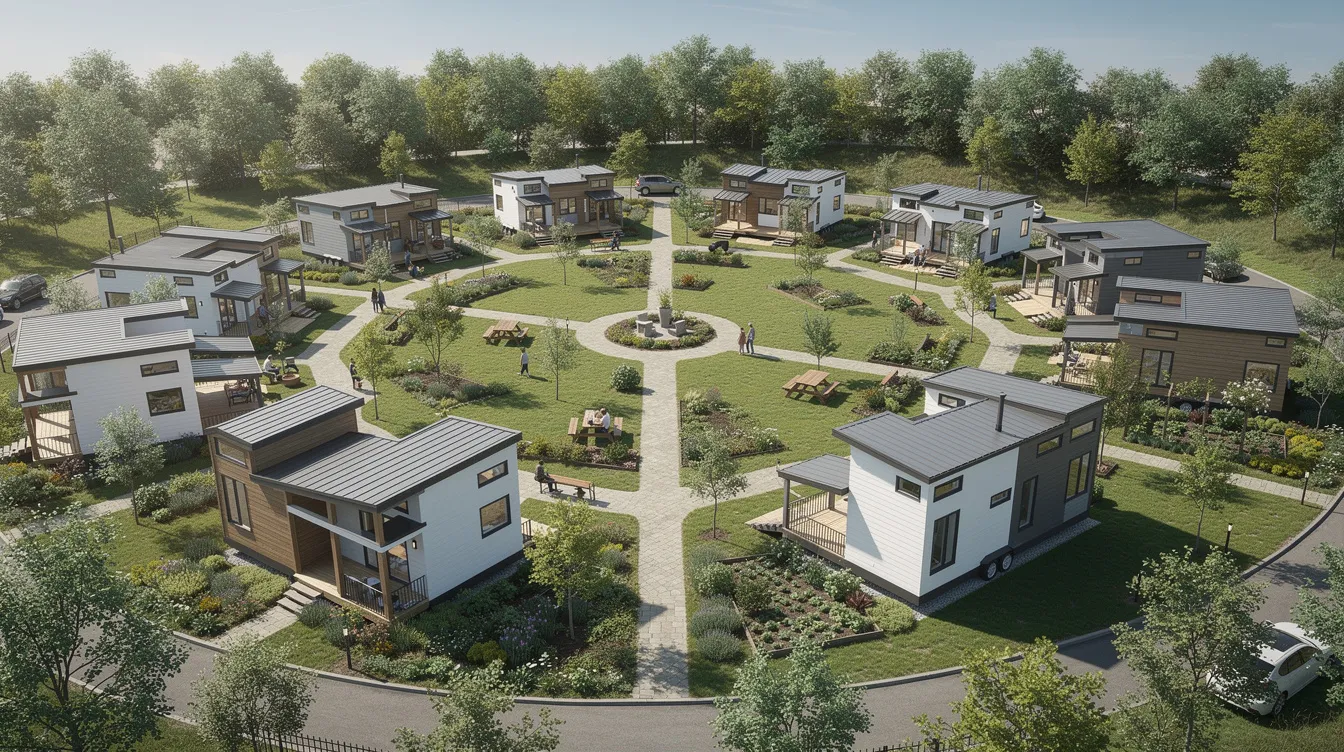
Tiny home communities cluster 20-100 units with shared amenities. Think of them as neighborhoods built for the tiny house movement.
Why Communities Work for Retirees
- Built-in neighbors combat loneliness (25% of seniors report feeling isolated)
- Organized activities: yoga, potlucks, garden clubs
- Shared maintenance cuts costs 30%
- Dog parks and walking paths encourage activity
Community Amenities (2024-2026)
Typical features include:
- Communal fire pits and gathering spaces
- Community gardens (plot rents around $20/year)
- Co-working spaces and home offices
- Shared laundry facilities ($2/load)
- Walking trails through nature
Real Communities to Explore
Cedar Springs Tiny Village in New Paris, Ohio, is recognized as the state’s first exclusive tiny living community, accepting all certified tiny houses on wheels with various certifications.
Acony Bell Tiny Home Community in Mills River, North Carolina, offers a unique blend of rustic charm and modern tiny living, situated between Asheville and Brevard.
Bluegrass Tiny Ridge in Central Kentucky is a tiny home community that caters to individuals prioritizing sustainable living and minimalism, set in a serene landscape.
Tiny Tranquility in Waldport, Oregon, is designed to provide residents with both private living spaces and expansive common areas for social engagement, emphasizing community and sustainability.
Orlando Lakefront at College Park is a community that supports the tiny house movement by providing a picturesque setting for tiny houses on wheels and a couple of foundation-based homes.
Age-Restricted vs. Mixed Communities
About 40% of tiny home communities are age-restricted (55+). Consider whether you want neighbors your age or a mix of young people and families.
Try Before You Buy
Rent a tiny house in a community for a week or month. Test the lifestyle, meet potential neighbors, and experience the layout before you decided to commit.
Financial Planning and Cost of Tiny House Retirement
Tiny homes are cheaper than traditional houses. But you still need a plan, and tools like a tiny home cost calculator can clarify your budget.
Upfront Costs
If your budget is tight, you might even explore tiny homes under $20K as an entry point into retirement downsizing.
| Item | Cost Range |
|——————————————-|——————| | Tiny house purchase | $60,000-$150,000 | | Land or pad purchase | $5,000-$20,000 | | Delivery fees | $4-$8 per mile | | Utility hookups | $10,000-$30,000 | | Accessibility upgrades (ramps, grab bars) | $2,000-$5,000 | Tiny homes can significantly reduce housing costs, with some models starting at around $64,850, and many affordable tiny house designs focus on retirees’ needs, making them an attractive alternative to traditional housing.
Ongoing Monthly Costs
- Lot rent in communities: $400-$900
- Property taxes (foundation homes): $300-$800 yearly
- Insurance: $400-$600 yearly
- Utilities: $100-$200
- Maintenance: $500 yearly
Funding Strategies
- Proceeds from selling a larger home (median equity around $300,000)
- Retirement account withdrawals (plan carefully for tax implications)
- ADU-specific loans (5-7% interest rates)
- RV loans for tiny houses on wheels
The cost of living in a tiny home is typically lower than that of a larger house or senior living community, due to reduced utilities, minimized upkeep, and fewer repairs.
Monthly Budget Comparison
Traditional Home: $2,500/month Tiny Home: $900/month Annual Savings: $19,200
That’s enough for travel, hobbies, healthcare, or visiting family across the country.
Resale Considerations
Tiny houses on wheels retain about 70% of their value if well-maintained. Foundation homes appreciate 3-5% annually. Both are easier to sell than you might think—the tiny home market has grown steadily since 2016.
Health, Safety, and Accessibility in a Tiny Home
Planning for changing health needs matters if you expect to stay in your tiny house into your 70s and 80s.
Fall Prevention
To reduce the risk of falls, tiny homes for seniors should have non-slip flooring, adequate lighting, and accessible storage spaces that are easy to reach without climbing.
- Non-slip flooring (coefficient of friction above 0.6)
- Motion-activated LED nightlights (reduces night falls by 50%)
- Grab bars in bathroom and near bed
- Stable, non-wobbly furniture
- No loose rugs or cables
Accessibility for Mobility Devices
For walkers or small wheelchairs:
- 36-inch wide doors minimum
- 5-foot turning radius in bathroom
- Pocket doors instead of swinging doors
- Clear pathways without tight spaces
Climate Control
- R-30 insulation for extreme temperatures
- Mini-split systems (handle 0-100°F efficiently)
- HEPA air filtration for allergies
- Easy-to-open windows for ventilation
Technology for Safety
- Video doorbells (Ring or similar)
- Smart smoke and CO detectors
- Medication reminder apps
- Personal emergency response systems (Life Alert costs about $30/month)
Part-time in-home support becomes more affordable in a 300 square feet home—caregivers charge $25/hour regardless of home size, and a tiny home is faster to clean and maintain.
How to Test and Transition into Tiny House Living
The best way to know if tiny living feels right? Experiment first.
Short-Term Stays
Rent a tiny house through vacation rental platforms for at least a week, or look into tiny house nature retreats that let you test small-space living in beautiful, peaceful settings. Try different seasons—winter heating and summer cooling feel different in a small living space.
Nightly rentals in tiny house villages range from $100-$200. Monthly stays in places like Oregon’s Cottage Grove run $1,200-$2,000.
Gradual Decluttering Plan
Downsize belongings over 6-12 months:
- Months 1-3: Non-sentimental items (duplicate kitchen tools, old magazines)
- Months 4-6: Furniture you won’t need
- Months 7-12: Papers, keepsakes, sentimental items
Use the KonMari method: keep only what sparks joy, and consider minimalist tiny houses for sustainable living as a model for what really matters in your next home.
Create a Mock Tiny Home
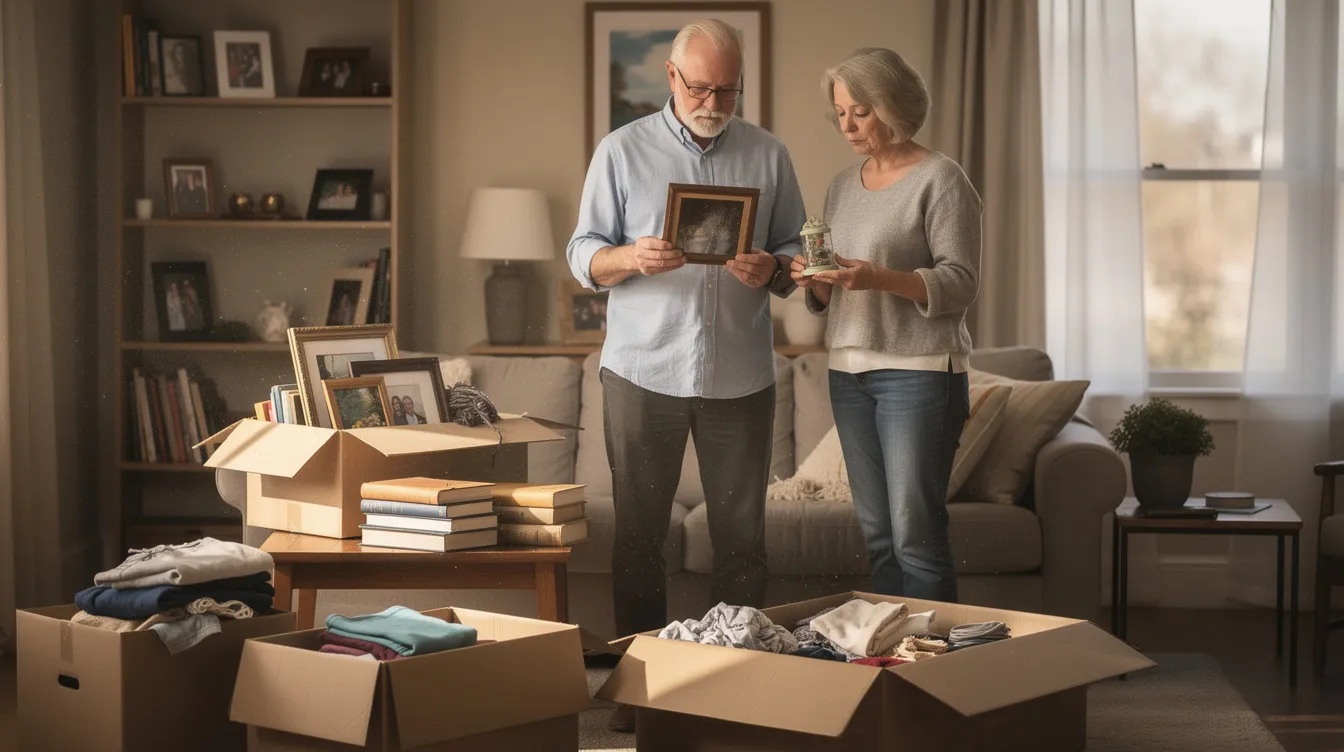
Cordon off an area in your current house matching your planned tiny home (about 300 square feet). Live primarily in that space for two weeks. Cook there. Sleep there. See how it feels.
Involve Family
Have open conversations about:
- Care expectations
- Visit frequency
- Who handles which maintenance
- Boundaries and privacy
Adjust Over Time
Tiny living can be modified. Add ramps if mobility changes. Relocate your tiny house on wheels if you need to live close to a different family member. Swap furniture for more accessible options.
The dream of tiny living is flexibility—create your future on your terms.
Frequently Asked Questions about Tiny House Living for Retirees
Is a tiny house really legal to live in full time as a retiree?
Legality depends on local zoning and building codes. About 75% of U.S. jurisdictions now allow full-time living in tiny homes on foundations or ADUs, thanks to IRC Appendix Q updates since 2018. Tiny houses on wheels face more restrictions—many areas limit them to RV parks or 180-day seasonal use.
Check with your city or county planning office before buying. Consider consulting a local planner or attorney familiar with accessory dwelling units to avoid fines or forced relocation.
How much does a retirement-ready tiny house typically cost?
Basic tiny houses on wheels start in the mid-$60,000s as of 2024-2026. Fully customized, accessible single-level models with wider doors, ramps, and upgraded bathrooms range from $80,000 to $150,000.
Budget an additional $10,000-$30,000 for site work, utility hookups, and delivery fees (typically $4-$8 per mile). If placing the home on private land, factor in septic, water, and electrical connections.
Can I live in a tiny house if I use a walker or wheelchair?
Yes—if the tiny home is designed for accessibility from the start. Look for at least 36-inch wide doors, open floor plans with adequate turning space (5-foot radius in bathroom and dining area), and a ramped entrance.
Consult an occupational therapist during the design phase to ensure the tiny home works for current and future mobility needs. Avoid any model with stairs or lofts.
What happens if my health changes and I can no longer live entirely independently?
Many retirees use tiny homes as a flexible step between a large home and more intensive care. If care needs increase, options include bringing in part-time in-home support, moving the tiny home closer to family, or transitioning to assisted living if necessary.
Discuss contingency plans with family early. Establish powers of attorney and decide how to fund future care if tiny living is no longer practical. Tiny houses on wheels maintain a liquid resale market.
Will a tiny house feel too small after years in a larger home?
Adjustment can be challenging in the first few months. But 80% of retirees adapt within three months, according to AARP research. Many report relief rather than deprivation once clutter and maintenance disappear.
Prioritize outdoor living areas—decks, porches, and community common spaces make the overall environment feel bigger than your interior square feet. Trial stays and gradual downsizing beforehand help test personal comfort with small-space living.