
Key Takeaways
- A scandinavian tiny house interior uses light colours, natural materials like pine and oak, and clever built-in storage to make 20–30 m² feel generous.
- Large windows and simple lines create calm, not cramped. Minimal clutter is essential.
- Multifunctional furniture—sofa beds, fold-down tables, stair storage—turns one room into living, dining, and guest bed space.
- Natural materials and energy-efficient solutions (wood, wool, LED lighting) create a healthy microclimate and lower running costs.
- You’ll get concrete layout ideas, colour palettes, and tips to copy directly into your tiny house project.
- Introduction: What Makes a Tiny House “Scandinavian” Inside?
- Planning the Layout of a Scandinavian Tiny Home
- Signature Scandinavian Style Elements in a Tiny House
- Natural Materials: Wood, Textiles and Finishes for Tiny Houses
- Smart Storage and Multifunctional Furniture in Tiny Houses
- Room-by-Room Scandinavian Tiny House Interior Ideas
- Light, Colour and Atmosphere: Creating Hygge in a Tiny Home
- Technology, Comfort and Sustainability in Scandinavian Tiny Houses
- Scandinavian Tiny House Interior Inspiration and Next Steps
- FAQ: Scandinavian Style for Tiny Houses
- How many square meters work best for a Scandinavian tiny house interior?
- Can I use darker colours and still keep the Scandinavian tiny home feeling?
- What is the most important investment for a comfortable Scandinavian tiny home?
- Do I need custom furniture, or can I use standard pieces?
- Is a Scandinavian tiny house suitable for a family with children?
Introduction: What Makes a Tiny House “Scandinavian” Inside?
Scandinavian interior design is characterized by clean lines, a neutral color palette, and an abundance of natural light, creating a sense of tranquility and harmony. This design style emphasizes functionality and simplicity, making it ideal for small spaces like tiny houses.
This article focuses on tiny homes between 18–35 m². Whether on wheels or foundations. Used as full-time homes or weekend cabins.
Scandinavian style solves three tiny home challenges:
- Limited space
- Low natural light in winter
- Need for durability in harsh weather
We’ll cover layout, storage, natural textures, and tech for comfort in small spaces.
Planning the Layout of a Scandinavian Tiny Home
Every centimetre matters in a 20–30 m² tiny house design. Plan before you build.
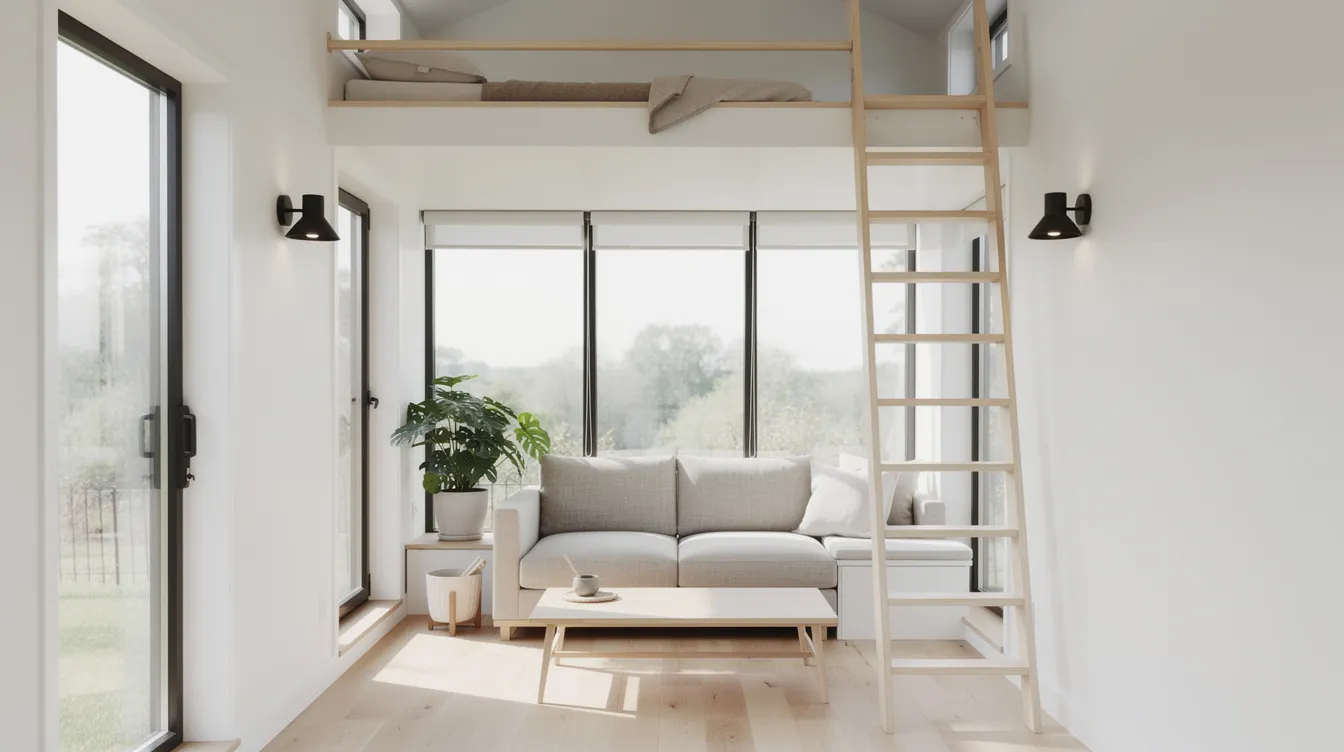
A typical Scandinavian tiny house layout includes:
- Open-plan living–kitchen area on ground level
- Compact bathroom (2 m²)
- Sleeping loft or raised bedroom
Example 25 m² floor plan:
Zone | Size | Features |
|---|---|---|
Entry | 1 m | Coat cabinet |
Galley kitchen | 2.2 m | Induction hob, sink |
Dining area | 1.5 × 2 m | Seats 4 |
Loft bedroom | 4 × 3 m | 1.4 m headroom |
Bathroom | 2 m² | Shower, toilet |
The layout of tiny houses often maximizes the use of vertical space, with sleeping areas placed in lofts or alcoves to free up floor space for living areas. Effective tiny house floor plans often eliminate formal hallways and entrances to create a more open and social living space, allowing for better flow and utilization of square footage. |
Align your layout with the sun path. South-facing windows capture 70% of annual light. Add a small east window for morning brightness.
Signature Scandinavian Style Elements in a Tiny House
Scandinavian style prioritizes a neutral, light-filled color palette. Simplicity. Functionality. Connection to nature, echoing the core principles of Scandinavian tiny home designs for modern living.
Typical colour palette:
- White or off-white walls (NCS S0500-N, 95% light reflectance)
- Light woods: pine, oak, birch
- Grey and beige textiles
- Black accents in handles or lighting
Utilizing whites, creams, and light grays on walls maximizes natural light and makes the space feel larger. Large windows and glass doors keep your tiny home bright year-round. Skip heavy curtains—use sheer linen instead.
The “less is more” principle focuses on high-quality, essential items to maintain a relaxing atmosphere. Aim for fewer than 10 visible items per zone. Hidden storage keeps surfaces clear.
This style draws from Danish hygge (cozy contentment), Swedish lagom (balance), and Finnish love of nature. While Japandi interior décor offers a similar fusion of minimalism with warmth, Scandinavian design brings its own distinct character. Even Aussie Coastal decor shares that connection between indoors and outdoors, though with a different palette.
Natural Materials: Wood, Textiles and Finishes for Tiny Houses
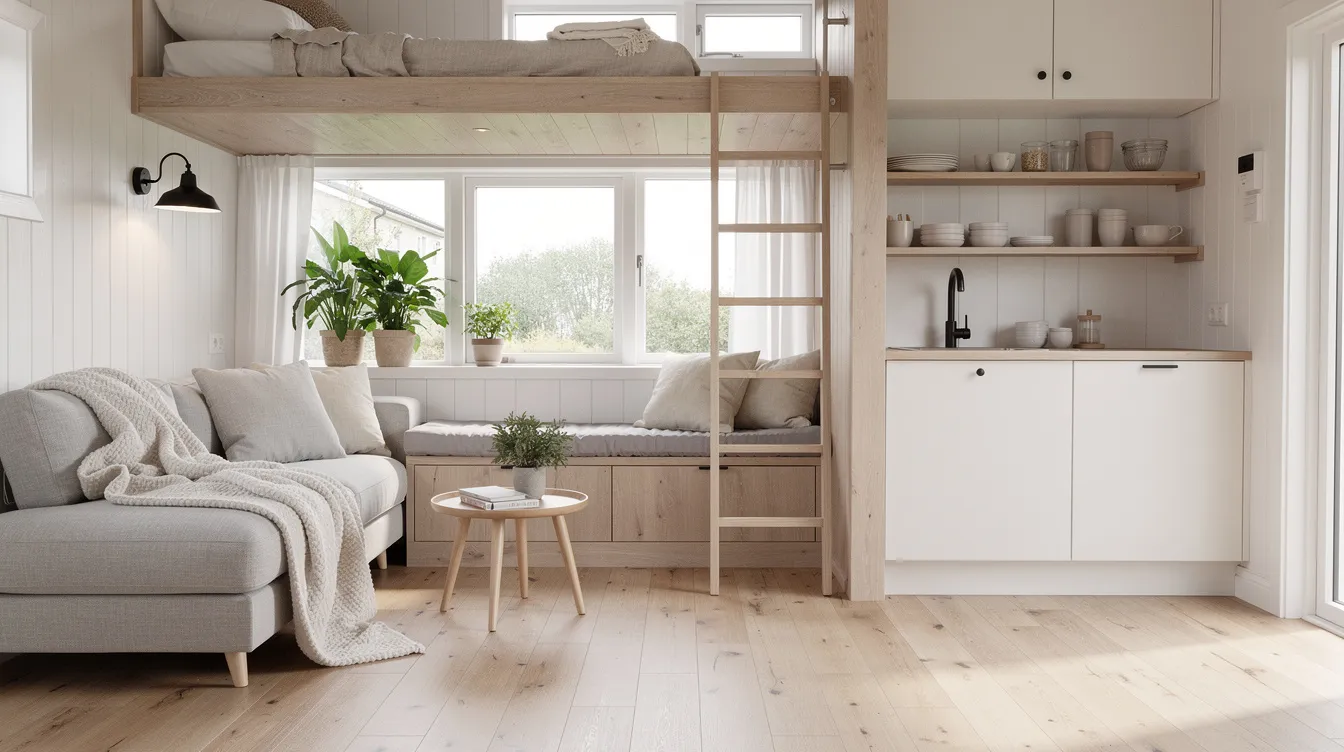
Natural materials are central to scandinavian style. They’re particularly suited to compact interiors. Scandinavian decor often incorporates sustainable materials and craftsmanship, promoting an environmentally conscious approach to interior design and aligning well with affordable tiny house buildings and designs.
Common woods for interiors:
Wood | Use | Notes |
|---|---|---|
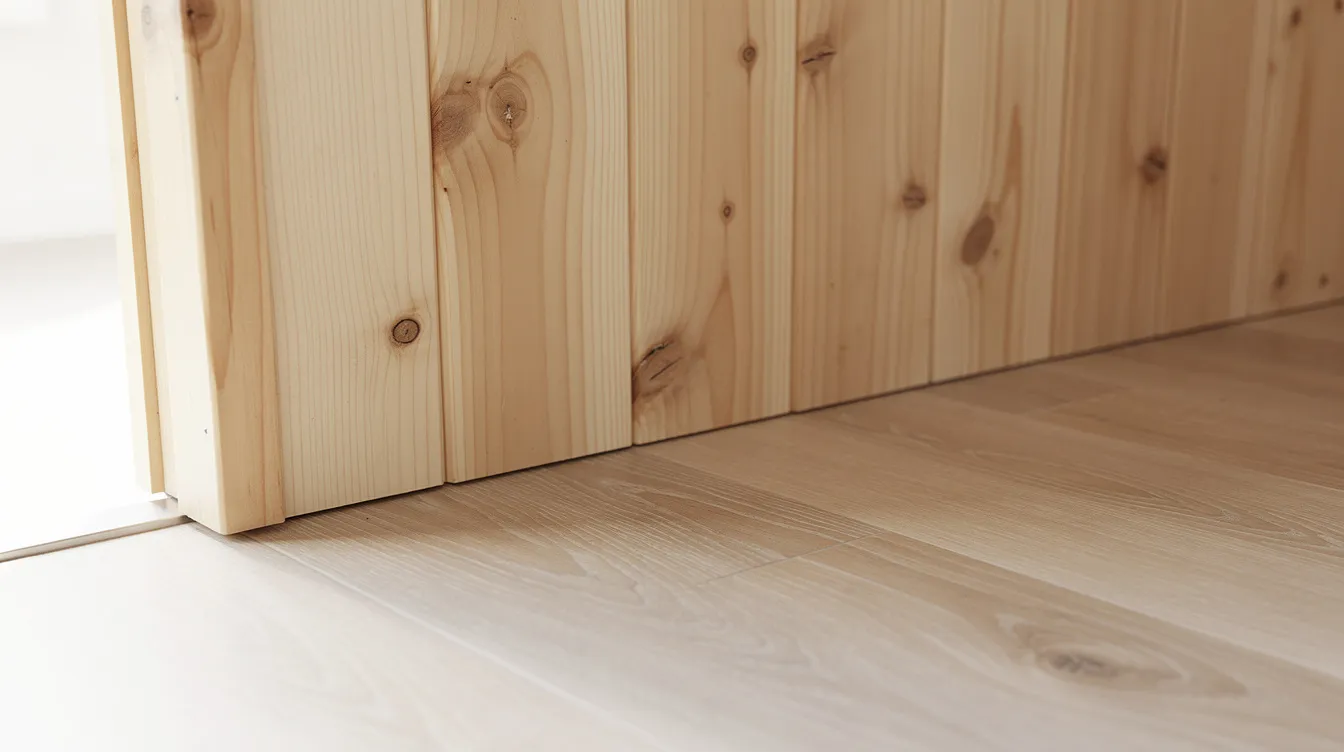
Nordic pine | Wall cladding | Knotty, soap finish |
Oak | Floors | Engineered, 1–1.5 m boards |
Birch plywood | Cabinetry | Low formaldehyde |
Ash | Furniture details | Light grain |
Light-colored woods like pine, beech, or ash enhance brightness in small spaces. Natural materials, such as wood and stone, are increasingly favored in tiny house interiors for their aesthetic appeal and sustainability benefits. |
Use natural, matte finishes. Soap-treated or oiled wood prevents yellowing. Natural elements like wooden furniture and indoor plants bring organic warmth to interiors.
Natural textiles to feature:
- Wool blankets
- Linen curtains
- Cotton rugs
- Sheepskins for benches
Using natural materials in tiny house construction helps create a healthy indoor microclimate, as these materials can breathe and regulate humidity. Natural materials contribute to a cozy and inviting atmosphere in tiny homes, enhancing the overall living experience by connecting occupants with nature.
Consider soapstone counters near the sink—they offer thermal mass and pair beautifully with wood.
Smart Storage and Multifunctional Furniture in Tiny Houses
In tiny living, Scandinavian design relies on integrated, almost invisible storage. It preserves that clean look while maximizing extra space.
Vertical storage solutions include floor-to-ceiling shelving and hooks to maximize vertical space while keeping surfaces clear, just as many of the best tiny house designs for modern living do.
Built-in solutions:
- Drawers in staircase treads (200–300L total)
- Under-bed boxes on castors
- Wall-to-wall bench seating with lift-up lids
- Toe-kick drawers in the kitchen
In tiny house design, multifunctional furniture is commonly used to enhance space efficiency, such as sofas that convert into beds or kitchen tables with foldable or built-in designs that can be folded away when not in use.
Multifunctional furniture examples:
- Sofa bed for guests (expands from 1.2 × 0.8 m to 1.6 × 2 m)
- Fold-down wall desk
- Extendable table (seats 2–6)
- Nesting side tables
Keep storage visually calm with handle-free push-to-open cabinets. Match front panels. Maintain a strict one-in-one-out rule.
Pro tip: A 60 cm wide vertical cabinet next to the entry door handles coats, shoes, and outdoor gear. Essential for Nordic climates where you need to hang wet items.
Room-by-Room Scandinavian Tiny House Interior Ideas
Here’s a tour through each area with concrete styling ideas.
Living area:
- Pale-grey linen sofa with hidden storage
- Narrow oak coffee table (30 cm height)
- Wool rug (1.5 × 2 m)
- Wall-mounted shelf to keep the floor clear
Small kitchen:
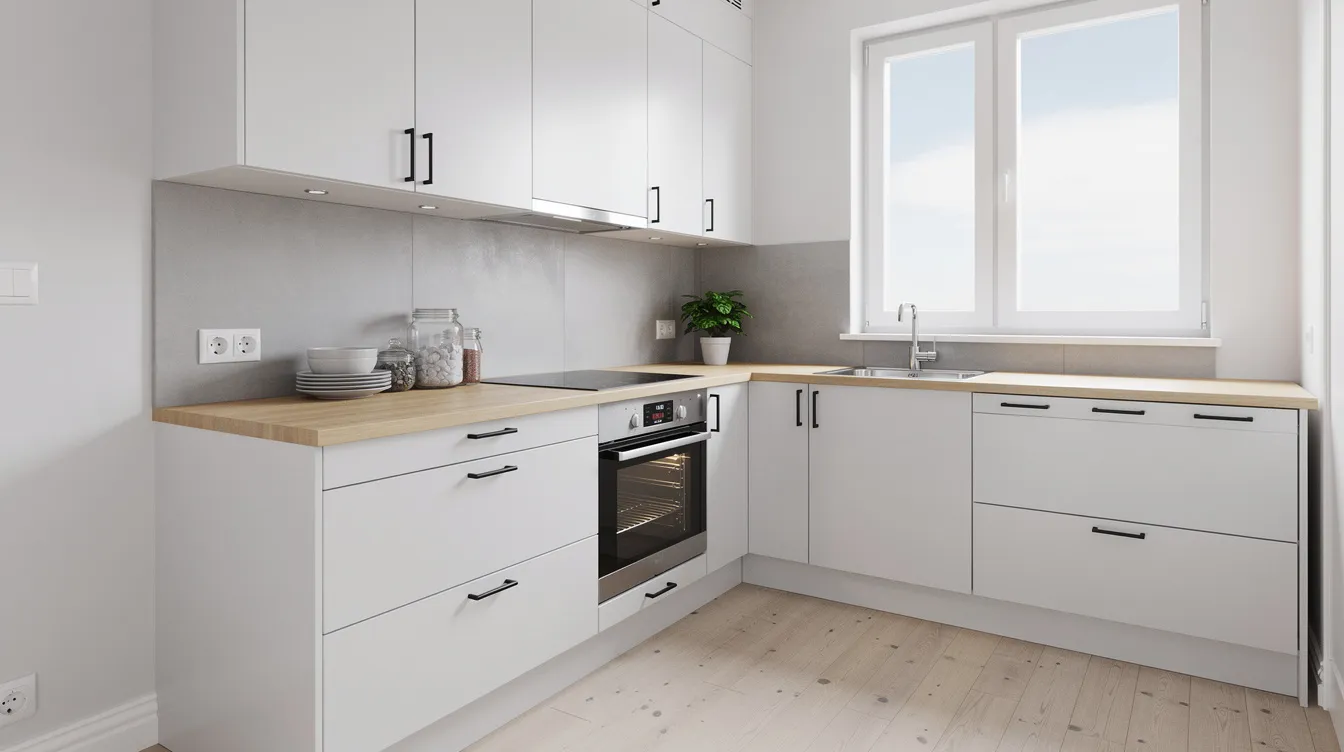
- One- or two-wall layout with matte white cabinets
- Birch or oak countertops
- Open shelf for everyday dishes
- Under-cabinet LED lighting (3000K, 400 lux)
Bedroom or loft:
- Low platform bed with drawers
- Built-in headboard shelf
- Wall sconces instead of floor lamps
- Light linen bedding
- A safe, space-efficient ladder for the tiny house loft
Bathroom:
- Compact 80–90 cm shower
- Off-white tiles or panels
- Wall-hung vanity with storage
- Light wood ceiling for warmth
- Water heater tucked into a cabinet
Light, Colour and Atmosphere: Creating Hygge in a Tiny Home
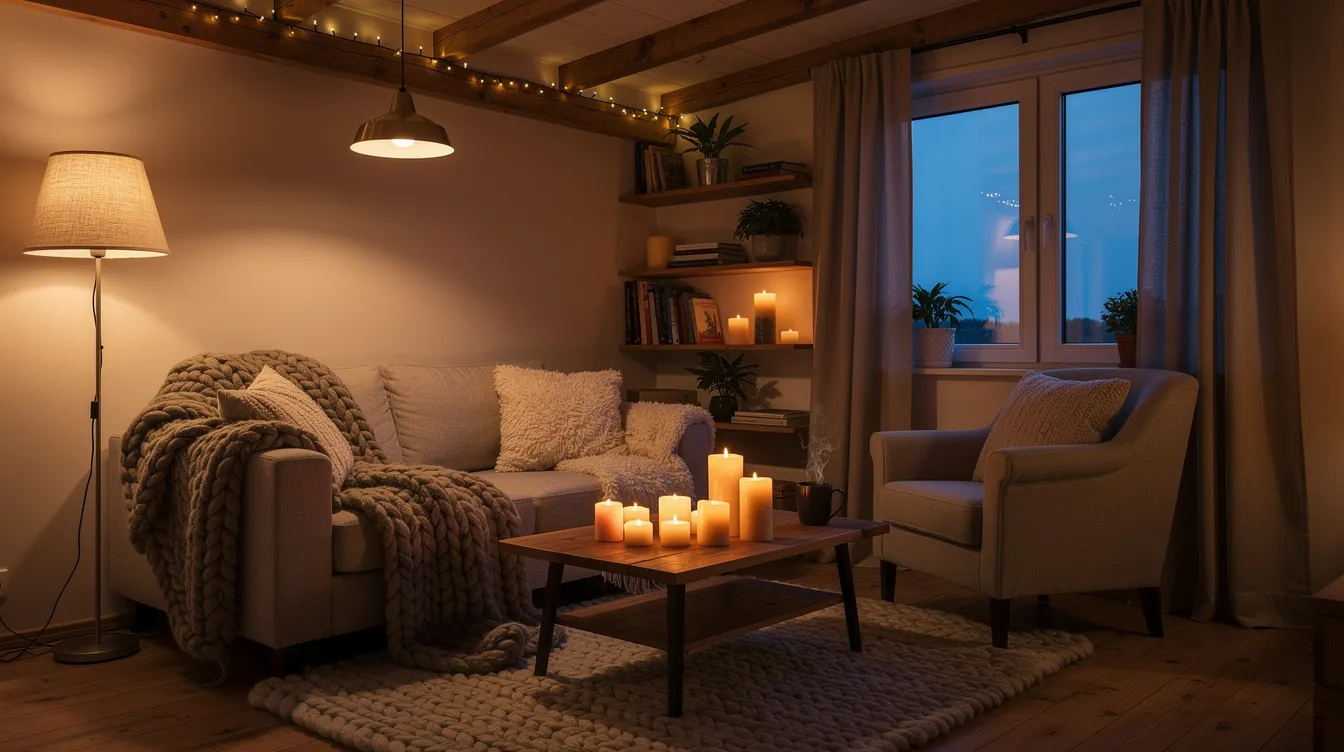
Hygge is that cozy, content feeling central to Scandinavian interiors. Especially valuable during long winter evenings in your tiny house.
Layered lighting with multiple small sources creates a soft, welcoming glow. Here’s how to layer it:
- Ceiling spots (ambient)
- Wall sconces (task)
- Pendant above the table
- Warm-toned task lighting in kitchen and reading areas
Colour scheme suggestions:
Element | Recommendation |
|---|---|
Walls | White (NCS S0500-N) |
Textiles | Warm grey |
Wood | Natural oak tones |
Accent | Muted blue or moss green |
Layered textiles, such as chunky knit throws and cotton cushions, add comfort to a space. Add candles in safe wall or window niches. A small bookshelf makes the room inviting without clutter. |
Consider a compact wood-burning stove for both heat and visual cosiness. Check building regulations first—you’ll need 1 m clearance.
Technology, Comfort and Sustainability in Scandinavian Tiny Houses
Modern Scandinavian tiny homes blend low-impact life with high comfort through smart systems, very similar in spirit to a fully featured tiny smart home.
Insulation and ventilation basics:
- Thick, well-insulated walls (U-value 0.12 W/m²K)
- Triple-glazed windows (saves 50% heat vs double)
- Mechanical ventilation with heat recovery (85% efficiency)
Energy-efficient heating options:
- Underfloor heating (100W/m²)
- Small air-to-air heat pump (COP 4.0)
- Efficient wood stove for under 30 m²
Sustainable choices:
- FSC-certified timber
- VOC-free paints (reduces off-gassing 70%)
- LED lighting (50,000-hour life)
- Optional solar panels for off-grid living
Plan for future tech. Leave wall conduits for extra cabling. Allow space for a compact battery. Smart home controls manage lights and heat efficiently, and the same step-by-step mindset applies when you build a tiny house from scratch.
Professionals in Canada and across Nordic countries increasingly install MVHR systems as standard—a trend growing 30% yearly.
Scandinavian Tiny House Interior Inspiration and Next Steps
Scandinavian design makes tiny houses feel a lot bigger—calmer and more connected to nature through light, colour, and clever planning.
Gather visual inspiration from:
- Scandinavian interior magazines
- Nordic architects’ portfolios
- Real tiny home case studies built after 2020
- Swedish tiny houses for cozy living that showcase classic Nordic charm
Create a simple mood board with specific materials. Oak samples. White paint codes. Textile swatches. This process helps before committing to purchases.
Checklist before you build:
- [ ] Layout decided
- [ ] Storage planned
- [ ] Materials selected
- [ ] Lighting layers mapped
- [ ] Budget aligned with priorities
Whether you’re designing from scratch or renovating an existing small cabin, these ideas adapt to your site and surroundings. The craftsmanship you invest delivers relaxation and comfort for years. Start your search for materials. Talk to builders or explore Home Depot tiny house kits if you prefer a kit-based approach. Your stylish tiny house awaits.
FAQ: Scandinavian Style for Tiny Houses
How many square meters work best for a Scandinavian tiny house interior?
Scandinavian principles work from about 15 m² up to 35 m². However, 22–28 m² often offers the best balance of space, cost, and simplicity for one or two people. This size allows room for proper zoning while maintaining the exterior simplicity that keeps construction affordable. Larger homes require more stories or complex layouts. Smaller ones sacrifice functionality.
Can I use darker colours and still keep the Scandinavian tiny home feeling?
Yes. Use darker tones in small doses—charcoal accents, dark blue cabinet fronts, or a feature wall. Keep main surfaces light and natural. Wabi-sabi interior decor celebrates similar principles with weathered textures and natural materials. The detail is in balance: 85% light surfaces, 10–15% accents. This harmony keeps things open while adding depth.
What is the most important investment for a comfortable Scandinavian tiny home?
High-quality windows, insulation, and a reliable heating system matter more than expensive decor. Triple-glazed windows (around €20–30k for a full build) deliver comfort in Nordic climates. Premium insulation means lower ongoing cost. Good systems mean you can rest easy through harsh winters.
Do I need custom furniture, or can I use standard pieces?
A mix works well. Built-in items handle storage-critical zones: staircase drawers, bed platforms, kitchen cabinets. Standard pieces—a modern dining table, movable chairs—offer flexibility. Custom work typically runs 20–30% of build budget but delivers tailored functionality that standard pieces can’t match. The island in your kitchen might be custom; chairs delivered from a catalog.
Is a Scandinavian tiny house suitable for a family with children?
It can work with smart zoning. Consider bunk beds with integrated storage, a fold-down desk for homework, and durable, easy-clean materials like linoleum floors. Families need about 30–35 m² minimum. Add wool absorbers for noise. The Scandinavian approach to maintaining simplicity helps keep family life organized in compact spaces.