Key Takeaways
- Living full time in a 200-350 sq ft tiny house brings real freedom through lower costs and more free time, but also daily friction around storage, privacy, and weather that you won’t discover during a weekend stay.
- This article is based on actual full time tiny house experience starting around 2018-2020 in the U.S., not theory or vacation rentals.
- Legal parking matters more than the Pinterest look—whether you’re on private land or in rv parks determines your quality of life far more than your countertop material.
- Downsizing isn’t a one-time purge before move-in day; it becomes its own lifestyle that continues for months or years.
- You’ll find concrete examples here, including sizes, layouts, climates, and dates, plus a practical checklist to help you decide if living in a tiny home full time makes sense for you.
Introduction: What Full Time Living in a Tiny House Really Feels Like
Picture this: you wake up at 7 AM in your sleeping loft. The ceiling is close—maybe 42 inches above your bed. You climb down the stairs, start coffee in your galley kitchen, and within three steps you’re at your desk for the workday. By 5 PM, the entire house is clean. You spend the evening outside.
That’s a typical day in a tiny home.
But here’s what most people don’t tell you: there’s a world of difference between a weekend tiny house experience at an Airbnb and choosing to live full time in one year round. Vacation stays are fun. They’re novel. You don’t have to deal with frozen pipes, noisy neighbors at the rv park, or the reality of fitting two people’s winter gear into one closet.
Let’s get definitions straight. A tiny house typically refers to a small dwelling ranging from 100 to 400 square feet, emphasizing efficient use of space and minimalism. A tiny home on wheels (THOW) is technically classified as an RV. Park Model RVs are a type of tiny house that combines the mobility of a recreational vehicle with the comfort and durability of a traditional home, making them suitable for full-time living.
After 12 months of full time living—and especially after our second winter in 2020—we learned what works and what doesn’t. This article covers the emotional, practical, legal, and financial sides of tiny living. Not just design inspiration.
- Our Tiny House Setup: Size, Layout, and Where We Parked
- The Emotional and Lifestyle Side of Tiny House Living Full Time
- Designing Small Spaces for Full Time Living (What Worked and What Didn’t)
- Money Matters: Real Costs of Living Full Time in a Tiny Home
- Parking, Zoning, and RV Parks: Where Can You Live Full Time in a Tiny?
- Daily Realities: Weather, Noise, and Life in a Small Space
- Tiny House Life Lessons: What We’d Do Differently
- Is Full Time Tiny House Living Right for You? A Quick Self-Check
- FAQ: Tiny House Living Full Time
- How many square feet do you really need for full time living in a tiny house?
- Can you live in a tiny home full time with kids or pets?
- Do tiny homes hold up well over several years of full time use?
- Is it better to park a tiny home on private land or in RV parks?
- What’s the biggest surprise about living in a tiny house full time?
Our Tiny House Setup: Size, Layout, and Where We Parked
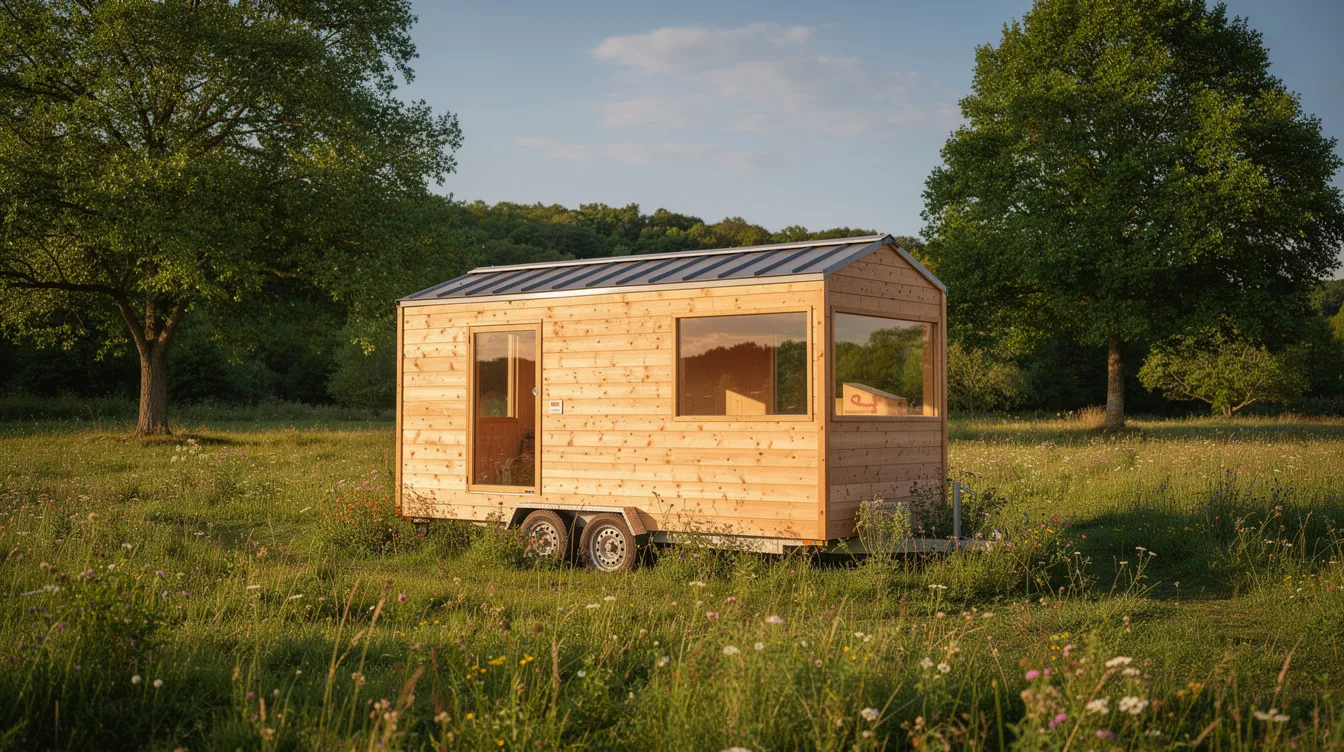
Our tiny home measured about 28 feet long and 8.5 feet wide, totaling roughly 320 sq ft including lofts. This is typical of many full time tiny homes on wheels.
Here’s how the layout worked:
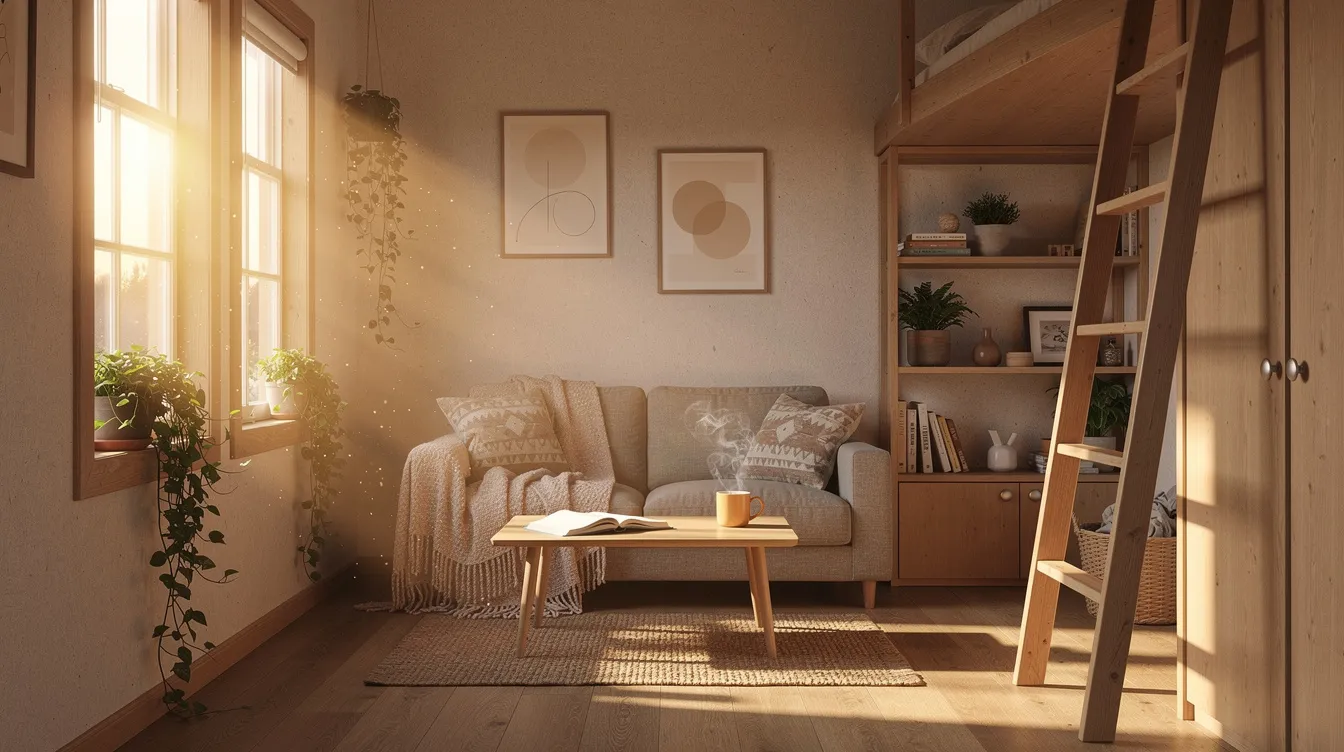
Sleeping loft: Accessed by stairs (not a ladder), with enough room for a queen mattress and minimal nightstands. The high ceilings in the main floor made the loft feel less cramped.
Bathroom: A 30×30 inch shower stall, composting toilet, and a small vanity. Running water came from a 40-gallon freshwater tank when off-grid, or direct hookups when parked at rv parks.
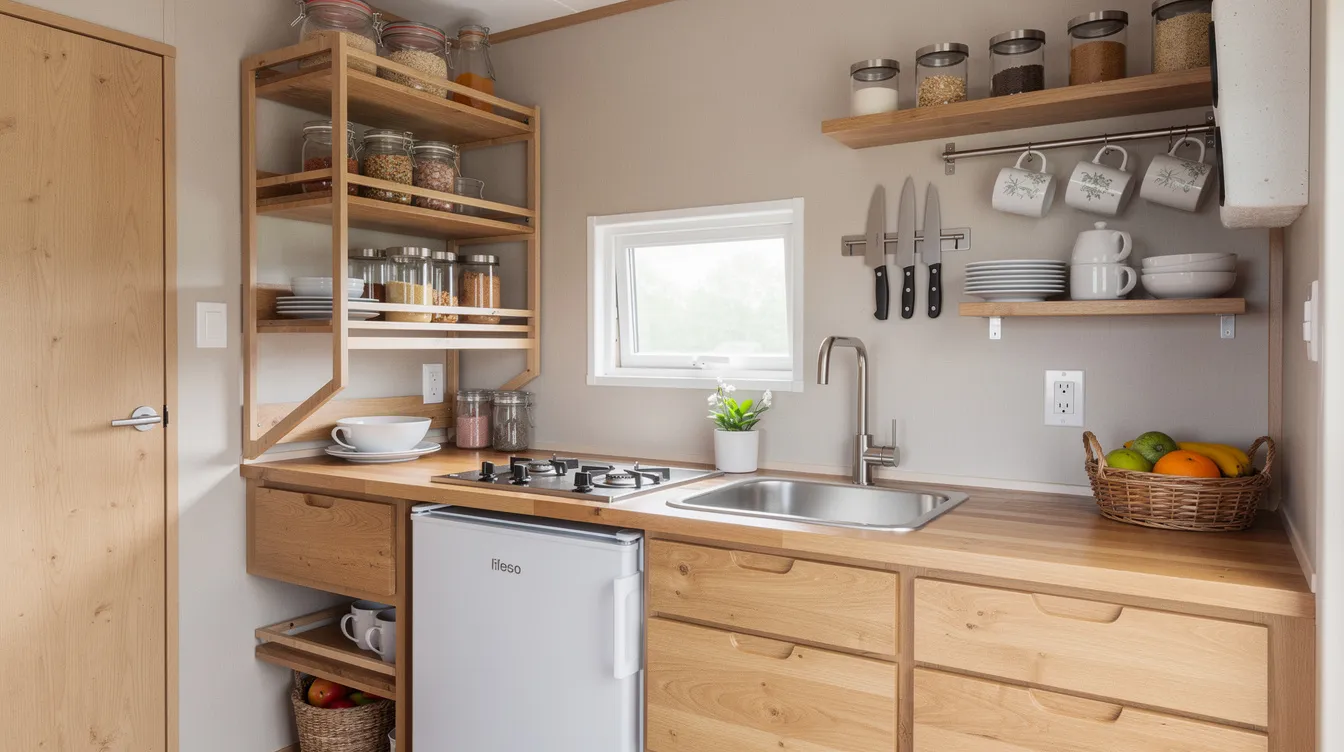
Kitchen: L-shaped with a 24-inch range, under-counter fridge, and open shelving. We had a full kitchen with modern appliances and ample counter space—essential for tiny houses designed for full-time living, ensuring that daily cooking routines are comfortable.
Living/work area: A breakfast bar that converted into a dining table seating 8 people. Multi-purpose furniture was non-negotiable in this small space.
We parked in two different spots over two years. First, a rural driveway on a friend’s private property in northern Colorado. No hookups. We relied on propane, solar panels, and water deliveries. Later, we moved to a long-term RV park with full hookups—electric, water, sewer, and internet, a setup similar in many ways to well-equipped tiny house park model homes.
The location mattered more than we expected. Private land offered quiet and freedom. The RV park offered convenience and community. Both had trade-offs.
For insulation, we used spray foam throughout the walls and floor. Heating came from a propane heater supplemented by a small electric space heater during the coldest weeks. These choices made winter full time living manageable, even when temperatures dropped below freezing.
The Emotional and Lifestyle Side of Tiny House Living Full Time
The emotional journey of tiny living surprised us most, and it’s worth reflecting on this before deciding whether a tiny house for sale is right for you.
Phase 1: Excitement. The first few weeks felt like a dream. Everything was new and intentional.
Phase 2: Downsizing shock. Reality hit around month two. We’d purged over 80% of our stuff before moving, but the adjustment continued. The tiny house lifestyle encourages individuals to prioritize experiences and relationships over material possessions, leading to a more fulfilling life—but getting there took time.
Phase 3: Routine. After 6-12 months, we stopped thinking about square footage daily. It just became home.
Many people find that living in a tiny house encourages minimalism, helping them prioritize what truly matters and eliminate unnecessary clutter, as you can see in many great tiny homes that redefine small space living. This was true for us, but it wasn’t instant. My husband and I had to learn new communication patterns. One person cooking while the other works? You’ll bump into each other. A lot.
Privacy was our main concern going in. Surprisingly, we found more alone time than expected. Here’s why: in our previous two-story house, kids’ noise traveled everywhere. In our tiny home, the master bedroom door blocked sound better than any door we’d owned before. Living in a tiny house can lead to a realization of how little space and possessions one truly needs, often resulting in a desire to live with less.
A specific memory: January 2021, first major snowstorm. We were stuck inside for three days. The house felt smaller than ever. We learned that bad weather makes tiny living feel claustrophobic—not because of actual square footage, but because outdoor living disappears temporarily.
Hobbies changed. Social life shifted. We spent more time outside, met neighbors at rv parks, hosted fewer gatherings inside, and planned more intentional meetups elsewhere. Friends came over for coffee, but dinner parties happened at restaurants. That’s just reality.
Designing Small Spaces for Full Time Living (What Worked and What Didn’t)
Design makes or breaks full time tiny living. Here’s what actually worked—and what we’d change, plus how broader tiny house inspiration and resources can help you refine your own layout.
Kitchen
Our setup: 24-inch range, under-counter fridge, open shelving, and about 6 feet of counter space.
What worked:
- Full-size sink (not a bar sink)
- Propane range with oven
- Counter space near the stove for prep
What didn’t:
- Open shelving collected visual clutter fast
- No dishwasher meant constant hand-washing
A full kitchen with proper appliances is non-negotiable for comfortable living year-round, and thoughtful layouts like those in inspiring tiny house interiors that maximize every square foot make daily cooking much easier.
Bathroom
We had a 30×30 inch shower—tight but functional. Our composting toilet eliminated the need for a black water tank, which simplified life at the rv park.
What worked:
- Composting toilet (less maintenance than expected)
- Good ventilation fan
- Wall-mounted storage
What didn’t:
- Shower felt cramped for taller people
- Limited counter space around the sink
Storage
Storage saved us. We built in designs similar to many elegant tiny homes that redefine modern living that use every inch wisely:
- Under-stair drawers
- Toe-kick drawers in the kitchen
- Loft storage bins above the bedroom
- Hooks everywhere (literally everywhere)
One mistake: we left too much wall space open, thinking it would feel “airy.” It just collected dust and looked messy.
Sleeping Arrangements
We chose a loft bedroom with stairs instead of a ladder. Here’s the comparison:
Feature | Loft Bedroom | Main-Floor Bedroom |
|---|---|---|
Square footage efficiency | Higher | Lower |
Midnight bathroom trips | Annoying | Easy |
Long-term comfort | Depends on ceiling height | Generally better |
Privacy | Good | Excellent |
After two years, we’d choose main-floor sleeping for long term living if we did it again. Climbing stairs half-asleep gets old. |
Tips for full time living:
- Prioritize standing-height in the bedroom
- Choose wider stairs over ladders
- Build in real closet space, not just hooks
- Plan for more storage than you think you need
Money Matters: Real Costs of Living Full Time in a Tiny Home
Let’s talk money. Here’s a realistic breakdown based on actual tiny house experience, and tools like an ultimate tiny home cost calculator can help you project your own numbers more accurately.
Upfront Costs
A professionally built tiny home typically costs $55,000 to $90,000. DIY builds can run $20,000 to $50,000 depending on materials and your skill level.
Monthly Living Expenses
Expense | Our Average Cost |
|---|---|
Lot rent (RV park) | $450-700 |
Electric | $40-80 |
Propane | $30-60 |
Water/sewer | $20-40 |
Internet | $60 |
Insurance | $75 |
Storage unit (overflow) | $100 |
Total | $775-1,115/month |
Living in a tiny house can lead to reduced utility bills and lower maintenance costs, making it a more economical choice for some individuals. Our electric bill averaged half what we paid in a traditional apartment. |
Unexpected Expenses
Nobody warned us about these:
- Tow vehicle upgrade: $8,000 (our old truck couldn’t handle the weight)
- Trailer maintenance: $500/year for tires, bearings, brakes
- Frozen pipes repair: $400 one winter
- Rising rv park fees: increased 20% between 2020-2022
Comparison to Traditional Housing
Living Situation | Monthly Cost |
|---|---|
Tiny house (rv park) | $775-1,115 |
Modest 1BR apartment | $1,200-1,600 |
Small house mortgage | $1,500-2,200 |
The savings are real, but smaller than Instagram suggests. You won’t save thousands monthly unless you park on free land with no utilities. |
Budget tip: Build in a 10-20% buffer for surprises during your first year. Things break. Fees increase. Weather happens.
Parking, Zoning, and RV Parks: Where Can You Live Full Time in a Tiny?
This section is crucial. Zoning kills more tiny house dreams than budget problems.
Specific regulations often dictate where tiny house RVs can be located, typically requiring them to be placed on private land or in designated RV parks. Here’s the reality:
Three Main Options
1. Private land (friend or family)
- Pros: Free or cheap, private, flexible
- Cons: Zoning may prohibit it, no hookups, relationship strain possible
- Reality: Check county zoning before assuming it’s legal
2. Long-term RV parks
- Pros: Full hookups, amenities, community
- Cons: Monthly fees ($400-800+), rules about appearance and guests
- Reality: Many rv parks accept travel trailers but not tiny homes, or impose time-limited stays (6-month max)
3. Tiny home communities can sometimes resemble more adventure-focused setups, especially if you’re drawn toward tiny house camper ideas for ultimate adventure living.
- Pros: Legal, supportive neighbors, designed for tiny living
- Cons: Limited availability, waitlists, location constraints
- Reality: Growing but still rare in most regions
Travel trailers are often not allowed for full-time use in many municipalities, which can affect the legality of living in a tiny house RV year-round. Many municipalities allow Park Model RVs to be used as long-term housing if they’re placed on private land, in rv parks, or on properties with specific zoning regulations.
How to Research Your Area
- Call your local planning department and ask specifically about tiny homes on wheels
- Ask property owners what permits exist for accessory dwelling units
- Request documentation—verbal approval isn’t enough
- Check if RVIA certification or Park Model classification is required
Legal full time living is often easier with Park Model RVs and in specific states like Texas, Florida, or Colorado. Research thoroughly before moving anything.
Daily Realities: Weather, Noise, and Life in a Small Space
Living in a tiny isn’t a vacation. Here’s what daily life actually looks like.
Weather Impact
Summer 2020 brought our first heat wave. The loft bedroom became impossible by 2 PM—heat rises, and small spaces amplify it. We added a mini-split AC unit after that week.
Winter brought different challenges. Condensation on windows. Propane heater running constantly. One morning, we woke to frozen pipes despite insulation. Small home, big weather problems.
Noise
Thin walls amplify everything. Your partner’s phone alarm. The neighbor’s generator. Your own footsteps at 6 AM. We learned to wear headphones and accept that perfect silence doesn’t exist in tiny space living.
Clutter Cycles
One of the main drawbacks of tiny house living is the limited space, which can feel too small for some individuals, leading to discomfort over time. Clutter compounds this problem fast.
A 300 sq ft house feels messy after one busy week. Our solution:
- 10-minute nightly reset
- One-in-one-out rule for purchases
- Weekly “stuff audit” to identify creep
Everyday Moments
The joys:
- Cleaning the entire house in 45 minutes
- Knowing exactly where everything is
- Stepping outside and being immediately in nature
The annoyances:
- Laundry logistics (laundromat trips or tiny washer/dryer combo)
- Taking off muddy boots with nowhere to put them
- Cooking smells that linger for hours in one room
These frictions are manageable with good systems. But they’re real.
Tiny House Life Lessons: What We’d Do Differently
After two full years of full time living, here’s what we learned:
Specific Regrets
- Ladder instead of stairs: We had stairs, thankfully. But we almost chose a ladder to save space. Don’t. The extra floor space isn’t worth the midnight danger.
- Larger water tanks: Our 40-gallon freshwater tank needed refilling every 3-4 days. Should have installed 75 gallons minimum.
- More windows: We prioritized wall space for storage. In hindsight, more natural light would have made the tiny space feel bigger.
- Different heating system: A wood stove would have provided backup heat and ambiance. Propane-only felt limiting.
Relationship Lessons
Living in one room with another person requires radical communication. We instituted “micro-breaks”—30 minutes of solo time daily, even if it just meant one person taking a walk while the other stayed inside. Without this, small conflicts escalated faster than in a larger house.
Positive Surprises
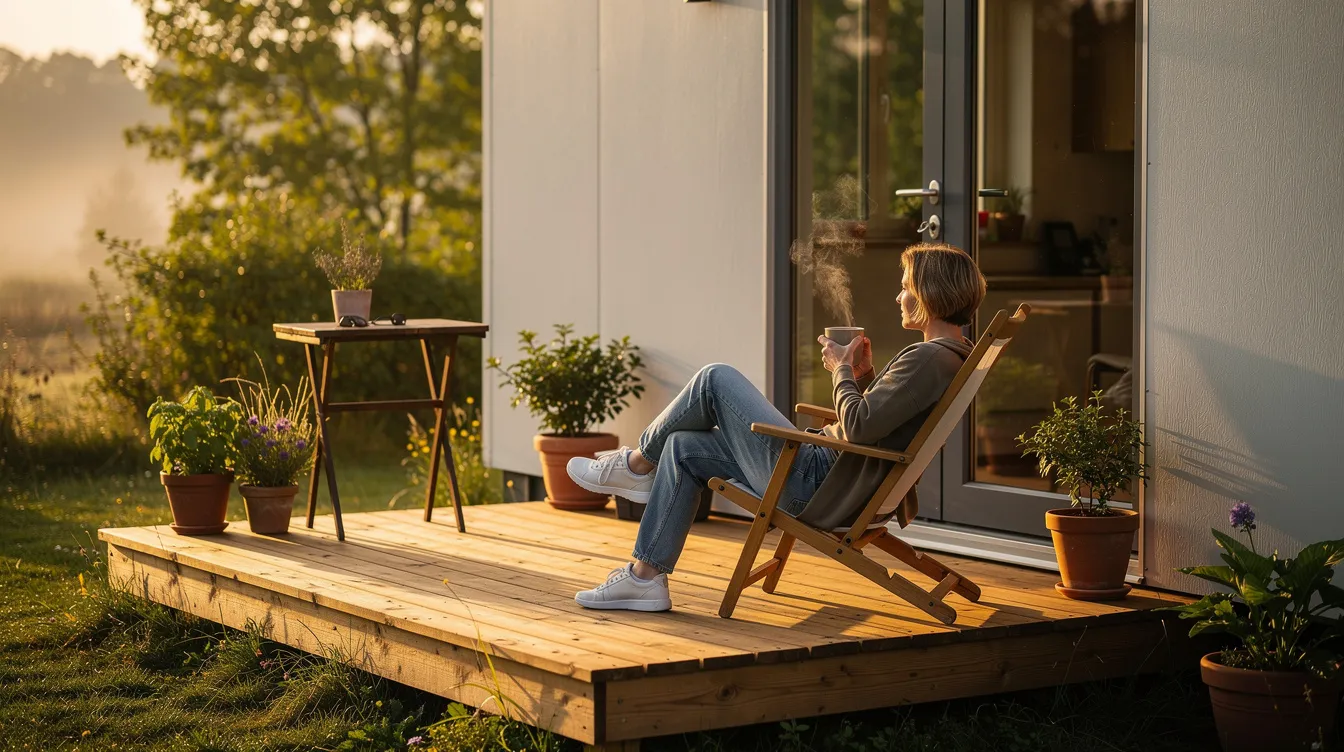
The biggest surprise? How much outdoor living increased. Even in cold weather, we spent more time on our deck, in the yard, and exploring nearby trails than we ever did in our previous house. The tiny home naturally pushes daily life outward.
Kids adapted faster than adults in families we knew. They didn’t have years of “normal” home expectations to unlearn.
Experiencing tiny house living can shift one’s perspective on personal space, making a previously considered small home feel spacious in comparison. After two years, a 600 sq ft apartment felt like a mansion.
Our Advice
Clarify your “why” before committing. If it’s purely financial, run the numbers carefully—savings aren’t as dramatic as social media suggests. If it’s about freedom, simplicity, or flexibility, the tiny house lifestyle delivers, especially when you explore custom tiny homes for your perfect small-space living that match your priorities.
Is Full Time Tiny House Living Right for You? A Quick Self-Check
Before buying or building, ask yourself these questions honestly.
Lifestyle Questions
- Can you stand being in small spaces for extended periods?
- Are you willing to radically declutter—and keep decluttering?
- Do you enjoy spending time outdoors, even in imperfect weather?
- How do you handle limited privacy and constant togetherness (if living with others)?
- Can you sleep with someone walking around in the same room?
Logistics Questions
- Can you work remotely with limited space and potential internet issues?
- If you have kids, how will school access and play space work?
- Do you have reliable access to laundry facilities?
- Are you comfortable moving between rv parks or parking spots if needed?
- Can you handle basic maintenance (plumbing, electrical troubleshooting)?
Financial Questions
- Do you have savings for a build ($30,000-$90,000) or turnkey purchase?
- Can you afford backup funds for repairs and unexpected costs?
- What’s your plan if zoning rules change and you need to relocate?
- Have you calculated ongoing monthly costs realistically?
Scoring yourself:
- Mostly “yes”: Full time tiny house living may be a wonderful fit
- Mixed answers: Consider a month-long trial stay first
- Mostly “no”: A small apartment or small home might serve you better
There’s no shame in deciding tiny living isn’t for you. Most people are better served by understanding their limits before spending $60,000 on a build.
FAQ: Tiny House Living Full Time
How many square feet do you really need for full time living in a tiny house?
Many full time tiny homes range from 200 to 400 sq ft, with 250-320 sq ft being a common sweet spot for one or two adults. Families with children often choose the upper end of that range or add outdoor structures like sheds or covered decks to expand functional space.
Comfort depends more on layout, storage, and ceiling height than exact square footage. A well-designed 250 sq ft home can feel more spacious than a poorly planned 350 sq ft one.
Can you live in a tiny home full time with kids or pets?
Many families do live full time in tiny homes with children and pets. It requires intentional routines and clear zones for sleep, play, and work, and looking at cute tiny house designs for your dream home can spark ideas for making those zones functional and inviting.
Practical tips include bunk-style beds, designated outdoor play areas, and strict limits on toys and gear. Local regulations, school access, and safe outdoor space matter just as much as the tiny house interior when children are involved.
Do tiny homes hold up well over several years of full time use?
Build quality, regular maintenance, and climate exposure determine longevity more than the “tiny house” label. After 3-5 years of full time living, owners should expect roof checks, window resealing, trailer rust monitoring, and possible mechanical system upgrades.
Choosing durable materials from the start—spray foam insulation, quality roofing, marine-grade fixtures—pays off if you plan to live in a tiny home full time rather than just use it as a vacation cabin.
Is it better to park a tiny home on private land or in RV parks?
Trade-offs exist for both options. Private land offers more privacy and long-term stability if zoning allows, while rv parks provide hookups, amenities, and community but often with higher monthly costs and rules about appearance or guests.
Many full time tiny house owners start in rv parks to learn the lifestyle, then shift to leased or owned land once they understand their needs. Research both options locally before committing.
What’s the biggest surprise about living in a tiny house full time?
For many people, the biggest surprise isn’t the lack of space—it’s how quickly life simplifies. Less cleaning. Fewer errands. More intentional time use. The freedom to spend less time maintaining your house and more time actually living your life.
Another common surprise is how much time gets spent outside, even in colder climates. The tiny home naturally pushes daily routines outward, which most people grow to love living.
With realistic expectations and good planning, the benefits of the tiny house experience often outweigh the inconveniences for those who choose this lifestyle intentionally.