
Choosing between a tiny house and RV affects mobility, cost, living space, and legal requirements. The right choice depends on your lifestyle goals, budget, and whether you prioritize travel flexibility or a more permanent home-like environment.
Below is a practical comparison of tiny house vs RV living.
Tiny House vs RV: Key Differences
The major difference between these two options comes down to purpose and construction philosophy.
A tiny house typically refers to a dwelling under 400 square feet, built either on wheels or a permanent foundation using residential-grade materials. Tiny houses typically range from 100 to 400 square feet, while RVs generally range from 16 to 45 feet in length. A recreational vehicle is engineered specifically for travel, featuring lightweight materials and vehicle-grade components designed to handle constant road conditions.
Tiny houses focus on permanent or semi-permanent living with home-like features and higher quality materials. RVs prioritize mobility and temporary living for travel and recreation. Great tiny homes that redefine small space living show how both can provide alternative housing within the tiny house movement, but they serve significantly different lifestyle needs.
Cost and Affordability
Cost is often the deciding factor when comparing these two options. Not just purchase price, but long-term maintenance, depreciation, utilities, and land considerations all play a role.
Tiny House Costs
The price to build or buy a tiny house varies considerably based on materials, amenities, and size. The cost to build a tiny house can vary widely based on materials, amenities, and size, with DIY builds being generally less expensive than hiring a contractor, so using a tiny home cost calculator can help you plan a realistic budget.
Typical purchase prices in 2026 range from approximately $30,000 to $70,000 for a modest tiny house on wheels. Custom builds with premium finishes can push costs higher. Foundation-based tiny homes increase the price significantly due to land, site preparation, and utility hookups.
Additional costs include trailer expenses ($4,500–$11,000 for quality trailers), transportation, insurance ($35–$125 monthly), and permits. Land costs vary widely by location. However, tiny homes provide better long-term value retention compared to RVs, particularly foundation builds that may appreciate with the property.
RV Costs
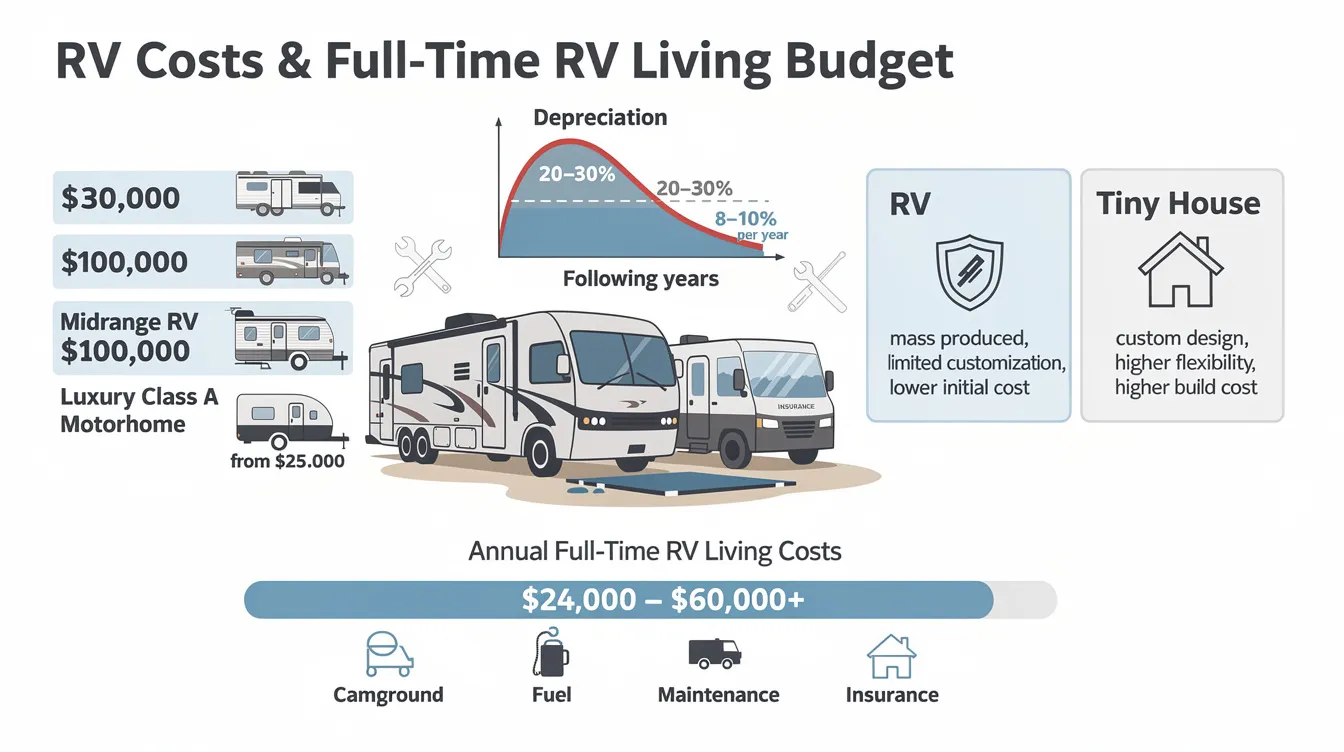
The price of an RV can range from $30,000 to $300,000 depending on the brand, model, and features you choose. Travel trailers start around $25,000 new, while luxury RVs and Class A motorhomes can exceed $300,000.
RVs are generally more affordable than tiny houses due to their mass production and limited customization options, while tiny houses offer more flexibility in design and materials. However, ongoing costs add up quickly: campground fees, fuel for travel, mechanical maintenance, and insurance. Full time RV living commonly runs $24,000–$60,000+ annually.
Depreciation is a significant factor. RVs typically lose 20–30% of their value in year one, then 8–10% annually thereafter. This makes buying used RVs a common strategy among full time rvers.
Mobility and Transportation
Understanding your mobility needs is essential before making your final choice.
Tiny House Mobility
Tiny houses on wheels (THOWs) are significantly heavier than most RVs and less aerodynamic. Moving one requires professional towing and often a special permit for over-width or over-height loads.
While both RVs and THOWs offer mobility, THOWs are not designed for frequent movement and are typically moved only a few times a year, whereas RVs are built for constant travel. The residential materials and construction methods used in tiny houses create structural stresses during transport that can cause roof flexing and joint deterioration over time.
RVs are built with materials that can withstand the stresses of constant motion, making them more suitable for frequent travel compared to tiny houses on wheels, which may require repairs after short trips.
RV Mobility
RVs are designed for mobility and are generally easier to move than tiny houses on wheels (THOWs), which are heavier and less aerodynamic. Whether a motorhome or travel trailer, RVs are built specifically for the mobile lifestyle.
Daily or weekly relocation is feasible with an RV. Aerodynamic designs, lightweight materials, and road-ready components absorb the stresses of constant travel. Moving doesn’t require special permits or professional transport in most cases.
This more flexibility makes the traditional RV ideal for those who want to take frequent RV trips or embrace rv full time living without worrying about structural concerns, while some choose tiny house nature retreats to stay closer to one location and the outdoors.

Living Space and Comfort
Space utilization affects daily comfort and overall lifestyle satisfaction in both rvs and tiny homes, and many elegant tiny homes that redefine modern living demonstrate what’s possible in a small footprint.
Tiny House Living Space
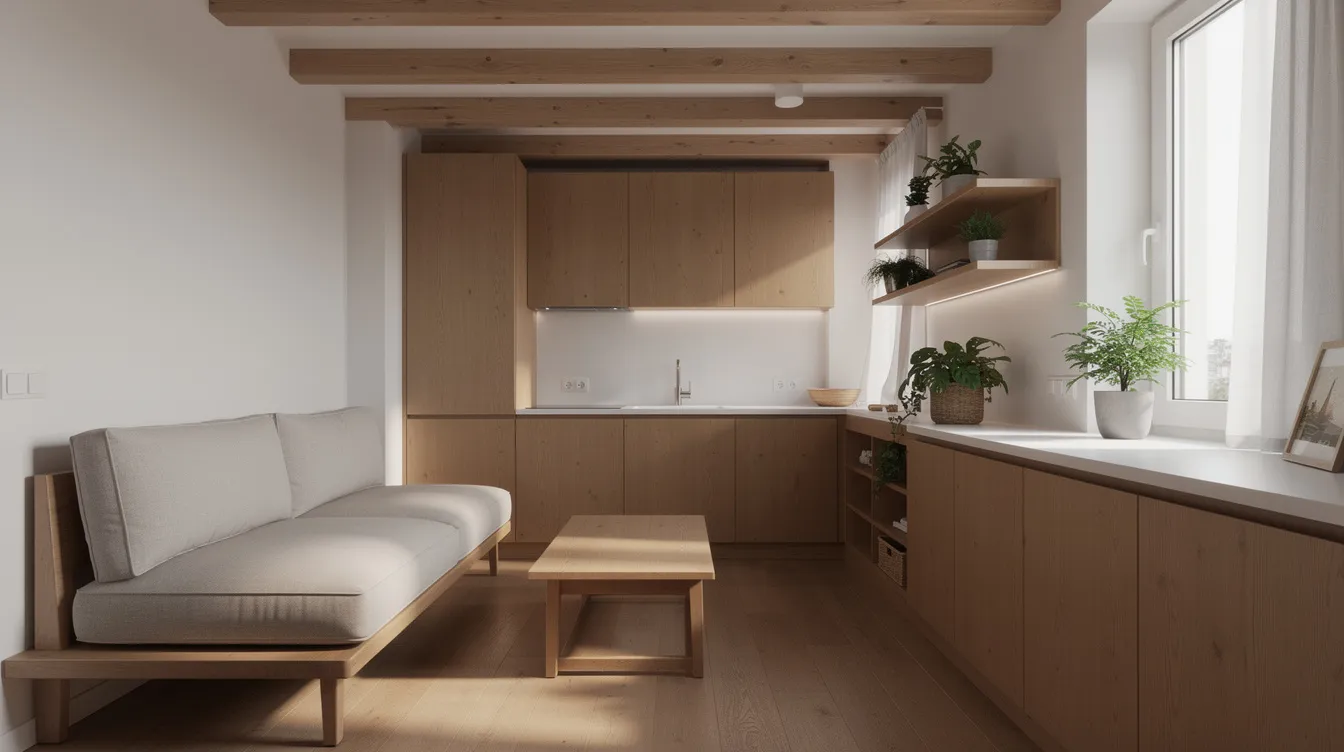
Tiny houses typically range from 100 to 400 square feet with higher ceilings and more custom storage solutions. The living space feels more like a traditional home with tiny house interiors that maximize every square foot, permanent fixtures, and residential-grade finishes.
THOWs can be designed and built to meet specific needs and preferences, giving owners the freedom to create their ideal living space. This includes features like solar panels, composting toilets, and custom tiny homes storage solutions that maximize every square foot.
Loft bedrooms are common in tiny home designs, though they may have limited headroom and require stairs or ladder access. Better insulation (R-13–R-21 walls, R-30–R-40 roofs) and materials make living tiny comfortable year-round.
RV Living Space
RV space ranges from 100 to over 500 square feet depending on type. RVs often feature slide-out mechanisms that can increase their square footage when parked, while tiny houses are usually designed to maximize space without such features. These slide outs expand the bedroom, living room, or kitchen areas significantly.
RVs typically come with pre-determined features and limited options for customization, as they are designed primarily for mobility rather than personalized living. Ceilings tend to be lower (7–8 feet), but bedroom access is generally easier without loft ladders.
Insulation in most rvs is lighter (R-5 to R-11 walls), making them less suitable for extreme climates without upgrades to four-season models.
Legal Requirements and Regulations
Legal considerations represent one of the significant differences between these housing options, and requirements can affect where you can legally live.
Tiny House Regulations
Both RVs and tiny homes on wheels (THOWs) are subject to different regulations and laws depending on the state or county in which they are used, with restrictions often surrounding full-time living in RVs.
Tiny homes on wheels must comply with ANSI code 119.5, which includes requirements similar to traditional building codes, such as minimum ceiling heights and emergency exit requirements. Local governments and building codes vary drastically by location.
Zoning laws can vary significantly by location, and some municipalities may have specific regulations regarding the placement and use of tiny homes and RVs, including requirements for septic systems and accessibility. Many areas don’t allow tiny houses as permanent residences, though the tiny home movement continues pushing for updated regulations.
Legal classification affects taxes, insurance, and financing. A tiny house on a foundation is typically real property; on wheels, it’s often classified as personal property similar to a manufactured home or park model.
RV Regulations
RVs operate under well-established vehicle regulations with clear parking and living rules. Registration, emissions requirements, and road-legal dimensions are standardized across most jurisdictions.
RV parks and campgrounds provide designated legal places to stay, though they often impose time limits (30–180 days). Some counties restrict full time living in an RV in residential districts.
Generally, finding legal places to park and live is easier with an RV due to the established network of RV parks and campgrounds. The regulatory framework is more predictable than navigating tiny house zoning battles.
Maintenance and Durability
Long term living requires understanding maintenance demands for each option.
Tiny House Maintenance
Tiny houses built with higher quality materials and residential-grade construction tend toward longer lifespans—often 30–50 years with proper upkeep. Even wheel-mounted units can last decades if gently used.
Static structures mean fewer mechanical systems and less wear from movement. Routine maintenance mirrors a small house or traditional home: roof repairs, siding maintenance, plumbing, and HVAC systems. The trailer frame requires attention for tiny houses on wheels, particularly if moved.
Weather protection matters when stationary for extended periods, but overall, tiny homes have fewer potential failure points than mechanically complex RVs.
RV Maintenance
RV manufacturers build for mobility, which means more mechanical systems requiring regular maintenance. Engines, generators, water pumps, and slide outs all need attention.
Both rvs and camper trailers experience wear from travel vibrations that loosen connections and plumbing joints over time. Roof leakage and insulation breakdown are common concerns. Typical lifespan under full time use is roughly 10–15 years before significant structural fatigue and component failures increase repair costs.
However, professional service networks are widely available for RV repairs, making maintenance more accessible than specialized tiny home builders might be in some areas.
Climate and Seasonal Considerations
Climate affects comfort, energy costs, and seasonal usability for both options.
Tiny houses excel in cold climates due to better insulation and more robust heating systems. Wood stoves, passive solar designs, Scandinavian tiny home designs, and residential-grade thermal performance make year-round living comfortable even in harsh winters.
Hot climates require adequate cooling in both options. RVs offer the advantage of mobility—you can relocate to cooler areas or shaded locations. However, thinner insulation means RVs may overheat when parked long-term in direct sun.
Four-season RVs exist with upgraded insulation and underbelly heating, but even these often lag behind tiny house thermal performance. In recent years, both industries have improved energy efficiency, though tiny houses more readily meet residential standards for sustainable systems like solar panels.
Tiny House vs RV: Which Should You Choose?
Your right choice depends on lifestyle priorities, budget constraints, and how you envision your life in the coming years.
Choose a tiny house if you want a permanent home feel, plan to stay in one location long term, and prioritize customization and space efficiency. Tiny houses on wheels (THOWs) offer more customization options than RVs, allowing for features like solar panels, composting toilets, and custom storage solutions. The higher cost upfront may pay off through better value retention and lower ongoing expenses.
Choose an RV if you love to travel frequently, want lower entry costs, and need the flexibility to relocate easily. The mobile lifestyle suits family adventures, seasonal living, and those who value the ability to explore new locations regularly. Full time rvers appreciate the established infrastructure of RV parks nationwide.
Consider these factors before deciding:
- Long term living goals versus travel desires
- Budget for both purchase price and ongoing costs
- Local regulations where you plan to live
- Climate considerations for your intended location
- Maintenance abilities and access to service
Both options can provide fulfilling alternative living within the tiny living philosophy when matched to the right person and circumstances. Whether you’ve noticed the appeal of tiny house vs traditional housing or you’re comparing RV vs stationary life, exploring cute tiny house designs for your dream home and understanding these significant differences helps buyers make an informed decision about their future home on or off wheels.