
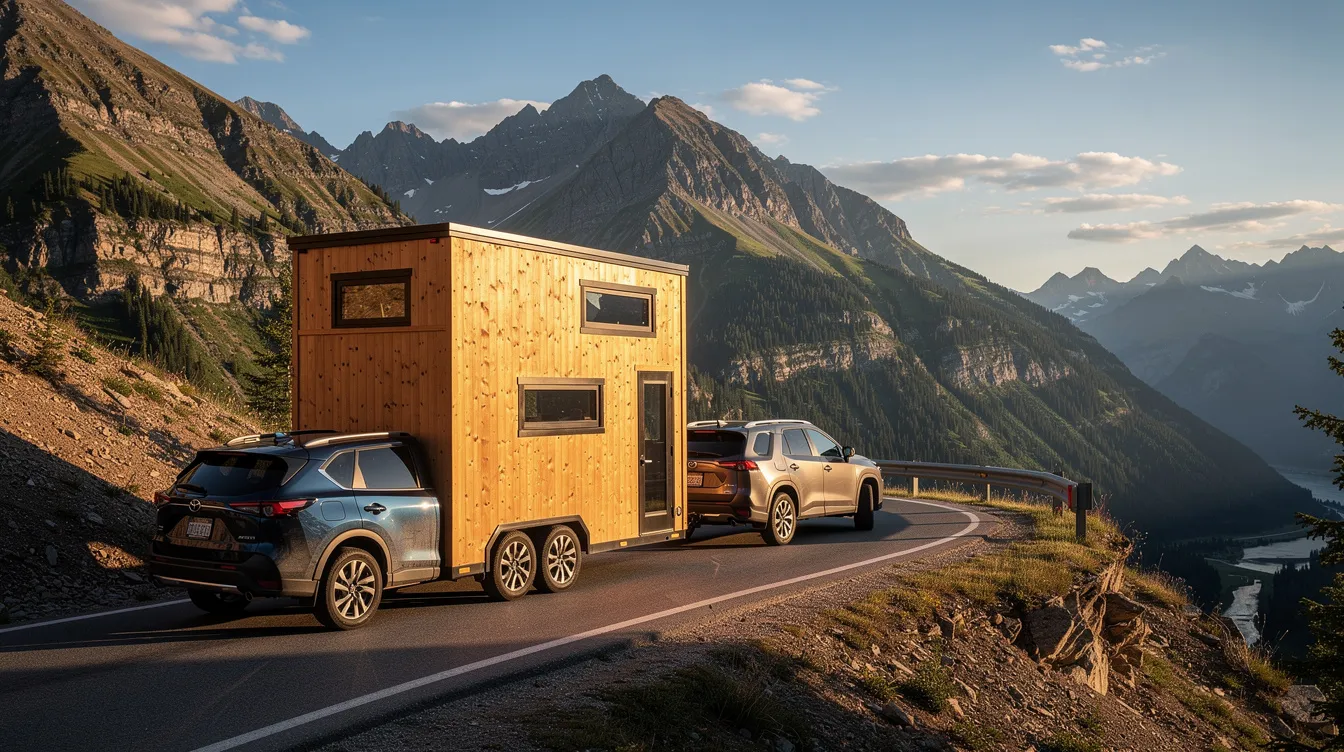
The ultralight tiny house movement has captured the attention of adventurers, minimalists, and families seeking freedom from traditional housing constraints. These purpose-built homes on wheels offer something remarkable: the ability to tow your entire living space behind a mid-size truck or SUV without the fuel costs and stress of hauling a 15,000-pound structure. This guide covers real-world ultralight models, construction strategies that keep weight down, and the systems that make off-grid living practical.
- Quick Answer: What Is an Ultralight Tiny House?
- Ultralight Tiny House Models & Layout Ideas
- Weight Targets, Tow Vehicles & Safety
- Ultralight Construction & Materials
- Designing for Energy Efficiency in an Ultralight Shell
- On/Off-Grid Systems for Ultralight Tiny Houses
- Space Optimization & Interior Features
- Building or Buying: Cost, Timeline & Next Steps
Quick Answer: What Is an Ultralight Tiny House?
An ultralight tiny house is a towable dwelling specifically designed to stay under approximately 6,000 to 7,000 pounds dry weight, typically measuring 18 to 26 feet long and optimized for frequent relocation. Unlike standard tiny houses on wheels that often exceed 10,000 pounds and demand heavy-duty trucks, ultralight builds work with vehicles most people already own or can afford.
This article focuses on sub-7,000-pound designs suitable for half-ton pickups, large SUVs, and even some mid-size trucks with adequate tow ratings. We’re not talking about park-model tiny homes that sit permanently on a property. The ultralight approach prioritizes mobility alongside livability.
The core themes here include real-world ultralight tiny home models, structural and material choices that shave hundreds of pounds, on/off-grid systems designed for weight efficiency, and practical build tips drawn from existing tiny house practice. Think of something like a 210-square-foot solar cabin weighing around 5,700 pounds as a realistic benchmark. That’s enough space for full time living with modern amenities, yet light enough to tow without a commercial truck.
Ultralight Tiny House Models & Layout Ideas
This section profiles several example floor plans with specific lengths and target weights to demonstrate how ultralight layouts work in practice. Each concept draws from real builds in the tiny house industry, scaled and optimized for the weight constraints that matter. For broader inspiration beyond ultralight constraints, you can look at tiny house floor plans that work for different lifestyles.
Trail Ridge 18′ Ultralight Studio targets solo travelers and couples who prioritize mobility above all else. At 18 feet long with a target dry weight around 4,000 to 4,500 pounds, this model eliminates lofts entirely to save both weight and construction complexity. The single open studio space features a convertible sofa that transforms into a bed, a compact galley kitchen with a full sized sink, and a wet bath measuring 32 inches with a cassette or composting toilet. Without a loft, the interior walls can remain minimal, and ceiling height stays consistent throughout. This design works beautifully with mid-size SUVs rated around 5,000 to 6,000 pounds, such as the Toyota 4Runner or Jeep Grand Cherokee.
Highline 22′ Family Ultralight expands the footprint for small families while maintaining a target dry weight of 5,200 to 5,500 pounds. A side entry leads into a main living room with L-shaped built-in seating that doubles as storage. One primary loft provides sleeping space for a queen mattress, while the main floor includes a flex room that can serve as a tiny office, kid’s bunk area, or extra storage. The kitchen features a 24-inch propane range, under-counter fridge, and space for a combo washer/dryer. If you’re still exploring layouts, reviewing top tiny house designs for modern living can help you clarify what features matter most. This model represents the sweet spot for those who need more room but still want to tow with a half-ton truck.
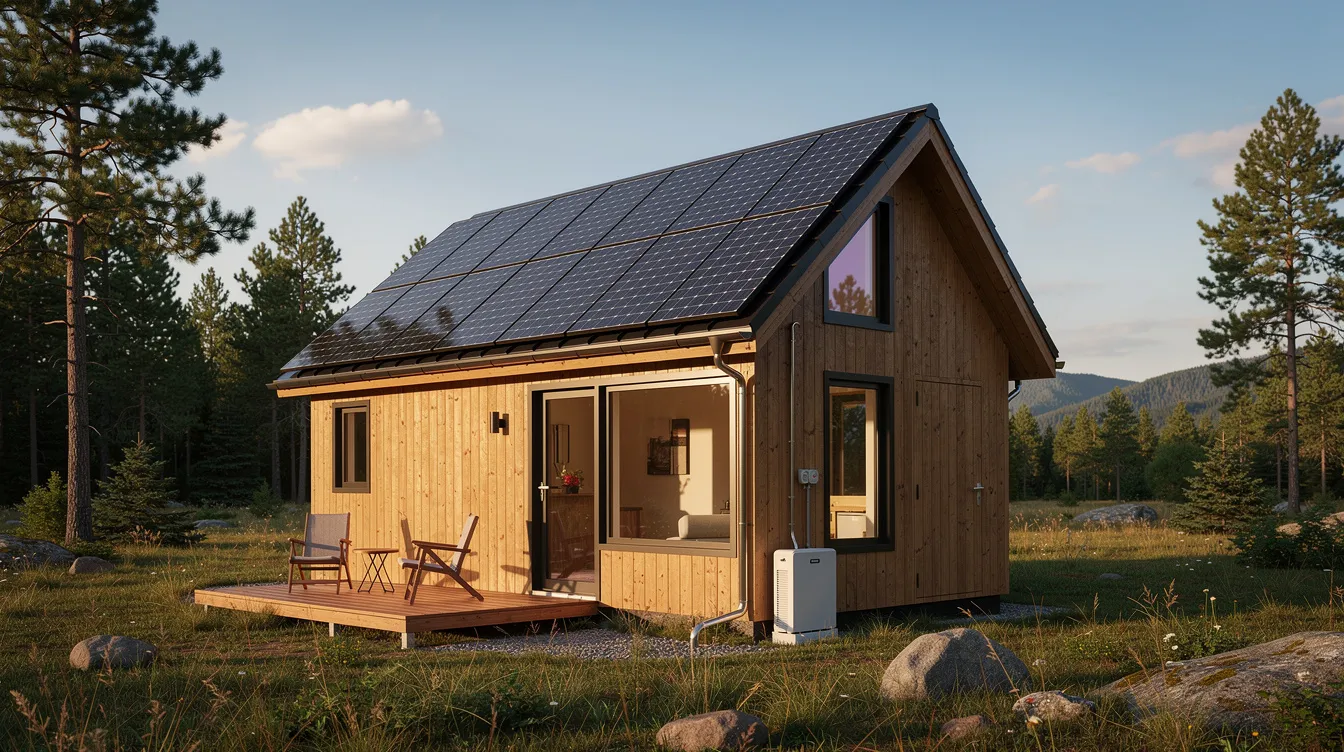
Sierra Crest 24′ Off-Grid Ultralight focuses on self-sufficiency while staying at approximately 5,700 to 6,000 pounds with solar panels and batteries installed. The roof supports a lightweight monocrystalline solar array, with a lithium battery bank tucked under built-in seating. Propane handles both heat and cooking. Two lofts provide options: a bedroom loft and a second loft for storage or occasional guests. The shed roof creates standing-height headroom in the main living area, and large 80-inch windows on one side maximize passive solar gain. It’s a cool blend of tiny home practicality and self-contained off-grid living.
Columbia Ridge 26′ Accessible Ultralight addresses mobility needs while targeting under 7,000 pounds through careful material selection. Where local transport rules allow, this model uses a wider 9 to 9.5-foot floor width to gain space without adding length. A main-floor bedroom eliminates ladder climbing, while 36-inch entry doors and 32-inch interior pocket doors improve accessibility. An optional shallow ramp replaces traditional stairs at the entry. Reinforced but lightweight aluminum framing keeps structure weight manageable. For those with very specific accessibility or layout requirements, custom tiny homes tailored to your lifestyle can refine these ideas even further. This design proves that accessibility features don’t require sacrificing the ultralight ethos.
Weight Targets, Tow Vehicles & Safety
Weight matters because it determines which vehicles can safely tow your house, how much you spend on fuel, and how much wear accumulates on your trailer and brakes over time. An ultralight tiny house opens towing possibilities that standard builds simply cannot match.
Under 4,000 pounds suits some crossovers and mid-size SUVs with appropriate tow packages. This weight class works for compact 16 to 18-foot builds without extensive off-grid systems.
4,000 to 6,000 pounds represents the typical goal for 18 to 24-foot ultralight tiny houses. Most mid-size trucks like the Toyota Tacoma (rated around 6,500 pounds) and larger SUVs handle this range comfortably.
6,000 to 7,000 pounds marks the upper limit for 24 to 26-foot builds with solar, batteries, and full amenities. Half-ton pickups like the Ford F-150 (rated 7,000 to 10,000+ pounds depending on configuration) work well here.
Understanding gross vehicle weight rating, tongue weight, and payload keeps you safe on highways. GVWR represents the maximum loaded weight your trailer should reach. Tongue weight—the downward force on your hitch—should stay between 10 and 15 percent of total trailer weight. For a 5,000-pound house, that means 500 to 750 pounds on the tongue.
Here’s a sample calculation for a 20-foot ultralight build: Start with the trailer at approximately 1,800 to 2,200 pounds for a purpose-built ultralight frame with dual 3,500-pound axles. Add framing, sheathing, roofing, and interior finishes at roughly 2,000 to 2,500 pounds. Include systems and furniture at 800 to 1,200 pounds. Finally, add 10 to 15 percent margin for gear, water (40 gallons weighs about 334 pounds), and personal items. The total lands between 5,000 and 6,200 pounds GVWR, which fits well within many step‑by‑step approaches on how to build a tiny house.
Safety demands proper equipment: weight-distribution hitches that transfer tongue weight across both axles, brake controllers synced to your trailer brakes, correctly rated tires inflated to specifications, and verification at a public CAT scale before any major trip. Unlike a travel trailer designed for weekend camping, your tiny house rv carries everything you own—get the weight right.
Ultralight Construction & Materials
The primary weight savings come from structural design choices, material selection, and careful detailing rather than simply making everything smaller. Each decision compounds across hundreds of square feet of wall, floor, and roof.
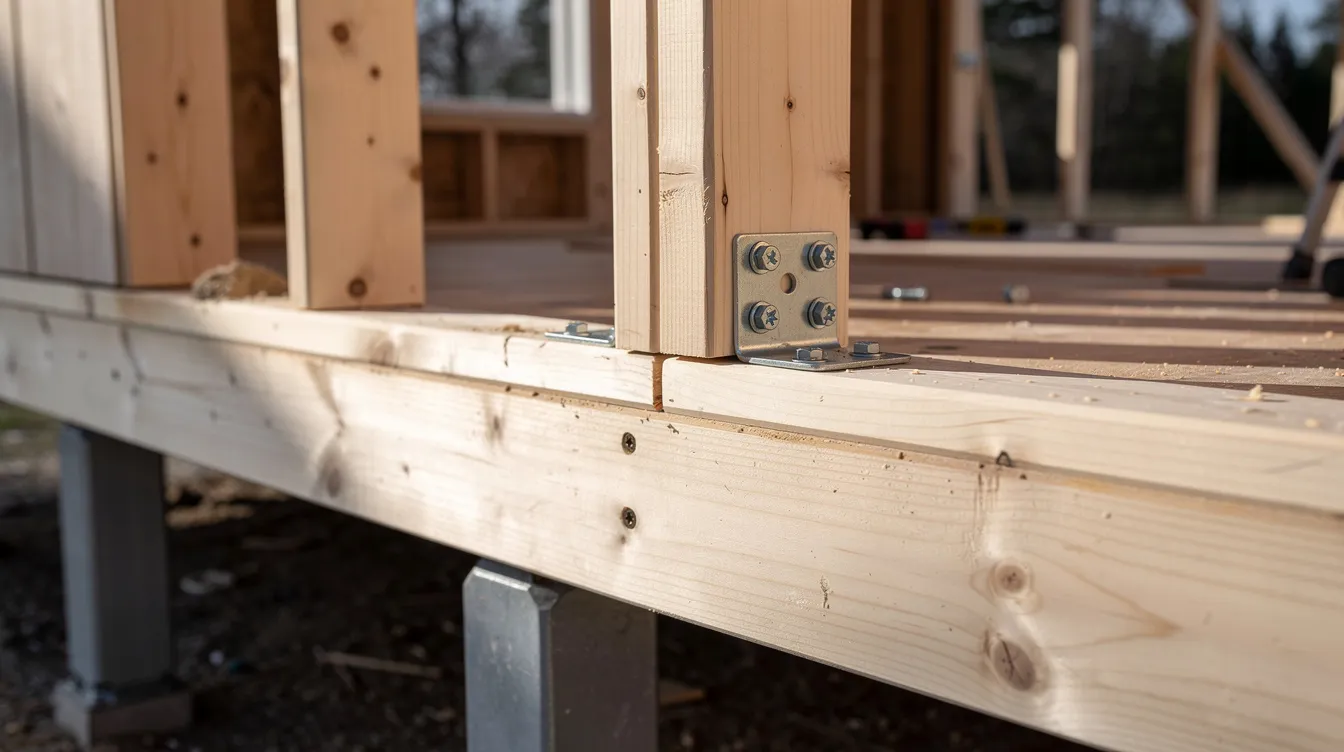
Framing strategies start with using 2×4 studs at 24-inch on-center spacing where conditions allow, instead of the heavier 2×6 at 16-inch spacing common in traditional house construction. This single change can save 200 to 400 pounds. Advanced framing techniques help further: align studs with rafters, use single top plates where engineering permits, and minimize redundant members around windows and doors. Plan exact window and door sizes before framing to avoid building unnecessary headers that add weight without benefit.
Trailer and floor systems form your foundation. Seek purpose-built ultralight tiny house trailers with correctly rated axles but minimal extra steel—quality manufacturers can deliver a 20-foot frame around 1,500 to 1,800 pounds. Integrating insulated floor panels or SIPs reduces wood framing volume and improves thermal performance simultaneously. SIPs weigh approximately 2.5 pounds per square foot compared to 4 pounds for stick-framed assemblies. Modest 6 to 12-inch floor overhangs beyond the trailer frame add usable space, but extreme cantilevers require bracing that negates weight savings. All of these early structural choices should align with tiny house plans that fit your life, not just your weight target.
Wall and roof materials determine both weight and performance. SIPs at 4.5 inches for walls deliver R-20 insulation in a lightweight package. For roofing, 24-gauge standing seam metal at 0.8 pounds per square foot over furring strips provides durability without the burden of heavy shingles. A metal roof also reflects summer heat and handles the stresses of highway travel.
Cladding and interior finishes present clear trade-offs. Pre-finished tongue-and-groove pine, thin plywood panels, or composite boards weigh far less than conventional drywall while adding warmth to the interior. If drywall appeals to you, confine it to select walls rather than covering every surface. For exterior siding, Western red cedar at 1.5 pounds per square foot or engineered wood lap siding keeps weight manageable. Some builders use corrugated metal in high-splash zones around the trailer corners.
Lightweight components accumulate meaningful savings. Aluminum or fiberglass windows at quality U-values weigh 20 to 30 percent less than heavy triple-glazed vinyl units. Pocket doors and barn doors eliminate swing clearance while saving 30 pounds each compared to solid-core alternatives. Built-in furniture from 3/4-inch Baltic birch plywood with aluminum framing replaces solid hardwood pieces that can add hundreds of pounds, while still allowing you to apply many of the ideas from tiny house interiors that maximize every square foot.
Designing for Energy Efficiency in an Ultralight Shell
Being ultralight does not mean sacrificing thermal performance. With the right materials and assembly techniques, your structure can maintain comfort through cold winters and hot summers without excessive heating or cooling demand.
Insulation strategies should target at least R-20 to R-25 in walls, R-35 or higher in floors, and R-40 or higher in roofs for cold or mixed climates. Achieve this through combinations like mineral wool in stud cavities plus 1 to 2 inches of exterior foam for continuous insulation, or SIPs of appropriate thickness (4.5-inch walls, 6.5-inch roof panels). Spray foam works but adds expense; properly detailed rigid foam insulation performs well at lower cost and weight.
Window and door performance matters enormously in a small space where every square foot of glazing affects overall heat loss. High-quality double-glazed units with low-E coatings and argon fill deliver U-values around 0.25 to 0.30—sufficient for most climates. Insulate doors similarly to walls. Careful flashing with peel-and-stick membranes prevents moisture intrusion that can destroy a tiny envelope in just a few seasons.
Air sealing and ventilation work together. A continuous air barrier using taped ZIP System sheathing or similar products prevents drafts and moisture movement. Seal every penetration—electrical boxes, plumbing, exhaust fans. For ventilation, compact heat recovery ventilation units designed for small spaces recover 70 to 80 percent of outgoing heat while supplying fresh air. Ductless mini-units work beautifully in tiny home models under 250 square feet.
Passive design reduces system loads without adding weight. Orient your main windows toward the south where feasible, and consider an 80-inch picture window for light and solar heat gain in winter. Roof overhangs of 18 to 24 inches shade windows during summer, while reflective metal roofing drops cooling loads 15 to 25 percent in hot climates. These strategies cost almost nothing in weight while delivering ongoing energy benefits.
On/Off-Grid Systems for Ultralight Tiny Houses
Ultralight houses often use hybrid systems: grid-ready for convenience but fully capable off grid when adventure calls. Every component adds weight, so choose carefully.
Solar and electrical systems anchor off-grid capability. For an 18 to 24-foot ultralight, 1.0 to 2.4 kW of high-efficiency monocrystalline panels provides realistic daily generation. Each 400W panel weighs roughly 40 to 45 pounds. Lithium iron phosphate batteries offer better energy density at approximately 100Wh per kilogram compared to 50Wh for lead-acid—a 5kWh LiFePO4 bank weighs around 220 pounds versus 450 for equivalent lead-acid. Size your inverter/charger for typical loads; a 3,000W pure-sine inverter handles most needs including a small mini-split.
Water and plumbing require balance between capacity and weight. A 40 to 70-gallon fresh tank adds 330 to 580 pounds when full (water weighs 8.34 pounds per gallon). PEX tubing runs light at roughly 0.5 pounds per 100 feet and resists freeze damage better than rigid alternatives. Route all plumbing inside the insulated envelope to prevent freezing during winter stops in the north.
Toilets and waste present clear trade-offs. A urine-diverting composting toilet like Nature’s Head weighs about 35 pounds dry and eliminates black tank plumbing entirely. Cassette toilets weigh roughly 25 pounds and offer simple waste removal. Standard RV flush toilets with 20-gallon black tanks can add 100+ pounds of equipment plus 160+ pounds when full. Most ultralight off-grid builds favor composting or cassette units—less weight, less complexity, less to maintain.
Heating and cooling must match your insulated shell. For 150 to 250 square feet at 20 to 30 BTU per square foot load, systems in the 6,000 to 12,000 BTU range suffice. Compact diesel heaters like Espar units weigh 25 pounds and run independently of house electrical. Propane wall heaters at 8,000 BTU weigh under 20 pounds. Mini-splits provide both heating and cooling at 60 pounds for a 9,000 BTU unit with 20+ SEER efficiency—ideal where shore power is available and can easily integrate with tiny smart home systems for efficient living.
Appliances round out the system. Propane cooktops (20 to 24-inch ranges at 15 to 20 pounds) keep electrical loads manageable. Efficient 24-inch DC fridges consume around 0.5 kWh daily at 40 pounds. Combination washer/dryers run about 80 pounds with 0.3 kWh per cycle. Prioritize Energy Star ratings to keep your battery bank size—and weight—reasonable.
Space Optimization & Interior Features
Layout and built-ins determine whether your 18 to 26-foot ultralight tiny house feels cozy and functional or cramped and frustrating. Every feature must earn its space and its weight.
Lofts and access multiply usable square footage. A primary loft under a shed roof can accommodate a queen mattress at 60×80 inches with 42 to 48 inches of headroom for sitting comfortably. A second loft provides storage or occasional guest sleeping. The choice between ladder and staircase affects both function and weight. Storage stairs at 28-inch width add approximately 150 pounds but double as pantry, closet, and display shelving. Removable ladders save weight but sacrifice convenience for daily loft access.
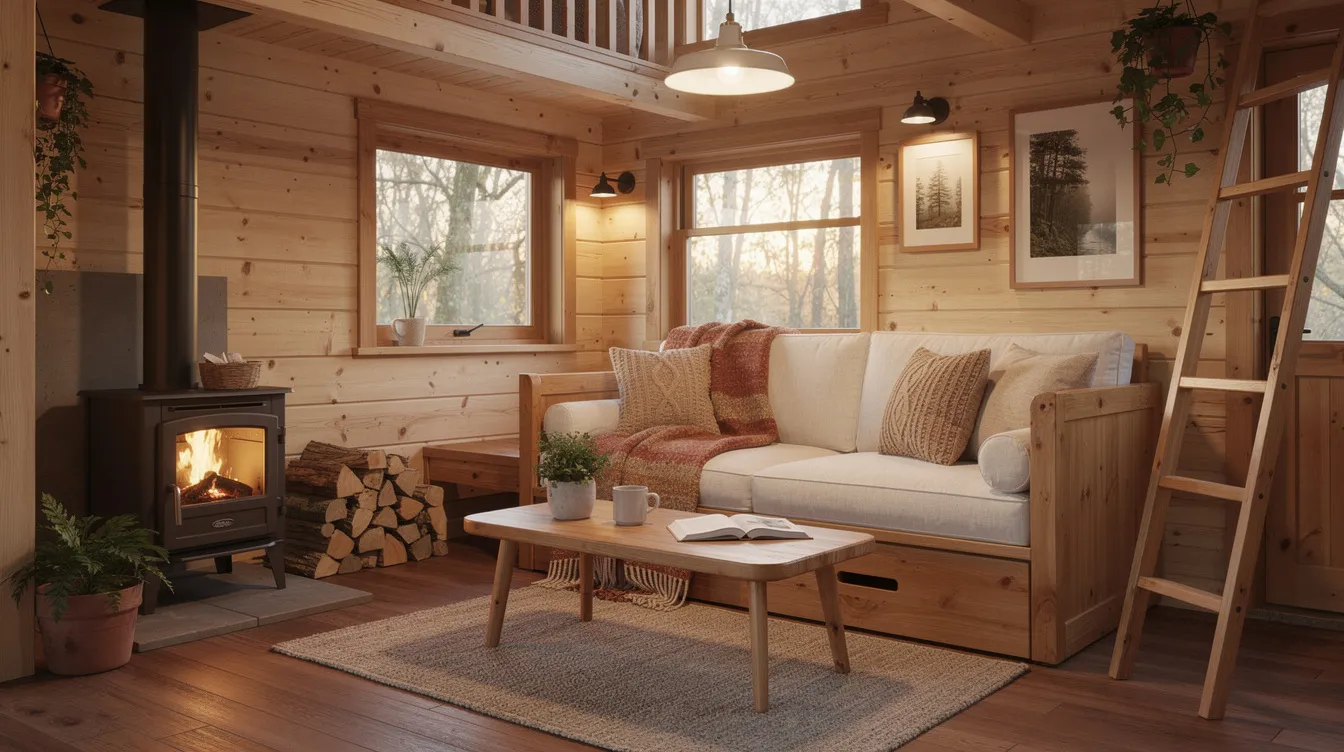
Multifunction furniture maximizes every corner. Built-in sofas with drawers beneath provide seating, storage, and sometimes guest sleeping in one piece. A fold-down Murphy table attached to the wall clears floor space when not in use. Bed platforms with lift-up storage access hold bedding, seasonal items, and seldom-used gear. Construct these pieces from lightweight plywood and 1x lumber rather than solid hardwood—you’ll wonder why anyone builds heavy furniture when the light alternatives look just as beautifully finished.
Kitchen layout along one wall simplifies plumbing and wiring runs. A galley arrangement keeps the cook triangle tight. Under-stair integration works well for fridges, combo washer/dryers, and microwaves, though ensure adequate ventilation and service access. Even a small piece of counter space makes meal prep manageable—aim for at least 36 inches of continuous work surface.
Bathroom design demands efficiency. A wet bath at 32 to 36 inches square combines shower and toilet in one waterproofed room. Small vanities with storage underneath hold toiletries and cleaning supplies. Sliding barn doors save the clearance that swing doors demand. Large mirrors and light color palettes make the bathroom feel larger without adding physical dimensions. The door and ceiling should receive the same moisture-resistant treatment as the walls.
Storage solutions require discipline. Recessed shelving within interior partitions adds depth without consuming floor space. Ceiling-height cabinets around the perimeter utilize vertical volume that often goes to waste. Toe-kick drawers under lower cabinets create hidden storage for less-used items. Every added storage feature adds weight, so prioritize the zones you’ll access daily: kitchen, entry, and bedroom.
Building or Buying: Cost, Timeline & Next Steps
Whether you build your own tiny house or buy from a professional builder, understanding realistic costs and timelines prevents disappointment and budget surprises.
Costs vary widely based on size, systems, and finish quality. DIY ultralight builds in the 18 to 22-foot range typically run USD $35,000 to $60,000 for mid-range finishes and partial off-grid capacity—roughly $200 per square foot including trailer, materials, and systems. Professionally built ultralight models range from $75,000 to $120,000 or more depending on custom features, premium finishes, and full off-grid capability, so using a tiny home cost calculator to model scenarios is essential before you commit.
Timeline reflects your skill level and availability. DIY builds commonly take 8 to 18 months working part-time (20 hours per week), with experienced builders finishing faster. Professional builders typically deliver in 3 to 9 months from finalized plans, depending on their backlog and your customization demands.
Permits and parking depend on local regulations rather than weight alone. Check zoning for tiny house rvs, ADU classifications, and RV park requirements in your intended location. Some areas welcome tiny homes on residential property; others restrict them to rural land or designated RV communities. Building requirements vary by jurisdiction—some demand RVIA certification for highway travel while others focus on local building codes for permanent placement.
Next steps turn interest into action. Visit existing tiny houses and ultralight RVs to experience real dimensions—photos never capture the true sense of space. Sketch floor plans using free software like SketchUp or Sweet Home 3D before purchasing materials. List must-have features (like your composting toilet, primary sleeping loft, and off-grid systems) separately from nice-to-haves, then design around the essentials.
An ultralight tiny house offers something that no traditional house or oversized RV can match: genuine mobility combined with genuine livability. You gain the freedom to chase work opportunities across the country, follow favorable weather, or simply park on your own land without building a permanent structure. The future of housing includes these nimble, efficient homes—and with the right planning, yours could be rolling down the highway within a year.