The 20×20 a frame cabin floor plan hits the sweet spot for tiny living. It’s big enough for a real kitchen and bathroom. Small enough to keep costs low. And that iconic triangular shape? It’s built to handle whatever nature throws at it.
- Overview of a 20×20 A-Frame Cabin Floor Plan
- 20×20 A-Frame Cabin Layout: Main Floor Plan
- Sleeping Loft Design Above a 20×20 Frame Cabin
- Exterior Features: Deck, Entry, and A-Frame Elevation
- Square Footage, Cost, and Build Complexity
- Construction Details for a 20×20 A-Frame House
- Choosing and Customizing 20×20 A-Frame House Plans
- Is a 20×20 A-Frame Cabin Right for You?
Overview of a 20×20 A-Frame Cabin Floor Plan
A 20×20 a frame house delivers approximately 400 square feet on the ground level plus 150–200 square feet in a sleeping loft above. This specific size works perfectly for weekend escapes, tiny house cabin rentals, or year round living for singles and couples.
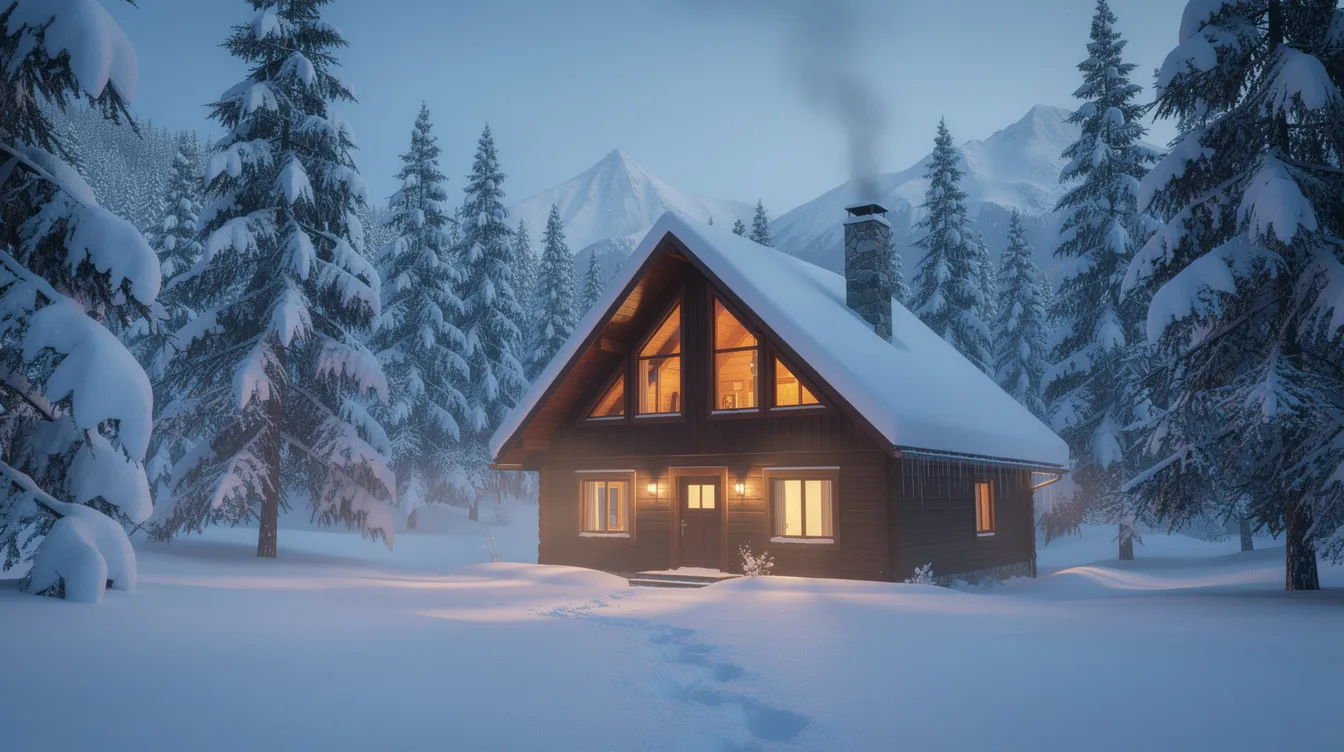
A-frame cabin designs are characterized by their sloped roofs that create an iconic ‘A’ shape, which is particularly effective in snowy climates as it allows snow to slide off easily. Steep rooflines often have equilateral 60° angles that prevent heavy snowfall accumulation and leaks. The triangular shape of a frame houses provides structural strength, making them resilient in harsh weather conditions—a significant advantage for homes in mountainous or windy areas.
The 20×20 footprint keeps material costs manageable while still allowing a functional layout with real amenities.
Key features of a 20×20 a frame floor plan:
- 20×20 foot dimensions (400 sq ft main floor)
- 150–200 sq ft sleeping loft
- Open living area with cathedral ceilings
- Compact kitchen and full bathroom
- Optional front deck extending living space outdoors
20×20 A-Frame Cabin Layout: Main Floor Plan
The 400 square foot main floor divides into distinct functional zones despite the open-concept design. Most a frame house plans position the entry facing the dramatic front gable, with living space flowing into kitchen and bath areas at the rear.
A typical layout dedicates the front 6–8 feet to living space facing large windows. The rear left corner houses a galley or L-shaped kitchen. The rear right accommodates a 35–50 square foot bathroom and storage, similar to many efficient tiny house floor plans. Center space works for a dining table or wood stove—the heart of any frame cabin.
The open-concept design of a frame homes allows sound to travel easily between levels, so careful placement of bathrooms creates privacy. The walls lean inward on both sides, making standard furniture placements difficult in some areas. Storage limitations in a frame cabins can be addressed by smart design solutions like built-in furniture or utilizing areas under stairs.
Main floor zones:
- Entry vestibule with boot storage
- Living area (200+ sq ft) with peaked ceiling
- Compact kitchen (80–120 sq ft)
- Full bathroom (35–50 sq ft)
- Central stair or ladder access to loft
Sleeping Loft Design Above a 20×20 Frame Cabin
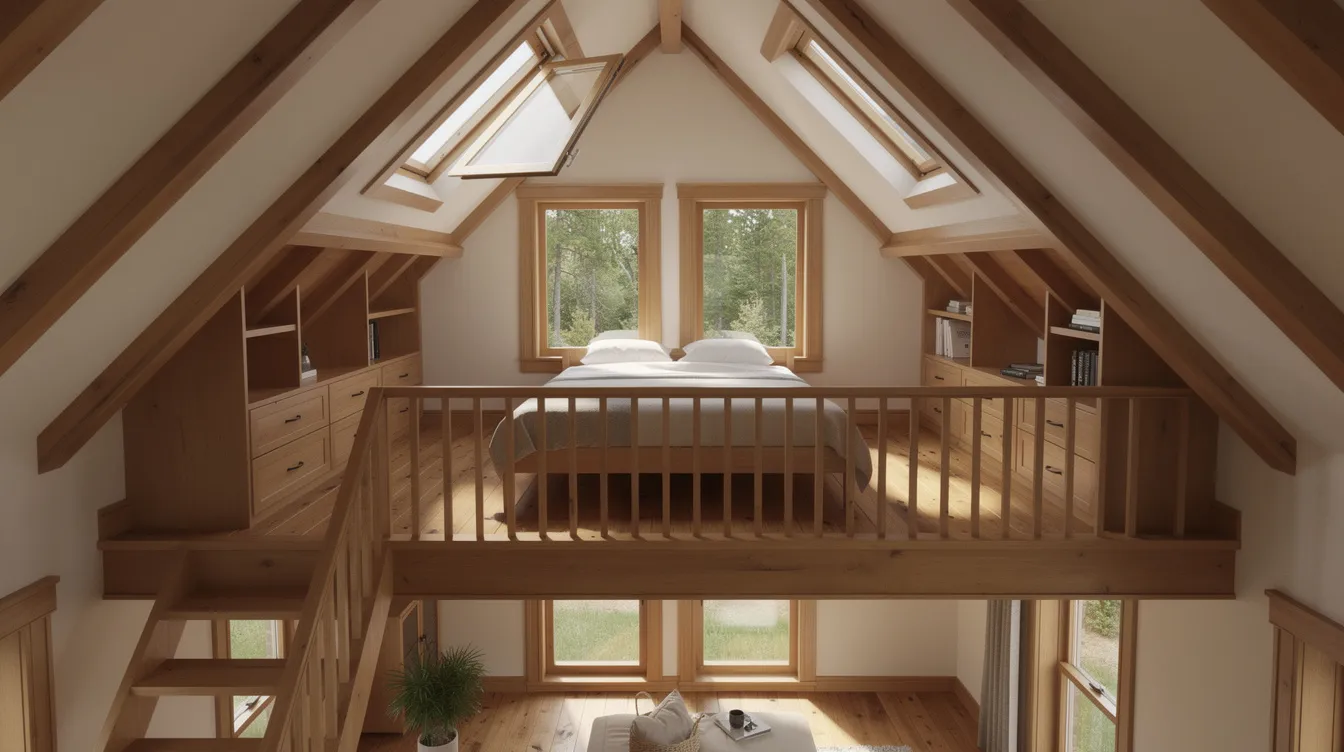
A sleeping loft adds usable square footage without increasing the cabin’s footprint. For a 20×20 a frame structure, expect 150–200 square feet of loft space depending on how the platform extends.
In a 20-foot wide A-frame structure, standing room is limited to the central apex, with a typical minimum height of 6’8” in active zones. A frame homes can experience drawbacks such as reduced usable space on the upper levels due to the steep roofline, which can limit the functionality of the second floor. Adding dormers to A-frame cabins can significantly increase headroom and usable space in the loft.
Temperature regulation is crucial in A-frame cabins, as lofts can become hot while the ground floor remains cool. Heat rises to the peak in A-frame cabins, and incorporating operable skylights or vents aids in thermal regulation during warm months, much like other tiny house interior designs that maximize every square foot.
Loft details:
- Dimensions: 150–200 sq ft usable area
- Access options: Compact straight stair (safer, takes 30–48 sq ft) or space-saving ladder for the loft (preserves floor space)
- Bed placement: Center of loft where headroom is adequate
- Storage: Built-in drawers and shelving along low-headroom eaves
- Ventilation: Gable windows plus operable skylight at peak
- Safety: 36–42 inch guardrail with balusters spaced max 4 inches apart
Exterior Features: Deck, Entry, and A-Frame Elevation
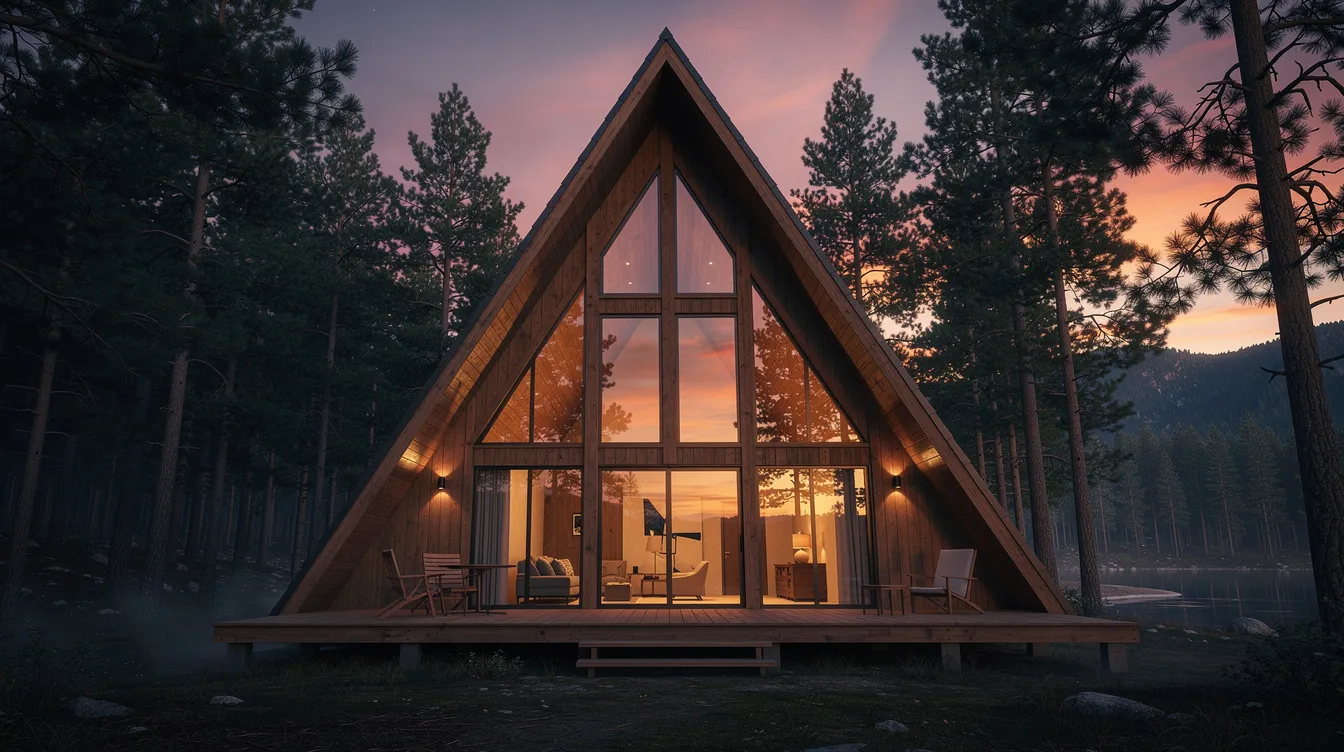
The exterior design extends your living space beyond the compact 20×20 floor plan. A front deck creates an outdoor room that connects indoor and outdoor living, echoing the appeal of many top A-frame cabin getaways.
One of the main benefits of A-frame houses is the abundance of natural light they receive due to their large windows and open design, which can enhance the living experience year round. A-frame houses are particularly advantageous in snowy climates because their sloped roofs allow snow to slide off easily, preventing accumulation that could lead to structural damage.
The classic a frame house facade features full-height glass on the gable end, creating that mountain chalet aesthetic. This design maximizes natural light and passive solar gain in winter.
Exterior specifications:
- Deck size: 6×20 or 8×20 feet (matching cabin width)
- Windows: Full-height glazing on front gable end
- Entry door: Centered at ground level
- Siding options: Vertical cedar boards, metal siding, or stained timber
- Roof: Metal panels or asphalt shingles on steep 60° pitch
- Overhang: 18–36 inches to protect deck and walls
Square Footage, Cost, and Build Complexity
A 20×20 a frame cabin offers about 400 square foot on the main level plus a loft—comparable to innovative tiny homes that redefine small-space living but with more headroom and natural light.
On average, it costs about $100–$300 per square foot for labor and materials to build an A-frame house plan. For reference, a 1,000-square-foot A-frame house will cost about $150,000 to build, excluding upgrades and land costs.
Realistic cost range for a 20×20 build:
Build Type | Cost Range |
|---|---|
DIY with basic finishes | $50,000–$70,000 |
Contractor, moderate finish | $80,000–$100,000 |
High-quality finishes | $100,000–$120,000 |
Building an A-frame house can be done on a budget, but many factors influence the overall cost, making it difficult to determine if it is cheaper than other house designs. |
Main cost drivers:
- Foundation type (piers vs. slab vs. crawl space)
- Roof insulation and insulated panels
- Window size and quality
- Off-grid systems (solar, battery, water) similar to modern self-contained tiny homes for off-grid living
- Remote site access and delivery costs
- Local snow load and wind requirements
A-frame houses are structurally simple, but a professional builder should review plans for local codes. Consult an architect or engineer for snow loads specific to your location.
Construction Details for a 20×20 A-Frame House
Moving from blueprint to reality requires understanding the construction sequence for a permanent 20×20 frame cabin.
The construction of an A-frame cabin typically begins with preparing the location, ensuring the ground is solid and level, often using cement pavers for stability.
Construction stages:
- Foundation: Install concrete piers, slab, or crawl space foundation suitable for your site conditions
- Floor framing: The floor framing of an A-frame cabin is generally made using 2×4 studs, which are attached to framing plates and spaced on 16-inch centers to provide adequate support
- A-frame trusses: A-frame trusses are usually constructed from 2×6 lumber, and the ends must be cut at specific angles to ensure proper fit and stability during assembly
- Wind protection: When constructing an A-frame cabin, it is recommended to use hurricane tie downs in areas prone to high winds to enhance structural stability
- Sheathing: Apply 1/2-inch plywood or OSB to roof and walls
- Roofing: The roofing of an A-frame cabin typically involves covering the roof framing with roofing felt and attaching metal roofing panels, ensuring proper overlap and securing with screws
- Windows and doors: Install per drawings schedule, with careful flashing
An engineer should confirm joist and rafter spans for local load requirements.
Choosing and Customizing 20×20 A-Frame House Plans
Starting with proven a frame cabin plans saves time and reduces design errors. Ready-made house plans provide tested layouts that work, just like many tiny house plans that fit your life.
A-frame cabins can be designed with various layouts, including options for lofts, large windows for natural light, and open floor plans to maximize space, much like many custom tiny homes for small-space living.
Customization checklist:
- Easy changes: Interior wall positions, window sizes, finish materials, deck dimensions
- Needs engineering review: Foundation type, structural spans, snow-load modifications, loft extension
- Licensing: Most plans allow one build per purchase; local stamping may be required
- Climate adaptation: Bring your concept to a designer who can adapt insulation and structure for your land
- Utilities: Specify off-grid or on-grid systems early in planning
- Code compliance: Connect with your local planning department before you build
Is a 20×20 A-Frame Cabin Right for You?
A 20×20 a frame cabin suits singles, couples, or small families comfortable with compact living and loft sleeping. It’s not for everyone. But for the right person, it’s perfect.
Practical pros:
- Simple structure with strong frame for snow
- Low exterior wall area creates efficient heating
- Flexible use as vacation home, rental, or primary residence
- Budget-friendly compared to larger builds
- Dramatic style that stands out from other house designs
Practical cons:
- Reduced wall space upstairs limits furniture options
- Limited full-height areas on sides
- Storage requires creative solutions
- Sound travels between levels easily
Ideal use cases:
- Mountain plots with heavy snowfall
- Lakeside or forested retreats
- Off-grid homesteads for those also considering tiny house camper adventure living
- Backyard guest cabins (ADU)
- Airbnb rental properties

A 20×20 a frame cabin isn’t just a house. It’s a lifestyle choice. Simple. Efficient. Beautiful.
Ready to make it happen? Review detailed 20×20 a frame cabin plans or consult a designer to adapt the floor plan to your land, climate, and budget. Your dream cabin is closer than you think.