
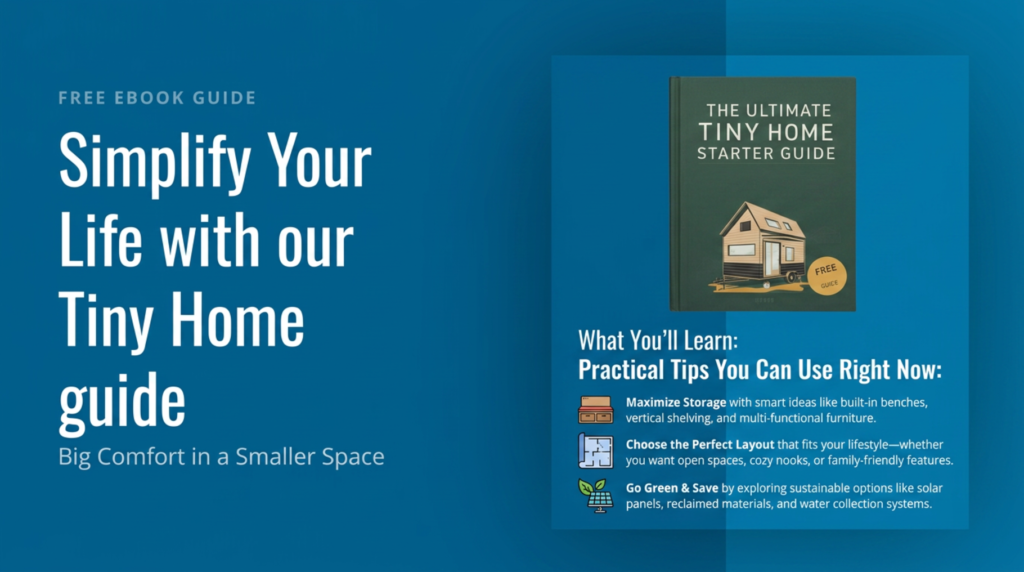
The steep triangular roofline of an A-frame house creates one of the most recognizable silhouettes in residential architecture. If you’re searching for a home that combines dramatic living space with practical family comfort, a 3 bed a frame house offers the perfect balance of form and function.
- Quick Overview: What Is a 3 Bed A Frame House?
- Key Specifications of a 3 Bedroom A Frame House
- Popular 3 Bed A Frame House Plan Types
- Sample 3 Bed A Frame Layouts (With Concrete Examples)
- Design Features That Make 3 Bed A Frames Stand Out
- Floor Plans: How to Read and Compare 3 Bed A Frame Designs
- Modifying a 3 Bed A Frame House Plan
- A Frame House Kits and Building
- Maintenance and Inspection
- Landscaping and Outdoor Space
- Sustainability and Energy Efficiency
- Community and Lifestyle
- Cost, Build Considerations & Best Uses
- Frequently Asked Questions About 3 Bed A Frame Houses
Quick Overview: What Is a 3 Bed A Frame House?
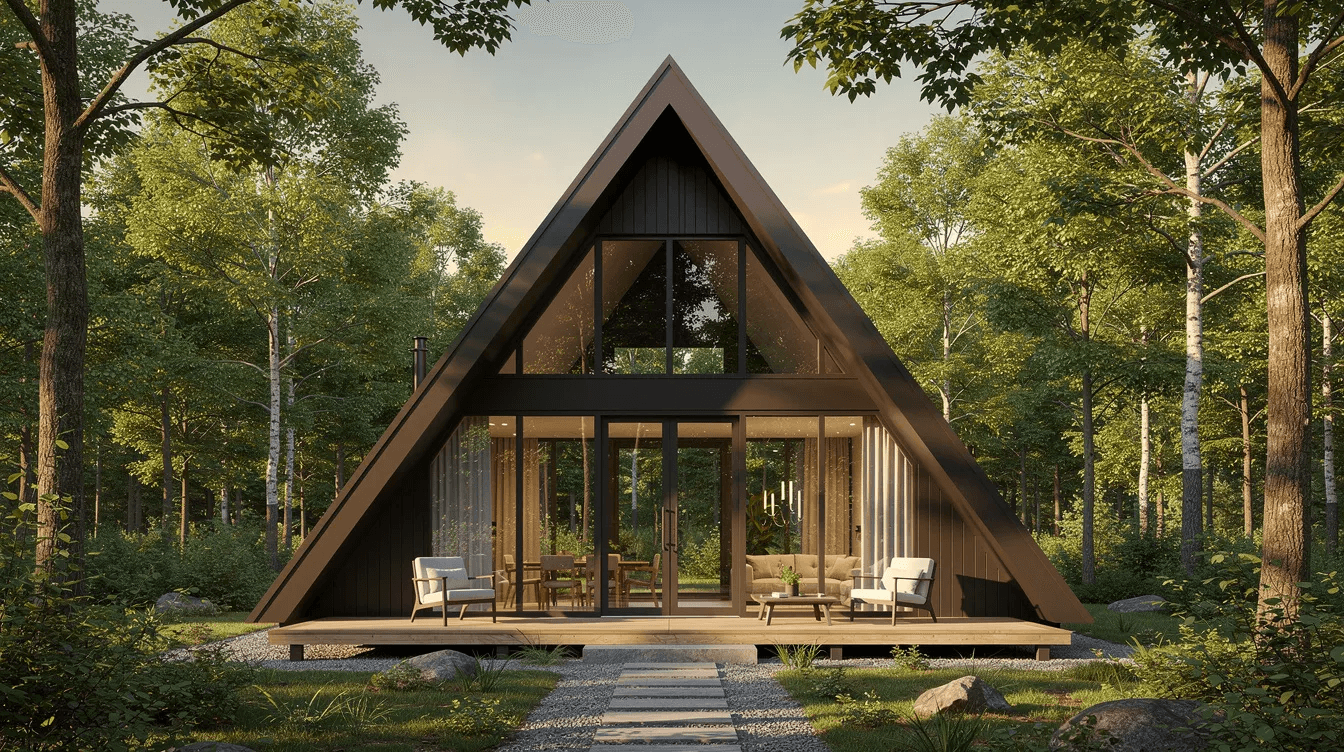
An A-frame house features walls that slope inward from the foundation to meet at a sharp peak, forming a distinctive triangular shape. Large windows typically dominate the gable end, flooding the inside with natural light while creating a strong connection between indoor and outdoor spaces. The steep roof pitch—usually 45 to 60 degrees—makes these homes ideal for snowy or rainy climates.
This article focuses on 3 bedroom A-frame homes ranging from roughly 1,200 to 2,400 square feet, built or designed between 2000 and 2026. These floor plans work well as full-time family residences, A-frame lake cabins and forest hideaways, or mountain getaway homes for groups of 4 to 8 people.
Typical 3 Bed A-Frame Specifications:
- Square footage: 1,200–2,400 sq ft
- Bathrooms: 2–3 full baths
- Floors: 1.5–2 stories, plus optional walkout basement
- Ceiling height in great room: 18–24 feet
Unlike smaller 1 or 2 bedroom A-frames, the 3 bedroom layout provides dedicated separation between bedrooms, better capacity for hosting guests, and expanded storage in mudrooms or basements.
Key Specifications of a 3 Bedroom A Frame House
Understanding specifications like beds, baths, and square footage helps you select a plan package that matches your family’s needs and budget. Here are typical configurations you’ll find when browsing house plans:
- Entry level: 3 beds / 2 baths at around 1,372 sq ft
- Mid-range: 3 beds / 2.5 baths at around 2,000 sq ft
- Luxury: 3 beds / 3 baths at around 2,470 sq ft
Many modern designs from 2015–2026 include two floors with a vaulted great room reaching 18–24 feet at the peak. Window walls on the view-facing side—often 10 to 16 feet tall—are common features displayed in contemporary blueprints.
Walkout basements add 800–1,200 sq ft of usable space on sloped lots without expanding the roofline, making them popular for mountain or lakefront sites.
Popular 3 Bed A Frame House Plan Types
Several “families” of 3 bed A-frame house plans appear repeatedly across designers and plan providers. Choose the option that matches your lot size, build cost goals, and lifestyle.
Compact Family Plan (1,350–1,450 sq ft) Features 3 bedrooms and 2 baths in a simple 40×30-foot footprint. The open main floor integrates kitchen, living, and dining under vaulted ceilings. This layout suits smaller lots and budgets under $300,000.
Mid-Sized Modern Plan (1,900–2,100 sq ft) Includes 3 beds and 2.5 baths with a loft overlooking the great room. Expansive decks of 400–600 sq ft and floor-to-ceiling windows up to 20 feet tall define this type. Perfect for families who want contemporary aesthetics without excessive square footage.
Large Chalet-Style Plan (2,400–2,700 sq ft) Offers 3 beds and 3 baths with wrap-around decks exceeding 800 sq ft, a dedicated laundry room, mudroom, and optional 2-car garage. This plan suit buyers who need maximum living space and storage.
Sample 3 Bed A Frame Layouts (With Concrete Examples)
This section walks through representative layouts to help you review how rooms connect and flow.
Compact Example (1,372 sq ft, 3 beds, 2 baths) Entry opens to a mudroom nook flowing into an open kitchen-living-dining area under 20-foot vaults. One bedroom and full bath sit on the main floor for accessibility. Upstairs, a central stair leads to two bedrooms flanking a shared bath—ideal for 4–6 occupants.
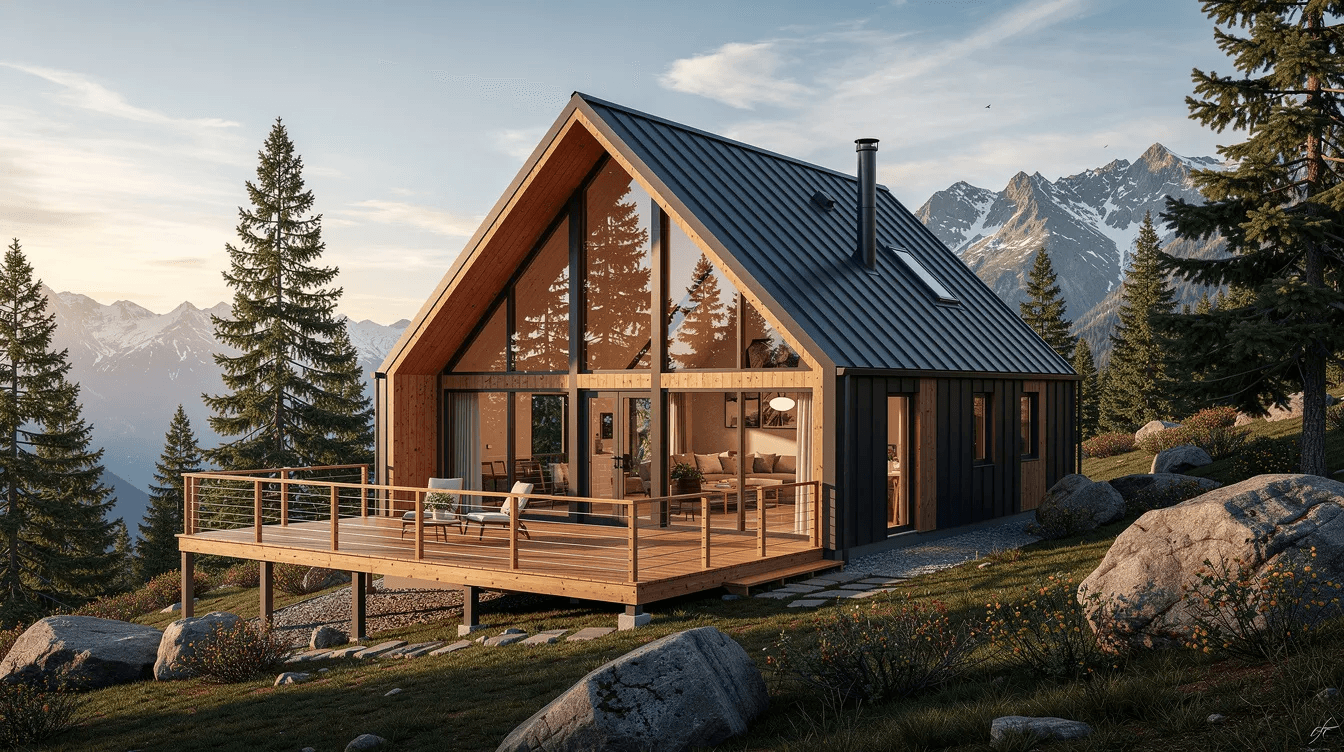
Mid-Sized Walkout Example (2,000 sq ft, 3 beds, 2.5 baths) The main floor centers on a vaulted great room with fireplace and kitchen island facing a 30-foot-wide deck through 16-foot window walls, with stair or loft ladder solutions for upper sleeping areas carefully planned into the layout. An upper loft serves as bedroom or office with private balcony. The lower walkout level houses two bedrooms, family room, and laundry opening to a patio.
Larger Chalet Example (2,470 sq ft, 3 beds, 3 baths) Entry via mudroom leads to a great room-kitchen combo. The master suite occupies the main level with direct deck access through sliding doors. Upstairs, two bedrooms share a balcony and jack-and-jill bath. An optional 24×24-foot garage connects via the mudroom.
Design Features That Make 3 Bed A Frames Stand Out
A-frame homes built after 2010 combine nostalgic aesthetics with functional upgrades that protect against the elements while maximizing comfort.
- Exterior: Steep 48–60 degree roof pitch with 2–4-foot overhangs, natural materials like cedar siding, and decks of 500–1,000 sq ft
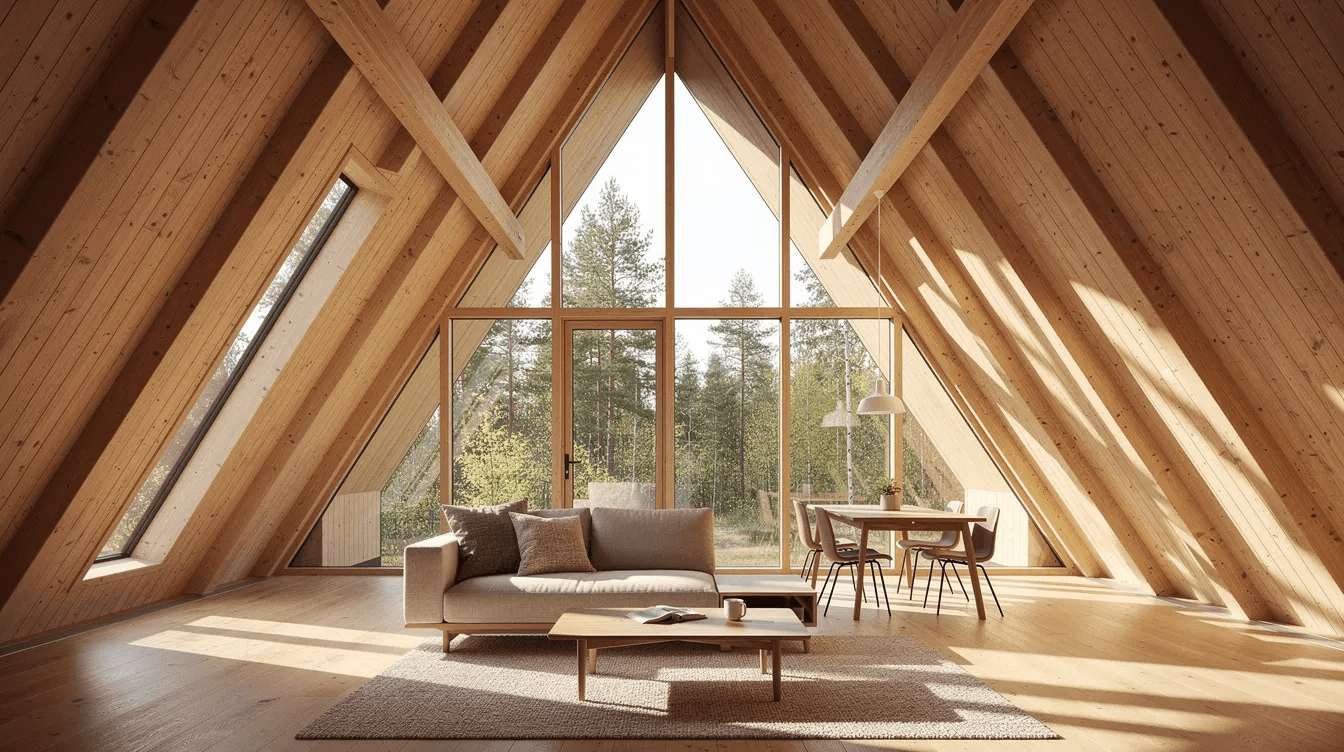
- Interior: Vaulted great rooms with exposed Douglas fir beams, open-concept kitchens featuring islands, and strategic windows for light
- Bedroom distribution: Primary on main floor (aging-in-place ready), secondary bedrooms in loft or lower level for privacy
- Modern upgrades: Low-E triple glazing, air-source heat pumps at 20 SEER efficiency, radiant floors, and smart controls via devices like Nest
These features reduce energy bills by 20–30% versus traditional framing while creating the dramatic height and view connection that define A-frame living.
Floor Plans: How to Read and Compare 3 Bed A Frame Designs
Before performing security verification on your purchase or committing $250,000–$500,000 to a build, understanding how to read floor plans saves costly mistakes.
Security verification successful means your device can access plan details. When reviewing blueprints, check:
- Square footage notes (heated area vs. total including porches)
- Bedroom dimensions—primaries at 14×16 feet, secondaries at 11×12 feet minimum
- Bath proximity (no bedroom more than 40 feet from a full bath)
- Laundry location and storage depth in compact plans
For outdoor spaces, verify deck sizes and orientation—south-facing for solar gain, gable-end for views. Compare 3–5 plans side by side to find layouts where main floor bedroom presence and walkout viability match your lot.
Modifying a 3 Bed A Frame House Plan
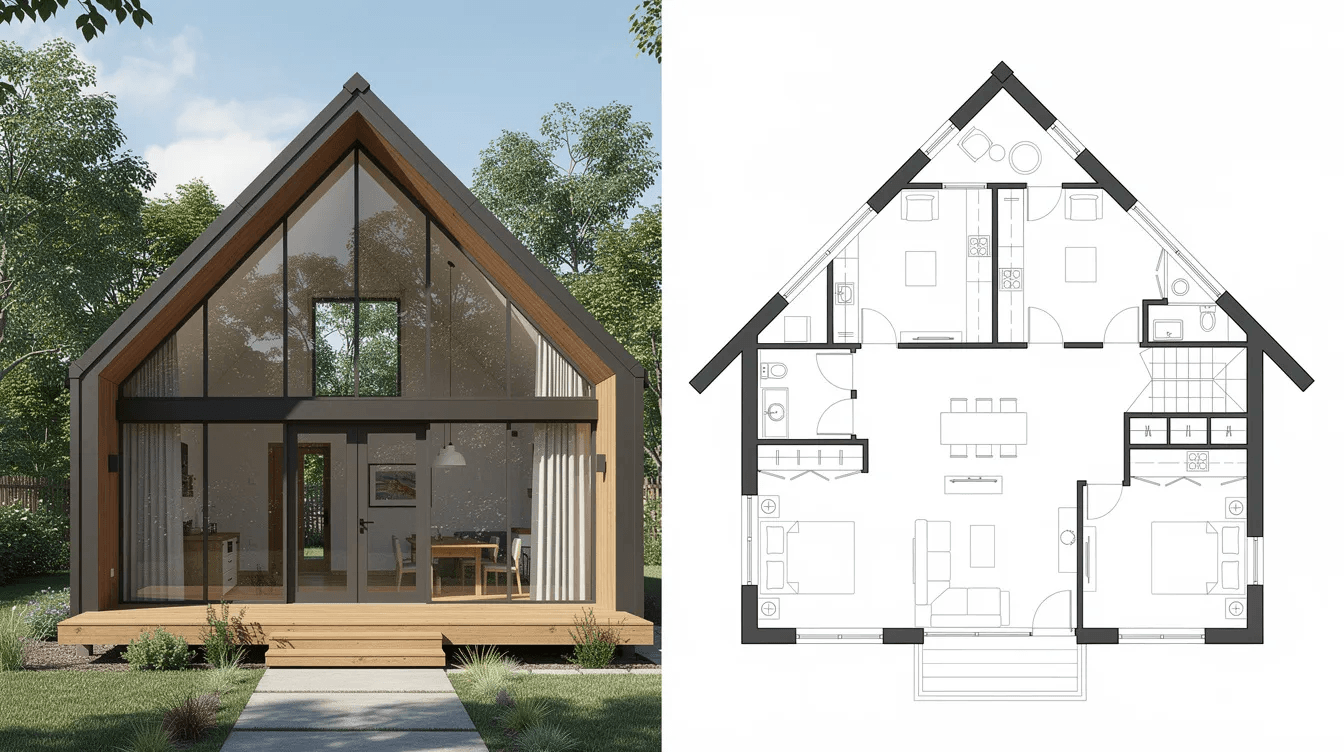
Most pre-drawn plans from providers on www sites permit customization for $1,000–$5,000 in revision fees. This flexibility helps protect your investment by ensuring the plan matches your specific lot, whether you’re adapting a larger structure or drawing inspiration from crafting an Amish tiny house.
Common modifications:
- Shifting a bedroom to the main level
- Adding mudroom or garage connections
- Enlarging deck space by 200–400 sq ft
- Reconfiguring from 2 to 3 baths
The process: select a base plan close to your needs, then sign and submit marked-up changes to an architect. Structural shifts like dormers may add $2,000–$10,000 but maintain the A-frame essence. Enter your requirements as a clear written list with material list preferences before requesting quotes. It is important to describe any desired changes or improvements in detail; providing a written description and, if possible, drawings will help the architect understand and implement your requested modifications accurately.
A Frame House Kits and Building
A-frame house kits have become a go-to solution for homeowners who want to simplify the building process without sacrificing style or quality, similar to how Home Depot tiny house kits streamline small home builds. These kits typically come as a comprehensive plan package, including detailed floor plans, a complete material list, and step-by-step assembly instructions. Many kit providers offer a cad file for easy customization, giving you the flexibility of unlimited build options to tailor your living space exactly as you envision.
When selecting a frame house kit, it’s important to review what’s included in the package and compare shipping costs, as these can vary depending on your location. Some companies even offer a best price guarantee, ensuring you receive the most competitive deal on your new home. The quality of materials is another key factor—look for kits that use durable, energy-efficient components to ensure your house stands the test of time.
By choosing an A-frame house kit, you can streamline your build, reduce planning headaches, and receive everything you need to create a beautiful, modern home, especially when you pair it with tiny house floor plans that maximize space. Whether you’re looking for a cozy retreat or a spacious family residence, these kits make it easy to find a plan that suits your needs and lifestyle.
Maintenance and Inspection
Keeping your A-frame house in top condition starts with regular maintenance and inspection. By routinely checking the foundation, walls, and windows, you can spot minor issues before they become costly repairs. Pay special attention to the roof and gutters—clearing debris and ensuring proper drainage will protect your living space from water damage and extend the life of your frame house.
Inspecting your home’s exterior and interior at least twice a year helps safeguard the structure and maintain a comfortable, secure environment. Addressing small cracks in the foundation, resealing windows, and repairing any damage to the walls will keep your house looking great and performing efficiently. Proactive maintenance not only protects your investment but also ensures your home remains a safe and inviting place for years to come.
Landscaping and Outdoor Space
The outdoor space surrounding your A-frame house is just as important as the interior. Thoughtful landscaping can highlight the unique features of your frame house and create the perfect setting for relaxation or entertaining, much like the decks and outdoor zones that define many chalet tiny house models. Homeowners can choose from a variety of options—lush gardens, expansive patios, or wraparound decks—to add both beauty and function to their property.
When planning your outdoor space, consider the location and natural features of your lot. Incorporating elements like seating areas, walkways, and outdoor lighting can transform your yard into an inviting extension of your home. Whether you want a quiet retreat or a lively gathering spot, the right landscaping choices will enhance your house’s curb appeal and provide a perfect backdrop for outdoor living.
Sustainability and Energy Efficiency
Designing your A-frame house with sustainability and energy efficiency in mind can lead to significant long-term benefits, especially if you draw on concepts from Earthship tiny homes for sustainable living. By selecting high-performance windows, using eco-friendly materials, and integrating features like solar panels or rainwater harvesting systems, you can reduce both your environmental impact and your energy costs. Many modern A-frame designs maximize natural light and ventilation, creating a bright, comfortable living space while minimizing reliance on artificial heating and cooling.
Choosing sustainable materials and efficient building practices not only lowers your home’s carbon footprint but can also increase its value, echoing the appeal of minimalist tiny houses designed for sustainability. Features such as energy-efficient windows and insulation help maintain a consistent indoor temperature, reducing utility bills and enhancing comfort. By prioritizing sustainability, you’re investing in a home that’s both cost-effective and environmentally responsible.
Community and Lifestyle
A-frame houses offer a flexible living space that can suit a wide range of lifestyles and communities. Whether you’re building a rustic mountain retreat or a sleek urban home, there are floor plans and design options to match your vision. The open floor layouts and minimalist design of many A-frame homes make them an excellent option for those looking to downsize, simplify, or add a unique touch to their neighborhood, similar to minimalist tiny houses focused on efficient living and tiny house interiors that maximize every square foot.
Homeowners can find inspiration and share ideas by joining online communities or browsing Pinterest, where countless A-frame house designs and floor plans are displayed. This makes it easy to choose features and layouts that reflect your personality and needs. Whether you’re looking to build a cozy getaway or a modern family home, an A-frame house provides a distinctive, comfortable living space that can be tailored to suit your lifestyle, right down to details like creating a small cozy boho bedroom. By connecting with others and exploring different options, you can add your own creative touch and make your house truly feel like home.
Cost, Build Considerations & Best Uses
Building a 3 bed a frame house typically costs 10–25% less in materials than rectangular homes due to reduced foundation and wall framing. However, the steep roof elevates labor by 15–20%.
Typical build costs:
- Compact 1,372 sq ft: $150–$220 per sq ft ($205,000–$300,000 total)
- Mid-range 2,000 sq ft: $180–$250 per sq ft ($360,000–$500,000)
- Chalet 2,470 sq ft with garage: $200–$280 per sq ft ($495,000–$690,000)
Site factors like sloped lots enable walkout basements but add $10,000–$20,000 in geotech reports. Snow loads of 150 psf require engineering verification for mountain locations.
Best use cases: full-time family home, short-term rental business yielding 8–12% ROI, multi-generational retreat, or retiree location with main-floor primary. Match compact types to budgets under $350,000 and larger chalets to buyers who agree unlimited build quality matters.
Frequently Asked Questions About 3 Bed A Frame Houses
What’s the ideal square footage for 2–5 people? Plan for 1,500–2,100 sq ft, providing 300–400 sq ft per occupant including shared spaces. A security service like this ensures comfortable living without excess.
Do 3 bed A-frames work in cold or snowy climates? Yes—50–60 degree roof pitches self-clear 4–6 feet of snow via gravity. R-50+ insulation and air-sealed envelopes retain heat efficiently. Malicious bots of cold air can’t penetrate properly insulated walls and windows.
How do I add a garage or carport? Use side-attached structures via covered walks, lower-level tucks in walkouts, or separate 24×24 pole barns for 25–35% cost savings. Check your cart for CAD file options when purchasing plans.
What about financing and permitting? Lenders and building departments treat A-frames like any single-family home if plans include engineered drawings confirming shear walls and uplift resistance. View the best price guarantee and shipping costs page for details on receiving complete plan packages. Share questions with your designer—waiting to respond delays the respond ray id confirmation and build timeline.
Find your perfect 3 bed A-frame by comparing floor plans, checking bedroom layouts match your family’s needs, and consulting an architect about site-specific changes. Whether you’re browsing Pinterest for inspiration or ready to purchase blueprints, the right plan transforms that iconic roofline into a home you’ll love for decades.