California has become one of the most active states in the country when it comes to alternative housing, and the tiny house movement is at the center of it. But are tiny houses legal in California? The answer is yes, though the path to making your tiny home dreams a reality depends on where you are, how your unit is built, and which legal classification it falls under. This guide breaks down everything you need to know for 2026.
Key Takeaways
- Tiny houses are legal statewide in California, but legality depends on whether the unit is a permanent structure on a foundation, an accessory dwelling unit, or a movable tiny house on wheels.
- The most common and legally straightforward way to live in a tiny home is as an ADU in a backyard. California state law requires nearly every jurisdiction to allow at least one ADU on most single-family lots, with mandates updated through 2025–2026.
- Movable tiny homes and tiny homes on wheels face more restrictions. They are typically allowed in RV parks, special occupancy parks, or in jurisdictions that explicitly recognize them as dwelling units.
- Permanent tiny homes on foundations must meet california building code requirements including a minimum ceiling height of 7 feet 6 inches and at least one room of 120 square feet.
- Local regulations and local ordinances vary dramatically between cities and counties. What’s legal in one jurisdiction may not be legal in the next, so always verify with your local building department before building or placing a tiny house.
How Tiny Houses Are Legal in California (Fast Answer)
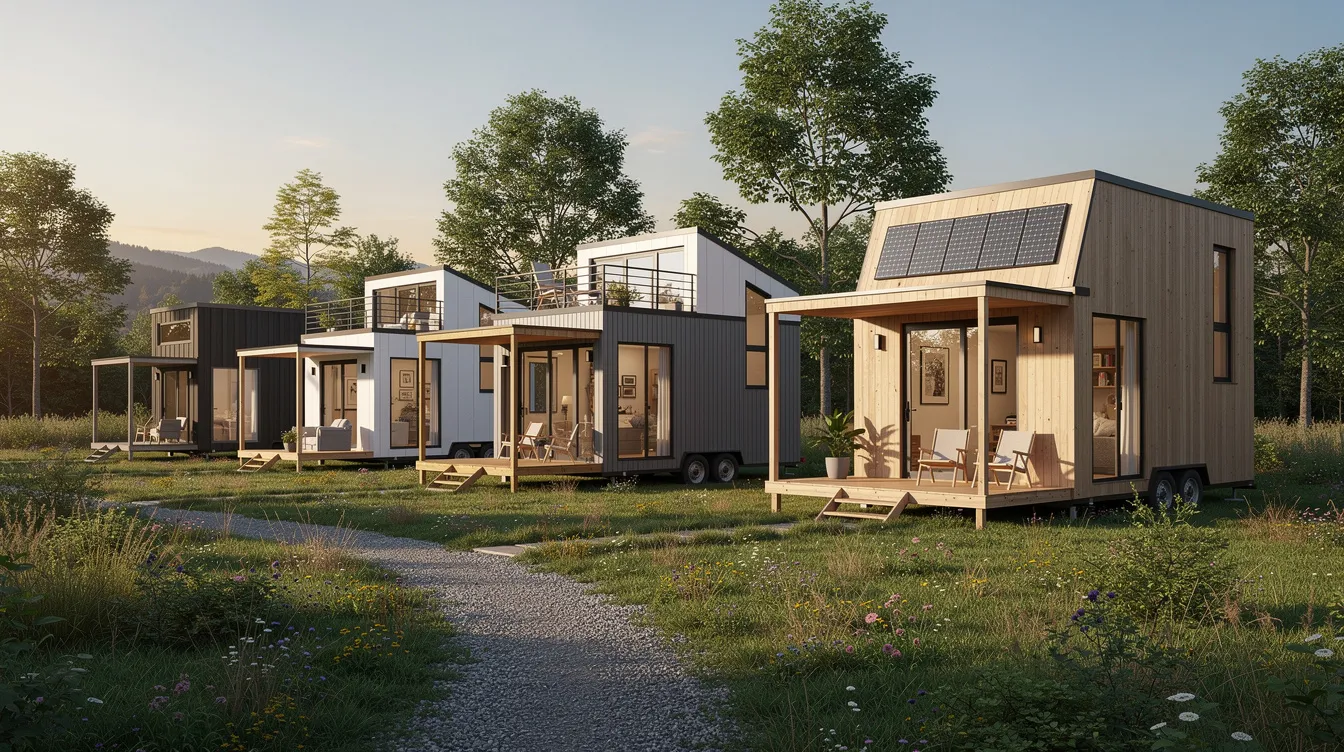
Yes, tiny houses are legal in California, but the rules governing them are layered. There is no single “tiny house permit” you can pull. Instead, California offers several legal pathways depending on the type of unit and how it’s used.
Here are the three main pathways:
- Tiny houses on a permanent foundation can serve as primary residences or small single-family dwellings in residential zones, provided they comply with the california building code and local zoning laws.
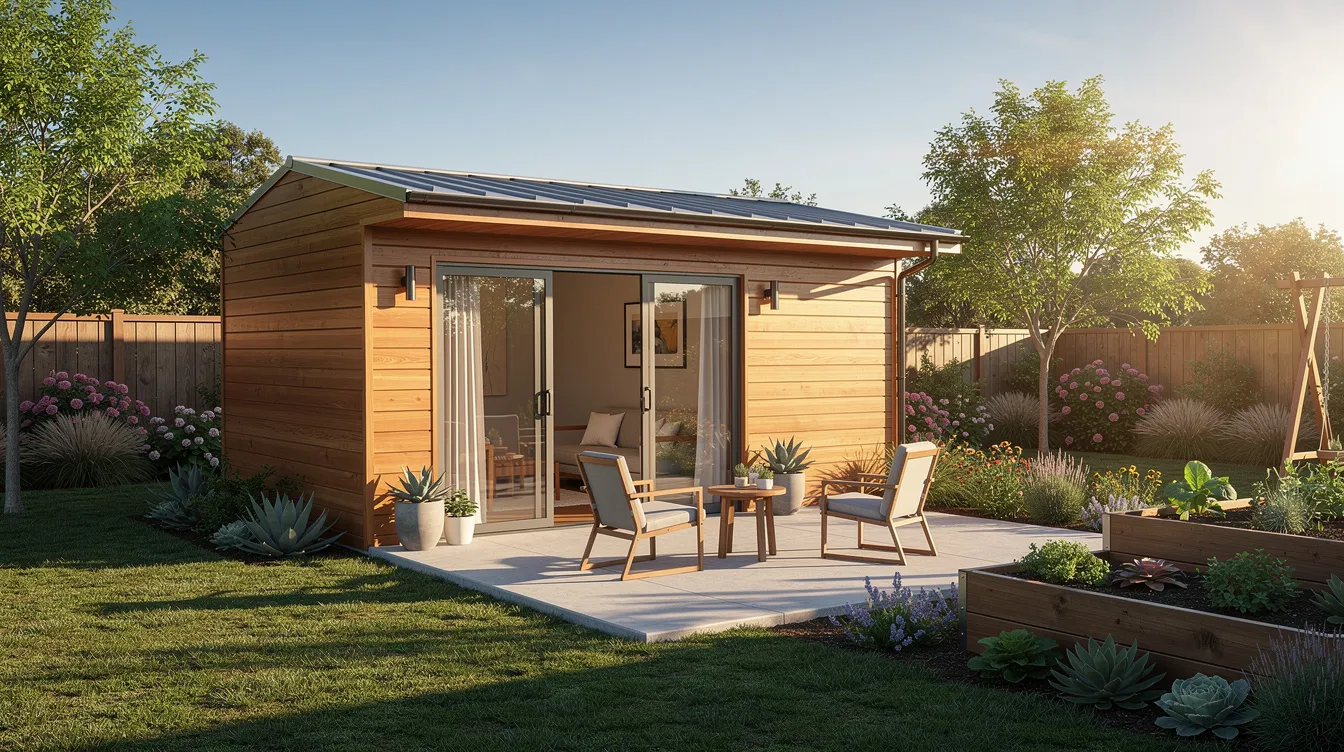
- Tiny houses used as accessory dwelling units – either foundation-built or, in some jurisdictions, movable tiny homes – placed in backyards of existing single-family homes. California’s ADU mandates make this the easiest route for many property owners.
- Tiny homes on wheels treated as recreational vehicles or park model homes, legally occupied in RV parks, special occupancy parks, or in the handful of cities and counties that allow them as permanent dwellings on residential lots.
Most full-time tiny living that is fully legal happens either through ADU channels or inside properly zoned parks and tiny home community developments. Parking an unpermitted trailer in a driveway and calling it home is not a recognized legal path in most jurisdictions. Enforcement and flexibility vary by county, with places like Fresno, Los Angeles, San Diego, and nevada county being among the more well-known tiny-friendly areas.
What Counts as a Tiny House in California?
California does not use a single official “tiny house” definition. Instead, several building and housing codes set the parameters that determine what qualifies.
- The 2018 International Residential Code (IRC) Appendix AQ defines a tiny house as a dwelling unit with a floor area of 400 square feet or less, excluding lofts.
- The california building code (CBC, Title 24) sets minimum habitable room sizes: at least one room must be 120 square feet in net floor area, and other habitable rooms must be at least 70 square feet each.
- Efficiency dwelling units under Health & Safety Code § 17958.1 can be as small as 150 square feet, though these are a special category.
- For moveable tiny houses on wheels, many jurisdictions cap interior living space at 400 square feet, though some (like unincorporated San Diego County) allow up to 430 square feet.
In practice, most California jurisdictions treat “tiny homes” as small dwellings between roughly 100 and 500 square feet, depending on whether they’re movable or foundation-built. Design ideas from modern tiny house layouts for small-space living can usually be adapted within these size limits. Floor area rules differ in some counties – for example, certain counties using earlier code cycles or local amendments may require a primary room of 220 square feet – so readers should confirm with their local municipality which code edition applies.
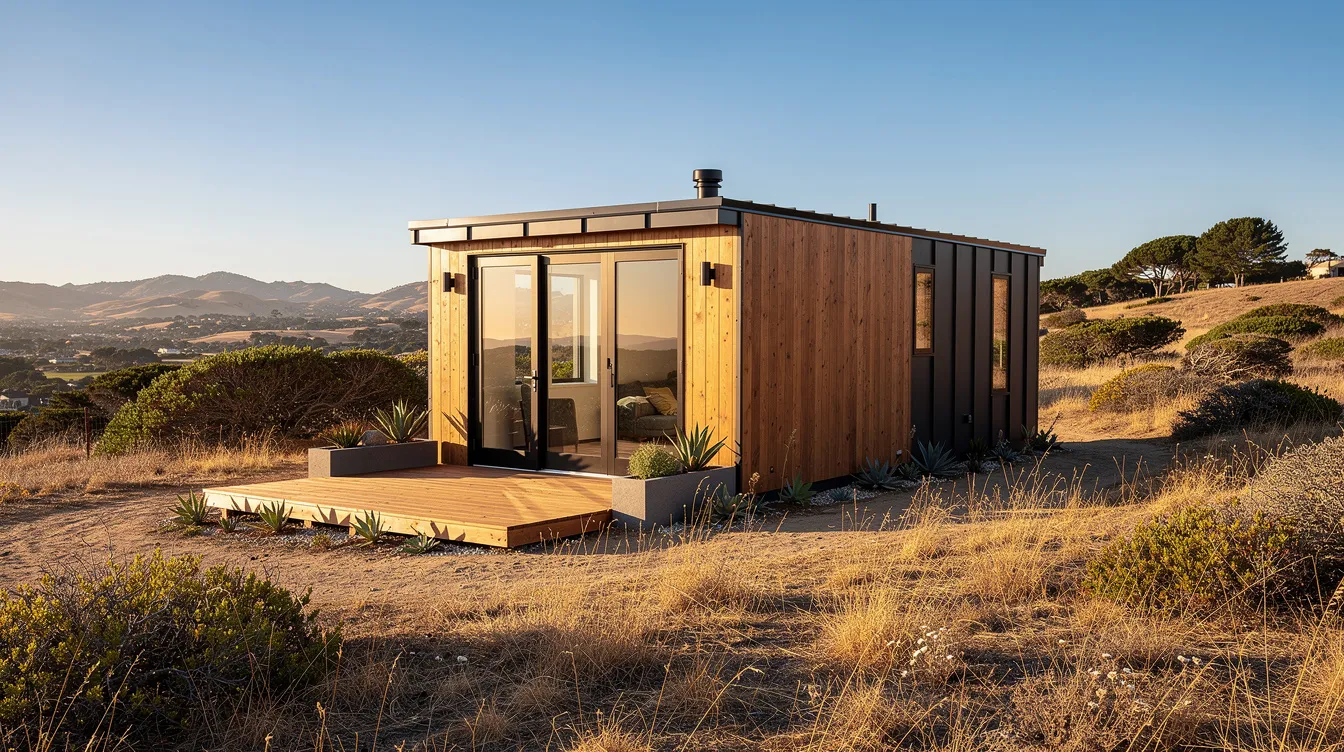
Types of Tiny Houses in California: Foundation vs. Wheels
Legality depends heavily on how a tiny house is built and classified. The distinction between a conventional building structure on a permanent foundation and a movable unit on a wheeled chassis triggers entirely different regulatory frameworks, and it also shapes whether you pursue custom tiny homes tailored to your needs or more standardized models.
Foundation-built tiny homes:
- Treated as permanent structures under the california residential code and local zoning regulations
- Can serve as primary residences, ADUs, a junior accessory dwelling unit, or units in cottage housing developments
- Must meet structural, fire safety, energy efficiency (Title 24), plumbing, electrical, and utility connection standards
- Require a permanent location with full hookups to water, sewer or septic, and electricity
Movable tiny houses and tiny homes on wheels:
- Built on a trailer chassis, towable, typically 100–400 square feet of habitable space
- Often certified to ANSI 119.5 standards (from the american national standards institute) and registered with the California Department of Motor Vehicles
- Classified under state law similarly to recreational vehicles or park model homes
- Tiny houses on wheels are often classified as recreational vehicles unless a local ordinance creates a separate category
Some jurisdictions, including Los Angeles, San Diego, and Santa Clara, explicitly recognize movable tiny houses as a distinct ADU type. Others only allow them inside RV parks or special occupancy parks. The classification you choose at the start of your project determines which codes, permits, and standards apply.
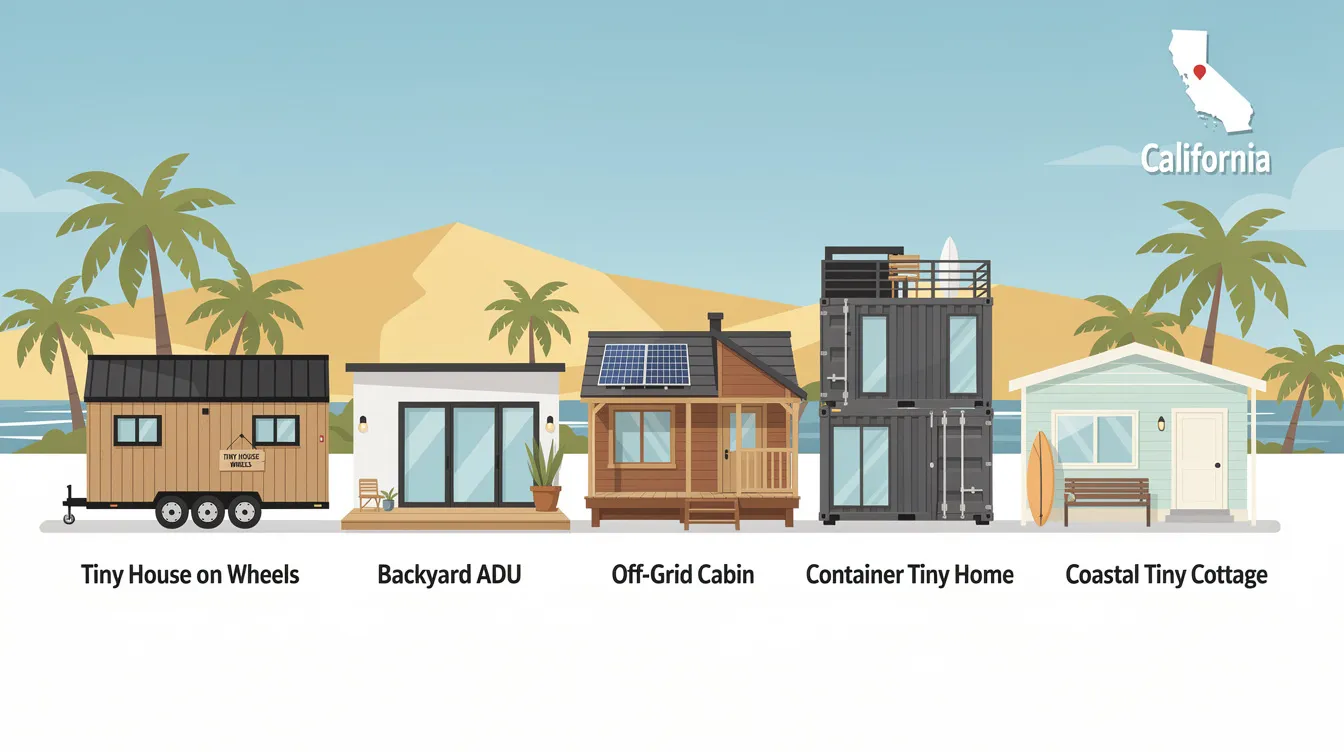
Statewide Laws Making Tiny Houses Legal (ADU Mandates)
California’s strongest statewide support for tiny houses comes through its accessory dwelling units laws. Since 2017, a series of state bills have progressively removed local barriers to building small secondary dwellings on residential lots.
Key reforms include:
- AB 68 and AB 881 (2019): Required local agencies to ministerially approve ADU applications meeting objective criteria, eliminated owner-occupancy requirements, limited excessive setbacks and impact fees, and required ADU applications to be approved within 60 days when complete.
- AB 1033 (effective Jan 1, 2024): Allowed, where local jurisdictions opt in, ADUs to be sold separately from the primary home under condominium mapping.
- SB 543 (effective Jan 1, 2026): Updated Government Code § 66321 to set floors and ceilings for ADU size. Local governments must allow ADUs of at least 800 square feet of interior livable space (or 1,000 square feet for units with more than one bedroom). Height limits were updated to 16 feet generally and 18 feet within half a mile of transit.
Under california state law, many jurisdictions now treat tiny homes on foundations – and, in some cases, movable tiny homes – as compliant ADUs if they meet state and local standards. California legislation allows up to eight detached ADUs per lot, making this an increasingly flexible option for property owners.
While state law mandates ADU allowances, details like design standards and whether moveable tiny houses qualify as ADUs are still set by local ordinances.
Where in California Are Tiny Houses Allowed? (Overview by Location Type)
Nearly all California counties allow tiny houses in some form, but the legal context differs depending on where the unit is placed.
- Urban backyards in large cities like Los Angeles, San Diego, San Francisco, San Jose, and Fresno: tiny houses appear most often as ADUs or movable ADUs. Fresno allows tiny homes on wheels as full-time residences, making it one of the most progressive cities for tiny living.
- Suburban and rural parcels: Counties like Placer, Nevada, and humboldt county may allow both foundation-built tiny homes and certain tiny homes on wheels. Placer County’s movable tiny house ordinance (Article 17.56.400) permits them as ADUs, primary units, and in cluster lot developments.
- Mobile home parks, special occupancy parks, and RV parks: These accept park model homes, tiny homes on wheels, or mobile homes for full- or long-term occupancy. Many tiny homeowners find this the simplest route when local residential zoning doesn’t explicitly allow tiny houses.
- Designated overlay zones: California City’s Residential Small Homes Overlay Zone and similar programs create specific zoning for clustering smaller units on underutilized land.
Some counties, including sonoma county, Plumas, and Ventura, limit tiny homes on wheels to RV or special occupancy parks but still allow small dwellings on foundations as permanent residences. Local government zoning rules determine where tiny homes can be placed, and zoning regulations can restrict placement of tiny houses to specific areas, including rv parks and mobile home parks. Always double-check the most recent local ordinances before committing.
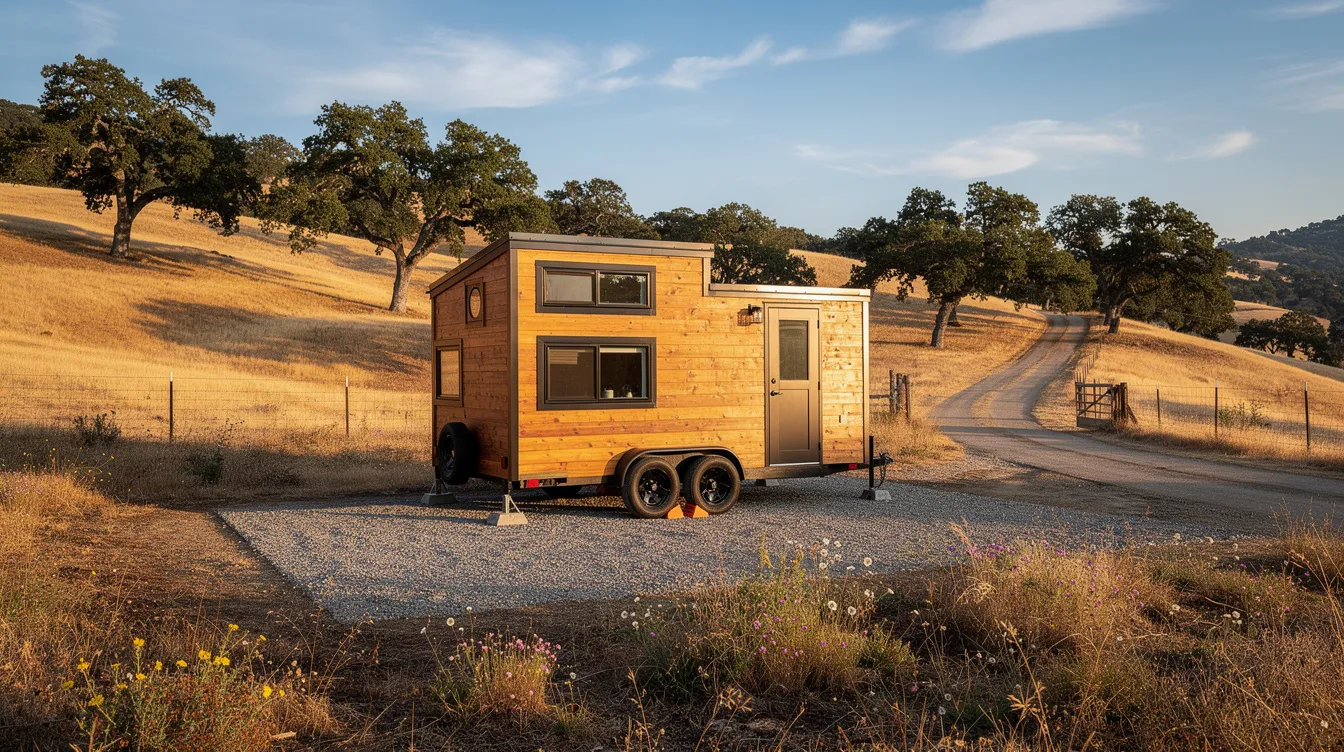
Backyard Tiny Houses as ADUs and Movable ADUs
The most common way to legally allow tiny houses on a residential lot in California is to build or place one as an ADU, and understanding accessory dwelling units as a broader housing solution helps clarify why this pathway is so powerful. This breaks down into two categories:
- A standard tiny home ADU on a permanent foundation
- A movable tiny house recognized as a movable accessory dwelling unit (MADU) where local code permits
Core statewide ADU rules relevant to tiny houses include:
- Most single-family lots may have at least one 800 square feet detached ADU regardless of minimum lot size, plus a 500 square feet junior accessory dwelling unit converted from existing space
- Objective design standards, height limits, and privacy rules vary by city and county but must be reasonable and cannot preclude building the ADU entirely
- Tiny houses under 400 sq ft are generally permitted as accessory dwelling units
- Many areas treat tiny houses as accessory dwelling units which allows placement on lots with existing single-family homes
For movable tiny homes used as backyard ADUs, jurisdictions like Los Angeles, San Diego, santa cruz county, and Nevada County require DMV registration, ANSI 119.5 certification, size limits (often 150–430 square feet), and design requirements so the unit resembles a conventional home rather than a travel trailer.
Any tiny house used as a backyard ADU must provide independent living facilities: kitchen, bathroom, sleeping area, and permanent utility connections – even if the unit itself is movable. Accessory dwelling units can provide rental income for homeowners, making this pathway financially attractive as well.
Local Ordinances and Zoning Regulations You Must Check
Although state law opens the door, local zoning regulations and ordinances determine the details that make or break a tiny house project. California allows local governments to impose zoning restrictions beyond state laws, so two neighboring cities can have completely different rules.
Typical zoning issues include:
- Whether a property’s zoning district (R-1 single-family, R-2 multifamily, agricultural, rural residential) permits ADUs, cottage housing, or tiny home clusters
- Setback, height, lot coverage, and floor area ratio limits that constrain where and how large a tiny home can be
- Design standards for roof pitch, exterior materials, and window placement to ensure the tiny house is “visually compatible” with the primary dwelling or a conventional building structure
Concrete local examples illustrate the variation:
- Fresno was one of the earliest California cities to allow tiny homes on wheels as backyard cottages (100–440 square feet) on lots with a primary dwelling.
- San Luis Obispo allows one tiny home on wheels per owner-occupied property via a Director’s Action Permit, with 3–5 year inspection cycles and a 400 square feet cap.
- Humboldt County allows 120–400 square feet tiny homes on wheels in certain inland residential zones.
Two cities 20 miles apart can have completely different rules. Always speak with your own planning department or local building department before buying or building.
Local governments can enforce building and health standards for tiny houses, and California regulations for tiny houses include state-level building standards combined with local zoning ordinances.
Building Code Rules: Floor Area, Ceiling Height, and Habitable Space
Even when zoning and tiny living philosophies align, the tiny house must still satisfy California Building Standards Code (Title 24) or RV and national fire protection association standards, depending on its classification.
Key CBC/CRC requirements for foundation-built tiny homes:
Requirement | Standard |
|---|---|
Minimum floor area (at least one room) | 120 sq ft net floor area |
Other habitable rooms | 70 sq ft minimum each |
Minimum ceiling height (habitable rooms) | 7 feet 6 inches |
Bathrooms, hallways | Slightly lower minimums allowed |
Loft sleeping areas | Reduced heights per Appendix AQ |
California’s 2022 Building Code governs tiny home regulations, and tiny homes must comply with the 2022 California Building Code. California allows tiny homes under the 2022 Building Code, which means a tiny home must have a minimum ceiling height of 7 feet 6 inches, one room in a tiny home must be at least 120 square feet, and each additional room in a tiny home must have at least 70 square feet. |
Some rural counties still use earlier code cycles with slightly different minimum floor area requirements. For example, certain counties require a primary room of 220 square feet for a dwelling unit under their adopted local building codes.
Tiny homes on wheels used as recreational vehicles or park model homes follow ANSI 119.5, NFPA, and RVIA standards instead of the full residential code. But many jurisdictions still apply basic health and safety expectations for ceiling height, emergency escape and egress, and fire access. Local building codes may also require fire safety features like smoke detectors, sprinklers, and vegetation clearance in high-risk wildfire zones.
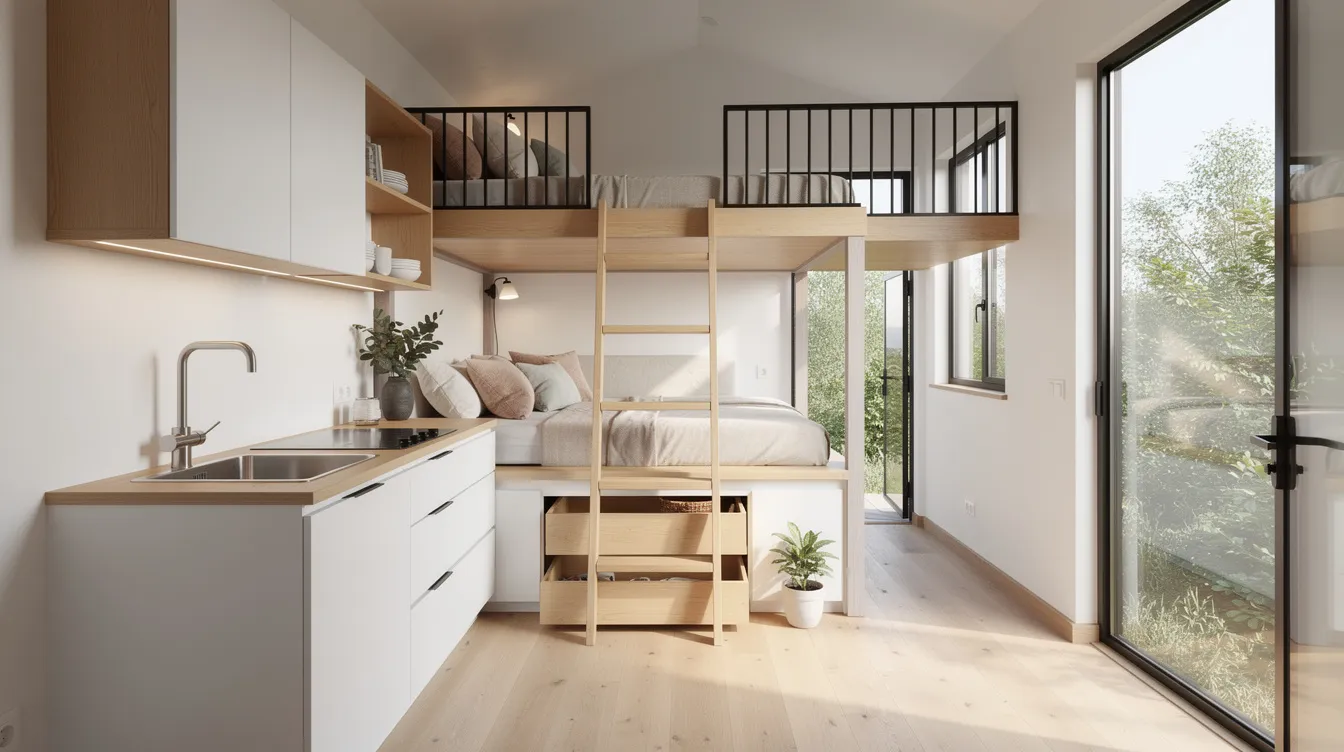
Tiny Homes on Wheels, Park Models, and RV Parks
Many people are drawn to moveable tiny houses for the flexibility of being able to relocate, but legal full-time use is typically more restricted than foundation-built ADUs. That’s especially true for tiny house park model homes used in RV and resort settings, which follow their own standards and zoning rules.
Key distinctions:
- Tiny homes on wheels (THOWs): Built on a trailer chassis, certified to ANSI 119.5 standards, and registered with the California department of motor vehicles. Park model tiny homes must comply with ANSI 119.5 standards as well. Movable tiny homes must be registered with the California DMV to be used as dwellings.
- Park model RVs: Often 150–400 square feet, on a single chassis, no self-propulsion. California frequently treats park model homes as a subtype of THOW suitable for rv parks and some ADU contexts. Park model tiny homes are considered movable tiny homes under state regulations.
- Conventional RVs and travel trailers: Almost never qualify as permanent dwellings under the residential code. Factory built houses and factory constructed homes follow yet another set of standards under HCD.
Where movable tiny houses can legally stay:
- RV parks and special occupancy parks that explicitly allow long-term park model or tiny house occupancy
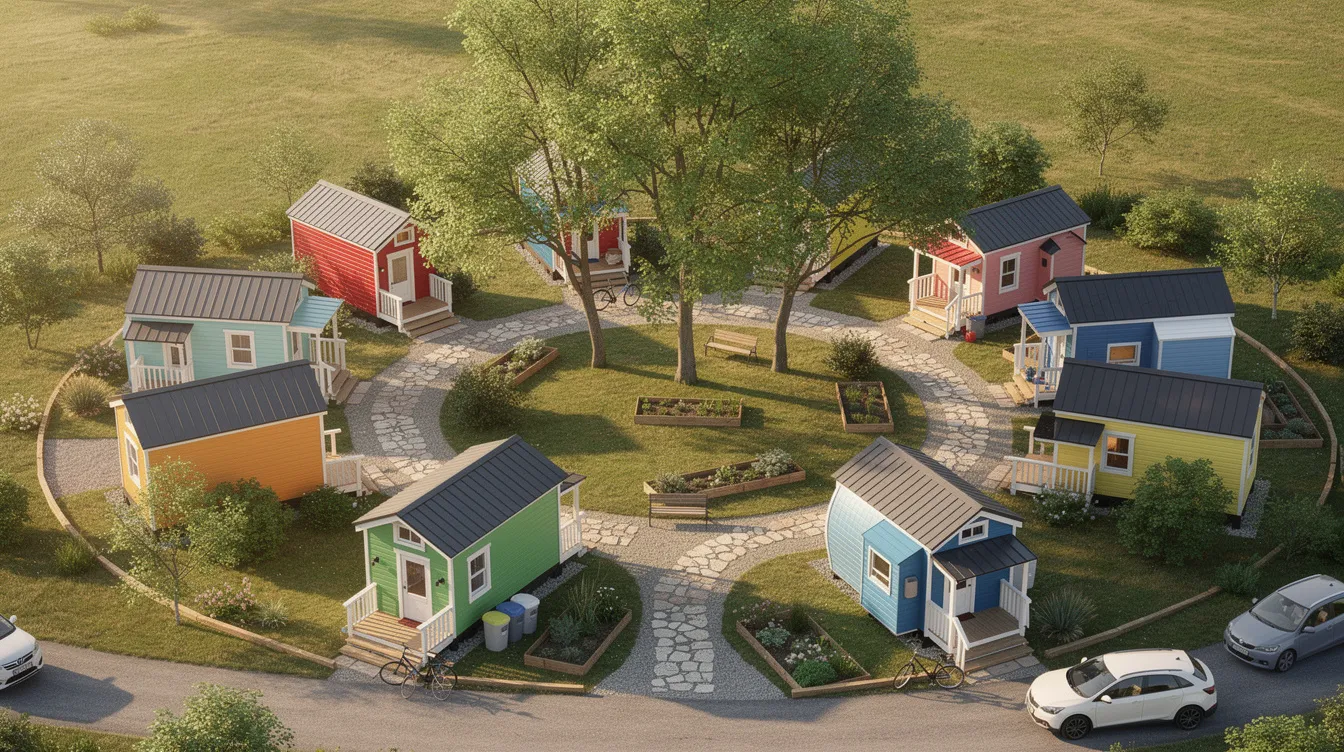
- Tiny home communities such as Paradise Tiny Home Community (Desert Hot Springs) and similar developments offering legal parking, amenities, and community development rules
- National forest or state park campgrounds where movable tiny homes are treated like RVs, often limited to 14–30 days per year per site and not considered permanent residences
California requires permits for tiny homes and park models. Always obtain written approval from RV park or community managers, including photos and certification details of your tiny home, before towing in.
Tiny Houses as Primary Residences vs. ADUs
There is an important legal distinction between a tiny house used as a primary residence (the main dwelling on a parcel) and one used as an accessory dwelling unit (a secondary home behind an existing house).
Primary residence requirements for permanent tiny homes:
- Full compliance with state and local residential code, including structural, fire safety, energy efficient housing standards, and accessibility where applicable
- A permanent foundation and full utility hookups (water, sewer or septic, electrical)
- Location inside a zoning district that allows a detached single family dwelling in the size proposed
- Permanent tiny houses require connections to public utilities: water, sewer, and electricity
ADU policies governing tiny homes:
- Must be “accessory” to a primary residence and generally cannot be sold as a separate parcel unless permitted by condo mapping under laws like AB 1033
- Often subject to slightly different impact fees, parking rules, and design standards compared with primary dwellings
- Many California counties allow tiny homes as accessory dwelling units, and tiny homes can be used as independent living spaces for families
RVs and unpermitted tiny homes on wheels almost never qualify as legal primary residences in California. However, some counties now allow registered movable tiny houses as permanent dwellings under specific ordinances. For example, Nevada County adopted an ordinance in January 2025 allowing THOWs to serve as permanent residences in all zones where traditional housing is permitted. You cannot live in a tiny home legally as a primary residence without meeting the requirements of your jurisdiction’s building regulations.
Permits, Inspections, and Utility Connections
In California, living full time in a tiny house almost always requires building permits, zoning approvals, and inspections – even when the unit arrives prefabricated. Most permanent tiny houses require various permits including building and electrical permits. Permitting and inspection requirements differ based on unit classification, and anyone starting from scratch should pair legal research with a practical guide on how to build a tiny house step by step.
Typical permitting steps for a foundation-built tiny house:
- Zoning clearance to confirm the lot allows a primary residence, ADU, or both
- Building permit application with plans for structure, foundation, plumbing, electrical, mechanical, and energy compliance (Title 24)
- Inspections at foundation, framing, rough plumbing/electrical, insulation, and final stages before a certificate of occupancy is issued
Permitting for movable tiny houses:
- DMV registration and, if used as an ADU, a local “movable tiny house” or MADU permit including tie-down, skirting, and utility connection details
- In some counties like sonoma county, temporary occupancy permits for THOWs tied into septic or sewer with pump-and-haul contracts
- Inspection requirements differ between foundation-built and movable units
Utility requirements:
- Connection to municipal water and sewer or an approved septic system
- Safe electrical connection – typically via underground service, not extension cords
- Wastewater and greywater management that complies with county health regulations
- Permanent tiny homes must be connected to utilities to receive occupancy approval
Skipping permits carries real consequences: fines, red-tagging, forced removal, and problems with insurance or future property sale. Tiny homes can be built without major new infrastructure costs in many cases, but the permitting process is not optional.
Taxes, Insurance, and Financial Impacts of Tiny Living
Making a tiny house legal changes how local governments and insurers treat your property. It becomes real estate, not just a trailer.
Property taxes:
- Foundation-built permanent tiny homes and ADUs are assessed as improvements, increasing property tax based on construction cost and market value
- Movable tiny homes classified as motor vehicles may incur registration fees instead of property tax, but the pad, hookups, and related improvements may still be taxed
Insurance:
- Permanent tiny houses can often be covered under homeowners or landlord policies similar to other housing
- Tiny homes on wheels may require specialty RV, park model, or tiny home policies, especially for full-time occupancy
- Insurers typically want proof of permits, inspections, and appropriate certification (ANSI 119.5, RVIA, etc.)
Financing:
- ADUs and permanent tiny homes may qualify for construction loans, HELOCs, or cash-out refinancing, especially when paired with affordable tiny house designs and financing tips
- Movable tiny houses often rely on RV loans, personal loans, or cash because many mainstream lenders do not treat them as real property
- Tiny homes can cost between $30,000 and $60,000 for the structure itself, though site work, permits, and utility connections add to the total, and some buyers specifically seek tiny homes under $20K for sale as ultra-budget options
Tiny homes can help reduce housing costs significantly compared to other housing options, and examples of great tiny homes that redefine small-space living show how comfortable that downsizing can be in practice. Speak with your county assessor and multiple insurers early in the planning process to avoid surprises. Housing affordability is one of the primary drivers of the tiny house movement, and understanding the financial picture upfront is critical.
Common Legal Pitfalls and How to Avoid Them
California is relatively friendly to tiny houses compared to most states, but many tiny homeowners still run into trouble by misunderstanding the rules, especially when choosing from cute tiny house designs for their dream home without first checking whether the layout and features can meet local codes.
Frequent mistakes:
- Assuming that if one county allows tiny houses, the same rules apply everywhere in California
- Treating a movable tiny house like an RV parked indefinitely in a backyard without ADU permits or utility approvals
- Building below minimum floor area or minimum ceiling height requirements, then discovering the unit cannot receive a certificate of occupancy
- Misclassifying the unit: THOWs vs. standard RVs vs. manufactured housing vs. park models all have different rules
- Ignoring local design standards for skirting, roof pitch, or exterior materials
How to avoid each pitfall:
- Always verify current local ordinances, zoning code, and adopted building code cycle with your planning department – don’t rely solely on blogs or social media
- Classify your unit correctly from the start: permanent dwelling, ADU, JADU, movable ADU, RV, or park model, and design to the correct standard (CBC vs. ANSI 119.5)
- Budget for site work, foundations, impact fees, and utility connections, which often cost more than the tiny house structure itself
- Recognize that an outdoor fire pit, landscaping, and other site features may also require permits depending on local fire and zoning codes
When tackling complex sites or unconventional movable designs, consider hiring a land-use attorney, design-build ADU firm, or experienced tiny house consultant.
Step-by-Step: How to Legally Place a Tiny House on Your California Property
Here is a practical, chronological checklist for 2025–2026:
- Confirm your goals: Decide whether you want a primary residence, ADU, or rental unit, and whether you prefer a movable tiny house or a foundation-built tiny home.
- Contact your planning department: Verify zoning, ADU allowances, minimum floor area, height limits, and whether movable tiny homes or movable tiny houses are recognized in your jurisdiction.
- Meet with the local building department: Determine which code standards apply – 2022 CBC/CRC, Appendix AQ, or ANSI 119.5 for wheeled units. Confirm whether your local municipality has adopted the latest code cycle.
- Build a realistic budget: Include the tiny house shell, design fees, permits, impact fees, foundation or pad, utility trenching, and landscaping. Use tools like a tiny home cost calculator to estimate total expenses accurately. Don’t forget that site work often exceeds the cost of the structure.
- Engage qualified professionals: Work with a designer, ADU contractor, or factory-built housing provider familiar with California’s tiny home regulations and ADU rules.
- Submit permit applications: Respond promptly to plan check comments and adjust your design to meet objective standards. Under state law, ADU applications must be processed within 60 days when complete.
- Construct and inspect: Build, install, and connect utilities under inspection. Secure your final sign-off and certificate of occupancy before moving in.

Skipping steps often causes long delays or enforcement issues. Careful sequencing makes tiny living in California relatively straightforward. Many property owners find that once the permitting process is understood, the path forward is clearer than expected.
Future Trends for Tiny Houses in California (2026 and Beyond)
California’s ongoing current housing crisis and ambitious climate goals continue to drive interest in smaller, more energy efficient housing. The state’s community development priorities increasingly align with the tiny house movement.
Trends expanding tiny house options:
- More cities are adopting formal “movable tiny house” ordinances. West Sacramento passed Ordinance 24-9 to permit THOWs as ADUs or primary units in certain residential zones. Placer County revised its moveable tiny house rules in February 2026 to refine design and utility connection requirements.
- Increased use of cottage housing developments and small-home overlay zones to cluster tiny units on underutilized land
- Growing tiny home community developments and hybrid RV–tiny parks emphasizing design cohesion and higher-quality construction than traditional RV parks
Pending and recent legislative discussions (2025–2026):
- Further streamlining ADU approval timelines and fee structures, including SB 1117 (2026), which proposes capping impact fees for ADUs over 750 square feet
- Clarifying the status of tiny homes on wheels vs. RVs, and potential statewide standards for movable tiny houses as permanent dwellings
- Continued refinement of Health & Safety Code § 18027.3 standards for moveable tiny houses
While California already leads in some respects, tiny house legality will likely become even clearer and more supportive over the next decade as local governments refine their ordinances and the demand for affordable, flexible housing continues to grow.
Conclusion: Are Tiny Houses a Legal Long-Term Option in California?
Tiny houses are legal throughout California, primarily as ADUs or small primary residences on foundations, and to a more limited extent as movable tiny houses in backyards or parks. The exact rules depend on state law plus local ordinances, zoning regulations, and adopted building codes.
Permanent, foundation-built permanent tiny homes and ADUs have the clearest legal path and highest long-term stability. Tiny homes on wheels offer flexibility but come with tighter restrictions and heavier reliance on RV parks, special occupancy parks, or jurisdictions that explicitly recognize movable tiny houses as permanent dwellings.
Treat legality as a step-by-step research and permitting process, not a guess. Start by calling your planning and building departments with specific questions about tiny homes, movable ADUs, minimum floor area, and RV park rules.
With informed planning and code-compliant design, tiny living can be a fully legal, sustainable, and affordable housing solution in many parts of California. The tiny house movement isn’t just a trend – it’s becoming a recognized part of California’s housing future.
FAQ: Tiny House Laws in California
These questions cover practical edge cases that go beyond the main sections above. Answers reflect 2025–2026 realities, but always check your local ordinances for final confirmation.
Can I live full-time in a tiny house on wheels in my friend’s backyard?
Full-time living in a tiny house on wheels in someone else’s backyard is only legal if the local jurisdiction explicitly permits movable tiny houses as ADUs or temporary dwellings, and the property owner obtains all necessary permits and utility approvals. Without those steps, the arrangement is usually treated as unpermitted RV use and subject to code enforcement. Even in tiny-friendly jurisdictions, the property owner – not the occupant – is typically responsible for pulling permits, connecting utilities, and meeting setback and design requirements.
Can I rent out my tiny house in California as an Airbnb or long-term rental?
Renting out a tiny house is often allowed when the unit is a legal ADU or dwelling unit with a certificate of occupancy. However, short-term rental restrictions are set city by city. Some places ban ADUs from being used as vacation rentals entirely, while others allow them with registration and transient occupancy tax payments. Long-term rentals are generally more widely permitted. Owners must check both their ADU ordinance and any separate short-term rental ordinances before listing.
If I move my tiny home to a different county, do I need new permits?
A movable tiny house’s DMV registration and ANSI certification travel with it, but zoning approval, utility permits, and occupancy status do not. When moving to a new county, the owner must comply with the new jurisdiction’s zoning regulations, RV park rules, and any permitting requirements for hookups or long-term stays. Treat every move as a fresh permitting process for site-specific approvals.
Are there minimum lot sizes for putting a tiny house on my land?
Minimum lot sizes are determined by local zoning codes. Some cities waive or relax minimums when adding ADUs under state mandates, while rural counties may still require larger parcels to accommodate wells and septic systems. Owners should ask planning staff specifically about minimum lot size and lot coverage rules for ADUs and small primary residences, as the answers differ substantially between urban, suburban, and rural jurisdictions.
Does California have a statewide “tiny house village” program?
There is no single statewide tiny house village program, but many cities and counties use special occupancy parks, transitional housing projects, and local pilot ordinances to create tiny communities. Anyone interested should look for local proposals, nonprofit projects, or private tiny home community developments in their region. Organizations like the Tiny Home Industry Association maintain lists of California legislation and local programs that can help you find opportunities near you.