
Key Takeaways
- Tiny house legality hinges on state building code adoption, local zoning laws, and whether your unit sits on wheels or a permanent foundation. There is no single federal tiny house law.
- Most states do not outright ban tiny homes. However, many cities impose minimum square footage requirements, foundation mandates, and strict regulations on recreational vehicles that make legal tiny living challenging.
- Local jurisdictions at the city and county level almost always have final authority, even in tiny house friendly states like Texas, Maine, and Oregon.
- Laws are evolving rapidly. States like North Dakota, South Dakota, and South Carolina have made recent reforms. Always confirm rules with your local building department and planning office.
- Tiny house communities often thrive in rural areas and smaller towns where zoning regulations and community development goals favor flexibility over rigid standards.
- Introduction: How Tiny House Laws Really Work
- National Framework: Codes, Standards, and Definitions
- Understanding Zoning: Where Tiny Houses Can Legally Go
- State-by-State Tiny House Building Code Overview
- Alabama
- Alaska
- Arizona
- Arkansas
- California
- Colorado
- Connecticut
- Delaware
- Florida
- Georgia
- Hawaii
- Idaho
- Illinois
- Indiana
- Iowa
- Kansas
- Kentucky
- Louisiana
- Maine
- Maryland
- Massachusetts
- Michigan
- Minnesota
- Mississippi
- Missouri
- Montana
- Nebraska
- Nevada
- New Hampshire
- New Jersey
- New Mexico
- New York
- North Carolina
- North Dakota
- Ohio
- Oklahoma
- Oregon
- Pennsylvania
- Rhode Island
- South Carolina
- South Dakota
- Tennessee
- Texas
- Utah
- Vermont
- Virginia
- Washington
- West Virginia
- Wisconsin
- Wyoming
- Foundation vs. Wheels: How Classification Changes the Rules
- Tiny House Communities, Rural Areas, and Community Development
- How to Research Tiny House Rules for Your State and City
- FAQ
- Are tiny houses legal in every U.S. state?
- Which states are generally considered the most tiny house friendly?
- Can I live full-time in a tiny house on wheels (THOW)?
- Do I have to follow the same building code as a normal house if my tiny home is under 400 sq. ft.?
- How do homeowners associations (HOAs) affect tiny house legality?
Introduction: How Tiny House Laws Really Work
There is no single “tiny house law” in the United States. Instead, the tiny house movement operates within a complex patchwork of building codes and zoning regulations that vary dramatically from state to state and city to city.
Most states base their residential construction standards on model codes developed by the International Code Council, primarily the International Residential Code for dwelling units. States then adopt these codes, sometimes adding their own amendments for tiny homes. However, the real gatekeepers are local governments. A county in rural Texas might welcome your 200 square feet cabin while a suburb in New Jersey might require homes over 1,000 square feet.
This guide breaks down tiny house building codes by state, explains the national framework, and provides practical steps for navigating local zoning laws. Whether you are considering tiny houses on wheels or a tiny home on a foundation, pairing that legal research with tiny house plans that fit your life will save you time, money, and legal headaches in 2026 and beyond.
National Framework: Codes, Standards, and Definitions
Most states rely on national model codes as their foundation for regulating tiny houses. Understanding these codes is your first step toward legal tiny living.
Key National Codes and Standards:
- IRC Appendix Q: First introduced in 2018 and updated since, this appendix specifically addresses tiny houses under 400 square feet. It sets standards for lofts, ladders, alternating tread stairs, and minimum ceiling height requirements (6 feet 8 inches in habitable spaces, 6 feet 4 inches under beams). At least 20 states have formally adopted Appendix Q statewide.
- International Residential Code (IRC): The IRC sets the standards for residential construction, including tiny homes. It governs one- and two-family dwellings and includes requirements for structural integrity, fire safety, plumbing, and electrical systems. While the IRC is tailored to address the unique needs of residential buildings, including safety and livability standards for smaller homes, it still requires at least one room to meet habitability standards.
- International Building Code (IBC): The International Building Code primarily governs commercial construction and larger multi-family structures. It rarely applies to individual tiny homes unless they are clustered in villages exceeding certain unit thresholds.
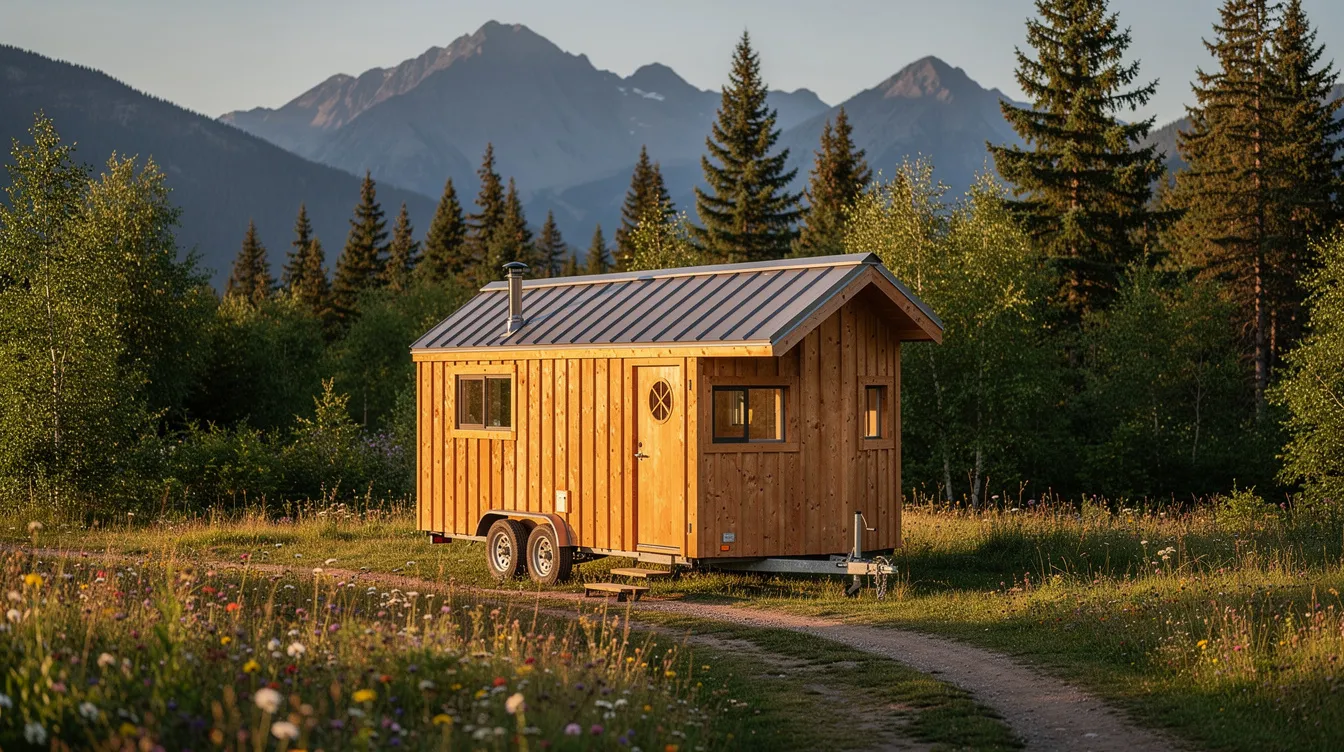
- RV and Park Model Standards: For tiny houses on wheels, NFPA 1192 and ANSI A119.5 standards apply when states classify them as recreational vehicles. The Recreational Vehicle Industry Association certification is often required for THOWs to be legally parked in mobile home parks or RV communities.
- HUD Manufactured Home Standards: True manufactured homes fall under federal HUD-code regulations (Title 24 CFR 3280) with minimum sizes around 320 square feet. These are distinct from custom-built tiny homes, even when they share similar dimensions.
The IRC includes specific provisions for tiny homes, such as Appendix Q, which provides guidelines for the construction of tiny houses, defining them as dwellings of 400 square feet or less. While the IBC is more comprehensive and covers a wider range of building types, the IRC is tailored to address the unique needs of residential buildings, including safety and livability standards for smaller homes.
Understanding Zoning: Where Tiny Houses Can Legally Go
Building codes govern how a tiny house is constructed. Zoning regulations dictate where it can be placed and how it can be used. This distinction trips up many tiny house builders who focus only on construction standards.
Zoning regulations dictate where tiny homes can be placed, often requiring compliance with local ordinances that may impose minimum square footage requirements for residential units. Common zoning factors include:
- Minimum lot size requirements
- Minimum dwelling size (often 600-1,000 square feet in residential neighborhoods)
- Whether tiny homes qualify as detached single family dwellings, accessory dwelling units, or recreational vehicles
- Setback requirements from property lines
- Lot coverage ratios
Many tiny house owners gravitate toward rural areas or unincorporated counties where local zoning regulations are minimal or nonexistent. Approximately 70% of U.S. counties in rural areas lack formal zoning, enabling tiny living if health codes for septic and wells are met and you select tiny house septic options for sustainable living that comply with local environmental rules.
In many states, tiny homes must be built on permanent foundations to comply with zoning laws, which can vary significantly from one jurisdiction to another. Some states have relaxed zoning regulations to accommodate tiny homes, allowing them to be classified as accessory dwelling units in certain areas, which can facilitate their legality. However, zoning laws can vary widely even within a single state, meaning that tiny home builders must check local regulations to determine the legality of their structures in specific areas.
Before purchasing land or a tiny home:
- Identify the zoning district for your target parcel
- Read permitted uses and dimensional standards
- Confirm your tiny house plans with the local planning office in writing
- Check whether your area is within an HOA with additional restrictions
State-by-State Tiny House Building Code Overview
This overview reflects the legal landscape as of 2024-2026. Building laws and local ordinances change frequently. Always verify current rules with state and local officials before building or purchasing a tiny home and factor those requirements into each stage of how to build a tiny house.
Each state section covers: tiny house friendliness, foundation versus wheels treatment, notable local jurisdictions with tiny house ordinances, and adoption of IRC Appendix Q or specific tiny house definitions.
Alabama
Alabama relies on local jurisdictions for zoning decisions. Cities like Birmingham and Huntsville enforce traditional minimum house size requirements that make tiny homes difficult as primary residences.
Rural counties offer more flexibility. Tiny homes may be allowed as ADUs or guest houses if they meet plumbing, septic, and foundation requirements set by the local building code official. Some municipalities have discussed IRC Appendix Q adoption, but formal statewide tiny house policy remains limited as of 2026.
Alaska
Alaska’s extreme climate drives strict energy and snow-load requirements in the state building code, often increasing tiny house construction costs by 20-30%. In Alaska, the International Residential Code is not adopted statewide, and local jurisdictions can adopt additional codes, including the IRC and the International Energy Conservation Code.
Anchorage maintains relatively strict regulations for permanent residences and full-time use of RVs. More remote boroughs and rural areas may allow tiny houses on foundations or wheels with fewer zoning limitations, though access to city utilities and inspections can be challenging.
Arizona
Arizona is considered one of the friendliest states for tiny homes, with various jurisdictions adopting regulations that allow tiny homes on wheels and on foundations, including the adoption of Appendix Q in several areas.
Pima County published tiny house guidelines in 2019, and Coconino County offers flexible rules for small dwellings. Many Arizona cities recognize tiny houses on foundations as single family dwelling units if they meet IRC and local amendments. Growing tiny home communities around Phoenix and Tucson work within ADU ordinances and planned developments.
Arkansas
Arkansas tends to be more restrictive for tiny homes. Many cities require minimum dwelling sizes around 600 square feet and permanent foundations. Standard building codes apply, and variances can be difficult to obtain in urban areas.
Tiny homes on wheels typically fall under RV rules, limiting full-time residence outside of mobile home parks. Prospective tiny homeowners should focus on unincorporated county land and work closely with county planning boards to seek variances or PUD approvals.
California
California stands as one of the most tiny house friendly states in the nation. California has made the provisions of Appendix Q mandatory across all local government jurisdictions effective January 1, 2020, allowing tiny homes built to these standards anywhere in the state, subject to zoning codes. Additionally, California has made provisions for tiny houses mandatory across all local government jurisdictions effective January 1, 2020, allowing for tiny homes built on foundations to comply with the California Building Code and Appendix Q.
Robust statewide ADU laws from 2020-2023 reduced minimum square footage, parking, and owner-occupancy requirements. Cities like Los Angeles, San Jose, and Fresno have specific ordinances allowing movable tiny houses in backyards as ADUs. Seismic Zone D requirements add shear wall mandates, increasing costs by roughly 20%.
Colorado
Colorado has made strides in becoming tiny house friendly, with several counties adopting regulations that allow tiny homes on permanent foundations and some areas permitting tiny homes on wheels. In Colorado, many counties have begun to modify their building codes to accommodate tiny houses, with some areas waiving minimum square footage and stairway regulations for tiny homes.
Walsenburg has relaxed minimum square footage requirements since 2016. Park County adopted guidelines for small dwellings on foundations. However, El Paso County bans THOW residency. Wildfire and snow-load provisions (up to 50 psf in mountain areas) affect construction requirements statewide.
Connecticut
Connecticut remains one of the most challenging states for tiny house living. Local zoning ordinances in suburbs and small cities often require homes well above typical tiny house sizes, sometimes 800-1,000 square feet.
The state uses a modern residential code based on the 2021 IRC, but Appendix Q has not been widely adopted. Readers interested in Connecticut should focus on ADUs where towns have adopted accessory dwelling unit ordinances in response to housing affordability debates since 2021-2023.
Delaware
Delaware has no comprehensive statewide tiny house law but follows modern IRC-based codes for one- and two-family dwellings. THOWs must be titled within 30 days under DMV rules.
Tiny house acceptance is driven mainly by local zoning laws. Some beach and rural communities, particularly in Sussex County, are more open to small cottages and ADUs. Emerging nonprofit and community development efforts advocate for tiny house villages as affordable housing solutions.
Florida
Florida has seen a rise in tiny home acceptance, with many counties allowing tiny houses as residences and some not imposing minimum square footage requirements, making it a favorable state for tiny living. Florida adopted Appendix Q as part of the 7th Edition of the Florida Building Code, effective December 31, 2020, which includes regulations for tiny homes.
Rockledge’s early adoption of tiny house zoning in the mid-2010s allows small detached dwellings with minimums around 170 square feet under specific design standards. The state building code is strict on wind (170 mph in coastal areas), flood, and hurricane resistance, adding $10,000-$20,000 to construction costs.
Georgia
Georgia amended its building codes to include Appendix Q, effective January 1, 2020, which allows for tiny house construction with a minimum habitable room size of 70 square feet. The tiny home movement has outpaced some local code changes, but progress continues.
Atlanta and some suburbs have adopted ADU ordinances and cottage court concepts that accommodate tiny homes on foundations. Rural Fulton County offers additional flexibility. Confirm whether your target county enforces minimum square footage standards that could exclude small primary dwellings.
Hawaii
Hawaii’s high housing costs have prompted experimentation with small farm dwellings and worker housing, sometimes as small as 220 square feet with essential amenities on Maui County agricultural land.
Most islands require tiny houses used as legal dwellings to meet the state building code and county zoning. Full-time use of RV-style tiny homes is tightly regulated. Policy discussions continue about tiny homes as part of broader affordable housing and disaster-resilience strategies.
Idaho
Idaho has explicitly referenced tiny houses, RVs, modular, and factory built buildings in official guidance, providing more clarity than many states. The 2020 IRC with Appendix Q applies to foundation units.
Many local jurisdictions allow small dwellings on foundations under the adopted residential code standards. THOWs generally fall under RV rules with restrictions on full-time occupancy. Several rural counties in southern and northern Idaho support planned tiny house communities and cluster developments, including a 75-unit community in Kootenai County approved in 2024.
Illinois
Illinois presents mixed conditions. Chicago maintains strict zoning and city’s building codes that effectively exclude most tiny houses as primary dwellings. Rural areas and small towns like Rockford offer more flexibility with ADUs around 400 square feet.
Counties often allow small dwellings on agricultural or unincorporated land if they meet septic, well, and structural requirements in the state building code. Home rule municipalities can impose their own minimum dwelling sizes and limits on ADUs.
Indiana
Indiana sets statewide residential code standards but leaves detailed zoning and many building decisions to counties and cities. Some communities have welcomed tiny house villages and ADUs.
Others maintain restrictive minimum square footage or single-dwelling-per-lot rules. THOWs are usually treated as recreational vehicles and may be excluded from year-round residential use outside designated parks. Bloomington has an established tiny village with units from 200-400 square feet.
Iowa
Iowa is relatively restrictive in urban and suburban areas. Des Moines, for example, enforces a 720 square feet minimum for dwelling units. Local zoning ordinances often specify minimum dwelling and lot sizes incompatible with tiny houses.
Rural counties sometimes lack explicit tiny house rules, creating gray areas where small dwellings may be allowed if they pass building and health inspections. Prospective tiny homeowners should pay attention to snow-load and energy efficiency requirements under the state’s adopted residential code.
Kansas
Kansas has a patchwork of local standards. Some towns and counties are open to tiny houses on foundations while others require large minimum house sizes. Wichita maintains a 600 square feet minimum.
THOWs often fall under RV regulations and are barred from full-time occupancy on residential lots except in RV parks. Review county comprehensive plans, which sometimes mention small homes and cottage courts as part of community development strategies. Johnson County shows emerging ADU interest.
Kentucky
Kentucky’s approach varies widely. Louisville Metro and a few other cities allow ADUs or small accessory dwellings under certain conditions with maximum sizes around 800 square feet.
Rural counties may be more open to detached tiny houses on private land, provided they comply with septic, water, and structural safety rules. Local building departments may be unfamiliar with tiny house plans, making early communication and professionally prepared drawings important.
Louisiana
Louisiana’s adherence to older IRC editions in some parishes can complicate tiny house design, especially if Appendix Q has not been adopted locally. The state follows IBC/IRC 2021 in most areas.
Floodplain regulations and hurricane-related wind standards (150 mph) significantly affect tiny house construction, especially in southern parishes. THOWs generally must comply with RV standards and are often restricted to parks or specially zoned areas for long-term stays. New Orleans bans THOW residency.
Maine
Maine is one of the most tiny house friendly states in the nation. The state’s 2021 law defines tiny houses under 400 square feet as dwellings and allows lofts with proper egress, similar to Appendix Q standards.
Municipalities can still choose whether to permit tiny houses as primary homes or ADUs, but many small towns have embraced tiny living on rural lots and in village centers. Camping in tiny houses on wheels is allowed for limited durations in some places, including parts of Cumberland County and towns like North Yarmouth.
Maryland
Maryland uses modern residential codes, but zoning is often tight in suburban counties around Washington, D.C. and Baltimore, limiting primary tiny homes. Rural counties on the Eastern Shore and western Maryland sometimes allow small cottages and park model style units.
Baltimore adopted ADU ordinances in 2024 allowing units up to 500 square feet. Explore recent ADU provisions in select suburbs that may open doors for tiny home style units as guest house dwellings.
Massachusetts
Massachusetts is relatively supportive of small homes on foundations, particularly as ADUs in communities seeking flexible housing options. Major cities like Boston and Somerville have updated zoning to allow ADUs in tiny house dimensions.
THOWs are typically handled as recreational vehicles and may be limited to campgrounds or seasonal parks rather than year-round residential lots. Design and historic district rules may apply in older neighborhoods.
Michigan
Michigan has several tiny house friendly initiatives. Briley Township’s “Economy Efficient Dwelling” category, established in 2016, explicitly allows dwellings as small as 150 square feet.
Cities like Detroit and Grand Rapids have active conversations about ADUs and small infill housing. Snow-load, energy, and frost-depth foundation requirements (36-48 inches) in the Michigan Residential Code are key considerations for tiny house construction.
Minnesota
Minnesota adopted the 2020 Minnesota Residential Code with Appendix Q, creating a framework for tiny homes. However, regulatory conditions remain complex, especially in the Twin Cities metro where zoning can be strict.
Some municipalities support tiny homes for senior, disability, or end-of-life housing via ADUs or caregiver cottages. THOWs face particular challenges due to winter conditions and local bans on full-time occupancy of RV-type units. Duluth has embraced tiny cabins in some areas.
Mississippi
Mississippi has not adopted a statewide tiny house framework. Most decisions rest with counties and municipalities relying on general residential codes.
After Hurricane Katrina, small “Katrina cottages” (300-600 square feet) served as emergency housing, but permanent zoning updates have been slow. Seek out rural counties and small towns open to innovative affordable housing as they are more likely to welcome tiny homes and small ADU projects.
Missouri
Missouri is relatively restrictive for THOWs, commonly classified as travel trailers and barred from long-term parking on city streets or residential lots. Units under 320 square feet may avoid some permit requirements.
Small homes on foundations may be allowed in some jurisdictions if they meet local minimum square footage and state building code requirements. St. Louis pushed ADU discussions in 2024. Disasters and flood recovery have created short-term opportunities for tiny house use.
Montana
Montana’s local ordinances often lack explicit tiny house provisions, leading to uncertainty for tiny house builders and owners. Missoula has published some guidelines, but statewide clarity is limited.
Some mountain and university communities see tiny houses as part of an affordable housing toolkit but have yet to fully align zoning and building codes. Rural counties with fewer land-use controls may be most promising for tiny house homesteads, especially for off-grid living.
Nebraska
Nebraska has issued official guidance referencing tiny houses, THOWs, and other small dwelling types. Omaha specifically adopted IRC Appendix Q via Municode Sec. 43-121 based on the 2018 IRC.
Cities like Lincoln are discussing ADUs and small infill housing, which may accommodate tiny house style units in coming years. Monitor planning commission agendas and town hall meetings, as many tiny house friendly changes start as local pilot projects or overlays.
Nevada
Nevada is moderately tiny house friendly, with growing interest around Las Vegas and Reno where housing costs have risen. Clark County’s building code does not explicitly mention tiny houses but allows small dwellings meeting residential code standards.
THOWs typically fall under RV rules. Rural Nevada counties often allow cabins and park model style homes on private land, subject to water, septic, and safety requirements. Floor area minimums vary by jurisdiction.
New Hampshire
New Hampshire enacted a statewide ADU law in the mid-2010s, making it easier to build small accessory dwelling units on single-family lots. Many northern and rural towns have minimal or no zoning.
This can make tiny house placement easier, provided state building and health codes are satisfied. Ongoing debates address tiny house villages as part of community development strategies for seasonal workers and year-round residents.
New Jersey
New Jersey has high housing demand but local zoning ordinances that often favor larger single-family homes, limiting legal room for tiny houses. Many municipalities have not yet adopted broad ADU ordinances.
Pilot programs and nonprofit-led tiny projects exist in select cities, including Trenton. Zoning enforcement is typically strict in suburban areas, pushing some tiny dwellers to live discreetly or in RV parks. Local planning department consultation is essential.
New Mexico
New Mexico ranks among the more tiny house friendly states. Albuquerque offers building and zoning code guidelines for tiny houses on foundations and THOWs, allowing some THOWs to be anchored as permanent dwellings.
Several small towns and rural counties support tiny home communities as part of economic development and tourism initiatives. Taos has established tiny communities. THOWs can sometimes be converted into legal dwellings by meeting both residential and ANSI/RV construction standards.
New York
New York State uses a modern residential code. The 2020 Residential Code explicitly includes Appendix Q for units under 400 square feet. However, zoning in New York City and many suburbs effectively blocks tiny houses as primary residences in residential neighborhoods.
Upstate rural areas may allow small dwellings on private land, but full-time THOW occupancy can conflict with local RV and campground regulations. San Francisco is often compared to NYC for restrictive policies, though it is in California.
North Carolina
North Carolina is moderately tiny house friendly. Cities like Asheville allow small homes on foundations and explore cottage cluster developments under the North Carolina Residential Code (IRC 2018 base).
THOWs are often classified as recreational vehicles and not allowed as full-time residences in most residential zones. Public debate over neighborhood character and property values makes community outreach important when proposing tiny house projects.
North Dakota
Some sources have labeled North Dakota as hostile to tiny homes due to high minimum square footage requirements in certain cities. However, localities like Burleigh County have begun easing restrictions in 2025.
State-level building code allows small dwellings, but zoning in many towns still expects larger single-family homes. Official recognition of “granny suites” or small family-care units exists in some jurisdictions, opening avenues for tiny home style ADUs on existing lots.
Ohio
Ohio officially follows a residential building code compatible with small dwellings, but local zoning ordinances often require minimum sizes around 950 square feet, making full-time tiny house living difficult.
Some tiny homeowners live under the radar on rural land or in cooperative communities navigating zoning through planned unit development designations. Athens has granted variances. Look for municipalities updating comprehensive plans with explicit language supporting small homes and ADUs.
Oklahoma
Oklahoma’s statewide code applies to small homes, but tiny house acceptance is driven mostly by local policy still developing. Code guidelines vary significantly.
Planned tiny house communities have appeared in Oklahoma City’s Wheeler District (2022 PUD) and other developments, typically relying on special zoning or design review approvals. Many rural counties have lax zoning but require compliance with state health department rules for wells and septic systems.
Oregon
Oregon is a national leader in tiny house and small home acceptance. Portland, Eugene, and other cities offer strong support for ADUs and cottage clusters. The state created a Tiny House Specialty Code in 2019, attracting interest from people comparing local rules with offerings from top micro house builders nationwide.
Tiny houses on foundations must meet the Oregon Residential Specialty Code and local design standards. THOWs are usually treated as RVs or park models. Well-known tiny home communities and tiny house hotels reinforce Oregon’s tiny house friendly reputation. Bend Village hosts 86 units.
Pennsylvania
Pennsylvania ranks among the more tiny house friendly states, with several large tiny house communities and numerous rural areas open to small dwellings, including a 100-unit village near Gettysburg.
Tiny houses on foundations must comply with the Pennsylvania Uniform Construction Code (based on IRC) and local zoning, which may define them as single-family homes or ADUs. THOWs may be allowed as park model RVs in campgrounds but are seldom recognized as permanent residences.
Rhode Island
Rhode Island presents challenges for tiny homes. Many local codes restrict sheds and outbuildings to non-residential use, and minimum square footage requirements are common.
State law allows certain ADUs for senior relatives (age 62+), which can sometimes be designed in a tiny house style if built on a foundation and tied to the primary home. Rules vary widely across small towns despite the state’s small size. Reduced fall protection requirements in Appendix Q may help loft designs.
South Carolina
South Carolina shows growing interest in tiny homes driven by rising housing costs in cities like Charleston, Greenville, and Columbia. The state building code allows small dwellings under the IRC.
Local zoning determines whether tiny homes serve as primary residences, ADUs, or are restricted to RV parks. Some counties have written specific tiny house or small cottage provisions. Others have no definition, creating ambiguity requiring resolution with local officials before building.
South Dakota
South Dakota is increasingly tiny house friendly. Cities like Spearfish and Beresford have adopted ordinances defining and permitting tiny houses under certain conditions. The state requires a minimum of 190 square feet plus 50 per occupant.
A building permit and adherence to building codes are required for tiny homes on foundations. THOWs may be limited to RV parks or special districts. Other South Dakota towns are watching these early adopters and may follow with their own tiny house zoning updates.
Tennessee
Tennessee offers mixed but improving conditions for tiny homes. The state sets a minimum of 120 square feet under TCA §68-126-303, though cities like Etowah enforce 600-800 square feet minimums.
Popular destinations like Nashville and Chattanooga have active ADU conversations but also neighborhood opposition. Tiny house communities have emerged in rural Tennessee, often organized as RV parks or planned residential developments.
Texas
Texas is recognized as one of the most accommodating states for tiny homes, with many counties not enforcing zoning regulations outside city limits, allowing for greater flexibility in building tiny houses and exploring the best little houses in Texas in dedicated tiny home communities.
Cities like Austin and Spur have become known for tiny house ordinances, ADU-friendly zoning, and permissive rules for tiny homes on foundations. Even in Texas, building permit compliance (wind, energy, foundation) and local permitting remain essential. HOAs may still restrict tiny homes in deed-restricted communities. Tiny Home Springs, Lake Dallas, and builders such as Garland Tiny Homes in Texas showcase options.
Utah
Utah has been slower than some western neighbors to update codes. A few counties and cities allow small homes with minimum sizes around 300 square feet on foundations.
Salt Lake City generally requires permanent foundations for legal dwelling status, limiting THOWs to RV-type uses. Plans for tiny house villages tied to The Other Side Academy and other nonprofits may operate under special purpose zoning for affordable housing communities.
Vermont
Vermont is strict regulations in major cities but more flexible in rural towns where zoning may be minimal. Some municipalities allow ADUs on single-family lots built in tiny-house style on permanent foundations.
Energy and insulation requirements in Vermont’s building energy codes are crucial for small, efficient homes in cold climates. Rural areas with 1,000 square feet caps or no minimums offer the best opportunities for tiny homeowners.
Virginia
Virginia maintains relatively tight regulations on tiny houses in many urban and suburban areas, particularly in Northern Virginia near Washington, D.C.
Some independent cities and rural counties are gradually updating zoning to allow ADUs and small cottages as part of community development and affordability efforts. Review both the Virginia Uniform Statewide Building Code and local zoning maps before committing to land for a tiny home.
Washington
Washington is moderately tiny house friendly. Several cities allow tiny homes as accessory dwelling units with state-level interest in small housing to address affordability. The state adopted a movable tiny home ordinance in 2019, supporting demand for the best small homes in Washington State built to meet both lifestyle and regulatory requirements.
THOWs face legal parking challenges, as many cities restrict RVs on residential streets to short-term stays. Wildfire, seismic, and energy codes affect tiny house design and construction costs, especially in mountain and coastal regions.
West Virginia
West Virginia’s formal zoning and building code structure can make permanent tiny homes difficult in many cities. Limited provisions exist for nontraditional dwelling units.
Tiny houses may appear in disaster-relief or temporary housing contexts, but durable zoning reforms have been slow. Look carefully at county-level local regulations and expect a case-by-case approval process in rural areas.
Wisconsin
Wisconsin generally allows small dwellings on foundations meeting the state’s Uniform Dwelling Code, but many localities classify them as ADUs or “cottages.” Minimum sizes can reach 800-1,000 square feet in some towns.
THOWs are more heavily regulated and often treated as recreational vehicles, making full-time residential use difficult under local ordinances. Review minimum dwelling size rules carefully before committing to a location.
Wyoming
Wyoming is increasingly welcoming to tiny homes, particularly near outdoor and mountain recreation areas. Seasonal rentals and small cabins are popular near national parks and ski areas.
Many counties have modest zoning codes allowing small houses on large lots. Building officials still require compliance with structural, snow-load, and wind standards. Albany County has minimal code but requires zoning certification. Natrona requires 220 square feet minimum. Teton County has adopted Appendix Q.
Foundation vs. Wheels: How Classification Changes the Rules
The biggest legal fork in the road is whether your tiny house sits on a permanent foundation or remains a tiny house on wheels.
Foundation Tiny Homes:
- Most states apply the IRC or state residential code
- Require building permits, inspections, and permanent utility connections
- Often qualify as a primary dwelling or accessory dwelling unit
- Must meet frost-depth footings (36-48 inches in northern states), making it critical to choose the best foundation for a tiny house that balances code compliance, budget, and site conditions
- Average permit fees: $5,000-$15,000 with 3-6 month timelines
Tiny Houses on Wheels (THOWs):
- Typically treated as recreational vehicles or park models
- Subject to vehicle registration and ANSI/RV standards (NFPA 1192, ANSI A119.5)
- Often limited to 8.5 feet wide by 40 feet long for DOT transport
- Full-time occupancy restricted in 80% of states outside licensed parks
- Certification costs: $2,000-$5,000 with faster approval
Some jurisdictions like parts of California and Oregon recognize “movable tiny houses” as a distinct category, blending residential and RV rules to allow backyard placement. These often require skid removal and inspections for permanent status.
Tiny House Communities, Rural Areas, and Community Development
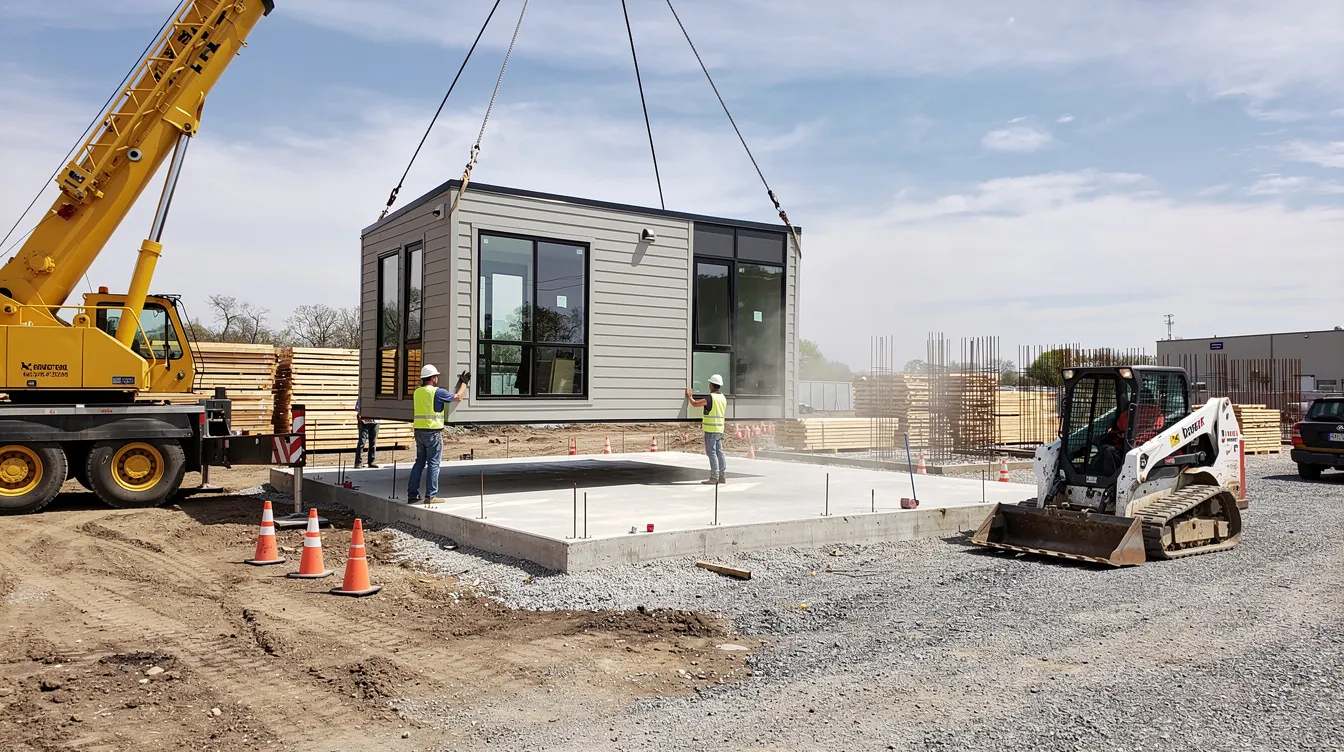
Many tiny house owners gravitate to planned tiny home communities and rural areas for good reason: easier zoning compliance, shared utilities, and community support among like-minded neighbors.
Common Zoning Tools for Tiny House Communities:
- Planned Unit Developments (PUDs)
- RV park zoning with residential overlays
- Cottage court and cluster development ordinances
- Special multifamily or tourist designations
- Bella Vista Lake Park and similar models
Some states and cities use tiny house communities as part of broader community development strategies addressing affordable housing, workforce housing, and transitional shelters. Shared septic systems can save $50,000 or more compared to individual installations.
States where tiny home communities are especially visible include Texas (400+ unit Lake Dallas village), Oregon (Bend Village), Pennsylvania (Gettysburg), Colorado, and Florida. These communities often operate as hybrids of RV parks and small-lot neighborhoods, subject to strict regulations on design standards and density.
However, be aware: 67% of HOAs ban structures classified as “temporary” per 2024 surveys, and enforcement actions affect approximately 10% of tiny dwellers annually.
How to Research Tiny House Rules for Your State and City
Laws change frequently. The only reliable method is researching specific parcels and jurisdictions before building or buying a tiny home.
Step-by-Step Research Process:
- Choose candidate states and counties based on friendliness reputation
- Pull zoning maps and ordinances from county GIS websites
- Read the adopted state building code and any local amendments
- Contact planning and local zoning department staff
- Document all approvals in writing before purchasing land or building
Useful Search Terms:
- “Tiny house ordinance” + [city name]
- “Accessory dwelling unit” + [county]
- “Cottage court” or “small house” + [jurisdiction]
- “Movable tiny house” + [state]
Attend planning commission or city council meetings where small housing ordinances are discussed. These sessions often foreshadow changes benefiting tiny homes. Response rates from planning offices average 90% when inquiries are parcel-specific. Track agendas through GovMeetings or county websites.
The tiny house movement is influencing policy nationwide. Between 2021-2025, 15 states passed ADU reforms, and 25% growth in ADU permits followed. Predictions suggest 30% more Appendix Q adoptions by 2030 as median home prices ($420,000) push more buyers toward tiny options averaging $80,000.
FAQ
Are tiny houses legal in every U.S. state?
Tiny houses are not outright banned at the state level in most places. However, state building code adoption and local zoning laws can effectively prohibit typical tiny home sizes or THOWs as primary residences. Legality depends more on “where and how” a tiny house can be used—as a primary home, ADU, RV, or seasonal cabin—than a simple yes or no by state. Local jurisdictions almost always have final authority over these classifications.
Which states are generally considered the most tiny house friendly?
States widely viewed as tiny house friendly include Texas, California, Oregon, Maine, Colorado, New Mexico, Pennsylvania, and parts of Florida and Georgia. However, friendliness still depends heavily on city and county rules. Focus on specific examples like cities with ADU ordinances, cottage cluster codes, or explicit tiny house definitions rather than relying solely on state reputation, and pair that with modern tiny house designs for contemporary living that can adapt to local regulations.
Can I live full-time in a tiny house on wheels (THOW)?
Many states and cities treat THOWs as recreational vehicles, which often cannot serve as full-time residences on standard residential lots. Full-time THOW living may be allowed in RV parks, tiny house communities, or in jurisdictions with “movable tiny house” ordinances like parts of California and Oregon. Approximately 5% of states permit full-time THOW living outside designated parks. Always verify rules before purchase.
Do I have to follow the same building code as a normal house if my tiny home is under 400 sq. ft.?
In most states, tiny homes on foundations must comply with the same residential building code as larger homes, with possible adjustments if IRC Appendix Q has been adopted. Appendix Q relaxes certain building code requirements like loft dimensions, stair design, and minimum ceiling height requirements but does not exempt tiny houses from structural, electrical, plumbing, or energy standards.
How do homeowners associations (HOAs) affect tiny house legality?
HOAs can impose stricter design, size, and use restrictions than underlying city or county zoning. They may prohibit tiny homes, THOWs, or visible ADUs even when local zoning allows them. Review HOA covenants, conditions, and restrictions (CC&Rs) carefully and obtain written approval before placing a tiny house in any deed-restricted community. Approximately 67% of HOAs ban structures classified as “temporary.”