
Composting toilets are changing how tiny house owners think about waste disposal.
These waterless systems operate by separating liquid waste from solid waste, which helps to reduce odors and facilitates the composting process. The solid waste is processed in a composting chamber, where it breaks down into compost over time, aided by the addition of cover materials like sawdust or peat moss.
Why does this matter for your tiny home?
Composting toilets do not require a connection to municipal sewer lines or a septic tank, enabling placement in remote locations. The installation cost of a composting toilet is typically lower than building a septic system, with composting toilets costing between $1,000 and $2,000 compared to septic systems costing $15,000 to $25,000.
Plus, composting toilets significantly reduce water usage, as they do not require flushing like traditional toilets, which can save thousands of gallons of water annually.
This guide covers the best composting toilets for tiny houses based on space efficiency, off-grid compatibility, and real user feedback from customers who live this life daily.
- How We Chose the Best Composting Toilets for Tiny Houses
- Top 6 Composting Toilets for Tiny Houses
- Quick Comparison of the Best Composting Toilets for Tiny Houses
- How to Choose the Right Composting Toilet for Your Tiny House
- Which Composting Toilet Is Best for You?
- Final Thoughts
How We Chose the Best Composting Toilets for Tiny Houses
Finding the right composting toilet for tiny house living requires balancing several factors.
Here’s what we evaluated:
- Space efficiency: Tiny house bathrooms often shrink to 24×36 inches. We prioritized toilets under 20×15 inches.
- Off-grid compatibility: Power requirements matter. We compared 12V DC fans drawing 1-5 watts versus AC models using 20-50 watts.
- Odor control: Proper ventilation is essential in composting toilets to ensure an odor-free experience, as it helps to manage airflow and remove any unpleasant smells during use.
- Ease of installation: Bolt-down self-contained units beat complex pedestal systems requiring floor penetrations.
- Maintenance: We compared emptying intervals, cleaning requirements, and long-term convenience.
- Durability: Marine-grade plastics withstand 10G shocks for towable homes.
- Price point: Options range from $80 DIY setups to $2,500 premium units.
- User reviews: We analyzed feedback from platforms like Tiny House Blog and Reddit’s r/TinyHouses.
Top-rated composting toilets for tiny houses prioritize urine diversion and space-saving designs. By separating liquids from solids, composting toilets minimize odors and enhance the composting process, making them more hygienic and user-friendly, and they should be considered alongside other tiny house septic options for sustainable living.
Top 6 Composting Toilets for Tiny Houses
Here are the best options for your tiny space.
1. Nature’s Head Self Contained Composting Toilet
Nature’s Head dominates the tiny house market with over 50,000 units sold since 2011. Priced at $965-$1,095, it’s become the go-to choice for off-grid living.
Why It Stands Out
The 20×13-inch footprint fits 90% of tiny bathrooms. Tiny house owner Jenna Spesard of Tiny House Giant Journey documented a year-long trial in her mobile 144 square foot home, achieving odorless operation after dialing in the right peat moss ratio.
Best For
Budget-conscious tiny house owners, off-grid living, and frequent travelers who need proven reliability under $1,000.
Key Strengths
- Built-in urine diverter with separate 1.9-gallon liquid tank
- Low power consumption with 12V 1.2W fan
- Compact footprint perfect for small spaces
- 5-year warranty and crash-tested for RVs
- 4.7/5 rating on 1,200 Amazon reviews
Modern composting toilets enhance odor control by using urine diversion systems and exhaust fans. Effective composting toilets often require a 12V fan for ventilation to manage moisture and odor.
Possible Limitations
- Requires agitator mixing (20 turns per use) which some find cumbersome
- Solids chamber needs quarterly vinegar soaks for thorough cleaning
- Non-locking seat can shift during road travel
2. Separett Villa 9215 AC/DC
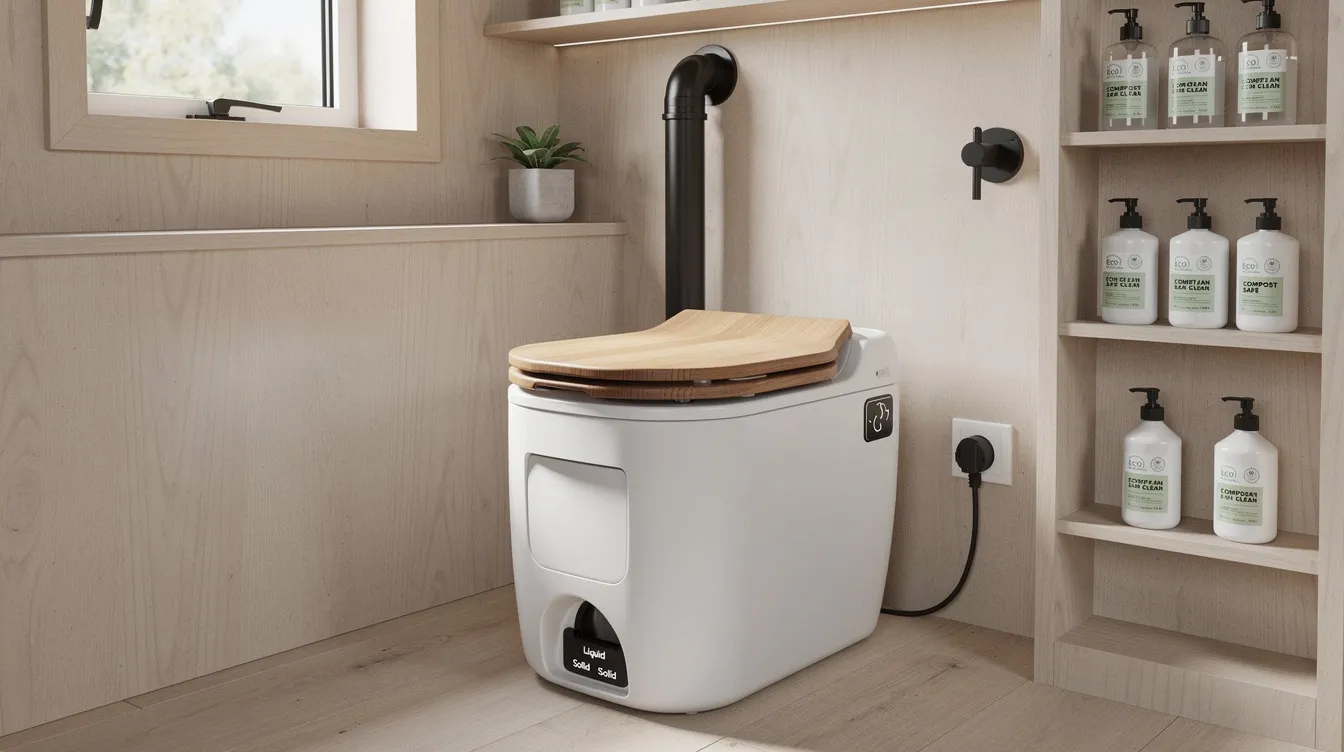
This Swedish-engineered unit costs $1,395-$1,495 and offers premium convenience for those who hate maintenance.
Why It Stands Out
The no-mix system uses disposable liner bags in the solids drawer. Gabriella Morrison’s Tiny House Build review hailed its “zero odor” performance. Unlike other composting toilets requiring constant stirring, this model eliminates that entirely.
Best For
Tiny house owners who prioritize convenience and minimal maintenance over cost savings.
Key Strengths
- No mixing required – uses compostable bags swapped weekly
- Excellent 10 CFM ventilation for eliminating odors
- Durable ABS plastic construction rated for -4°F to 122°F
- Works with both 12V and 110V power
Advanced composting toilets may include features such as automatic stirring mechanisms, built-in fans for ventilation, and heating elements to enhance the composting process and reduce odors.
Possible Limitations
- Higher upfront cost around $1,400
- Requires continuous fan operation drawing 5-10Ah daily
- Bag costs add approximately $0.50 per use long-term
- 15% of users report urine leaks if not seated properly
3. C-Head Composting Toilet
Priced at $1,000-$1,300, the C-Head offers modular marine-grade polypropylene construction that DIY enthusiasts love.
Why It Stands Out
Four stackable sections allow 16-24-inch height customization. YouTube reviewer “Tiny Shiny Home” praised fitting odd 18×14-inch spaces in their 28-foot trailer, surviving 5,000 road miles vibration-free.
Best For
DIY enthusiasts and those with non-standard tiny house bathroom layouts needing custom solutions.
Key Strengths
- Modular components fit 95% of custom layouts
- Made in USA with marine-grade materials
- Optional spider handle for mixing
- 2.5-gallon urine container with backflow prevention
Possible Limitations
- Requires 2-hour self-assembly
- Extra $100 vent hose kit sold separately
- 10% of users note steep learning curve for optimal cover material ratios
4. Air-Head Dry Toilet
Starting at $1,100, the Air-Head delivers ultra-compact design in a unit weighing under 20 pounds.
Why It Stands Out
The 15×12-inch plastic shell is the smallest footprint of major brands. Many composting toilets are designed to be compact and self-contained, making them suitable for small bathrooms, and the Air-Head exemplifies this.
Best For
Very small tiny houses under 150 square feet, mobile tiny homes, and marine-style living where every inch matters.
Key Strengths
- Smallest footprint of major brands
- Marine-grade polyethylene construction
- No fan required – passive venting via one-way valve
- Simple operation with minimal moving parts
- 3.5-gallon hinged solids tank
YouTube channel “Exploring Alternatives” tested it in a 120 square foot skoolie, confirming 4-week solids capacity for couples using coconut coir mix.
Possible Limitations
- Smaller capacity requires emptying every 10 days for two people
- $200 replacement parts inflate long-term costs
- Limited availability in some regions
5. Clivus Multrum M54
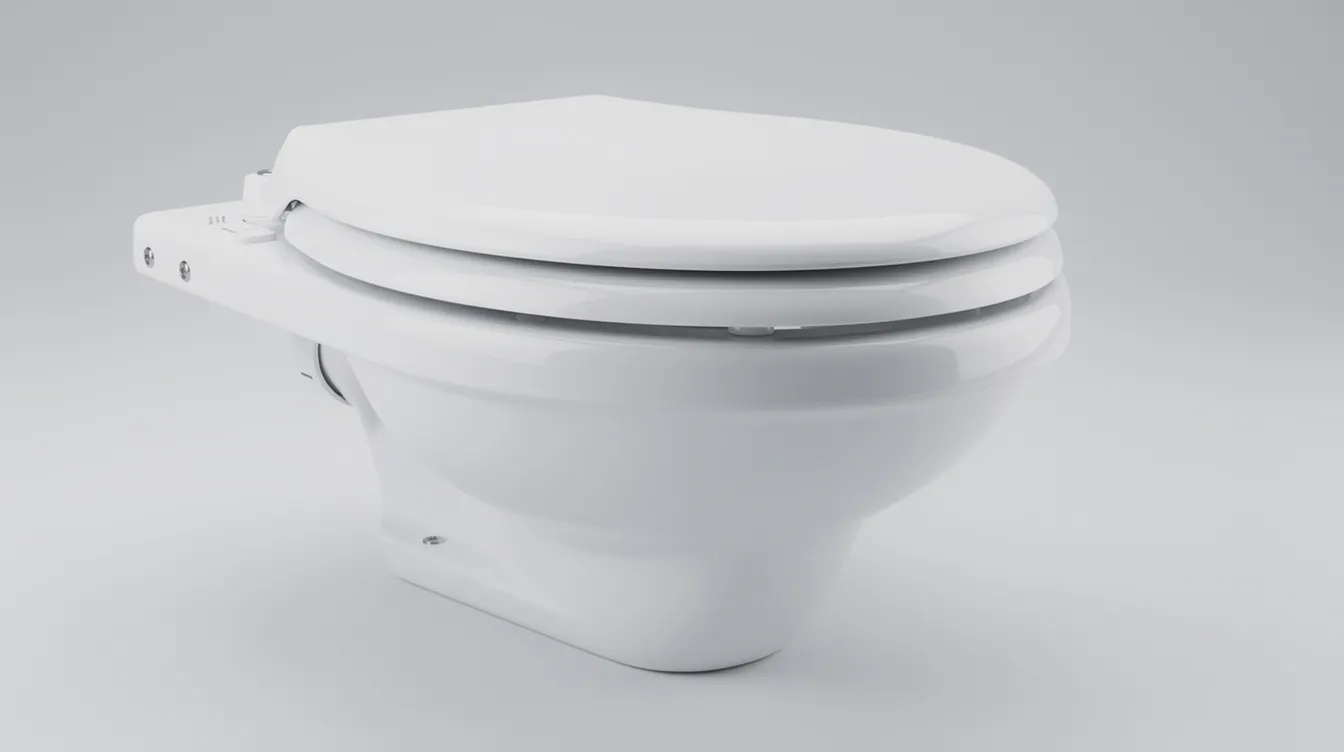
This pedestal system costs $3,500-$5,000 installed and targets permanent tiny house installations.
Why It Stands Out
The 55-gallon composting chamber handles 4-6 users with true in-unit thermophilic composting at 130°F. It reduces volume by 70% over 6 months, meeting EPA Class A standards for pathogen reduction.
Best For
Permanent self-contained tiny homes for modern off-grid living on foundations with multiple users, like eco-village setups.
Key Strengths
- Large capacity for heavy household use
- True composting process creating nutrient-rich compost
- Only requires yearly emptying
- Converts human waste into a nutrient-rich byproduct, creating a circular waste system instead of polluting groundwater
Possible Limitations
- Requires 4×4-foot chase for vent stack and base plate
- Not suitable for mobile tiny houses or trailers
- $10k+ total installation cost with plumbing
- Significant foundation work required
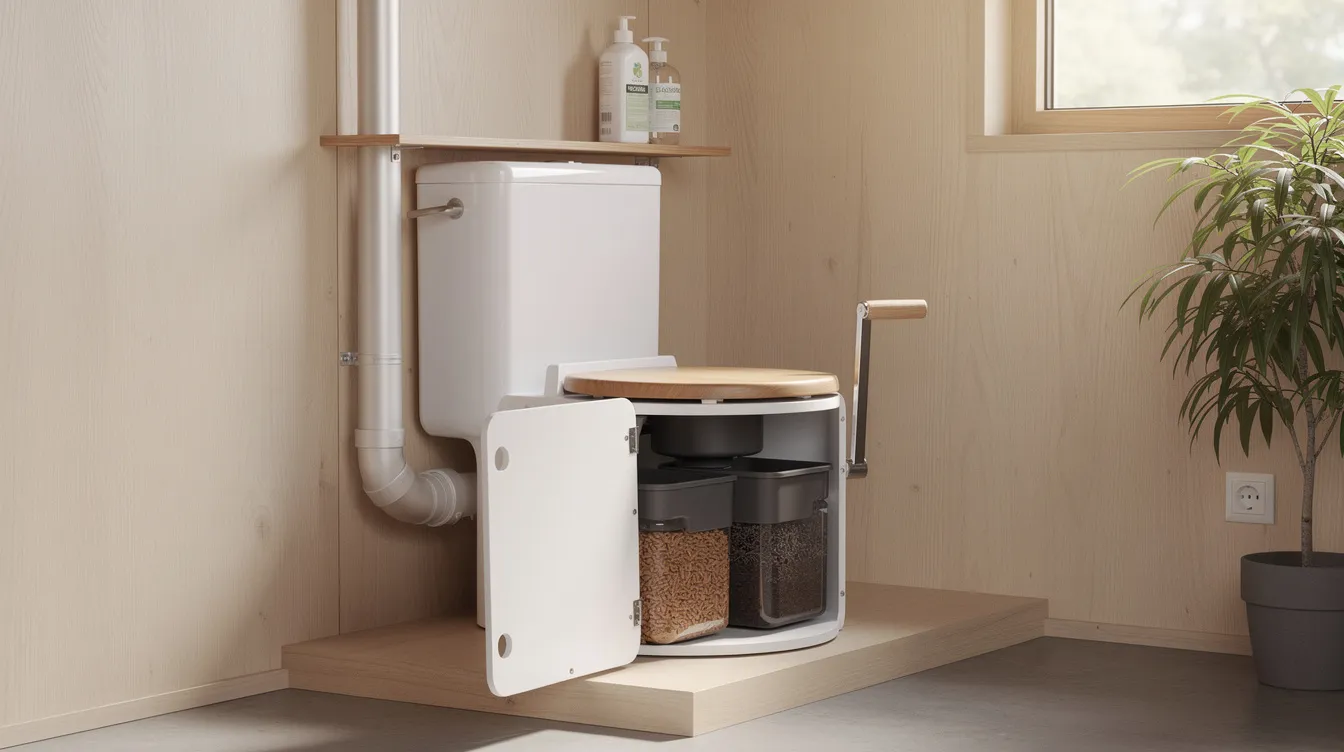
6. DIY Humanure Bucket System
For the budget-conscious, a simple bucket system costs just $50-$150.
Why It Stands Out
Following Joseph Jenkins’ “Humanure Handbook” methodology, this approach requires minimal setup. There are basic composting toilet systems that use a simple bucket method, which can be a cost-effective alternative to more expensive models, requiring minimal setup and maintenance.
Best For
Budget-conscious builders, temporary setups in a small cabin, and minimalist living philosophies.
Key Strengths
- Extremely low cost (under $100 total)
- No power requirements whatsoever
- Easy to implement with 5-gallon bucket and sawdust
- Garden-ready compost after proper aging
- Zero sewage infrastructure needed
Composting toilets provide a practical, eco-friendly alternative to traditional plumbing and are especially suitable for off-grid living or mobility.
Possible Limitations
- Requires dedicated outdoor compost pile (3x3x3 feet, turned weekly)
- More hands-on maintenance with biweekly dump schedules
- 1-2% pathogen risk if improperly cured
- Not ideal for parking in urban areas with space constraints
Quick Comparison of the Best Composting Toilets for Tiny Houses
Here’s how each model serves different needs:
Model | Price | Best For | Capacity | Power |
|---|---|---|---|---|
Nature’s Head | $965-$1,095 | First-time users | 60-80 uses | 12V |
Separett Villa | $1,395-$1,495 | Low-maintenance luxury | Weekly bags | 12V/110V |
C-Head | $1,000-$1,300 | Custom layouts | Singles | Optional |
Air-Head | $1,100+ | Ultra-small spaces | 10-day capacity | None |
Clivus Multrum | $3,500-$5,000 | Permanent installations | Yearly | AC |
DIY Bucket | $50-$150 | Budget builders | Biweekly | None |
- Nature’s Head – Best for first-time composting toilet users seeking reliability
- Separett Villa – Best for low-maintenance luxury without mixing
- C-Head – Best for custom tiny house layouts needing flexibility
- Air-Head – Best for ultra-small spaces and weight-conscious builds
- Clivus Multrum – Best for permanent installations with multiple residents
- DIY Bucket – Best for budget-conscious builders who don’t mind outdoor composting
How to Choose the Right Composting Toilet for Your Tiny House
Choose Based on Your Tiny House Size and Layout
Measure your bathroom carefully, especially if you’re planning or already living in custom tiny homes with personalized layouts.
Under 20 square feet? The Air-Head or C-Head fit best. Standard tiny bathrooms around 3×4 feet accommodate Nature’s Head comfortably. Selecting a larger solids bin is recommended for full-time living in a tiny house to minimize emptying frequency, just as many of the great tiny homes that redefine small space living do through smart interior planning.
Consider door swings, knee clearance, and whether you need left or right-side urine bottle access, especially if you’re working with professional micro house builders focused on quality and affordability.
Choose Based on Power and Venting Requirements
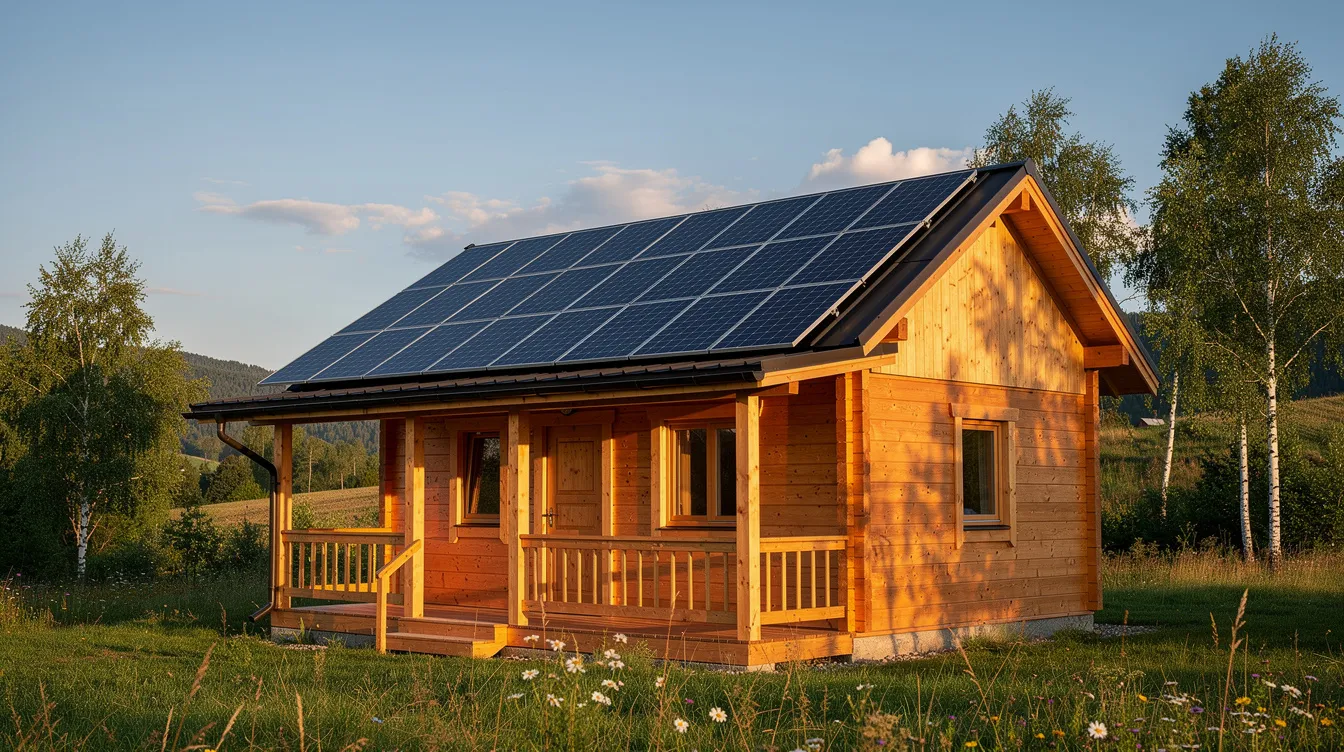
Going completely off grid with solar? Proper installation of a composting toilet requires ensuring that ventilation is easy to install, allowing the built-in fan to effectively manage airflow and eliminate odors.
12V models like Nature’s Head pair perfectly with 100Ah lithium batteries without draining solar yields. On grid or with shore power? AC models like Separett offer more ventilation power and pair well with tiny smart homes designed for efficient living.
Venting typically requires a 10-foot hose through your roof or wall. Plan the installation route before purchasing.
Choose Based on Maintenance Preferences
How much time do you want to spend on waste management in your minimalist tiny house for sustainable living?
Most composting toilets need to be emptied of solids approximately once a month for a household of two, while urine containers should ideally be emptied every other day. Regular maintenance of a composting toilet includes adding suitable cover material, such as sawdust or peat moss, to facilitate the composting process and minimize odors.
Bag systems (Separett) mean you can simply throw the bag and install a new one. Traditional chambers require mixing and periodic deep cleaning. The DIY approach demands the most hands-on attention but offers the lowest cost, which can complement affordable tiny house buildings and budget-friendly designs.
Efficient composting toilets typically utilize urine diversion and waterless operation for odor-free and low-maintenance waste management.
Which Composting Toilet Is Best for You?
The choice depends on your specific situation:
- Choose Nature’s Head if you want proven reliability under $1,000 with a strong composting experience from thousands of tiny house owners
- Choose Separett Villa if you prioritize convenience and absolutely minimal maintenance
- Choose C-Head if you need custom sizing for unusual spaces and enjoy DIY projects
- Choose Air-Head if space is your primary constraint and you live in a truly tiny unit
- Choose Clivus Multrum if you have a permanent installation with heavy use and foundation access
- Choose DIY bucket system if budget is your main concern and you have outdoors space for a compost bin, or pair it with a tiny house for sale if you’re exploring minimalist living
Composting toilets can be categorized into several types, including those that separate urine from solid waste, which helps to minimize odors and facilitate composting. Most tiny house owners find the Nature’s Head offers the best value balance, particularly when combined with ultra-sustainable builds like an Earthship tiny home for sustainable living.
Final Thoughts
The best composting toilet for your tiny house depends on your specific setup, budget, and lifestyle.
For most tiny house owners, Nature’s Head offers the best balance of price, performance, and reliability. It’s proven across thousands of installations and handles the demands of mobile life.
Composting toilets contribute to environmental sustainability by reducing the need for sewage systems and allowing for the recycling of human waste into compost, which can be used to enrich soil after proper aging in your garden. They reduce your environmental footprint while offering freedom from grey water and sewer complications.
Whatever unit you choose, proper installation and maintenance make all the difference between a smell-free experience and constant frustration.
Measure your space. Check your power situation. Think about long-term maintenance.
Then pick the toilet that fits your life.