If you’re exploring affordable alternatives to traditional housing or dreaming of a cozy retreat in the mountains, understanding the cost of park model homes is your first step. This comprehensive guide breaks down exactly what you’ll pay in 2025, from entry-level models to luxury builds, plus all the hidden costs most buyers overlook.
- Park Model Home Costs in 2025: Quick Answer
- What Affects the Cost of Park Model Homes?
- Park Model Home Price Ranges by Category
- Real-World Examples: Cabin-Style Park Model Pricing
- Beyond the Sticker Price: Additional Park Model Home Costs
- Used Park Model Home Prices and Value Considerations
- Financing and Budgeting for a Park Model Home
- Are Park Model Homes Worth the Cost?
Park Model Home Costs in 2025: Quick Answer
How much does a park model home cost? In 2025, new park model homes typically range from about $45,000 to $140,000 or more, depending on size, features, and build quality. The average purchase price for a mid-range model with standard features lands between $75,000 and $110,000.
Used park model homes offer lower entry points, starting around $25,000 to $30,000 for older or basic units in decent condition. High-demand areas may see used prices climb to $50,000–$90,000 for well-maintained models with modern amenities.
Here’s what those headline prices typically exclude:
- Land costs – Park model prices cover the structure only, not the property where you’ll place it
- Site preparation – Gravel pads, concrete foundations, and access roads add to your total investment
- Delivery beyond a base radius – Most manufacturers include 50–100 miles; beyond that, expect per-mile surcharges
- Utility hookups – Electric service, water lines, and sewer connection require separate budgeting
Why are park model homes often 40–60% cheaper than building a traditional small cabin of similar square feet? Two main reasons:
- Factory-built construction eliminates weather delays and reduces labor costs compared to site-built homes
- Standardized designs and bulk material purchasing keep manufacturing expenses lower than custom cabin builds
What Affects the Cost of Park Model Homes?
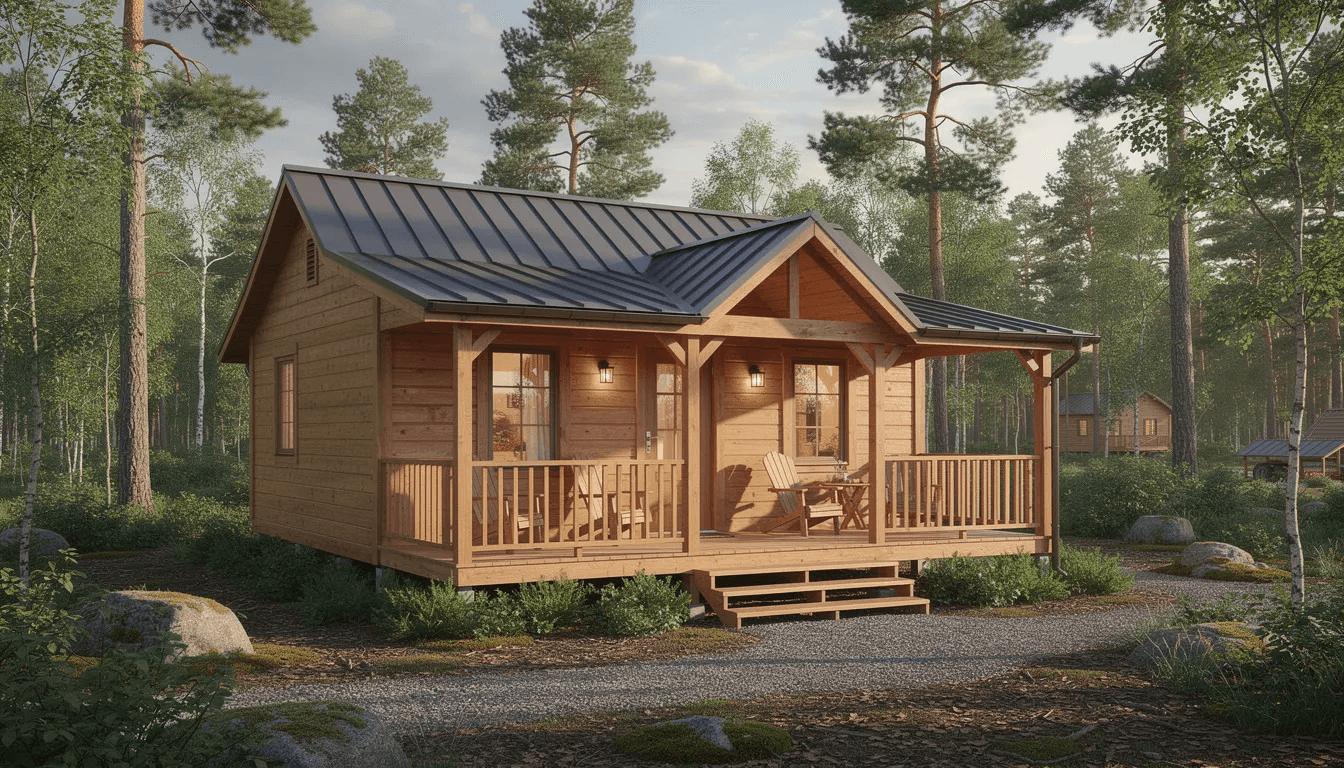
The price of any park model is driven by a combination of size, materials, customization level, and how you plan to use the home. A basic vacation cabin will cost far less than a park model home designed for year-round living, or even a fully custom tiny home tailored to your specific lifestyle and design preferences.
Size and Layout
- Most park model homes measure 11’–15’ wide and 30’–35’ long, staying under the 400 square feet threshold required for RV classification
- Larger footprints push prices higher, as do optional loft spaces that expand the living area without exceeding ground-level limits
- Multi-room layouts with separate bedrooms and larger bathrooms cost more than open studio designs, but they can still deliver the compact efficiency that many micro house buyers and builders prioritize, especially when paired with tiny house interiors that maximize every square foot, especially when you choose tiny house floor plans that maximize comfort and functionality
Construction Quality and Materials
- Roofing choices range from standard shingles ($) to standing-seam metal roofs ($$) that last 30–40 years
- Siding options include vinyl (most affordable), LP SmartSide (mid-range), and log or high-end fiber-cement (premium)
- Insulation packages vary by climate zone—four-season builds require upgraded R-values that add to the base price
- Window quality significantly impacts both cost and energy efficiency
Interior Finishes
Thoughtful choices in finishes and fixtures—including space-efficient doors that enhance both style and practicality in tiny homes—can significantly influence your final park model price.
- Stock cabinetry vs. custom solid wood cabinet doors
- Laminate flooring vs. luxury vinyl plank (LVP) vs. hardwood
- Basic laminate countertops vs. solid-surface or quartz options
- Standard appliance packages vs. stainless steel upgrades with an over the range microwave, and if you add a loft, choosing the best ladder for the tiny house-style loft improves both safety and usability
Design Complexity
- Multiple slide-outs expand interior space but increase both build and transport costs
- Integrated porches and decks add functionality and curb appeal at premium prices
- Large panoramic windows and glass walls require structural upgrades
Brand and Supply Chain Factors
- Manufacturer location affects delivery costs—factories in the Midwest or Southeast may charge more to reach Pacific Northwest buyers
- Lumber and insulation price spikes from 2021–2023 continue influencing 2025 pricing for some builders
- Premium brands command higher prices based on reputation and warranty coverage
Regulatory and Code Requirements
- All recreational park trailers must meet ANSI A119.5 standards for RV certification
- Optional upgrades toward residential-grade standards (hurricane ties, upgraded electrical) add cost
- Climate zone packages for cold-weather locations increase insulation and heating system expenses
Park Model Home Price Ranges by Category
When shopping for a park model home, buyers typically compare three broad categories: entry-level, mid-range, and luxury. Understanding where each category lands helps you set realistic expectations for your budget.
All price examples below reflect new units ordered in 2024–2025. These figures exclude land costs but typically include basic factory warranties. Keep in mind:
- Regional pricing varies—Pacific Northwest buyers often pay more than Southeast buyers for similar models
- Freight distance significantly impacts delivered price
- Dealer markups can add 5–10% above factory-direct pricing
Entry-Level Park Model Homes: About $45,000–$75,000
Entry-level park model homes deliver simple, functional living spaces with limited customization options. These models work well for tight budgets, seasonal camping use, or buyers who prioritize value over luxury finishes.
A basic 11’ x 33’ unit with vinyl siding, shingle roof, and standard appliances typically falls in the $50,000–$60,000 range in 2025. Manufacturers like Park Models Direct offer one-bedroom, one-bath models starting around $51,900 for roughly 389 square feet of living space.
Standard features at this price point include:
- Basic kitchen with laminate counters and entry-level appliances
- Fiberglass shower or small tub/shower combo
- Sheet vinyl or entry-level LVP flooring throughout
- Minimal built-in storage and light fixtures
- Standard ceiling fans and basic HVAC
- Simple front porch or small deck options
What to expect with entry-level:
- Loft options may be available but typically add $3,000–$5,000 to the base price
- Limited customization—most manufacturers offer pre-selected color and finish packages rather than fully custom design
- Less insulation than mid-range or luxury models, making them better suited for mild climates or three-season use
- Shorter warranties (often 1–2 years structural) compared to premium builds
The trade-off is clear: you get the lowest upfront cost but fewer premium materials and less long-term durability than higher-tier models.
Mid-Range Park Model Homes: About $75,000–$110,000
This is the sweet spot where most buyers land in 2025. Mid-range park model homes balance cost and comfort, offering meaningful upgrades without luxury price tags.
A typical example: a 12’ x 34’ model with a sleeping loft, covered front porch, LVP floors, upgraded insulation, and stainless steel appliances commonly prices between $85,000 and $100,000.
Typical mid-range upgrades include:
- Solid wood cabinet doors and soft-close hardware
- Solid-surface or upgraded laminate countertops
- Ductless mini-split HVAC for efficient heating and cooling
- Energy-efficient windows with low-E glass
- Better insulation packages suitable for four-season use
- Tile or upgraded fiberglass showers
- Ceiling fans and upgraded light fixtures throughout
Increased customization at this level:
- More layout options (1–2 bedrooms, larger bathrooms)
- Expanded color palettes for siding, roofing, and interior finishes
- Optional features like electric fireplaces, larger tile showers, or custom storage solutions
- Porch and deck configurations to match your style
Many mid-range models are purchased for vacation rentals, lake lots, or mountain tiny house getaways. These homes photograph well for platforms like Airbnb, making them popular among rental investors seeking the best park model for their property.
From an ROI perspective, mid-range often delivers the best long-term value—build quality supports higher nightly rental rates without the premium investment required for luxury units.
Typical buyer profiles: retirees seeking a cozy retreat, couples building vacation homes, small families wanting affordable cabin living, and rental investors targeting the $150–$250/night market.
Luxury Park Model Homes: About $110,000–$160,000+
Luxury park model homes rival custom cabins in finish quality and features. Prices typically start around $110,000 and can exceed $160,000 when fully loaded with high-end finishes and premium materials.
A realistic luxury scenario: A 15’ x 35’ park model with a large loft, 10’ covered porch, standing-seam metal roof, log or high-end fiber-cement siding, and designer interior finishes typically falls between $125,000 and $155,000 in 2025.
Manufacturers like Zook Cabins price their Sonoma model around $130,800 delivered to Nashville, TN, with their Rockwood reaching $140,900 to the same location.
Luxury finishes you’ll find:
- Real hardwood or premium LVP flooring with upgraded patterns
- Quartz or granite countertops throughout
- Tile showers with frameless glass doors
- Shiplap or tongue-and-groove pine accent walls and ceiling
- Black-framed energy-efficient windows
- Custom cabinetry with premium hardware
Structural and comfort upgrades:
- Upgraded insulation rated for cold climates (useful if you plan to live full time)
- High-efficiency mini-split systems with zone control
- Tankless water heaters for endless hot water
- Premium roofing with 30–40 year lifespans
- Hurricane ties and upgraded structural components
Special features popular in 2024–2025:
- Panoramic window walls showcasing mountain or lakefront views
- Integrated decks with cable railing systems
- Custom built-ins and Murphy beds
- Electric fireplaces with stone surrounds
- Smart-home technology including Wi-Fi thermostats and keyless entry
These homes frequently serve as flagship Airbnb cabins, boutique resort units, or luxury lakeside retreats where nightly rates of $250–$400+ justify the higher initial investment, similar to high-end mini mansion mobile home options in the manufactured housing world.
Real-World Examples: Cabin-Style Park Model Pricing
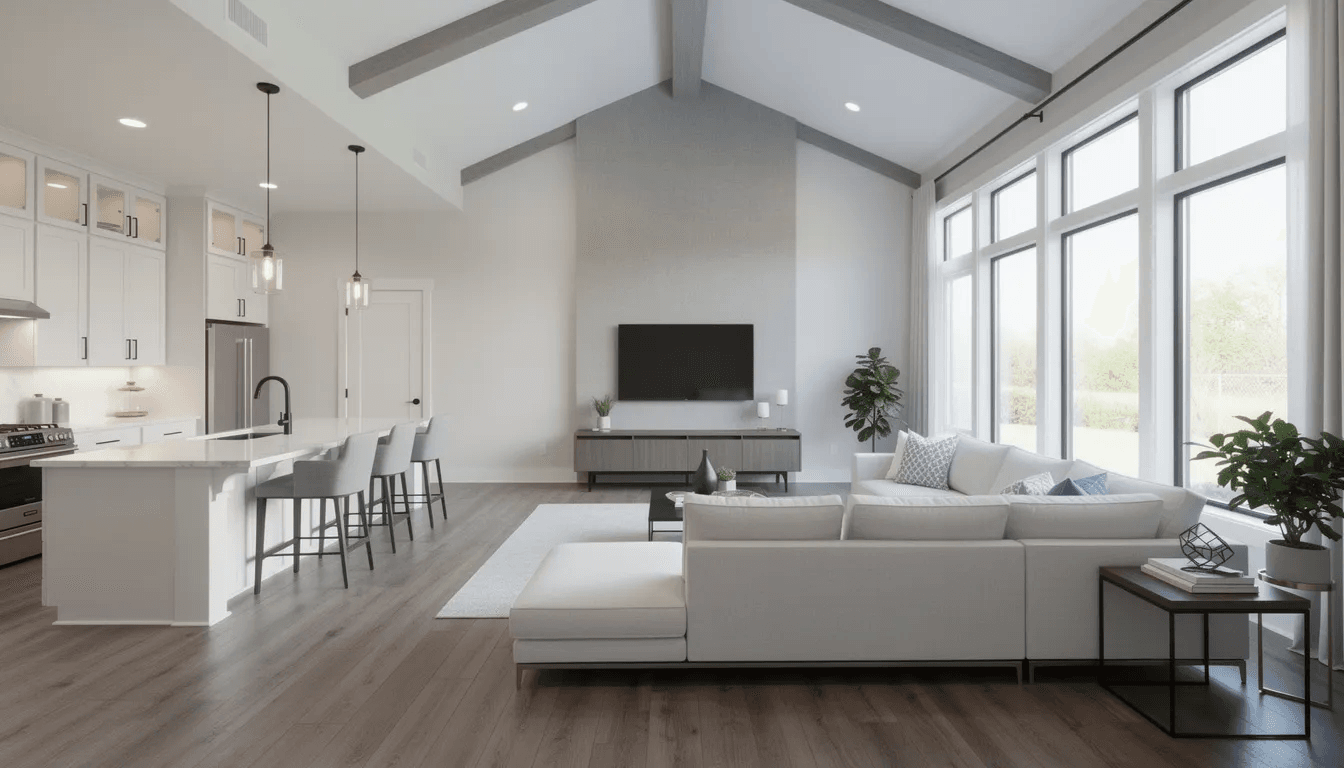
Park model cabins with log or rustic siding often have clearly published price lists, giving buyers useful benchmarks for 2024–2025 planning.
Rustic cabin-style park models typically range from $52,000 to $77,000 retail for 260–400 square feet units with porches and optional lofts, putting them in the same price conversation as many affordable tiny house designs and builds and cute tiny house designs for compact dream homes.
Concrete pricing comparisons:
- A 12’ x 34’ cabin with loft and 10’ covered porch commonly prices in the low-to-mid $70,000s
- A smaller 13’ x 22’ cabin with basic porch typically falls in the mid-$50,000s
- Models with log siding and metal roof upgrades push toward the higher end of each range
Commercial vs. retail pricing:
- Campgrounds and RV parks purchasing multiple units often receive commercial pricing
- Commercial discounts typically run $4,000–$5,000 below retail on the same model
- Individual buyers can sometimes negotiate toward commercial rates on end-of-season inventory
What’s typically included (and excluded):
Most cabin models include everything shown on standard layouts:
- Interior finishes as specified
- Basic plumbing included with standard fixtures
- Standard appliances and light fixtures
- VIN number and RV certification documentation
Excluded from base price:
- Site preparation (gravel pad, concrete pad, or other foundation work)
- Delivery beyond the manufacturer’s included radius
- Utility connections and hookup work
- Add ons like upgraded porches, lofts, or custom features
Note that bathhouse-style units without full kitchen/bedroom layouts may price similarly per square foot but are classified differently than park model RVs under recreational vehicle standards.
Beyond the Sticker Price: Additional Park Model Home Costs
The advertised base price is just the starting point. Smart buyers budget for “out-the-door” cost, which includes every expense needed to make your park model home livable.
Delivery and Setup Costs
- Most manufacturers include delivery within 50–100 miles of the factory
- Beyond included radius, expect $5–$15+ per mile depending on location and route
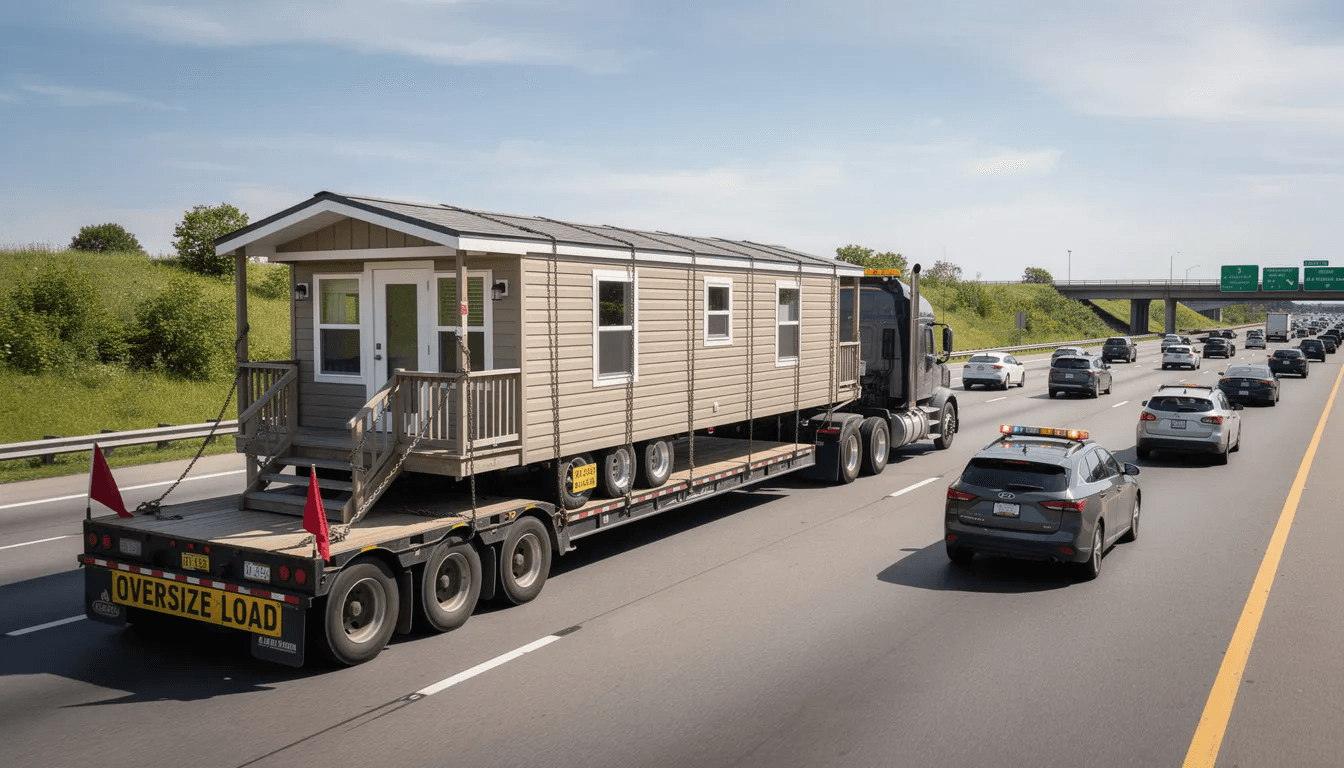
- Units wider than 12’ may be considered oversized loads, requiring escort vehicles and permits
- Blocking and leveling typically runs $500–$1,500
- Skirting installation adds $1,000–$3,000 depending on materials
Site Preparation
- Simple gravel pads cost $2,000–$4,000 for most locations
- Concrete pad foundations run $4,000–$8,000+ depending on size and terrain
- Driveway access and tree clearing can add $1,000–$5,000
- Steep or remote sites may require significant additional work
Utility Connection Costs
- Electric service (typically 100-amp) installation: $1,500–$5,000
- Water lines from source to home: $1,000–$3,000
- Sewer connection or septic hookup: $2,000–$8,000
- Total utility costs commonly range from $3,000–$15,000 depending on distance from existing infrastructure
Permits and Inspections
- Zoning applications and RV/park model approvals vary by location
- Some municipalities charge impact or hookup fees
- Inspection fees for electrical and plumbing work
- Costs range from $200 to $2,000+ depending on your location
Ongoing Costs to Budget
If you’re working within a strict budget, it may also be worth comparing these numbers against tiny homes under $20K that offer ultra-low entry prices.
- Insurance: $500–$1,500 annually (often classified as RV insurance)
- Property taxes on land if you own the property
- Lot rent if parked in an RV park or park model community: $300–$800 monthly
- Routine maintenance: roof inspections, skirting repairs, HVAC servicing
- Utilities if using as a full time residence or frequent vacation home
Example “All-In” Scenario:
A $90,000 mid-range park model might reach $110,000–$120,000 total when you add:
- $3,000 delivery beyond included radius
- $5,000 site preparation
- $8,000 utility connections
- $2,000 permits and inspections
- $5,000 basic furnishings and setup items
This more realistic budget helps avoid surprises and ensures you’re comparing park model homes prices on an apples-to-apples basis.
Used Park Model Home Prices and Value Considerations
Some buyers look to used park model homes for lower upfront costs, faster availability, and reduced lead times compared to ordering new. If you’re working with a tight budget, the used market offers real opportunities—with some important caveats.
In 2024–2025, used park models typically range from $25,000 to $90,000 depending on age, condition, and features. Units 10+ years old often cluster under $50,000, while newer used models (3–7 years old) with modern features may command $60,000–$80,000.
Factors that discount used prices:
- Cosmetic wear including faded siding, worn flooring, or dated finishes
- Older interior styles that don’t photograph well for rental use
- Less-efficient insulation compared to current models
- Older appliances approaching replacement age
- Unknown maintenance history
Inspection tips for used park model buyers:
- Check roof condition carefully—look for soft spots, missing shingles, or signs of previous leaks
- Inspect floors throughout for soft spots that indicate water damage
- Examine window and door seals for drafts and deterioration
- Look underneath for frame rust or undercarriage damage
- Test all plumbing fixtures and check for water stains around bathroom and kitchen areas
- Verify the VIN number matches documentation
Transport costs for used units:
Purchasing a used park model often requires additional expenses:
- Disconnection from current utilities: $200–$500
- Professional hauling to your location: varies significantly by distance
- Re-setup including blocking, leveling, and utility reconnection: $1,500–$3,000+
These costs can significantly affect the “true” purchase price of a used unit.
Resort and campground sell-offs:
Some RV parks and campgrounds sell fleet units in 2024–2026, offering bulk-available used park models at attractive prices, making it especially important to run numbers with a tiny home cost calculator before you commit. These can be excellent deals, but factor in refurbishment costs for updating interiors, replacing worn components, and bringing units up to your standards.
Financing and Budgeting for a Park Model Home
Park model homes are usually classified as recreational vehicles, which means financing works differently than traditional housing. Understanding your financing options helps you budget accurately and avoid surprises.
Main Financing Options for Park Models:
Financing Type | Typical Rates (2024–2025) | Typical Terms | Best For |
|---|---|---|---|
RV Loans | 7–12% | 10–20 years | Good credit buyers, established lenders |
Personal Loans | 8–15% | 3–7 years | Smaller amounts, faster approval |
Chattel Loans | 8–15% | 10–15 years | Using unit as collateral |
Manufacturer Financing | Varies | Varies | Convenience, promotional rates |
Important financing considerations: |
- Conventional 30-year mortgages generally don’t apply to park model-only purchases
- HELOCs may help if you own land separately and want to finance the structure
- Some buyers finance land purchase through traditional means and use RV loans for the park model itself
- Higher interest rates compared to mortgage rates mean higher monthly payments on similar principal amounts
Calculating Your Full Budget:
Build a comprehensive budget that includes:
- Base unit price from manufacturer
- Delivery and setup fees
- Site preparation work
- Utility connections
- Furnishings and interior setup
- Contingency buffer (10–15% for unexpected costs)
Recurring Costs to Include:
- Monthly lot rent if in a campground or community
- Utility bills (electric, propane, water)
- Insurance premiums
- Maintenance fund
- If using as rental: property management fees and platform commissions
Many manufacturers and dealers offer in-house financing or partnerships with specialized lenders experienced in park model and RV financing. These options can simplify the process, though you should always compare rates with independent lenders and even evaluate alternatives like Home Depot tiny house kits as lower-cost build options.
Are Park Model Homes Worth the Cost?
After reviewing park model homes prices across all categories, the answer depends on your goals, budget, and intended use. For many buyers, park model homes offer an exceptional value proposition compared to traditional housing alternatives.
Common use cases and potential ROI:
- Seasonal living: Retirees spending winters in warm-climate campgrounds often invest under $100,000 total for comfortable, community-oriented living
- Vacation cabins: Families wanting mountain or lakefront retreats find park models 40–60% cheaper than comparable stick-built tiny house or cabin construction, including Amish-built tiny house cabins with similar rustic charm and many of the great tiny homes that redefine small-space living
- Short-term rentals: Investors deploying park model cabins as Airbnb properties report 8–12% ROI through nightly rates of $150–$300
- Downsizing: Minimalists and empty-nesters achieve significant cost savings while maintaining comfortable living experience, especially when they draw inspiration from elegant tiny homes that showcase modern small-footprint living
Longevity and value retention:
- Modern park model homes built with premium materials can last 30–50 years with proper maintenance
- Quality construction from reputable manufacturers resists the deterioration common in budget models
- While structures typically depreciate (unlike traditional real estate), desirable locations and rental income can offset this
Comparing total cost of ownership:
Housing Type | Typical Cost Range | Monthly Costs | Flexibility |
|---|---|---|---|
Park Model Home | $45,000–$160,000 | Low–Medium | High (mobile, relocatable) |
Tiny House (site-built) | $80,000–$150,000 | Medium | Low (permanent) |
Choosing between park models and site-built options often comes down to how well tiny house plans tailored to your lifestyle and budget align with your long-term goals.
| Small Cabin (stick-built) | $120,000–$250,000+ | Medium–High | Low (permanent) | | Large Travel RV | $80,000–$200,000 | Low | Very High | | Mobile Home (single-wide) | $57,000–$100,000 | Low–Medium | Medium | | Taking the next step: | | | | Finding the perfect park model requires matching your priorities to your budget. Here’s an actionable approach:
- List your must-have features – Loft? Full kitchen? Four-season insulation? Front porch?
- Set a realistic total budget – Include delivery, site work, utilities, and furnishings, not just base price
- Research manufacturers – Visit their websites, request detailed quotes, and compare specifications
- Calculate ongoing costs – Factor in location, lot rent if applicable, and whether rental income will offset expenses
- Request multiple quotes – Prices vary significantly by manufacturer, location, and current promotions
Whether you’re seeking a weekend cabin, a full time residence, or an income-generating rental property, park model homes offer a cost-effective path to the lifestyle you’re imagining. The key is understanding the complete investment—not just the sticker price—so you can make a confident decision that fits your budget and goals.