
Key Takeaways
- Work with the triangular shape by choosing low-profile furniture and mapping wall heights before placing anything
- Maximize natural light through large windows, skylights, and light color palettes to make your space feel 30% larger
- Use lofts, attics, and under-eave zones for built-ins, modular furniture, and hidden storage areas
- Choose one cohesive style direction—rustic cabin, Japandi, or Scandinavian—and repeat materials consistently through the open space
- Solve common problem zones like sloped bedrooms, open living areas, and glass-heavy walls with strategic furniture placement and layered treatments
- Introduction: Why Decorating an A-Frame Is Different
- Understand Your A-Frame’s Structure Before You Decorate
- Building and Design Considerations for A-Frame Homes
- Maximize Light: Windows, Skylights, and Color
- Plan an Open-Concept Layout That Actually Works
- Working With Loft, Attic, and Under-Eave Spaces
- Choose a Cohesive Style: Rustic, Scandinavian, or Japandi
- Color, Materials, and Texture That Suit A-Frame Architecture
- Sustainable Design Options for Eco-Friendly A-Frame Living
- Bedrooms Under the Eaves: Beds, Closets, and Comfort
- Smart Storage Solutions for Small A-Frame Footprints
- Furniture Scale and Placement for Triangular Rooms
- Light Fixtures, Lamps, and Layered Lighting
- Bring the Outdoors In: Plants and Nature-Inspired Decor
- Modern A-Frame Interior Trends in 2024–2025
- Common Decorating Challenges in A-Frames (and How to Solve Them)
- FAQ
- How do I choose paint colors for an A-frame with an open floor plan?
- What kind of window treatments work on a full glass A-frame wall?
- Can I decorate an A-frame in a modern style without losing the cabin feel?
- How do I make a tiny A-frame (under 600 sq ft) feel livable year-round?
- Is it worth hiring an interior designer for an A-frame remodel?
Introduction: Why Decorating an A-Frame Is Different
There’s something undeniably magnetic about an a frame house. The steep rooflines, glass gable walls, and cathedral-like volumes create a sense of wonder that rectangular homes simply can’t match. But that same charm introduces decorating challenges you won’t find in traditional houses.
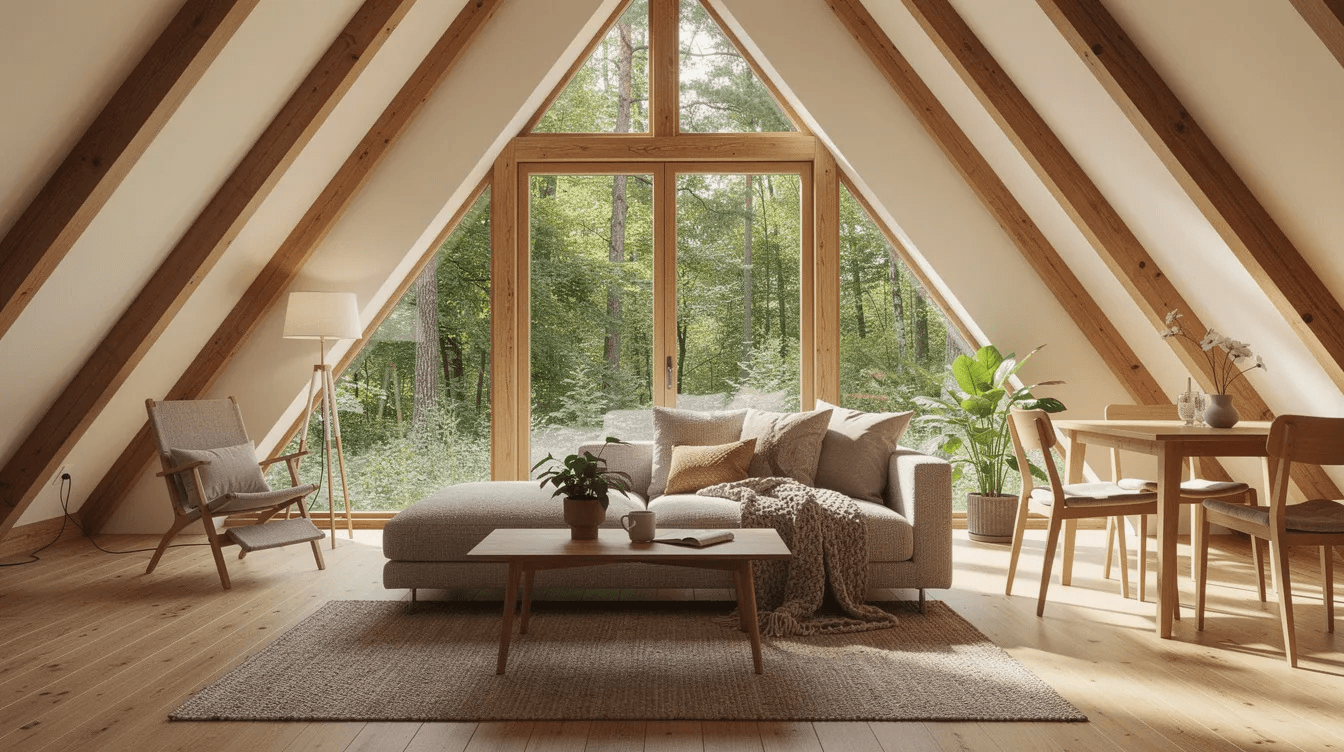
An a frame house interior features a tall triangular shape with rafters often visible, limited vertical wall space, and loft potential above the main floor. Decorating here isn’t about filling space with furniture—it’s about managing height, angles, and light.
Whether you’re styling a 1960s ski chalet, a lakeside frame cabin, or a newly built a frame home completed after 2020, these principles apply. Seeking inspiration from other A-frame interiors or design sources can spark creativity and help guide your decorating choices. We’ll move from big-picture layout decisions to detailed decor tips and specific problem-solving ideas.
Understand Your A-Frame’s Structure Before You Decorate
Measurements and sightlines should guide every decorating decision you make in a frames.
Most a frame houses sit on a long, narrow rectangular footprint—typically 18–30 feet wide and 24–40 feet long. The “A” sits over this base, with walls rarely exceeding 4–6 feet in height before sloping inward to meet at a peak 20–30 feet above the floor.
Before buying any furniture, map your wall heights:
- Measure where knee walls drop below 4 feet (unusable for most furniture)
- Mark the 5–6 foot zones suitable for beds or low wardrobes
- Identify the center ridge area with 7–8 feet of clearance
For example, a 24’ x 32’ frame house interior built in 1975 typically supports a loft at 8–12 feet high, accessed by open staircases with 36–42 inch treads or a carefully chosen ladder for the loft area. Respect structural elements like exposed wood beams, central support posts, and full-height glass walls rather than trying to conceal them.
Building and Design Considerations for A-Frame Homes
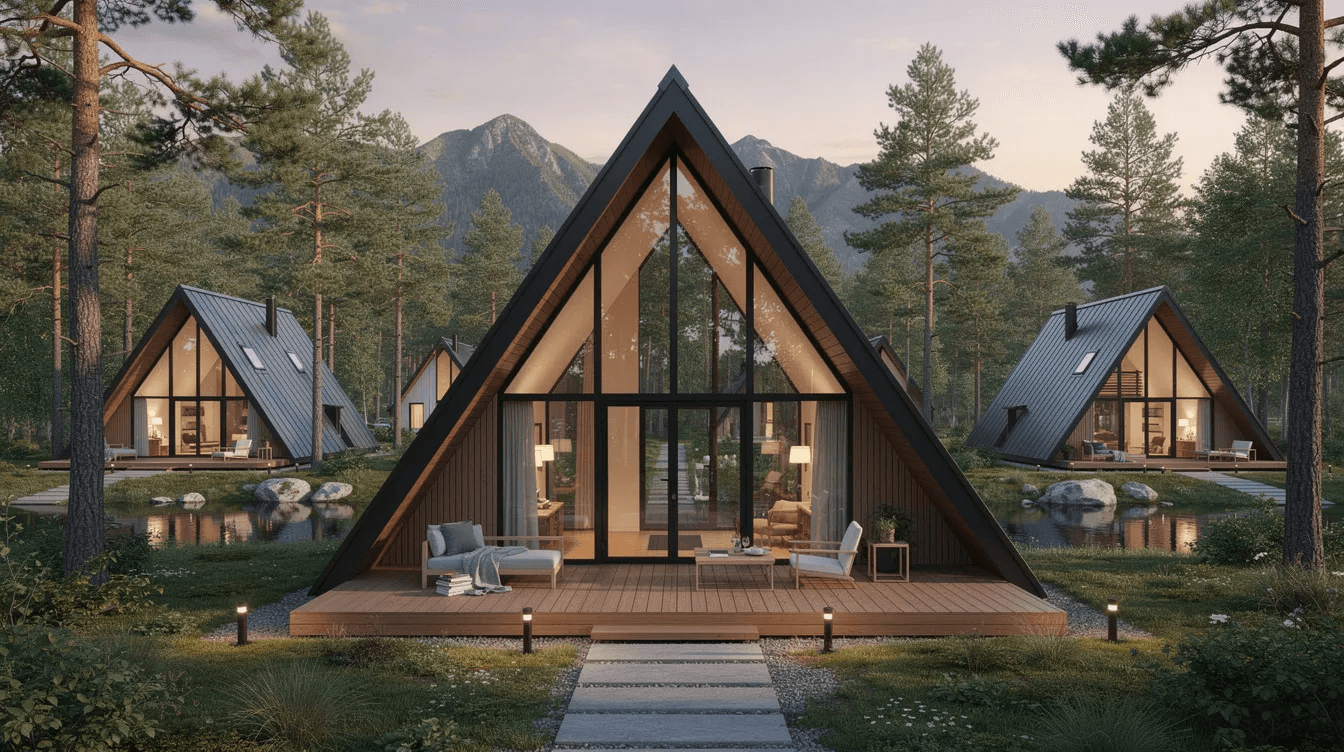
Designing an a frame house is a unique project that starts with embracing its iconic triangular shape. This architectural feature creates a dramatic sense of openness and allows natural light to flood the living area through expansive, often floor-to-ceiling, windows. These large windows become a natural focal point, drawing the eye outward and making the interior feel connected to the world beyond your walls.
To enhance this advantage, opt for light-colored walls and floors that reflect sunlight and amplify the airy feeling throughout your frame house interior. Pale woods, soft whites, and gentle neutrals on surfaces and ceilings help bounce light around, making even compact spaces feel larger and more inviting. Exposed wood beams are not just structural—they add warmth, texture, and a sense of character that’s essential to the cozy style of an a frame home.
When planning your layout, think creatively about storage areas. The sloping walls of an a frame house can make traditional closets and shelving a challenge, but they also offer opportunities for custom built-ins. Consider low-profile cabinets, drawers tucked under eaves, and shelving that follows the angle of the roof. These solutions maximize every inch of space without blocking the flow of natural light or disrupting the clean lines of your interior design.
Furniture selection should also respect the unique geometry of your house. Choose pieces that fit comfortably under sloped ceilings and don’t overwhelm the living area. Modular sofas, low tables, and built-in benches can all help maintain an open, uncluttered feel. By planning your a frame home with these elements in mind, you’ll create a space that feels both functional and full of warmth—perfect for relaxing, entertaining, or simply enjoying the ever-changing light through your windows.
Maximize Light: Windows, Skylights, and Color
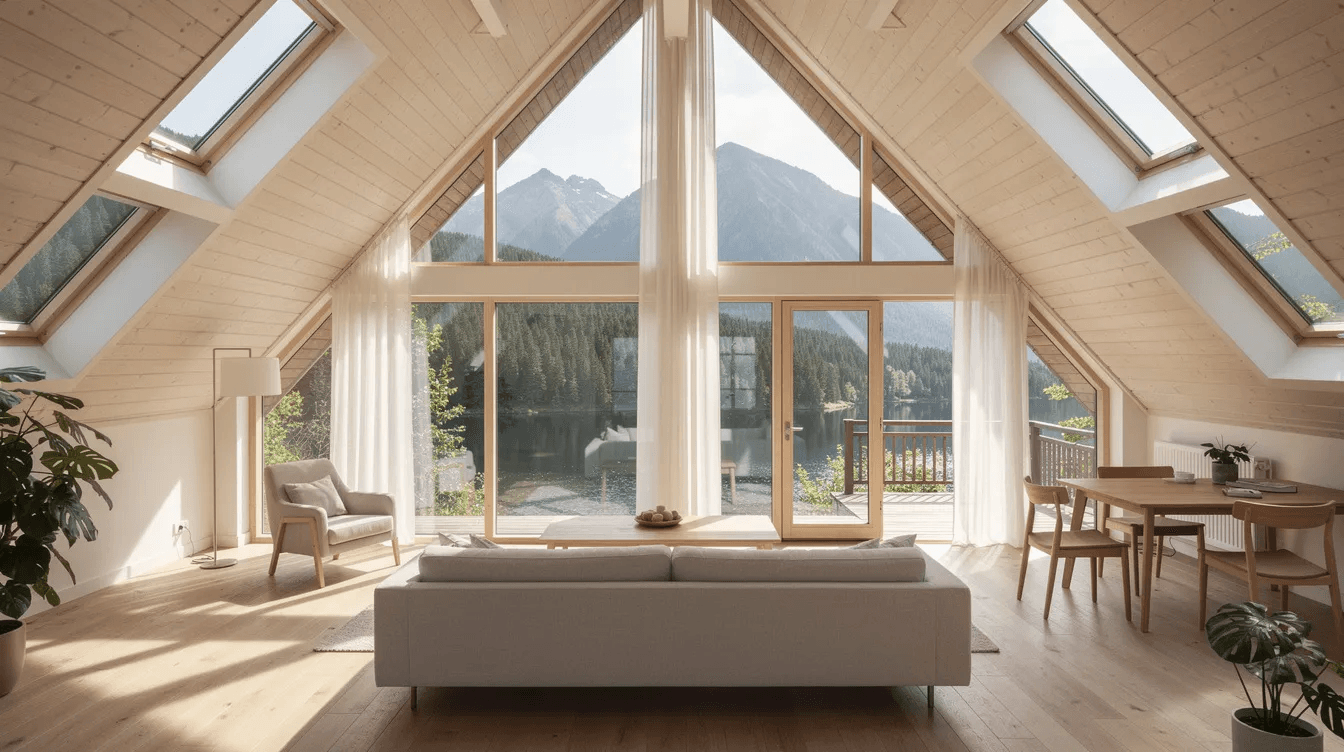
A frames often sit in scenic locations—forests, mountains, lakesides—so your decorating should amplify natural light and outdoor views.
Window treatments for large windows:
- Use ceiling-mounted curtain tracks instead of bulky rods
- Choose light-filtering linen for privacy without heaviness
- Ensure curtains stack fully aside during the day
Adding skylights or roof windows between rafters can increase light penetration by 20–40% in shadowed eaves. Install 2×4 foot sizes over lofts or above central stairwells.
Color palette for walls and ceiling:
- Soft whites (like Benjamin Moore Chantilly Lace)
- Creams and pale greiges
- Semi-matte or eggshell finishes (10–25% gloss) to reflect light without glare
A neutral color palette allows architectural details, such as wood beams or hardwood floors, to stand out visually, especially if you lean into forest-inspired interior design ideas that echo the surrounding landscape.
Strategic mirrors on short vertical walls and glass or acrylic furniture pieces can expand perceived volume by 15–25%. Research confirms these strategies make compact 800–1,200 sq ft a frames feel roughly 30% larger.
Plan an Open-Concept Layout That Actually Works
Most a frame interiors have combined living–dining–kitchen zones with few full-height interior walls. About 80–90% lack traditional room divisions entirely.
Instead of partitions, create zones using:
- Area rugs (8×10 feet for sofa groupings)
- Distinct lighting for each area
- Strategic furniture placement
Layout principles for your living space:
Element | Placement Strategy |
|---|---|
Main seating | Face the glass wall or fireplace |
Sofa orientation | Parallel to shorter walls to visually widen the room |
Dining table | Long, narrow (6×3 feet) along one straight wall |
Kitchen island | 10 feet out from wall with 36-inch circulation paths |
For a hypothetical 20’ x 30’ main floor, position a 7-foot sofa against the entry wall, the kitchen island along the long side, and dining perpendicular—ensuring multi-directional flow without blocking sightlines to the ceiling. |
Working With Loft, Attic, and Under-Eave Spaces
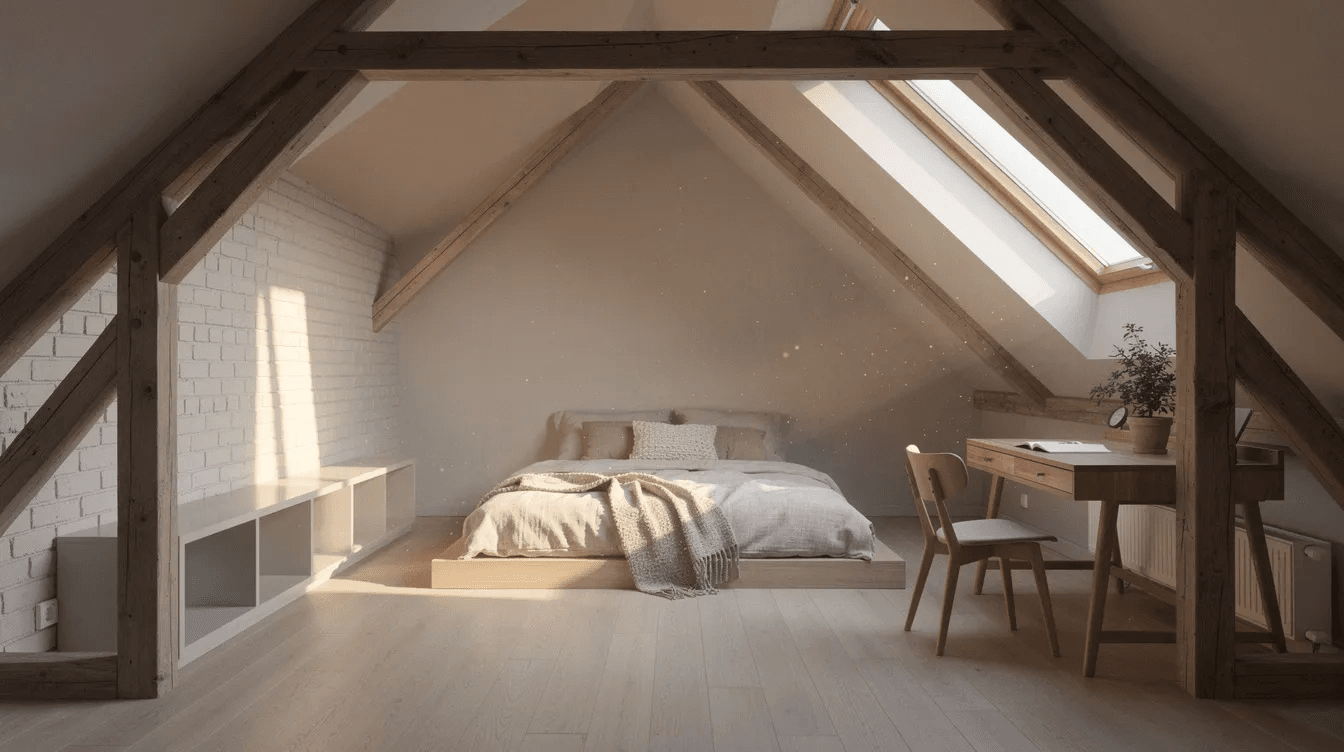
A frames gain 20–40% of their usable area from lofts, attics, and knee-wall zones. Make every inch count.
Transforming a loft into a functional bedroom:
- Use 12–18 inch platform beds under 5-foot ceilings
- Install wall-mounted sconces instead of 24-inch tall lamps
- Add floor cushions or a compact chaise instead of tall dressers
Built-in storage along low eaves—custom drawers or cabinets 10–14 inches deep—prevents clutter from spilling into central areas.
Functions for small lofts:
- Reading corner with a 2024-style boucle lounge chair
- Compact home office with an 18-inch depth wall-mounted desk
- Kids’ play area with easy-clean surfaces
Loft or under-eave spaces can also serve as unique display areas for artwork or decorative objects, making use of the distinctive architecture to showcase your favorite pieces while borrowing strategies from tiny house interiors that maximize every square foot.
For safety, install railings with 4-inch spaced black metal balusters at code-compliant 42-inch height, plus LED stair strips for night navigation. Attics in secondary wings can hide seasonal storage in labeled bins behind access doors.
Choose a Cohesive Style: Rustic, Scandinavian, or Japandi
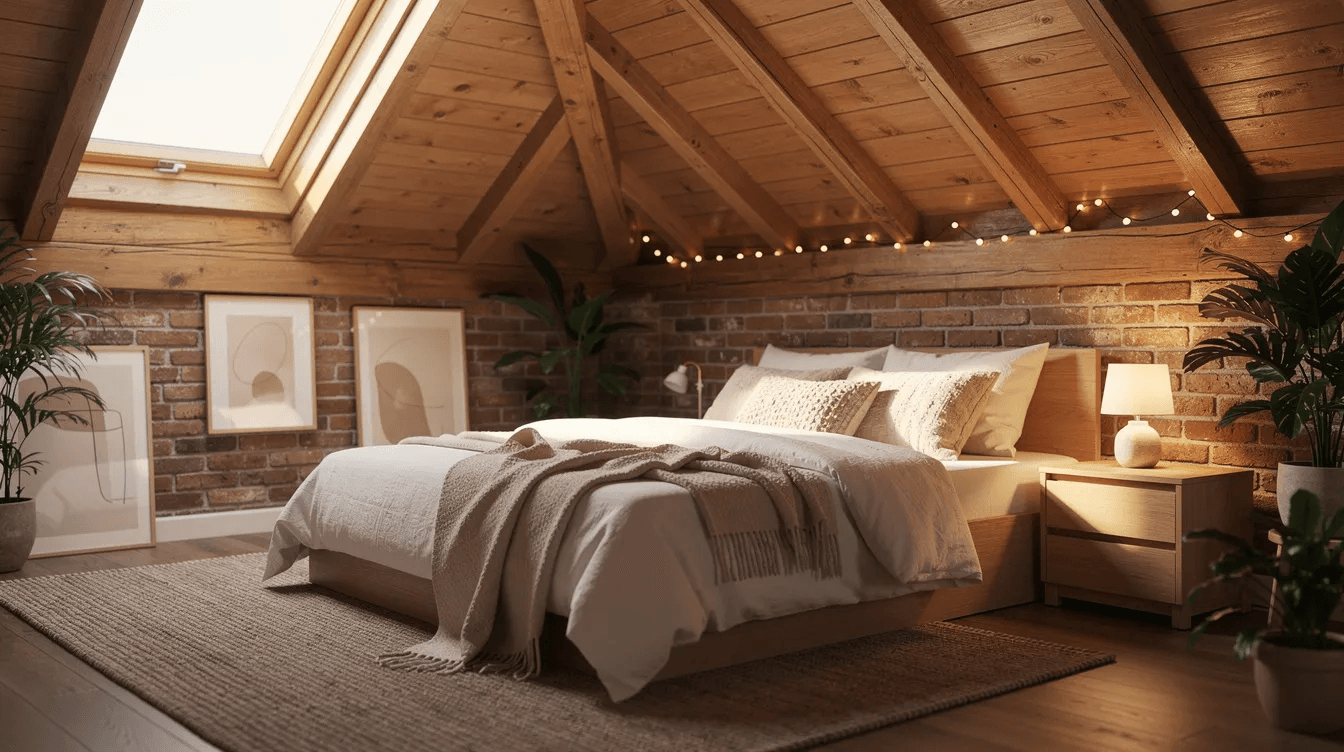
A frames look best when one dominant style carries across the entire open-plan interior. Visual consistency is everything.
Modern Rustic (popular since late 2010s): see also cozy log cabin interior ideas if you want your A-frame to feel like a classic woodland retreat.
- Exposed timber and stone fireplace as focal point
- Leather sofas and wool textiles
- Black metal accents throughout
Scandinavian-Inspired:
- Whitewashed walls and pale oak floors (40–50% light reflectance)
- Simple silhouettes with graphic black details
- Minimal decor with functional beauty
Japandi:
- Low 14–16 inch furniture
- Earth tones: sand (LRV 70+), clay (50+), moss (30+)
- Natural fibers like linen and jute for a calm retreat vibe
Whatever you choose, repeat materials relentlessly—same wood tone for beams, dining table, and stair treads. Limit accent colors to 2–3 hues like forest green and charcoal to avoid visual noise.
Color, Materials, and Texture That Suit A-Frame Architecture
A frames are all about lines and angles. Your finishes should enhance rather than compete with them.
Wood recommendations:
- Light to medium tones: oak (500–700 Janka hardness), ash, or pine
- Avoid dark stains that make the space feel cave-like
- Mix wood with black steel frames and soft boucle or wool upholstery
Statement walls that respect the shape:
- Paint the triangular end wall a deeper tone (LRV 30–40)
- Clad in vertical shiplap using 1×8 inch boards
- Add visual depth without overwhelming
Layer textures to add warmth: sheepskin throws, woven baskets, heavy-knit blankets, linen curtains. Stone or tile around the fireplace (12×24 inch slabs) should echo exterior materials, improving thermal mass by 15–20%.
Sustainable Design Options for Eco-Friendly A-Frame Living
If you’re dreaming of an a frame house that’s as gentle on the environment as it is beautiful, there are plenty of sustainable design options to consider. The very shape of an a frame home—with its soaring ceilings and large windows—naturally supports energy efficiency by maximizing natural light and encouraging passive ventilation. By orienting your house to capture the sun’s warmth in winter and shade in summer, you can reduce your reliance on artificial heating and cooling, making your living space more comfortable and eco-friendly year-round.
Choosing sustainable materials is another way to enhance the green credentials of your frame house interior. Reclaimed wood for beams and floors adds warmth and character while reducing environmental impact. Low-VOC paints and finishes help maintain healthy indoor air quality, and natural textiles like wool, jute, and linen bring a sense of organic comfort to your decor. Incorporating plants and other natural elements not only adds life and color but also improves air quality and reinforces the connection between your interior and the outdoors, especially if you’re inspired by Earthship-style sustainable tiny homes that blur the boundary between house and landscape.
For those looking to take their eco-friendly project even further, consider integrating features like solar panels, rainwater harvesting systems, or a green roof. These additions can significantly reduce your home’s carbon footprint and utility costs, while also enhancing the overall sense of sustainability in your living space. Large windows not only provide stunning views but also reduce the need for artificial lighting during the day, further lowering energy consumption.
By thoughtfully combining these sustainable design elements, you can create an a frame home that’s not only stylish and inviting but also a positive force for the environment—proving that contemporary comfort and eco-conscious living can go hand in hand, much like crafting an Amish tiny house that emphasizes craftsmanship, efficiency, and simplicity.
Bedrooms Under the Eaves: Beds, Closets, and Comfort
Bedrooms in a frames are often the trickiest to furnish. Sloping ceilings intrude at 4–5 feet in many cases.
Bed placement strategies:
- Choose platform beds with 8-inch risers
- Place headboard on the tallest wall or directly under the peak
- Avoid tall nightstands that get visually cut off
Closet solutions for slopes:
- Knee-wall wardrobes with sliding doors (24 inches wide)
- Under-bed drawers (12-inch depth)
- Hanging rods installed perpendicular to the slope
Add decorating touches for coziness: soft bedside sconces, textured 8×10 foot rugs over wood floor, and compact dressers positioned where ceiling height reaches at least 6 feet, layering in additional cozy bedroom ideas like warm lighting and extra textiles.
For kids’ room or guest room ideas, consider bunk beds built into the gable end (twin over full, 80 inches long) with wall-mounted reading lights and durable vinyl textiles, or lean into small cozy boho bedroom touches like layered throws and plants for a more relaxed vibe.
Smart Storage Solutions for Small A-Frame Footprints
Every square foot counts in most frame cabin interiors, especially those under 900–1,000 square feet, much like the best tiny homes that redefine small-space living.
Furniture that doubles as storage:
- Upholstered benches with lift seats (holding 100–200 lbs)
- Ottomans with hidden compartments
- Coffee tables with lower shelves
Vertical and built-in storage areas:
- Full-height bookcases (72–84 inches) on tall walls
- Custom built-ins along low walls
- Entry hooks and narrow shoe cabinets (12-inch depth)
Keep open shelving tidy with labeled baskets—visual clutter travels quickly through connected spaces. Crawl spaces and attics behind knee walls can be insulated to R-30 and finished lightly for seasonal gear, sports equipment, and holiday decor.
Furniture Scale and Placement for Triangular Rooms
Choosing the right scale of furnishings is one of the most important aspects of decorating an a frame interior.
Scale guidelines:
- Sofas with 28–32 inch backs (lower profile)
- Armless accent chairs that don’t crowd the space
- Credenzas and sideboards (30-inch high) instead of tall cabinets
Placement principles:
- Arrange larger pieces parallel to shorter walls or centered under the peak
- Use modular sectionals that reconfigure for odd corners
- Leave at least 36 inches of breathing room around groupings
Avoid tall, heavy cabinets along sloping walls—they’ll look awkward and waste space. A well-positioned couch and complementary chairs create a more inviting living area than oversized pieces that fight the architecture.
Light Fixtures, Lamps, and Layered Lighting
Lighting must work around angled ceilings and often limited junction boxes in older a frames.
Layered approach:
Type | Best Placement |
|---|---|
Slim pendants | Along the ridge, 12–18 inch drops |
Track lighting | Attached to beams |
Wall sconces | On vertical walls throughout |
Floor lamps | Under eaves where ceiling is too low (60-inch max height) |
Install dimmer switches set to warm 2700–3000K color temperatures to enhance cabin coziness at night. Consider lantern-style pendants or clusters over the dining table, under-cabinet LEDs in compact kitchens, and LED strips along stairs for safety. |
Bring the Outdoors In: Plants and Nature-Inspired Decor
A frames often sit surrounded by nature, so let your decor echo those surroundings, taking cues from top A-frame cabins used as nature retreats with big views and cozy finishes.
Indoor plants that work:
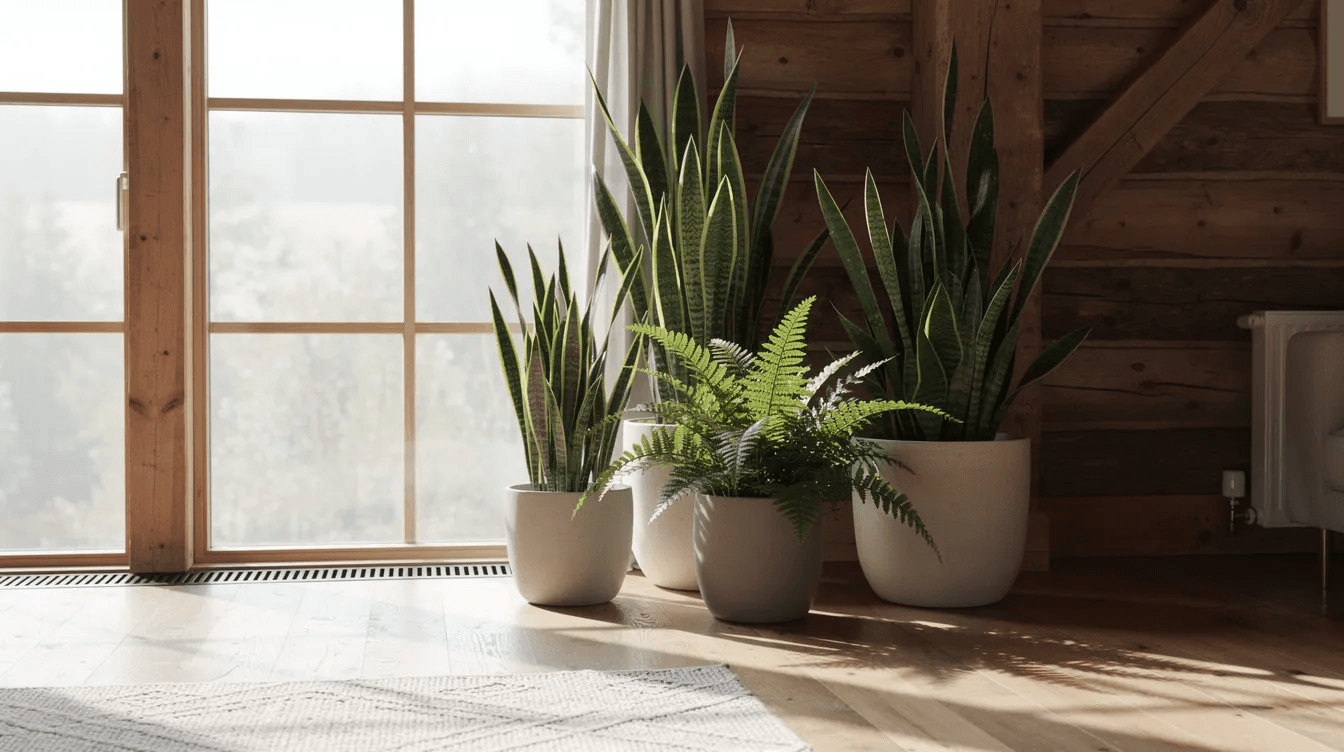
- Snake plants, pothos, and ferns on simple, low stands
- Positioned to not disrupt sightlines across the open space
Nature-inspired elements:
- Landscape art and photography
- Abstract topographical prints or vintage ski posters
- Organic materials: jute rugs, linen curtains, reclaimed wood table
Rotate seasonal decor to keep the space feeling alive—pine boughs and wool blankets in winter, lighter cotton textiles and wildflowers in summer. These elements complement the outdoor views visible through your large windows.
Modern A-Frame Interior Trends in 2024–2025
Current a frame interiors mix nostalgic cabin charm with clean-lined contemporary comfort.
Trending in 2024–2025:
- Japandi-inspired minimalism with muted simplicity
- Light wood cladding and colorful earth tones (terracotta, olive, sand)
- Built-in window seats with storage under large gable windows
Sustainable and smart upgrades:
- FSC-certified wood (reducing deforestation by 20%)
- Low-VOC paints (under 50g/L) for healthier indoor air
- App-controlled lighting and motorized shades (saving 15% energy)
If you’re updating a vintage cabin, swap outdated orange 1970s pine for engineered oak with water-resistant finishes and 25-year warranties. The impression should feel fresh without losing the soul of the original frame house.
Common Decorating Challenges in A-Frames (and How to Solve Them)
Even with the best planning, certain frustrations come with the territory.
No place for tall wardrobes? Use low wardrobes, garment racks, or custom built-ins tucked under slopes instead of standard armoires.
Tricky paint transitions? Choose one main neutral for most walls and ceilings. Add depth with 1–2 accent walls on vertical surfaces only. Test 24×36 inch swatches at different heights and times—light shifts dramatically in these spaces.
Full glass wall challenges? Position furniture 3 feet away from glass. Layer treatments: sheer panels for day, blackout options for night. Apply UV-filtering films to protect furnishings from fading.
Echo problems? Large rugs, upholstered furniture, lined curtains, and fabric wall art absorb 20–30% of sound. Add soft acoustic panels if needed.
Scenario: Your existing bedroom set won’t fit because of the slope? Keep the mattress and nightstands on one side, swap tall dressers for under-bed storage and a low console. This preserves function while working with—not against—your world of angles.
FAQ
How do I choose paint colors for an A-frame with an open floor plan?
Stick to one or two light neutrals—warm white (LRV 85+) and soft beige (LRV 60+)—applied continuously on both walls and sloped ceilings. Use deeper tones only on select vertical end walls or behind the fireplace to add depth without making the space feel chopped up. Test large swatches at different heights and throughout the day, as light angles shift dramatically in a frame interiors.
What kind of window treatments work on a full glass A-frame wall?
Ceiling-mounted tracks with floor-to-ceiling curtains in light natural fabrics work best—they can fully stack away during the day to maximize views. Layer sheer panels for daytime softness with blackout panels or cellular shades for night privacy and insulation. For very high or triangular windows near the roof peak, motorized shades are a practical investment.
Can I decorate an A-frame in a modern style without losing the cabin feel?
Absolutely. Keep the wood structure visible while simplifying furniture shapes and colors. Choose clean-lined sofas, simple cabinetry, and a restricted color palette, but retain warm materials like wood, wool, and leather. Maintain at least one traditional focal point—a fireplace or wood stove—to anchor your modern updates with cabin character.
How do I make a tiny A-frame (under 600 sq ft) feel livable year-round?
Prioritize multifunctional furniture: a sleeper sofa, drop-leaf table, and storage benches that adapt to guests and daily life. Build in storage everywhere—under-stair drawers, loft cabinets, wall-mounted desks—to keep floor space open. Consistent light colors, proper insulation, and layered lighting make small a frames feel cozy rather than cramped through every season.
Is it worth hiring an interior designer for an A-frame remodel?
The unusual geometry of a frames often benefits from professional space planning, especially for custom built-ins under slopes. A designer can help you avoid costly mistakes with oversized furniture, poor lighting placement, or blocked traffic flow—errors that might cost 20–30% more to fix later. Even a short consultation can provide a clear layout, cohesive materials palette, and prioritized project plan for your new home.