

Living in a tiny house means thinking differently about water. Every drop counts. A grey water system can help you reuse shower water, bathroom sink runoff, and even laundry water for irrigation. The result? Less water waste and a greener footprint.
This guide walks you through practical options for handling grey water in 2026. Whether you want a very simple system or a more complete setup, you’ll find what you need here.
Key Takeaways
- Grey water in a tiny house comes from your shower drain, bathroom sinks, and sometimes washing machines. It differs from black water (toilet waste) because it contains lower contamination levels and can be reused for irrigation. There are two main types of wastewater: black water, which comes from toilets, and greywater, which is the non-sewage waste water from sources like sinks, showers, and washing machines.
- Three solid options exist for handling tiny house grey water in 2026: direct irrigation with a branched drain system, a compact grey water septic with infiltration, or a portable water tank for mobile setups. Greywater systems can be used to divert water from sinks, showers, and washing machines for irrigation purposes, helping to minimize water waste.
- US states like California, Arizona, and New Mexico have expanded greywater allowances since the 2010s. EU countries follow stricter rules. Always check with local authorities before cutting a new kitchen sink drain or shower line.
- Kitchen sink water is often legally considered blackwater because of grease and food particles. Many tiny house owners only send bathroom grey water to the landscape to stay compliant and avoid clogs.
- A DIY branched drain system using PVC pipes and gravel can cost $150–$400 in materials. Portable tank setups work best for tiny house dwellers who move frequently.
- Understanding Grey Water in Tiny Houses
- Grey Water vs Septic System for a Tiny House
- Legal & Safety Basics for Greywater Systems
- Designing a Simple Grey Water System for a Tiny House
- Option 1: Direct Irrigation & Branched Drain Systems
- Option 2: Compact Grey Water Septic / Infiltration System
- Option 3: Portable Water Tank & Off-Site Disposal
- Tiny House Plumbing Details: Kitchen Sink, Shower Drain, and P Traps
- Off-Grid Considerations: Water Source, Storage, and Product Choices
- Maintenance, Winterizing, and Troubleshooting
- FAQ
- Can I send my kitchen sink water into my tiny house grey water system?
- Is it safe to use tiny house grey water on vegetables and herbs?
- How much does a basic tiny house grey water system cost in 2026?
- Can I convert my tiny house grey water system to full sewer or septic later?
- Does a tiny house grey water system work if I move the house frequently?
Understanding Grey Water in Tiny Houses
Grey water is gently used wastewater from non-toilet fixtures. Black water comes from toilets and contains fecal matter, making it hazardous. This distinction matters because greywater can be filtered and reused more easily than black water.
In a typical tiny house, grey water flows from the shower drain, bathroom sink, and sometimes a compact washing machine. Black water is considered more hazardous due to its higher levels of contamination. Many tiny house owners avoid black water plumbing entirely by installing a composting toilet like the Nature’s Head, which eliminates the need for sewage connections.
Greywater can contain soap, bacteria, hair, dirt, food, lint, and grease, but it is generally clean enough to be reused for irrigation and other non-potable applications. Your shower water carries shampoo residue, body wash, skin oils, and small amounts of dirt from the human body. Bathroom sink water contains hand soap and toothpaste residue. None of this makes greywater safe as drinking water, but it’s perfectly fine for trees and garden beds.
The kitchen sink drain is controversial. Food particles, grease, and harsh cleaning products often push kitchen water into the black water category under many building codes. Even if you call it grey water casually, local authorities may disagree.
A quick note on terminology: “grey water,” “gray water,” and “greywater system” all mean the same thing. You’ll see different spellings in plumbing codes and online resources. Don’t let that confuse you.
Grey Water vs Septic System for a Tiny House
A standalone grey water system focuses on reuse and simplicity. A full septic system handles all the water—including toilet waste—through a buried tank, settling solids, and a drain field. For tiny homes, specialized tiny house septic options can complement or replace greywater systems and full septic setups, with dedicated greywater systems typically running $500–$2,000 versus $10,000 or more.
Many rural properties already have a septic system sized for the main house. Adding a tiny house can strain that system, especially older 1990s installations capped at 150 gallons per day. EPA case studies show a 30% failure rate when existing septics get overloaded.
A grey water septic (or mini leach field) handles just the tiny house output. Picture two 55-gallon barrels connected with 3-inch PVC and a 10–20 foot leach line. This setup handles about 50–75 gallons daily from 1–2 occupants.
Why choose a dedicated greywater system over tying into septic?
- Avoids overloading the main tank
- Easier permits in some regions
- Better water reuse for your garden
That said, if you’re parked long-term on land with a modern, under-capacity septic, the simplest legal option might be a permitted tie-in. Check your local codes first.
Legal & Safety Basics for Greywater Systems
Greywater regulations changed significantly in the 2010s and 2020s. California’s 2022 Title 24 updates legalized simple systems. Arizona’s 2024 laundry-to-landscape exemption made branched drains even easier. New Mexico permits basic clothesline diverters. By 2026, roughly 18 US states plus Ontario have some greywater provisions.
Greywater regulations vary significantly by region, so it is essential to check with local authorities to understand the specific laws governing greywater systems in your area. Start with your city or county building department, environmental health department, or state plumbing code. This matters especially if your tiny house is on wheels but parked semi-permanently.
Common legal themes across jurisdictions:
- Grey water must stay underground or covered with mulch
- Set distance from property lines and wells (often 100 feet from wells, 5 feet from property lines)
- No use on vegetable crops where edible parts touch the soil
- In many local codes, greywater reuse is encouraged, especially for single-family installations, but regulations become stricter when blackwater is involved
Safety rules of thumb:
- It is recommended to avoid storing greywater for more than 24 hours to prevent nutrient breakdown and contamination
- Don’t let water pool on the surface
- Keep it away from kids, pets, and high-traffic areas
Climate matters too. Frost depth affects pipe burial. Heavy clay soil drains poorly. High groundwater tables may require pumps. Match your system design to your land.
Designing a Simple Grey Water System for a Tiny House
Small grey water systems for tiny houses usually stay gravity-fed. They rely on basic filtration and are sized for 1–2 people using 20–75 gallons per day. Greywater systems can be simple to construct and operate, often requiring only basic plumbing knowledge and materials like PVC pipes and gravel, especially when integrated into an overall step-by-step tiny house build.
Start your design by listing each grey water source:
Source | Typical Daily Volume |
|---|---|
Shower drain | 20–40 gallons |
Bathroom sink | 5–10 gallons |
Compact washer | 10–20 gallons per load |
Most designs intentionally separate the kitchen sink and toilet waste from the grey water line. Kitchen water goes to a black water holding tank or septic. Toilets get a composting system. |
Pipe sizing matters. Use 1½-inch ABS or PVC for sink lines. Use 2-inch for the shower drain and main grey water line. Slope pipes at about ¼-inch per foot away from the house. This prevents standing waste water in pipes.
Common methods for managing greywater include using a bucket to collect water, creating a branched drain system, or installing a surge tank to manage flow and filtration. A surge tank slows the flow, lets hair and heavier particles settle, and provides a cleaner outlet to irrigation.
Using a bucket to collect greywater from showers or sinks is one of the simplest methods for reusing water in a tiny home, allowing for direct watering of plants. Many tiny house dwellers start here before installing permanent systems.
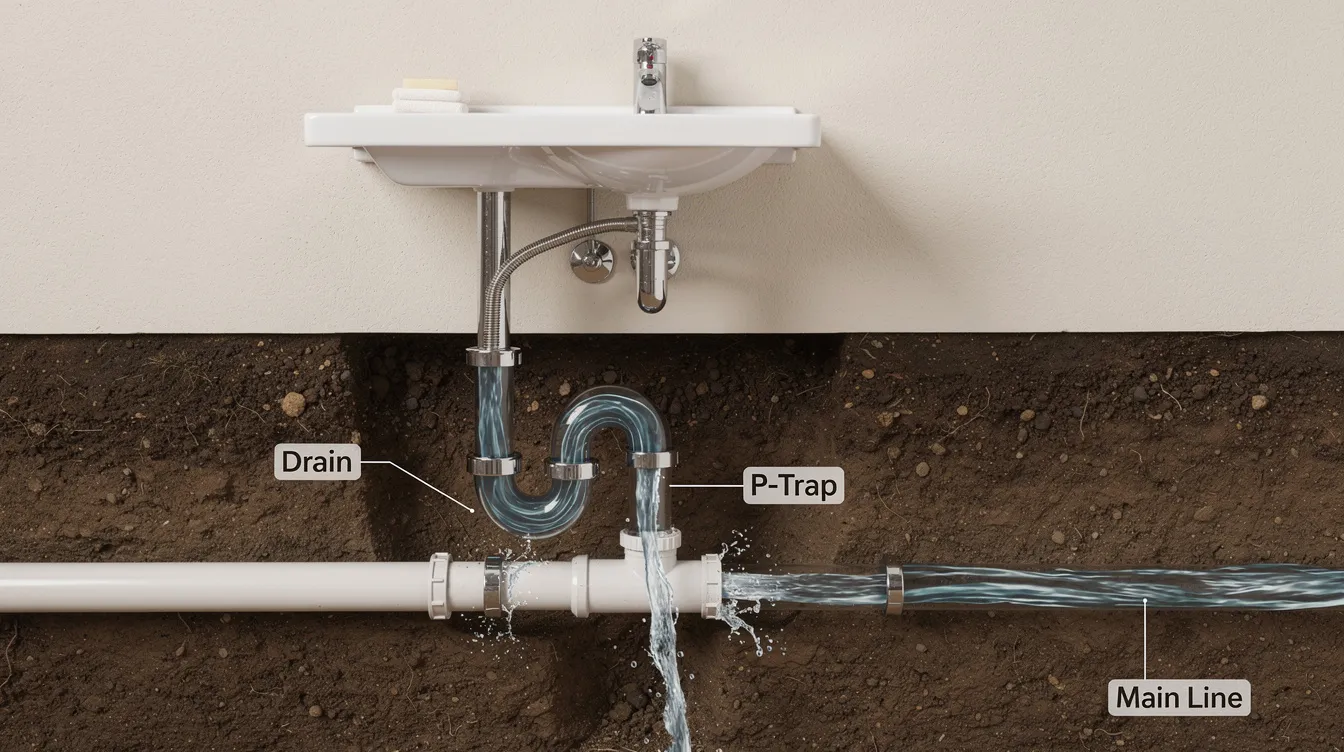
Every fixture still needs a proper p trap close to the drain. This blocks sewer or septic gases even if your water system never connects to mains water or a full sewer hookup.
Option 1: Direct Irrigation & Branched Drain Systems
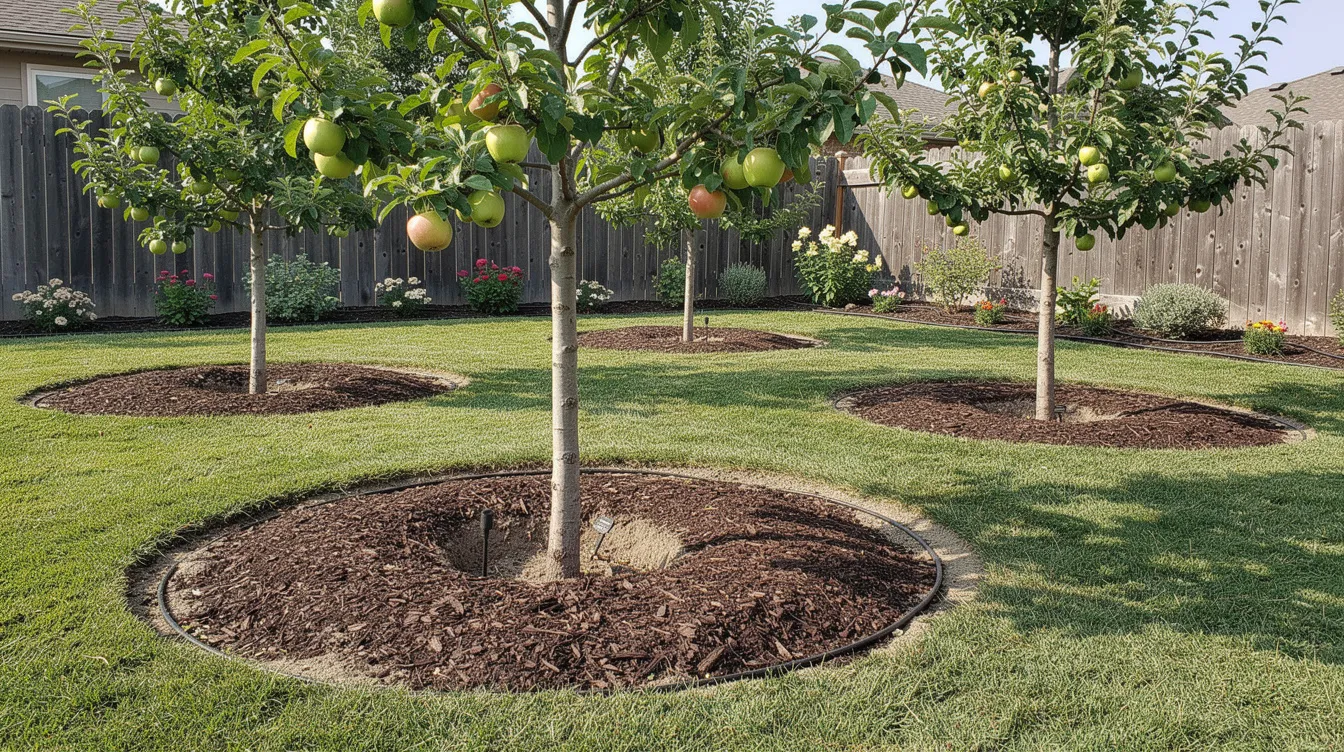
This is the simplest low-tech option for stationary tiny houses in mild climates. Gravity sends bathroom sink and shower grey water directly to trees or ornamental shrubs via shallow buried pipes, which can be combined with creative tiny garden ideas for small spaces to get the most from limited outdoor areas.
Simple greywater systems can be constructed by redirecting wastewater from sinks and showers directly to gardens, using methods like gravity-fed filtration or branched drain systems. A simple DIY greywater system can be created by redirecting wastewater from sinks and showers directly into a garden to water plants, minimizing water waste.
A basic branched drain system works like this:
- A main 2-inch ABS line exits the house
- Y-shaped splits create smaller branches
- Each branch terminates in a mulch basin around specific plants
Some areas may require the installation of a branched drain system to manage greywater effectively, allowing users to control the flow based on their needs. A branched drain system allows greywater to be distributed over a wider area, which can be beneficial for watering multiple plants or trees. A branched drain system can be installed to distribute greywater over a wider area, allowing it to irrigate multiple plants or garden beds effectively.
Outlets should sit just below the mulch layer. Never spray water on the surface. Use 1½-inch perforated pipe in a short gravel-filled trench—similar to french drains—to spread water evenly. Pack all the gravel tightly for proper dispersal.
Include a diversion valve near the tiny house. This manual or motorized valve switches flow between the greywater system and a sewer or septic connection when parked at a campground.
Design limits to keep in mind:
- Avoid heavy clay soils that drain poorly
- Skip steep slopes where water might emerge downslope
- Test soil with a perc test (1–5 min/inch is ideal)
Greywater can be reused for irrigation systems, allowing tiny house owners to minimize water waste while providing nutrients to plants.
Option 2: Compact Grey Water Septic / Infiltration System
This option works well for tiny houses on rural land where on-site infiltration is required but direct irrigation isn’t permitted or desired.
Here’s a concrete DIY design:
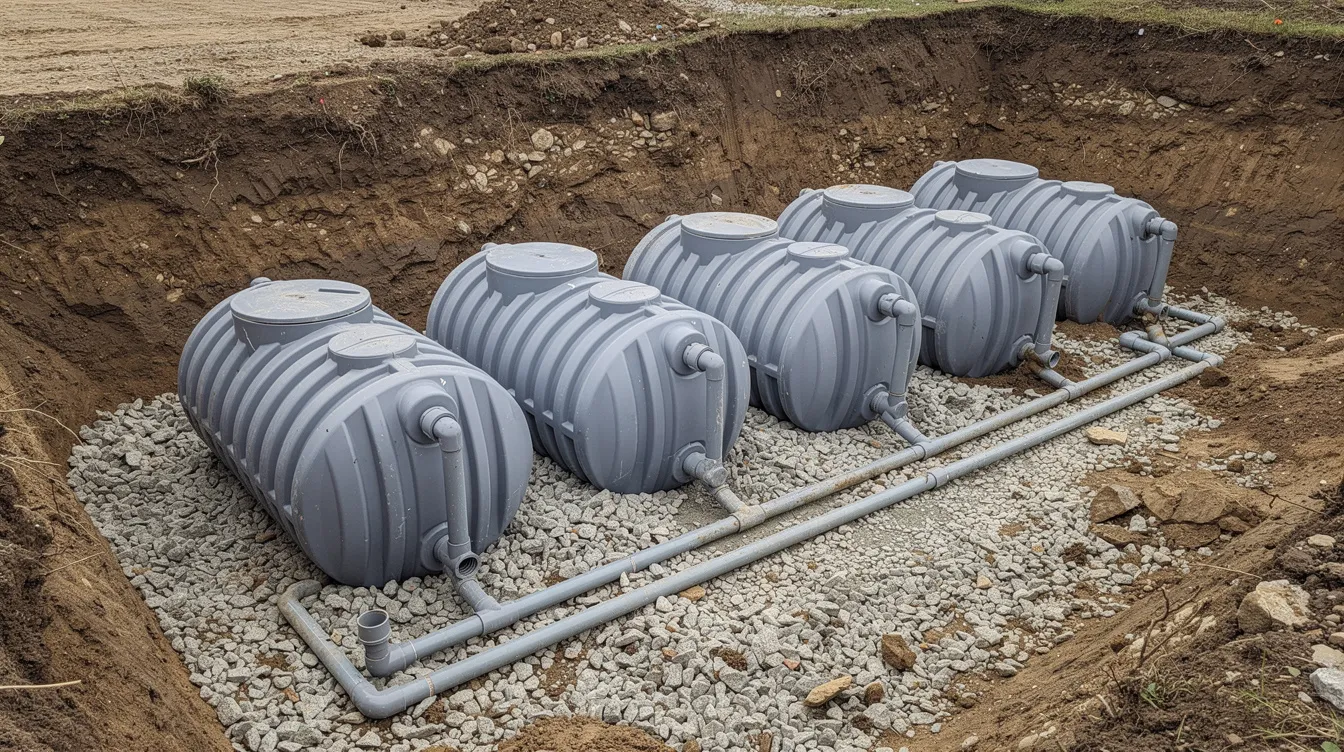
- Excavate a 7-foot × 4-foot × 5-foot pit
- Add 2 feet of drainage gravel at the base
- Place two 55-gallon plastic barrels connected with 3-inch PVC
- Run a 10–20 foot perforated leach line embedded in gravel
The plumbing path is straightforward. Grey water from the shower and bathroom sinks joins in a 2-inch pipe. Water flows into the first barrel near the top, exits low into the second barrel, then flows out to the leach line. The gravel acts as a natural filter, reducing contaminants before water enters the soil.
Oversizing is your best bet. Design for more daily flow than expected—say, 100 gallons per day capacity for a 50–60 gallon per day user. This reduces surface seepage and backups during wet seasons.
Siting guidelines:
- At least 20–30 feet downhill from the tiny house
- Away from wells and property lines
- Top of barrels accessible via inspection ports
This mini grey water septic should not handle kitchen sink or toilet waste unless fully engineered and permitted as a conventional septic system under local law.
Option 3: Portable Water Tank & Off-Site Disposal
This option is ideal for mobile tiny houses, seasonal parking spots, and locations with strict greywater rules where ground dispersal isn’t allowed, making it a good fit for many self-contained tiny homes designed for off-grid living.
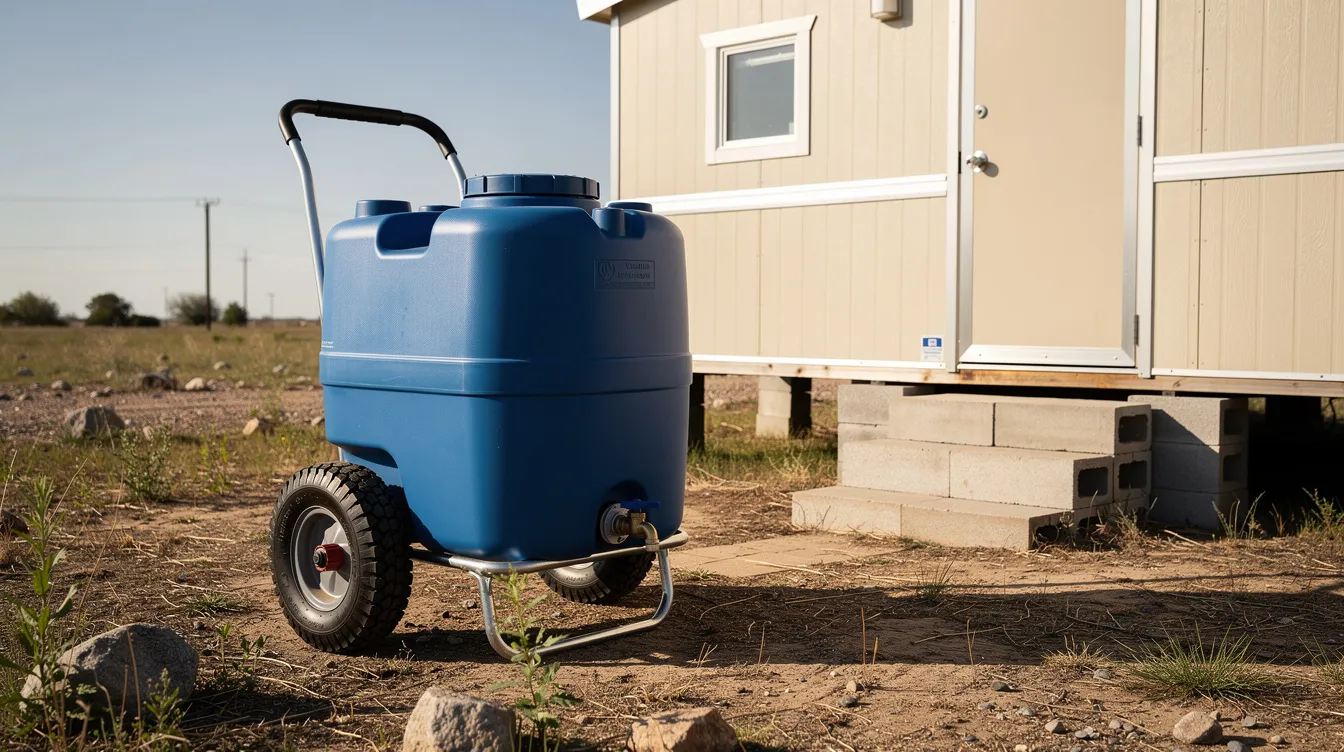
A realistic set up uses a wheeled portable water tank—typically 25–32 gallons—connected via flexible hose to the tiny house grey water outlet. A garden hose manifold can help manage connections. Store the tank on level ground near the trailer.
Under the kitchen sink and shower drain, install a removable section of 1½-inch or 2-inch ABS. Terminate it with a cam-lock or bayonet fitting. This allows quick attachment to the portable tank or a campground sewer hookup.
Practical guidance:
- Choose tank size based on daily grey water volume
- A couple showering every other day fills 25–30 gallons within a few days
- Plan dump trips to an RV dump station or approved facility
Handling and safety tips:
- Secure p trap water seals when moving the house
- Don’t tow with a full tank
- Transport and empty tanks following local wastewater regulations
This approach handles all the water without permanent infrastructure, perfect for tiny house owners who live off grid but move regularly.
Tiny House Plumbing Details: Kitchen Sink, Shower Drain, and P Traps
Even simple grey water systems depend on correct plumbing details. Get these wrong, and you’ll deal with clogs, odors, and code violations.
A standard kitchen sink layout uses 1½-inch ABS or PVC from the drain to a p trap. From there, water flows into a sanitary tee that connects to an air admittance valve (AAV). The AAV prevents siphoning and keeps odors out of your living space. Install one even if you plan to live off grid—you might connect to septic later.
The shower drain needs a 2-inch trap directly under the pan. Run a short vertical or horizontal 2-inch ABS section through the subfloor. Terminate about 3–4 inches below the trailer frame where external connections begin.
Critical p trap lessons:
- Each fixture needs its own properly vented trap
- Sharing traps between fixtures causes persistent sewer gas smells
- Water in the trap creates a seal against gases
Never rely on improvised loops of hose or water in flexible lines as a substitute for a real p trap. Hot water and movement will empty these makeshift seals within days, letting odors flood your space.
Off-Grid Considerations: Water Source, Storage, and Product Choices
Grey water systems connect to the bigger water picture in an off grid tiny house. You’re likely dealing with limited well yield, rainwater catchment, or small potable storage tanks, similar to many tiny house nature retreats that prioritize off-grid resilience.
Typical setups include a separate drinking water tank—usually 40–100 gallons—inside or under the trailer. Fill it from a well, rainwater system, or haul it in. Keep precious drinking water completely separate from any greywater system, even if you’re aiming for a highly automated tiny smart home with efficient water management.
Lower water use reduces greywater output:
- Low-flow showerheads (1.8 gpm or less)
- 1.0 gpm faucets
- Compact washers using 10–20 gallons per load
Less grey water means smaller infiltration areas and shorter branched drain lines. How much water you use directly impacts system sizing and can also influence which affordable tiny house designs and layouts make the most sense for your lifestyle.
When setting up a greywater system, it is important to use biodegradable soaps and cleaning products to prevent contamination of the water being reused. Choose biodegradable soap, biodegradable dish soap, and body wash with low salt and boron content. Brands like Oasis and Oaksey work well. Avoid bleach, heavy disinfectants, high-phosphate household cleaning products, and harsh cleaning products.
Test any new detergent on a small section of the landscape first. Some biodegradable household products still cause plant burn at higher concentrations. Baking soda makes an excellent cleaner water alternative for scrubbing without harming your system.
Maintenance, Winterizing, and Troubleshooting
Even simple systems need regular checks. A few minutes per month prevents clogs, odors, and soggy patches in your yard.
Basic maintenance tasks:
- Clean hair catchers in the shower weekly
- Inspect access points for sludge buildup monthly
- Flush branched drain lines with cleaner water quarterly
- Check p traps for proper water levels
For cold climates, winterizing is essential. Drain exposed lines before frost. Install valves to bypass the grey water system and send flow to a holding tank or septic system. Bury pipes below the frost line where possible—4–6 feet in Michigan, for example.
Common problems and symptoms:
Problem | Symptom | Solution |
|---|---|---|
Partial clog | Slow shower drain | Snake the line, use enzyme cleaner |
Dry p trap | Bad smells | Run water through fixture |
Undersized surge tank | Stagnant water odors | Upgrade tank size |
Saturated soil | Surface seepage | Extend leach line, add gravel |
The rest of your system maintenance follows the same pattern—regular inspection, quick fixes, and occasional upgrades. |
If persistent issues arise, consult a local plumber or greywater specialist familiar with your area’s soils and regulations. Adding more pipe blindly rarely solves the underlying problem, and it may be worth revisiting your overall layout by studying modern tiny house design ideas for better plumbing and utility planning.
FAQ
Can I send my kitchen sink water into my tiny house grey water system?
Many building codes classify kitchen sink discharge as black water. Grease, food particles, and harsher detergents attract pests and clog small greywater systems. Some rural owners combine kitchen and bathroom grey water informally, but this creates legal and maintenance risks.
A better alternative: keep the kitchen sink on a separate line leading to a septic tie-in, black water tank, or a higher-treatment system designed for greasy wastewater. Check local rules before including any kitchen water.
Is it safe to use tiny house grey water on vegetables and herbs?
Most public health guidelines advise against using greywater directly on edible plants where water touches leaves or fruits eaten raw. Low-growing vegetables are especially risky.
Use grey water primarily for trees, shrubs, and ornamental beds. Reserve potable or well water for garden beds with leafy greens and root crops. If local rules allow subsurface drip systems under mulch for perennial edibles, confirm with your local health department first, and look at how great example tiny homes integrate outdoor spaces when planning your planting zones.
How much does a basic tiny house grey water system cost in 2026?
A very simple branched drain or french drain system runs roughly $150–$400 in pipes, valves, gravel, and fittings if you dig yourself. A more involved compact grey water septic with barrels and a leach line costs $400–$1,200 in materials.
Budget extra for code-required components: venting, backflow prevention, or inspection ports. Labor significantly increases totals if you hire a plumber or excavation contractor.
Can I convert my tiny house grey water system to full sewer or septic later?
Yes—especially if you planned for it from day one. Each fixture needs a standard p trap, proper venting (AAVs or vent stacks), and an accessible main drain connection under the trailer.
Design your outlet with a removable section and standard RV-style termination adapter. This connects either to greywater dispersal or a sewer hose at an RV park. Adding toilet or kitchen lines later triggers stricter septic codes, so get any conversion permitted through local authority.
Does a tiny house grey water system work if I move the house frequently?
Fully buried branched drain or mini leach field systems are site-built. They can’t travel with you.
Frequently mobile tiny houses work best with flexible hoses, proper p traps, and portable water tanks or RV-style sewer hookups. If you return to the same pad seasonally, design a quick-connect system: a fixed greywater field in the ground with a capped inlet that your tiny house attaches to when parked. This reduces your carbon footprint while maintaining mobility.