The tiny house movement has grown from a fringe curiosity into a legitimate housing option. But is tiny house living actually worth it? The honest answer: it depends entirely on your priorities, your tolerance for less space, and your local zoning laws. For some people, living in a tiny home unlocks financial freedom and a simpler life. For others, it becomes a cramped regret within months.
This guide breaks down the real tiny house cost, lifestyle trade-offs, and who should—and shouldn’t—consider this path in 2026.
Key Takeaways
- Tiny house living is worth it for people who prioritize lower housing costs, a minimalist lifestyle, and flexibility over space and resale value. It’s usually a lifestyle choice, not a classic financial investment.
- The average cost of a tiny house ranges from $30,000 to $75,000, with some builds costing as little as $10,000 and others exceeding $180,000 depending on luxury and customization. However, land, utilities, and permits can easily double your total tiny house cost.
- Tiny homes shine for those wanting eco friendly options—they use about 7% of the energy that a traditional home uses, producing only 2,000 pounds of CO2 annually compared to a standard home that produces 10.97 metric tons.
- Tiny homes on wheels depreciate like vehicles, not appreciate like traditional houses. Most tiny home owners should not expect to build equity unless they own the land beneath.
- Success with living tiny depends heavily on local laws, your tolerance for significantly less space, and willingness to handle quirks like composting toilets and constant organization.
- What Counts as a Tiny House in 2026?
- Tiny House Cost in 2026: What You Really Pay
- Pros of Living in a Tiny House: When It’s Truly Worth It
- Cons of Tiny House Living: When It’s a Bad Idea
- Finances and Resale: Are Tiny Homes a Smart Investment?
- Who Tiny House Living Really Works For (and Who It Doesn’t)
- How to Decide if a Tiny Home Is Worth It for You
- FAQ
- Is it legal to live full-time in a tiny house where I live?
- Can I realistically raise kids in a tiny home?
- How long do tiny homes last compared to regular houses?
- Do tiny homes actually save money after you include land and utilities?
- What’s the difference between a tiny house and a small house or studio apartment?
What Counts as a Tiny House in 2026?
A tiny house is a fully functional home under 600 square feet. Most popular models fall between 200 and 400 square feet. The average tiny home sits around 225 square feet—roughly 10 times smaller than the average american house.
The key distinction is between a tiny home on wheels (THOW) and a tiny house on a permanent foundation. THOWs are built on trailer frames and can be moved. Foundation-based tiny homes are treated more like traditional structures under building codes. This matters for zoning, financing, and resale.
Typical layout features:
- Loft sleeping areas accessed by stairs or ladders
- Combined living and dining space
- Galley kitchen with limited counter space
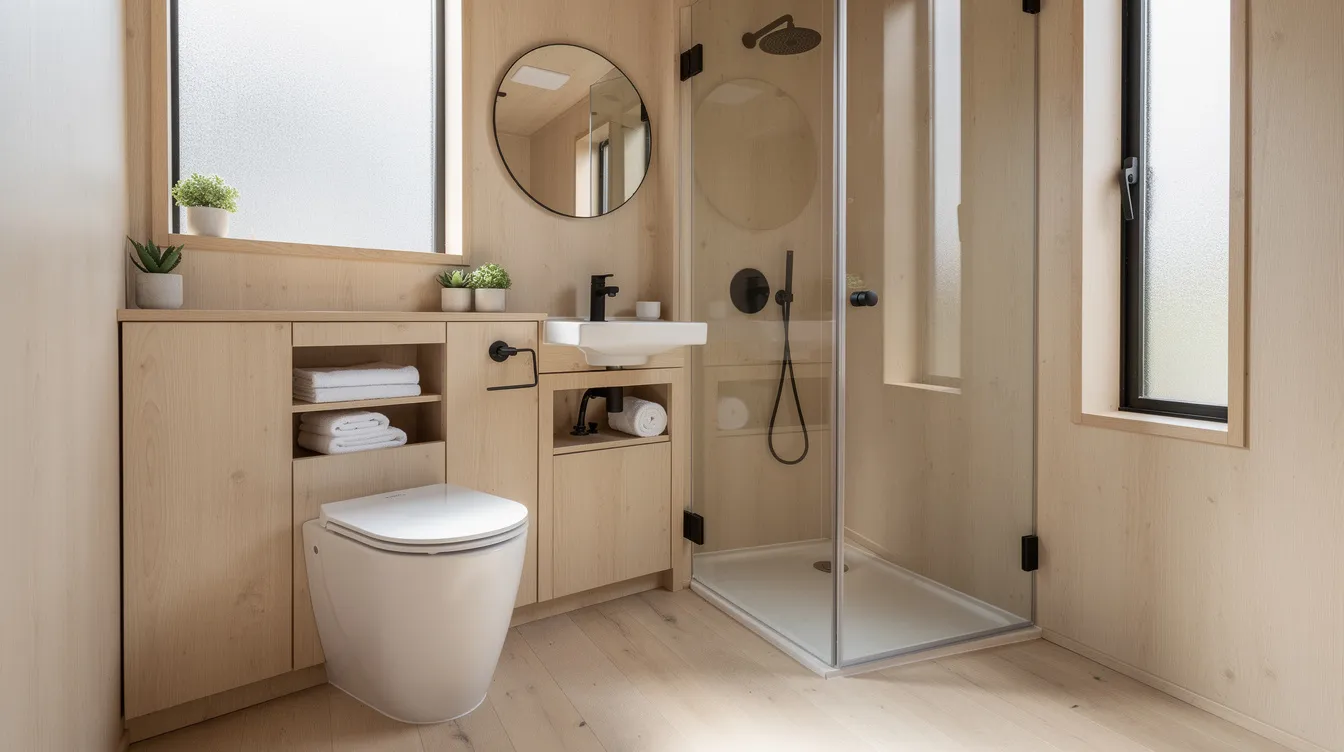
- Compact bathroom (often 5×7 feet)
- Built-in storage throughout
Size examples:
- 24-foot trailer tiny home: approximately 260 square feet
- 32-foot model: around 350 square feet
Unlike RVs or camper vans, tiny homes are designed for full-time living with better insulation, build quality, and floor plan optimization. They’re meant to be permanent dwellings, just smaller.
Tiny House Cost in 2026: What You Really Pay
Here’s the reality on tiny house cost in 2026—and why using a dedicated tiny home cost calculator is essential for building a realistic budget:
Build Type | Price Range |
|---|---|
DIY shells | Under $20,000 |
Mid-range builds | $50,000–$80,000 |
Luxury custom builds | $150,000+ |
The median price of a tiny home is around $45,000 compared to over $392,450 for a full-size home. That sounds like a great deal—until you add everything else. |
Total project costs often include:
- Land purchase or lease: $20,000–$150,000+
- Site prep and parking pad: $5,000–$30,000
- Utility hookups: $5,000–$50,000
- Permits and inspections: $1,000–$10,000
- Towing vehicle (if needed): $30,000–$60,000
These additions can easily double your base build cost.
Monthly housing costs comparison:
Expense | Tiny Home | Traditional Home |
|---|---|---|
Mortgage/Rent | $300–$800 (paid off) | $2,000–$3,000 |
Utilities | $50–$150 | $150–$300 |
Insurance | $50–$200 | $100–$300 |
The cost per square foot is higher than standard homes. But overall housing costs run 70–75% lower in practice. That’s where the savings appear. |
Budget items many tiny house owners forget: delivery fees, composting toilet systems ($1,500–$3,000), off-grid solar ($10,000–$30,000), propane setup, and storage unit rental for overflow belongings.
Pros of Living in a Tiny House: When It’s Truly Worth It
The benefits of tiny house living are real—but they’re driven by lifestyle and values, not investment returns.
Lower housing costs and faster debt payoff: Living in a tiny house can drastically reduce your cost of living, allowing homeowners to save money that can be redirected towards travel, investments, or experiences. Saving $500–$1,000 monthly on housing accelerates debt freedom by years. Instead of a $2,000 mortgage, many owners pay around $500 for total monthly housing costs.
Minimalist lifestyle by design: Living in a tiny home encourages a minimalist lifestyle, as the limited space forces residents to downsize their belongings and focus on what truly matters in life. No room for impulse purchases. Every item earns its place.
Eco friendly advantages: If you’re drawn to minimalist tiny houses for sustainable living, these eco benefits are often a primary motivation.
- Tiny homes use about 7% of the energy that a traditional home uses
- Most tiny homes use 80% less water than conventional homes
- On average, people who downsized into a tiny home consumed over 54% less than the average american
Mobility and flexibility: THOWs let you move states, follow seasonal work, or park near family. It’s not as simple as TV shows suggest, but it’s far easier than selling a big house.
Connection to nature: Many tiny home owners report feeling a greater connection to nature, as the smaller living space often leads to increased outdoor activity and engagement with the environment. When your indoor space is limited, you spend more free time outside.
Daily Life Upsides: Comfort in Less Space
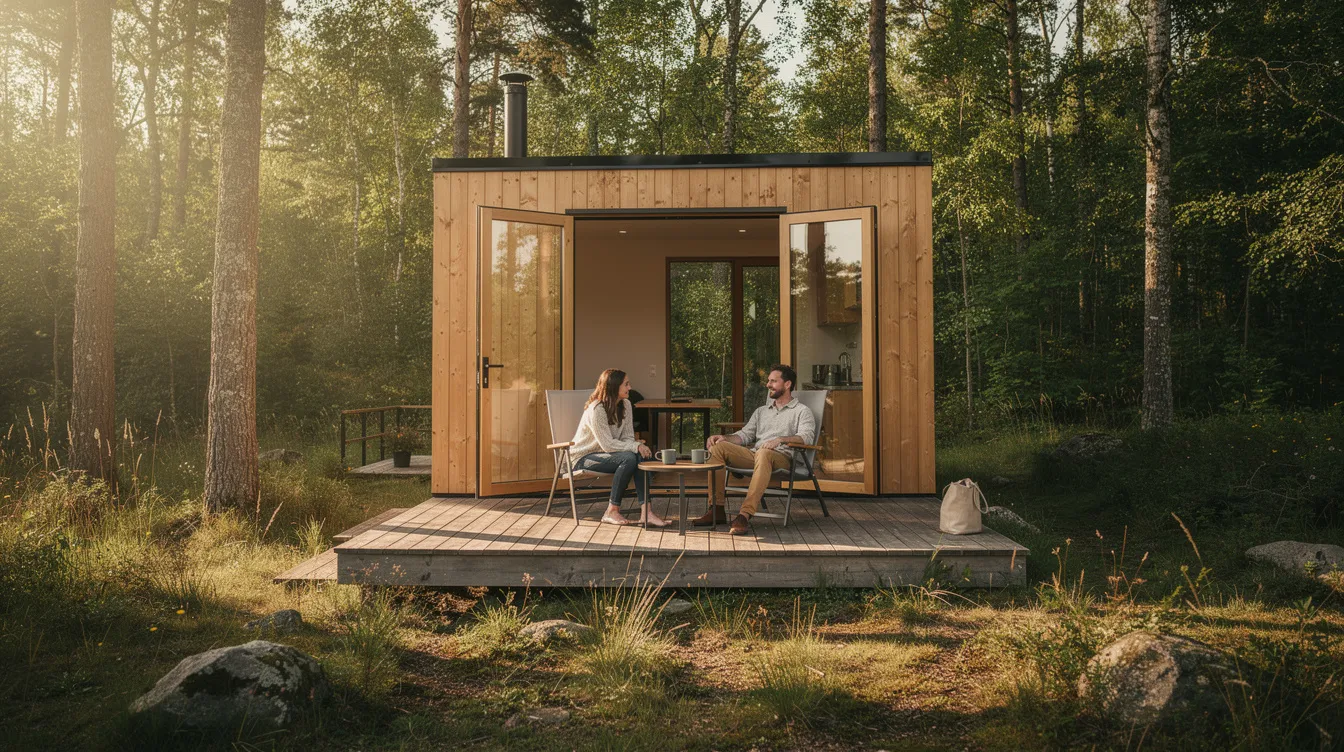
Modern tiny homes can be surprisingly comfortable when well designed, and many elegant tiny homes that redefine modern living show how high-quality materials and smart layouts boost comfort.
Practical comforts that fit:
- Compact washer/dryer combo
- Two-burner induction cooktop
- Under-counter refrigerator
- Walk-in showers or small bathtubs
Good design makes a small space feel larger. Big windows, high ceilings, and light colors reduce any claustrophobic feeling, and exploring the world of tiny houses for inspiration and resources can help you visualize what’s possible. How much space you need is often less than you think.
Tiny homes typically require less maintenance and cleaning time, allowing residents to spend more time on leisure activities and personal interests instead of household chores. One couple living in a 280 square foot tiny home cleans their entire living space in 30 minutes.
Cons of Tiny House Living: When It’s a Bad Idea
Here’s the honest truth: tiny homes are often romanticized. The novelty wears off. For many people, long-term living tiny is a bad idea.
Zoning and legal challenges: The legal status of tiny houses can be complicated, as they often fall into a gray area of zoning regulations, making it difficult to find legal places to park or live in them. Many cities treat tiny homes as RVs with time limits. Others enforce minimum square footage requirements. Local zoning varies wildly.
Space trade-offs: Even though there are great tiny homes that redefine small space living, you still have to accept real compromises in day-to-day space and storage.
- Living in a tiny house means significantly less storage space, making it challenging to store food, belongings, and accommodate guests, which can lead to clutter if items are not organized properly
- Hosting friends becomes difficult
- Home-based businesses with equipment rarely fit
- Families with kids face relationship strain from constant proximity
Cooking challenges: Tiny house cooking can be difficult due to limited counter space and smaller appliances, often resulting in more frequent trips to the grocery store and reliance on takeout.
Privacy issues: Sharing 200–300 square feet creates friction. Noise, conflicting schedules, and lack of separate rooms test relationships. Not everyone thrives in constant togetherness.
Day-to-day friction: Constant tidying. Rotating wardrobes by season. Strict systems for laundry, recycling, and groceries. Living in a tiny requires ongoing management that some find exhausting.
Who should avoid tiny living:
- People who value personal space highly
- Those with large pets or gear-intensive hobbies
- Remote workers needing dedicated workspace
- Anyone uncomfortable with regulatory uncertainty
Legal, Parking, and Utility Headaches
Regulatory hurdles can make or break your tiny house plan.
Zoning classifications matter: Some cities classify tiny homes as RVs (with 30–90 day stay limits). Others allow them only as accessory dwelling units on permanent foundations. Some ban them entirely through minimum dwelling size requirements.
Parking challenges: Finding reliable long-term parking with hookups is harder than expected, which is why many people experiment first with tiny house nature retreats before committing. Options include:
- Tiny house communities ($500–$1,500/month lease)
- Private land arrangements (requires negotiation)
- RV parks (often prohibit permanent residence)
Utility choices:
- City sewer vs. septic system
- Traditional electric vs. off-grid solar
- Municipal water vs. well
- Standard plumbing vs. composting toilet
Each choice affects cost, legality, and daily life. Research local laws before committing any money.
The Composting Toilet and Other Tiny House Quirks
Bathroom setups shock many people new to tiny living.
How a composting toilet works:
- Separates solid and liquid waste
- Uses bulking materials (sawdust, coconut coir) to aid decomposition
- Requires proper ventilation to control odors
- When maintained correctly, odor is minimal
Maintenance expectations:
- Empty solid waste containers monthly to quarterly
- Manage liquid waste through greywater systems or separate disposal
- Guests need instructions (creates social friction)
- Neglected systems become problematic quickly
Alternatives include:
- Incinerating toilets (higher operating cost)
- RV cassette systems (requires dump station access)
- Traditional flush to septic (requires septic installation)
The eco friendly benefit is real—composting toilets save water and reduce septic strain. Pairing them with tiny smart home features for efficient living can further streamline daily routines, but the lifestyle adjustment is just something many people underestimate.
Finances and Resale: Are Tiny Homes a Smart Investment?
Let’s be clear: whether you’re looking at a tiny house for sale and wondering if it’s for you or planning a custom build, tiny homes are usually a lifestyle purchase and cost-control tool, not a wealth-building real estate investment.
Depreciation reality: Tiny homes built on wheels depreciate in value similarly to RVs, making them a less stable investment compared to traditional homes. Unlike conventional homes that often appreciate 3–4% annually, most tiny homes lose value over time.
Resale challenges:
- Tiny homes generally do not appreciate in value over time, and many owners find that they lose money when selling their tiny homes
- The resale value of tiny homes is often lower than that of traditional homes, primarily due to the limited market and specific buyer requirements
- Small buyer pool limits options
- Highly customized layouts may not appeal to others
- Financing used tiny homes is difficult for buyers
Ways to protect value: Choosing custom tiny homes designed for your lifestyle can help protect long-term livability and appeal.
- Choose popular sizes and layouts
- Build on a permanent foundation where ADUs are legal
- Use quality materials and certified builders
- Maintain meticulously
When tiny homes are financially smart:
- As a paid-off starter home while saving for something larger
- As a rental unit on owned land
- As a way to avoid high urban housing costs
- For strategic debt payoff during a specific life phase
The whole point isn’t building equity. It’s financial freedom through lower monthly costs.
Financing, Insurance, and Ongoing Housing Costs
Financing tiny homes is more complex than a standard 30-year mortgage.
Common financing routes:
- Personal loan (8–15% interest)
- RV loans for THOWs (6–12% interest, 5–10 year terms)
- Construction loans (short-term, higher rates)
- Occasional local ADU programs
Interest rates and terms are usually less favorable than conventional mortgages. This partially offsets the low cost advantage.
Insurance classification:
- THOWs often need RV or manufactured home insurance
- Foundation-based tiny homes may qualify for homeowner’s insurance
- Expect $50–$200 monthly for coverage
Ongoing housing costs: | Item | Monthly Cost | |——|————-| | Land lease or property tax | $200–$1,500 | | Utilities | $50–$150 | | Insurance | $50–$200 | | Maintenance | Varies | | Storage unit (if needed) | $50–$200 |
Who Tiny House Living Really Works For (and Who It Doesn’t)
Tiny houses are ideal for specific lifestyles rather than a universal housing solution.
Living tiny often works for:
- Single professionals with minimal belongings
- Remote workers with compact gear
- Retired couples cutting housing costs
- Eco conscious people prioritizing small footprints
- Those seeking geographic flexibility
Good use cases:
- Seasonal living near national parks
- Backyard tiny homes as accessory dwelling units for aging parents
- Student-debt-burdened millennials wanting to own homes without 30-year mortgages
- People between life stages needing flexibility
Usually a bad idea for:
- Fast-growing families needing enough room for kids
- People with space-intensive hobbies or businesses
- Those requiring wheelchair accessibility
- Anyone uncomfortable with parking and regulatory uncertainty
Consider a trial run: Rent a tiny home or stay in one for several weeks before committing. Test your tolerance for less space and the daily routines required to live comfortably.
“Worth it” depends on priorities. If minimizing housing costs and embracing a minimalist lifestyle matter more than space or resale value, tiny homes can be a strong fit.

How to Decide if a Tiny Home Is Worth It for You
Use this as a decision checklist before moving forward.
Create a realistic budget: Include full project costs—build, land, utilities, furnishings, towing, permits. Compare against renting or buying a small traditional home in your area. Does living small actually make sense financially?
Audit your belongings: Can you realistically downsize to what fits? Try living in one or two rooms with a limited wardrobe for a month. The test reveals more than any article can.
Research local regulations: Check local zoning codes, minimum dwelling sizes, and ADU regulations before spending money on plans or deposits. Call the planning office directly.
Think through life scenarios: Consider five and ten years ahead. Kids? Remote work changes? Aging parents? Health issues? Does a tiny space fit those futures?
Practical tips for deciding: Browsing the best tiny house designs for modern living can clarify what layouts and features actually fit your needs.
- Visit existing lots and tiny house communities
- Talk to current tiny house owners about daily friction
- Calculate how much you’d save monthly and what you’d do with it
- Be honest about your need for personal space
The takeaway: Tiny house living is worth it if it clearly supports your financial, environmental, and lifestyle goals more than realistic alternatives in your area. For some people, it changes everything. For others, it’s just something that sounds better in theory than practice.
The choice is yours.
FAQ
Is it legal to live full-time in a tiny house where I live?
Legality varies widely by city, county, and state. Some places allow tiny homes as accessory dwelling units on foundations but not as primary residences on wheels. Others treat them like RVs with time limits on how long you can park in one spot. Your next steps: call the local planning office, search municipal codes for “minimum dwelling size” and “ADU,” and ask specifically about tiny house ordinances. Don’t assume legality—verify it before spending money.
Can I realistically raise kids in a tiny home?
Some families successfully raise children in tiny homes, but it demands strict routines, outdoor access, and comfort with very little private space. Consider children’s ages, local climate for outdoor play, nearby community resources, and schooling needs. Families might test tiny living through extended stays or start with a small but not ultra-tiny house (600–800 square feet) to see how the plan works in practice.
How long do tiny homes last compared to regular houses?
Lifespan depends heavily on build quality, materials, and maintenance. Well-built tiny homes can last several decades, similar to small cabins. However, tiny homes on wheels face extra wear from road travel, UV exposure, and moisture—they need more frequent repairs and vigilance against leaks. Prioritize proper insulation, ventilation, quality roofing, and trailer construction to extend your tiny home’s life.
Do tiny homes actually save money after you include land and utilities?
Many owners do save significantly, but actual savings depend on land prices, hookup costs, and what you’re comparing against. Run numbers for at least five years of ownership including all expected expenses. Compare against realistic alternatives in the same area—not just national averages. Factor in opportunity costs too: money freed up for debt payoff, investing, or travel when housing costs drop can compound meaningfully over time.
What’s the difference between a tiny house and a small house or studio apartment?
Tiny houses are usually under 600 square feet and stand alone—on wheels or foundation. Small houses and studio apartments can be larger and typically exist within traditional housing stock using standard city utilities. Tiny homes emphasize off-grid options, composting toilets, and radical downsizing. Some people get most financial and minimalist benefits by choosing a modest regular home or apartment instead of going fully tiny. It’s not everyone’s ideal path, but it’s worth considering whether a small home meets your goals without the regulatory complexity.