Imagine waking up in a cozy frame cabin nestled among pines, sunlight streaming through floor-to-ceiling glass. Kit homes a frame style have captivated builders and dreamers alike, offering everything from minimalist tiny house retreats to spacious family lodges.
An a frame kit home arrives as prefabricated structural components—pre-cut framing, panels, or SIPs—shipped to your site for fast assembly. These structures range from compact 200–400 square foot cabins to expansive 1,500–2,000+ square foot family homes with multiple bedrooms and lofts.
The core benefits make them compelling: distinctive design that stands out, simplified building processes, predictable cost structures, and accessibility for DIY-minded owners seeking craftsmanship without complexity.
- Introduction to Kit Homes
- History and Evolution of A Frame Homes
- Why Choose an A-Frame Kit Home?
- Types of A-Frame Kit Homes
- Cost of A-Frame Kit Homes
- Financing and Funding Options
- Shipping and Delivery Considerations
- Design Features of Modern A-Frame Kit Homes
- Performance: Strength, Efficiency, and Sustainability
- Insulation and Climate Control
- Plumbing and Electrical Systems
- Common Uses for A-Frame Kit Homes
- Planning, Permits, and Site Preparation
- DIY vs. Hiring a Builder for an A-Frame Kit
- How to Choose the Right A-Frame Kit Home
- Conclusion: Bringing Your A-Frame Kit Home to Life
Introduction to Kit Homes
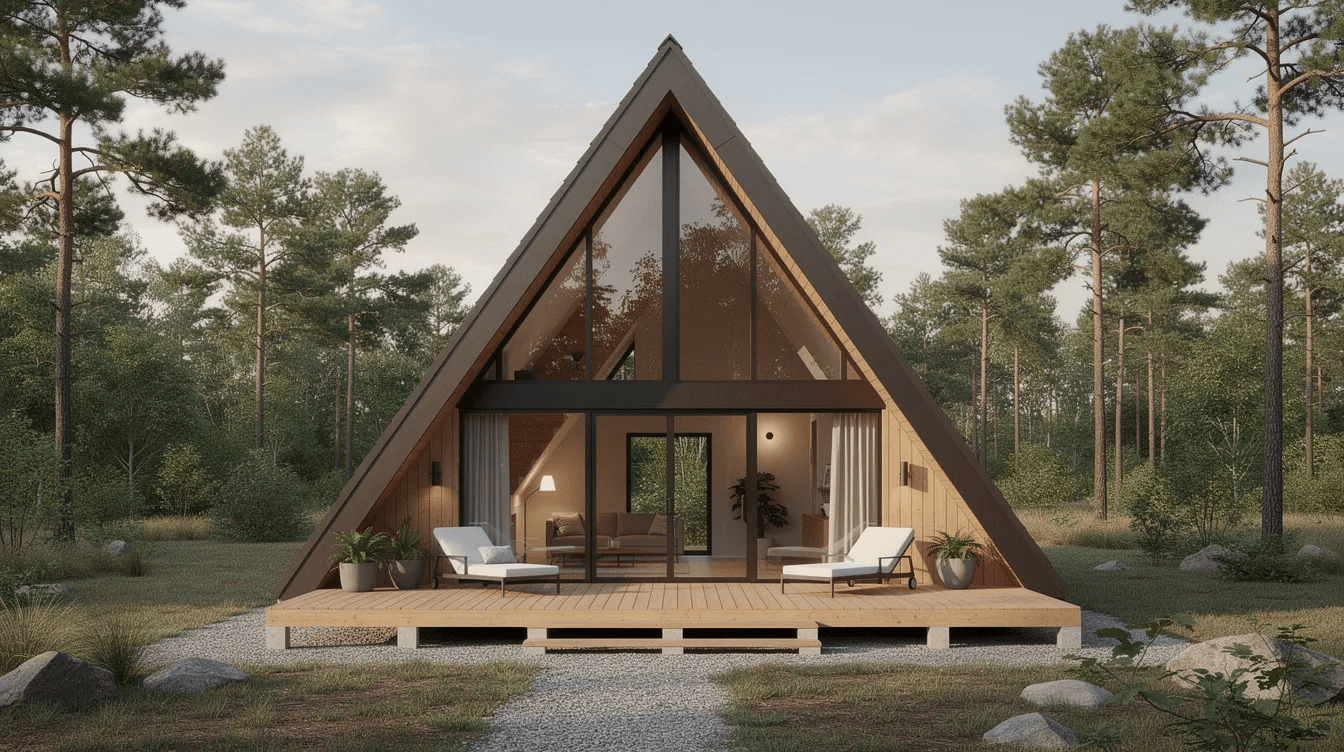
Kit homes are redefining the way people approach building their dream home, offering a streamlined path to creating a comfortable and stylish living space. Whether you’re envisioning a cozy vacation home tucked away in nature or a spacious primary residence for your family, kit homes provide a flexible solution that adapts to your needs. These homes arrive as pre-engineered kits, allowing you to select from a variety of designs and layouts that suit your lifestyle and preferences.
One of the standout benefits of kit homes is their focus on quality and efficiency. Modern building materials and techniques ensure that each structure is crafted for durability, safety, and energy efficiency. This means you can enjoy a home that not only looks great but also performs well in terms of comfort and cost savings. The ability to personalize your kit—choosing finishes, layouts, and features—makes it easy to create a living space that truly feels like your own.
From tiny houses perfect for minimalist living to expansive structures designed for entertaining, kit homes offer a wide range of options. Their efficient design and construction process help keep costs manageable, making the dream of homeownership more accessible than ever. Whether you’re building a retreat from city life or your forever home, kit homes combine innovative materials, thoughtful design, and reliable craftsmanship to bring your vision to life.
History and Evolution of A Frame Homes
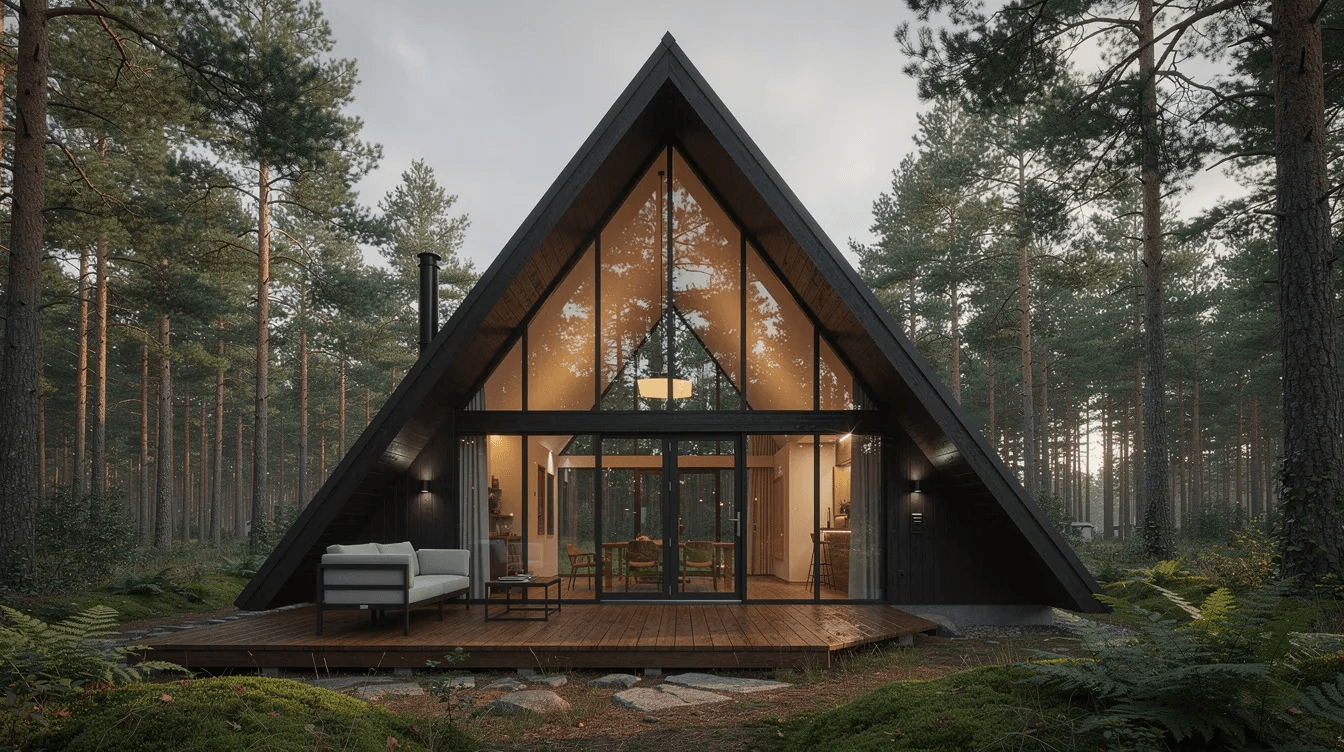
The story of the A frame home begins in the mid-20th century, when architects and builders sought an affordable, accessible way to create vacation homes that blended seamlessly with their natural surroundings. The hallmark of this style—the steeply pitched roof—was originally designed to shed snow and rain efficiently, making these homes ideal for mountain and forest settings.
As the decades passed, the A frame evolved from a simple frame cabin into a symbol of modern design. Advances in materials and construction methods allowed for larger windows, open-plan living areas, and innovative layouts that maximize natural light and create a strong connection to the outdoors. Today’s A frame homes combine the timeless appeal of their iconic silhouette with contemporary touches, offering a unique blend of comfort, efficiency, and style.
Homeowners are drawn to the A frame not just for its distinctive look, but for the way it fosters a sense of retreat and relaxation. The design’s emphasis on open living spaces and panoramic views makes it easy to feel at home in nature, while modern insulation and efficient building techniques ensure year-round comfort. Whether you’re dreaming of a rustic getaway or a sleek, modern residence, the A frame continues to captivate with its blend of tradition, innovation, and enduring charm.
Why Choose an A-Frame Kit Home?
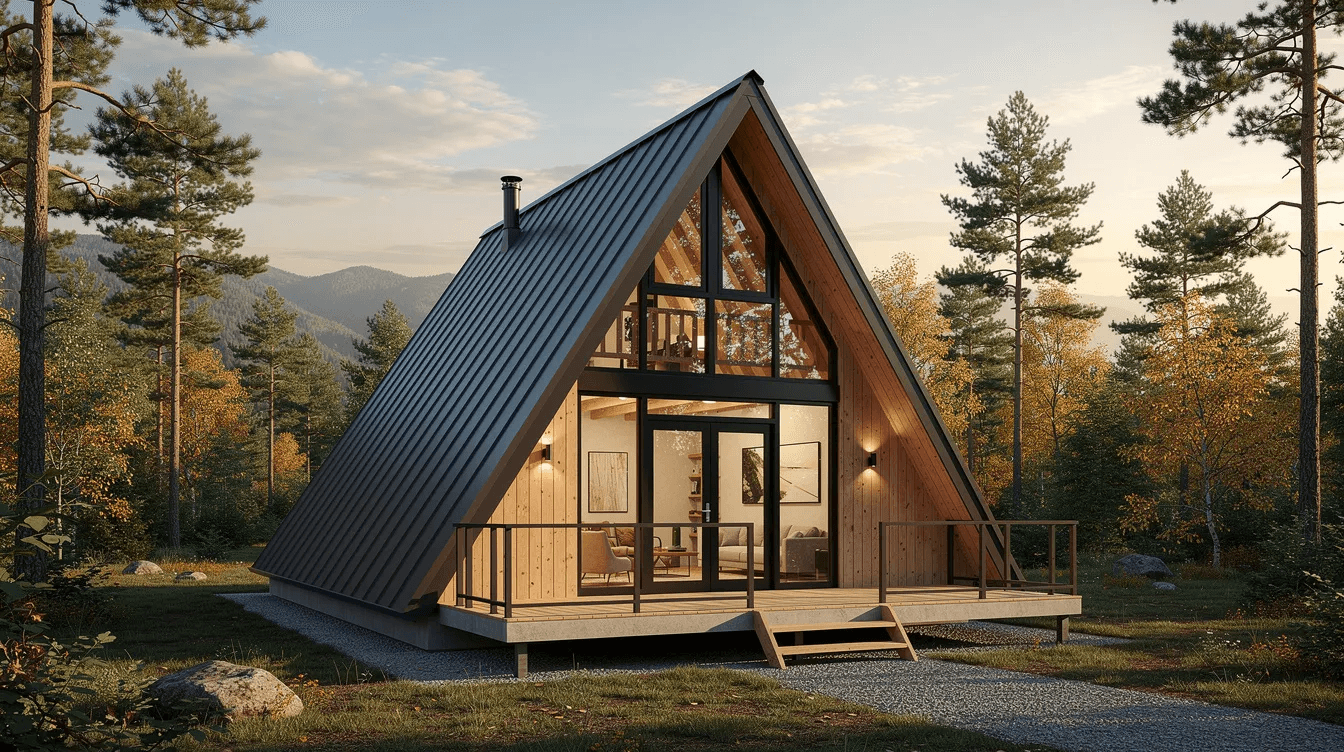
Since around 2020, a frame homes have surged in popularity for primary residence builds, vacation home properties, and short-term rentals. Remote work trends and the desire to live closer to nature combined with social media’s influence on cabin aesthetics have driven this resurgence.
Key advantages include:
- Iconic triangular profile that creates immediate visual appeal
- Steeply pitched roof shedding snow, rain, and debris effortlessly
- Efficient building envelope minimizing heat loss
- Strong wind resistance through aerodynamic shaping
- Big glass walls, lofts, and open plans fostering connection to forests and lakesides
Engineered kit plans reduce design guesswork and make planning and permitting easier, often cutting timelines by 30–50% versus custom builds. For rural landowners and investors, these designs deliver Airbnb-ready structures with speed and efficiency.
Types of A-Frame Kit Homes
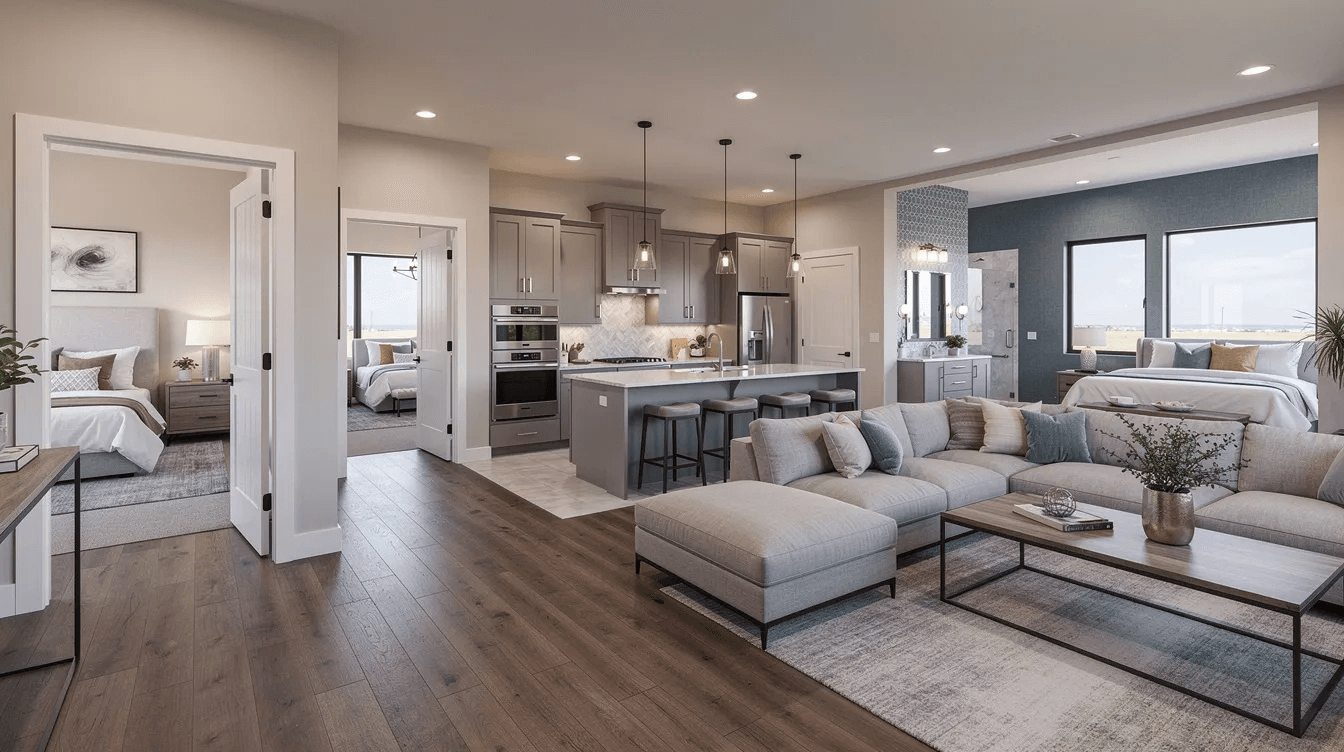
A-frame kits come in several size categories and layouts to match your needs, similar to many cute tiny house designs for your dream home:
- Small kits (200–500 sq.ft.): Perfect for weekend cabins, backyard studios, or off-grid shelters with basic sleeping lofts
- Mid-sized kits (600–1,200 sq.ft.): Common 1–2 bedroom layouts with a loft, suited for couples or small families seeking comfortable living space
- Large kits (1,300–2,000+ sq.ft.): Multiple bedrooms, primary suites, larger kitchens and living area configurations
The steep roofline creates usable loft space without complex framing. Many kits include options for integrated decks, covered porch additions, and dormers that add headroom to upper levels.
Cost of A-Frame Kit Homes
The kit price represents only 20–40% of total project expenses. Pricing varies significantly by size, finishes, and site conditions.
Realistic 2024–2026 price ranges, comparable to many affordable tiny house designs and builds:
- Small shell kits: $25,000–$40,000
- Complete mid-to-large kits: $60,000–$150,000+
- All-in costs: approximately $200–$400+ per square foot
Shell-only kits cover structure and exterior envelope. Complete kits add windows, doors, and basic interiors. Budget components beyond the kit include foundation ($10,000–$30,000), utilities, permits, and labor.
Plan your budget early with 10–15% contingency for surprises like rocky soil or code upgrades. This approach keeps your dream home affordable and achievable.
Financing and Funding Options
Building your dream home is a significant investment, but a variety of financing and funding options can make the process more accessible, especially when comparing kit providers like Home Depot tiny house kits. Traditional mortgages are available for many kit homes, especially when they are intended as a primary residence. For those building a vacation home or a unique structure, specialized loans tailored to kit homes can provide the flexibility you need.
Many kit home builders and manufacturers partner with financial institutions to offer in-house financing or connect you with lenders experienced in this type of project. These options can simplify the process, helping you secure the funds necessary to bring your vision to life. It’s important to compare interest rates, repayment terms, and eligibility requirements to find the best fit for your situation.
By exploring all available financing avenues, you can take confident steps toward making your dream of owning a kit home a reality. Careful planning and research ensure that your new home is not only beautiful and efficient but also financially attainable.
Shipping and Delivery Considerations
Shipping logistics significantly influence both budget and build timeline.
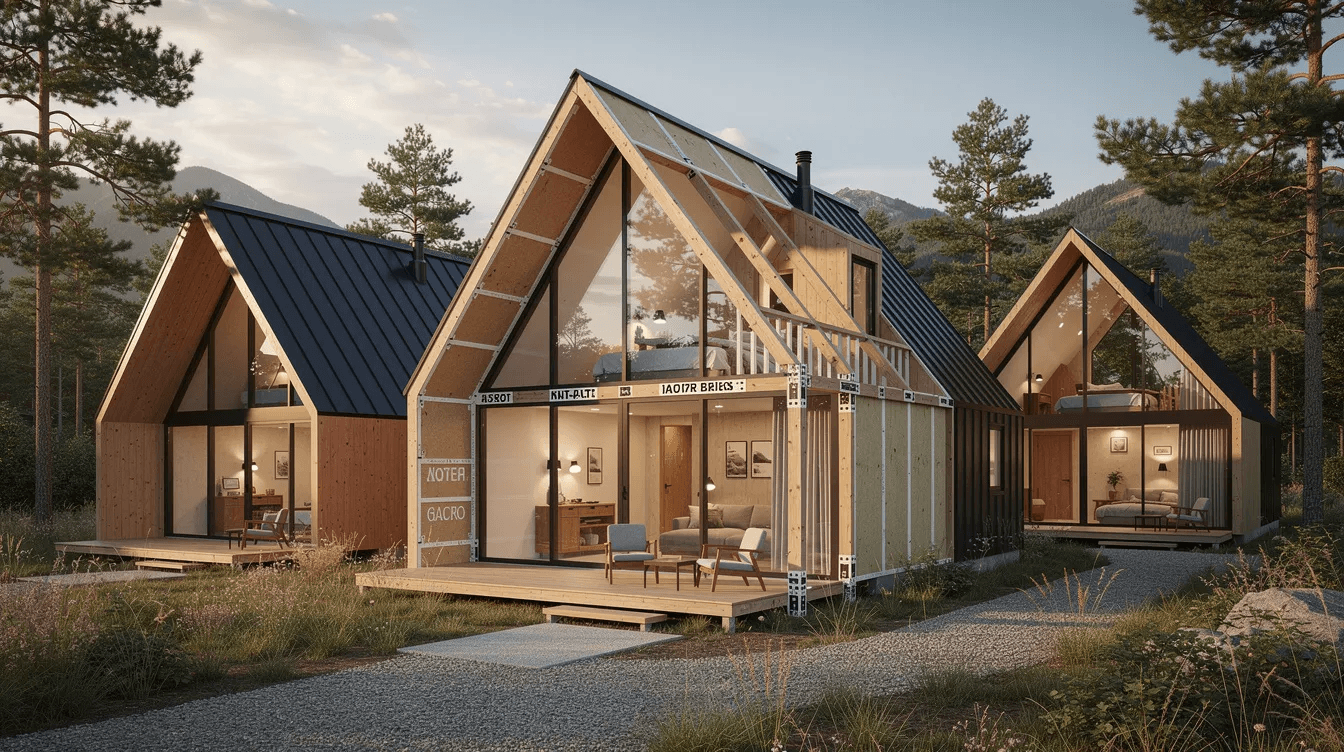
- Kits arrive as flat-packed panels, SIPs, or pre-cut framing on flatbed trucks
- Shipping costs depend on kit weight, truck count, and distance from factory
- Rural sites may face challenges: narrow access roads, steep driveways, soft ground
- Cranes or telehandlers sometimes needed for panel placement ($1,500–$5,000/day)
Confirm what’s included in quoted shipping—curbside drop-off versus on-site staging makes a significant cost difference.
Design Features of Modern A-Frame Kit Homes
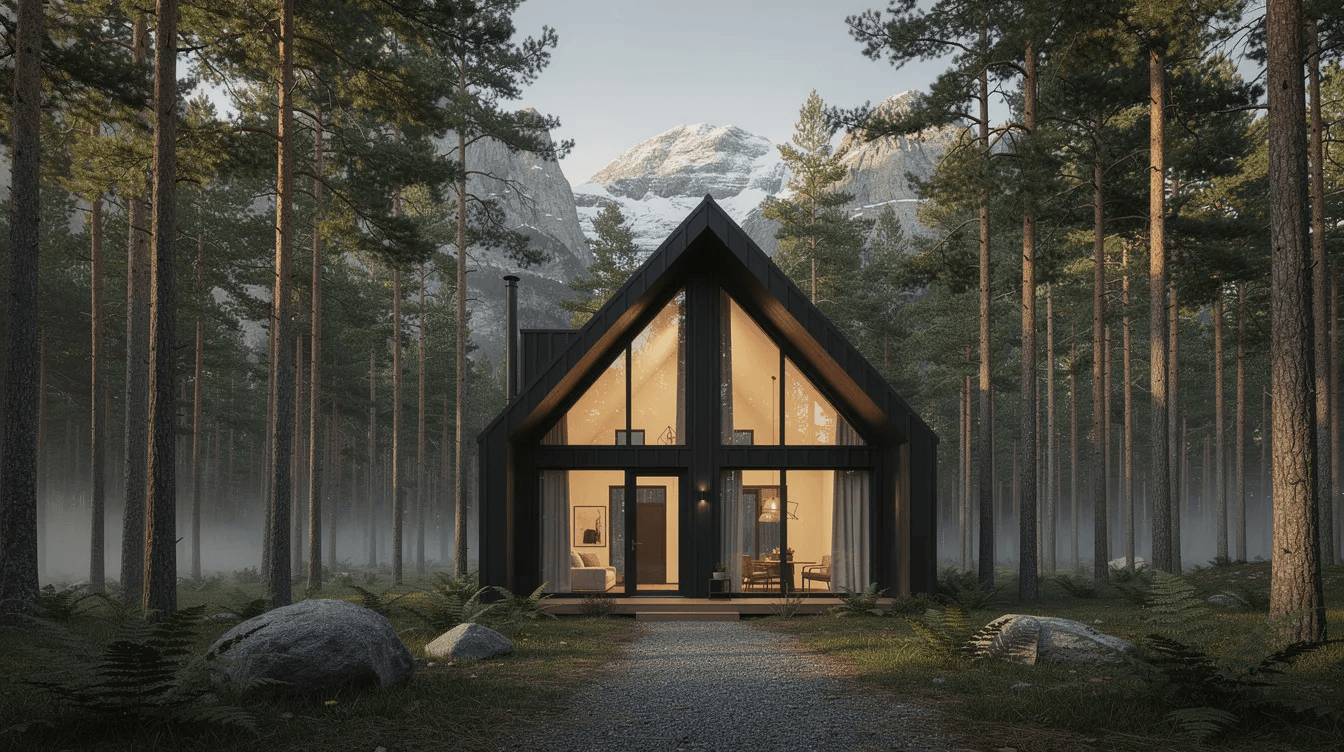
Contemporary a frame kits balance the classic triangular style with modern materials and open interiors that captivate visitors.
Exterior features include steep roof angles (45–60 degrees), standing-seam metal roofing, and durable siding options like fiber cement or thermally modified timber. The exterior creates safe, weather-resistant structures built for decades of use.
Interior characteristics:
- Vaulted ceilings with exposed beams
- Open-plan living and kitchen areas
- Lofts overlooking the main space
- Full-height window walls maximizing natural light
Modern kits integrate smart-home wiring and energy-efficient lighting, making compact floor areas feel spacious through vertical drama and views.
Performance: Strength, Efficiency, and Sustainability
Beyond aesthetics, a frame kits deliver durability and efficiency that experts recommend for challenging climates.
- Triangular geometry sheds snow loads (100+ psf capacity), resists wind, and enables flexible layouts
- SIP envelopes achieve R-30+ insulation, reducing heating needs 25–40%
- Factory-cut materials reduce onsite waste by 50% compared to traditional homes
- Solar integration and FSC-certified lumber support sustainability goals
Check engineering ratings for your climate zone—snow loads, wind speeds, and seismic requirements vary by region.
Insulation and Climate Control
A comfortable living space starts with effective insulation and climate control, and kit homes are designed with these priorities in mind. Advanced insulation materials, such as structural insulated panels (SIPs), are commonly used to create an efficient building envelope that minimizes heat loss and keeps energy costs low. These materials help maintain a consistent indoor temperature, ensuring your home stays cozy in winter and cool in summer.
Modern kit homes often include state-of-the-art climate control systems, such as energy-efficient HVAC units, to further enhance comfort. Thoughtful design and quality materials work together to create a living space that feels just right, no matter the season. By prioritizing insulation and climate control, kit homes deliver both efficiency and comfort, making your home a welcoming retreat year-round.
Plumbing and Electrical Systems
Reliable plumbing and electrical systems are essential for any home, and kit homes are no exception. Careful planning during the building process ensures that your living space is both safe and efficient. Many kit home packages include pre-installed or pre-routed plumbing and electrical components, making it easier to connect to utilities and streamline the construction timeline.
Innovative solutions, such as solar-powered electrical systems or rainwater harvesting, can be integrated to reduce environmental impact and increase self-sufficiency. All systems are designed to meet or exceed building codes, providing peace of mind and long-term reliability. By focusing on quality installation and efficient design, kit homes offer a safe, comfortable, and convenient living environment, allowing you to enjoy your new space with confidence.
Common Uses for A-Frame Kit Homes
A-frame kits serve diverse purposes with quality construction, and self-sufficient setups can resemble self contained tiny homes for modern off-grid living:
- Full-time residence for couples or downsized retirement living
- Multi-season vacation home near ski resorts or national parks
- Short-term rental generating income (example: 750 sq.ft. wooded a frame netting 8–10% ROI)
- Artist studio, remote work retreat, or wellness cabin
- Hunting basecamp on challenging terrain
Compact footprints make a frames feasible on forested or sloped lots where traditional homes falter, similar to adaptable yurt prefab options for outdoor adventures.
Planning, Permits, and Site Preparation
Early contact with local officials saves time and money on every build.
- Verify zoning and secure building permits, and research local specialists such as top tiny house builders in New York
- Complete site survey and soil testing for foundation design
- Plan access for trucks and equipment staging
- Confirm kit plans are engineered for your state’s requirements
- Build timeline: 1–3 months ordering/permitting, 2–4 weeks foundation, 1–3 weeks shell erection
DIY vs. Hiring a Builder for an A-Frame Kit
DIY construction appeals to hands-on owners, while hiring pros ensures speed and code compliance.
DIY-friendly means: pre-cut components, clear manuals, labeled parts—but basic carpentry skills required. DIY suits small cabins and experienced customer-builders with time to dedicate, especially those considering custom tiny homes for small-space living.
Hire a contractor for larger homes, complex sites, or strict inspection requirements, or consult specialists similar to top micro house builders for modern living. Hybrid approaches work well: pros erect the shell while owners handle interior finishes, crafted to their specifications.
How to Choose the Right A-Frame Kit Home
The best kit matches your site, budget, and long-term use—not simply the lowest price.
- Assess bedroom, bathroom, and workspace needs
- Align design with climate: insulation levels, wind ratings, window orientation
- Review detailed inclusions lists for what’s included and excluded
- Compare lead times, engineering support, and customer service
- Consider future flexibility for decks or additions
Conclusion: Bringing Your A-Frame Kit Home to Life
A-frame kit homes offer a realistic path to owning a distinctive, efficient home or cabin. With clear costs, faster builds, and flexibility from family retreats to rental income, the experience rewards thoughtful planning.
Move from research to action: refine your wish list, set a budget, and start conversations with suppliers and builders. By late 2026, you could be making memories in your own a frame dream home.