

Arkansas is quietly becoming a haven for tiny house living.
The movement has grown steadily since 2015, driven by rising housing costs in Northwest Arkansas and a desire for simplicity. Living in a tiny home promotes a simplified lifestyle, allowing individuals to focus on what truly matters and reduce distractions from material possessions, much like the trend of little houses in Texas for tiny living.
And the best part? You don’t have to go it alone.
Tiny house communities in Arkansas offer something special: a place to park your dwellings, access to shared amenities, and neighbors who share your love for minimalist life.
What makes a great tiny house community? It comes down to several factors:
- Location and accessibility
- Quality amenities and infrastructure
- Clear regulations and zoning compliance
- Strong community culture
- Affordable lot fees and utilities
Tiny homes can lead to financial freedom by significantly reducing housing costs, allowing homeowners to save money and allocate resources to other priorities. The tiny home movement encourages a sense of community, as many tiny home dwellers choose to live in close-knit neighborhoods that foster social connections.
This guide covers the top options across the state. From urban settings near Rogers and Fayetteville to rural retreats in the Ozarks, there’s a community for every lifestyle, and countless examples of great tiny homes that redefine small-space living to match those communities.
How We Chose the Best Tiny House Communities
Finding the perfect tiny house community takes research.
Here’s how we evaluated each option:
Community Amenities and Facilities
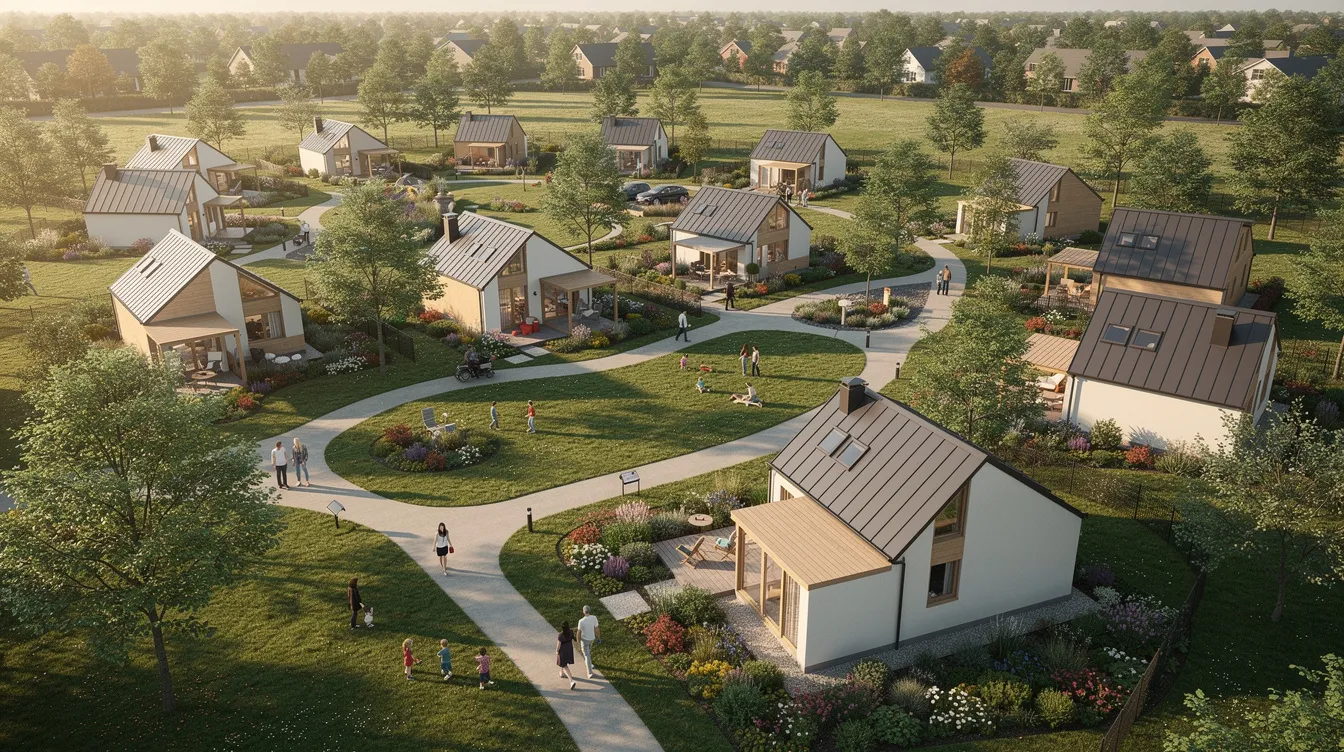
The best communities provide more than just a parking space. We looked for shared facilities like community kitchens, gardens, walking trails, and recreational areas. Tiny house communities in Arkansas often provide amenities such as community gardens, walking trails, and access to nature, enhancing the minimalist lifestyle.
Location Accessibility
Proximity matters. We considered distance to urban centers, shopping, healthcare, and employment opportunities. Northwest Arkansas communities scored high due to the area’s economic boom and low unemployment (2.8% in 2025).
Regulatory Compliance
There are no statewide tiny house laws in Arkansas. Regulations vary widely by county and municipality, with some cities considering minimum size requirements for homes. We prioritized communities with clear permitting processes and foundation-friendly zoning.
Community Culture
A supportive atmosphere makes all the difference. We assessed resident satisfaction through available reviews, social media presence, and media coverage.
Affordability
Lot fees typically range from $300-800 per month across Arkansas communities. We factored in utility costs, amenity fees, and long-term affordability.
Outdoor Recreation
The Ozark region offers incredible natural beauty. Communities with hiking trails, fishing access, and green spaces ranked higher.
Infrastructure Quality
Modern utilities matter. We checked for reliable water hookups, sewer connections, electrical capacity, and internet access (100Mbps+ preferred).
The average tiny home typically ranges from 30 to 400 square feet, with many designs focusing on maximizing space efficiency and functionality, guided by well-planned tiny house floor plans that work. Communities that accommodate this range while providing solid infrastructure made our list.
Top 6 Tiny House Communities in Arkansas
Arkansas hosts a growing number of tiny house communities. The tiny house movement in Arkansas is growing, with various communities embracing the concept and offering unique living solutions for those seeking a simpler lifestyle grounded in minimalist tiny houses for sustainable living.
Here are the top six options worth considering.
1. Eagle Homes on Monte Ne
Eagle Homes on Monte Ne in Rogers, Arkansas, features 50 customizable lots for tiny homes, promoting a modern, minimalist lifestyle.
Located at 2407 W Olive St in Rogers, this purpose-built community sits in the heart of Northwest Arkansas’s booming economy.
Why It Stands Out
This is Arkansas’s flagship tiny house community. Built around 2020 amid NWA’s tech growth, it offers a park-style model with modern hookups and established infrastructure. Northwest Arkansas is known for “pocket neighborhoods,” which are clusters of smaller cottages sharing common open spaces. Eagle Homes embodies this concept.
Best For
Urban professionals seeking community living near Northwest Arkansas amenities. The location puts you 15 minutes from Walmart headquarters, Crystal Bridges Museum, and Bentonville’s dining scene.
Key Strengths
- 50 customizable lots for homes under 400 square feet
- Modern utility hookups compliant with building codes
- Proximity to shopping, dining, and employment
- Established infrastructure and community feel
- Prefab integration options for faster builds
Tiny homes can be highly customized to suit individual needs and preferences, including layout changes and personalized finishes, especially when you explore top custom tiny homes. Eagle Homes supports this flexibility.
Possible Limitations
- Lot fees estimated at $400-600 per month (prime location pricing)
- Size restrictions cap homes at 400 square feet
- Higher overall costs compared to rural options
You can confirm details through their Facebook page (tinyhomesnwa) or website at tinyhomesnwa.com.
2. Hot Springs Village
Hot Springs Village offers a different take on tiny living.
This established master-planned community spans 26,000 acres and accommodates tiny homes and modulars on permanent foundations.
Why It Stands Out
Resort-level amenities set this place apart. Tiny homes can be designed to include high-end amenities and stylish features, ensuring that they are both functional and aesthetically pleasing, much like elegant tiny homes that redefine modern living. Hot Springs Village delivers on this promise.
The community features:
- 11 golf courses
- 7 lakes with fishing and boat ramps
- Swimming pools and tennis courts
- Over 30 miles of hiking and biking trails
- Clubhouse, restaurants, spa, and sauna
- Marina access and playground areas
- Community garden and dog park
Best For
Retirees and recreation enthusiasts seeking luxury tiny living. With 15,000+ residents (90% retirees), it’s ideal for active seniors looking to downsize without sacrificing lifestyle.
Key Strengths
- Unmatched recreational facilities
- Flexible zoning without strict minimum square footage
- Established community with decades of history
- Full-service amenities including restaurants and spa
- Beautiful Ozark setting
Possible Limitations
- Higher community fees (POA dues around $2,000+ per year)
- Annual lot fees plus property taxes add up
- Less intimate feel than smaller communities
- Two-hour drive to Little Rock
- May not suit young families due to community rules
This isn’t exclusively a tiny house community, but it welcomes downsized dwellings under its zoning flexibility.
3. Eureka Springs Tiny Home Village
Eureka Springs offers something different: artistic charm meets tiny living.
This Carroll County town permits tiny homes on foundations per local ordinances, creating opportunities for creative residents.
Why It Stands Out
The bohemian atmosphere attracts artists, writers, and free spirits. Historic Victorian architecture, nearby Thorncrown Chapel, and annual arts festivals (drawing 100,000+ visitors) create a unique cultural setting.
The city has no county-level regulations, pushing decisions to municipal zoning. This can work in your favor if you follow local rules.
Best For
Artists, creatives, and those seeking a bohemian lifestyle in a historic town. If cultural attractions and artistic community matter more than a fitness center, this is your spot.
Key Strengths
- Historic location with Victorian charm
- Strong artistic and creative community
- Nearby Ozark hiking trails
- Annual cultural events and festivals
- Walkable downtown with galleries and shops
Possible Limitations
- Limited modern amenities compared to purpose-built communities
- Historic overlay restrictions may limit modifications
- Zoning complexities require careful navigation
- More informal clusters than organized village
- Check local rules before committing
Adopting a tiny home lifestyle can result in a reduced carbon footprint, as smaller living spaces typically require less energy for heating, cooling, and maintenance, especially when you embrace minimalist tiny houses for sustainable living. Eureka Springs attracts residents who value this sustainability.
4. Fayetteville Tiny House Community
Fayetteville brings university town energy to tiny living.
Home to the University of Arkansas (40,000+ students), this area supports tiny homes near campus with zoning allowing on-site builds under 400 square feet.
Why It Stands Out
The college town atmosphere creates a vibrant social scene. Young professionals, graduate students, and academics find community here. Fayetteville allows homes as small as 120 square feet, offering flexibility for various tiny home designs.
Best For
Students, young professionals, and academics seeking urban energy with minimalist living. The fitness and yoga scenes tied to campus life appeal to health-conscious residents.
Key Strengths
- University access and campus amenities
- Vibrant social scene with restaurants and breweries
- Razorback games and cultural events
- Strong fitness and wellness community
- Proximity to I-49 for easy travel
- Flexible zoning (120 square feet minimum)
Possible Limitations
- Higher turnover due to student population
- Urban density limits rural appeal
- Less established infrastructure for tiny-specific living
- May feel transient compared to permanent communities
Washington County permits structures starting at 120 square feet, making Fayetteville one of the more flexible areas for tiny home placement.
5. Ozark Tiny House Community
The Ozark region emphasizes rural tranquility and outdoor living.
This area focuses on off-grid potential and nature access rather than urban convenience.
Why It Stands Out
Outdoor recreation takes center stage. Fishing ponds, hiking trails, and farm stand access create a country lifestyle. Connecting tiny homes to essential utilities can be challenging in rural areas due to specific Department of Health standards for septic systems, but the freedom appeals to self-sufficient types.
Best For
Outdoor enthusiasts and those seeking rural tranquility away from city life. If fishing ponds and hiking trails matter more than coffee shops, this is your community.
Key Strengths
- Fishing pond access and hiking trails
- Bike storage and outdoor recreation focus
- Farm stand access for local produce
- Lower lot fees than urban communities
- Peace and quiet in natural surroundings
Possible Limitations
- Remote location (1-2 hours to major cities)
- Limited broadband internet access
- Sparse infrastructure in some areas
- Municipal codes vary by town
- Requires more self-sufficiency
Many tiny home residents incorporate sustainable features like solar panels and rainwater catchment systems to enhance energy efficiency while choosing affordable tiny house buildings and designs. Rural Ozark communities often embrace these off-grid solutions.
6. Hope Village
Hope Village in Bentonville, Arkansas, is a co-housing community designed for sustainable living, featuring tiny homes and shared spaces that foster collaboration.
This concept emphasizes intentional community over individual isolation.
Why It Stands Out
The co-housing model creates collaborative living. Shared solar gardens, community meals, and sustainability focus attract environmentally conscious residents. The central Bentonville location provides access to NWA amenities while maintaining community intimacy.
Bentonville and Rogers have specific zones for tiny homes, particularly near Bella Vista Lake Park, making this area viable for permanent tiny living.
Best For
Environmentally conscious residents seeking intentional community. If shared spaces, collaborative decision-making, and sustainability align with your values, Hope Village fits.
Key Strengths
- Sustainable design principles
- Shared spaces reduce individual costs
- Collaborative atmosphere and community events
- Central NWA location near employment
- Focus on environmental responsibility
Possible Limitations
- Requires commitment to community participation
- Limited privacy compared to traditional communities
- Community rules may feel restrictive to some
- Emerging project (confirm current status)
Tiny homes often require less maintenance than traditional homes, allowing residents to spend more time enjoying life rather than managing property upkeep, especially when you start with tiny house plans that fit your life. Co-housing amplifies this benefit through shared responsibilities.
Quick Comparison of Arkansas Tiny House Communities
Here’s how the communities stack up:
Community | Best For | Location | Key Amenity | Cost Level |
|---|---|---|---|---|
Eagle Homes on Monte Ne | Urban convenience | Rogers | 50 customizable lots | Higher |
Hot Springs Village | Luxury lifestyle | Hot Springs | 11 golf courses, 7 lakes | Highest |
Eureka Springs | Artistic community | Carroll County | Historic charm, cultural events | Moderate |
Fayetteville | Young professionals | Washington County | University access, nightlife | Moderate-High |
Ozark | Outdoor recreation | Rural Ozarks | Fishing, hiking trails | Lower |
Hope Village | Bentonville | Shared spaces, eco-focus | Moderate | |
Worth noting: North Village in Mountain Home, Arkansas, offers a unique tiny home living experience with modern homes surrounded by green spaces and walking trails. It operates as a rental-focused model rather than ownership community, featuring 20+ amenities including free Wi-Fi, community garden, fitness center, and walking trails. Monthly rates run approximately $800-1,200 with utilities included. Consider this option if you prefer rental flexibility in the Mountain Home area. |
How to Choose the Right Tiny House Community
Not every community fits every person.
Here’s how to find your match.
Choose Based on Lifestyle Preferences
Urban vs Rural
Do you need coffee shops and restaurants within walking distance? Eagle Homes and Fayetteville deliver urban access. Prefer morning hikes and evening stargazing? Ozark communities offer rural peace.
Recreation Priorities
- Golf and tennis → Hot Springs Village
- Hiking and fishing → Ozark
- Arts and culture → Eureka Springs
- Fitness and yoga → Fayetteville
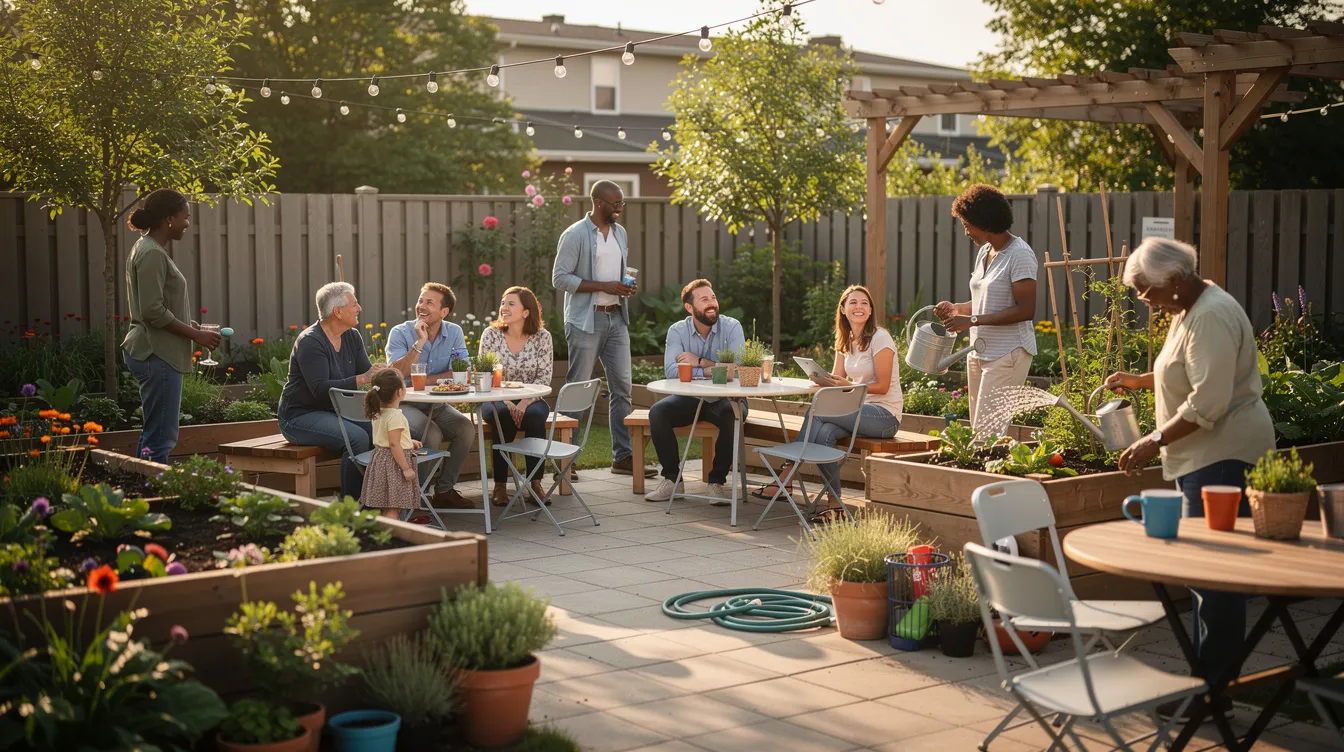
- Community gardens → Hope Village
Social Atmosphere
Some communities foster close-knit bonds through shared meals and events. Others offer more privacy and independence. Visit and talk to residents before deciding.
Choose Based on Budget and Costs
Average construction costs for tiny homes in Arkansas typically range from $30,000 to $100,000, often significantly lower than traditional housing. The average cost of building a tiny home in Arkansas typically ranges from $30,000 to $60,000, depending on factors such as size, location, and materials used.
Luxury tiny homes can cost between $80,000 to $120,000 or more, reflecting higher-end materials and finishes.
Ongoing Costs to Consider
- Monthly lot fees: $300-800 depending on location
- Utility costs: Approximately $100/month (40% lower than traditional homes)
- Community amenity fees: Varies by community
- POA dues: $100-200/year in some communities, $2,000+ at Hot Springs Village
Long-Term Planning
Ask about annual fee increases. Some communities raise lot fees 5-10% yearly. Factor this into your decision for stability.
Choose Based on Regulations and Flexibility
In Arkansas, tiny homes are subject to local zoning laws and building codes, which can vary significantly from one municipality to another, affecting their legality and placement.
Key Regulatory Considerations
Tiny homes are generally classified as those smaller than 500 square feet, but local regulations may impose different minimum size requirements, such as Lawrence County’s 600 square feet. Lawrence County, Arkansas, has strict regulations requiring a minimum dwelling size of 600 square feet, which poses challenges for typical tiny homes that are around 400 square feet.
However, in Faulkner County, Arkansas, there are no minimum size restrictions for tiny homes, allowing for more flexibility in tiny home living compared to other counties.
Wheels vs Foundation
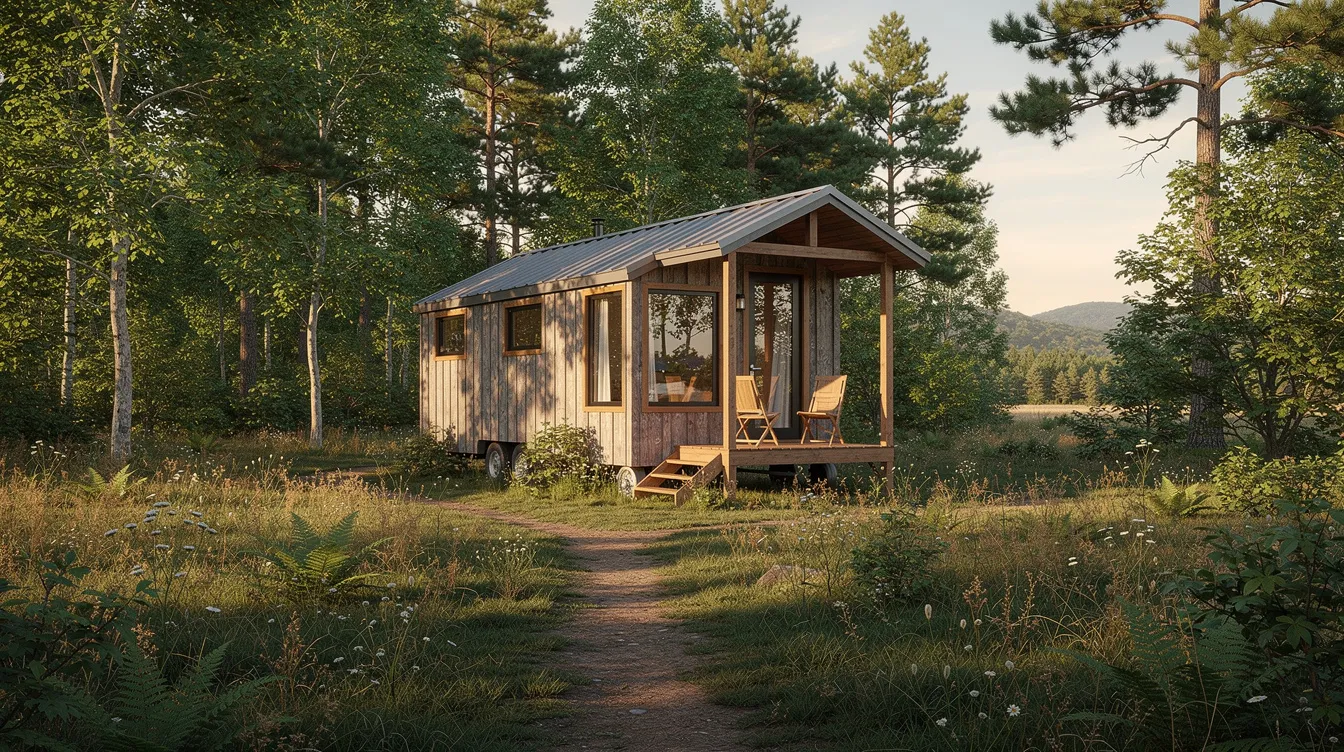
Tiny homes on wheels (THOWs) are often classified as recreational vehicles, which can restrict their placement in certain areas or properties. Tiny homes on wheels (THOWs) are generally classified as park models and must adhere to recreational vehicle (RV) laws, which often restrict their use as a full time residence in many areas of Arkansas.
Zoning regulations in Arkansas vary significantly, leading to challenges in placing tiny homes, especially in areas with stricter requirements. Most communities require permanent foundations for year-round residency.
Customization Rules
Review community rules about tiny house specifications before committing. Some restrict design choices, while others embrace creativity.
Which Community Is Best for You?
Here’s a quick guide:
Choose Eagle Homes on Monte Ne if:
- You want modern urban convenience
- Established infrastructure matters
- You work in Northwest Arkansas
- Customization flexibility appeals to you
Choose Hot Springs Village if:
- Luxury amenities are priorities
- You’re retired or semi-retired
- Golf, lakes, and recreation define your ideal life
- You can afford higher annual fees
Choose Eureka Springs if:
- Artistic culture draws you in
- Historic charm matters more than modern gyms
- You’re a creative seeking community
- Cultural events excite you
Choose Fayetteville if:
- University town energy appeals to you
- You’re a young professional or academic
- Vibrant nightlife and social scene matter
- You want flexibility in home size (120 sq ft minimum)
Choose Ozark if:
- Outdoor recreation is your priority
- Rural tranquility beats urban convenience
- You’re comfortable with some isolation
- Lower costs matter most
Choose Hope Village if:
- Sustainability guides your choices
- Intentional community living appeals
- You value collaboration over privacy
- Environmental responsibility is non-negotiable
Final Thoughts
Arkansas’s tiny house community options continue expanding.
From urban convenience at Eagle Homes to luxury living at Hot Springs Village, from artistic Eureka Springs to sustainable Hope Village, there’s a community for nearly every lifestyle.
The best choice depends on your priorities:
- Budget and ongoing costs
- Location and urban access
- Recreation and outdoor activities
- Community culture and social needs
- Regulatory flexibility
To legally place a tiny home in Arkansas, it is essential to consult with local planning and zoning departments to understand specific regulations, permitting processes, and any restrictions that may apply.
Before you commit:
- Visit communities in person
- Talk to current residents
- Check with local zoning departments
- Review community rules thoroughly
- Understand all costs upfront
The idea of tiny living continues gaining traction. Tiny house communities in Arkansas can include established neighborhoods and emerging projects, with rules varying by municipal zoning and home foundations.
Arkansas’s growing acceptance of tiny house living creates opportunities for those seeking simplicity, affordability, and community.
Your perfect tiny house community is out there. Take the step to find it.