
Oregon leads the way for tiny home communities. In 2023, Oregon passed Senate Bill 1013, allowing counties to permit one Tiny Home on Wheels or RV as a long-term rental dwelling on rural residential properties that already have a main house. This opened doors. Now, counties such as Deschutes, Lane, and Clackamas have quickly adopted regulations to implement SB 1013, creating clear pathways for placing tiny homes on private land and encouraging interest in modern tiny house designs tailored for today’s lifestyles.
Ready to explore your options?
- How We Chose the Best Tiny House Communities in Oregon
- Top 6 Tiny House Communities in Oregon
- Quick Comparison of Oregon Tiny House Communities
- How to Choose the Right Tiny House Community in Oregon
- Which Tiny House Community Is Best for You?
- Final Thoughts
How We Chose the Best Tiny House Communities in Oregon
Here’s what we looked at:
- Community atmosphere and social integration opportunities
- Legal compliance and zoning approval status
- Amenities and shared facilities available
- Location and proximity to urban centers or nature
- Affordability including rent, utilities, and additional fees
- Environmental sustainability practices
- Acceptance policies and diversity initiatives
- Long-term living vs. short-term accommodation options
Top 6 Tiny House Communities in Oregon
1. Simply Home Community – Portland
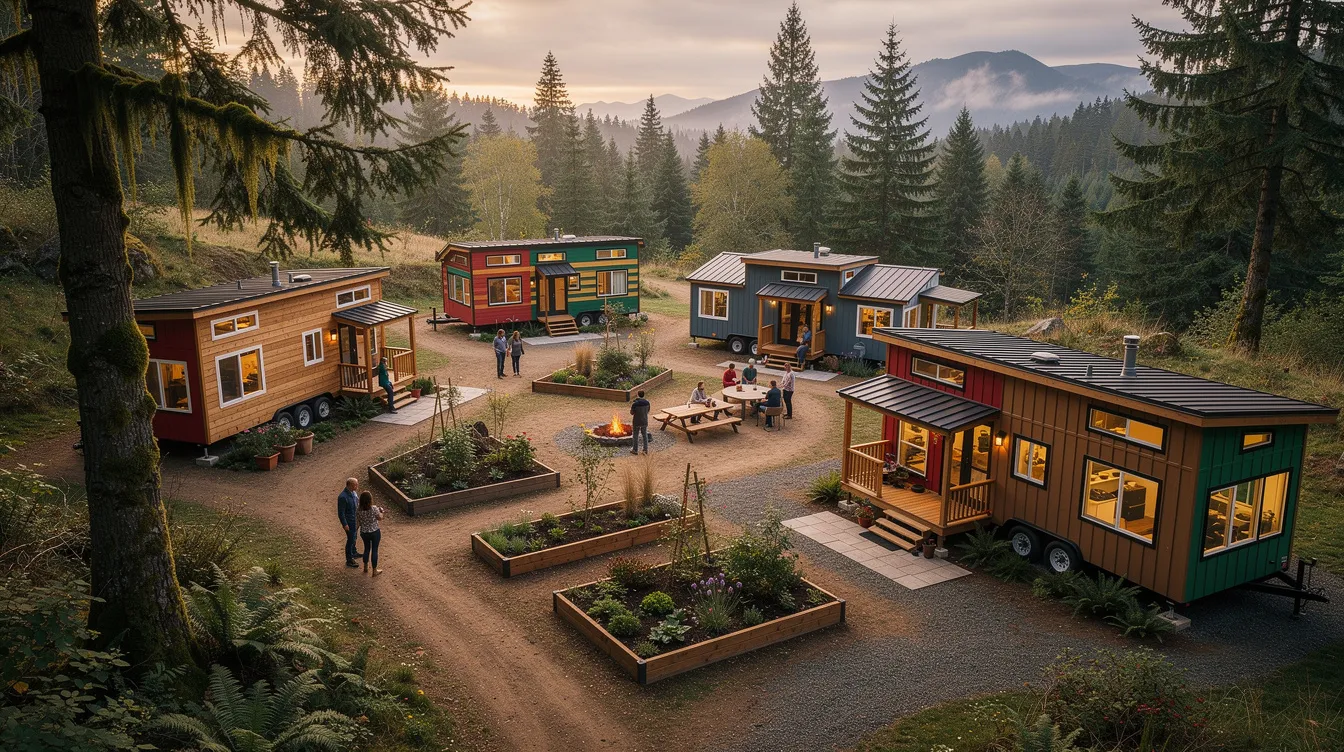
This 2/3 acre intentional community is located in NE Portland. Monthly rent runs about $400 plus shared utilities. Residents of tiny house communities often experience a lower cost of living, with lot rents typically ranging from $400 to $900 monthly, and benefit from the broader trend toward tiny house living focused on minimalism and reduced expenses.
Portland has a progressive policy under Zoning Code 33.260.205 that allows for the placement of a THOW on residential lots that already have a house, making it one of the easiest urban areas in the country for tiny home living.
Why It Stands Out
True intentional community living with equity opportunities after 2+ years. Focus on social consciousness and environmental mindfulness.
Best For
People seeking genuine community living experience and long-term commitment.
Key Strengths
- Diverse and inclusive, welcoming AAPI, BIPOC, LGBTQ+ members
- Shared kitchen, laundry, workshop, and community garden
- Potential ownership path for committed residents
Possible Limitations
- Requires 6 monthly work hours and meeting attendance
- Extensive vetting process with multiple visits required
2. Mt. Hood Tiny House Village – Welches
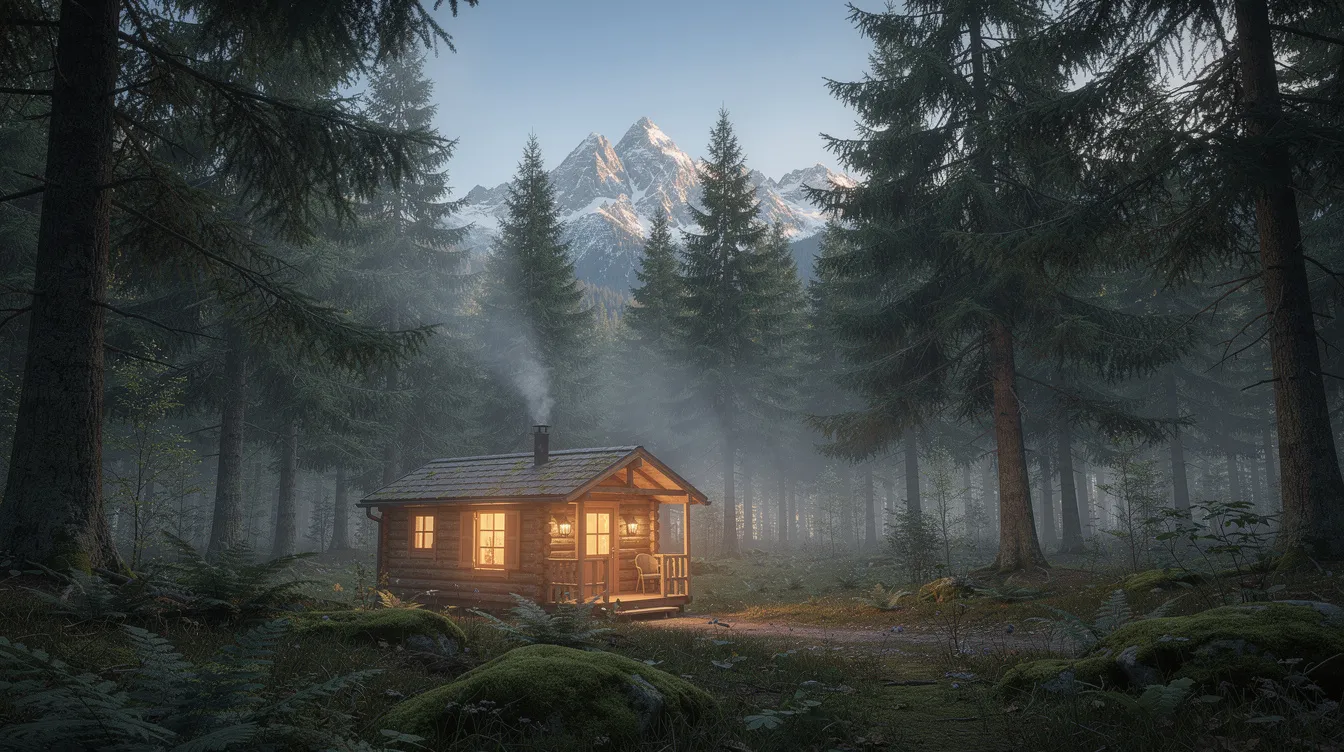
This spot sits near Mt. Hood with stunning natural settings. Units include full kitchen, hot tub, and workspace areas.
Why It Stands Out
Scenic mountain location with year-round outdoor recreation access, similar to mountain tiny house getaways that combine outdoor adventure with cozy amenities. Many tiny house communities are strategically located near outdoor recreation areas such as beaches, hiking trails, and ski slopes.
Best For
Outdoor enthusiasts and nature lovers wanting luxury amenities.
Key Strengths
- Full kitchen, washer/dryer, hot tub in each unit
- Private entrance and workspace
- Safety features including smoke detectors and first aid kits
Possible Limitations
- Remote location limits city access
- Higher cost due to premium amenities and hood area location
3. Caravan – The Tiny House Hotel – Portland
Urban tiny house hotel with strong community aspects. Pet-friendly with easy access to Portland attractions.
Why It Stands Out
Flexible accommodation for varying stays. Common amenities found in tiny houses include air conditioning, heating, and private bathrooms, ensuring comfort for guests.
Best For
People wanting to experience tiny house living before committing.
Key Strengths
- Full kitchenette and private bathroom
- Community fire pit and BBQ facilities
- Pet-friendly policy and bicycle rental available
Possible Limitations
- Hotel model limits long-term community building
- Higher nightly rates ($150-250) compared to monthly lease options
4. Tiny House Community – Ashland
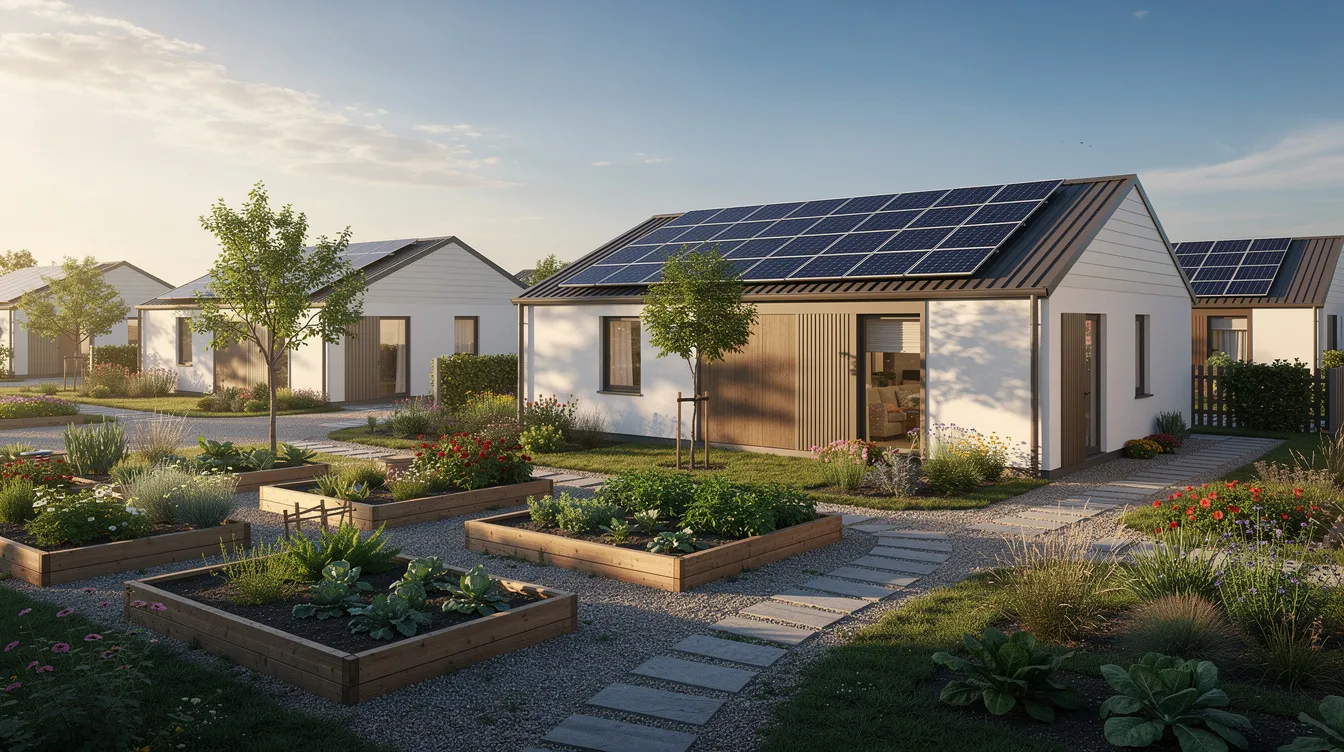
This community emphasizes eco-friendly practices and sustainability near Salem and southern Oregon.
Why It Stands Out
Tiny houses use significantly less energy—sometimes up to 68% less than conventional homes—and often incorporate sustainable practices like solar power, especially in minimalist tiny houses designed for sustainable living.
Best For
Environmentally conscious individuals interested in wellness activities.
Key Strengths
- Solar power system and recycling services
- Yoga studio, meditation area, and art studio on-site
- Community events and local organic food market
Possible Limitations
- Smaller town may limit job opportunities
- Shared facilities require coordination with other members
5. Green Anchors – Portland
Nature-focused Portland location with educational programming.
Why It Stands Out
Nature immersion with hiking trails and bird watching on-site, echoing the appeal of tiny house nature retreats that blend minimal living with the outdoors. Outdoor amenities such as BBQ facilities, picnic areas, and gardens are frequently available in tiny house accommodations, enhancing the outdoor experience.
Best For
Nature enthusiasts and families with children due to playground and educational programs.
Key Strengths
- Hiking trails and bird watching areas
- Children’s playground and family-friendly atmosphere
- Educational art workshops and environmental programs
Possible Limitations
- Limited availability due to popularity
- May have waitlists
6. Eugene Tiny House Hotel – Eugene
Located in a university town with comprehensive amenities. Pet-friendly with daily housekeeping.
Why It Stands Out
Full-service model in a culturally vibrant place. Many tiny houses in Oregon offer free Wi-Fi as a standard amenity, making them suitable for remote work and connectivity.
Best For
People wanting low-maintenance tiny house experience near Eugene’s cultural scene.
Key Strengths
- Pet-friendly with full kitchenette
- Daily housekeeping and bicycle rental
- BBQ facilities and garden areas
Possible Limitations
- Hotel model may lack deep community connections
- Limited long-term options
Quick Comparison of Oregon Tiny House Communities
Community | Best For | Price Range |
|---|---|---|
Simply Home Community | Intentional living | ~$400/month |
Mt. Hood Village | Luxury & recreation | $800-1,500/month |
Caravan Portland | Urban flexibility | $150-250/night |
Ashland Community | Sustainability focus | Varies |
Green Anchors | Nature & families | Moderate |
Eugene Hotel | Full-service living | Nightly rates |
Housing expenses in tiny house communities can be reduced by 60–75% compared to traditional homes, with community lot rents often ranging from $500 to $1,500 depending on the region. |
How to Choose the Right Tiny House Community in Oregon
Choose Based on Living Arrangement Preference
Intentional communities like Simply Home require commitment. Hotel-style spots like Caravan offer flexibility. The Simply Home Community in Portland is an intentional community that encourages shared living and collaboration among its members, including community events and shared chores.
Choose Based on Location and Lifestyle
Urban Portland options give city access. Mountain and rural settings like Welches offer nature immersion. Think about proximity to work and interests.
Choose Based on Budget and Amenities
Monthly community living costs less long-term, and innovative tiny homes that redefine small-space living show how good design can further stretch your budget. Tiny house communities generally offer shared amenities and simplify complex zoning or utility issues for residents. Shared spaces like gardens, workshops, and community lodges foster close-knit social bonds and mutual support.
Which Tiny House Community Is Best for You?
- Choose Simply Home if you want genuine community with equity potential
- Choose Mt. Hood if luxury amenities and mountain access matter most, especially if you’re inspired by elegant tiny homes that redefine modern living
- Choose Caravan if you need urban convenience in WA or Portland areas and appreciate tiny smart homes with efficient, tech-forward living
- Choose Ashland if sustainability and wellness are priorities, particularly if you’re drawn to self-contained tiny homes for modern off-grid living
Communities like the Emerald Village in Eugene provide a supportive environment for tiny home residents, focusing on sustainability and community engagement. Oregon is home to several communities designed specifically for tiny living, which handle zoning and utility requirements for residents, and nearby regions like Washington also feature small home and tiny house options with dedicated builders and communities.
Final Thoughts
Oregon’s tiny house community landscape offers incredible range. From coastal villages to urban co-ops, there’s a kind of community for everyone. Tiny house living can lead to a simplified lifestyle, with reduced square footage resulting in less time spent on cleaning and maintenance.
Legal regulations on tiny homes vary across Oregon, requiring attention to local zoning laws as some areas only allow them in designated parks. Tiny tranquility awaits—but visit communities in person before making your decision.
The right property and community are out there. Start your search today.