
Tiny houses are making waves.
And lofts? They’re the secret weapon.
A lofted tiny house floor plan gives you more room without a bigger footprint. It’s smart. It’s practical. And in 2026, it’s more popular than ever.
- Quick Answer: Are Lofted Tiny House Floor Plans Right For You?
- Who Will Love a Tiny House Plan With Loft (And Who Won’t?)
- Is It Really a Tiny Home? Sizes, Sq Ft & Definitions
- Advantages & Challenges of Lofted Tiny House Floor Plans
- Popular Tiny House Floor Plans With Loft (Realistic Layout Ideas)
- Designing the Right Loft for Your Tiny House
- Main Floor Layouts That Work Well With a Loft
- Storage Space Strategies in Lofted Tiny Homes
- Cost, Build Time & Budgeting for Lofted Tiny Homes
- How to Choose the Right Lofted Tiny House Floor Plan for You
- Design Tools, Examples & Next Steps
Quick Answer: Are Lofted Tiny House Floor Plans Right For You?
A tiny house floor plan with loft places your sleeping area above the main living space, freeing up the ground floor for daily activities. Roughly 70% of modern tiny house designs feature at least one loft for increased efficiency—and there’s a good reason for that.
- Incorporating a loft is one of the most effective ways to optimize a tiny house, primarily by maximizing vertical space.
- Tiny houses with lofts maximize living space by allowing efficient use of the area below for other purposes, such as kitchens or workspaces, especially when you start from tiny house floor plans designed for functionality.
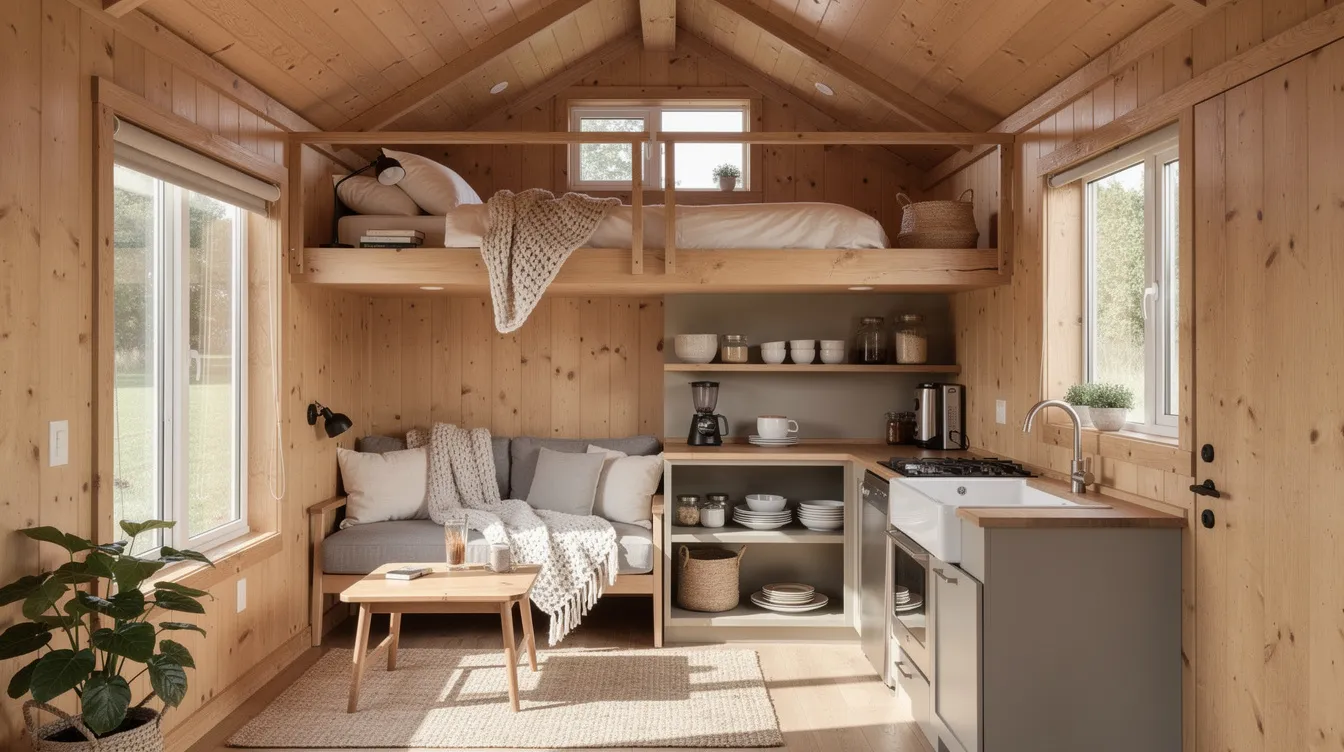
- A traditional loft in a tiny house often features the sleeping area above the living space, maximizing the use of the area below for other functions like a kitchen or living room.
Who benefits most:
- Singles and couples who want open, airy main floors
- Small families needing separate sleeping zones for kids
- Work-from-home owners who need a dedicated workspace
- Digital nomads and frequent travelers
- Weekend cabin users who want cozy simplicity
Size ranges to know:
- Classic tiny homes with lofts: 160–400 sq ft
- Small house plans with lofts: 400–700 sq ft
Tiny house floor plans can be customized to fit the needs and lifestyles of their dwellers, allowing for one-story or two-story designs, and even multiple bedrooms. A lofted layout works best for people comfortable with stairs or ladders who want maximum storage space on the main floor.
Who Will Love a Tiny House Plan With Loft (And Who Won’t?)
The right layout depends on your age, mobility, and how you use your home daily. Planning ahead matters more than raw square footage.
Who might like it:
- Young couples ready to build equity without a massive mortgage
- Digital nomads working remotely from anywhere
- Families with school-age kids who can handle ladders
- Weekend cabin users who want minimal upkeep
- Downsizers moving from apartments or traditional homes
Lofts in tiny houses can serve multiple purposes, including sleeping areas, home offices, or storage spaces, making them versatile for different lifestyles, as shown by great tiny homes that redefine small-space living. Think: a 24 ft gooseneck trailer layout with a loft office for remote workers, or a 28 ft family tiny home with a kids’ loft and main-floor parents’ bedroom.
Who might not like it:
- Anyone needing single-story living
- People with balance or mobility challenges
- Owners planning to age in place long-term
- Those uncomfortable with limited headroom (most lofts are 3.5–5 feet high)
Loft ladders can be tough for nightly bathroom trips. If you’re over 60 or have joint issues, consider a main-floor bedroom plan instead.
Is It Really a Tiny Home? Sizes, Sq Ft & Definitions
Definitions matter when you’re shopping for house plans. In North America in 2026, here’s how the categories break down.
Tiny home designs typically have a footprint under 1,000 sq ft, with many falling in the 200–400 sq ft range. On average, tiny house plans range from a minimum of 60 square feet up to 600 square feet, with costs varying based on size and design, so it’s crucial to start with tiny house plans that fit your life and budget.
Three size bands:
- Micro tiny (under 200 sq ft): Often 16–20 ft trailers with a single compact loft. Think minimalist weekend retreats.
- Typical tiny (200–400 sq ft): The sweet spot. Usually 24–28 ft trailers with one or two lofts. Most full-time dwellers live here.
- Small house (400–700 sq ft): Park models or foundation-built homes. Still compact, but not technically “tiny” by most definitions.
Example footprints:
- 8.5 ft × 24 ft = ~204 sq ft main floor + 80–100 sq ft loft
- 10 ft × 30 ft park model = ~300 sq ft + loft space above
Tiny house plans typically range from a minimum of 60 square feet up to 600 square feet, and the best size depends on the number of occupants and their storage needs. Lofts allow more usable house floor area without dramatically increasing the official footprint.
Advantages & Challenges of Lofted Tiny House Floor Plans
Lofts are powerful space-makers. But they come with trade-offs worth knowing.
Advantages:
- Lofts utilize “dead” air space below the roofline that would otherwise go unused
- Lofts can add 60–120 sq ft of extra space without increasing the building footprint, which is why many custom tiny homes maximize vertical space
- It is generally more affordable to build a loft within an existing roofline than to increase the home’s total length or footprint
- Elevating the bedroom creates a visual and psychological boundary, offering a secluded “nest-like” retreat without closing off the open-concept feel
- Homes with lofts are often seen as more functional and can have 20–30% higher resale value
- Better separation between day zones and night zones
Challenges:
- Designing a lofted space in a tiny house can present challenges such as limited headroom and accessibility, which should be considered during the planning process
- Ladder or steep stair access isn’t for everyone
- Heat rises—summer lofts can run 3–5°F warmer than the main floor
- Some regions require egress-sized windows in sleeping lofts (typically 5.7 sq ft minimum opening)
- Limited space for standing; most activities happen lying or sitting down
Popular Tiny House Floor Plans With Loft (Realistic Layout Ideas)
Let’s walk through concrete layout styles, not just theory. These examples reference common trailer lengths (20 ft, 24 ft, 28 ft, 32 ft) and actual sq ft so you can visualize scale.
These designs typically feature open-concept ground floors that combine the kitchen, living, and dining areas to create a sense of spaciousness. Incorporating a loft into a tiny house design allows for efficient use of space, maximizing the living area below for other functions such as a kitchen or workspace, which pairs well with minimalist tiny houses focused on efficiency and sustainability.
Typical room ordering along the house floor: entry → living area → kitchen → bathroom → loft above one end. An 8.5 ft-wide trailer is road-legal; a 10 ft-wide park model offers more loft depth but less mobility.
Classic Loft Studio (Around 200–240 Sq Ft)
This is the “starter” tiny home plan, often built on a 16–20 ft trailer. Perfect for living small without sacrificing style.
- Layout: Open main floor with combined living and kitchen, compact bathroom at one end, sleeping loft above either the bathroom or living room
- Key features: Full-height wall on one side of the loft for storage, skylight or roof window over bed, alternating-tread or space-saving ladder for the tiny house loft access
- Example footprint: 8.5 ft × 18 ft (~153 sq ft main floor + ~70 sq ft loft)
- Ideal users: Single owners, students, or weekend cabin users who don’t need a separate bedroom on the main floor
- Visual style: Warm wood tones, simple built-ins, large windows to maximize light in a tiny space
Main-Floor Bedroom + Loft (Aging-Friendly Layout)
This layout is popular with owners in their 50s and 60s who still want a loft but need ground floor sleeping.
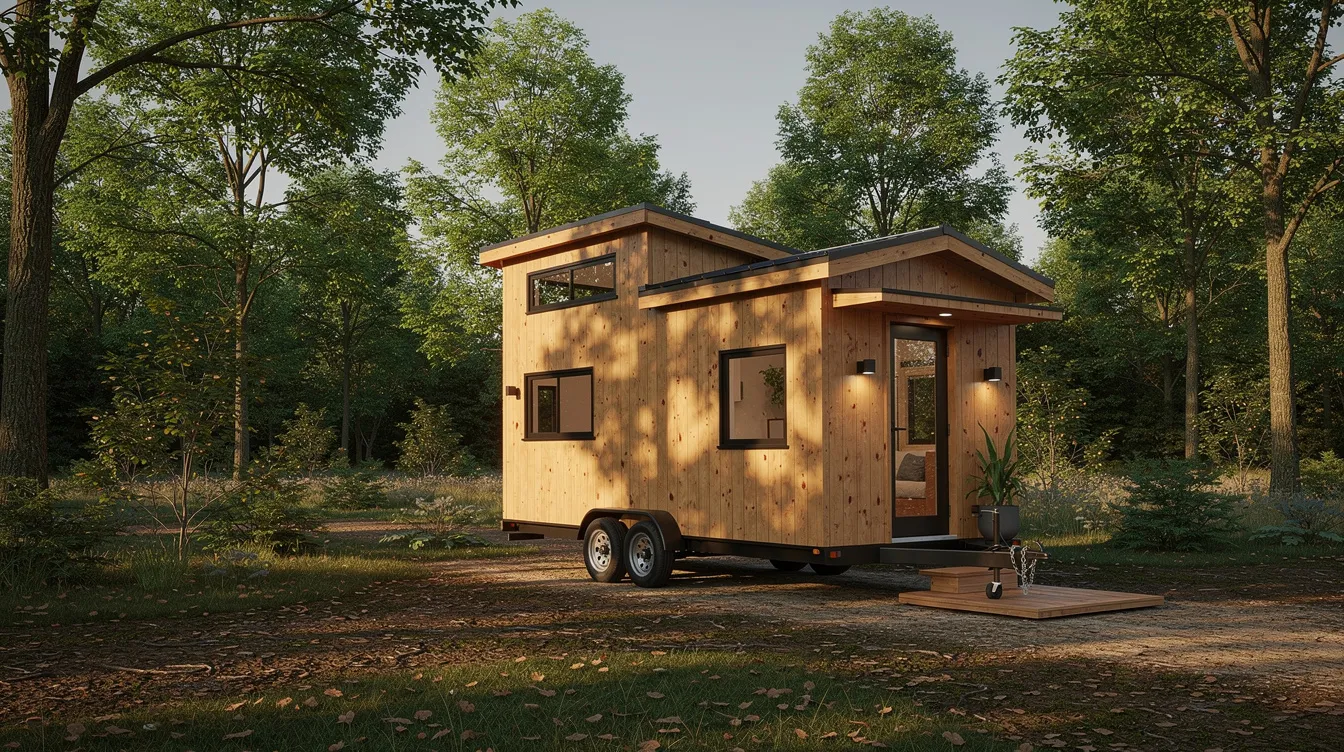
- Typical plan (24–28 ft): Main-floor bedroom at one end, open kitchen and living in center, bathroom opposite or adjacent, with a loft above the living/kitchen used as guest room or storage
- Advantages: Single-story living for daily use; loft reserved for guests, hobbies, or long-term storage space
- Example footprint: 8.5 ft × 26 ft (~221 sq ft main floor + ~90 sq ft loft)
- Recommended touches: Wider, shallow steps doubling as drawers; sturdy railing around the loft; a window at loft gable for light and egress
- Best for: Those who want the cozy loft feel without climbing every night
Lofts can serve as home offices, guest rooms, yoga nooks, or secondary storage areas—making this layout incredibly flexible.
Family-Friendly Tiny Home With Dual Lofts
This layout works for families with 1–2 kids who want separate sleeping zones without feeling cramped.
- Plan style (28–32 ft trailer): Two lofts at opposite ends—one adult loft over the kitchen, one kids’ loft over the living room or bathroom, similar to many affordable tiny house designs with lofts
- Circulation: Central living area on main floor, galley kitchen, compact bath under one loft; storage stairs acting as a divider between zones
- Square footage: About 250–300 sq ft on main floor plus two 60–80 sq ft lofts
- Key features: Built-in bunk rails, under-stair toy storage, curtain or sliding door to give kids privacy
- Visual style: Light colors, large windows on the long walls, simple built-ins to keep clutter off the floor
How many people can this fit? Comfortably, 3–4. The double loft setup creates more room for everyone.
Gooseneck Trailer Tiny Home With Lofted Suite
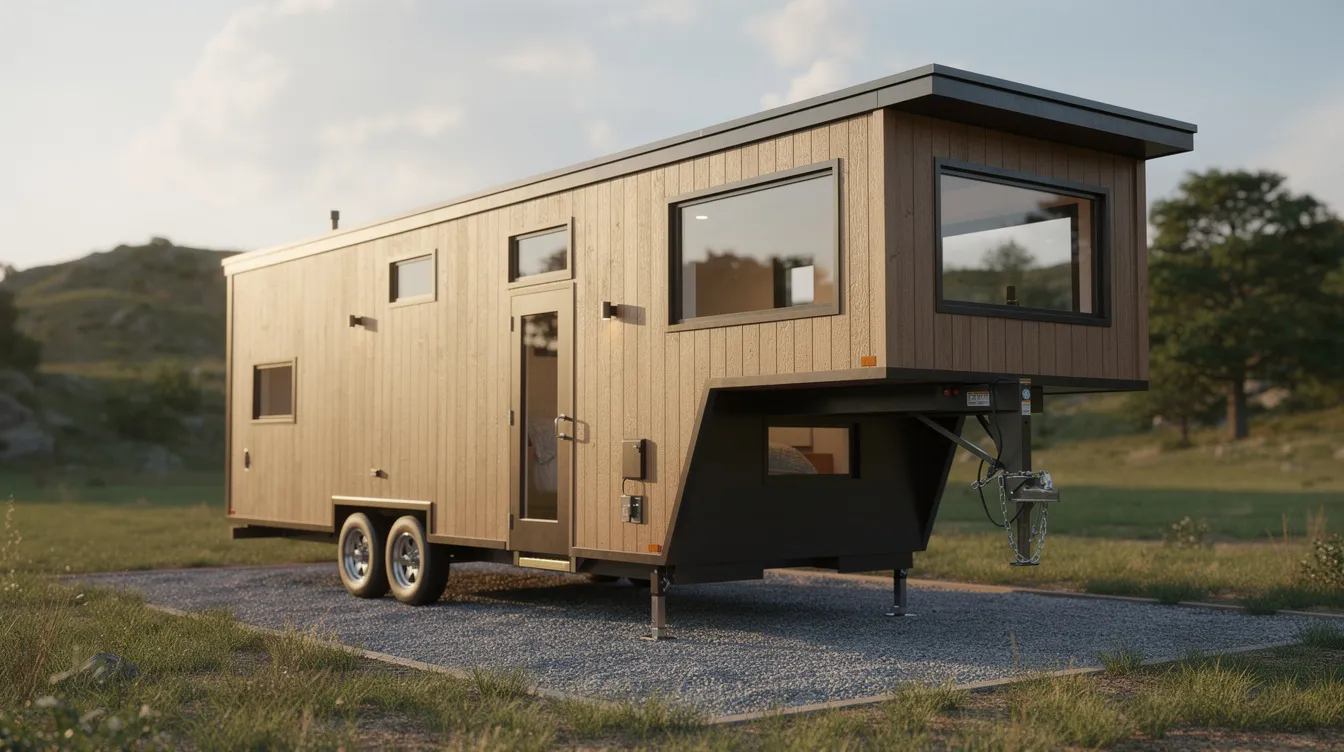
A gooseneck trailer features a raised section over the hitch that creates an elevated bedroom—popular in 2026 for full-time travelers who want that dream tiny life.
- Layout: Raised main bedroom over the gooseneck hitch with nearly full standing headroom, plus a secondary loft or storage loft over the rear end
- Example: 8.5 ft × 32 ft gooseneck with ~280 sq ft main floor + 80 sq ft gooseneck bedroom + 60 sq ft secondary loft
- Pros: Easier access (short stairs instead of a ladder), separate “suite” feel, better weight distribution when towing
- Cons: Heavier rig requiring a 3/4-ton truck or similar, trickier parking, higher build cost than shorter trailers
- Ideal users: Digital nomads or couples traveling long distances who want a spacious sleeping area and home office loft, and who might also be exploring tiny homes under $20K for sale as budget-friendly options
Designing the Right Loft for Your Tiny House
This section focuses specifically on how to design the loft portion of your floor plan. Tiny house designs can include various types of lofts, such as traditional lofts, split-level lofts, and lofts with integrated storage or workspace, catering to different needs and preferences.
- Access options: Storage stairs with drawers, alternating-tread stairs, wall-mounted ladders, ship’s ladders—choose based on mobility and space
- Headroom target: At least 30–36 inches above the mattress where possible; most lofts have heights ranging from 3.5 to 5 feet, which is generally suitable for sitting and lying down, not standing
- Safety first: Use sturdy handrails for stairs and guardrails for the loft edge to consider safety while designing lofts
- Windows matter: Install operable skylights or multiple windows in the loft, as heat rises and makes this area warmer
- Mattress placement: Consider twin, full, or queen sizing and orientation (north-south vs. east-west) to avoid bumping into the ceiling
- Comfortable stair width: ~24–27 inches works in most tiny homes
Main Floor Layouts That Work Well With a Loft
A good loft only works if the main floor is planned carefully. The ground floor sets the stage for everything above.
Four main-floor patterns:
- Front-entry living room: Entry opens to seating area, kitchen behind, bath at rear. Loft above kitchen keeps living area open.
- Center-entry with split zones: Door in middle, kitchen on one side, living on the other. Works with dual lofts at each end.
- Rear-kitchen layout: Living up front with views, kitchen/bath in back. Loft above rear section keeps the main living area spacious.
- Side-entry with mudroom: Entry through a small mudroom, then into main space. Good for messy climates.
Examples:
- 24 ft tiny home: Front living room + loft above kitchen
- 28 ft layout: Side entry into kitchen + loft over rear bath
Circulation notes: Keep clear walking paths at least ~24 inches wide. Avoid placing ladders in front of main doors or emergency exits.
Storage Space Strategies in Lofted Tiny Homes
Storage is often the biggest worry in tiny homes. Lofts actually help solve this problem when designed right.
Loft-related storage ideas:
- Low built-in cabinets along the loft knee wall
- Under-mattress drawers or lift-up bed platforms
- Open cubbies at the loft entrance for daily items
- Hanging nets or shelves for books and electronics
Main-floor storage hacks:
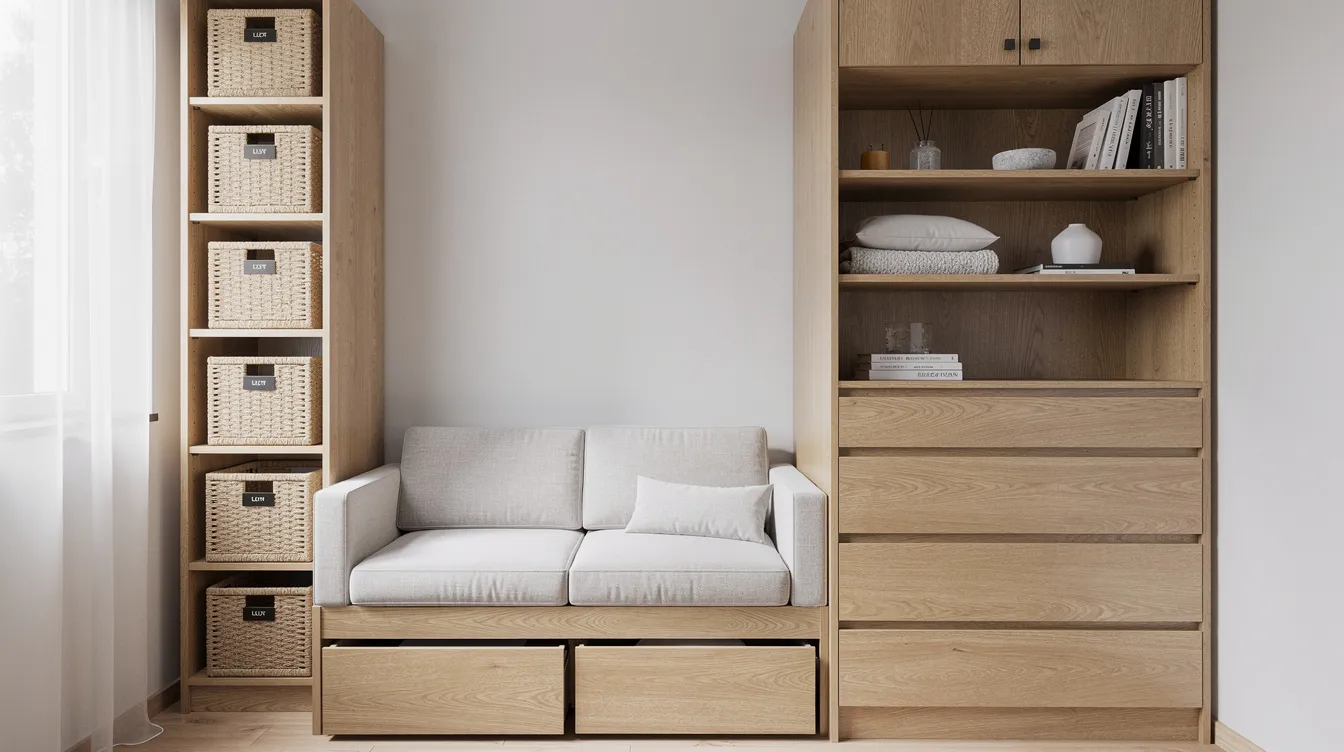
- Maximize storage by utilizing the area beneath the staircase for clothes, a fridge, or a washer/dryer combo
- Raised platform floors with pull-out drawers
- Toe-kick drawers in kitchen cabinets
- Tall wardrobes at one gable end
Furniture examples:
- Storage stairs with 5–7 deep drawers (15–25 cubic feet total)
- Lift-up couch bench with seasonal storage inside
- Murphy-style dining table folding from the wall
Good house floor plans should map exact storage volumes in linear feet of shelving or number of cabinets to ensure they fit your real belongings.
Cost, Build Time & Budgeting for Lofted Tiny Homes
Tiny homes generally cost less to build overall than larger designs, but the cost per square foot for tiny homes can be higher than that of larger homes. The smaller footprint of tiny houses leads to lower construction and maintenance costs, making them a cost-effective housing option.
Realistic 2024–2026 price ranges:
- DIY builds: roughly $25,000–$60,000 for 150–300 sq ft
- Professionally built units: about $60,000–$140,000 depending on finishes and construction quality
Building a tiny house is typically cheaper than buying one, but it requires professional construction to avoid costly mistakes that can negate initial savings; if you’re going this route, follow a step‑by‑step guide on how to build a tiny house from planning to finish.
Why lofted designs may cost more:
- Added structural framing for the loft platform
- Stairs or ladder with safety features
- Extra windows for egress and light
- Skylights for ventilation
Typical build times:
- Professional builders: 2–4 months for a standard 24–28 ft tiny home
- Weekend DIY projects: 6–12+ months
Budget tip: Reserve 10–15% of your total budget for contingencies like trailer upgrades, insulation improvements, or custom loft windows. Materials and construction costs can surprise you.
How to Choose the Right Lofted Tiny House Floor Plan for You
Your lifestyle and daily routines matter more than raw square footage. When choosing a tiny house plan, consider your personal needs and lifestyle, including how many people will live in the home and what activities will take place in the living area.
Mini checklist:
- How many people and pets will live here?
- Do you need a dedicated office or workspace?
- How often will you host guests?
- Main-floor bedroom vs. loft-only sleeping?
Scenario-based examples:
- A couple working from home might choose a gooseneck tiny home with office loft
- A small family might pick a 28 ft dual-loft layout with kids’ loft and main-floor parents’ room
- A single professional might prefer a classic 200 sq ft loft studio
Location factors:
- It’s important to consider the location of your tiny home, including local climate, zoning laws, and available utilities, when selecting a house plan
- Hot climate? Plan for loft ventilation. Cold climate? Budget for insulation.
- Check if your area requires foundation or allows RV-style parking
Tiny houses promote a simpler, more sustainable way of living, appealing to those seeking a minimalist lifestyle, but you’ll also want to understand your numbers with a tiny home cost calculator and budgeting guide. Sketch your daily routine from wake-up to bedtime and test it against a specific floor plan before committing.
Design Tools, Examples & Next Steps
Visualizing your tiny home before you build saves money, time, and regret.
Practical tools:
- Free online floor plan software (SketchUp, Floorplanner, Sweet Home 3D)
- Cardboard mockups on a driveway to outline 8.5 ft × 24 ft footprints
- Printable graph paper scaled to 1 ft squares
Visualization tips:
- Use 3D modeling to view the loft at eye level
- Check sightlines from loft to main floor
- Test window positions for light and privacy
Learn from real builds:
- Study 24 ft and 28 ft builds completed between 2020–2025
- See how people solved storage and loft access in limited space
- Visit tiny house communities or rent one on Airbnb for a night
Your action plan:
- Measure your current favorite furniture
- List must-have appliances (full-size fridge? washer/dryer combo?)
- Decide on trailer size or foundation
- Narrow down to 2–3 candidate house floor plans
- Create a collection of saved plans that fit your lifestyle
Your fun, cozy, affordable option for tiny living starts with smart planning. The right lofted tiny house floor plan is out there. Start with your life, your needs, and build from there.