
Key Takeaways
- Tiny house waste management must handle toilet waste (black water or solid waste) and grey water separately, especially for off grid living where standard sewer hookups are unavailable.
- Composting toilets, small septic systems, incinerator toilets, and simple grey water systems are the main tiny house options in 2026.
- Each option has trade-offs in cost, maintenance, legality, and suitability for mobile versus permanent tiny homes and cold climates.
- Local regulations often decide whether you can skip a septic tank and rely on a composting toilet plus grey water system.
- For different scenarios—full-time off grid, tiny house on serviced land, or cold climate cabins—the best system varies based on your specific needs.
Introduction: Why Tiny House Waste Management Is Different
Tiny houses—typically 100 to 400 square feet—need compact, reliable solutions for toilet waste, grey water, and trash. Most tiny homes are off grid or mobile, meaning standard city sewer hookups and full-size septic systems are often unavailable or impractical.
In tiny homes, waste management requires a structured approach due to limited space, necessitating efficient sorting and disposal systems. You’re dealing with three main waste streams: human waste (black water or solid waste), grey water from bathroom sinks and showers, and household rubbish. Since around 2015, composting toilets and small grey water systems have become the default for many tiny house owners worldwide.
This article compares composting toilets, septic systems, grey water systems, and other options so you can choose the best fit, and should be paired with a broader guide on how to build a tiny house from initial planning through construction.
- Understanding Tiny House Waste Streams
- Composting Toilets for Tiny Houses
- Septic Systems and Mini Septic Tanks for Tiny Homes
- Grey Water Systems for Tiny Houses
- Other Tiny House Toilet Options
- Planning and Installing a Tiny House Waste System
- Final Thoughts
- FAQ
- Is a composting toilet legal for full-time use in a tiny house?
- How often do you need to empty a composting toilet in a tiny house?
- Can grey water from a tiny house be used on vegetables?
- What is the cheapest waste management setup for a tiny home?
- Do tiny houses on wheels need different waste systems than fixed tiny homes?
Understanding Tiny House Waste Streams
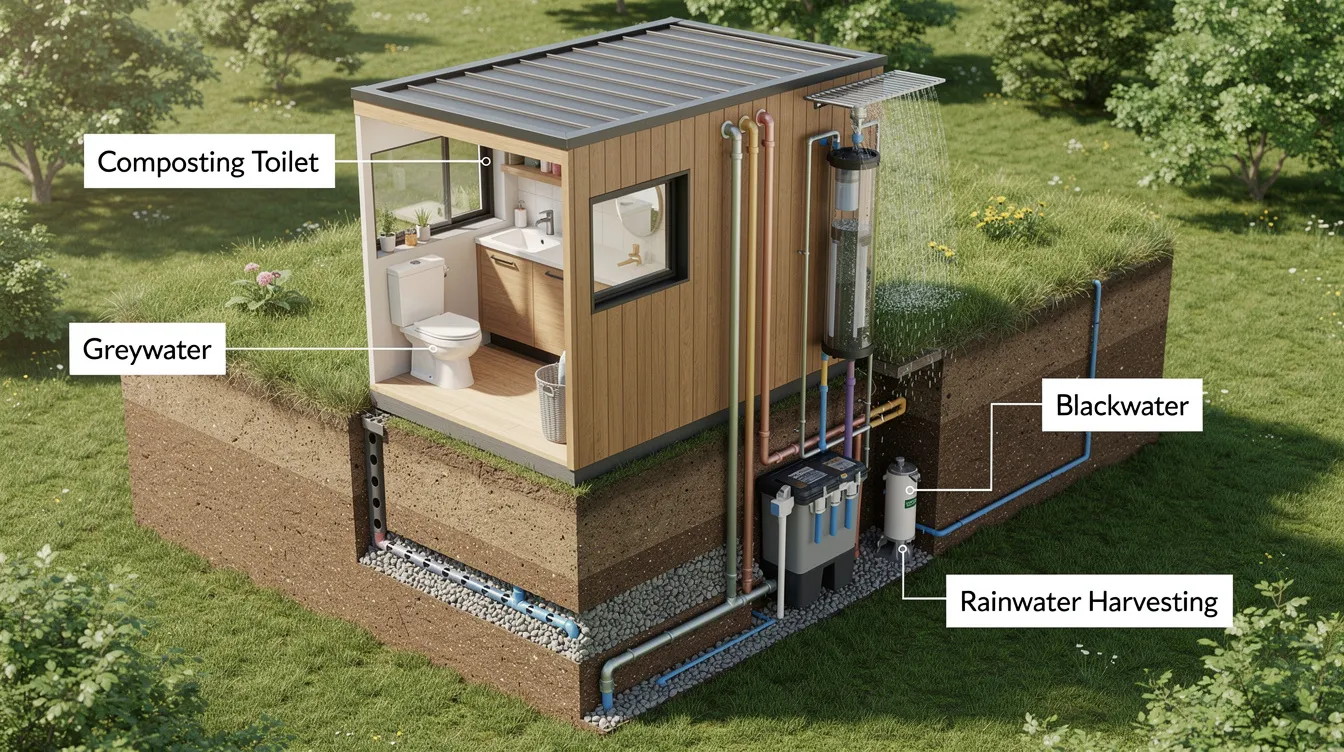
Before choosing a system, you need to understand what you’re managing. Separating black water from grey water helps tiny homes handle waste more efficiently.
Black water:
- Contains urine, feces, and flush water
- Typically routed to a sewage or septic system
- High pathogen load requiring regulated disposal
- Can be eliminated entirely with composting toilets
Grey water:
- Greywater is the non-sewage wastewater that comes from bathroom sinks, showers, and washing machines
- Contains soap, oils, and hair
- Can be reused for irrigation or other non-potable uses with simple treatment
Solid waste and recyclables:
- Packaging, food scraps, and recyclables
- Implementing a DIY trash sorting station can help tiny home dwellers manage recyclables, compost, and general trash efficiently, utilizing limited space effectively
- Composting is a common waste management strategy in tiny homes, allowing residents to handle organic waste effectively and reduce odors
To minimize waste in tiny homes, residents are encouraged to adopt habits such as buying in bulk, choosing reusable items, and avoiding products with excessive packaging. Many people pair thoughtful waste strategies with minimalist tiny houses for sustainable living. Choosing a composting toilet can eliminate black water entirely, leaving only grey water to manage.
Composting Toilets for Tiny Houses
Composting toilets are a practical on-site waste management solution for tiny houses, especially for off-grid living, as they eliminate the need for a septic system while saving space and resources. Over 70% of off-grid tiny homes now use them, particularly in self contained tiny homes for modern off-grid living.
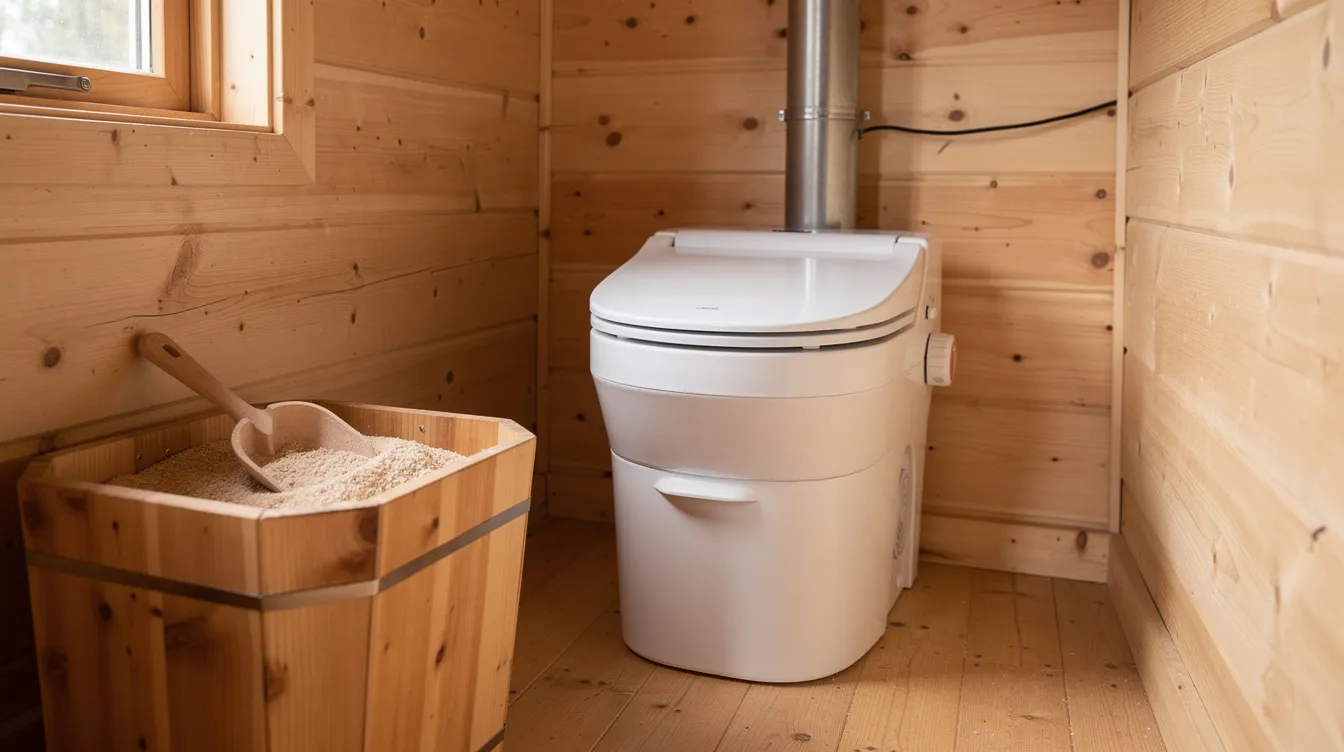
How modern composting toilets work:
- Composting toilets separate solids and liquids, use no water, and can be installed in most tiny homes with minimal space, making them a common choice among off grid homeowners
- A urine diverter sends liquid to a separate container
- Cover material like sawdust, coconut coir, or peat moss supports the composting process
- A small exhaust fan (often 12V) prevents unpleasant odors
- Periodic emptying of solid waste produces nutrient rich compost
Key advantages:
- No water required—saves 6-10 liters per flush
- No septic tank needed in 40+ US states
- Low electricity use (2-4Wh/day)—ideal for off grid living
- Creates compost for non-edible plants
- Cost effective with lower upfront investment
Drawbacks:
- Regular maintenance required (5-10 minutes weekly)
- Learning curve to prevent odour issues
- Local regulations may still require a septic system for grey water
- Handling solid waste buckets may be uncomfortable for some
System Type | Upfront Cost | Maintenance | Best For |
|---|---|---|---|
Self-contained | $900-2,500 | 1-2 hrs/month | Full-time, mobile |
Central system | $2,000-5,000 | Low monthly | Permanent sites |
DIY bucket | $100-300 | High daily | Budget builds |
Choosing the Right Composting Toilet Model
Different composting toilet designs suit different setups and budgets.
Self-contained units (e.g., Nature’s Head):
- Integrated solids container with 0.6×0.5m footprint
- Good for tiny houses on wheels
- Most models use 12V fans venting through roof pipes
- Emptying every 4-8 weeks for two adults
Urine-diverting toilets with external bin:
- Better for long-term off grid sites
- Higher capacity with outdoor compost bin or compost pile
- Yields 20-50kg compost per person annually
Ultra-budget DIY options:
- Lined bucket with sawdust cover material
- Low upfront cost but low maintenance isn’t possible—requires daily attention
- Best for seasonal cabins or very low budgets
Proper maintenance of composting toilets is essential to prevent odors, which can be managed by regularly checking the exhaust fan, adding dry carbon-rich materials, and using eco friendly cleaning products while considering broader tiny house septic options for sustainable living solutions.
Do You Still Need a Septic System with a Composting Toilet?
A composting toilet usually removes the need for a black water septic tank. But grey water may still require treatment.
- Many regions allow composting toilets but still require a legal grey water system or small septic tank
- About 60% of US jurisdictions mandate grey water septics or approved diverters
- Check 2024-2026 regulations for your specific area—rules differ even between neighbouring counties
- An off grid tiny house on rural land might use composting toilet plus simple grey water system, while backyard tiny homes may need sewer connection
Plan your toilet and grey water system together before building to avoid expensive option retrofits or compliance issues.
Septic Systems and Mini Septic Tanks for Tiny Homes
A septic system uses a septic tank plus drainfield for wastewater treatment. It’s been the traditional rural solution for decades.
Standard septic considerations:
- Typical 1000-2000 gallon tanks are overkill for tiny house flows of 50-100 gallons daily
- Mini septic systems (300-500 gallon capacity) handle small flows better
- Installed cost ranges from $4,000-12,000 for scaled-down systems
Pros:
- Familiar to councils and inspectors
- Handles both black water and grey water
- Low maintenance once installed (pumped every 3-5 years)
Cons:
- High installed cost ($10,000-20,000 total)
- Requires suitable soil and 50-100m² drainfield space
- Not ideal for mobile tiny homes
- Expensive option compared to composting alternatives
Approach | Upfront Cost | Annual Cost | Space Needed |
|---|---|---|---|
Flush + Septic | $15,000 | $300 | 50-100m² |
Compost + Grey Water | $2,000 | $100 | Minimal |
When a Septic Tank Still Makes Sense
Despite composting toilets’ popularity, septic tanks remain best in some scenarios, especially when integrating them into tiny house designs for modern living:
- Tiny house parked permanently on rural land where code requires a septic system anyway
- Multi-unit setups (tiny house villages) where shared system spreads cost to $3,000/unit
- Cold climates where year-round composting is harder and frost-protected septic is simpler
- Resale considerations—a permitted septic system often makes banks and buyers more comfortable
Grey Water Systems for Tiny Houses
Grey water systems let tiny homeowners reuse water waste from sinks, showers, and washing machines for irrigation instead of sending everything to a septic tank.
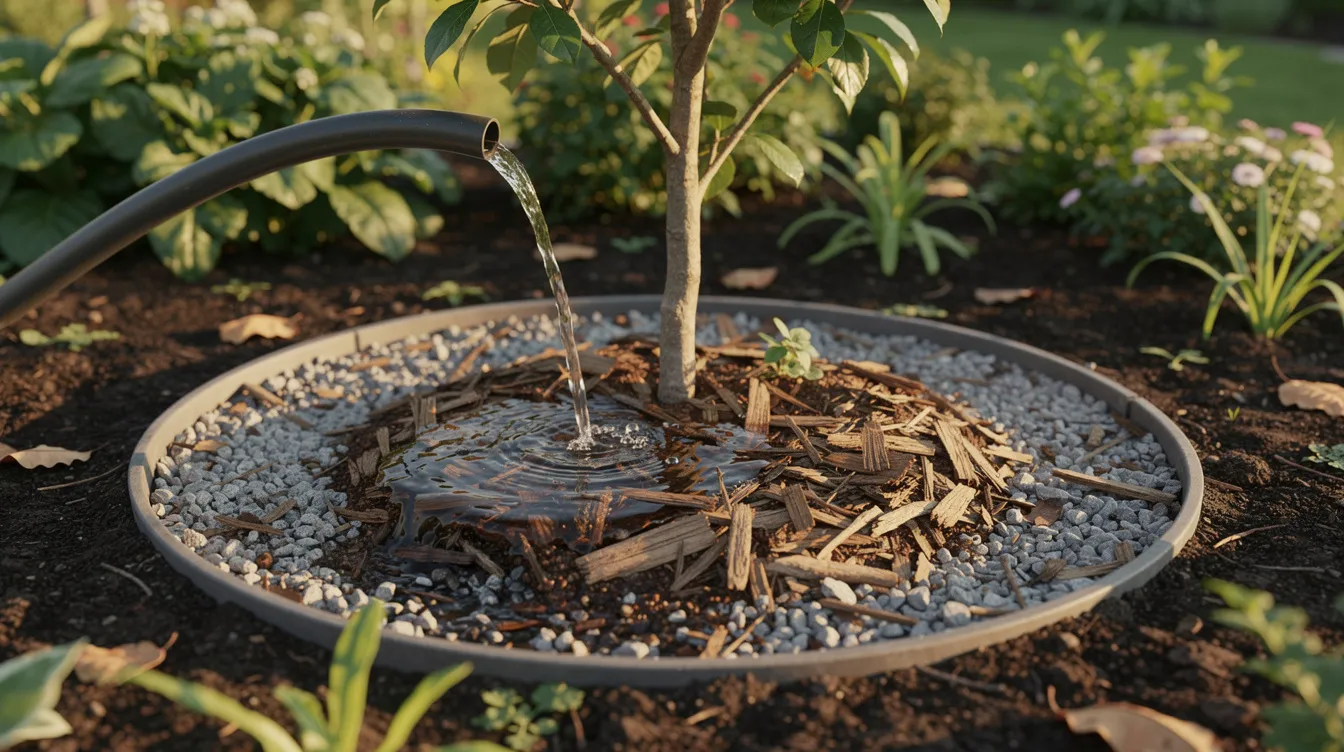
Basic grey water system components:
- Plumbing that diverts shower water and sink water to mulch basin, drip irrigation, or small wetlands
- Typical tiny house produces 30-60 liters of grey water per person daily
- A surge tank can help regulate flow to garden areas
Benefits:
- Installing a greywater system can help tiny house owners save thousands of gallons of water per year, reducing reliance on city water and conserving drinking water supplies
- Reduces strain on septic systems
- Supports watering plants and garden areas
Legal considerations:
- Setback requirements from property lines
- Bans on storing grey water over 24 hours
- Restrictions on household cleaning products and detergents
Simple Grey Water Options for Off-Grid Living
Small, low-tech water systems match typical tiny house water use and limited budgets, aligning well with many affordable tiny house buildings and designs.
- Bucket capture: Ultra-low cost and portable, but hands-on daily
- Branched drain systems: Simple greywater systems can be constructed to redirect wastewater into gardens using methods like garden hose manifolds, french drains, or branched drain systems—ideal for static tiny homes
- Small commercial units: Compact filter boxes with pump for automatic diversion to drip irrigation ($1,500-3,000)
Use biodegradable household products and low-salt detergents to protect soil and plants when reusing grey water. This supports a sustainable lifestyle while protecting your garden.
Design Considerations in Cold Climates
In cold climates with regular freezes, grey water and waste systems need adaptation, and it becomes even more important to apply tiny house inspiration and space optimization resources to your overall layout.
- Bury grey water pipes below frost line (1.5-2m) and insulate exposed sections under raised tiny houses
- Slope lines at 1:100 for full drainage—avoid long horizontal runs where grey water can freeze
- Consider switching to holding tanks in mid-winter, dispersing grey water only during thawed periods
- Composting toilets may need insulated vent pipes and more carbon cover material in winter
Other Tiny House Toilet Options
Traditional toilets and alternatives beyond composting toilets exist for different scenarios, and many owners pair these with tiny smart home solutions for efficient living.
Incinerator toilets:
- Burn waste to sterile ash using electricity or LPG
- No water or septic tank needed
- High energy use (1-2kWh/use) and upfront cost ($4,000-6,000)
- Best for part-time cabins with strong solar or propane access
Dry flush toilets:
- Use liners or bag cartridges to wrap waste
- Useful for mobile or temporary setups
- Ongoing consumable costs and trash output
Standard flush toilets:
- Connect to sewer or existing septic
- Most familiar option with low maintenance
- Require pressurised water and full plumbing
- Not suited for most off grid scenarios
Bio-digesters:
- Convert waste to biogas and nutrient-rich effluent
- More suited to permanent off grid homesteads
- Produce 0.5-1m³ biogas monthly for cooking
Best Fit for Different Tiny House Scenarios
Toilet options should match your energy system, mobility, climate, and budget.
Scenario | Recommended System | Why |
|---|---|---|
Full-time off grid (modest solar) | Composting + grey water | Minimal electricity, efficient, sustainable option |
Vacation cabin (strong solar/LPG) | Incinerator toilet | Low maintenance for part-time use |
Backyard ADU with services | Flush + shared septic | Code compliance, simplicity |
Ultra-low budget rural | DIY bucket + manual grey water | Lowest cost where regulations allow |
If you live off grid full-time, prioritize systems with minimal environmental impact and access to easy install options, especially if you’re aiming for tiny house nature retreats that blend low-impact living with outdoor immersion. |
Planning and Installing a Tiny House Waste System
Waste management should be designed alongside water supply, power, and floor plan—not as an afterthought.
Planning steps:
- Check local regulations first
- Decide between composting versus flush early
- Estimate daily water use and map waste line routes
- Match system energy needs to your solar or grid capacity
Ventilation and odour control:
- Design vent stacks and fans early
- Plan roof penetrations for composting toilet vents
- Keep grey water traps properly maintained
Maintenance schedule:
- Monthly: Check fans, seals, and natural processes in compost bin
- Seasonal: Inspect grey water outlets and mulch basin
- As needed: Empty solids and urine containers based on occupancy
An RV park or dump station can serve as backup for mobile tiny homes using cassette toilet options, which is particularly relevant if you’re exploring small homes in Washington State where local options and regulations vary by community.
Final Thoughts
Tiny house waste management balances cost, comfort, environmental impact, and legal compliance.
- Composting toilets paired with straightforward grey water systems are the most common and flexible solution for modern tiny houses and off grid living
- Septic systems and flush toilets remain best for permanent, code-heavy sites with complex installations or shared infrastructure
- Choose the simplest system you’ll actually maintain well—this creates better outcomes than high-tech options you neglect
- Update your design as regulations and technology evolve, keeping safety and hygiene as top priorities
A sustainable lifestyle in a tiny house starts with thoughtful waste management. Plan early, check local regulations, and choose systems that match your real daily habits.
FAQ
Is a composting toilet legal for full-time use in a tiny house?
Legality depends entirely on local building and health codes. Some councils allow composting toilets as the primary system, others require a backup septic system, and some only permit them for seasonal cabins. Contact your local health department with your exact plan, including whether your home is on wheels or a fixed foundation. Written approval before installation prevents fines later.
How often do you need to empty a composting toilet in a tiny house?
Frequency depends on tank size and occupants. For typical 2-person tiny homes, solids are often emptied every 3-6 weeks and urine containers every 2-4 days. Nature’s Head example: 1 person = 60 days, 2 people = 30 days, 4 people = 15 days between solids emptying. Cold climates or frequent guests may change intervals.
Can grey water from a tiny house be used on vegetables?
In many regions, regulations only allow grey water for sub-surface irrigation of ornamentals, trees, and non-edible plants—not edible crops. Use grey water on fruit trees, shrubs, and perennial landscaping unless local rules explicitly permit food crop irrigation. Always use biodegradable, plant-safe soaps and avoid bleach.
What is the cheapest waste management setup for a tiny home?
A DIY bucket-style composting toilet with sawdust cover plus manual grey water collection in buckets for irrigating trees costs $100-300 total. This minimises upfront cost but requires daily management. It’s usually only appropriate on rural land with permissive regulations for owners comfortable with hands-on systems.
Do tiny houses on wheels need different waste systems than fixed tiny homes?
Mobile tiny homes favour self-contained composting toilets, cassette toilets, or RV-style tanks because these can travel and connect at campgrounds or dump stations. Fixed tiny homes can justify investing in a septic system, branched grey water drains, or permanent composting setups. Travellers should design for easy disconnects and legal dumping options along their routes.