
Moving from a big house to a tiny home might seem impossible. But thousands of people do it every year. This ultimate downsizing checklist breaks down the process into manageable steps so you can make the transition smoother and stress-free.
Key Takeaways
- Start your downsizing to a tiny house checklist by defining your “why”—whether that’s financial freedom, sustainability, or more freedom from housework—and set a realistic 1-3 month moving date.
- Declutter by category, tackling sentimental items last, and adopt the one-in-one-out rule to prevent clutter from day one.
- Prioritize quality over quantity when choosing furniture and belongings that will fit your small space.
- Handle practical matters—budgeting, zoning research, and utility connections—before selling your current home.
- Mental preparation matters as much as packing boxes for successful tiny house living.
- Define Your Why for Tiny House Living
- Evaluate Your Current Lifestyle and Stuff
- Measure and Plan Your Future Tiny Home Layout
- Declutter and Minimize: The Core Downsizing Checklist
- Downsize Your Wardrobe for Tiny Home Living
- Handle Sentimental Items Without Regret
- Address Practical Matters: Money, Location, and Legalities
- Prepare for Moving Day and Life in Your Tiny House
- FAQ
- How long does it realistically take to downsize from a big house to a tiny home?
- What size tiny house should I choose if I’m coming from a large family home?
- Should I rent storage instead of letting go of things when I move to a tiny house?
- Can tiny home living work with kids or pets?
- What if I regret getting rid of something important?
Define Your Why for Tiny House Living
Every effective downsizing checklist starts with understanding your personal reasons. Identifying your motivations for downsizing, such as financial freedom or a commitment to sustainability, is crucial as it will guide your decisions throughout the process.
Common motivations include:
- Financial freedom: Over two-thirds of people participating in tiny house living do not have a mortgage, and over half have more savings than the average American
- Sustainability: Living in a tiny home can significantly reduce environmental impact, as it encourages a lifestyle of consuming less
- Travel flexibility: Take your home anywhere
- More time: Less housework means 5-10 extra hours weekly
Having clear goals for your tiny home living experience helps shape your downsizing strategy and keeps you focused on your motivations during challenges. Write down 3-5 concrete goals like “Reduce housing costs by 40%” or “Cut belongings by 70% before move-in day.”
Try this exercise: Have each family member list what they hope tiny living will change in daily life. Locking in your reasons for downsizing can help you stay motivated when decision making gets tough. Your “why” becomes the filter for every choice—keep, sell, donate, or store.
Evaluate Your Current Lifestyle and Stuff
Before planning how much space you’ll need in a 200-400 sq ft tiny house, understand how you live now so you can later choose tiny house plans that fit your life.
Do a simple week-in-the-life audit:
- Note which rooms get used daily
- Identify which spaces stay mostly empty
- Track what possessions you actually touch
Research shows 40% of rooms in average U.S. homes go unused daily. That guest room? Probably sitting empty 90% of the time.
Create an inventory using these categories:
Category | Examples | Action |
|---|---|---|
Essentials | Daily clothes, core kitchen tools | Keep |
Nice-to-have | Extra linens, duplicate items | Evaluate |
Sentimental items | Photos, heirlooms | Limit |
Non-essentials | Duplicate gadgets, unused gear | Eliminate |
Here’s a critical rule: Anything already in a storage unit, basement, or attic for over 12 months must be questioned. Americans rent 10.7 million storage units at an average $1,200 annual cost—money that could go toward your new home. |
Measure and Plan Your Future Tiny Home Layout
Precise measurements prevent heartbreak when moving into tiny houses and help you evaluate different tiny house designs for modern living. A typical 24×8 ft tiny house on wheels gives you 192 sq ft on the main level plus 80 sq ft in lofts.
Measure these key areas:
- Overall length and width (typically 20-40 ft)
- Interior heights (6.5-7 ft main, 3-4 ft lofts)
- Door widths (24-30 inches)
- Zones: kitchen (6-8 ft), bathroom (4×6 ft)
Create a scaled tiny house floor plan using graph paper or free apps. Map where must-keep items go. Maximize vertical space with built-in storage: under-stair drawers yield 20-30 cubic feet, wall shelves add 15-25 sq ft of usable area.
Investing in multifunctional furniture can significantly enhance space efficiency in tiny homes. Think sofa beds, lift-top coffee tables, and fold-down desks. Multi-functional furniture is essential in tiny homes, allowing residents to adapt their living spaces for different uses throughout the day, as highlighted in many tiny house inspiration and resource guides.
Prioritize Essential Tiny House Spaces
Every tiny home layout needs non-negotiable zones tailored to your household.
Core spaces include:
- Sleeping zone: Loft queen bed or murphy bed
- Compact kitchen: 2-burner induction + mini-fridge in 20 sq ft
- Bathroom: Wet bath combo (30×48 inches)
- Flex area: Fold-down table for dining and work
Choosing furniture that serves multiple purposes, such as a bed with storage underneath or a table that folds against the wall, maximizes limited square footage without sacrificing comfort. A remote worker might need a dedicated desk, while a retired couple might prioritize a larger kitchen. Each essential space should have a specific list of must-haves to guide your checklist.
Declutter and Minimize: The Core Downsizing Checklist
This is the heart of your ultimate downsizing checklist. Use the 4-Box Method for decluttering: Keep, Donate, Sell, Trash, to help categorize and make decisions about your belongings.
Work through categories in this order:
- Clothes (aim for 40 items per person)
- Kitchen tools (15-20 essential pieces)
- Furniture (5-8 multi-functional pieces)
- Books (50-100, digitize the rest)
- Hobby gear (3-5 core items)
- Paperwork (digitize most)
- Sentimental items (tackle last)
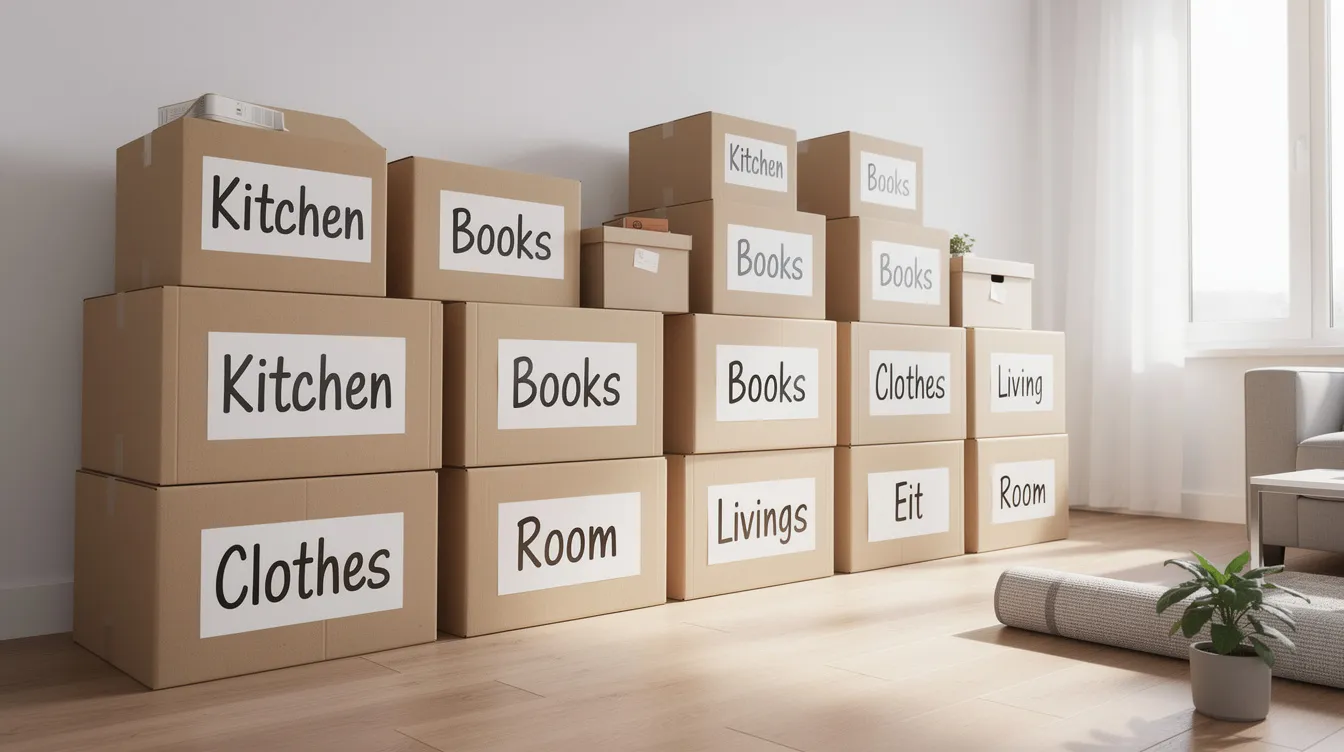
Start with easy wins—expired pantry items, duplicate gadgets—before tackling emotionally heavy categories. Label boxes clearly with target completion dates like “finish kitchen by June 15.”
Remember: tiny living rewards intentional choices. Only what earns its space stays. Everything else must go.
Adopt the One-In, One-Out Rule Early
Implement a one-in, one-out rule for new possessions to prevent accumulation and encourage mindful consumption. This simple rule is key to maintaining a clutter-free tiny house long term.
Starting now, for every item entering your home, one must leave:
- New pan? Donate the old one
- New hiking shoes? Sell the worn pair
- New books? Gift old favorites to friends
Establish this habit at least 3 months before move-in. It transforms shopping from accumulation to intentional replacement.
Digitize Documents, Photos, and Media
Paper and bulky media quickly overwhelm tiny homes. Digitize important documents and photos to reduce physical paperwork and save space in your tiny home.
Categories to digitize:
- Tax returns (keep 7 years per IRS rules)
- Instruction manuals
- Photos and negatives
- CDs and DVDs
Use scanner apps and cloud storage. Schedule weekly 1-hour sessions before moving day. Keep a small fireproof box for originals that must stay physical—birth certificates, property deeds, and other important documents in digital formats where possible.
Downsize Your Wardrobe for Tiny Home Living
Closets often hold the easiest cubic footage to reclaim. A capsule wardrobe of 25-40 mix-and-match pieces per adult works across 2-3 seasons.
Mini wardrobe checklist:
- 2-3 outerwear pieces
- 7 tops
- 5 bottoms
- 3 pairs of shoes
- 2 special-occasion items
Rotate out-of-season clothes into a single under-bed bin. Sell higher-end pieces online—average earnings run $500-$2,000. Donate everyday items to local charities by a specific cutoff date. Focus on quality over quantity when building your minimalist lifestyle.
Handle Sentimental Items Without Regret
This is usually the hardest part of any downsizing checklist. The psychological impact of downsizing can be significant but manageable, as letting go of possessions may initially feel like losing part of one’s identity, yet it often leads to discovering what is genuinely valuable in life.
Set a fixed physical limit: one medium “memory box” per person (2-4 cubic feet) plus a small shared box for family keepsakes.
Strategies that work:
- Photograph children’s artwork before recycling
- Create digital albums from yearbooks
- Keep one representative item instead of entire collections
Many people report that the process of downsizing helps them prioritize their emotional well-being, as it encourages them to focus on what truly matters and fosters a sense of freedom from material possessions. Tiny home living doesn’t mean erasing memories—it means curating what no longer serve you and keeping only what sparks joy.
Share or Re-Home Treasured Belongings
Giving sentimental items a good new home makes letting go easier. Gift special books, tools, or furniture to friends who will actually use them, with a clear deadline before your tiny house move.
Consider labeling items with a short story or note to the recipient. You’re not losing pieces of yourself—you’re spreading your story into the community. Items that longer serve you might perfectly serve someone else.
Address Practical Matters: Money, Location, and Legalities
Tiny house dreams only work when finances, land, and rules are checked off. The cost of a tiny house is significantly less than that of a standard home, and using a detailed tiny home cost calculator can clarify your real budget.
Basic budget considerations:
Expense | Cost Range |
|---|---|
THOW (DIY) | $20,000-$40,000 |
THOW (Prefab) | $60,000-$100,000 |
Land/lot rent | $200-$800/month |
Initial setup | $2,000-$5,000 |
Building your own tiny home can be cheaper than buying a pre-built one, as it typically involves only material costs, but unexpected expenses can arise during DIY projects, potentially making the final price similar to pre-built options, so study a step-by-step guide on how to build a tiny house before you commit. |
Compare your current big house costs (mortgage, taxes, utilities) with projected tiny home living expenses. Over two-thirds of people participating in tiny house living do not have a mortgage, which can lead to increased financial freedom and savings. Create a written timeline with target dates for selling your existing home.
Choose a Location and Understand Local Rules
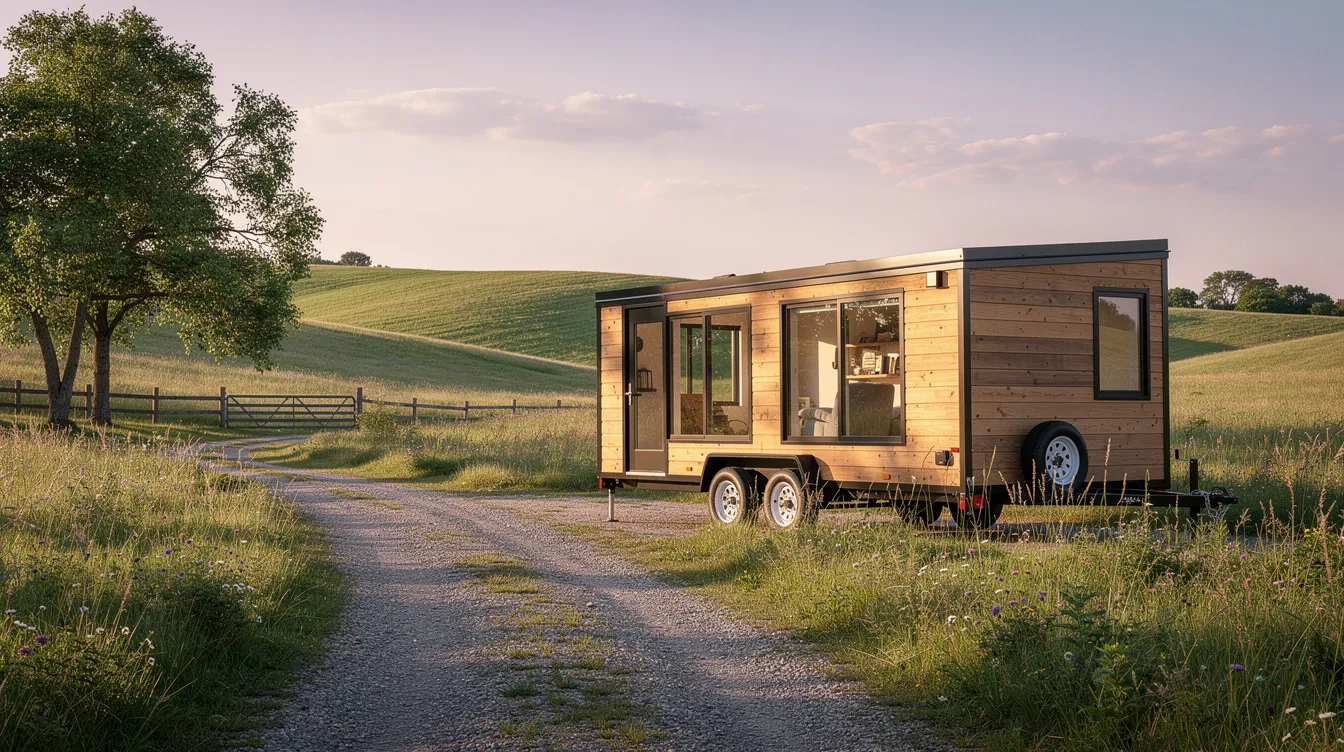
Zoning laws and building codes can limit where tiny homes are allowed. Select a location that aligns with your lifestyle needs and zoning regulations for tiny homes, ensuring that necessary amenities are available nearby.
Options to explore:
- Rural lots ($10k-$50k per acre)
- Tiny house communities ($400-$800/month)
- Backyard ADUs where legal
Call local planning offices to ask specifically about tiny houses on wheels versus foundation-built tiny homes. The rules differ significantly.
Plan Utilities and Off-Grid Choices
Tiny home living still requires safe, reliable utility connections. Plan for utilities and off-grid considerations by determining whether your tiny home will be connected to traditional utilities or if you’ll embrace off-grid living with solar power and rainwater harvesting, possibly by choosing one of the many self-contained tiny homes for off-grid living.
Questions to answer:
- How many devices do we charge daily?
- Electric or gas cooking?
- What climate will our tiny house face?
Permits and inspections may be needed for both on-grid and off-grid setups. Schedule these well before move-in to reduce stress.
Prepare for Moving Day and Life in Your Tiny House
An organized move smooths the transition from big house chaos to tiny home calm. Develop a moving timeline that includes tasks such as downsizing, packing, and coordinating with movers to reduce stress and ensure a smooth transition.
60-90 day countdown:
- Month 1: Final purge deadlines
- Month 2: Sell remaining furniture, list items online
- Month 3: Pack essentials, schedule towing services
Prioritize essentials in clearly labeled boxes—kitchen basics first, linens, work gear, pet supplies. Arrange insurance for your new place and confirm delivery logistics. Keep a “first 48 hours” kit separate: 3 days of clothes, basic tools, important documents, and toiletries.
Mindset Shifts for Tiny Home Living
Downsizing is as much mental as physical. The transition to tiny home living presents challenges such as limited personal space and the need to downsize belongings, which can be difficult for many, even when they’re motivated by the appeal of minimalist tiny houses for sustainable living.
Embracing minimalism through downsizing can bring clarity and reduce stress from cluttered environments, allowing individuals to find that living with less actually offers more freedom and time for experiences over maintaining possessions.
Benefits that offset challenges:
- More time outside
- Less cleaning (40% reduction)
- Lower bills (potential $15k annual savings)
- Closer connections with family and community
Many people find that the trade-offs of tiny home living, such as lower living costs and increased mobility, are worthwhile despite the initial challenges. Weekly mini-declutters keep life feeling spacious and intentional.
FAQ
How long does it realistically take to downsize from a big house to a tiny home?
Expect 3-6 months for a full family home and 1-3 months for a small household with steady weekly effort. Block 2-3 decluttering sessions per week. Assign each month to specific categories or rooms in your plan. If building your tiny house, start downsizing before the build finishes—don’t forget the timelines can overlap.
What size tiny house should I choose if I’m coming from a large family home?
Common ranges: 200-260 sq ft for solo living, 260-350 sq ft for couples, 320-450 sq ft (including lofts) for small families. Base your decision on household size, work-from-home needs, and whether you’ll host guests. Starting slightly larger while focusing on quality over quantity can ease the first years.
Should I rent storage instead of letting go of things when I move to a tiny house?
Long-term storage often undermines tiny living’s financial and mental benefits. Use storage as a short-term safety net only (3-12 months) with a set end date written into your plan. After that period, decide whether to integrate items into your tiny home or get rid of them permanently. Statistics show 90% of stored items are never retrieved.
Can tiny home living work with kids or pets?
Yes, with planning. Examples include loft bedrooms for kids with 36-inch guardrails and built-in pet nooks under stairs or benches. Prioritize routines, outdoor play spaces, and nearby community resources to offset reduced indoor room. Include kid- and pet-specific items in your checklist to keep everyone safe and comfortable.
What if I regret getting rid of something important?
Use a “maybe box” system: seal for 90 days, and if unopened, items can go. Take photos of meaningful belongings and write brief notes about why they mattered before letting go. Focusing on quality over quantity and aligning possessions with your “why” greatly reduces long-term regret. The idea of loss often feels worse than the reality.