



Creating a tatami room in your home brings centuries of Japanese design wisdom into a modern living space. Whether you live in a city apartment or a suburban house, you can build your own tatami room without professional help or a massive budget, and these same principles extend to designing small Japanese apartment interiors that feel calm and cohesive. This guide walks you through every step, from planning and material selection to installation, furniture, and daily care.
Key Takeaways
- You can create a tatami room by either replacing your floor with full tatami flooring or simply laying tatami mats over existing hard flooring for a reversible, renter-friendly approach. Ryukyu tatami squares work especially well for DIY projects.
- Tatami rooms have been integral to Japanese homes for centuries, and tatami mats symbolize Japanese craftsmanship and cultural heritage. During the Nara period, they were luxury items reserved for nobility, while the Edo period saw tatami mats become common in Japanese homes across social classes.
- Authentic rooms favor natural materials, minimal furniture, and soft indirect light using elements like shoji screens. Tatami rooms are used for family gatherings and traditional ceremonies, and they double as a bedroom, meditation corner, or multi-purpose space with a futon or low platform bed.
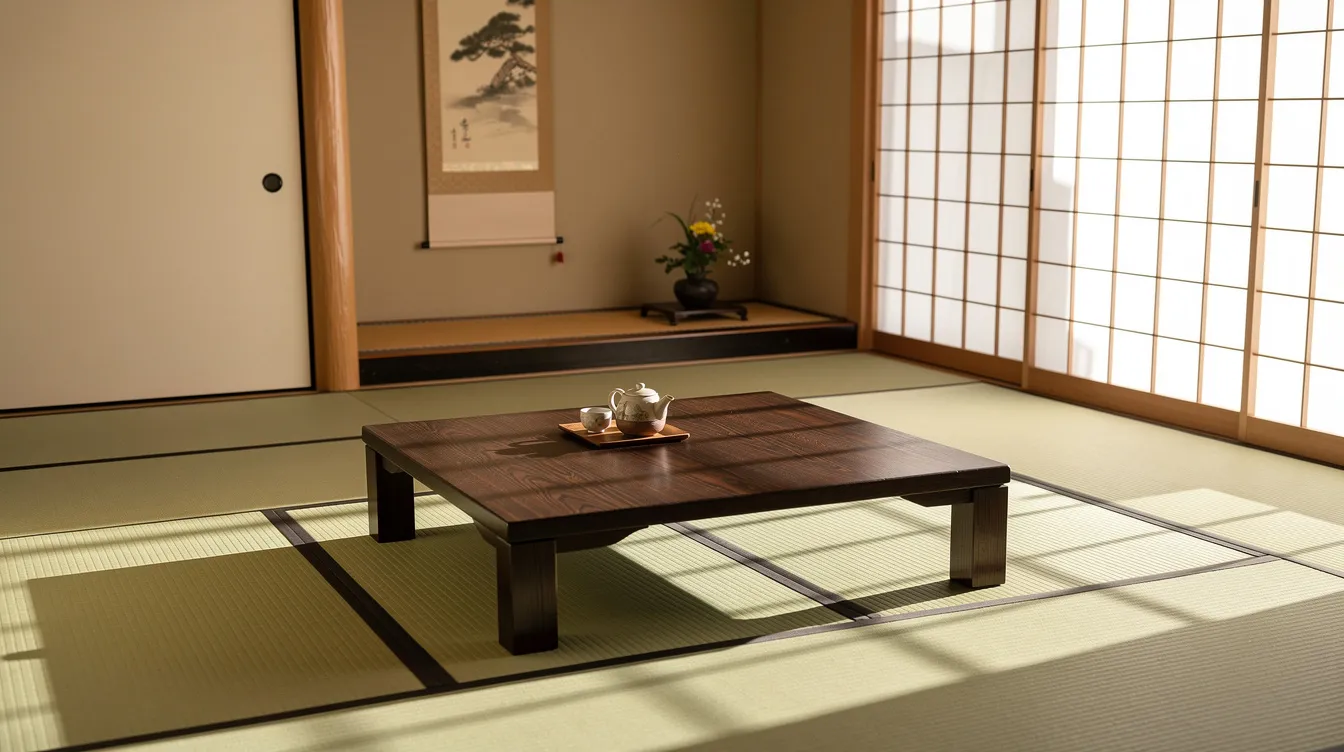
Planning Your Tatami Room (Space, Light, and Layout)
Before buying any mats, choose the right room, define its purpose, and sketch your layout. This planning phase prevents costly mistakes and ensures your finished space looks intentional rather than improvised.
Start by selecting a room with hard flooring – wood floor, laminate, or tile – and at least one south- or east-facing window. Natural sunlight enhances the color and scent of tatami but avoid rooms with chronic dampness, basements with poor ventilation, or areas prone to condensation underneath doors.
Tatami mats typically measure about 191 cm × 95.5 cm in the traditional Kyōma standard size. Modern ryukyu tatami squares run around 82 cm per side. Tatami mats are often used in rooms measured by the number of mats, so a traditional tatami room should have a minimum size of 4.5 mats (approximately 270 cm × 270 cm) for a tea room. Measure your space in centimeters and sketch layouts on paper before ordering.
When arranging your layout, tatami mats should be laid in a checkerboard pattern with alternating grain directions. Three corners of tatami mats should meet at any junction, not four – this is both structurally sound and culturally auspicious. Using an odd number of tatami mats is considered auspicious, and you should avoid direct door-to-door alignment for better energy flow.
Decide the room’s primary function – guest bedroom, meditation space, yoga corner, or multi-purpose family room – because this dictates furniture quantity and placement and mirrors how Japanese small houses optimize multifunctional spaces within compact footprints. If you’re in a rental, focus on reversible solutions: modular mats over existing floors that you can rearrange or take with you.
Choosing Tatami Mats and Natural Materials
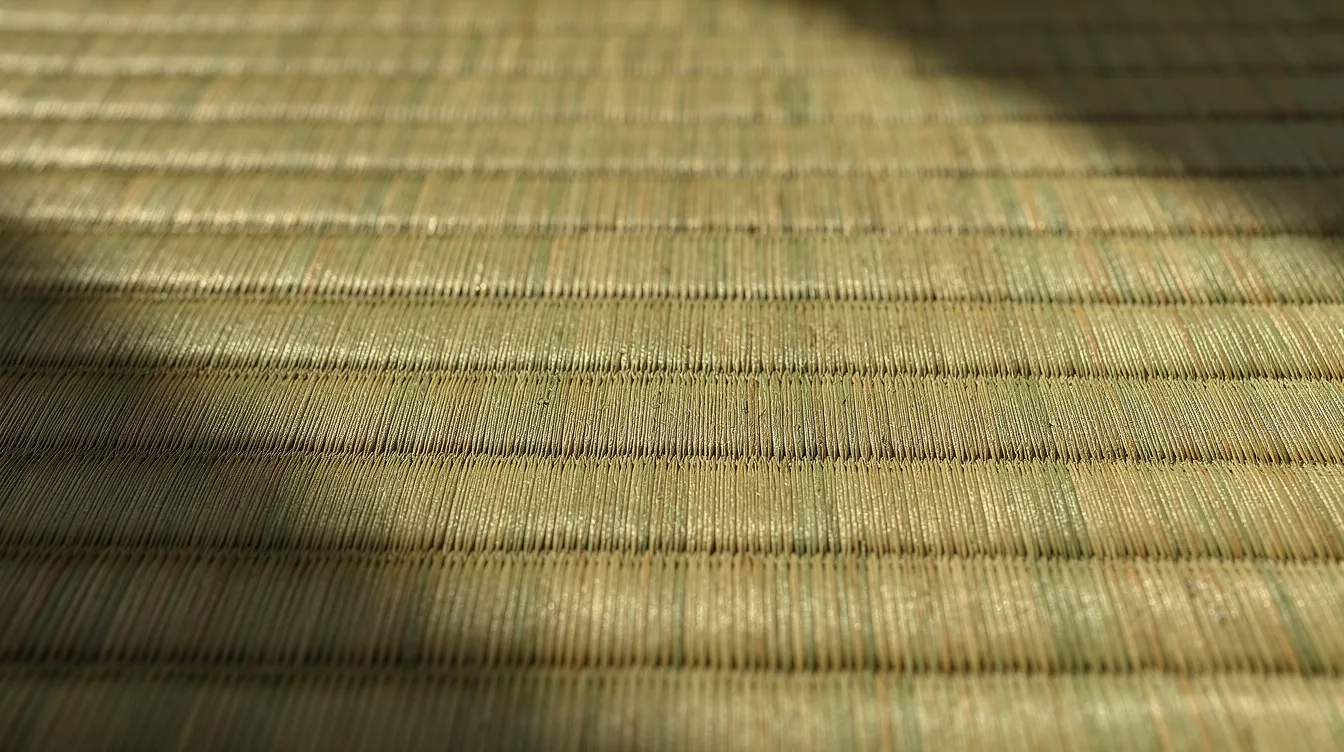
Tatami mats are traditional Japanese floor panels made from natural materials. The classic construction pairs a rice straw or compressed board core with an igusa (rush grass) facing, sometimes finished with cloth borders. Tatami mats are traditionally made from rice straw and rush grass, and they remain available in various thicknesses and styles to accommodate different budgets and room types.
Core options at a glance:
Core Type | Thickness | Weight | Best For |
|---|---|---|---|
Rice straw | ~5.5 cm | Heavy | Permanent rooms, premium quality |
Compressed board | ~4–5 cm | Medium | Budget-friendly, long-term use |
Foam/synthetic | ~2–3 cm | Light | Overlays, temporary setups |
Full-size mats create classic washitsu layouts, while smaller ryukyu tatami squares suit DIY projects and irregular room shapes, similar to how Japanese-style tiny homes use tatami and modular layouts to maximize flexibility. Borderless Ryukyu mats in alternating weave directions produce a modern checkerboard pattern, while bordered mats with dark fabric edging offer a more traditional style. |
The igusa surface delivers concrete health benefits. Tatami mats purify air by absorbing harmful substances like formaldehyde – studies show up to 98% reduction in enclosed spaces. Tatami mats help regulate room humidity for comfort, absorbing roughly 2.5 times more moisture than cotton. They are hypoallergenic and suitable for allergy sufferers, and the scent of rush grass in tatami promotes mental relaxation.
Choose mats with slip-resistant backings when laying on smooth hard flooring to protect the subfloor. Prioritize products that clearly state materials and origin – 100% natural igusa from Japan ensures durability and authentic feel.
For complementary elements, natural materials like bamboo, wood, and paper are emphasized in tatami room design, and you can extend this feeling outdoors by incorporating small Japanese garden designs for tranquil spaces. Think solid wood low tables, bamboo blinds, linen cushions, and paper shoji screens to keep the overall japanese style cohesive.
Installation Methods: From Simple Layering to Full Tatami Flooring
There are two main paths to building a tatami room: DIY layering over existing floors and full renovation with tatami as the primary flooring. Your choice depends on budget, commitment level, and whether you rent or own.
DIY layering is the simplest approach. Tatami mats can be laid directly over existing flooring – simply place them on hardwood, laminate, or tile, align edges by hand, and use non-slip pads beneath if the surface is smooth. DIY tatami installation requires no special tools or expertise, making it perfect for renters, small meditation corners, or anyone testing tatami for the first time. To transform hard flooring into a japanese style room, you can add low quarter-round trim molding around the perimeter, nailed or glued to the subfloor, to keep mats from shifting.
When mats don’t completely fill the room, build a raised wood box frame to fill gaps or leave an intentional border of visible wood floor for contrast. This framing approach adds elegance without permanent modification.
Full renovation means removing existing flooring – a professional installation method – or building a raised tatami platform so mats sit flush with adjacent rooms, typically with a carpenter’s help. The subfloor must be flat, stable, and moisture-controlled: plywood, concrete with a vapor barrier, or existing wood all work well. Avoid carpet underneath, as it traps moisture and creates an unstable base.
Leave a small expansion gap against walls, orient mats so their long grain runs with the main traffic direction, and keep mats away from poorly sealed balcony doors.
Cost reference: Material costs for tatami mats range from 8,000 to 15,000 yen each. A 6-tatami room renovation costs between 200,000 and 500,000 yen depending on depth of work and premium quality materials chosen.
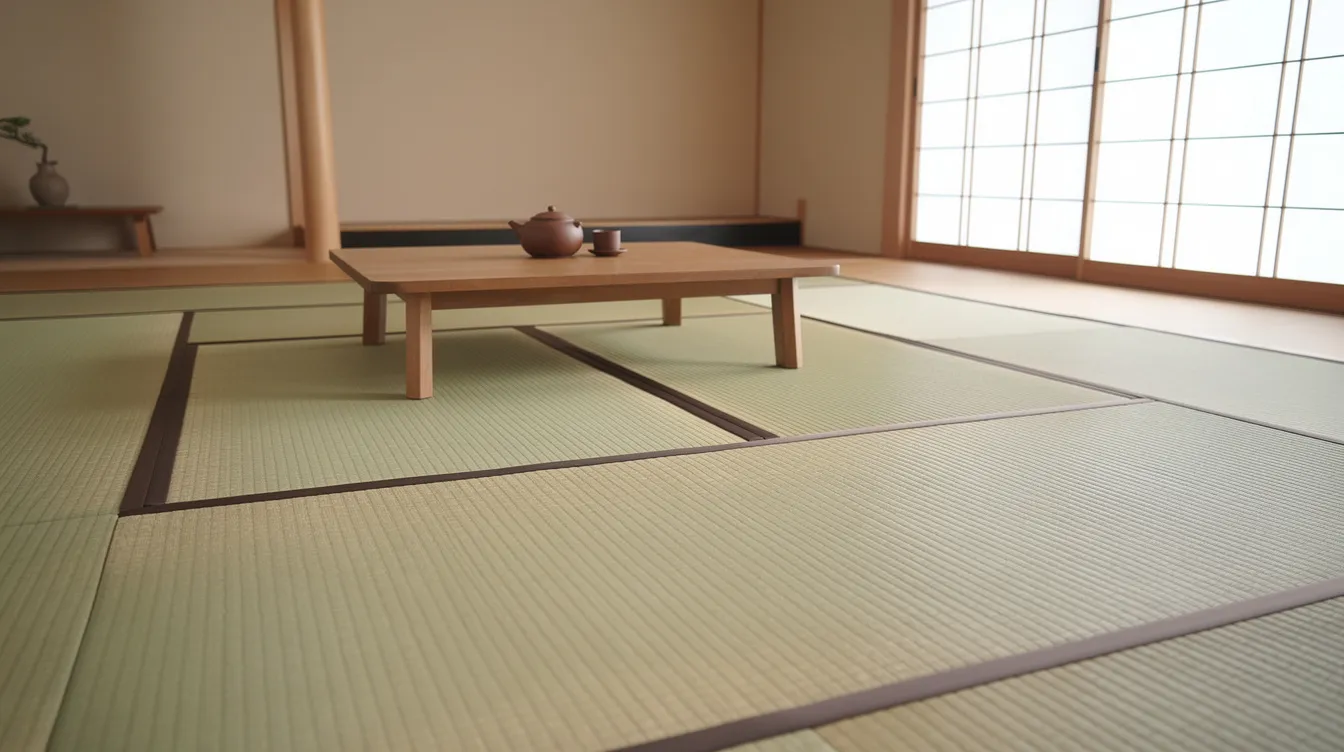
Designing the Interior: Color, Furniture, and Japanese Style Details
A tatami room’s atmosphere comes from restraint – muted colors, minimal furniture, and a few carefully chosen elements. Keeping the tatami room uncluttered enhances its serene environment and reflects the simplicity and minimalism at the heart of japanese culture.
Color palette: Light beige, warm wood tones, soft whites, charcoal accents, and the natural greenish hue of fresh tatami. Avoid bold neon or highly saturated colors on large surfaces. For the wall and ceiling, use matte off-white paint or light wood paneling. A single accent wall in wood or clay texture can add depth without competing with the tatami flooring.
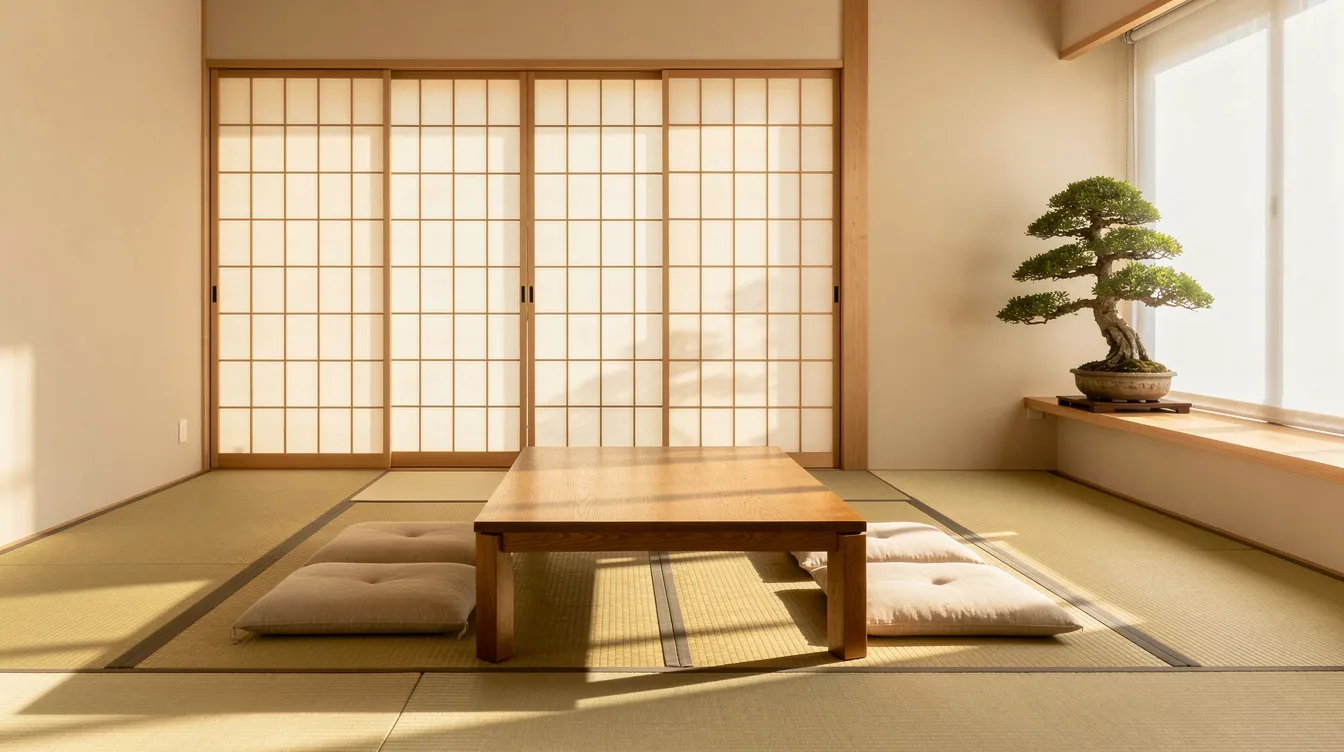
Shoji screens made of light wood and translucent paper create soft lighting in tatami rooms, functioning as room dividers, closet doors, or window coverings. Lighting in a tatami room should be warm and soft to promote a tranquil atmosphere – think floor lamps with washi paper shades rather than harsh overhead fixtures.
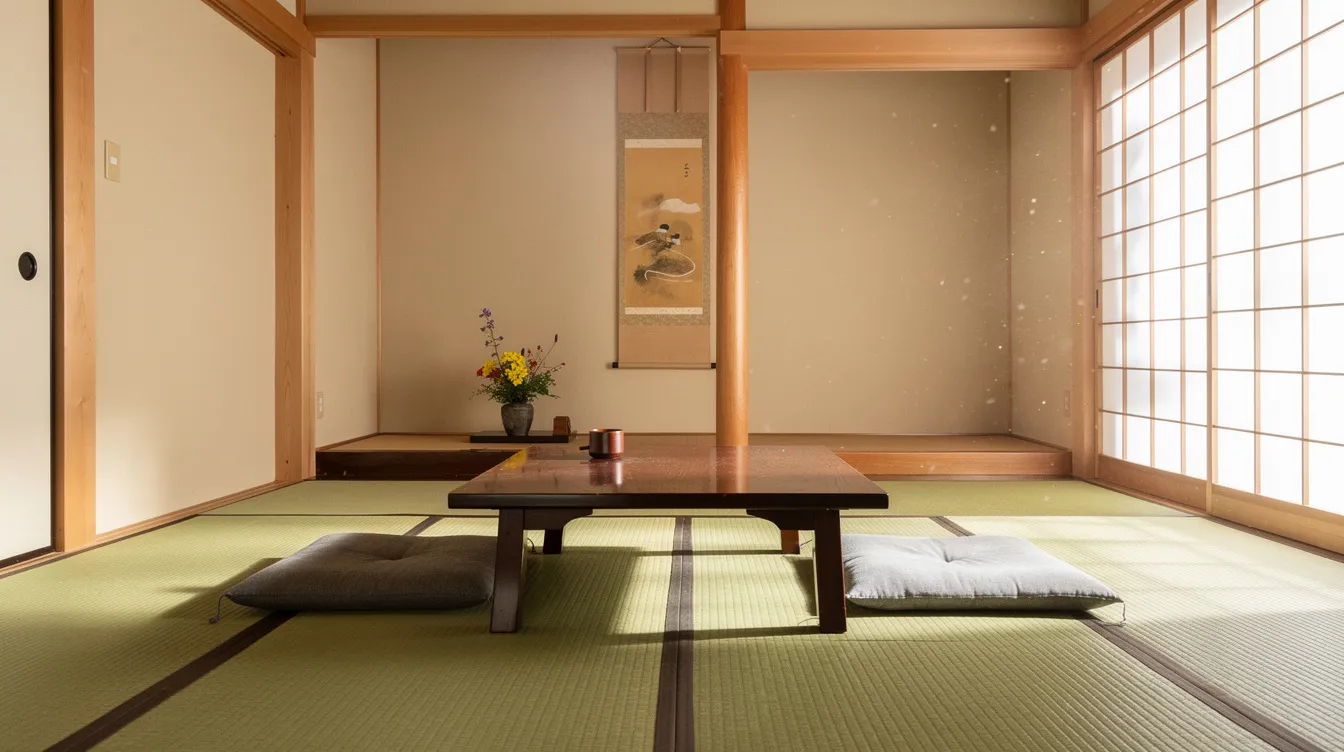
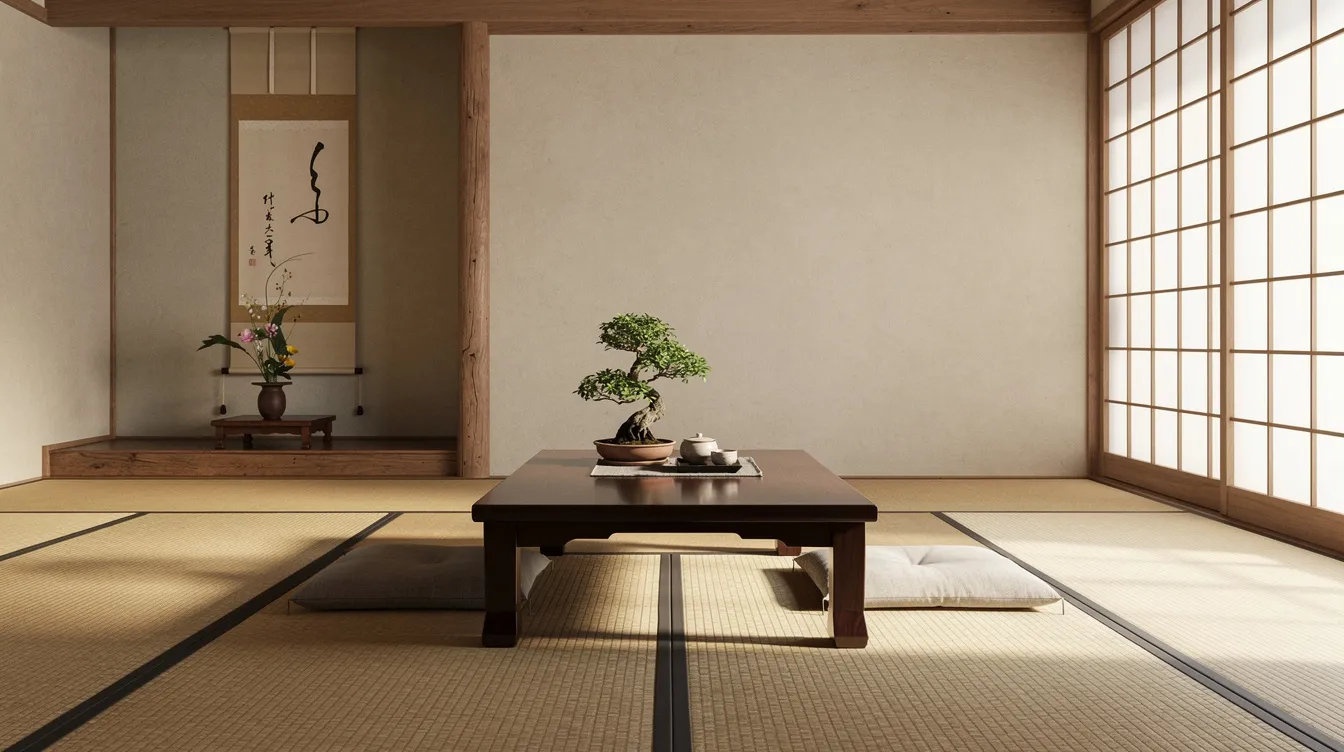
Low-profile furniture is important in traditional tatami rooms to maintain harmony with the mats. Keep it minimal: one central chabudai (low table), thin zabuton sitting cushions, perhaps a single zaisu floor chair with no legs, and storage built into closets instead of freestanding cabinets. Traditionally, entire rooms were kept open and flexible.
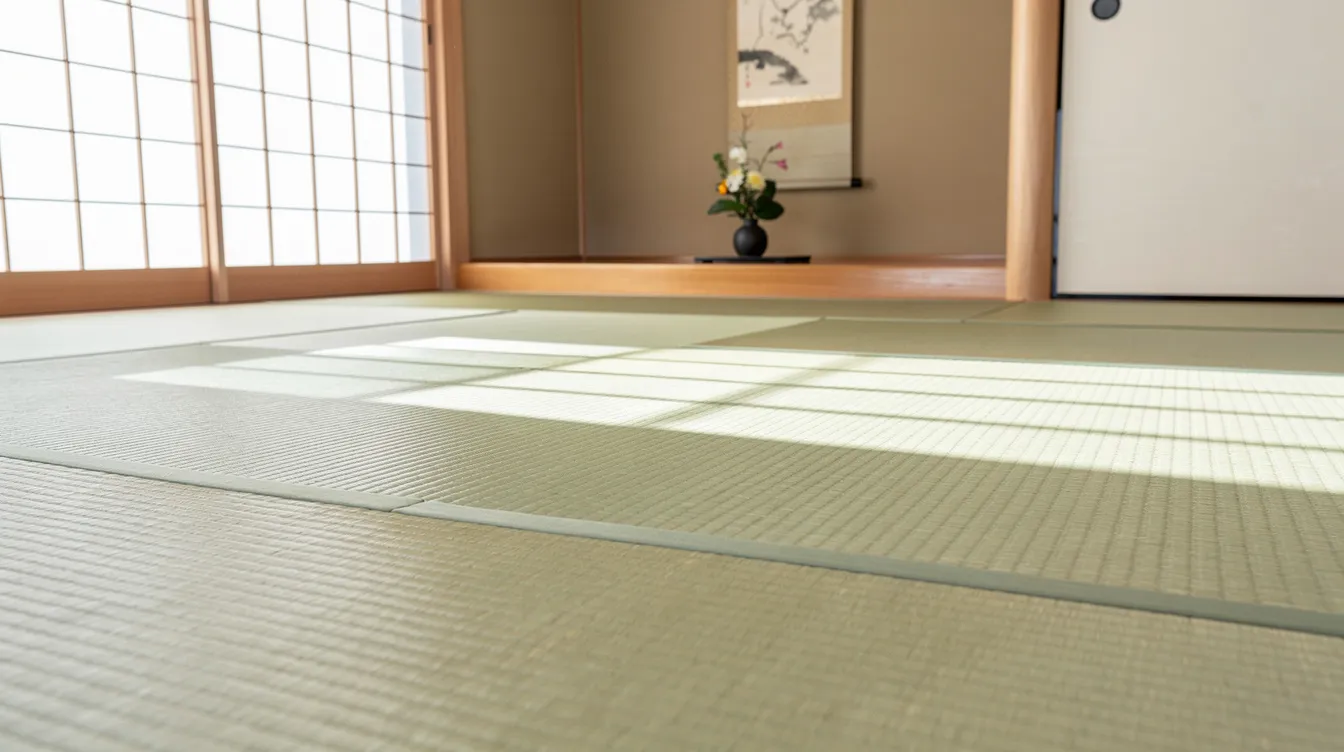
For sleeping, use a foldable futon stored during the day to free floor space for tea, reading, or yoga – or a low wooden platform bed that distributes weight evenly. A tokonoma alcove is often included to display seasonal art or floral arrangements; even a small shelf with a simple vase and one hanging scroll captures this cultural background beautifully.
Tatami mats can be used for sleeping, tea ceremonies, and meditation. Tatami rooms are designed to serve multiple purposes, offering flexibility between functions – a bedroom by night becomes a space for relaxation and sitting by day. Emphasize negative space: open floor, clear lines, and unobstructed mats are part of the beauty.
Living With Tatami: Daily Use, Care, and Health Benefits
A tatami room is meant for daily use – sitting, sleeping, stretching – and proper habits keep mats beautiful for many years. The igusa surface ages gracefully, shifting from fresh green to warm honey-gold over the first couple of years – a patina that adds character.
Daily etiquette: Tatami etiquette includes removing shoes before entering to maintain the mats’ condition. Avoid dragging heavy furniture, and use felt pads under low table legs or platform bed feet to prevent dents.
Cleaning routine:
- Vacuum tatami mats gently to remove dust, always along the grain – once or twice per week
- Wipe tatami mats with a damp cloth occasionally for spot cleaning; never soak
- Immediately blot any spilled liquids
Humidity control: Open your window regularly, especially after rainy days. Use a dehumidifier during humid seasons to prevent mold. Regular airing of tatami mats is recommended to prevent mold and ensure hygiene – additionally, tatami mats should be aired out regularly to maintain freshness. In dry winters, keep humidity moderate so mats don’t over-dry and crack.
As mentioned earlier, tatami mats provide moderate cushioning for better sleep posture, making them ideal for futon sleeping. The firm yet resilient surface supports spinal alignment better than overly soft surfaces. They also offer muted acoustics because tatami absorbs sound, creating a softer visual and auditory environment that supports meditation and more restful sleep.
With simple routines and mindful use, a tatami room can remain a calm, restorative space in your house for many years. Start with a few mats, experience the difference, and expand from there.
FAQ
These questions address common practical concerns about dimensions, furniture, allergies, and maintenance that come up when planning a tatami room.
How many tatami mats do I need for a typical bedroom?
The number depends on your room’s exact dimensions. For example, a 3 m × 3.6 m bedroom comfortably fits six standard size mats (each approximately 191 cm × 95.5 cm) in a 2×3 grid, or about eight to nine Ryukyu tatami squares. Measure wall-to-wall, subtract a small perimeter gap if using frames, then divide by your chosen mat size to accommodate your space accurately.
Can I put a Western bed or sofa in a tatami room?
It is possible but requires protection. Use wide furniture feet, felt pads, or a low wooden platform under the bed so weight is spread across the tatami mats. Prefer low, light furniture and place heavier items near walls, leaving the center of the tatami flooring open and flexible for sitting or stretching. A decorated room can still feel authentic with careful placement.
Is a tatami room suitable if I have allergies or asthma?
Tatami made from natural igusa and low-VOC materials can be suitable for sensitive users, but regular vacuuming and humidity control are essential to limit dust and mold. Check product descriptions for chemical treatments, test with a small mat first if concerned, and consider using an air purifier during pollen or very humid seasons to keep air quality high.
Can I install tatami over carpet or soft flooring?
Tatami mats perform best on firm, flat surfaces. Thick or high-pile carpet causes instability and traps moisture under the mats, which can lead to mold. Remove the carpet or lay a rigid board layer over it before installing tatami, especially for larger rooms or when the space will be used daily for sleep. This ensures proper durability and ventilation.
How long do tatami mats typically last, and when should I replace them?
Well-cared-for tatami mats in a home setting often last 10–20 years, with the igusa surface gradually changing from green to golden straw over the first few years. The core itself can last decades. Replace or resurface mats when they become uneven, develop persistent odor or visible mold, or when the woven igusa layer is badly frayed despite regular maintenance. Folded or collapsed cores also signal replacement time.