

Key Takeaways
- The difference between master metered systems and direct utility service defines nearly every aspect of how mobile home park utilities work. In a master metered system, the park owner buys bulk service and bills residents. With direct utility service, each home has its own individual meter and account with the serving utility.
- In many states, master metered mobilehome parks are being converted to direct utility service for safety and transparency. California’s conversion program, overseen by the California Public Utilities Commission, runs through 2030 and has already upgraded over 10,000 mobile homes since 2015.
- Billing methods such as flat-fee billing, RUBS, submetering, and direct utility billing must follow state regulations, lease terms, and often require advance written notice before any changes take effect.
- Ownership of the utility system is divided: utilities usually own infrastructure up to the master meter, while the park owner typically owns and maintains lines and equipment beyond the meter inside the park. Park owners may be responsible for maintaining private utility systems.
- Residents and MHP owners can use tools like CPUC forms, state consumer advocates, and local assistance programs to make informed decisions about utilities, billing disputes, and upgrades.
Introduction: How Utilities Work in a Mobile Home Park
Mobile home parks provide essential utility services such as electricity, water, and sewage. Whether a park also supplies natural gas, trash pickup, or sewer service, the way these utilities are set up strongly affects cost, safety, and residents’ rights, much like the careful planning required when hooking up a tiny house to utilities.
There are two big models. In the first, residents pay the utility company directly through individually metered service. In the second, a master metered system means the park owner purchases bulk service and then bills residents through rent or separate utility charges. Billing for utilities in mobile home parks varies compared to traditional housing, and understanding these differences matters for both your wallet and your legal protections.
Consider a 100-space park in California using a master metered electric system: the park owner receives one bill from the utility and passes costs to residents through submeters or allocation formulas. Compare that to a similar manufactured home park in Ohio where each home has its own electric meter and direct account with the utility.
This article is written for both park owners and residents. It covers billing methods, legal responsibilities, and current programs so you can make an informed decision about your own park. State laws differ, so specific citations to the California Public Utilities Commission or Ohio Administrative Code are examples, not exhaustive legal advice.
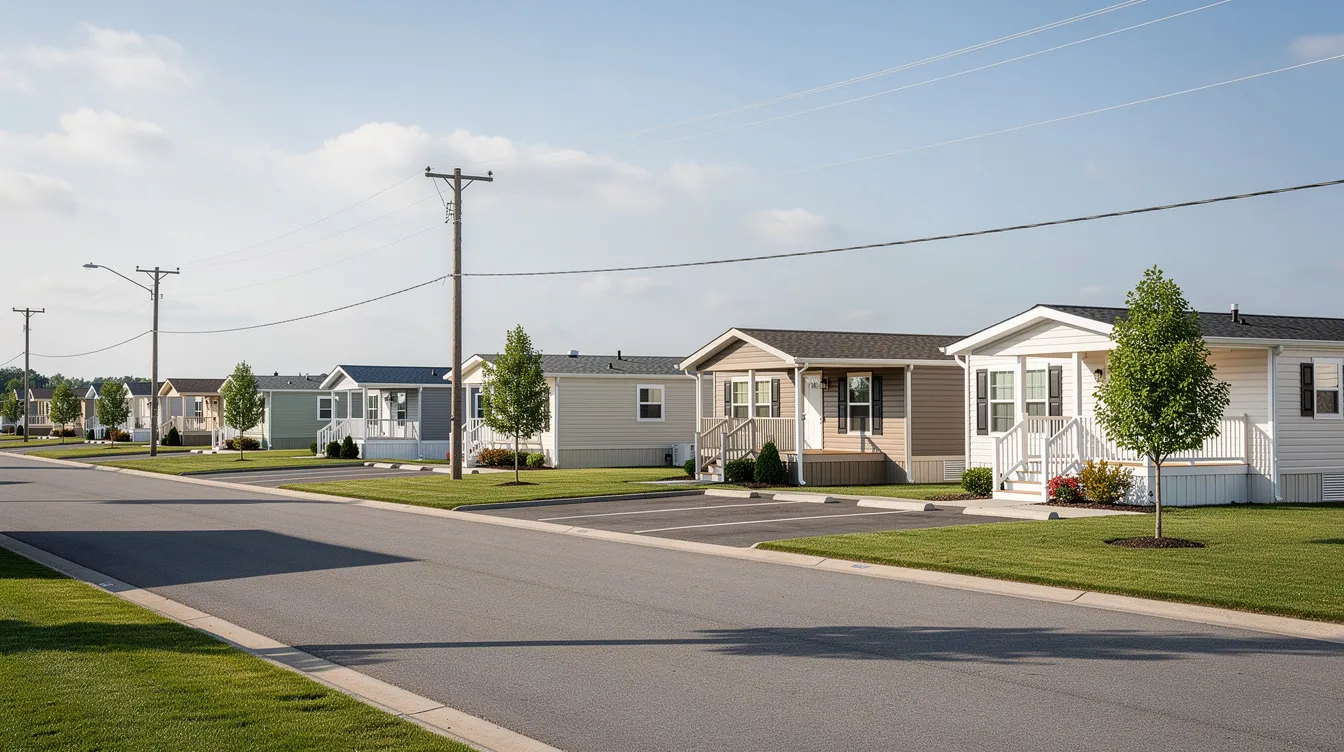
Master Metered vs. Direct Utility Service in Mobile Home Parks
Almost every issue in mobile home park utilities flows from one question: is the park master metered or does it have direct utility service?
In a master metered system, the park has a single (or a few) master meters for electricity and gas. The utility company bills the park owner, who then bills residents through rent add-ons or separate utility charges. Mobile home parks may use master metering to manage utility billing, particularly in older parks built before the 1990s.
With direct utility service, each mobile home has its own electric and gas meter. Residents are direct customers of the regulated utility and receive their own electric bill or gas bill, independent of lot rent. Mobile home parks often use individual meters for billing in newer communities or where conversions have been completed.
For park owners, master metering offers more control over billing but also means more maintenance, liability, and responsibility for aging infrastructure. Direct utility service reduces the owner’s burden for energy distribution and billing disputes.
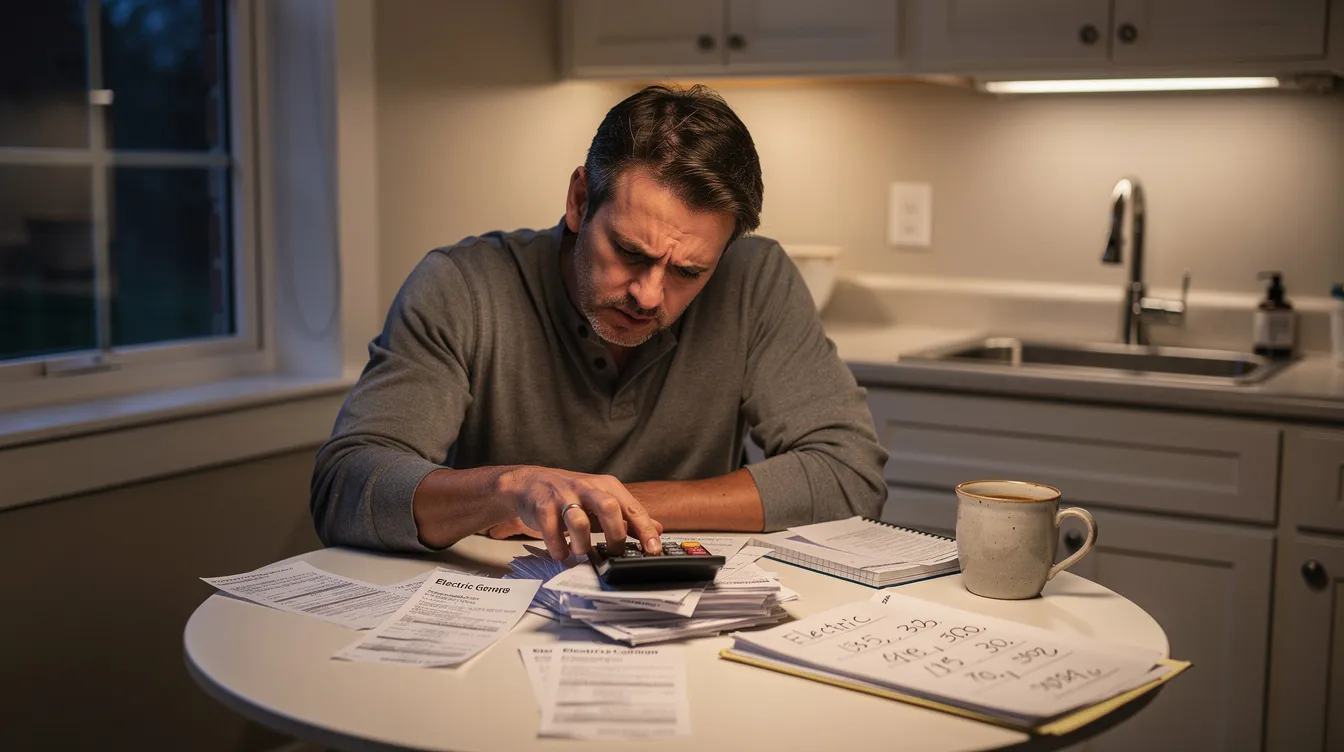
For residents, master metered arrangements can obscure actual usage and rate detail. Direct service usually means more transparency, access to assistance programs, and consumer protections from state regulators. Utilities for manufactured homes are similar to traditional houses when individually metered.
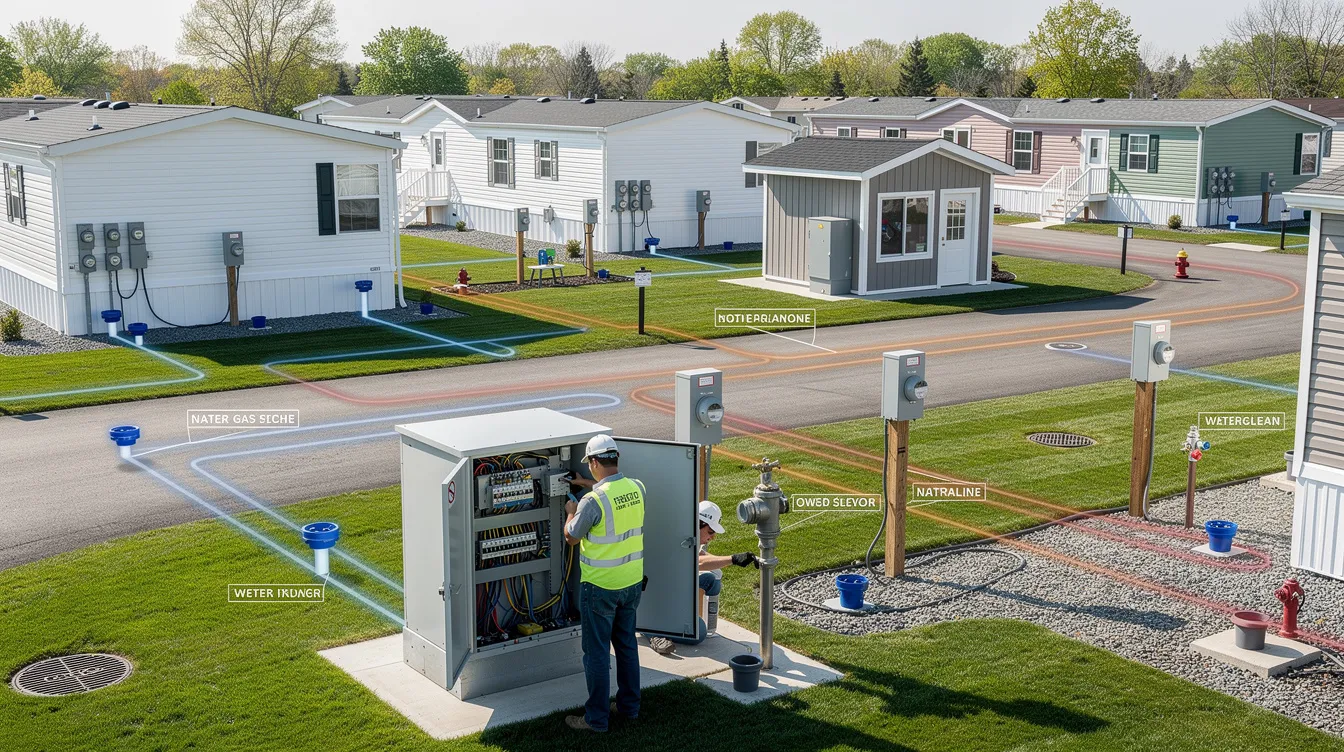
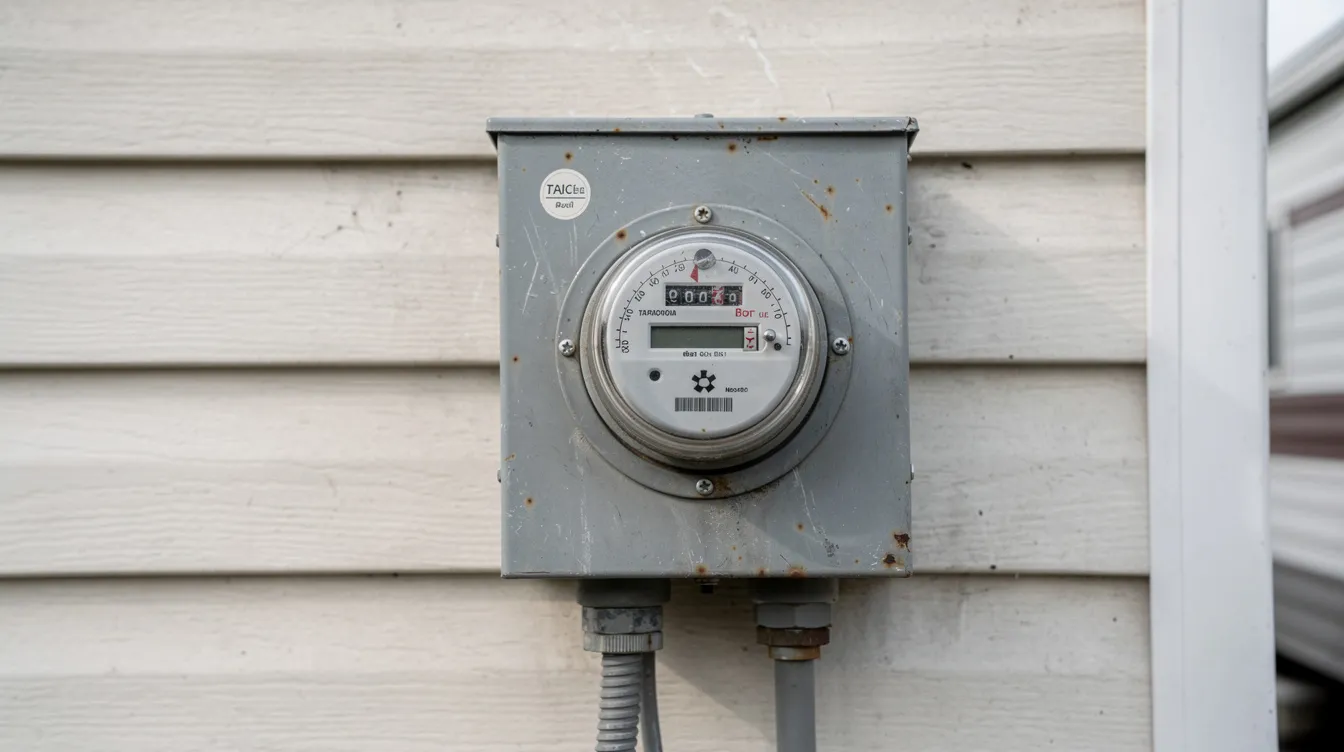
Electric Service in Mobile Home Parks
Electric service is the most technically complex and heavily regulated utility in most parks, with specific safety and capacity issues tied to how the electric systems were originally built.
In a master metered park, the utility’s responsibility stops at the master meter. The park owner is responsible for feeder lines, pedestals, and panel upgrades serving each home. This means the park owner must maintain these electric systems in code-compliant, safe condition.
Consider a park built in the 1970s with 60-amp pedestals at each lot. That capacity cannot reliably support modern loads like central air conditioners, electric water heaters, or EV chargers. When parks like these enter conversion programs, electric service is typically upgraded to 100–200 amp service per home. Manufactured homes adhere to federal building codes, but the in-park distribution serving them may not have kept pace with modern standards.
In direct utility service parks, each home has a meter set and service drop owned and maintained by the investor owned utility, similar to conventional single-family housing. This improves reliability and simplifies the billing process.
In jurisdictions like Ohio, park-owned electric systems must comply with the National Electrical Code and be maintained by the operator. Non compliance with safety standards can trigger enforcement action and resident remedies through agencies like the enforcement division of the state’s department of commerce.
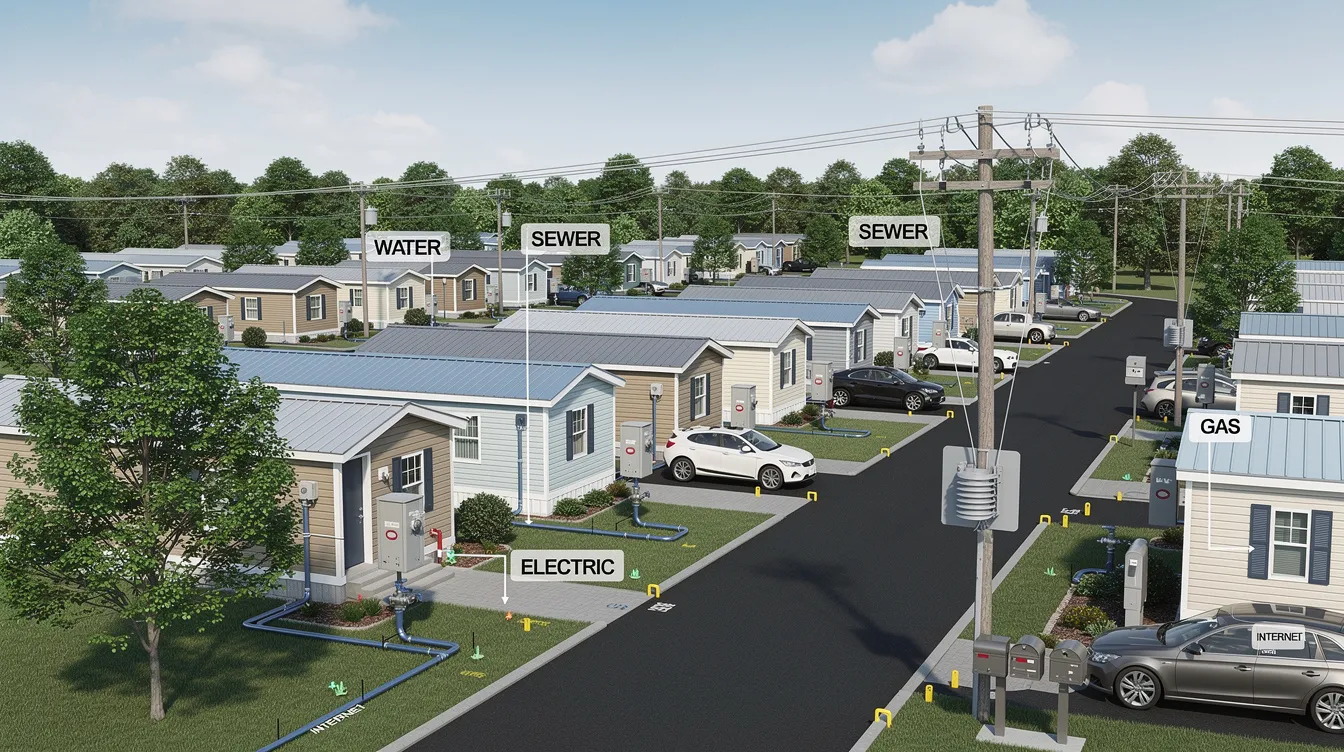
Gas, Water, Sewer, and Trash: Other Core Utilities
Beyond electric service, residents depend on gas, drinking water, sewer, and often park-arranged trash collection. These may be bundled into rent or billed separately.
Gas. Many older parks operate master metered natural gas systems where the park buys gas at a bulk rate and resells it to residents. Others have direct gas utility accounts for each home. Safety codes require regular inspection of park-owned gas lines, risers, and fittings. Mobile homes are often not anchored to permanent foundations, which can create unique challenges for gas line connections and safety inspections.
Water. Most parks are supplied by a public water provider, but some operate private wells. Under rules in states like Ohio, manufactured home parks with more than 15 lots or 25 people must use a public water supply. Water usage tracking and monthly water bill accuracy depend heavily on whether the park uses master metering, submeters, or direct connections.
Sewer. Parks may connect to a municipal sewer utility billed to the park, operate private treatment systems, or use septic. Costs are typically passed through to residents in rent or as separate utility line items.
Trash. Trash and recycling may be arranged by the city or by the park owner through a hauler contract. The rental agreement should spell out exactly how these costs are allocated, whether bundled in rent or billed as a separate charge. Residents in mobile home parks may pay land leasing fees that cover some of these services, while in other parks each line item is broken out. Similar questions about how utilities are provided and billed arise for people considering portable houses to rent, where service availability and setup can vary by location.
Billing Methods: How Parks Charge Residents for Utilities
Transparency and legal compliance are just as important as choosing a technically sound billing method. Utility billing rules for mobile home parks are influenced by state law, and most parks must follow specific requirements.
Here are the main billing methods used in mobile home parks:
Billing Method | How It Works | Key Consideration |
|---|---|---|
Flat fee in lot rent | Utilities included in rent as a fixed amount | Simplicity, but low users subsidize high users |
Separate flat fee | Fixed utility charge billed apart from rent | Flat-fee billing charges residents a fixed rate for water usage |
RUBS | Costs split by square footage, occupants, or lot size | RUBS allocates water costs based on predetermined ratios |
Submetering | Individual meters read and billed per home | Most precise; promotes conservation |
Direct utility billing | Residents billed by the utility company | Full transparency; access to rate programs |
Utility charges can be included in the lot rent in some mobile home parks, but under many state laws, billing methods must be reasonable, equitable, and consistent. Oregon law requires clear explanations for communal bill divisions, and landlords can generally only bill residents for actual utility costs plus any allowed administrative fees. |
In some states, landlords must give advance written notice-often 30 to 60 days-before changing a billing method. The change must be consistent with existing leases and local laws governing mobile home residency.
Whatever billing method is chosen, park owners should document how charges are calculated and share that method with residents on request. This avoids disputes and regulatory complaints.
Submetering and Master-Metered Electric & Water Systems
Submetering is the most precise way to bill residents fairly in a master metered park because each home gets a separate meter downstream of the master meter. Submetering promotes accurate billing based on actual usage.
Here is how a master metered system with submeters works in practice: the utility company bills the park owner for total usage at the master meter. Park management then reads individual submeters, allocates the bill proportionally, and may charge a small administrative fee if permitted by state law. Mobile home parks may use community metering for utilities in situations where full submetering isn’t feasible.
Water submetering example: In a 50-space park, meters at each stand are read monthly. Each resident receives a water billing statement showing start and end readings, usage in gallons, and a per-gallon rate tied to the city’s water tariff. Submetering ensures residents pay for their actual water consumption.
Benefits of submetering include:
- Individual accountability for water usage and electricity
- Fewer complaints from low-usage residents
- Better leak detection when one home’s usage spikes
- Overall water conservation that can reduce the park’s master bill, producing substantial savings over time
Common regulatory requirements include written disclosure of submetering in leases, access for park staff to read meters (often with 24–72 hours’ notice), and a prohibition on profiting beyond actual utility costs plus allowed fees. A 2026 Ohio Supreme Court ruling held that submetering companies reselling electricity to tenants qualify as public utilities under Ohio law, bringing new regulatory oversight to billing practices.
Direct Utility Service & CPUC Mobilehome Park Conversion Programs
Converting from master metered to direct utility service is one of the most significant changes a mobilehome park can undergo. California’s Mobilehome Park Utility Conversion Program is the most detailed example.
The California Public Utilities Commission (CPUC) authorized investor owned utilities like PG&E, SCE, and SDG&E to run a voluntary conversion program. Initially launched as a pilot program in 2015, it has been extended through 2030. Over 10,000 mobile homes have been upgraded since 2015, and the program extends through 2030, benefiting 12,000 residents.
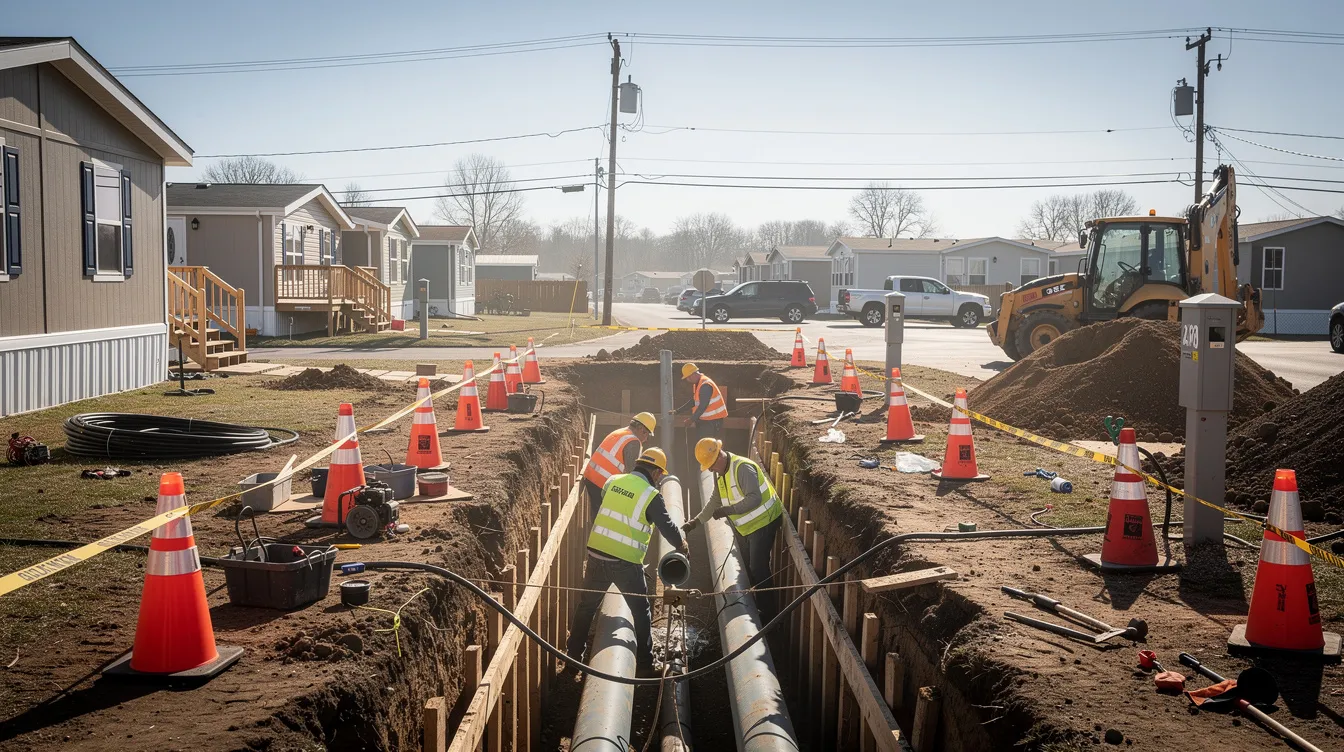
The basic process works like this: an MHP owner files a CPUC form of intent during a designated application window. If selected from the waiting list, the utility designs and installs new gas and electric distribution to each home’s new individual meter. The park’s old private master metered system is retired, and current residents become direct utility customers. No customer credit check or service deposit is required for existing residents transitioning to direct accounts.
Benefits for MHP owners:
- No more responsibility for maintaining aging electric and gas systems beyond the meter
- Removal of liability for many behind-the-fence failures
- Elimination of the need to bill residents for energy, reducing administrative burden
Benefits for MHP residents:
- Upgraded electric service, commonly to 100–200 amps per home
- Modern gas infrastructure-the program replaces aging energy systems with new infrastructure
- Residents gain access to energy-saving programs and rebates
- Residents can manage their accounts online through My Energy Center
- Access to low-income rate programs and hot water and energy efficiency rebates
Similar, though not identical, conversion or consumer protection rules exist in other states, often overseen by public utilities commissions and state consumer advocates. CPUC’s safety and enforcement division continues to monitor converted parks. The California Department of Housing and Community Development also plays a role in appliance and equipment compliance.
Legal Responsibilities: Who Owns and Maintains What?
Ownership of each segment of the utility system usually determines who must maintain it and who pays when something breaks.
A simple “from the street to the sink” breakdown:
- Utility company owns and maintains infrastructure up to the master meter or individual meter
- Park owner typically owns lines, valves, panels, and pedestals within the park
- Homeowner owns plumbing, wiring, and fixtures inside the mobile home
Under Ohio Administrative Code Chapter 4781-12 and similar rules in other states, park operators must maintain water, sewer, and electrical systems in good working order and cannot retaliate against residents for reporting safety issues.
In conversion programs, beyond the meter obligations shift after completion. After a CPUC-supervised conversion, the utility owns and maintains new service lines and meters, while the MHP owner is responsible for trench restoration, private property work, and any internal distribution not taken over by the utility. The park owner should engage a licensed contractor for any work that requires permits.
Liability for damages follows ownership. If a park-owned underground electric lateral or water service line fails, the park owner bears repair costs. If a resident-owned line inside the home fails, the resident or homeowner is responsible.
Both owners and residents should keep copies of maps, utility layout diagrams, and lease clauses describing utility responsibilities. This documentation resolves disputes quickly and helps with environmental issues or insurance claims.
Changing Billing Methods and Notifying Residents
Changing how you bill residents for utilities-moving from flat fee to submetering, or from RUBS to direct pass-through-requires clear legal steps and written notice.
Many state mobile home residency laws require 30 to 60 days’ written notice before changing a billing method. The change cannot violate existing fixed-term lease protections. For example, a park that wants to adjust water billing from flat fee to submetering must provide proper notice and cannot implement the new form of billing mid-lease without consent.
A proper notice should contain:
- Old versus new billing method
- Effective date
- How the new calculation works
- How often bills will be sent
- Any changes to due dates or late fees
- Who to contact with questions
Some states require annual or periodic disclosures of how utility charges are calculated. Oregon law requires clear explanations for communal utility billing, and notices may need to be provided in multiple languages commonly spoken in manufactured housing communities.
MHP owners should align utility billing changes with lease renewals where possible, update park rules in writing, and retain copies of notices to document compliance. If a landlord fails to provide required notice, the change may be unenforceable.
Resident Protections, Assistance, and Dispute Options
Residents of mobile home parks have specific rights and protections related to utility shutoffs, billing accuracy, and retaliation, in addition to general tenant laws.
In master metered parks, before a utility can disconnect a master meter for nonpayment by the park owner, residents may be entitled to notice and the opportunity to pay the utility directly. Under Ohio PUCO Rule 4901:1-18-08, the utility must provide 14 days’ notice to the landlord, and if that is unresolved, 10 days’ notice to each tenant.
Residents can challenge unexplained spikes in their electric bill, gas bill, or water charges by:
- Requesting a usage history and meter re-reads
- Inspecting for leaks or malfunctioning equipment
- Asking the park to document its billing method in writing
State-level resources include consumer advocates, state utility commissions’ consumer divisions, legal aid organizations, and, in California, CPUC public advisors who explain program costs and complaint processes.
Bill assistance and discount programs become easier to access when residents have direct utility service:
- Energy Bill Payment Assistance helps with heating costs for low-income households (such as LIHEAP)
- Low-income rate programs for electric and gas service
- Local water bill discount programs
- Calling 2-1-1 for referral services
Residents should document problems with photos, dates, and copies of bills. If informal communication with park management does not resolve utility issues, formal written complaints to the state regulatory body are the next step. This is an attractive option for residents who have exhausted other remedies.
Planning Utility Upgrades and Making an Informed Decision
Major utility decisions-converting from master metered to direct utility service, installing submetering, or upgrading electric capacity-are multi-year projects with financial, legal, and community development impacts.
A step-by-step approach for MHP owners:
- Audit current systems: document age, code compliance, capacity of electric, gas, water, and sewer
- Collect data: gather at least 12–24 months of utility bills to establish baselines
- Model scenarios: compare program costs and savings under master metered versus direct utility service
- Consult experts: engage engineers, a licensed contractor, and regulatory staff where programs like CPUC’s exist
Resident engagement is critical. Host meetings, share plain-language summaries of options, and answer questions about how changes affect individual electric service, bills, and responsibilities. Housing communities that involve residents early see fewer disputes later, just as motorhome travelers who plan ahead for routes, hookups, and campground rules enjoy smoother motorhome camping adventures.
Financing and incentives can offset costs. California’s conversion program covers most utility-side costs. Federal or state grants may help with water and sewer upgrades. The long-term reduction in park liability when private high-voltage or gas distribution systems are retired represents substantial savings that justify upfront effort.
A methodical, transparent process leads to better outcomes. Written plans and timelines help both residents and regulators see that safety and fairness are being prioritized-and that the park is working toward energy efficiency and modern service for every home.
FAQ: Mobile Home Park Utilities
These frequently asked questions address common practical concerns about mobile home park utilities not fully covered above.
Can my park owner charge more than the utility rate for electricity or gas?
Many states limit MHP owners in master metered parks to recovering only the actual cost they pay the serving utility for electricity or gas service, plus a modest administrative fee if state law allows. Under California PUC § 739.5, MHP owners must charge tenants no more than what utility companies would charge for direct service. Residents can compare per-kWh or per-therm charges on their park bill to the public tariff posted by the local utility or state commission website to verify accuracy.
What should I do if my utility bill suddenly doubles with no explanation?
Start by checking the billing period dates and comparing usage to prior months. Verify meter readings and inspect for leaks or malfunctioning equipment like electric heaters left on. Request a written breakdown of how the bill was calculated from the park owner or utility. If the explanation is unsatisfactory, file a complaint with the state utility commission or contact a local legal aid office.
How much notice should I get before a planned utility shutoff in my park?
Many state laws require at least 24 to 48 hours’ written notice before planned water or electric outages lasting more than a couple of hours, except in emergencies. Look for posted notices in common areas as well as individual door or mailbox notices. Keep photos of any notice in case disputes arise about whether proper notification was given.
If my park converts to direct utility service, will my total monthly costs go up?
Total costs depend on factors like your current flat-fee arrangement, your actual usage, and available low-income discounts. Some residents pay more after conversion; others pay less. Ask for example bills from similar converted parks, and contact the prospective electric or gas utility about rate options and assistance programs before the conversion is finalized.
Where can I find official information about CPUC mobilehome park utility conversions?
California residents should visit the CPUC Mobilehome Park Utility Conversion Program page, where you can download the most recent CPUC form of intent, program decisions, and utility-specific guidance. Individual utilities like PG&E, SCE, SDG&E, and SoCalGas host their own program pages with schedules, contact information, and resident-focused FAQs.