Key Takeaways
- Zoning, building codes, and parking rules must be confirmed with your local city or county before buying a tiny house on wheels or on a foundation—this is the #1 reason tiny house plans fail.
- The real cost of buying a tiny home often ends up close to double the advertised price once land, utilities, permits, transport, and site work are added.
- Buyers must decide between different types of tiny homes (THOW, foundation, park model, prefab, DIY, used) before shopping seriously.
- Insurance, financing, and resale value can be more complicated for tiny houses than for traditional homes, so plan ahead.
- It’s crucial to have everything in writing when purchasing a tiny home, including warranty coverage, blueprints, and builder references.
Introduction: What “Buying a Tiny House” Really Means
A tiny house typically measures between 100 and 400 square feet. Since around 2010, the tiny home movement has grown steadily. In 2026, tiny living continues expanding across the US, Canada, and Europe as housing costs climb.
But buying a tiny home isn’t straightforward. You might purchase a finished tiny house on wheels, a tiny house on a permanent foundation, a prefab shell, or a used structure needing work.
This guide walks through the main decisions and hidden costs you should understand before putting down a deposit. Whether you’re planning a stationary ADU in your backyard or a mobile home for weekend adventures, these are the things to know before buying a tiny house.
- 1. Decide Which Type of Tiny Home Fits Your Life
- 2. Understand Local Zoning, Building Codes, and Where You Can Legally Live
- 3. Budget Beyond the Sticker Price
- 4. Utilities, Foundations, and Weather-Proofing
- 5. Vetting Builders, Floor Plans, and Contracts
- 6. Daily Tiny Living: Storage, Lifestyle Shifts, and Long-Term Plans
- FAQ: Common Questions Before Buying a Tiny House
1. Decide Which Type of Tiny Home Fits Your Life
Choosing between different types of tiny homes is your first major decision. This choice affects zoning rules, total cost, mobility, and financing options.
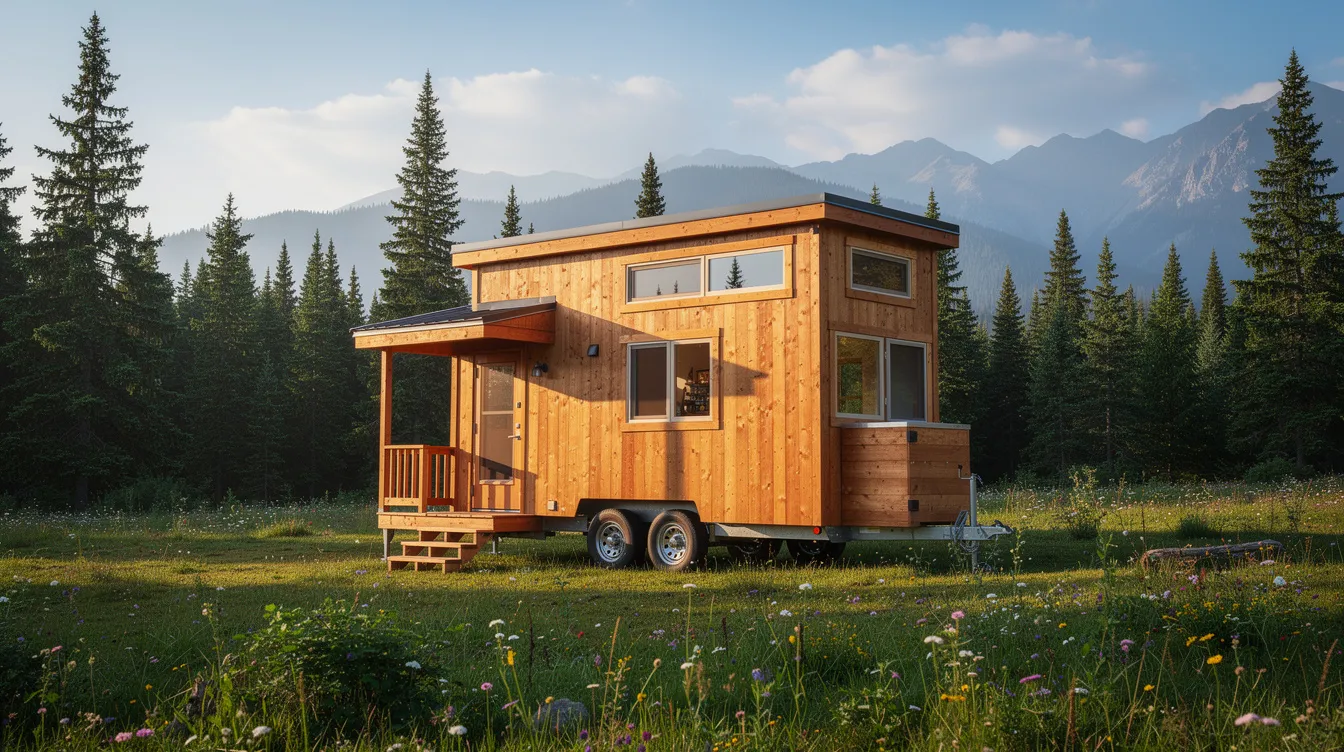
Tiny homes come in various designs, including tiny houses on wheels (THOW), tiny houses on foundations (THOF), and park model RVs (PMRV). Each serves different needs.
Tiny House on Wheels (THOW)
A tiny house on wheels offers mobility and freedom. These range from 160 to 240 square feet on DOT-approved trailers. Tiny houses on wheels are ideal for those who prefer mobility and the freedom to relocate without the constraints of property taxes. However, they’re often treated similarly to RVs and may be excluded from most real estate taxes, but owners must pay for the parking space due to zoning laws.
Downsides? You need a capable tow vehicle (think Ford F-250 or larger). Road travel means more frequent maintenance on axles and brakes.
Tiny House on Foundation
Tiny houses on foundations are more permanent structures that require land and are subject to local building codes and permits, making them more complex than their mobile counterparts. They’re treated more like conventional small homes or ADUs. Expect property taxes, but also better mortgage options and resale value. A typical tiny home built on foundation runs 200-400 square feet.
Park model RVs are built according to ANSI code and typically feature one bedroom and bathroom, making them suitable for those who want a compact living space while traveling. Capped at 400 square feet, these slot into RV resorts but come with annual HOA fees and depreciate faster.
Prefab, Modular, and DIY Builds
Prefab tiny homes from companies like Boxabl arrive 80-90% complete in 4-8 weeks. DIY kits start around $30,000 in materials but demand 500-1,000 hours of your build time, so study a step-by-step guide on how to build a tiny house before committing. Custom hand-built units from professional builders average $100,000-$200,000 with 6-12 month wait times, but top custom tiny homes for small-space living can deliver a layout tailored exactly to your lifestyle.
2. Understand Local Zoning, Building Codes, and Where You Can Legally Live
Zoning and building rules are the #1 reason tiny house plans fail. A 2024 survey found over 60% of failed attempts traced back to overlooked regulations. Research your location before you spend a dollar.
Zoning laws can vary significantly between different regions, and it’s essential to research local regulations to ensure that a tiny home can be legally parked or built in a specific area. City and county zoning departments control whether your tiny home can serve as a full-time dwelling, an ADU, or only a temporary recreational unit.
Building codes and zoning laws require tiny homes on foundations to meet specific regulations, which can vary from state to state, making it crucial to check local requirements before construction.
Recent Progress
Some areas are becoming friendlier. California’s AB 1033 (2024) and Colorado’s House Bill 1242 now permit tiny houses on wheels as ADUs on single-family lots under certain conditions. Cities like Portland and Ithaca allow tiny house community developments with shared septic.
What to Ask Your Local Planning Department
- Minimum dwelling size requirements
- ADU ordinances and limits per lot
- RV parking rules in residential zones
- Whether THOWs are allowed as permanent residences
Also confirm setbacks (typically 5-15 feet from property lines), height limits (20-35 feet), and off-street parking requirements. These details affect exactly where your new home can sit on a property.
When to Hire Help
For complex cases, consider hiring a local architect, land-use consultant, or general contractor familiar with the International Residential Code (IRC) Appendix Q. This standard, adopted by 150+ jurisdictions by 2026, specifically addresses tiny homes. A few hundred dollars in professional guidance can save $10,000+ in rework or fines.
3. Budget Beyond the Sticker Price
Many buyers underestimate the total costs associated with tiny homes, which can include not just the purchase price but also expenses for utilities, land preparation, and potential contractor fees for assembly or installation, so using a detailed tiny home cost calculator early on can prevent budget shocks.
You see a tiny home advertised at $60,000-$120,000. Exciting, right? Then reality hits. The price of a tiny home typically ranges from $29,000 to $250,000, depending on materials, size, and features—but that’s just the structure, and even tiny homes under $20K for sale come with additional setup and site costs.
Many tiny home buyers should plan to be over-budget by at least 1/3 of their initial budget due to unexpected costs such as labor, materials, and upgrades. Here’s where your money actually goes:
Typical Range | |
|---|---|
Land or parking fees | $10,000-$50,000/acre (rural) or $300-$800/month (RV park) |
Permits and plan review | $500-$10,000 |
Foundation or anchoring | $5,000-$15,000 |
Utility connections | $10,000-$20,000 |
Delivery and crane | $2,000-$10,000 |
Furnishings | $5,000-$15,000 |
Tiny home building permits can range from a few hundred dollars to thousands, depending on location and whether the home is on wheels or a foundation. |
THOW in RV Park vs. ADU in Backyard
Placing a tiny house on wheels in an RV park skips foundation costs but adds $4,000-$12,000 yearly in site fees. Installing a permanent tiny home as an ADU requires septic ($10,000) and electrical upgrades ($5,000 panel).
Financing Challenges
Some tiny homes qualify only for RV loans or personal loans with 7-12% APR and shorter terms. That’s significantly higher than a traditional mortgage. THOWs rarely qualify for standard mortgages unless on titled land.
Add at least 20-30% contingency. Rocky soil can double foundation costs. Wetland surveys might add $2,000-$5,000 you didn’t expect.
4. Utilities, Foundations, and Weather-Proofing
Small size doesn’t mean simple systems. Your tiny house still needs safe power, water, waste management, and protection from your local weather.
Utility Setups
You have three main approaches:
- Grid-tied: City water, sewer, and 100-200A electrical service. Connecting utilities to a tiny home can cost between $10,000 to $20,000, similar to the process for a traditional home, and you’ll also need to evaluate tiny house septic options for sustainable living if sewer access isn’t straightforward.
- Partial off grid: Water tanks (200-400 gallons), composting toilet, propane for cooking and heat
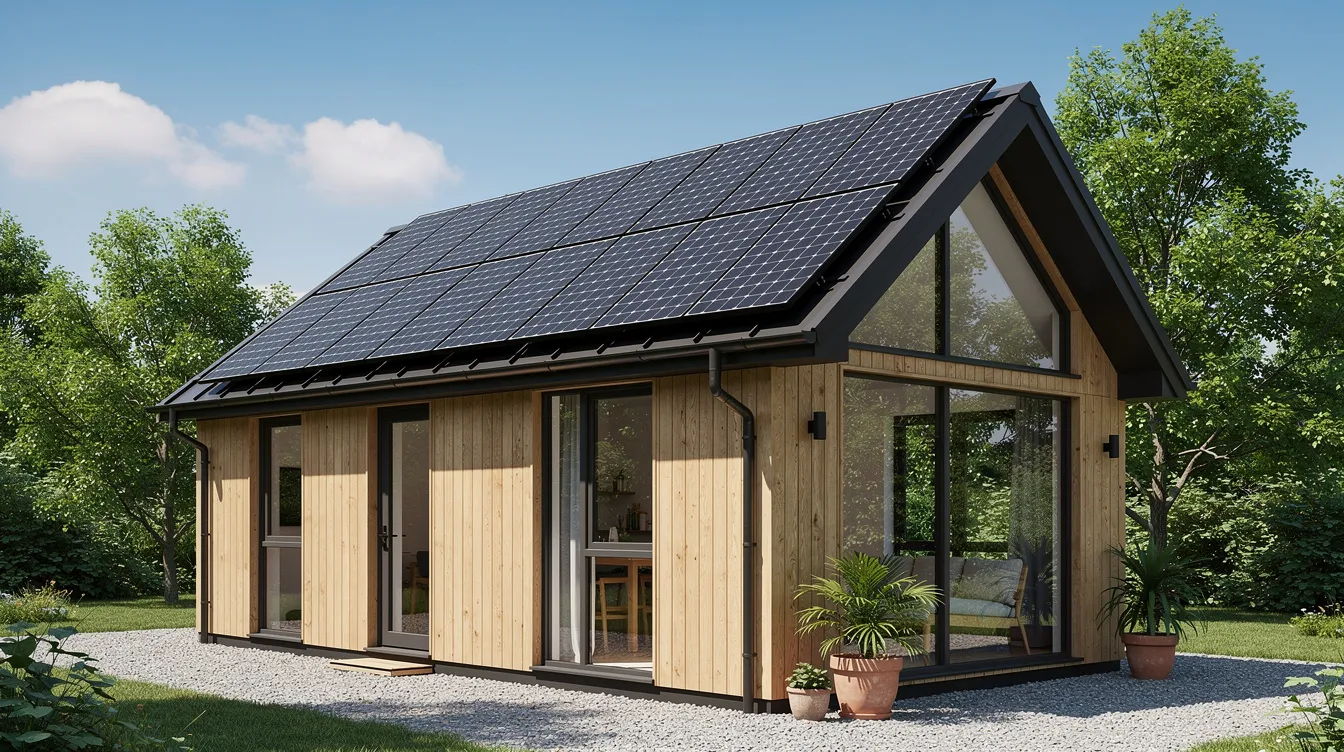
- Fully off grid: Solar arrays (4-8 panels, 1.5-3kW), battery storage, rainwater collection
Off grid systems run $15,000-$30,000 but eliminate monthly utility bills. Adding utilities to an existing property involves trenching ($10-$25/foot), permits, and inspections. Hire licensed electricians and plumbers—most jurisdictions require it.
Tiny houses on foundations use concrete pad or pier systems. A concrete pad runs $5-$10 per square foot. For tiny houses on wheels, engineered tie-downs and helical anchors (4-8 points) rated for 120-150 mph winds cost $2,000-$4,000.
Climate Considerations
Check whether the tiny home is built for your specific climate:
- Snow load ratings (50 psf in Minnesota)
- Hurricane straps for coastal areas
- Seismic bracing in California
- Insulation (R-20+ walls for extreme temperatures)
Common standards include IRC Appendix Q for tiny houses and ANSI A119.5 for RV-type units. These ensure your structure meets safety requirements and can be insured.
5. Vetting Builders, Floor Plans, and Contracts
A tiny house is still a house. Vet your builder as carefully as you would any construction professional.
Research Track Records
Look for builders with 5-10 year histories and 100+ completed builds. Visit completed units in person when possible. Read independent reviews from 2019-2026 to spot patterns over time.
Blueprints and floor plans are essential in tiny home design as they ensure that all elements, such as plumbing and electrical systems, are properly planned and executed, contributing to the home’s functionality and safety. Choosing tiny house plans that fit your life and securing professional structural drawings matter for safety, resale value, and permitting.
Get Everything in Writing
It’s crucial to have everything in writing when purchasing a tiny home, including warranty coverage, blueprints, and builder references, to avoid misunderstandings and ensure accountability. Your contract should include:
- Full specifications and materials list
- Appliance details
- Change-order policy and fees
- Build timeline with milestones
- Payment schedule
- Delivery details
- Warranty terms (1-5 years structural typical)
For THOWs: Check the Trailer
Confirm whether the trailer is new or used, its weight rating (should match house weight with margin), VIN documentation, and whether brakes and lights meet current highway regulations.
Buying Used
Used tiny houses offer 20-40% discounts but carry 2x repair risks. Ask sellers about builder history, past repairs, water damage, why they’re selling, and request to see the structure in different weather conditions so you can judge whether a tiny house for sale is really for you.
6. Daily Tiny Living: Storage, Lifestyle Shifts, and Long-Term Plans
Even if permits and construction go smoothly, living in a tiny home day-to-day requires significant adjustment.
Living in a tiny home often requires significant lifestyle adjustments, including downsizing belongings and embracing a minimalist lifestyle, which can be a challenging but rewarding process; many people are specifically drawn to minimalist tiny houses for sustainable living because they reinforce those priorities. You’ll need to part with many possessions before move-in.
Storage Realities
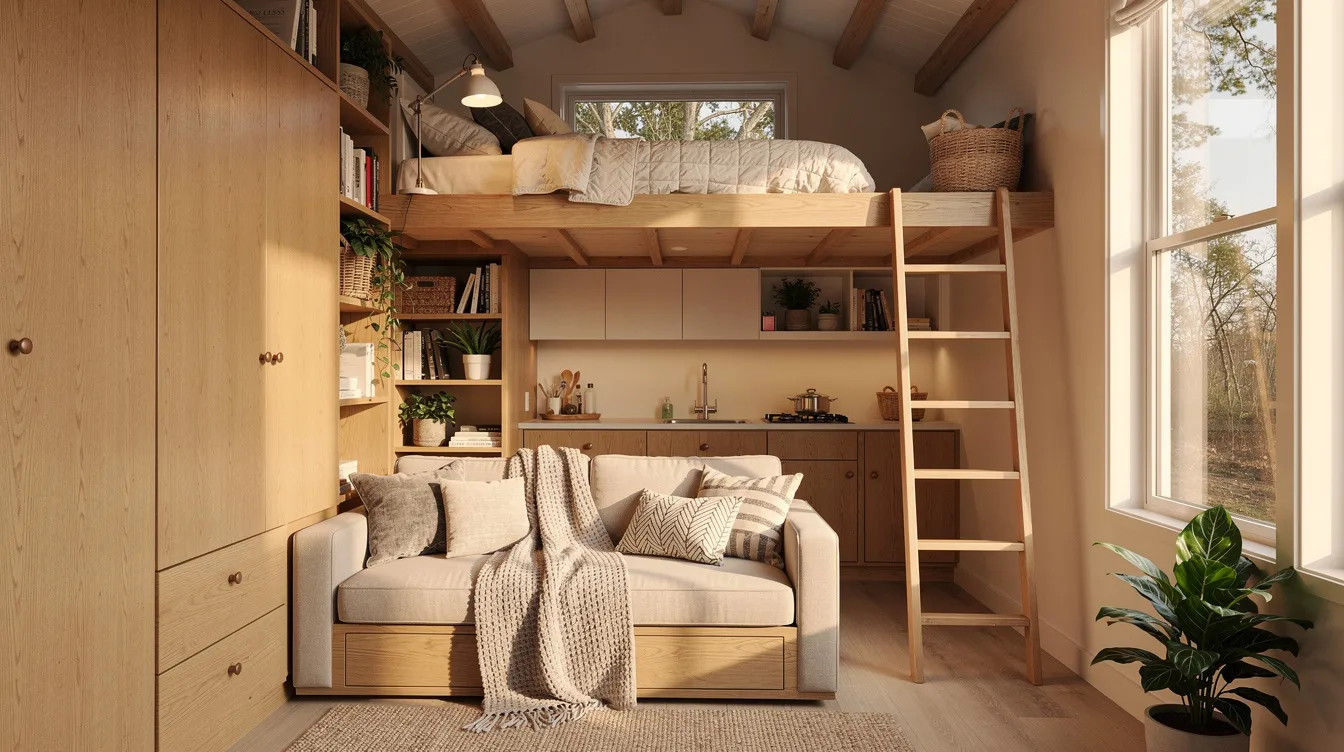
Effective space planning in tiny homes requires careful design to maximize every square inch, often incorporating features like multipurpose furniture and built-in storage solutions. For more ideas, look at broader tiny house inspiration and resources. Think sleeping lofts, stairs with drawers, under-sofa bins, and overhead cabinets.
Families with kids or pets may need larger tiny homes—280-400 square feet instead of 160. In tiny homes, the design must prioritize functionality and adaptability, allowing the space to evolve with the homeowner’s needs over time.
Privacy and Noise
Privacy can be a concern in tiny homes, but many residents report that they actually experience more quiet and alone time than expected, due to better sound insulation and layout planning. Separate sleeping nooks and outdoor living areas help.
Bathroom Life
Expect smaller showers (24×32 inches), cassette or composting toilets, and more active water management. A composting toilet needs emptying every 2-4 weeks. Tank capacities of 20-40 gallons require regular attention.
Residents of tiny homes frequently find themselves spending more time outdoors, as the limited indoor space encourages outdoor activities and engagement with nature, and this can be true whether you choose a custom build or an off-the-shelf option like an Amazon tiny house.
Plan for Change
Consider your life in 5-10 years. Will this room work if you add children? Age in place? Work from home full-time? A husband and wife might outgrow 160 square feet quickly.
Try Before You Buy
Rent a tiny home through short-term rental platforms for a few nights. This test helps you confirm whether this dream matches reality before committing your financial situation to a purchase.
FAQ: Common Questions Before Buying a Tiny House
How much does a tiny house really cost in 2026?
Base models start around $40,000-$60,000 for simple tiny homes and exceed $150,000 for high-end custom builds. However, most buyers should plan a total project budget closer to $80,000-$200,000 including site work, utilities, and permits. DIY builds save on labor but often still reach tens of thousands of dollars and require significant time, skills, and tools. Don’t forget you’ll pay for every bit of site preparation.
Can I put a tiny house on any piece of land I buy?
No. Purchasing land doesn’t automatically guarantee the right to live in a tiny home there. Zoning restrictions, minimum dwelling size requirements, septic approvals, and road access all affect whether you can legally place and occupy a tiny house. Check zoning and building codes before closing on land, especially in suburbs or HOA communities. One location might welcome tiny houses while a neighboring city bans them entirely.
Is a tiny house a good investment or will it lose value?
Tiny houses on wheels often depreciate like RVs—potentially 10-15% annually. Well-permitted tiny homes on permanent foundations may hold value more like small cottages or ADUs, especially in high-cost housing markets where they can appreciate 3-5% yearly. Focus on lifestyle fit and savings on monthly housing costs rather than expecting traditional appreciation from a mobile tiny home. If you hope to sell later at a profit, a foundation-based structure offers better odds.
Can I get a traditional mortgage for a tiny home?
Many tiny houses on wheels cannot be financed with standard 30-year mortgages. Instead, they use RV loans, personal loans, or specialized chattel loans with shorter terms and higher interest rates (7-15% APR). Tiny homes built on foundations, attached to owned land, and permitted as legal dwellings or ADUs are more likely to qualify for conventional or home-equity financing at better rates.
How long does it take from ordering a tiny home to moving in?
Popular builders often have 4-9 month backlogs. The complete timeline—including permits, site prep, construction, and inspections—can stretch to 6-18 months. Ordering a shell or purchasing a used tiny house speeds up the process, but utility work and approvals still take time even when the structure exists. Wait times for custom builds run longest, so fix your expectations accordingly and don’t forget to research thoroughly before committing.