
Portable houses offer a flexible and affordable alternative to traditional housing, whether you need a compact studio for a weekend getaway, a full-service unit for an extended stay, or workforce housing for a seasonal crew. This guide covers the main types of portable house rentals available, what features matter most, and how to choose the right one for your situation and budget.
Types of Portable Houses for Rent
Portable houses include tiny homes on wheels, modular structures, and portable cabins – each designed for different needs, group sizes, and rental durations. Here’s how the collection breaks down.
Tiny House Studios
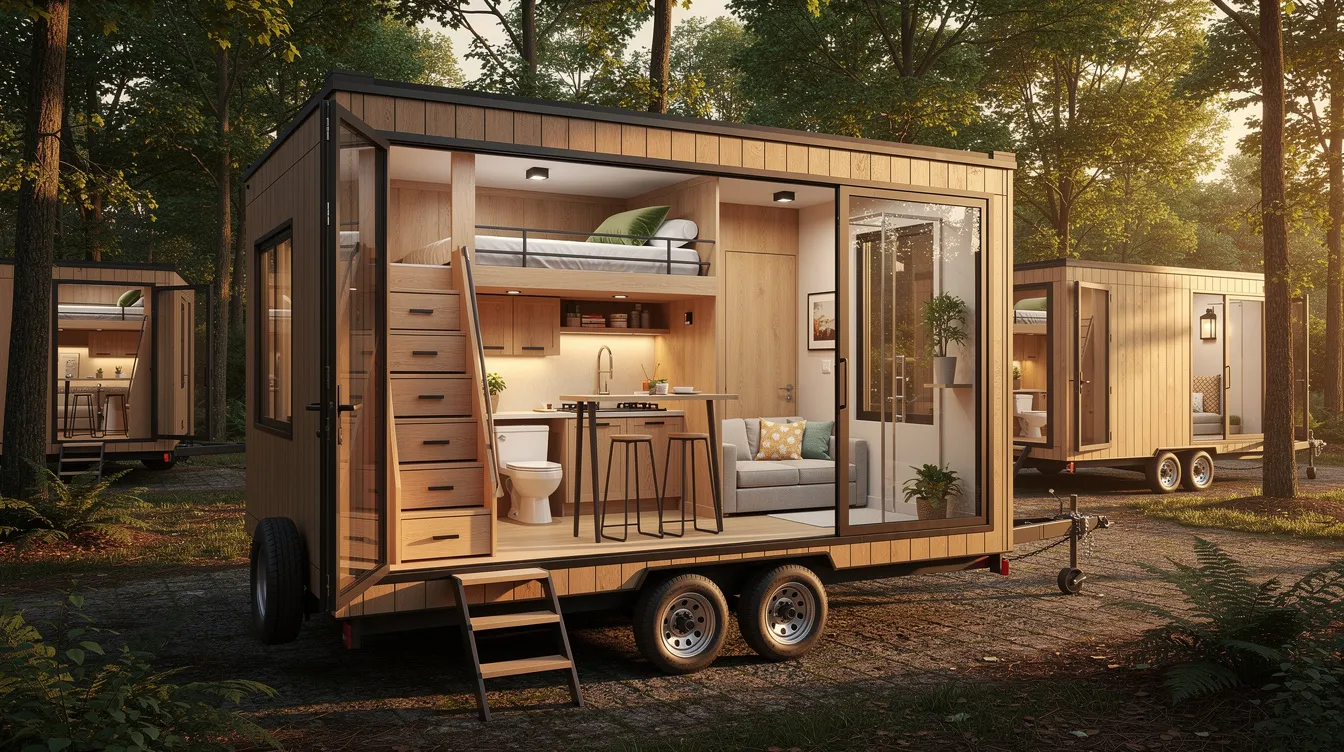
Compact units in the 150–220 sq ft range, tiny house studios are built for individuals or couples who want all the comforts of home in a minimal footprint. Expect space-saving features like a loft sleeping area or Murphy bed, a kitchenette with a sink and two-burner cooktop, a full bathroom with shower, and smart storage solutions tucked into every wall and corner. Many portable homes are built on custom chassis or trailers for easy relocation, making these studios ideal for short-term stays, vacation rentals, or anyone drawn to the tiny house movement. If you’re searching for that perfect custom tiny home for a solo trip or a relaxing weekend in the woods, a studio is the place to start.
One-Bedroom Portable Houses
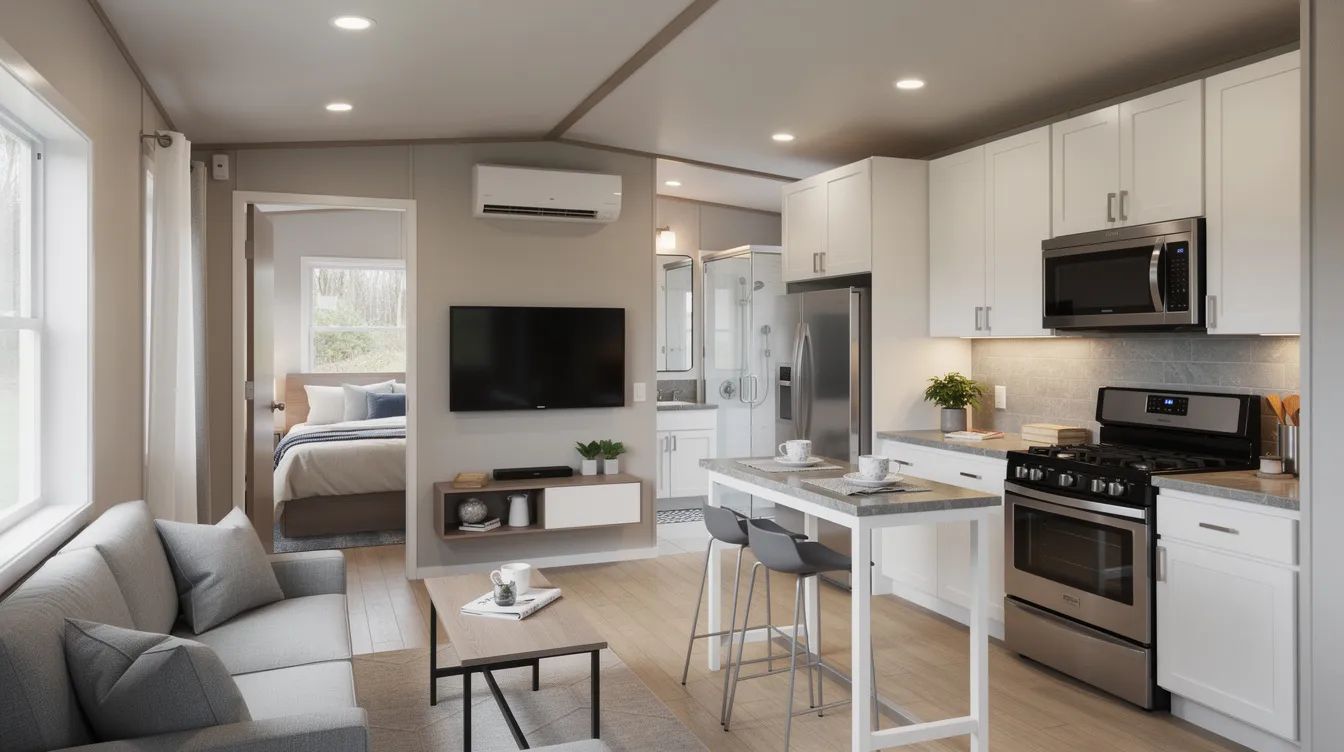
For renters who need more room – say 300 to 400 sq ft – one-bedroom portable houses provide a separate sleeping area, a proper living space, and a full kitchen with dining counter, fridge, and range. Many portable houses include full kitchens and bathrooms with modern amenities, along with air conditioning and HVAC for year-round comfort. These units suit couples, a small family, or anyone planning an extended stay where layout and livability count, much like well-planned tiny house floor plans that maximize every square foot. Portable homes typically have reduced utility costs due to their smaller footprint, which keeps monthly expenses well below a traditional apartment.
Workforce Housing Units
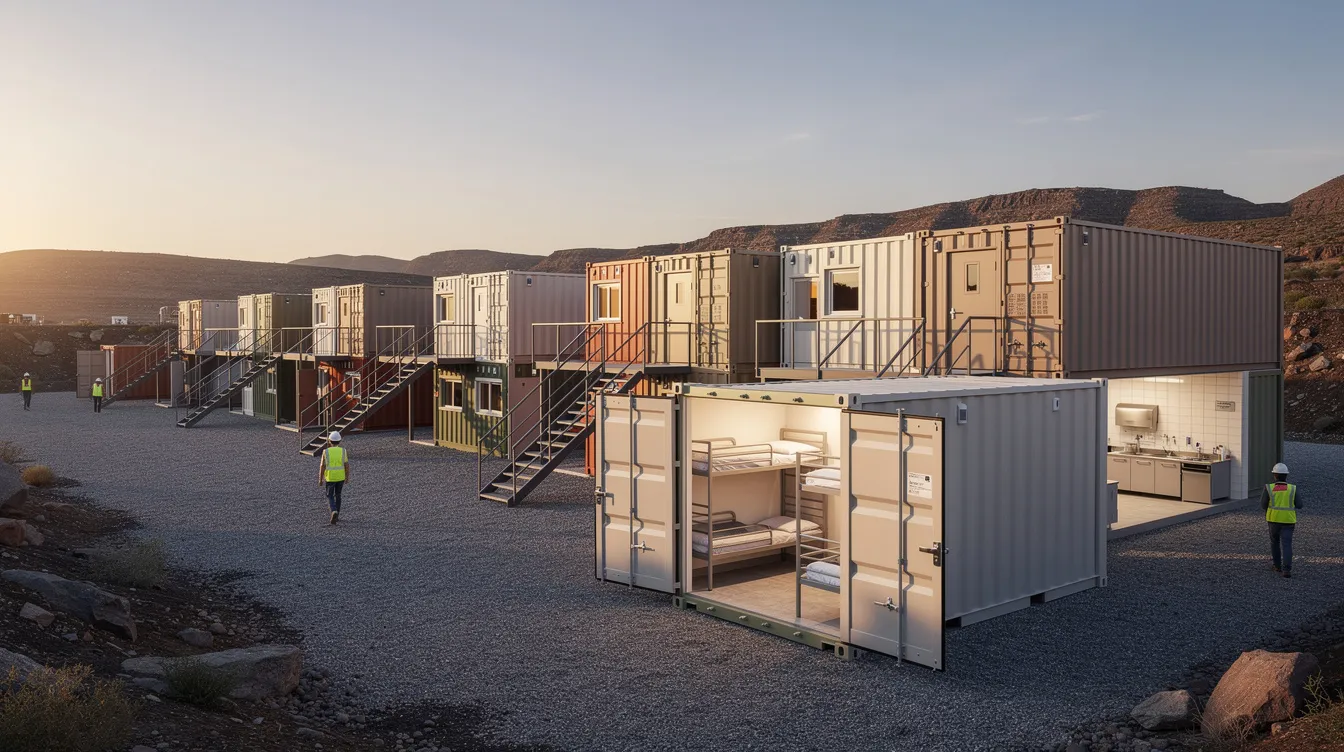
When a construction crew, mining operation, or seasonal agricultural team needs a site to call home, workforce housing units deliver. These are typically container-derived or modular dormitory-style buildings with bunk configurations accommodating 4 to 12 individuals. The focus is on durability, shared facilities, and cost control rather than style or luxury finishes. Renting portable houses is ideal for seasonal workers and minimalists seeking mobility – units can be deployed to a remote site and relocated when the job wraps. Portable houses are often under 400 sq ft for innovative tiny homes to over 1,000 sq ft for manufactured homes, so workforce housing can scale to fit any crew count.
Emergency and Disaster Relief Housing
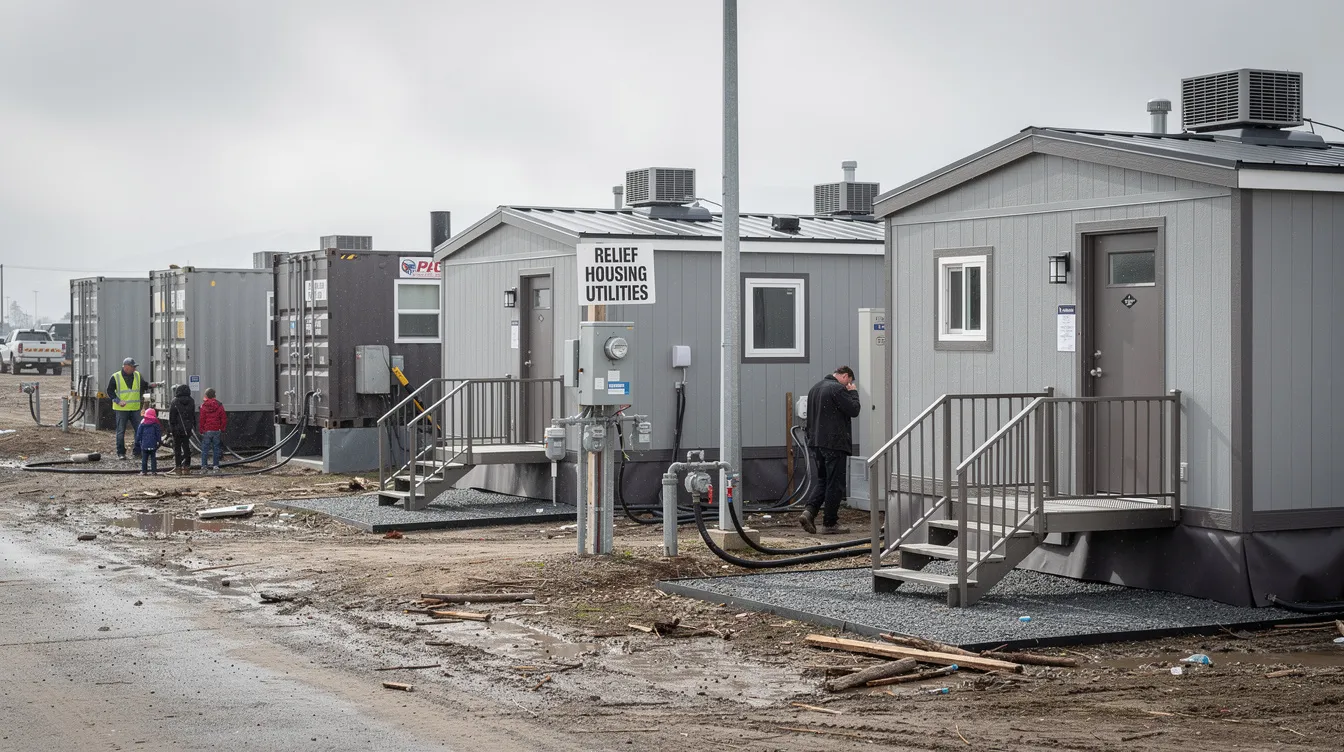
Rapidly deployable units – prefab cabins, container shelters, or FEMA-approved manufactured homes – serve people displaced by natural disasters or emergencies. These units prioritize speed of setup and essential amenities: structural stability against wind and snow, electrical and plumbing systems, heating, and sanitation, often drawing on affordable tiny house building strategies to keep costs manageable. While they may not have the windows and views of a luxury cabin, they meet strict safety standards and can be delivered and connected to utilities within days.
Luxury Vacation Rentals
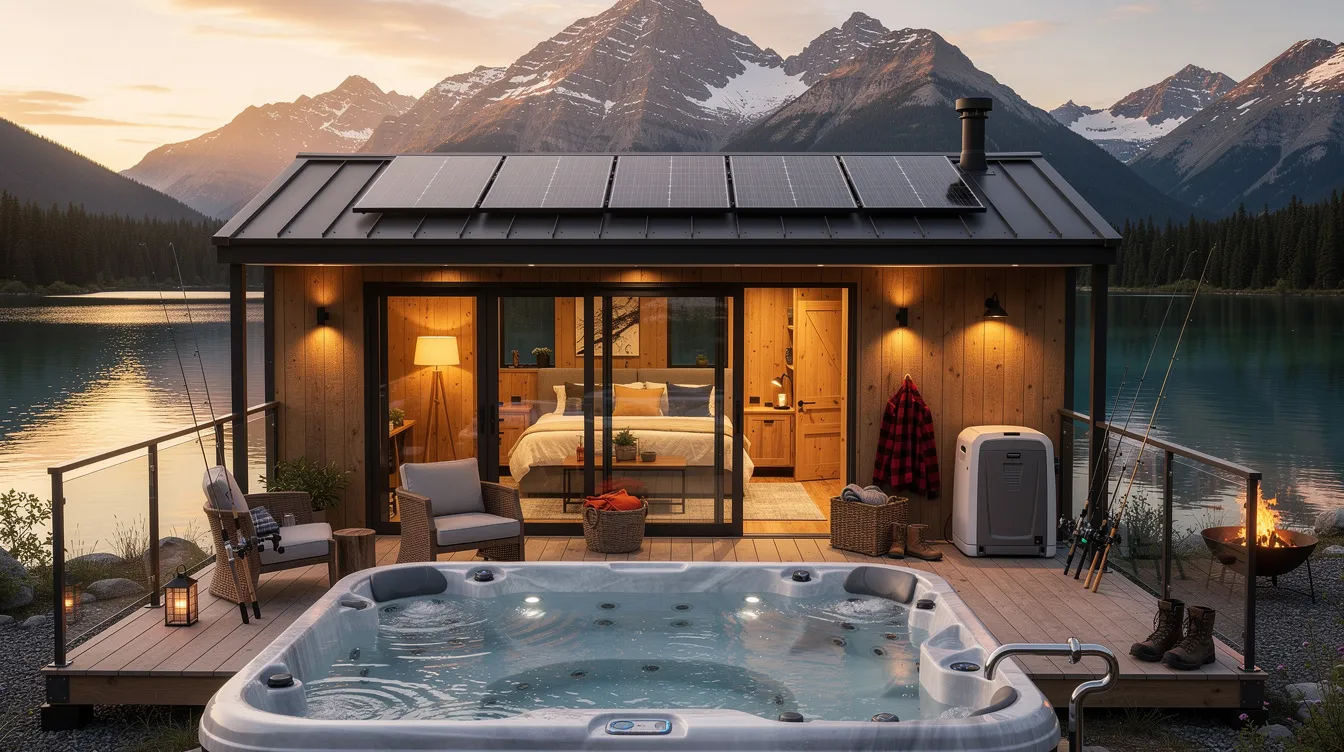
At the other end of the spectrum, luxury tiny home rentals and portable cabins placed in scenic locations offer a premium experience. Think natural wood interiors, large windows framing a tiny house by the lake or mountain view, a hot tub on the deck, and off-grid features like solar panels and composting toilets. These vacation rentals command rates of $100 to $200+ per night depending on the season and great location – comparable to boutique hotel rooms, especially for tiny house cabin retreats in popular outdoor destinations. Whether you’re planning a weekend getaway with friends, a hunting trip, or a week of fishing and outdoor adventures, luxury portable cabins deliver the natural beauty and comfort guests expect.
What to Look For in Portable House Rentals
Not all portable house rentals are equal. These are the features and details that determine rental quality, suitability, and overall value.
Size and Layout Efficiency
Match the unit’s square footage to your occupancy needs. A studio with a loft works for one or two visitors; a one-bedroom with a dedicated dining area suits a small family. Portable cabins can have up to 640 sq ft of space and are available in sizes from 8’x16′ to 16’x40′, so there’s a wide range of modern tiny house designs to explore. Look for multi-functional furniture, built-in storage, and an efficient layout that makes every square foot count. Check headroom in any loft – especially if you plan to spend more than a few nights.
Utilities and Amenities
Confirm the basics: full electrical service, plumbed bathroom with shower, water supply (public hookup or self-contained), and HVAC including air conditioning and heating for winter stays. Kitchen appliances – range, sink, fridge – should be included for anything longer than a weekend, even in compact units based on tiny house kits or modular shells. Internet connectivity matters for remote workers. Safety systems like smoke and CO alarms are non-negotiable. Portable cabins offer customizable interiors for various uses, so ask about what’s been fitted.
Foundation Type and Mobility
The distinction between wheels and a permanent foundation shapes almost every other decision. Wheeled units – classified under RV standards like NFPA 1192 – can be relocated but face rules about where they can park. Foundation-based units may qualify as accessory dwelling units (ADUs), offer greater stability, and have fewer legal hurdles for long-term rentals but cannot move. Tiny homes can be moved to different locations easily when built on wheels, giving renters the ability to follow seasonal work or simply change scenery, though the trade-offs compared to RVs mirror many points in a tiny house vs RV comparison. Portable houses can be easily relocated if necessary, providing mobility to renters.
Rental Terms and Service Support
Understand the rental plan upfront. The monthly rent for portable houses generally ranges from $700 to over $1,600 depending on location, which can be comparable to payments on tiny homes under $20K if you decide to purchase instead of rent. Rental agreements for portable homes often include maintenance or support from providers, but delivery, setup, and utility hookup fees are often separate – expect one-time costs of $500 to $2,500 depending on distance and site preparation. Minimum rental periods range from nightly (for vacation rentals) to weekly, monthly, or multi-year agreements. Rent-to-own programs allow renters to own their portable home over time, which is worth considering if you’re planning a longer commitment. Portable homes may require additional costs like “lot rent” for parking them in a tiny home community or RV park.
How to Choose the Right Portable House Rental
Narrowing your search comes down to four criteria:
- Rental Duration – Short-term or seasonal needs favor wheeled units you can relocate anytime; long-term stays of several months or more work better with foundation-based units that offer greater durability and simpler utility connections. Tiny home rentals can adapt to seasonal changes effectively, so consider how your needs might shift.
- Number of Occupants – Studios fit 1–2 people, one-bedroom units handle 2–4, and workforce housing scales for larger groups. Match the space to the headcount so everyone can spend time comfortably.
- Budget and Location – Renting portable homes often results in lower monthly rent than traditional apartments, especially in rural areas. Urban or scenic placements near a lake, park, or popular outdoor adventures destination will command premium prices. Many portable homes are situated in tiny home communities or RV parks, which can offer convenient amenities and community.
- Purpose and Amenities – Workforce housing prioritizes function and durability. Vacation rentals emphasize comfort, views, and features like a hot tub or fire pit. Emergency housing demands rapid deployment. Let your purpose drive the business of choosing.
Frequently Asked Questions
What’s the difference between renting a tiny house and a traditional apartment?
Tiny home rentals offer more flexibility in location – you can find them near a lake, in the woods, or in a tiny home community rather than a fixed urban address. Lease terms tend to be shorter and more adaptable, and the smaller space means lower utility bills. Renting portable houses offers a flexible and affordable alternative to traditional housing, though you’ll have less square footage and may need to adjust to a more compact layout and style of living.
How quickly can a portable house be delivered and set up?
For a tiny house on wheels or a foldable unit, delivery and setup typically take 1–7 days once the unit is built, depending on site access and preparation. Foundation-based modular homes may require several weeks when you factor in site prep, permitting, and inspections. Land and zoning regulations affect where portable houses can be located, so check local rules before locking in a delivery date.
Are utilities included in portable house rentals?
It varies. Some rentals – especially vacation rentals on platforms like Airbnb – bundle water, electricity, and internet into the nightly rate. Monthly rentals more often separate utility costs; portable homes typically have reduced utility costs due to their smaller footprint, but you should confirm what’s included. In some cases, you’ll need to arrange your own hookups or pay lot rent for a site in a community or park.
Can I move my rental portable house to a different location?
If the unit is on wheels, yes – tiny homes can be moved to different locations easily, though transport costs and local zoning rules apply. In California, for example, tiny houses on wheels are classified as recreational vehicles and must meet RV Industry Association standards, while a tiny house on a permanent foundation can be classified as an accessory dwelling unit. Local zoning laws determine where tiny houses can be placed, so always verify the rules at your destination before planning a move. Foundation-based units are not designed for relocation.
Can portable cabins add value to my property?
Yes. Portable cabins can serve as guest houses or rental units, and tiny homes can increase property value significantly. Adding a well-maintained portable cabin to a property expands its functionality – whether for guests, family, or as a rental business generating income. Tiny homes are easy to maintain and hold their value over time, especially when placed in a desirable location.
Find Your Perfect Portable House Rental
Whether you’re after a compact studio for a solo dive into nature, a one-bedroom cabin for your family, or workforce units for a construction site, portable houses to rent cover an endless range of needs and budgets. Tiny homes offer various designs for different rental experiences – from a sun-soaked lake retreat to a convenient base for seasonal work. The idea is simple: explore the options, match the features to your purpose, and don’t wait to lock in the right unit. Browse listings, compare prices, and contact providers for personalized recommendations tailored to your plan.