

Key Takeaways
- An off grid tiny house water supply typically combines a storage tank (30–100 gallons), a 12V pump, filtration, and rainwater collection or water hauling from fill stations.
- Three main water options exist for tiny homes: tank-only (fully off grid), RV hookup (on grid), and hybrid systems that use both approaches.
- Safe tiny house plumbing requires planning for gray water disposal and toilet waste—either a composting toilet or a flush toilet with a black water tank.
- Typical consumption runs 10–25 gallons per day per person in a 24–28 ft tiny house, meaning you may need to refill tanks every 3–5 days when fully off grid.
Introduction: How Tiny Houses Get Water Off Grid
Picture a 24-foot tiny home parked on rural land in 2026. No city water. No sewer connection. Just you and a well-designed water system that keeps everything running smoothly.
Getting water to a tiny house that isn’t connected to municipal services is simpler than most people think. Off-grid water systems rely on three primary sources: wells, nearby bodies of water, or collected rainwater. Your plumbing system stores, pressurizes, heats, and distributes that water throughout your small space.
Before diving in, here are the key terms:
- Off grid: Independent water storage with no connection to city water
- On grid: Direct hookup to a municipal water system via RV-style connection
- Hybrid system: Tank plus RV hookup for flexibility
- Fresh water: Clean water for drinking and cooking
- Gray water: Waste water from sinks and showers
- Black water: Toilet waste requiring separate handling
This article walks through water sources, storage, pumps, tiny house plumbing layouts, toilets, gray water options, and realistic cost ranges.
- Off Grid vs On Grid vs Hybrid Water for Tiny Houses
- Choosing an Off Grid Water Source for Your Tiny House
- Designing the Tiny House Plumbing System
- Fresh Water Storage and Delivery in an Off Grid Tiny Home
- Rainwater Collection Systems for Tiny Houses
- On Grid Water: Tiny House RV Hookup Basics
- Gray Water in Tiny Houses: Collection, Reuse & Legalities
- Toilet Options: Composting vs Flush in an Off Grid Tiny House
- Planning and Protecting Your Tiny House Plumbing System
- Estimating Daily Water Use and Tank Sizes for Tiny Homes
- FAQ
- How do I make off grid rainwater safe to drink in a tiny house?
- Can a tiny house use an RV park’s water and sewer like a standard RV?
- How do I keep my tiny house water system from freezing in winter?
- Do I need a permit for my off grid tiny house water system?
- Is a composting toilet really practical for full-time tiny house living?
Off Grid vs On Grid vs Hybrid Water for Tiny Houses
Tiny house plumbing systems can be categorized into on-grid and off-grid setups, where on-grid systems connect to municipal water sources, while off-grid systems rely on self-contained water sources like tanks or rainwater collection.
Here’s how each setup works, especially in self-contained tiny homes designed for modern off-grid living:
- Off grid: Independent water tank, 12V pump, and often rainwater collection or hauled water. No external connections needed.
- On grid: Direct water hose connection to a city water spigot using RV-style hookup. Simple and reliable.
- Hybrid system: Tank plus RV hookup for maximum flexibility when moving between sites.
Tiny homes often utilize a hybrid plumbing system that combines both on-grid and off-grid features, allowing homeowners to switch between municipal water supply and self-sufficient water storage as needed.
Many tiny home owners start hybrid. A 40–60 gallon tank inside plus an exterior city-water inlet with pressure regulator covers most situations. Parked long-term on family land? Use the tank and rainwater. Staying at an RV park? Connect to their water supply.
Choosing an Off Grid Water Source for Your Tiny House
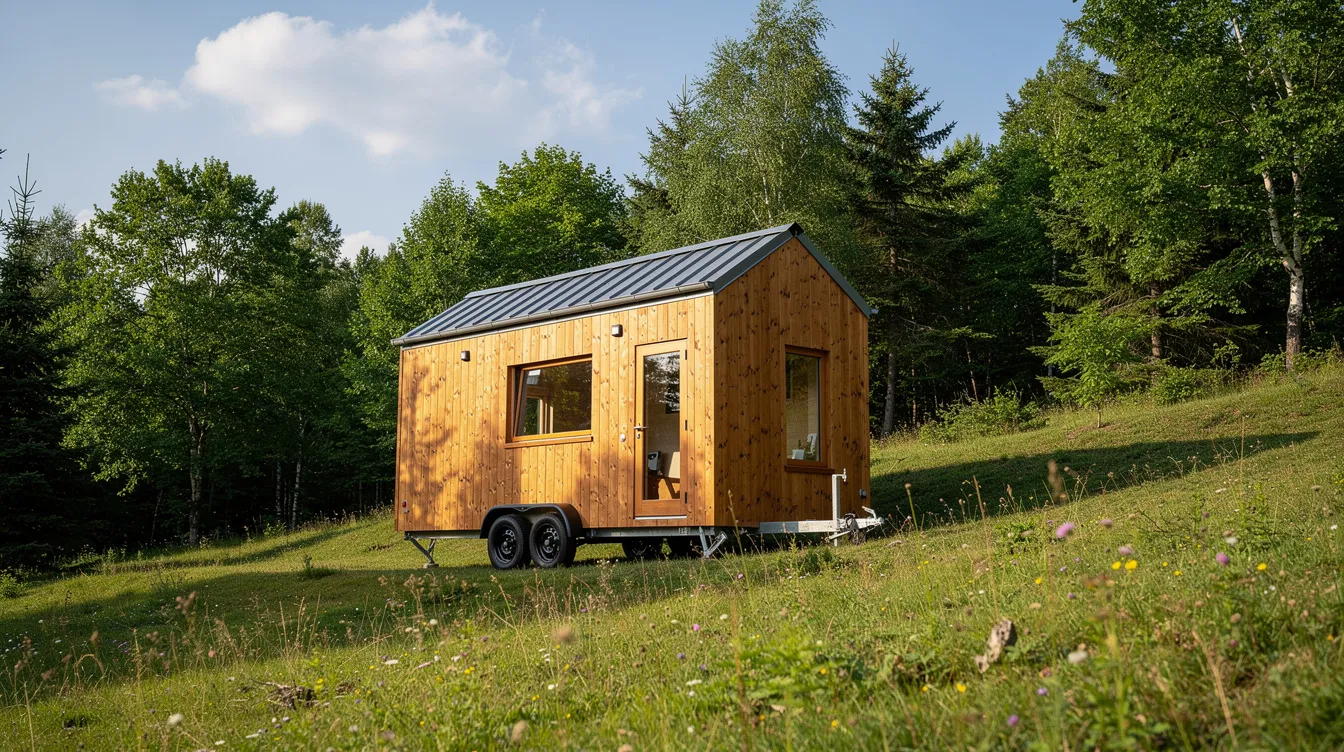
Off grid water for a tiny home can come from wells, rainwater, nearby surface water, or hauling from town.
Here are the common options:
- Drilled well: A well water system typically involves a drilled well connected to a submersible pump that pushes water into a pressure tank for distribution. Higher upfront cost ($2,000–$8,000) but convenient if you own rural land.
- Rainwater collection: Metal roof gutters channel rain to storage tanks. Works best in moderate rainfall areas—Pacific Northwest gets 35–50 inches annually while the Southwest sees only 8–15 inches.
- Lake or stream water: Using lake water as a source requires a large diameter pipe and a jet pump, along with filtration and purification systems to ensure safety for drinking.
- Hauled water: Fill 5–7 gallon jugs or portable tanks from city fill stations, campgrounds, or dump stations that offer potable water spigots.
Legal considerations matter. Check local regulations for well permits, rainwater collection rules, and surface water rights. Test any water source for bacteria and minerals before drinking.
Designing the Tiny House Plumbing System
Tiny house plumbing is simpler than full-size homes but must combine fresh water, hot water, gray water, and toilet strategy in very limited space, so it needs to align with tiny house floor plans that actually work. Everything gets compressed into 20–30 feet.
Key components include:
- Water inlet (tank fill port or RV hookup)
- Supply lines (the most common plumbing material used in tiny houses is PEX due to its flexibility, lightweight nature, and ease of installation)
- 12V DC pump for water pressure
- Water heater (propane tankless or electric)
- Plumbing fixtures (bathroom sink, kitchen sink, shower)
- Drain pipes for waste water
Most tiny houses use 1/2-inch PEX for supply lines and PVC for drainage system connections. Keep plumbing on interior walls to prevent freezing. Group the bathroom and kitchen close together to shorten water lines and drain runs.
Fresh Water Storage and Delivery in an Off Grid Tiny Home
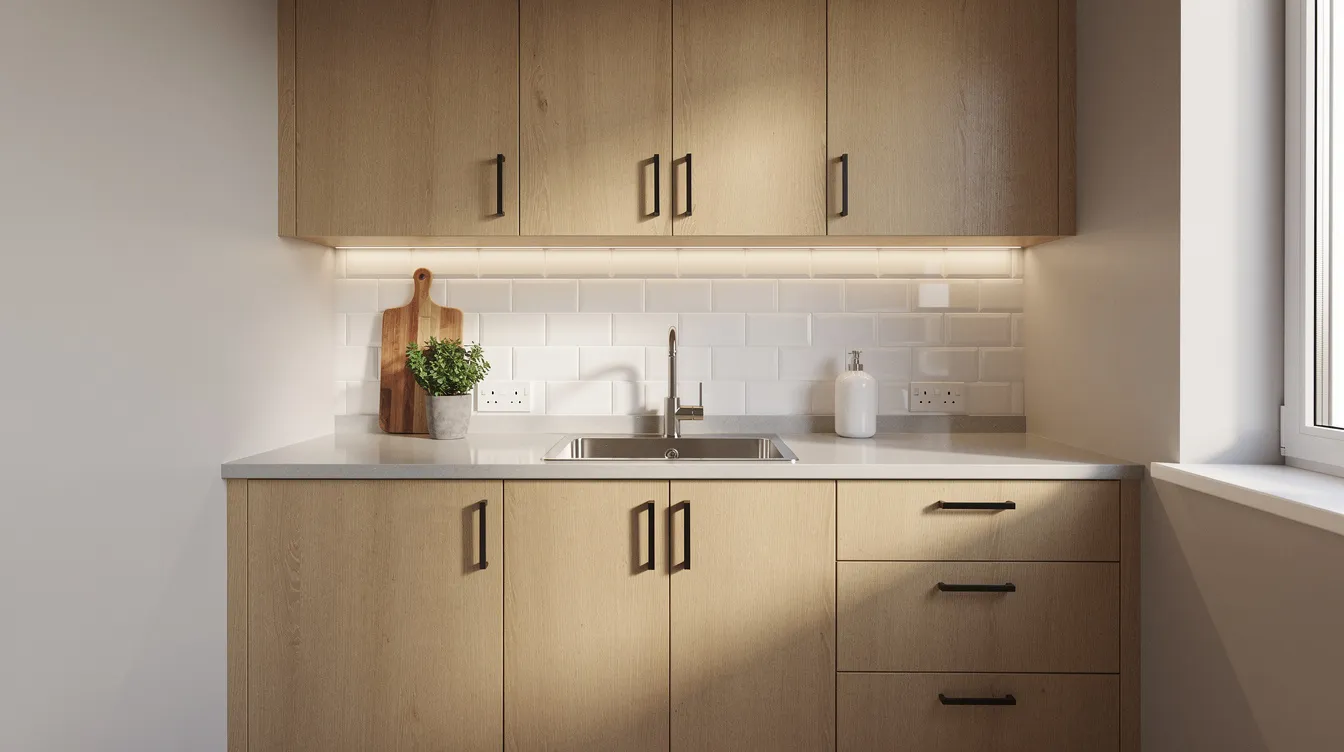
Off grid tiny houses rely on onboard tanks plus a 12V pump to simulate city water pressure. The pump kicks on when you turn a faucet, delivering pressurized water throughout the house.
Typical tank sizes and placements:
- 30–50 gallon tank under a built-in couch or bed
- 46–60 gallon tank under a kitchen counter
- 100+ gallon exterior tanks for stationary tiny homes in mild climates
Key considerations:
- Tank materials: Use NSF-rated food-grade plastic tanks only
- Filling methods: RV drinking water hose, funnel with jugs, rainwater collection line, or water delivery truck
- Pump selection: 2.9–4.0 GPM RV-style pumps work well. Add an accumulator tank to smooth water pressure and reduce pump cycling.
A hybrid system connects incoming water through a city water inlet with pressure regulator. When on grid, water flows directly from the hose. When off grid, the pump draws from your tank. A check valve prevents backflow between systems.
Rainwater Collection Systems for Tiny Houses
Rainwater collection can enhance water conservation efforts in tiny homes by capturing and storing rainwater for non-potable uses, such as irrigation—or for drinking with proper filtration, and it’s a key decision when you plan and build a tiny house from scratch.
Rainwater collection systems can vary from simple storage tanks to complex setups with pumps for indoor plumbing, requiring filtration for safe drinking.
Essential components:
- Roof: Smooth metal roof preferred. A 24–28 ft tiny house roof captures enough rain in moderate climates.
- Gutters and downspouts: Include leaf screens and a first-flush diverter to eliminate the dirty initial runoff
- Water storage: Above-ground poly tanks, IBC totes (275 gallons), or underground cisterns. Plan for 500–2,000 gallons for full-time use in 4-season climates.
Filtration stages for potable use:
- Sediment filter (5–20 micron) to remove particles
- Carbon filter to improve taste and remove odors
- UV light or chlorination for final disinfection
For cold climates, bury water lines below frost depth. Insulate exposed pipes and install heat tape on critical sections. Some tiny home owners partially drain exterior tanks during winter and rely on smaller interior tanks.
On Grid Water: Tiny House RV Hookup Basics
When parked at campgrounds, RV parks, or properties with an outdoor spigot, tiny houses connect like standard RVs for clean water and running water access, which is crucial for many tiny house camper adventure setups.
Essential components:
- Drinking-water-safe RV hose rated for potable water
- Brass pressure regulator (40–50 psi) to protect tiny house plumbing
- Optional in-line sediment and carbon filter at the spigot
- Heated hose and insulated spigot cover for winter use in cold climates
The hookup ties into your tiny house through a city-water inlet with a backflow preventer. This bypasses your pump entirely—no pump noise, no electricity draw, and your pump lasts longer.
Even when using on grid options, keep your tank and pump functional. You’ll need them when traveling between locations or during water outages.
Gray Water in Tiny Houses: Collection, Reuse & Legalities
Greywater is the water that drains from sinks and showers, and it can be reused for irrigation if properly managed. It’s distinct from black water (toilet waste) and generally easier to handle, but it still has to integrate with tiny house septic and waste system options.
Gray water options for tiny homes:
- Holding tank: A little holding tank is frequently seen in tiny residences to collect wastewater from toilets, sinks, and showers until it is time to dispose of it. Size these 15–40 gallons.
- Direct sewer connection: Use an RV sewer hose when parked at locations with dump stations or sewer hookups
- Irrigation systems: Properly setting up gray water pits is a simple alternative for folks planning to use a composting toilet or outhouse, as it allows for the disposal of non-potable wastewater. Use only biodegradable soaps.
Freezing issues require attention. Slope all drain pipes downward with no low spots. Insulate exposed sections and use heat tape on exterior RV sewer hoses in cold weather.
Many areas treat gray water similarly to black water legally. Check county or state codes before any surface discharge. Your best bet is contacting the local health department before installation.
Toilet Options: Composting vs Flush in an Off Grid Tiny House
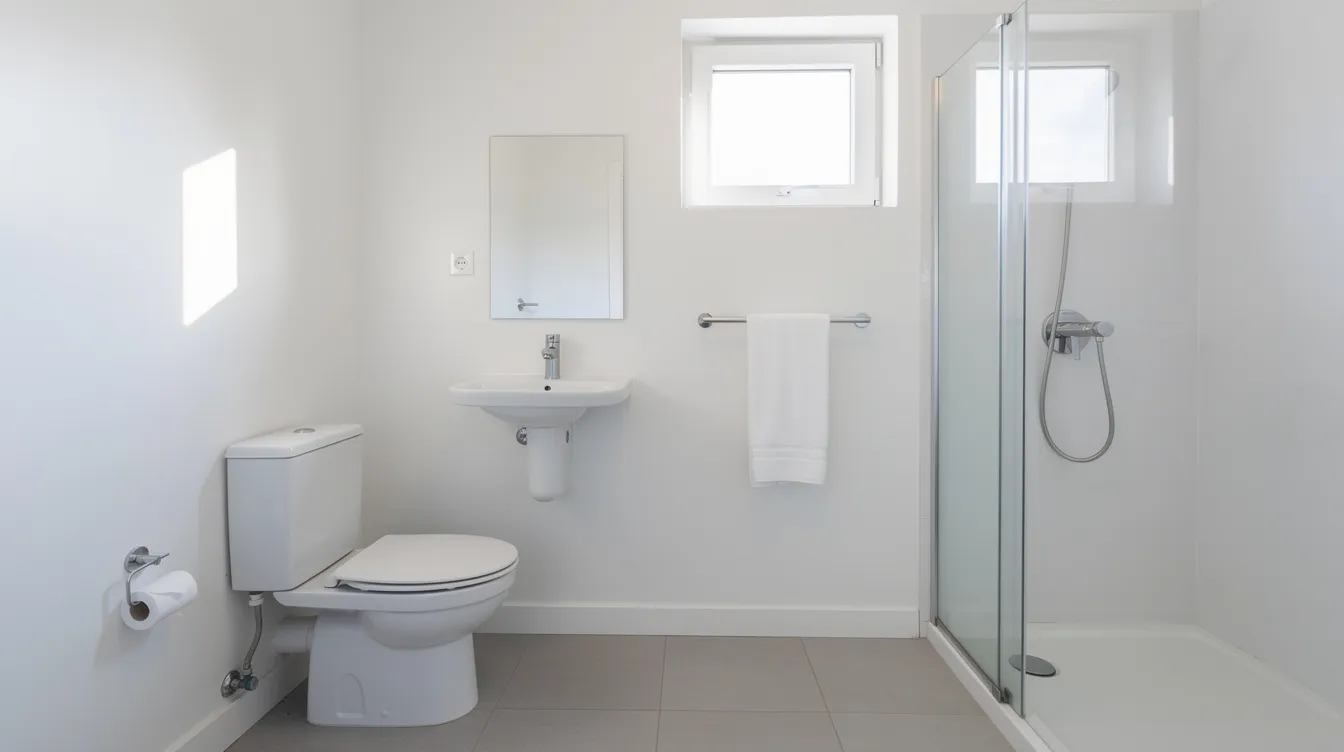
Toilet choice drives how complex your plumbing system becomes. Choose wisely based on your water supply and location, and make sure it fits into tiny house plans that match your lifestyle.
Composting toilet:
- Composting toilets convert human waste into compost without using water, making them an eco-friendly option for off-grid living
- Most composting toilets require a small amount of electricity to operate fans and rotate the compost, which helps speed up the composting process
- Using a composting toilet can significantly reduce the need for traditional black water systems, as they eliminate the need for a septic tank or sewer connection
- Empty solids every few weeks to months depending on household size
Flush toilet with black water tank:
- Similar to RV toilets
- Requires water supply and regular dumping at dump stations
- Needs black water tank (15–30 gallons) or septic connection
Other options:
- Propane incinerating toilets ($1,200–$2,500)
- Simple outhouses for remote land with proper setbacks
Many off grid tiny house owners in 2026 choose composting toilets to avoid installing septic systems and simplify winter plumbing. Odor control works well with proper ventilation—especially those with continuous 12V fans.
Planning and Protecting Your Tiny House Plumbing System
Good planning prevents expensive problems. Consider space, budget, climate, and local regulations before you install anything, and use tools like a tiny home cost calculator for realistic budgeting.
Space considerations (especially important in custom tiny homes designed around your needs):
- Group kitchen and bathroom to shorten plumbing runs
- Place water tank near trailer axles for weight balance
- Install access panels for valves and filters
Budget ranges (2026 DIY):
- Basic system: $2,000–$4,500
- Comprehensive with rainwater: $8,000–$17,000, which pairs well with affordable tiny house building strategies and designs
Climate protection:
- Route all pipes inside the thermal envelope when possible
- Use heat tape on vulnerable sections
- Skirted trailers in freezing regions maintain warmer temperatures underneath
Regulations:
- Building codes and plumbing codes vary by location
- Wells and septic typically require permits
- Some states restrict rainwater collection
Minnesota tiny homes need aggressive freeze protection with interior tanks and heat tape. Coastal California installations can use exterior tanks year-round. Plan for your specific climate.
Estimating Daily Water Use and Tank Sizes for Tiny Homes
Understanding daily water use helps size tanks correctly. The average American uses between 80-100 gallons of water a day, while tiny home residents can reduce their usage to about 10 gallons per day by implementing water conservation techniques.
Realistic consumption figures:
- Showering: 2–4 gallons with low-flow showerhead
- Washing dishes: 1–3 gallons per day
- Personal hygiene and drinking: 1–2 gallons daily
Utilizing low-flow fixtures, such as showerheads and faucets, can significantly reduce water consumption in tiny homes, making them more sustainable.
Example calculations:
- Single person using 15 gallons per day with a 45-gallon tank = refill about every 3 days
- Couple using 25 gallons per day total with a 75-gallon tank = refill every 3 days
During dry seasons, you’ll rely more on hauling or wells. Rainy seasons can refill large cisterns automatically if you have rainwater collection. Using less water through conservation makes any system more practical, especially if you’re starting from one of the Home Depot tiny house kits as a base structure.
FAQ
These questions cover common off grid tiny house water issues that deserve additional detail.
How do I make off grid rainwater safe to drink in a tiny house?
Rainwater must pass through at least a sediment filter and carbon filter, then be disinfected with UV light or chlorination before drinking. Annual testing through a certified lab screens for bacteria and contaminants—home test kits work for basic checks between professional testing. Clean your gutters and roof regularly, especially if they’re new or exposed to pollution. Some regions have specific health regulations for potable rainwater systems, so verify local requirements.
Can a tiny house use an RV park’s water and sewer like a standard RV?
Most tiny houses built on trailers with RV-style hookups can connect to RV park spigots and sewer inlets using standard fittings. You’ll need a pressure regulator and drinking-water-safe hose to protect your plumbing system from high pressure. Park policies vary significantly, so always confirm tiny homes are allowed before arrival. Many owners keep their off grid tank and pump as backup for travel days between parks.
How do I keep my tiny house water system from freezing in winter?
Run supply lines inside the insulated envelope wherever possible. Use foam pipe insulation on any exposed sections, and consider heat tape on vulnerable pipes and valves. Heated hoses work well for RV hookups in cold weather. Some off grid owners partially drain external tanks during extreme cold and rely on smaller interior tanks instead. Skirting around your trailer reduces cold air circulation underneath. Consult local professionals familiar with RV winterization if you’re in a very cold region.
Do I need a permit for my off grid tiny house water system?
Permit requirements depend heavily on local jurisdiction and how your tiny home is classified—RV, accessory dwelling unit, or primary residence. Wells and septic systems almost always require permits from county or state agencies. Some gray water and rainwater setups need approvals too. Contact local building and health departments early in your planning process. Mobile tiny houses using RV hookups often operate under different rules than permanent foundation tiny homes.
Is a composting toilet really practical for full-time tiny house living?
Many full-time tiny house residents successfully use composting toilets, emptying solids every few weeks to a few months depending on model and household size. Modern units with continuous ventilation fans control odors effectively when maintained properly. You’ll need a plan for final composting or disposal that meets local regulations—typically curing compost in outdoor bins for non-food landscaping use. Composting toilets reduce water use and simplify gray water requirements, making them popular for off grid setups.