Pennsylvania has become a haven for tiny living enthusiasts. The movement has grown steadily since the mid-2010s, fueled by rising housing costs, environmental concerns, and a simple desire for less.
But here’s the thing: not all tiny house communities are the same. True tiny home communities cluster foundation-based or movable homes around shared spaces for long-term residency. RV parks? They’re different—often seasonal, with lot leases for wheeled units. The state of Pennsylvania has adopted the International Building Code of 2018, which allows for tiny homes to be built with a minimum floor area of 120 square feet, making it feasible for tiny home communities to thrive.
The catch? Local ordinances vary widely regarding minimum square footage requirements for tiny homes, with some counties having larger minimums of 700 to 1,000 square feet. Many municipalities in Pennsylvania require minimum square footage, such as 700 square feet, for permanent residences outside tailored communities.
This guide focuses on permanent living options, amenities, and community atmosphere. If you’re curious about where to plant roots in a tiny house, keep reading.
How We Chose the Best Tiny House Communities
Finding the right tiny home community takes research. Here’s what we evaluated:
- Permanent residency options — Long-term lease availability matters for full time living
- Community amenities — Shared facilities like pools, clubhouses, and gardens
- Tiny house-specific services — Not just RV accommodations, but true tiny living support
- Location accessibility — Proximity to employment centers and city services
- Pet-friendly policies — Most communities welcome furry friends
- Pricing transparency — Value for money with lot fees averaging $450-750/month
- Community culture — Resident satisfaction and social bonds
- Zoning compliance — In Pennsylvania, zoning regulations for tiny homes can vary significantly by county, with some counties allowing tiny homes on permanent foundations while others classify them as RVs and prohibit their use as permanent residences
Utilities in tiny house communities must include reliable year-round water, electric, and sewage hookups, crucial for winter conditions in Pennsylvania. We prioritized communities that deliver on these essentials.
Top 7 Tiny House Communities in Pennsylvania
1. Tiny Estates – Elizabethtown
Tiny Estates in Elizabethtown, PA, is a notable tiny home community where residents can either live permanently or book temporary stays. Located in Lancaster County, this is Pennsylvania’s flagship dedicated tiny house community with approximately 50 slots.
Why It Stands Out: First true tiny house community in PA with permanent living focus. The community pivoted during COVID from vacation rentals to owner-occupied lots—a model that’s proven successful.
Best For: Individuals and couples seeking permanent tiny house lifestyle with community support.
Key Strengths:
- Dedicated tiny house rentals and purchase options
- Pet-friendly policy
- Full amenities package including Wi-Fi
- Established community since 2018
- Holistic services including builds, sales, and placements
- Just 25 minutes from Walmart and other services
Possible Limitations: High demand limits availability. Costs likely range $500-700/month—higher than typical RV parks.
2. Hershey RV & Camping Resort – Lebanon
This full-service resort near Hershey accommodates tiny homes and park models alongside RVs. Located minutes from Hershey’s tourist draws like Chocolate World, it offers resort-style tiny living.
Why It Stands Out: Premium location with luxury amenities rarely found elsewhere.
Best For: Tiny house owners wanting resort-style living with recreational activities.
Key Strengths:
- Swimming pool and fitness center
- Game room and playground
- Hiking trails on-site
- Full hookups with cable TV
- Fire pits, BBQ grills, and clubhouse
- Camp store and laundry facilities
- Fishing and picnic areas
Possible Limitations: Tourist-focused environment means seasonal activity levels and potential pricing spikes around peak times.
3. Spring Gulch Resort Campground – New Holland
This family-friendly community sits in the heart of Lancaster County Amish country. The authentic Pennsylvania Dutch setting offers a unique lifestyle you won’t find elsewhere.
Why It Stands Out: Cultural attractions and rural charm create an immersive experience.
Best For: Families and retirees interested in rural Pennsylvania lifestyle.
Key Strengths:
- Fishing pond and hiking trails
- Swimming pool and playground
- Mini-golf, volleyball, basketball, horseshoes
- Free WiFi and pet-friendly
- Cultural attractions nearby
- RV storage and full facilities
Possible Limitations: Rural location may limit employment options for those working outside the land.
4. Timothy Lake North RV – East Stroudsburg
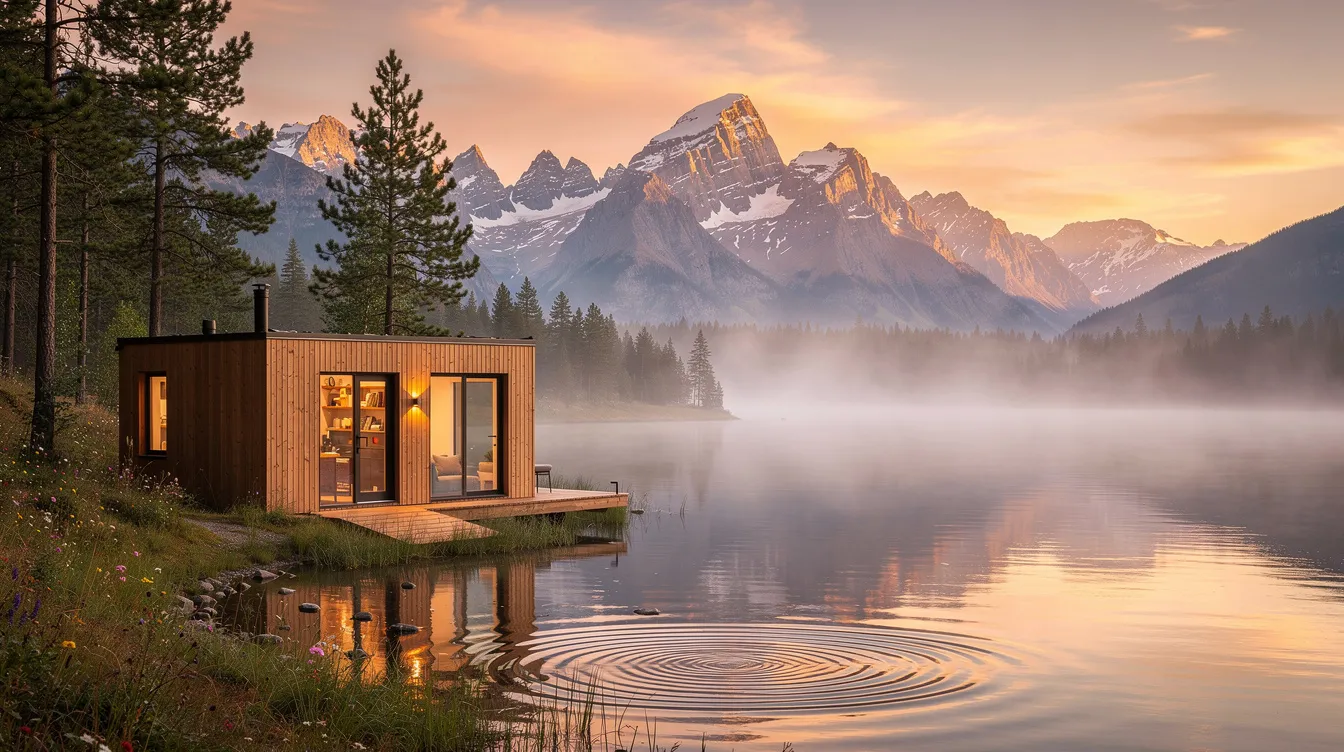
Nestled in the Pocono Mountains, this lakefront community offers mountain living with water activities. The scenic location draws outdoor enthusiasts from across the region.
Why It Stands Out: Lakefront living with private lake access and mountain scenery.
Best For: Outdoor enthusiasts seeking mountain/lake lifestyle.
Key Strengths:
- Private lake access
- Boat rentals available
- Mountain location with stunning views
- Water sports and outdoor recreation
- Nature-centric environment
Possible Limitations: Harsh winters create seasonal weather challenges. Distance from major cities (2+ hours from Philadelphia) limits accessibility.
5. Circle M RV & Camping Resort – Lancaster
This established community delivers full amenities in the popular Lancaster area. It’s developed a reputation for balancing value and quality.
Why It Stands Out: Affordable option in high-demand Lancaster County.
Best For: Budget-conscious tiny house residents wanting community amenities.
Key Strengths:
- Swimming pool
- Recreational activities
- Lancaster attractions nearby
- Reasonable pricing
- Accessible location
Possible Limitations: More RV-focused than tiny house specific. May feel less like a dedicated tiny home community.
6. Appalachian RV Resort – Shartlesville
Located in the Appalachian foothills of Berks County, this mountain community emphasizes outdoor recreation. The scenic setting appeals to nature lovers.
Why It Stands Out: Scenic Appalachian setting with extensive outdoor activities.
Best For: Nature lovers and outdoor activity enthusiasts.
Key Strengths:
- Mountain setting
- Hiking trails throughout
- Fishing pond
- Recreational facilities
- Peaceful environment
Possible Limitations: Remote location means limited nearby services. Berks County has adopted the 2018 International Building Code with a minimum of 120 square feet for homes, so verify your plans comply.
7. Lake in Wood RV Resort – Narvon
This quiet community offers lake access and family amenities in Lancaster County. The peaceful atmosphere attracts those seeking a cozy retreat from busy living.
Why It Stands Out: Peaceful lake setting with strong community atmosphere.
Best For: Retirees and families seeking quiet lake community lifestyle.
Key Strengths:
- Lake access and fishing opportunities
- Quiet environment
- Family-friendly facilities
- Strong community feel
- Pet-friendly
Possible Limitations: Limited nightlife and urban amenities. Best for those who prioritize rest and tranquility.
Quick Comparison of the Best Tiny House Communities
Community | Best For | Setting | Price Range |
|---|---|---|---|
Tiny Estates | Dedicated tiny house experience | Lancaster County | $500-700/month |
Hershey RV Resort | Luxury amenities & tourism | Near Hershey | Varies seasonally |
Spring Gulch | Amish country culture | New Holland | Budget-friendly |
Timothy Lake North | Mountain lake lifestyle | Poconos | Moderate |
Circle M | Budget Lancaster living | Lancaster | Affordable |
Appalachian RV | Mountain outdoor recreation | Shartlesville | Moderate |
Lake in Wood | Peaceful lake community | Narvon | Moderate |
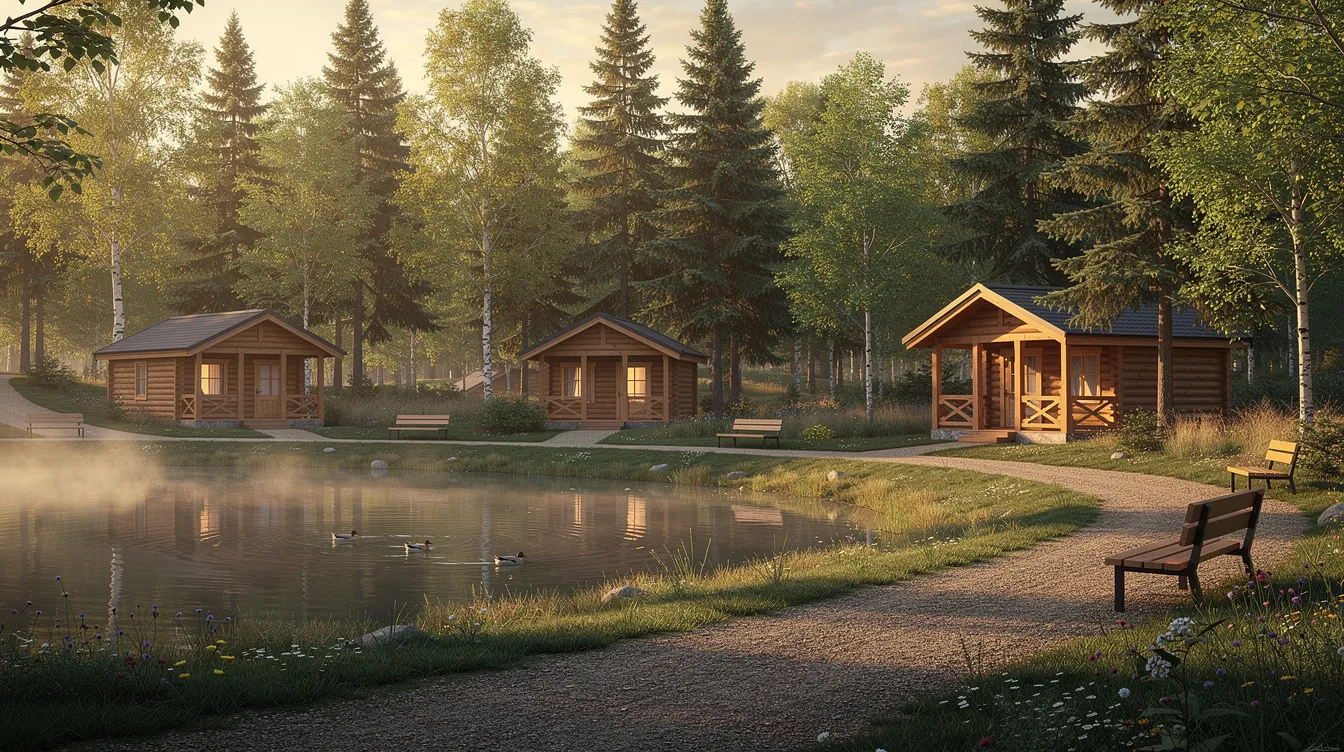
Many tiny house communities are designed on large, wooded lots with ponds, manicured lawns, and walking paths, fostering a nature-centric lifestyle. Tiny house enclaves in Pennsylvania prioritize shared infrastructure and communal living to offset the small private footprint, mirroring broader trends in exploring the world of tiny houses. |
How to Choose the Right Tiny House Community
Choose Based on Lifestyle Preferences
What’s your vision for daily life?
- Mountain lovers: Timothy Lake North and Appalachian RV offer elevation and outdoor activities, much like popular tiny house cabin retreats for a cozy getaway
- Cultural immersion: Spring Gulch places you in Pennsylvania Dutch country and may appeal if you’re inspired by cute tiny house designs for your dream home
- Lake living: Lake in Wood and Timothy Lake deliver waterfront access reminiscent of the best tiny houses by the lake for getaways
- Social connection: Tiny Estates fosters dedicated tiny living culture
Tiny home communities in Pennsylvania often provide amenities such as free Wi-Fi, pet-friendly policies, and recreational facilities like swimming pools and playgrounds. Tiny house communities in Pennsylvania often emphasize shared amenities like fire pits, communal gardens, and social spaces, similar to many tiny house nature retreats that blend comfort with the outdoors.
Communities often have strong interpersonal ties, with residents participating in social events and skill-sharing. The lifestyle in tiny house communities is characterized by minimalism, camaraderie, and financial freedom.
Choose Based on Budget and Cost Considerations
Money matters. Here’s what to factor:
- Monthly lot fees: Range from $400-800 depending on location and amenities
- Utility costs: Typically $100-200 extra monthly
- Construction costs: It typically costs $30,000 to $60,000 to construct and own a tiny home in Pennsylvania, not including land or other fees, especially if you’re opting for custom tiny homes tailored to your needs
- Park models: For more high-end park models, the cost is typically $90,000 to $100,000, comparable to some of the great tiny homes that redefine small space living
- Pet fees: Usually $25-50/month additional
Tiny homes are typically no larger than 500 square feet, but they usually range between 120 square feet to 400 square feet. This limited square footage keeps construction and utilities affordable, particularly when you start with tiny house plans that fit your life.
Choose Based on Community Type and Permanency
The process of finding permanent housing requires understanding classifications:
- Dedicated communities: Tiny Estates offers true tiny house community atmosphere similar to what many top micro house builders focused on modern living help create
- Mixed environments: Most campground and resort options accommodate RVs alongside tiny homes
- Seasonal vs. year-round: Determine if you want full time residency
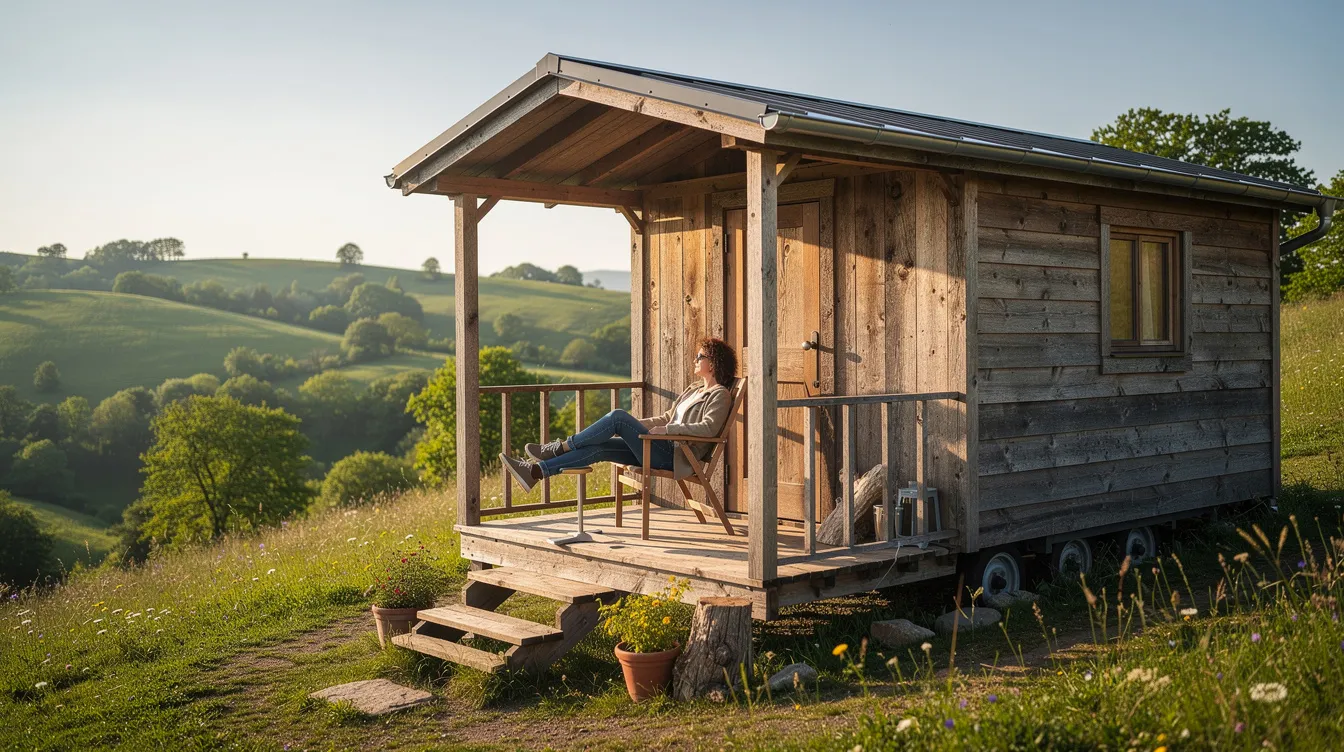
Tiny houses on wheels are usually classified as Recreational Vehicles (RVs) and are often restricted to RV parks or campgrounds for full-time use. Taxation on tiny homes varies, with homes on wheels often avoiding property taxes but requiring vehicle registration, while permanent homes are taxed as real property.
Permanent tiny houses in Pennsylvania typically must be built on a foundation and meet the state’s Uniform Construction Code (UCC). Residents in tiny house communities often embrace a ‘less is more’ philosophy, maintaining space by removing old items as they acquire new ones.
Which Option Is Best for You?
Let’s simplify your decision:
- Choose Tiny Estates if you want authentic tiny house community experience with like-minded neighbors and full support services
- Choose Hershey RV & Camping Resort if you prioritize luxury amenities, recreational activities, and proximity to tourist attractions
- Choose Spring Gulch Resort if you’re drawn to Pennsylvania Dutch culture, rural living, and family-friendly facilities in Lancaster County
- Choose Timothy Lake North if mountain lake living, water activities, and natural beauty appeal to your style of living
- Choose Circle M if you want Lancaster area access at a more affordable price point with solid amenities
- Choose Appalachian RV Resort if mountain recreation and Appalachian scenery match your outdoor interests
- Choose Lake in Wood if peaceful lake community living with fishing and tranquility fits your future plans
Many communities are navigating zoning regulations through group applications or by locating in agricultural or rural zones. This approach has allowed tiny living to flourish in previously restrictive townships and towns.
Final Thoughts
Pennsylvania offers diverse tiny house community options for every vision and budget. From dedicated communities like Tiny Estates to resort-style living near Hershey, possibilities exist across the state.
Remember: local zoning laws vary significantly across counties. Allegheny County requires tiny homes to have a minimum of 150 square feet for one occupant and an additional 100 square feet for each additional occupant. Meanwhile, Lehigh County mandates 1,000 square feet for permanent single family dwellings—effectively prohibiting traditional tiny homes as residences.
Many counties in Pennsylvania are currently proposing legislation to create a uniform code for tiny homes, but until then, it is essential to check with local zoning departments for specific regulations. Contact your county’s building department before making decisions.
Visit communities in person. Photos don’t capture everything—the vibe, the neighbors, the feel of a space. Availability changes quickly, especially at popular spots like Tiny Estates.
The tiny house community landscape in PA continues to evolve and expand. New developments emerge regularly as the world embraces smaller living and more people explore this affordable path to homeownership.
If you’re interested in transforming your housing situation, now’s the time to connect with these communities. Whether you want to purchase land, rent individual lots, or simply explore options, Pennsylvania has something for you—and other states, like Texas, also offer opportunities if you’re drawn to the best little houses in Texas and their communities.
Don’t worry about having everything figured out. Start visiting. Start asking questions. Your tiny house journey begins with a single step.