
Atlanta’s tiny home market has quietly grown into one of the Southeast’s most active, offering buyers a genuine alternative to traditional housing. Whether you’re looking to downsize, build a rental property, or simply embrace a simpler lifestyle, this guide walks you through everything you need to know about finding the right tiny house in metro Atlanta.
- Fast Answer: Tiny Houses for Sale in Atlanta Right Now
- Types of Tiny Homes for Sale in Atlanta, GA
- Popular Tiny Home Models Around Atlanta (Luna, Yukon, Aspen & More)
- Local Tiny Home Builders & Shops in the Atlanta Area
- Tiny House Prices & Financing in Atlanta, GA
- Where You Can Place a Tiny House in Metro Atlanta (Zoning & Rules)
- How to Buy or Build a Tiny House in Atlanta, GA (Step-by-Step)
Fast Answer: Tiny Houses for Sale in Atlanta Right Now
As of early 2025, Atlanta has dozens of tiny homes available for purchase, with prices typically ranging from about $70,000 to $200,000+ depending on size, land inclusion, and finish level. Buyers can find both move-in-ready tiny houses and custom builds from local tiny home builders throughout the metro area.
Many current listings pull from Georgia MLS and FMLS feeds, with platforms showing 12-23+ tiny homes for sale at any given time. Metro Atlanta areas like East Point, Decatur, Marietta, and surrounding suburbs offer the widest selection of options.
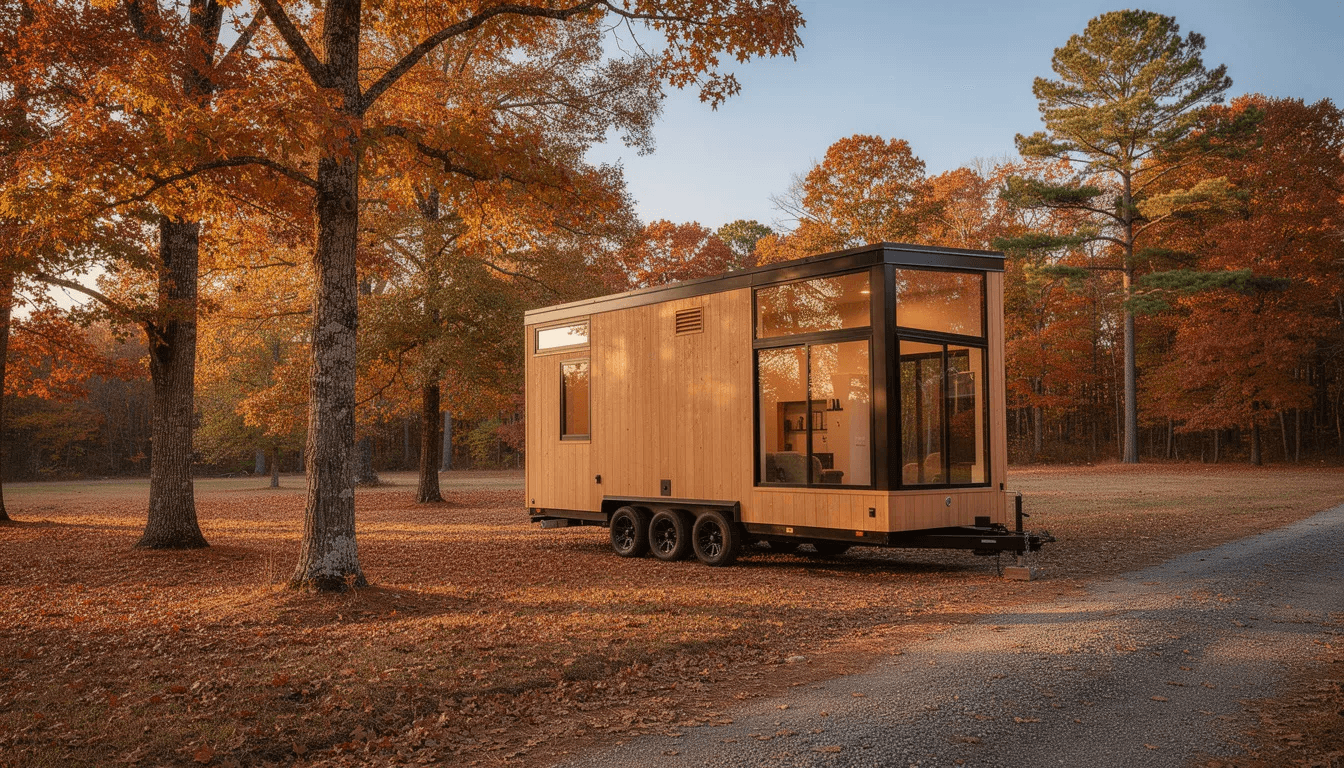
Here are a few illustrative examples of what’s currently available in the market:
- A 400 sq.ft. park model tiny home near Lake Lanier listed around $115,000 in late 2024
- A 280 sq.ft. tiny home on wheels south of Atlanta offered for under $90,000
- A 176 sq.ft. model in Atlanta proper listed at approximately $95,000
- A 457 sq.ft. condo-style unit in East Point priced around $175,000
- A 495 sq.ft. finished unit in the Marietta area at roughly $199,999
What this guide covers:
- Types of tiny homes available in Atlanta (park models, THOWs, ADUs, cabin-style)
- Popular models like Luna, Yukon, and Aspen-style park models with specific features
- Local builders and shops within the Atlanta metro area
- Pricing ranges and financing options for different tiny home types
- Zoning rules across Fulton, DeKalb, Cobb, and Gwinnett counties
- A step-by-step process to buy or build your dream tiny home in Georgia
Types of Tiny Homes for Sale in Atlanta, GA
Atlanta’s tiny home market includes several distinct property types, each with different placement rules, financing options, and use cases. Understanding the difference between these categories will help you find the right fit for your needs and avoid costly zoning mistakes.
The metro area offers park model RVs, tiny houses on wheels, foundation-based cottages, and accessory dwelling units both inside the I-285 perimeter and throughout surrounding suburbs.
- Park model tiny homes (300-400 sq.ft.): These HUD-code certified units function like small houses but are technically classified as recreational vehicles. Models like “The Luna” or “The Aspen” are commonly placed in tiny home communities, RV parks, or on private land outside stricter city zoning areas. Financing typically comes through RV loans with terms up to 15-20 years at 6-9% interest rates.
- Tiny houses on wheels (THOWs): Mobile residences built on gooseneck or bumper-pull trailers, usually ranging from 100-300 sq.ft. These work well as rental units near Atlanta attractions, weekend getaways in nearby areas like Blue Ridge and Lake Oconee, or primary residences on rural leased land. Personal loans or cash purchases are common since these don’t qualify for traditional mortgages.
- Foundation-based cottages and ADUs: Site-built small homes ranging from 200-500+ sq.ft., constructed to IRC Appendix Q standards. These are prevalent in intown neighborhoods like Decatur, Clarkston, and parts of Atlanta where cities now permit accessory dwelling units in residential zones. Traditional construction loans or mortgages apply, but expect full permits, utility connections, and inspections.
- Cabin-style tiny homes: A-frame designs, log park models, and custom cabin builds favored for Airbnb properties in North Georgia suburbs like Woodstock or Canton. These can be permitted as either temporary structures or permanent dwellings depending on foundation type and local regulations, and they appeal to buyers drawn to cute tiny house designs for their dream home.
Type | Typical Size | Best Use | Financing | Placement |
|---|---|---|---|---|
Park Model RV | 300-400 sq.ft. | Full-time living, communities | RV loan | RV parks, private rural land |
THOW | 100-300 sq.ft. | Rentals, mobile living | Personal loan, cash | Rural leases, RV parks |
ADU/Cottage | 200-500+ sq.ft. | Backyard units, guest houses | Mortgage, construction loan | Urban lots with permits |
Cabin-style | 200-400 sq.ft. | Vacation rentals, Airbnb | Hybrid | Suburban, rural parcels |
Popular Tiny Home Models Around Atlanta (Luna, Yukon, Aspen & More)
Park model tiny homes marketed to Atlanta buyers commonly fall in the 296-400 sq.ft. range with efficient 1 bed/1 bath layouts. Several model styles have become particularly popular in the Georgia market, each offering distinct features for different buyer needs.
- Luna-style model: Around 400 sq.ft. with 1 bedroom and 1 bathroom. This design features an open-concept living room with large windows, a full kitchen with standard appliances, and a standard-height bedroom without a loft—making it ideal for buyers who want accessibility or simply dislike climbing to bed. The Luna style is positioned as perfect for singles or couples seeking a full-time residence near Atlanta or in nearby small towns like Conyers or Snellville. Expect pricing in the $90,000-120,000 range when built by local shops.
- Yukon-style model: Roughly 296 sq.ft. with 1 bedroom and 1 bathroom in a more compact footprint. This design emphasizes efficient layout, smart storage solutions, and a galley kitchen that maximizes every inch. Marketed heavily for use as a backyard ADU, guest house, or short-term rental property in areas like East Point or College Park. The smaller size typically means pricing under $80,000, with potential 8-10% ROI for rental applications.
- Aspen-style model: Around 400 sq.ft. with 1 bed/1 bath and more contemporary finishes including shiplap walls, quartz-look counters, cedar siding, and metal roofing suited to Georgia’s humidity. This upscale design commands $110,000-150,000 but offers better resale value and a higher-end aesthetic ideal for stylish living or an Airbnb cabin in suburbs like Woodstock or Canton.
- A-frame and cabin designs: Models like A-Frame Studio, Bunkhouse variants, or the 12-foot ALT design offer sloped roofs, panoramic front glass walls, and a distinctive profile that contrasts with traditional boxy THOWs. These prove especially popular with Atlanta buyers seeking unique vacation rentals or standout primary residences in North Georgia areas, similar to many of the great tiny homes that redefine small-space living.
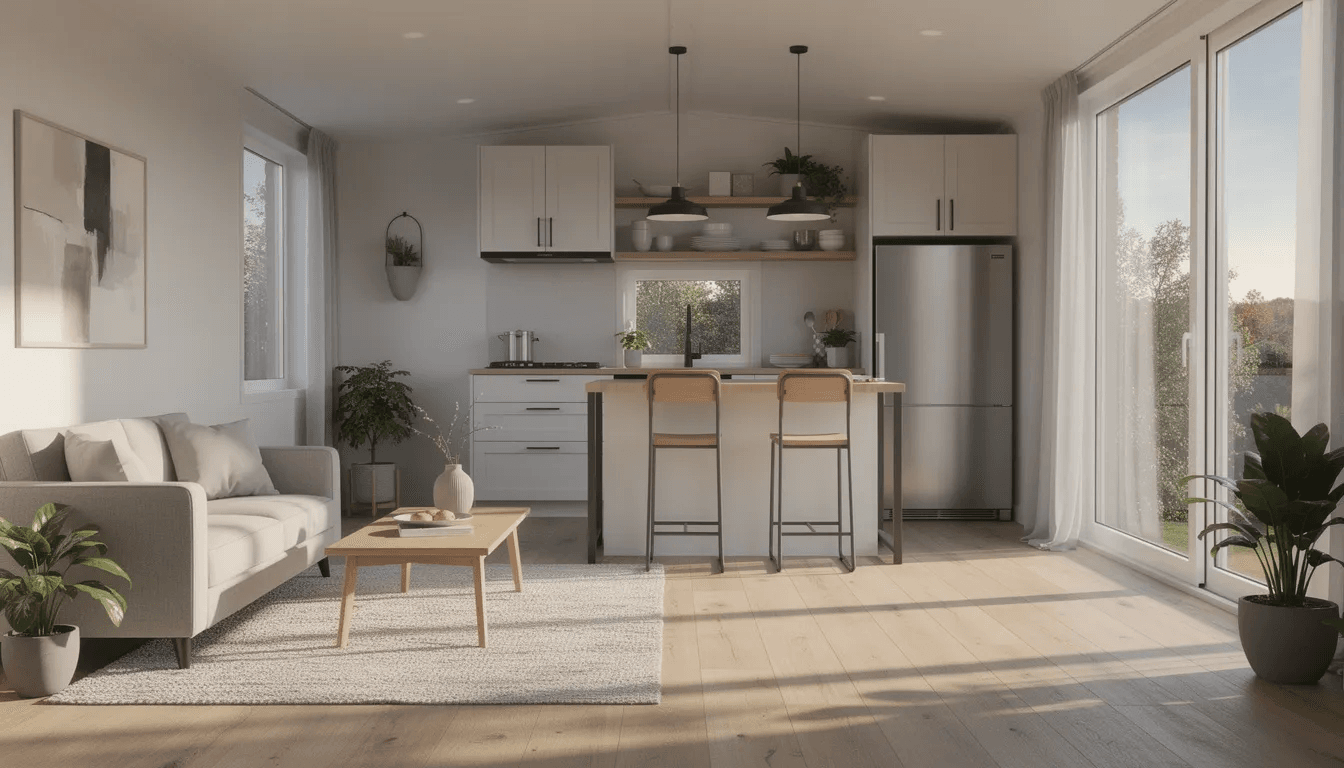
The 2024-2026 trend shows increased interest in custom modular prefab tiny home units from builders like Mustard Seed, which can deliver faster permitting timelines (8-12 weeks versus 6 months for site-built alternatives).
Local Tiny Home Builders & Shops in the Atlanta Area
Metro Atlanta hosts multiple specialized tiny home builders and sales lots, ranging from large indoor fabrication shops to small custom ADU builders. Most projects are completed within about 50-75 miles of downtown, making it easy to visit in person and inspect build quality before purchasing.
The Atlanta market includes builders who handle everything from custom steel trailer fabrication to turnkey ADU construction, giving buyers options at nearly every price point and complexity level.
- Large indoor fabrication shops (Snellville area example): Georgia’s largest tiny home builders operate expansive indoor facilities that allow year-round construction unaffected by Atlanta’s 90°F summers or 50-inch annual rainfall. Dragon Tiny Homes in Snellville exemplifies this approach, crafting custom steel trailers in-house with heavy-duty beams rated for 10,000+ lbs and epoxy coatings to protect against humidity. All fabrication and finishing happens under one roof, providing better quality control and capacity for both single units and multi-unit projects.
- Retail-style sales lots: Operations like Heritage Housing Atlanta offer a different experience, with walk-in model home viewing, multiple floor plans displayed on-site, and a design team ready to explain features and financing options. Customers can tour several tiny homes in person, compare layouts, and often sign purchase agreements the same day. On-site sales teams help explain RV financing structures (typically 10% down with 180-month terms).
- ADU-focused builders: Companies like Mustard Seed Tiny Homes in Buford specialize in backyard accessory dwelling units and small cottages within city limits. These builders focus on permitting assistance, code compliance for City of Atlanta and nearby jurisdictions, and turnkey design-build packages for homeowners wanting an on-site guest house or rental unit that aligns with thoughtfully chosen tiny house plans that fit your life. Services often include navigating the permit process, utility connections, and final inspections.
Craftsmanship, Materials & Indoor Construction
Quality among Atlanta tiny home builders varies widely. Understanding what separates professional builds from mass-produced alternatives helps protect your investment and ensures your home handles Georgia’s challenging climate.
- Custom steel trailers and chassis: Strong builds typically start with custom steel trailers fabricated in-house using heavy-duty steel beams designed for each home’s exact weight and layout. Industrial-grade epoxy coatings protect the metal from Georgia’s humidity and frequent rain, preventing rust and structural degradation over decades of use.
- House-grade framing and materials: Reputable builders construct tiny homes like houses, not RVs. This means 2×6 framing with R-21 insulation (versus RV-standard R-11), solid wood construction, quality fasteners, and house-grade Andersen-style windows and doors. Cheaper mass-produced alternatives often use thin aluminum siding prone to leaks and minimal insulation that drives up energy costs.
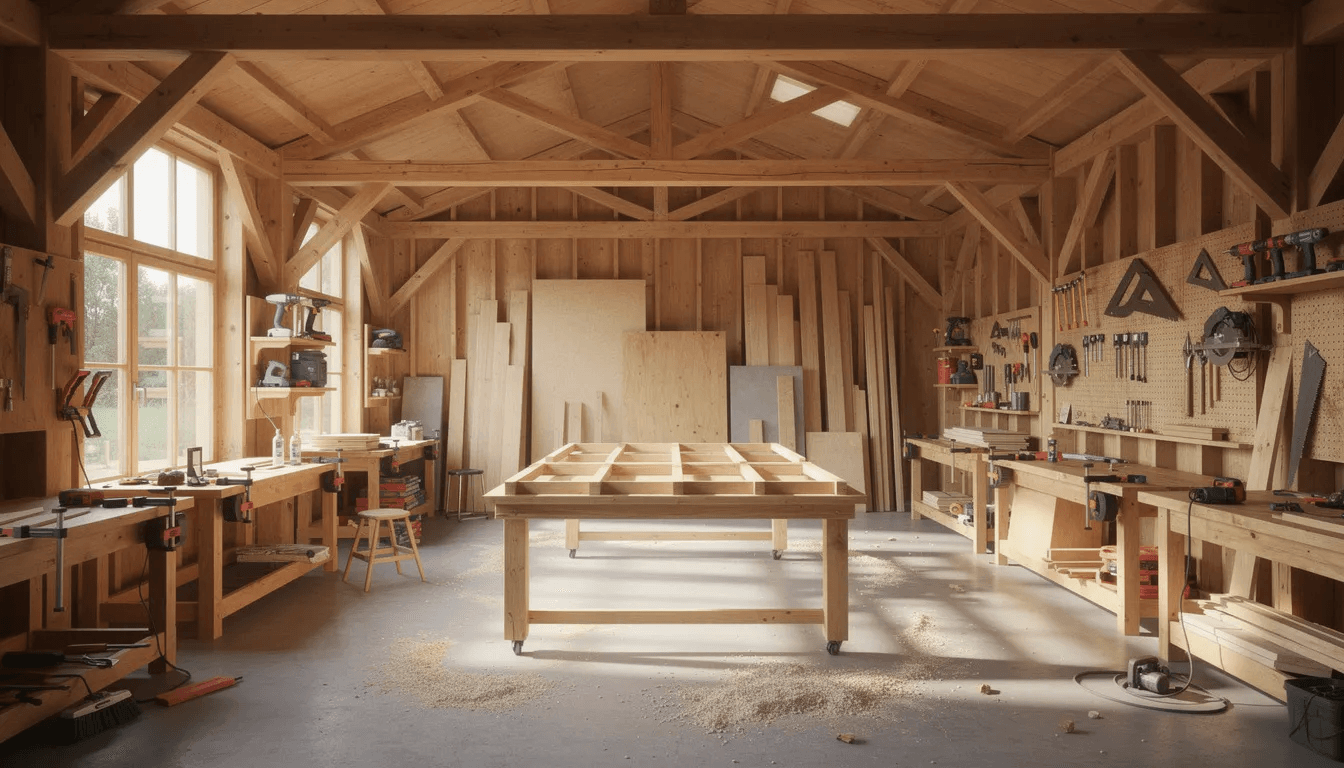
- Indoor construction advantages: Year-round indoor building provides consistency regardless of weather, detailed oversight at each construction stage (framing, rough-ins, insulation, interior finishes), and protection from moisture during the build process. This matters significantly in Georgia’s humid subtropical climate, where outdoor construction can introduce moisture problems before a home is even completed.
Georgia’s climate—heat, humidity, and occasional severe storms like Hurricane Helene’s 2024 impacts—demands robust construction. Look for galvanized fasteners, TPO roofing, elevated chassis for flooding protection, and minimum R-19 wall insulation. Well-built tiny homes can deliver 50-year durability and 50% lower energy bills compared to cheaper alternatives.
Tiny House Prices & Financing in Atlanta, GA
As of 2024-2025, most professionally built Atlanta-area tiny homes cost between approximately $80,000 and $160,000 without land. When you factor in land or lot leases, site preparation, and utilities, total packages typically run from $150,000 to $300,000+ depending on location and lot size.
Price ranges by tiny home type:
Category | Size Range | Approximate Price |
|---|---|---|
Tiny house on wheels | 250-300 sq.ft. | $70,000-100,000 |
Park model cabin | 350-400 sq.ft. | $110,000-150,000 |
Foundation-based ADU | 300-500 sq.ft. | $150,000-250,000+ |
Land + tiny home package | Varies | $150,000-300,000+ |
Financing options vary by tiny home type: |
- RV and park model loans: Available through lenders like LightStream for movable units with RVIA certification. Typical terms run 7-12% APR with $50,000 maximum amounts and 15-20 year repayment periods.
- Personal loans: Unsecured financing of $10,000-75,000 at 8-15% APR works for smaller trailer-based tiny homes that don’t qualify for RV loans.
- Traditional mortgages and construction loans: Available for ADUs and small houses built on permanent foundations. FHA 203k loans offer up to $766,550 with 3.5% down for qualifying properties, but buyers should still use a tiny home cost calculator to understand total project budgets.
Additional costs Atlanta buyers should budget: While some buyers reduce upfront expenses by starting with Home Depot tiny house kits, most Atlanta projects still need to plan for the following line items:
- Lot lease fees: $400-800/month in tiny home communities or RV parks
- Site preparation: $10,000-30,000 for grading, pad, and foundation work
- Septic installation: Approximately $15,000 for rural properties
- Utility hook-ups: Water, sewer, and electrical connections vary by location
- Delivery and crane placement: $2,000-5,000 depending on distance and access
- Permitting and inspection fees: $1,500-5,000 varying by county and city (Fulton typically stricter)
Location significantly impacts cost. Properties inside I-285 command premium prices due to scarcity and demand, while suburban and rural parcels in Cobb, Gwinnett, and outer Fulton offer more affordable options with fewer zoning restrictions.
Where You Can Place a Tiny House in Metro Atlanta (Zoning & Rules)
Zoning represents one of the most important—and most confusing—aspects of purchasing a tiny house in Atlanta. Rules differ significantly between the City of Atlanta proper, surrounding cities like Decatur and East Point, and unincorporated county areas in Fulton, DeKalb, Cobb, and Gwinnett.
- City of Atlanta considerations: The city has gradually expanded acceptance of accessory dwelling units through 2022 ordinance updates influenced by House Bill 1383. ADUs are now permitted in RM and R-5 through R-7A residential zones with minimum 190 sq.ft. livable space, maximum 800-1,000 sq.ft., owner-occupied primary residence requirements, and specific setback rules (typically 5-10 feet). Contact the Atlanta Department of City Planning (404-330-6145) to verify current codes for your specific property. Note that THOWs are banned as primary dwellings within city limits.
- Nearby jurisdictions (Decatur, East Point, DeKalb, Cobb, Gwinnett): Some municipalities allow ADUs or guest houses with permits—East Point notably hosts the pioneering 40-unit Cottages project with homes starting around $165,000. DeKalb and Cobb counties generally favor park models on leased lots, while Gwinnett has piloted ADU programs in select areas. Each jurisdiction maintains different standards for second dwellings and RV-style tiny homes used as primary residences.
- Placing park model or wheeled tiny homes: Many buyers locate these units in RV parks, tiny home communities, or rural parcels outside strict city limits. Typical community rules include minimum lease terms, aesthetic appearance standards (skirting, landscaping), and specific utility hook-up requirements. Lake Lanier area RV resorts offer leases around $500/month with HOA-style rules enforced.
- Important zoning reminders: Regulations change frequently—2024-2025 has seen multiple updates across metro Atlanta jurisdictions. Always verify current regulations with local planning departments or a real estate attorney before purchasing or moving a tiny home. Violations can result in fines exceeding $1,000 per day in some areas.
How to Buy or Build a Tiny House in Atlanta, GA (Step-by-Step)
The process of acquiring a tiny home in Atlanta typically involves choosing your home type, confirming placement options, selecting a builder or existing listing, arranging financing, and planning delivery or on-site construction. Following a clear step-by-step approach helps avoid costly mistakes and keeps your project on schedule.
- Step 1: Decide on use and size. Determine whether you need a primary residence inside Atlanta, a backyard ADU, a weekend cabin, or a rental property, and consider whether a tiny house for sale is really for you. Choose your approximate size requirement (300 vs. 400 sq.ft.) based on how many people will live there and your lifestyle needs. Singles and couples typically find 250-400 sq.ft. comfortable for full-time living.
- Step 2: Verify zoning and HOA rules. Before falling in love with a specific property or model, confirm whether a tiny house, park model, or ADU is allowed in your target area. Check Fulton, DeKalb, Cobb, or Gwinnett county GIS tools online, then contact local planning departments for current requirements. Don’t skip this step—it can save you thousands in fines and relocation costs.
- Step 3: Browse available options. Compare move-in-ready listings through MLS-powered sites like Houzeo with ordering a new build from an Atlanta-area tiny home builder or park model dealer, especially if you’re interested in learning how to build a tiny house from the ground up. Shop both options to understand the difference in cost, timeline, and customization available.
- Step 4: Gather quotes. Request a free quote from 2-3 builders or sellers, much like you would when comparing tiny home options in other regions such as little houses in Texas. Make sure each quote includes the home itself, delivery to your site in the Atlanta metro, and any setup or placement costs. Ask about timeline expectations—custom builds typically take 6-16 weeks depending on complexity and current demand.
- Step 5: Arrange financing and sign contracts. Confirm your financing path (RV loan, personal loan, mortgage, or cash), then sign purchase or construction contracts with clear timelines and scope of work. Ensure contracts specify what happens if delivery dates slip or materials change.
- Step 6: Coordinate permits and delivery. Submit permit applications, schedule required inspections, and arrange utility connections. Plan delivery logistics including crane placement if needed. Schedule a final walk-through with your builder before accepting the home—this is your opportunity to catch any quality issues before they become your problem.
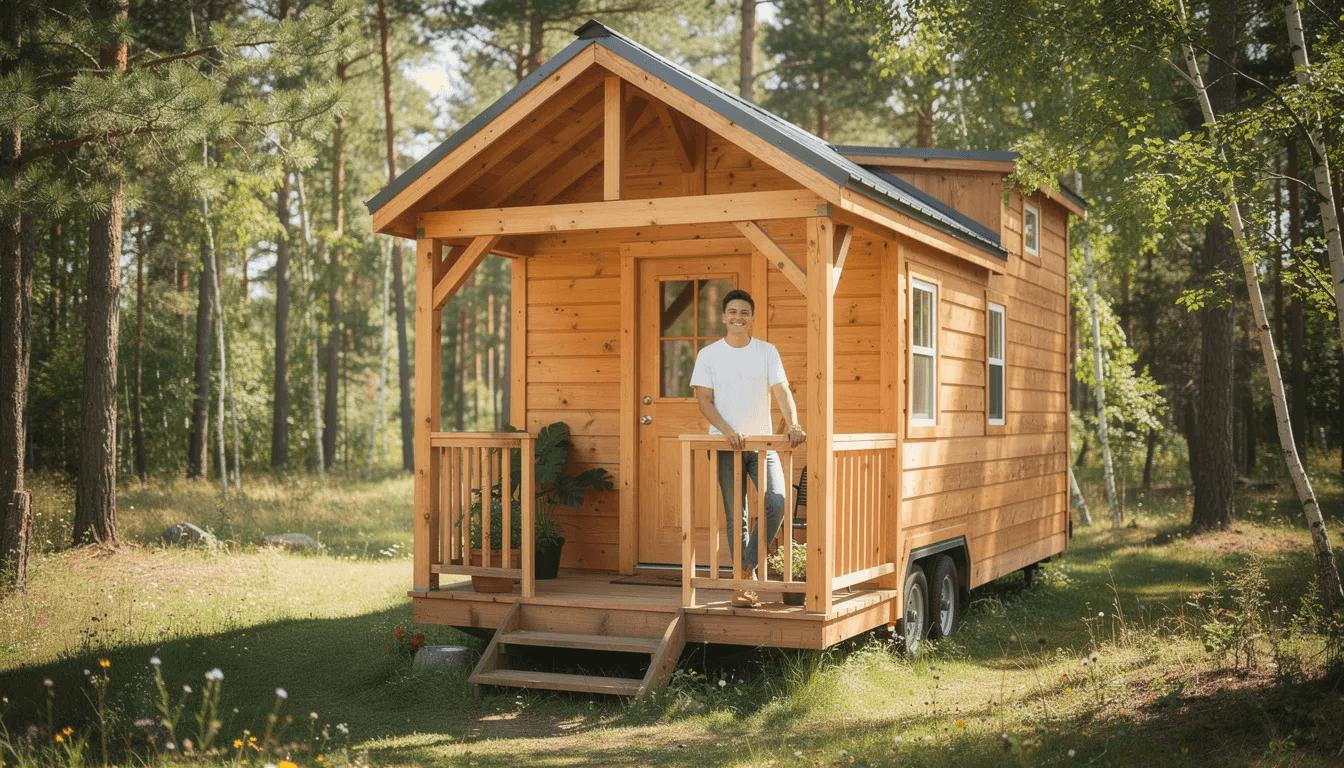
Final recommendation: Visit model homes or builder shops in person around Atlanta whenever possible. Seeing build quality firsthand, walking through different floor plans, and talking with a design team helps you understand what you’re actually getting. Expect realistic timelines of 3-6 months for custom builds given current supply chains and permit processing times.
Finding your dream tiny home in Atlanta starts with understanding your options and local requirements. Whether you’re looking for a move-in-ready listing or planning a custom build, the Atlanta tiny homes market offers solutions at nearly every price point. Start by determining your use case, verify zoning for your target location, then contact local builders to schedule a tour and learn about their construction process. The sooner you start, the sooner you’ll be living the tiny home life you’ve been dreaming about.