

Choosing between propane and electric power for your tiny house directly impacts your heating costs, off-grid capability, and daily comfort. Propane delivers reliable heat output in any weather and works independently from the grid, while electric systems offer cleaner indoor air and simpler maintenance. The right choice depends on where you live, how much you want to spend upfront versus long-term, and whether off-grid living fits your lifestyle.
Below is a detailed comparison of propane vs electric for tiny homes.
Propane vs Electric Systems: Key Differences
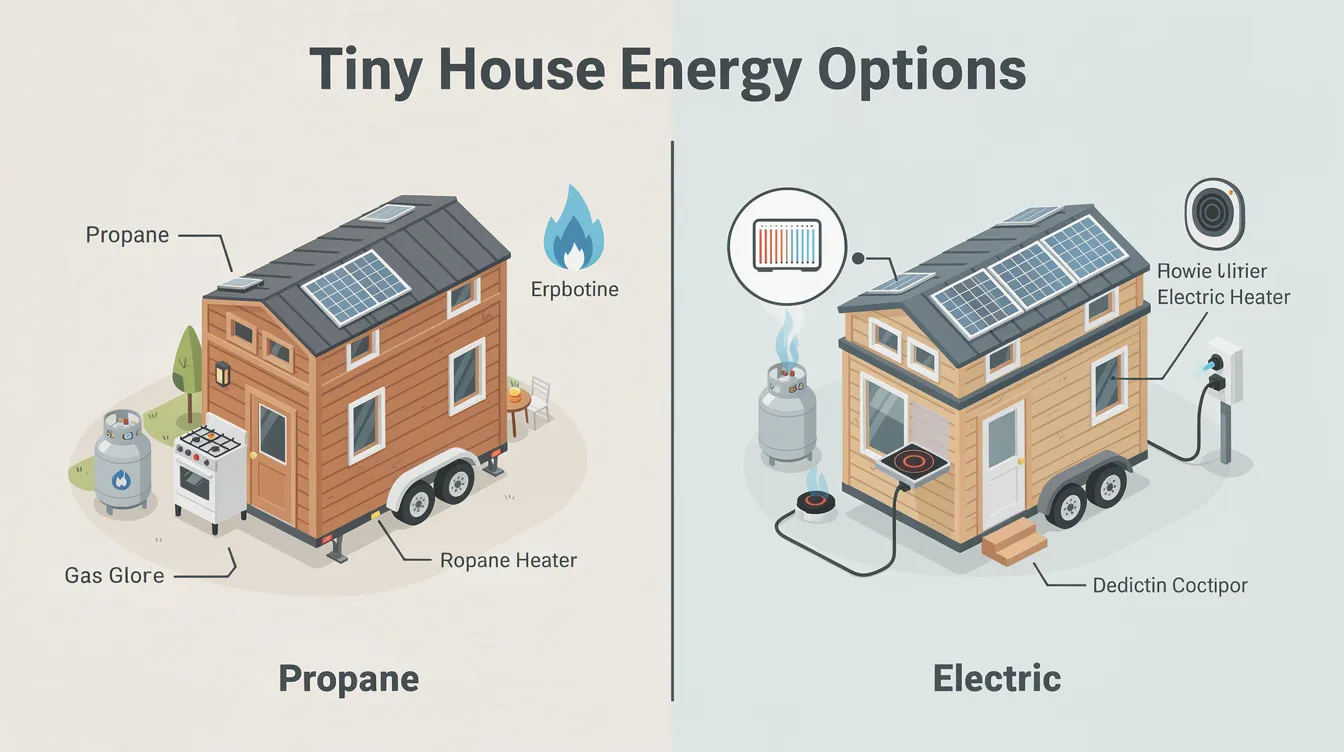
The fundamental difference lies in how each system generates energy and what infrastructure it requires.
Propane systems burn liquified petroleum gas to generate heat and power appliances directly. A propane heater, gas stove, or tankless water heater operates independently of electrical infrastructure, making propane ideal for remote locations or self-contained off-grid tiny homes.
Electric systems require electricity from the grid, solar panels with battery storage, or a generator. Electric heat, whether from resistance heaters or a heat pump, produces no combustion byproducts indoors but depends entirely on power availability.
Propane offers genuine off-grid independence since fuel can be stored in tanks and used whenever needed. Electric provides cleaner indoor operation with no carbon monoxide concerns, but ties you to either utility infrastructure or significant solar power investment.
The choice ultimately depends on your tiny house location, budget constraints, and energy independence goals.
Power Source and Availability
Propane Systems in Tiny Houses
Propane provides complete off-grid capability through portable propane tank storage. Tiny houses typically use 20-100 lb tanks that can be refilled at gas stations, hardware stores, or through delivery services nationwide.
Tank capacity determines runtime. A 20-lb cylinder holds approximately 4.7 gallons of propane. With a 10,000 BTU propane heater running 8 hours daily in cold weather, you’ll consume roughly 1 gallon per day, emptying a 20-lb tank in about 4-5 days of heavy heating use.
Weather conditions don’t affect propane availability or performance. Unlike solar power or grid electricity, propane combustion works reliably regardless of temperature, cloud cover, or seasonal changes. This makes propane a dependable primary source for heating water, cooking, and keeping your house warm through harsh winters.
Electric Systems in Tiny Houses
Electric systems require grid connection, solar panels with battery storage, or propane generator backup. Each approach has distinct trade-offs.
Grid electricity offers unlimited power but limits mobility and off-grid living potential. You’ll face monthly utility bills, connection fees, and vulnerability during any power outage.
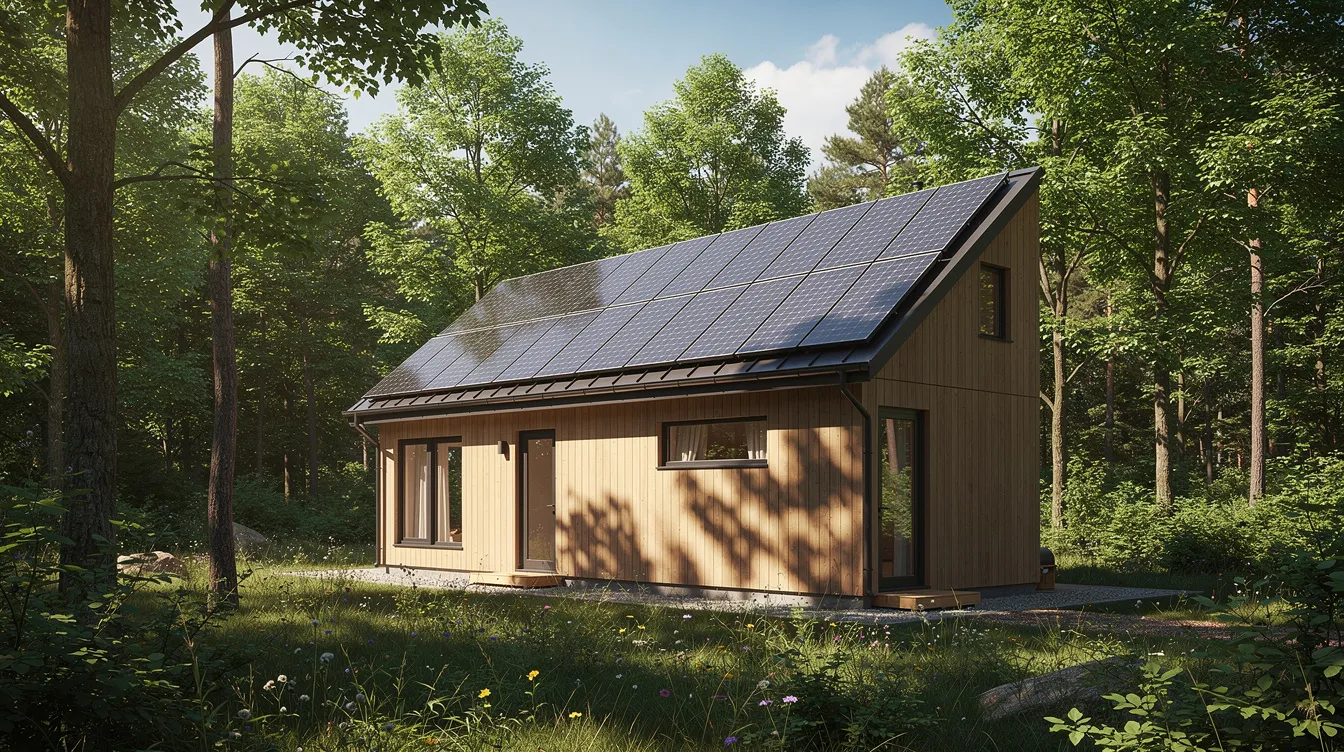
Solar systems provide renewable energy but depend heavily on weather and battery capacity. A basic tiny house with LED lights, small fridge, and electronics uses 10-15 kWh daily. Adding electric heaters, hot water heaters, or air conditioning pushes consumption to 20-30 kWh daily, requiring substantial solar panel arrays and battery banks.
Power outages can leave electric-only systems without heating, hot water, or functional appliances unless you’ve invested in battery backup or a generator. In upstate NY or similar cold regions, losing electric heat during winter storms presents serious safety concerns.
Installation and Setup Requirements
Propane Installation
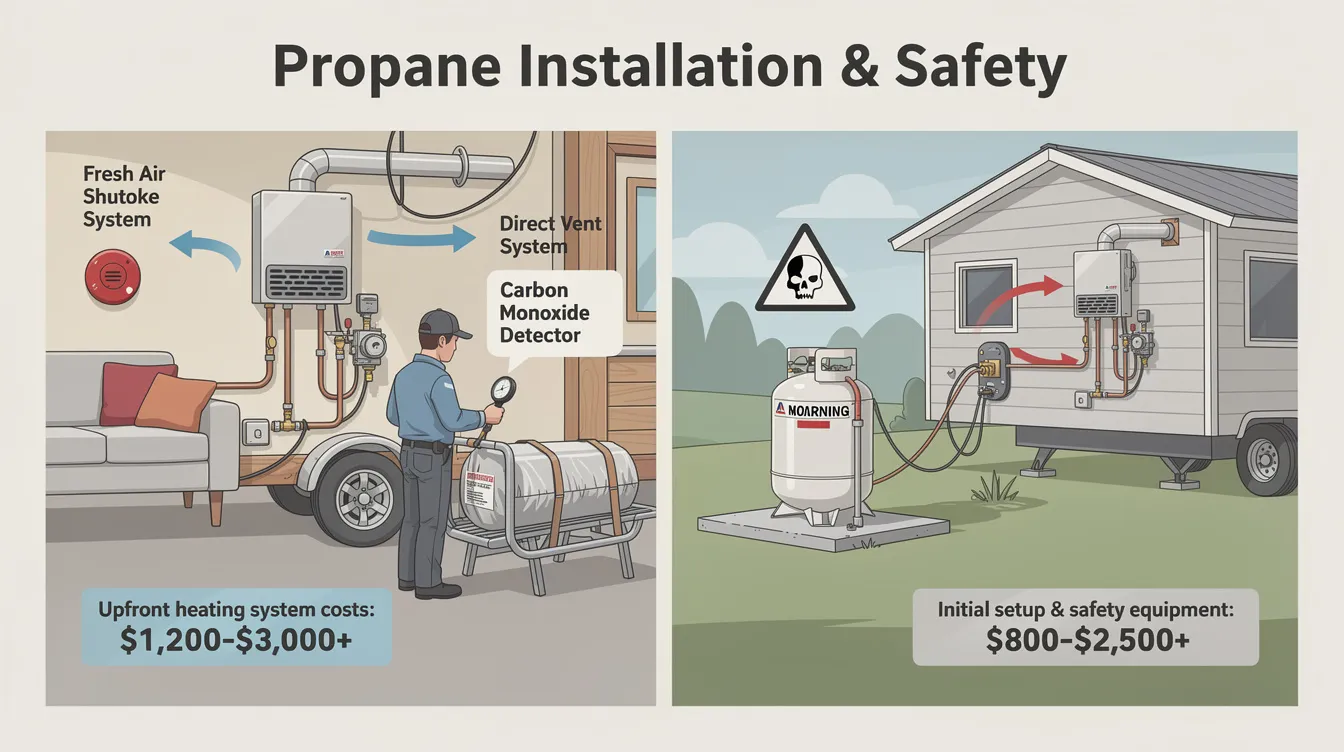
Propane installation requires gas lines, regulators, and proper ventilation for safety. A direct vent system exhausts combustion byproducts outside while drawing fresh air for burning, maintaining indoor air quality.
Professional installation is recommended for gas line connections and venting systems. While some wall mounted propane heaters are designed for DIY installation, improper setup creates serious carbon monoxide risks.
Tank storage needs secure mounting and weather protection. Mobile tiny houses require special attention to tank securing, while stationary homes may use larger bulk tanks on concrete pads.
The upfront costs for propane heating systems can range from $1,200 to $3,000 or more, including the heater and necessary equipment such as propane tanks and carbon monoxide detectors. Budget approximately $800-2,500 for initial setup including safety equipment, though complex installations with multiple appliances cost more.
Electric Installation
Electric installation involves simpler wiring connections with standard outlets and electrical panels. Basic electric heaters plug directly into existing outlets with minimal modification.
Solar systems require panels, inverters, batteries, and charge controllers. A complete off-grid solar setup involves mounting structures, electrical disconnects, and proper wiring throughout the tiny home. Installation costs vary dramatically from $200 for simple electric hookup to $15,000+ for comprehensive solar systems with substantial battery storage.
Grid connections need proper electrical hookups and potentially upgraded service. In remote locations, bringing grid power to your site can cost tens of thousands of dollars in infrastructure alone.
Electric heaters typically have lower upfront costs, ranging from $30 to $150, and do not require additional equipment for setup, although a portable power station may be needed for power outages.
Operating Costs and Fuel Expenses
Propane Operating Costs
Propane prices fluctuate based on location, season, and market conditions. The average price of propane in Massachusetts for the 2024-2025 winter season was $3.33 per gallon, with fluctuations that can lead to prices reaching $5 or more during peak demand periods.
Nationally, propane prices range from $2.50-5.00 per gallon depending on region. Southern states typically see lower prices around $2.44/gallon, while Northeast regions average $3.57/gallon.
Propane heating typically costs less over time compared to electric heating, making it a more economical choice for long-term use. For a tiny house running a propane heater 8 hours daily during winter, expect heating costs of approximately $300-800 per season.
One significant advantage: no monthly utility bills or connection fees for off-grid operation. You pay only for the fuel you use.
Electric Operating Costs
Grid electricity costs $0.10-0.40 per kWh varying by region and utility company. The national average hovers around $0.17/kWh, but rates in some states exceed $0.40/kWh.
Electric heating systems have lower upfront costs and are easier to install, but they can lead to higher long-term energy costs depending on electricity rates. Electric resistance heating typically costs $400-1,200 per winter season for a tiny house.
A 1,500-watt electric heater consuming 1.5 kilowatts per hour running 8 hours daily uses 12 kWh, costing approximately $2.04 daily at average rates. Heat pump technology can reduce this significantly with coefficients of performance of 2.5-4.0, meaning they produce 2.5-4 times more heat energy than electricity consumed.
Solar systems have no ongoing fuel costs after initial investment, but battery replacement every 5-10 years adds $3,000-8,000 to long-term solar system costs. While propane heating may have lower long-term costs compared to electric heating, electric systems powered by renewable energy sources like solar can achieve lower lifetime expenses.
Safety and Ventilation Requirements
Propane Safety Considerations
Propane heating requires proper ventilation due to the risk of carbon monoxide buildup, which is a significant safety concern in tiny homes. When installing propane heaters indoors, it is crucial to follow the manufacturer’s guidelines for venting to ensure safety and compliance with regulations.
Proper ventilation is essential for propane heating systems to prevent carbon monoxide buildup, which can be deadly if inhaled. Direct vent heaters draw fresh air from outside and exhaust combustion gases through dedicated pipes, maintaining safe indoor air quality.
Propane heaters should not be left running overnight in tiny homes due to the risk of carbon monoxide buildup and fire hazards, especially in spaces with limited ventilation. CO detectors are mandatory, and many tiny house owners install multiple units throughout their small space.
Gas leak detection systems and regular hose inspections prevent accidents. Tank storage must follow fire safety codes with proper clearance from windows, exits, and property lines.
Electric Safety Considerations
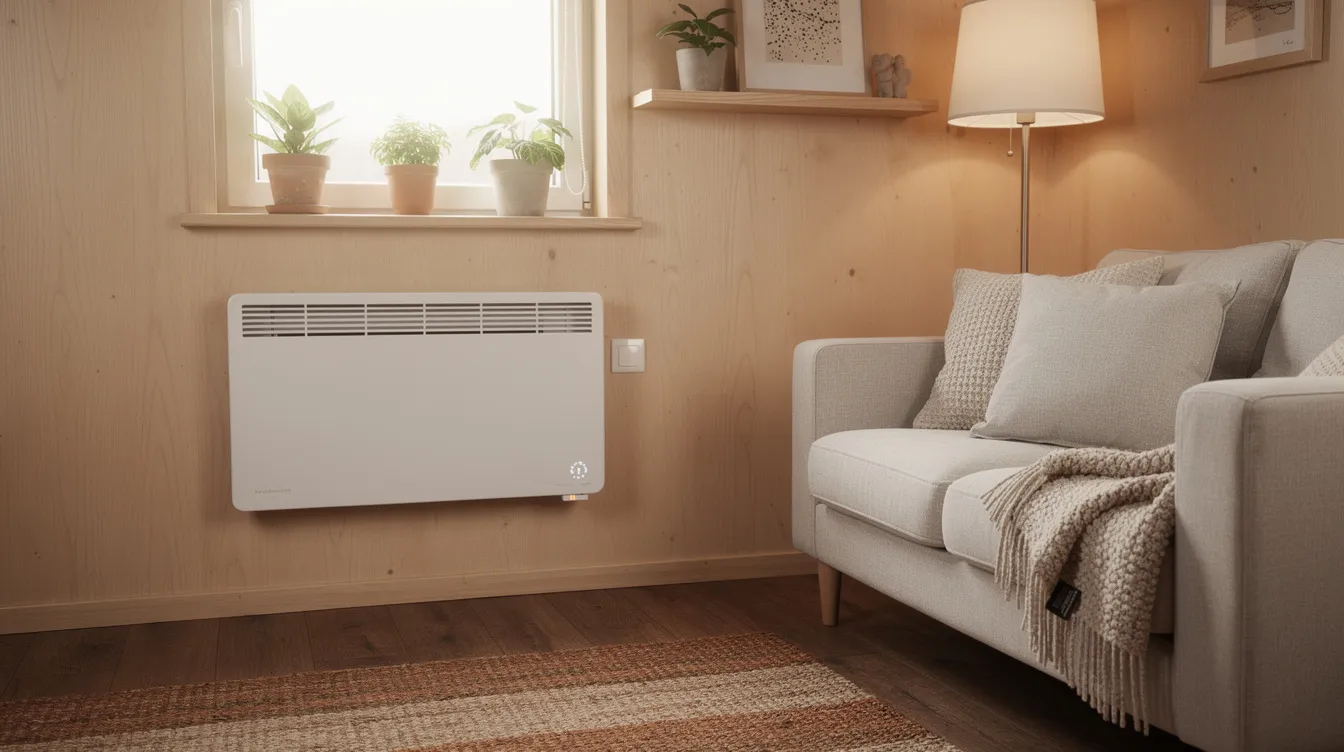
Electric heating does not require ventilation, making it safer in terms of indoor air quality compared to propane heating, which produces carbon monoxide and necessitates proper ventilation.
Electric heaters do not require ventilation and are generally considered safer than propane heaters, especially in small living spaces. No combustion means no carbon monoxide, no moisture buildup from burning fuel, and no risk of gas leaks.
GFCI outlets and proper grounding prevent electrical shock hazards, particularly important in a laundry room or anywhere near water. Fire risks are limited to electrical faults and overloaded circuits.
Electric heaters do not require ventilation, but it is still important to keep them away from liquids and flammable materials to ensure safety. Battery systems in solar setups require ventilation and fire suppression considerations due to thermal runaway risks.
Maintenance and Long-term Care
Propane System Maintenance
Propane systems require annual appliance inspections and gas line leak testing. A qualified technician should check burners, vents, and safety equipment regularly.
Tank refills or exchanges occur every 1-4 weeks depending on usage patterns and tank size. Coordinating with propane suppliers becomes part of your routine, especially during winter when demand peaks.
Regular cleaning of burners ensures efficient combustion and proper heat output. Hose and regulator replacement every 5-7 years maintains safety and prevents leaks.
Electric System Maintenance
Electric appliances require minimal maintenance compared to combustion systems. Basic electric heaters and heating elements need occasional cleaning but no specialized service.
Solar panels need cleaning and monitoring for optimal performance. Shading from trees or debris significantly reduces solar power output. Inverter and charge controller inspections every 1-2 years catch problems before system failure, which is especially important in elegant, high-end tiny homes that rely heavily on advanced electrical systems.
Battery replacement represents the largest long-term maintenance expense for off-grid electric systems. Most lithium batteries degrade to approximately 80% capacity after 10-15 years, requiring replacement that can cost $8,000-15,000 installed, a factor to consider when planning cute, design-focused tiny homes or region-specific builds like cozy Swedish tiny houses.
Performance in Different Conditions
Propane heating typically produces heat output ranging from 10,000 to 40,000 BTUs per hour, while electric space heaters generally use 750 to 1500 watts. Propane systems work reliably in all weather conditions and temperatures, delivering consistent heat regardless of external factors.
In cold weather, propane heaters can provide more reliable heat without relying on electricity, making them a preferred choice for off-grid tiny homes, while electric heaters may require a backup power source during outages. Propane heaters can be more reliable in scenarios where electricity is scarce or unavailable, making them a good option for off-grid living.
Electric systems depend entirely on power availability and battery charge levels. Solar performance varies significantly with seasonal sunlight and weather, making it weather dependent and less predictable during cloudy winter periods when you need the most heat.
Heat pumps offer excellent efficiency in moderate climates but lose effectiveness as temperatures drop. Cold-climate heat pump technology continues improving, but propane remains more reliable for supplemental heat in severe cold.
Both systems can heat tiny houses effectively when properly sized for your climate. A well-insulated tiny house with spray foam insulation needs far less heating than one with minimal insulation, regardless of heat source, as demonstrated by many innovatively designed tiny homes.
Propane vs Electric: Which Should You Choose?
Choose propane for off-grid living, mobile tiny houses, and energy independence from utilities. If you plan to live off grid in remote areas or want your tiny home to function during any power outage, propane provides unmatched reliability. The lower long-term operating costs and freedom from utility infrastructure make propane ideal for minimalist tiny house lifestyles.
Choose electric for stationary tiny houses with grid access and environmental sustainability goals. If you have reliable, affordable electricity and prioritize indoor air quality, electric heating offers simpler operation with fewer safety precautions. Pairing electric heat with solar panels can eventually eliminate energy costs entirely, though the upfront investment is substantial.
Consider hybrid systems combining both propane and electric for maximum flexibility. Many tiny house owners use propane for heating and hot water while running lights, refrigeration, and electronics on a smaller solar setup, especially in highly sustainable setups like Earthship tiny homes. This approach reduces battery sizing requirements while maintaining off-grid capability.
A wood stove or pellet stove offers another supplemental heat option, though wood burning stoves require significant indoor space and regular wood heat maintenance that may not suit every tiny home, particularly those designed as tiny house nature retreats.
Budget, location, and lifestyle preferences ultimately determine the best energy source. In a small cabin or tiny house where every square foot matters, the pros and cons of each system weigh differently than in conventional homes, and they also interact with your choice of modern tiny house design. Evaluate how much space you have for tanks versus solar panels, whether you’re willing to haul propane tanks regularly, and how much upfront investment you can afford versus ongoing fuel costs.
Both propane and electric can keep your tiny house warm and functional. The right choice matches your priorities for independence, cost, safety, and environmental impact, and can be enhanced further in a tiny smart home setup.