Looking for A-frame tiny house plans that maximize space and style? Discover compact designs featuring the iconic triangular shape, from off-grid cabins to modern minimalist homes. A-frame tiny houses can vary in size, with designs typically ranging from 200 to 700 square feet, accommodating lofted bedrooms and functional outdoor living areas. Our collection combines efficient floor plans, smart storage solutions, and the timeless appeal of A-frame architecture.
Find your ideal tiny house design and start building your dream compact home today.
A-Frame Tiny House Plans for Every Lifestyle
Whether you’re seeking off-grid living or a cozy backyard retreat, there’s an a frame house plan for every need. A-frame house designs are characterized by their sloped roofs that create an iconic ‘A’ shape, which is particularly effective in snowy climates as it allows snow to slide off rather than accumulate on the roof.
Off-Grid Cabin Plans
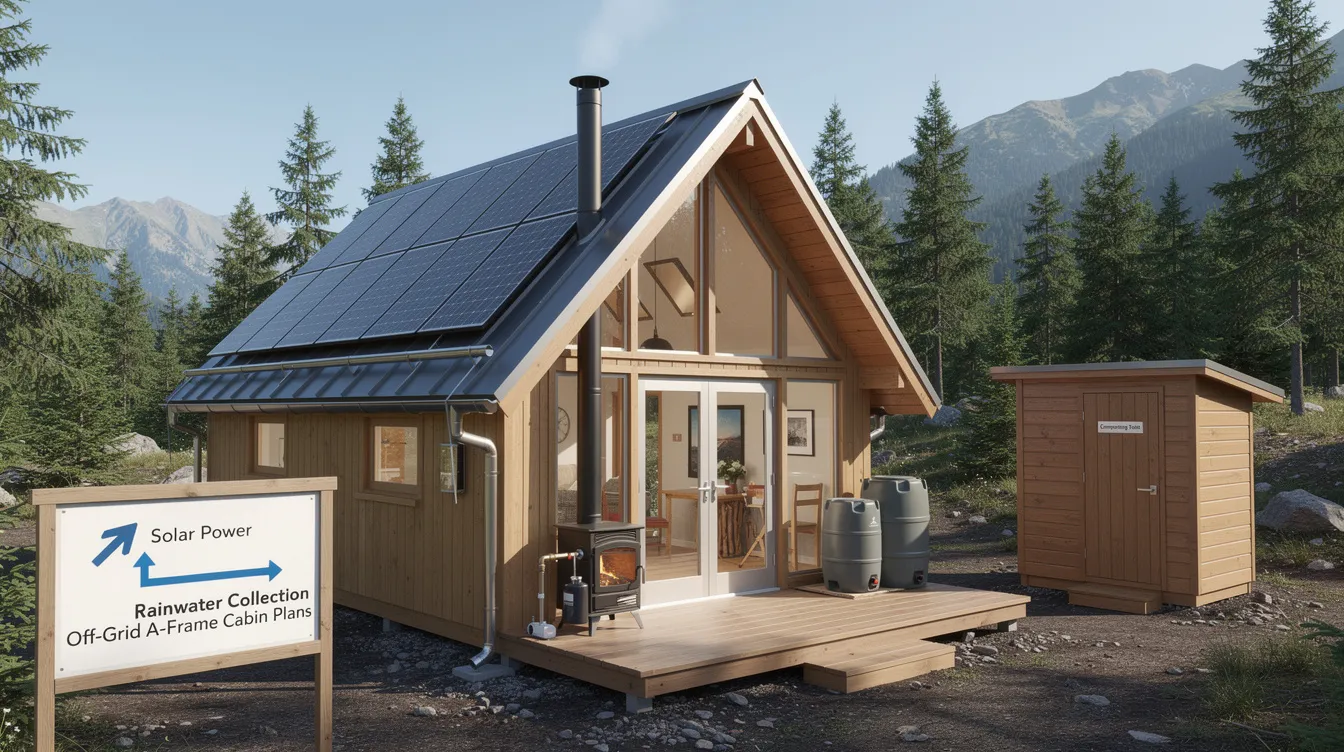
Plans featuring solar panel integration and rainwater collection systems make self-sufficient living achievable in remote locations. Compact frame cabin designs with wood-burning stoves and composting toilets provide year round comfort without relying on municipal utilities. These a frame floor plans are optimized for those seeking independence from traditional infrastructure while maintaining a comfortable living space.
Backyard ADU Plans
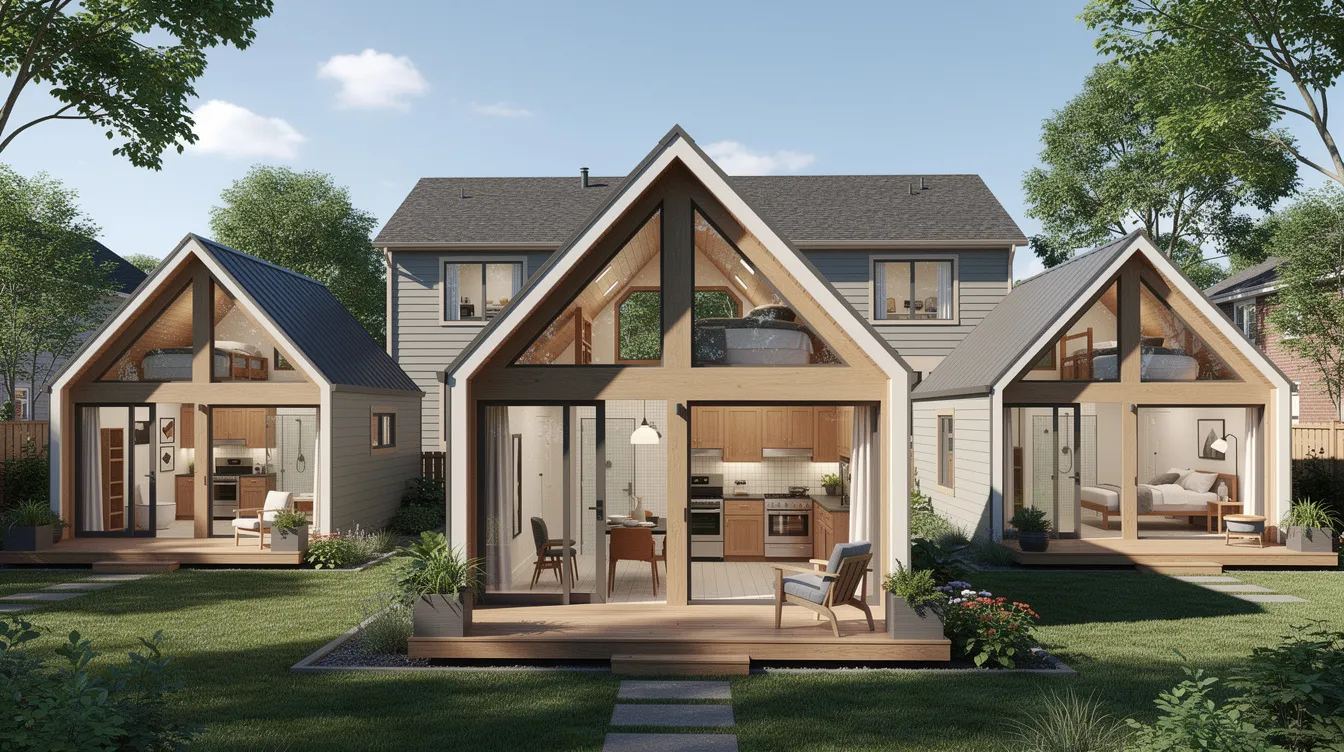
Tiny a frame designs compliant with accessory dwelling unit regulations offer homeowners flexible options for guest accommodation or rental income, especially when you focus on affordable tiny house designs and builds. Plans with full kitchenettes and bathroom facilities ensure comfortable stays while meeting local building codes. These house designs complement existing home architecture while maintaining the distinctive a frame character that makes these structures so appealing.
Weekend Retreat Plans
Seasonal cabin plans with large windows capture scenic views and flood the interior with natural light. One of the top benefits of A-frame house plans is the amount of natural lighting your house will get year-round. Designs featuring outdoor deck extensions and fire pit areas extend your living area into the surrounding landscape. Plans optimized for recreational use offer flexible sleeping arrangements, perfect for hosting friends and family at your vacation home, similar to many of the cute tiny house designs for dream getaways.
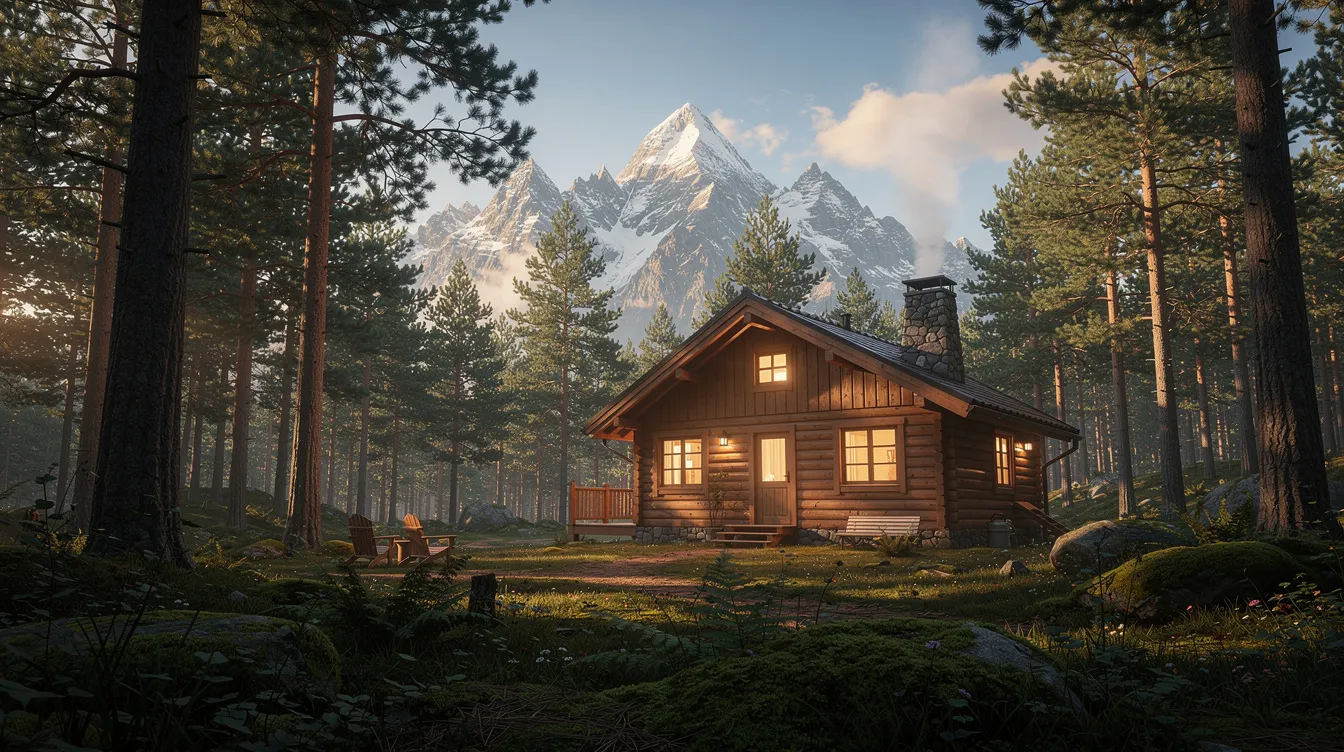
Choose the Right A-Frame Plan for Your Lot
The perfect a frame home plans depend on your building site and local requirements. Zoning and building regulations for A-frame homes can differ from traditional tiny homes, necessitating a review of local regulations before construction.
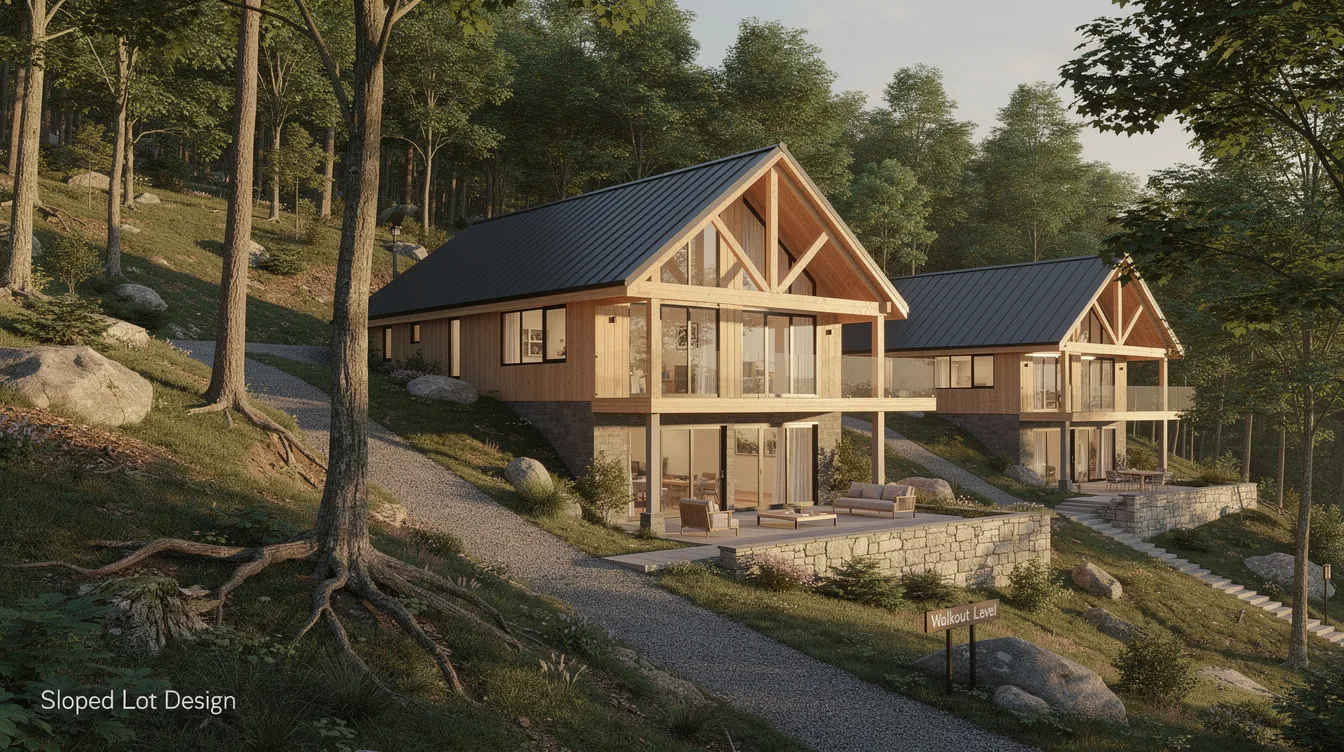
For Sloped Lots
Plans with elevated foundations work harmoniously with natural terrain, minimizing site disruption. Designs featuring walkout lower levels and hillside access take advantage of grade changes to create additional living space or storage. A frame structures that minimize site preparation and tree removal reduce both project cost and environmental impact while preserving the natural charm of your location, especially when you adapt tiny house floor plans that maximize function to your unique topography.
For Level Ground
Plans with slab-on-grade foundations offer cost-effective construction on flat sites. Designs featuring wraparound decks and covered outdoor living areas extend usable space beyond the frame house footprint. These floor plans maximize interior square footage while creating seamless connections between indoor and outdoor environments, much like broader tiny house plans that fit your life beyond A-frame layouts.
For Small Urban Lots
Narrow a frame plans designed for tight city spaces make efficient use of limited ground level area. Vertical designs with sleeping loft areas and multi-level living utilize the peak of the structure effectively. Utilizing the peak of the A-frame for sleeping lofts or workspaces helps keep the main floor open and airy. These plans meet setback requirements while maximizing usable space through smart vertical design, similar to many modern tiny house designs for urban living.
Essential Features in Quality A-Frame Tiny House Plans
The best a frame tiny house plans incorporate smart design elements that enhance both function and comfort. Many A-frame house plans feature open floor layouts that maximize the use of limited square footage, often incorporating large windows to enhance natural light and views.
Structural Design Elements
Engineered lumber specifications ensure optimal snow load capacity—critical in mountain chalet settings where heavy snowfall is common. The triangular shape of A-frame houses provides structural strength, making them particularly resilient in harsh weather conditions. Cathedral ceiling designs with vaulted ceilings maximize vertical space and natural light throughout the interior. Foundation details suitable for various soil conditions and climates ensure your frame house stands secure for decades.
A-frame houses are designed to prevent snow accumulation on the roof, reducing the risk of roof collapse during heavy snowfall. When built properly, A-frame houses are considered safe and suitable for mountainous regions where heavy snowfall is common.
Space-Maximizing Features
Smart storage solutions in A-frame designs often include built-in cupboards, under-bed storage, and wall-mounted shelves to manage sloped walls and maximize space. Murphy beds and convertible furniture specifications transform rooms from dining area to lounge area to bedroom as needed, echoing the flexible layouts common in custom tiny homes tailored to small-space living. Loft designs with proper headroom and safety railings create functional second floor spaces within the distinctive roof structure.
Energy Efficiency Components
High-quality insulation is crucial in A-frame tiny houses, particularly in the roof and floor, to maintain comfort and efficiency. Insulated walls and properly sealed windows prevent heat loss through the extensive roof surfaces. Window placement strategies for passive solar heating reduce energy costs throughout the year. HVAC system recommendations sized for tiny house living ensure efficient climate control without oversized equipment, and many of these choices mirror best practices in step-by-step tiny house construction guides.
How to Customize Your A-Frame Tiny House Plan
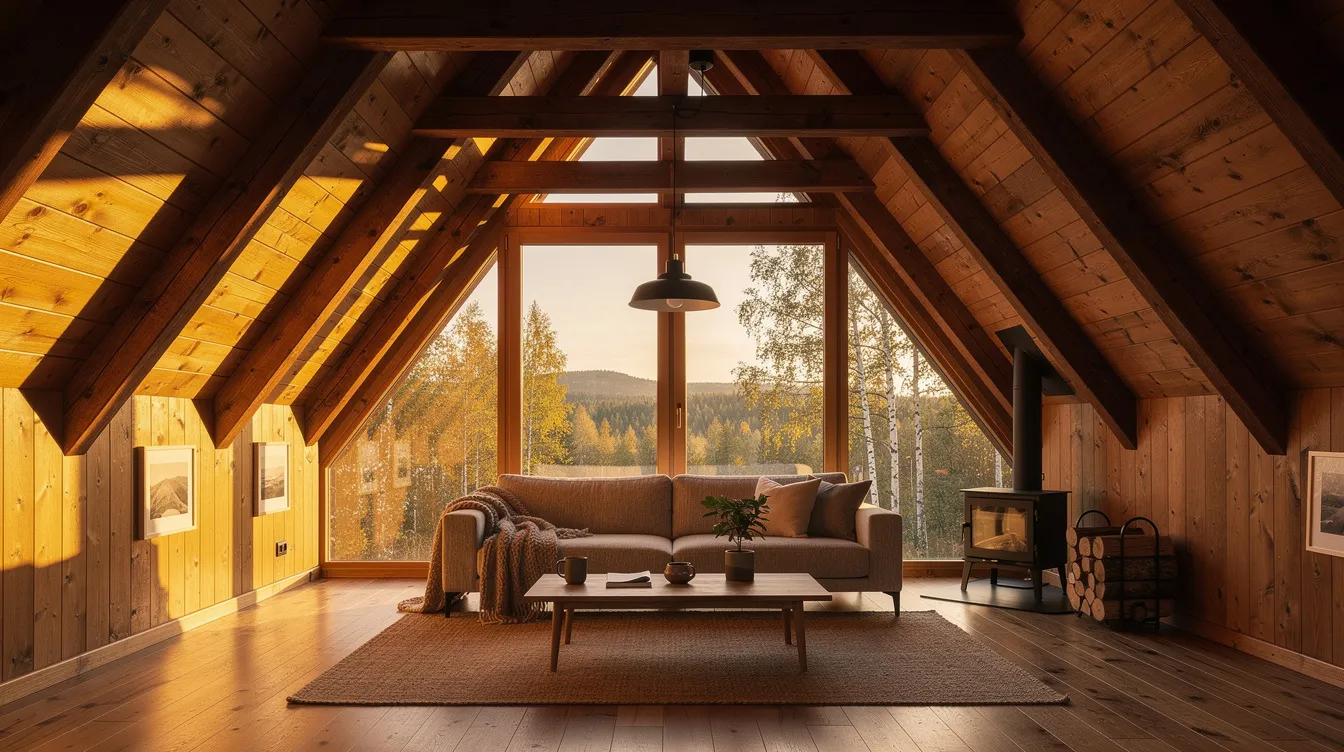
A frame homes offer flexibility for personalization while maintaining structural integrity. A-frame houses can include various design elements such as loft spaces, vaulted ceilings, and outdoor decks, making them versatile for different lifestyles and preferences.
Interior Layout Modifications
Kitchen configuration options range from galley designs tucked beneath loft stairs to L-shaped layouts with island workspace for serious cooks, whether you’re building from scratch or adapting tiny house kits for DIY construction. Bathroom layout alternatives including wet baths and standard configurations accommodate different square foot requirements and user preferences. Bedroom and loft customizations address occupancy needs, from solo retreats to family-friendly layouts with multiple sleeping areas on the main level and above.
Some cons of building an A-frame home include the loss of square footage on the second floor and potential poor air circulation due to the shape of the house. However, thoughtful design modifications can mitigate these challenges through strategic furniture placement and ventilation solutions.
Exterior Design Options
Siding materials choices from cedar to modern metal panels affect both style and maintenance requirements. Wood siding creates rustic cabin appeal while metal exterior finishes offer durability with minimal upkeep. Window sizing and placement modifications balance views and privacy—consider your location and neighboring structures. Deck and porch additions wrap around the a frame structure, extending living space outdoors and creating perfect spots for morning coffee or evening relaxation, especially when executed by an experienced tiny house builder specializing in custom projects.
Cost Considerations for A-Frame Tiny House Plans
Understanding project costs helps you plan effectively. On average, it costs about $100-$300 per square foot for labor and materials to build an A-frame house plan. A 1,000-square-foot A-frame house will cost about $150,000 to build, excluding upgrades and land costs, which is helpful context if you’re comparing building to buying a tiny house that’s already for sale.
Working with a professional builder ensures proper construction, though DIY-friendly plans can reduce labor expenses for skilled homeowners. While A-frame homes can be built on a budget, many factors influence the overall cost, making it difficult to determine if they are cheaper than other house designs. Material choices, site preparation, and local permit requirements all impact your final investment.
Compared to other house designs, A-frame construction offers certain efficiencies. The simple roof and wall structure reduces framing complexity, and the steep pitch means less roofing material overall. However, custom windows for the triangular shape and specialized insulation solutions can add to expenses.
Get Your A-Frame Tiny House Plans Today
Explore our complete collection of a frame tiny house plans with detailed blueprints, material lists, and construction guides. Choose from studio layouts to two-bedroom designs, each optimized for efficient tiny house living. Whether you’re building a workshop retreat, a full-time accessible residence, or a seasonal mountain escape, these plans provide the foundation for your build.
From ground level entry designs to dramatic multi-story structures with basement storage, every plan connects form with function. The distinctive a frame silhouette creates instant charm while the practical floor layouts ensure comfortable daily living.
Your perfect a frame tiny house plan is ready for download.