If you’ve been dreaming of simplified living, lower housing costs, or a flexible vacation property, buying a tiny house in Maryland might be your next move. The state offers real opportunities for tiny home ownership—but success depends entirely on understanding local rules before you sign anything.
- Quick Start: Can You Buy and Live in a Tiny House in Maryland?
- Understanding Tiny House Types in Maryland
- Maryland Tiny House Laws & Minimum Size Rules
- Where Can You Place a Tiny House in Maryland?
- County & City Spotlights for Buying Tiny Houses
- Buying vs Building a Tiny House in Maryland
- Tiny House Prices in Maryland & What Affects Cost
- Financing, Insurance & Permits for Maryland Tiny Homes
- Best Uses for a Tiny House in Maryland
- Designing a Tiny House for Maryland’s Climate & Lifestyle
- Finding Land or a Parking Spot for Your Tiny House
- Step-by-Step: How to Buy a Tiny House in Maryland
- Frequently Asked Questions About Buying a Tiny House in Maryland
- Conclusion: Is Buying a Tiny House in Maryland Right for You?
Quick Start: Can You Buy and Live in a Tiny House in Maryland?
Yes, you can buy and legally live in a tiny house in Maryland. However, rules vary dramatically by county and city, which means your experience in Montgomery County will look completely different from what’s possible in Garrett County or Baltimore City.
Three main options exist for Maryland tiny house buyers:
- Tiny house on a permanent foundation – Treated as a standard dwelling under residential building codes, must meet IRC requirements, tied into utilities
- Park model / RVIA-certified unit – Legally classified as an RV, often placed in RV parks or seasonal communities, typically under 400 sq ft
- Tiny house on wheels (THOW) – Road-legal trailer, regulated as an RV or temporary structure, with significant placement restrictions
Specific Maryland examples illustrate the range of possibilities. Montgomery County has explicitly allowed ADU-style tiny homes, making it one of the state’s most progressive areas for accessory dwelling units. Baltimore City permits small houses on foundations in certain residential zones. Garrett County offers flexibility for rural and off grid options, appealing to those seeking mountain or lakeside property.
Before diving deeper, clarify your goals. Are you looking for a full-time permanent residence, a vacation cabin near Deep Creek Lake or Chesapeake Bay, or a rental ADU on an existing lot? Your answer shapes everything from zoning requirements to financing options.
The rest of this article walks through Maryland’s tiny house rules, where to place your home, realistic price ranges, and how to choose the right model for your specific needs.
Understanding Tiny House Types in Maryland
Maryland law treats different small dwellings in distinct ways. Understanding these categories is essential because each type carries different legal implications, placement options, and financing paths.
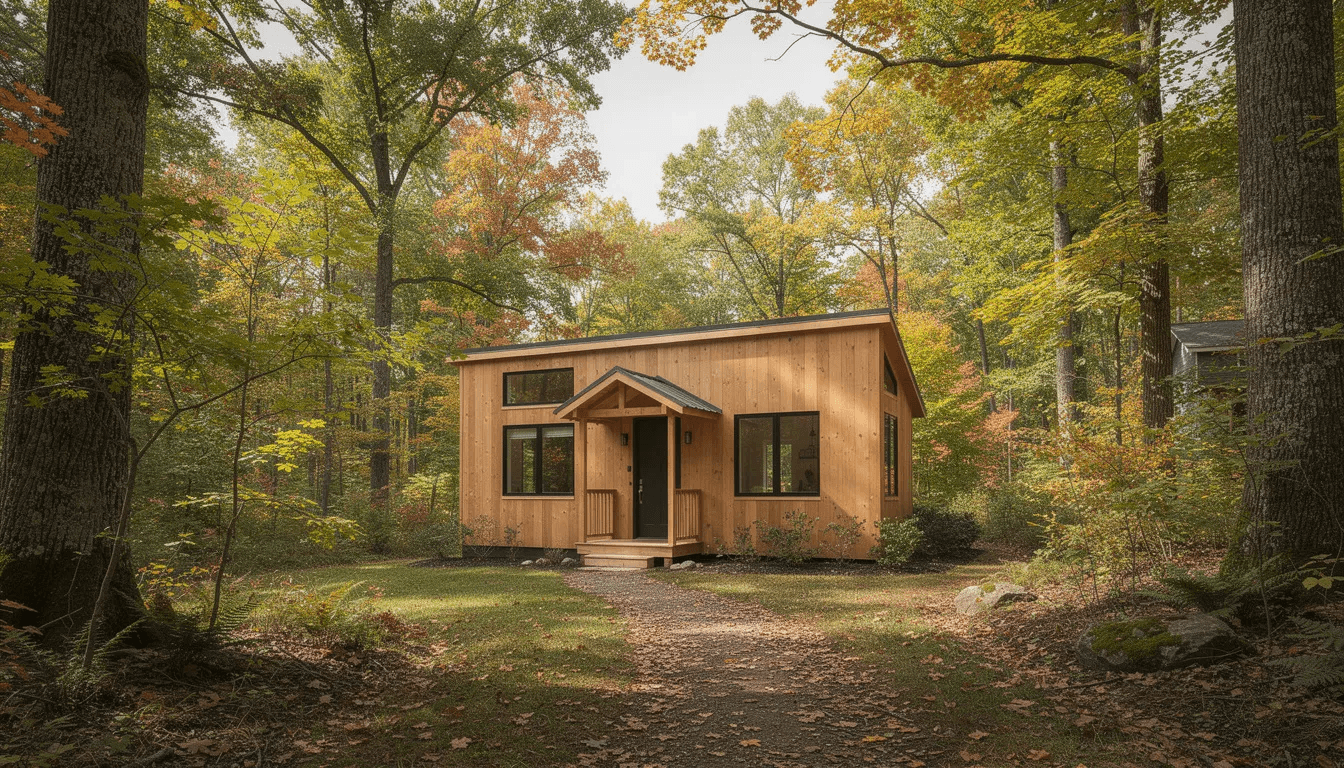
Tiny homes on permanent foundations fall under the International Residential Code (IRC), specifically Appendix Q for dwellings under 400 sq ft. These are treated as standard houses—meaning they require foundations, utility connections, building permits, and inspections. A great example is JD Michael Construction’s 468 sq ft build in Bel Air, which features a covered porch and premium materials identical to traditional home construction.
Park model tiny homes hover around 399 sq ft and carry RVIA (Recreation Vehicle Industry Association) certification to ANSI A119.5 standards. Legally, these are recreational vehicles, which provides a workaround for some building codes. They’re commonly found in RV parks, campgrounds, and seasonal communities throughout Maryland. Builders like Zook Cabins specialize in these units specifically because the RV classification eases placement in many jurisdictions.
Tiny houses on wheels (THOWs) are road-legal trailers, typically ranging from 200-300 sq ft of living space. Maryland regulates these as RVs or temporary structures, which creates more placement limitations but offers mobility. Builders like Pure Simplicity Tiny House in Annapolis and Tumbleweed Houses specialize in THOWs designed for this lifestyle.
Type | Size Range | Legal Category | Typical Maryland Locations |
|---|---|---|---|
Foundation Tiny Home | 320-500 sq ft | Residential dwelling | Montgomery Co. ADUs, Baltimore lots, rural counties |
Park Model | 300-399 sq ft | RV (RVIA certified) | RV parks, campgrounds, seasonal communities |
THOW | 200-300 sq ft | RV/temporary structure | RV parks, private property (varies), mobile home communities |
Maryland Tiny House Laws & Minimum Size Rules
Maryland uses the 2018 International Residential Code (IRC) as its baseline, including Appendix Q provisions for tiny houses under 400 sq ft. However, each county enforces these standards differently, creating a patchwork of regulations across the state.
Statewide baseline requirements typically include:
- Minimum total house size of approximately 320 sq ft
- Individual habitable rooms at least 120 sq ft
- Minimum ceiling height of 6’8” in main living spaces
- Proper egress windows for bedrooms
- Code-compliant stair and loft designs
Permanent tiny houses must meet standard residential rules just like any other home. This means proper foundations, insulation rated for Maryland winters, smoke and CO detectors, electrical systems meeting NEC standards, and plumbing that passes inspection. The construction process mirrors traditional homebuilding in many ways.
THOWs and park models follow a different path. These units typically must be titled and registered as RVs with the Maryland Motor Vehicle Administration. Their placement is often limited to licensed parks or approved temporary stays on private property. Full-time living in a THOW outside of designated areas remains legally complicated in most Maryland jurisdictions.
Before purchasing or delivering any tiny house to Maryland, contact your county’s zoning and building departments directly. Get confirmation in writing about what’s allowed on your specific site. This single step can save you thousands of dollars and months of frustration.
Where Can You Place a Tiny House in Maryland?
“Where can I put it?” remains the single biggest question for Maryland tiny house buyers. The answer varies dramatically between urban, suburban, and rural areas—and even between neighboring counties.
Accessory Dwelling Unit (ADU) on an existing lot works well in counties like Montgomery, which has taken an explicitly ADU-friendly stance. Homeowners can add a code-compliant tiny house to their property, subject to frontage requirements, parking rules, and setback regulations. This option appeals to families looking to house relatives or generate rental income and mirrors many of the benefits described in comprehensive accessory dwelling unit guides.
Primary home on its own lot becomes more feasible in flexible counties like Garrett County. Rural areas across Western Maryland tend to accommodate tiny house living more readily than urban centers. Key considerations include well and septic requirements, driveway access, and emergency vehicle access to your site.
Urban placements in Baltimore and Frederick generally require foundation-built small houses in appropriate residential zones. THOWs face significant restrictions in cities, often confined to licensed RV parks or requiring temporary permits. Baltimore has seen some success with small-footprint infill housing projects that demonstrate the concept’s viability.
Coastal and vacation locations near Ocean City, Chesapeake Bay, and Deep Creek Lake commonly accommodate park models and RVIA-certified units in campgrounds and seasonal communities. These areas have developed infrastructure for tiny house placement that caters to tourism and weekend getaways.
Anne Arundel County deserves special mention as one of Maryland’s more restrictive jurisdictions. Tiny homes are typically allowed only in licensed mobile home communities, making it essential for buyers who own land there to verify rules carefully before any purchase.
County & City Spotlights for Buying Tiny Houses
Regulations differ significantly between Maryland jurisdictions. Targeting counties and cities that align with your goals from the beginning saves time, money, and disappointment.
Montgomery County
Montgomery County stands out as Maryland’s most tiny house-friendly suburban area. The county recently voted to permit tiny homes explicitly as ADUs, opening doors for homeowners throughout the region. Minimum size enforcement follows IRC standards, with clear expectations for parking, setbacks, and utility connections.
That said, some municipalities within Montgomery County—including Silver Spring and Bethesda—have opted out of ADU permissions. Buyers must verify that their specific location participates in the county’s ADU program. For those in compliant areas, Montgomery offers a genuine path to legal tiny house living within the Washington D.C. metro area.
Baltimore County and Baltimore City
Baltimore presents opportunities for foundation-built small homes in residential zones. The city has seen increased demand for compact housing as affordability pressures grow. Local nonprofits and infill development projects have demonstrated successful small-footprint construction that could serve as models for tiny house placement.
THOWs face more restrictions here, generally limited to RV parks or requiring special arrangements. For buyers interested in urban tiny living, focusing on code-compliant foundation construction offers the clearest path forward.
Garrett County
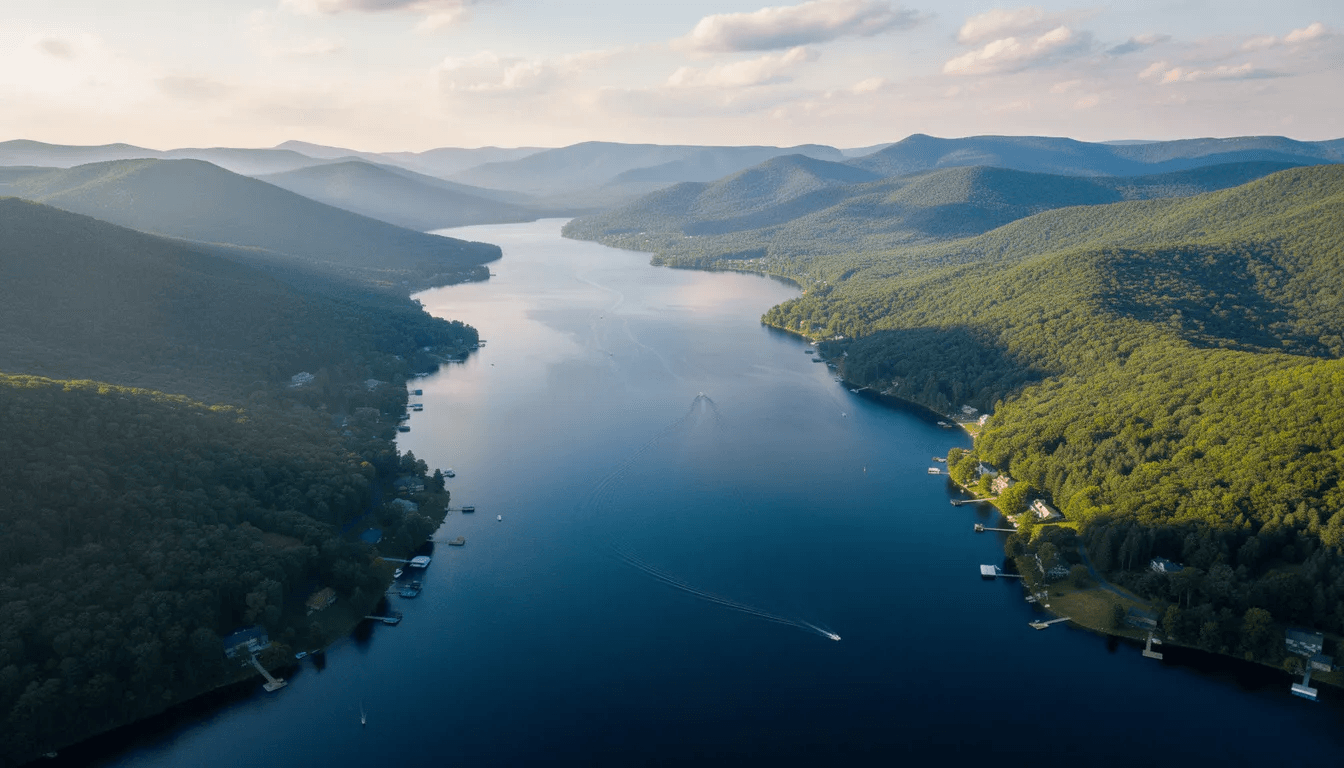
Garrett County has earned a reputation as Maryland’s most flexible jurisdiction for rural and off-grid tiny living. The appeal of Blue Moon Rising and the broader Deep Creek Lake area draws vacation and rental tiny home buyers seeking mountain scenery and outdoor recreation access.
Practical requirements include septic system installation, well drilling, and ensuring snow-season access to your property. The county’s rural character means fewer neighbors but also greater self-reliance. For buyers seeking true tiny house freedom, Garrett County delivers options that simply don’t exist in more populated areas.
Frederick and Annapolis
Both cities allow some ADU and small-house options but add complexity through historic district reviews, design compatibility requirements, and stricter lot standards. Buyers with property in these areas should expect additional layers of approval beyond standard building permits.
Pure Simplicity Tiny House operates out of Annapolis, bringing professional experience in navigating local requirements. Their presence demonstrates that tiny house construction can succeed even in more regulated environments with the right expertise, especially when paired with well-chosen tiny house plans that fit your life.
Buying vs Building a Tiny House in Maryland
The excitement of DIY building attracts many people to the tiny house movement, and many owners start by reviewing step-by-step guides on how to build a tiny house. But the practical benefits of purchasing a completed or factory-built unit that already meets Maryland codes deserve serious consideration.
Buying Pre-Built
RVIA-certified park models and modular tiny homes arrive ready for placement, with compliance documentation already in hand. Units meeting ANSI A119.5 or IRC Appendix Q standards face fewer barriers during the permitting process. Delivery timelines typically range from weeks to a few months rather than the year-plus a custom build might require.
Builders like Zook Cabins and Utopian Villas position themselves specifically to serve buyers who want a turnkey solution. The cost premium over DIY construction often pays for itself in avoided headaches and faster occupancy.
Working with an Experienced Builder
Maryland-based builders bring invaluable local knowledge to the process. Firms like JD Michael Construction, ICBI in Hagerstown, and Hobbitat in Oakland understand regional requirements around insulation, moisture control, snow loads, and hurricane strapping near coastal areas, and can often deliver top custom tiny homes for small-space living tailored to those conditions.
Permitting assistance alone can justify hiring a professional. An experienced builder knows which inspectors to contact, which forms to file, and which design choices will sail through review versus which will trigger lengthy delays.
DIY Building
Self-builders must still pull permits, submit plans, pass inspections, and meet the same codes as professional contractors. Foundation work, electrical systems, and plumbing present particular challenges for first-timers. While the tiny house community celebrates DIY success stories, Maryland’s enforcement environment means cutting corners risks fines, forced removal, or inability to obtain certificate of occupancy.
Factor | Buy Pre-Built | Hire Builder | DIY Build |
|---|---|---|---|
Cost | Higher upfront | Mid-range | Lower materials, higher time |
Timeline | Weeks to months | 6-12 months | 12+ months typical |
Control over design | Limited to options | High | Complete |
Code compliance risk | Low (if certified) | Low | Higher without experience |
Financing availability | Easier with certification | Standard construction loans | Limited options |
Tiny House Prices in Maryland & What Affects Cost
As of 2024, most turn-key tiny homes suitable for Maryland buyers fall roughly between $80,000 and $160,000. This range excludes land costs, which vary dramatically by county and can easily double your total project budget, though there are also tiny homes under $20K for sale for buyers focused on ultra-low upfront costs.
Price breakdown by type: For buyers considering RV-style units, it’s worth comparing options among top tiny house park model homes to understand how features and build quality affect pricing.
- THOW shells (unfinished): $50,000-$70,000
- Finished THOWs: $80,000-$120,000
- Park models: $90,000-$150,000
- Foundation tiny houses: $120,000+ depending on finishes, custom design, and site work
Location drives significant cost variation. Montgomery County commands higher land prices, permit fees, and contractor rates compared to rural areas. A buildable lot in Garrett County might cost $30,000 while a comparable urban lot in the Baltimore suburbs runs $150,000 or more.
Key cost drivers include:
- Square footage (each additional 50 sq ft adds $5,000-$15,000)
- Custom versus standard floor plan design
- Off-grid systems (solar panels, composting toilets, rainwater collection) versus full utility hookups
- Foundation type (pier, slab, crawlspace)
- Impact fees, tap fees, and utility connection costs
- Site preparation including grading, driveway installation, and septic systems
Example comparison: A 350 sq ft ADU in Montgomery County—including land, site preparation, permits, and construction—might total $200,000-$280,000. A 399 sq ft park model placed in a Garrett County RV resort with annual lot rental could achieve occupancy for $110,000-$150,000 total, with ongoing pad fees of $3,000-$6,000 annually.
Financing, Insurance & Permits for Maryland Tiny Homes
Lenders and insurers treat tiny houses differently depending on their classification as RVs, modular homes, or site-built houses. Understanding these distinctions before you shop helps avoid surprises.
Financing THOWs and Park Models
RVIA-certified units typically qualify for RV loans, which carry shorter terms (10-15 years) and higher interest rates than traditional mortgages. Personal loans offer another avenue, though amounts may cap below your total project cost. Some credit unions and specialty lenders have developed tiny house-specific products as increased demand drives market development.
Financing Permanent Tiny Houses
Foundation-built tiny homes on deeded land can potentially access construction loans or traditional mortgages—if they meet local minimum size rules and pass code requirements. Lenders want to see clear property boundaries, recorded deeds, and certificates of occupancy before final funding.
Insurance Considerations
Foundation homes typically qualify for standard homeowners policies. THOWs and park models require specialized RV or manufactured home coverage. Critical question: confirm that your policy covers full-time occupancy if you plan to live in the unit permanently. Many RV policies assume seasonal or recreational use and exclude primary residence coverage.
Permit Process Overview
- Zoning review (confirm your intended use is allowed)
- Building permit application with plans and specifications
- Foundation inspection
- Framing inspection
- Electrical and plumbing inspections
- Final inspection
- Certificate of occupancy
Unpermitted builds risk fines, forced removal, and inability to sell or finance the property later. The permit process exists partly to protect buyers—cutting corners creates long-term liability.
Best Uses for a Tiny House in Maryland
Tiny houses serve as flexible tools that adapt to various needs. Maryland buyers typically pursue one of several distinct use cases.
Primary Residence
Progressive counties like Montgomery and flexible rural areas in Western Maryland allow tiny homes as full-time dwellings. A 350 sq ft home filling an affordability gap appeals to young professionals, retirees, and anyone seeking to reduce housing costs while maintaining quality of life, and can help you decide whether a tiny house for sale is really for you.
ADU for Family or Rental Income
Placing a 320+ sq ft unit behind an existing home creates multi-generational housing options or rental income potential. Montgomery County’s ADU-friendly policies make this particularly viable for suburban homeowners with adequate lot space.
Vacation Rentals and Second Homes
Park models and small cabins near Deep Creek Lake, Chesapeake Bay, or mountain areas cater to tourism demand. Short-term rental platforms create income opportunities that can offset ownership costs while providing personal use during off-peak seasons, similar to many tiny house nature retreats that highlight outdoor living.
Non-Traditional Uses
Tiny houses increasingly serve as detached offices, art studios, or guest suites. Small co-housing communities and eco-tourism destinations like Blue Moon Rising demonstrate alternative models that expand beyond single-family residential assumptions.
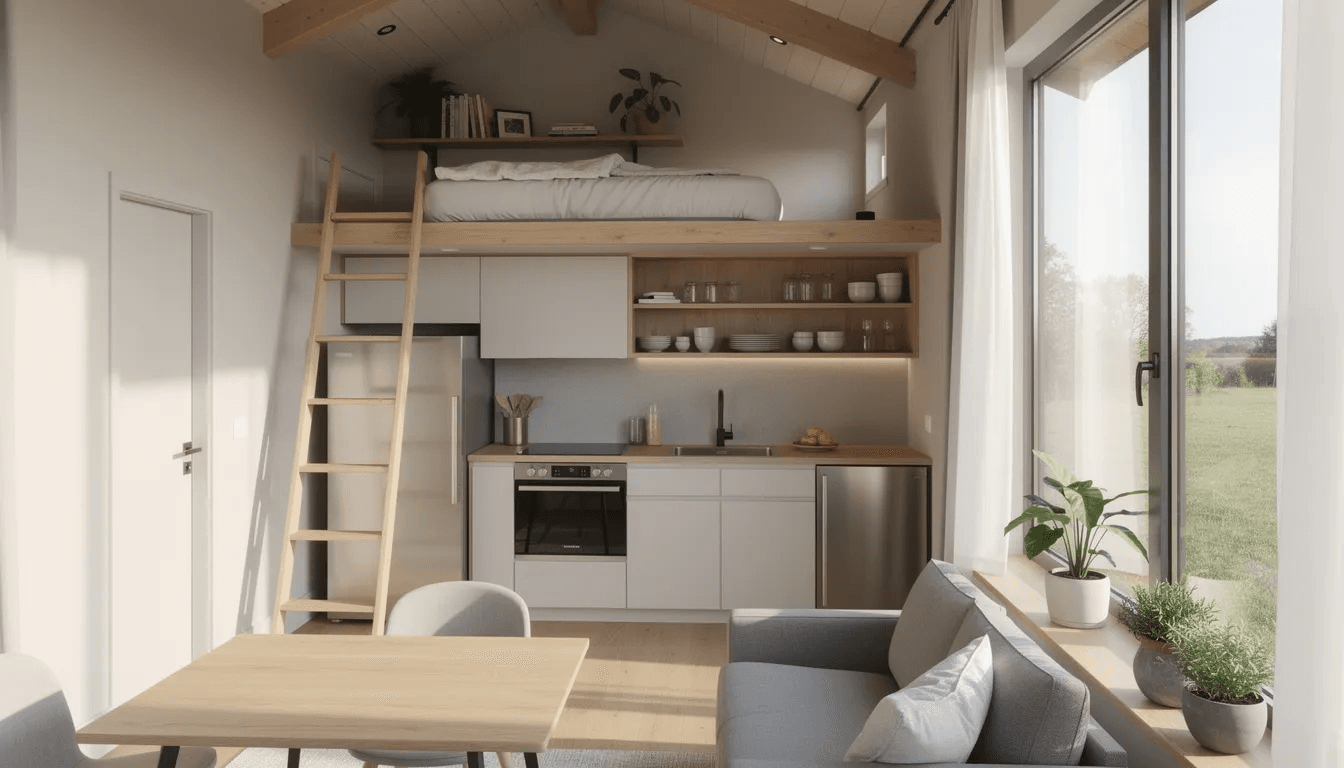
Designing a Tiny House for Maryland’s Climate & Lifestyle
Maryland’s humid summers, chilly winters, and coastal storms should guide design and material choices. A tiny house built for Arizona won’t perform well in Baltimore.
Building Envelope
When refining layouts and materials, many Maryland buyers draw inspiration from top tiny house designs for modern living that balance energy efficiency, storage, and aesthetics.
High-R insulation values (R-21 or better in walls, R-38+ in roofs) handle both heating and cooling efficiency. Energy-efficient windows with low-E coatings reduce heat transfer while maximizing natural light in compact spaces. Moisture control demands attention—proper ventilation, vapor barriers, and dehumidification strategies prevent the mold problems that plague humid Mid-Atlantic construction.
Heating and Cooling
Mini-split heat pumps offer efficient year-round climate control in a compact footprint. Western Maryland properties near Deep Creek Lake benefit from supplemental electric or propane heat for the coldest periods. Summer cooling requires ceiling fans, strategic overhangs, and cross-ventilation design that reduces air conditioning loads.
Coastal and Mountain Considerations
Near Chesapeake Bay, corrosion-resistant materials and hardware extend component lifespan against salt air. Wind and hurricane strapping protects exposed coastal or ridgetop sites. Garrett County and Allegany County construction must account for snow loads that exceed what’s typical in central Maryland—roof design and structural calculations need adjustment accordingly.
Neighborhood Fit
Design choices that match local aesthetics ease zoning approval and neighbor acceptance. Traditional siding or a “rowhouse-in-miniature” look fits Baltimore contexts. Cabin or cottage aesthetics suit Deep Creek Lake and wooded mountain lots. Fighting local character creates unnecessary friction.
Finding Land or a Parking Spot for Your Tiny House
Many Maryland buyers discover they can purchase a tiny home but struggle to find legal land or a long-term placement. Solving the location puzzle often proves harder than choosing the house itself.
Strategies for Finding Buildable Lots
MLS filters for small lots (under 1 acre) in target counties surface affordable options. Verify existing zoning categories before making offers—R-1 residential zoning differs dramatically from agricultural or commercial classifications. Tax sale properties occasionally offer below-market entry points for buyers willing to navigate the process.
RV Parks and Seasonal Resorts
Campgrounds near Ocean City, Chesapeake Bay, and Deep Creek Lake increasingly accept annual park model or tiny house rentals. Contact managers directly to explore whether permanent or seasonal placement works within their community rules. Some parks actively market to the tiny house community as a growing customer segment.
Backyard Placements
Approaching family or friends with eligible lots in ADU-friendly counties opens possibilities. Montgomery County’s policies specifically enable this approach. Even in restrictive areas, exploring guesthouse or accessory building permissions sometimes reveals workable paths.
Verification Before Purchase
Request written confirmation from zoning or planning offices before purchasing land specifically for a tiny house project. Verbal assurances don’t protect you if enforcement officers interpret rules differently later. Documentation creates accountability and legal standing.
Step-by-Step: How to Buy a Tiny House in Maryland
A clear, ordered process reduces the risk of running into zoning or financing surprises. Following these steps keeps your project on track, whether you’re aiming for a budget build or one of the more elegant tiny homes that redefine modern living.
Step 1: Define your use case. Decide whether you want a full-time primary home, an ADU, a vacation rental, or another application. This choice drives every subsequent decision.
Step 2: Select a target county or city. Research which jurisdictions support your intended use. Montgomery County works for ADUs; Garrett County suits rural primary residences; Eastern Shore accommodates vacation properties.
Step 3: Verify zoning and minimum size requirements. Contact the local planning office directly. Get written confirmation that your proposed structure type and size meets local zoning ordinances and building codes.
Step 4: Secure land or a legal parking arrangement. Purchase property, negotiate a backyard placement agreement, or arrange annual rental at an RV park or tiny house community.
Step 5: Choose your tiny house type. Foundation home, park model, or THOW—each carries different implications for permitting, financing, and long-term flexibility.
Step 6: Select a builder or seller. Prioritize those with relevant certifications (RVIA for park models, IRC experience for foundations) and Maryland construction knowledge. Contact builders like ICBI (240-312-3952), Hobbitat (301-387-6022), or Tiny House Container (571-249-6490) to explore options.
Step 7: Arrange financing and insurance. Match your loan type to your structure classification. Confirm full-time occupancy coverage if living in the unit permanently.
Step 8: Pull permits and schedule construction or delivery. Work through foundation, framing, electrical, plumbing, and final inspections until you receive certificate of occupancy.
Frequently Asked Questions About Buying a Tiny House in Maryland
This section addresses concrete questions Maryland buyers ask most often.
Can my tiny house be my main residence in Maryland?
Yes, if it meets local building codes, zoning rules, minimum square footage requirements (typically 320 sq ft), and utility connection standards. Foundation-built tiny homes have the clearest path to permanent residence status. Park models and THOWs face more restrictions outside licensed parks.
Are tiny houses on wheels legal in Maryland?
THOWs are legal as RVs but usually cannot serve as permanent residences outside licensed RV parks, mobile home communities, or specific temporary use approvals. Full-time living in a THOW parked on private property remains legally complicated in most jurisdictions.
What is the minimum legal size for a house in Maryland?
Typical requirements include 320 sq ft total floor area and 120 sq ft minimum for individual habitable rooms. However, each county’s building department sets specific standards. Verify requirements with your local jurisdiction before purchasing.
Can I put a tiny house in my Maryland backyard?
In some counties—notably Montgomery—you can add an ADU with proper permits, meeting setback, parking, and utility requirements. Other counties like Anne Arundel are far more restrictive, often allowing tiny homes only in licensed mobile home parks.
Do I need a certified builder?
While not legally required in every case, using RVIA-certified or code-experienced builders greatly improves chances of permit approval, safe construction, and easier insurance and finance access. Professional experience with Maryland-specific requirements—insulation, moisture control, local inspections—provides value that often exceeds any cost premium.
Conclusion: Is Buying a Tiny House in Maryland Right for You?
Maryland offers genuine opportunities for tiny living—especially in ADU-friendly suburban counties and flexible rural areas. Success depends on matching the right home type to the right location rather than forcing a dream into an incompatible regulatory environment.
Prioritize legal placement and long-term livability over simply finding the cheapest or smallest unit. The tiny house that costs $20,000 less but can’t be legally occupied provides no value.
Start by choosing a region that fits your lifestyle—Montgomery County suburbs, Baltimore’s urban core, Western Maryland mountains, or Eastern Shore bayfront—then tailor your purchase to local rules. Each area offers distinct advantages and constraints.
Keep a checklist ready before signing any contract:
- County-specific zoning rules
- Minimum size requirements
- Allowed structure types
- Financing options for your chosen category
- Climate-resilient design requirements
- Insurance coverage for your intended use
With careful planning around zoning regulations, site placement, and permits, buying a tiny house in Maryland can be a practical path to more affordable, flexible living. The tiny house dream is achievable here—you just need to do the homework first.
For more posts on tiny house living, explore resources from Maryland-based builders and connect with local tiny house communities who’ve navigated this process successfully.