
Key Takeaways
- Most tiny houses get water via four main setups: RV-style hookup, onboard tank, rainwater/well, or a hybrid system combining multiple approaches.
- On grid water usually comes from a city water spigot or main house connection, while off grid options rely on storage tanks, pumps, and sometimes rainwater collection.
- Tiny house plumbing systems must manage both grey water (sinks, showers) and blackwater (toilet waste) safely and legally.
- Winter climates require heat tape, insulation, and skirting to prevent water lines from freezing.
- Water systems and power needs are linked—pumps, water heaters, and filters must be powered by grid power, solar panels, or a hybrid system.
How Do Tiny Houses Get Water?
Tiny houses use simplified versions of RV and small-cabin water systems to bring fresh water in and send waste water out. The plumbing system might look different from a traditional house, but it handles the same way—drinking, cooking, and sanitation.
Most tiny houses rely on one of four core water supply methods:
- RV hookup (on grid)
- Interior or exterior tank (off grid)
- Rainwater catchment or well (off grid)
- Hybrid system combining tank and hookup
The choice depends on whether your tiny home is on wheels or a foundation, how often it moves, local regulations, and your priorities—low cost versus maximum independence. Even very small plumbing systems must plan for fresh water, grey water, and toilet waste from the first design sketch.
- Core Tiny House Water Supply Options
- Inside the Plumbing System: How Water Moves Through a Tiny House
- Managing Grey Water, Blackwater, and Drainage
- On-Grid vs. Off-Grid Tiny House Water Systems
- Powering Your Water System: Pumps, Heaters, and Solar Panels
- Cold-Weather Considerations: Freezing, Insulation, and Heat Tape
- Planning Your Tiny House Plumbing System
- FAQ
Core Tiny House Water Supply Options
These options reflect what’s common in North American tiny houses between 2015–2026. Your situation—stationary backyard guest house, traveling tiny house on wheels, or remote cabin—will determine which works best.
Many owners eventually mix and match systems as their lifestyle changes.
1. RV-Style Hookup (On-Grid Water Connection)
An RV hookup means connecting your tiny house to a pressurized potable water source using a drinking-water-safe hose.
Typical supply sources include:
- Municipal RV spigot at RV parks
- Outdoor faucet on a main house
- Campground hydrant
A pressure regulator and inline sediment filter should be installed at the spigot to protect your plumbing system. Many tiny homes will simply connect to city water and city sewer systems, ensuring a steady supply of fresh water.
This is the simplest, most common water source for tiny houses that stay in one place. Connecting a tiny house to municipal water involves hooking up the plumbing to the city’s water line, similar to traditional homes.
For winterization in cold climates, bury the hose below frost depth, use insulated hose jackets, or wrap exposed sections with heat tape.
2. Onboard Water Tank (Manual Fill or Delivery)
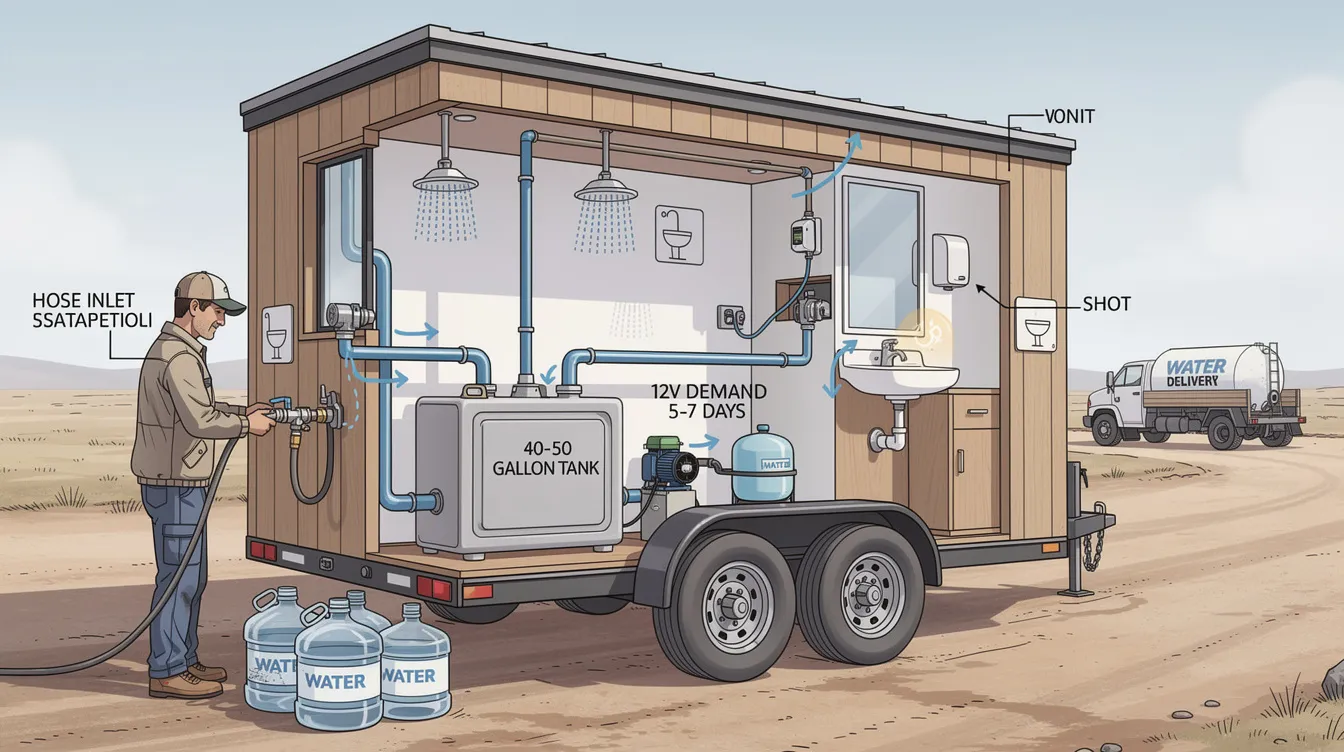
A common feature in tiny houses is a small water tank that holds a finite amount of water, which is usually linked to the plumbing system via pipes. Tank sizes typically range from 30 to 60 gallons for most tiny houses, mounted under the trailer, in a cabinet, or in a utility loft.
For off-grid tiny homes, installing a water tank and pump system can provide a reliable water supply, allowing for normal household functions like showers and flushing toilets, especially in more self-contained tiny homes designed for modern off-grid living. A 12V demand pump and small pressure tank pressurize the system so your kitchen sink and bathroom sink behave normally.
Tanks can be filled by:
- Manual hose connection
- Hauling water in jugs
- Water delivery trucks in remote locations
A 40–50 gallon tank typically lasts a couple using low-flow fixtures about 5–7 days. Trade-offs include more independence and off grid flexibility, but limited space and more frequent refills.
3. Rainwater Catchment and Wells (Off-Grid Options)
Some tiny houses in rural areas or remote locations rely on rainwater harvesting or private wells instead of municipal services.
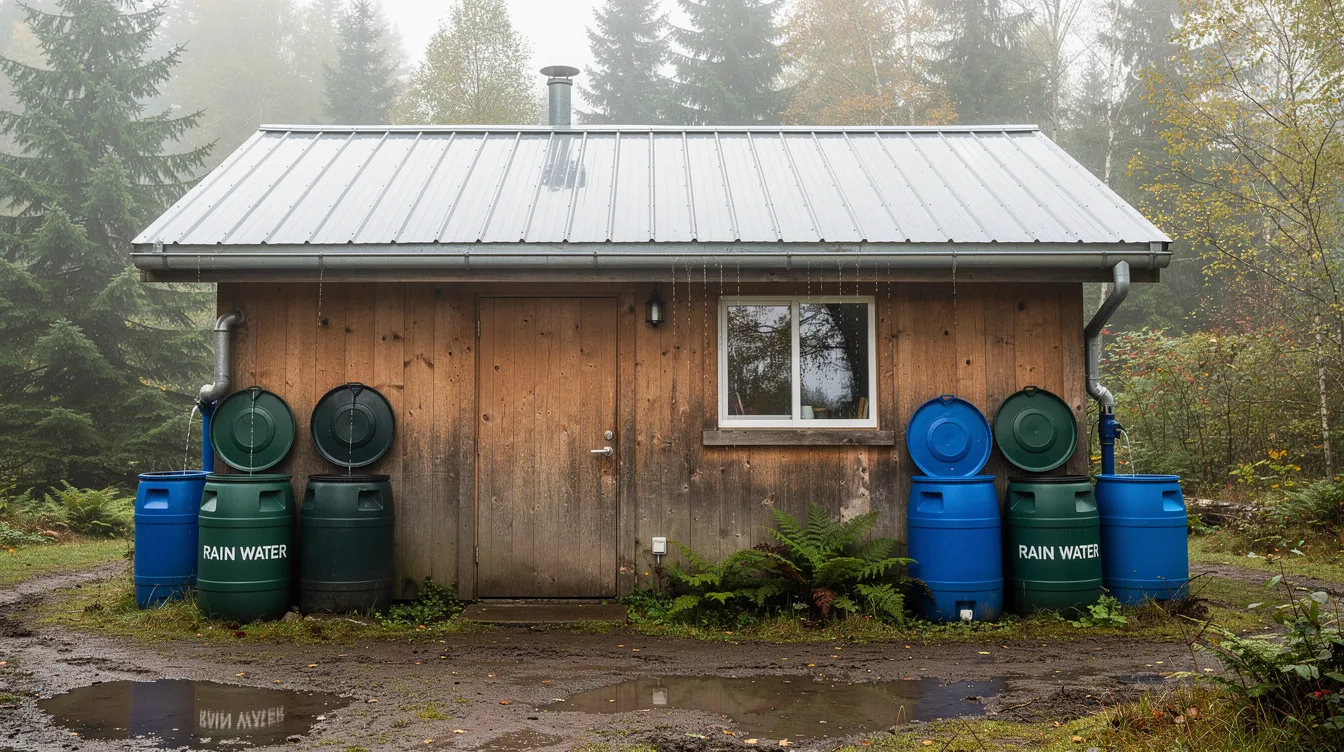
Rainwater systems include:
- Gutters on the tiny house roof
- First-flush diverters
- Storage tanks (200–1,000 gallons)
- Multi-stage filtration with UV for potable use
Collecting rainwater is a popular off-grid water solution for tiny homes, allowing the water to be used for various purposes such as cooking and sanitation. Check 2026 local rules before building—some U.S. states regulate or limit rainwater collection.
Well systems use a submersible or jet pump to supply the tiny house, often with a pressure tank. Some tiny homes share an existing well on the same property.
Both systems depend on reliable electricity or solar panels plus batteries to run pumps and purification equipment, which can be integrated into tiny smart homes with efficient, tech-enabled systems.
4. Hybrid System (Tank + Hookup)
A hybrid system lets your tiny house plug into a city spigot when available but also maintains a smaller internal water tank and pump for boondocking or moving days.
Using a combination of rainwater collection and a water tank system can offer flexibility for tiny homes, allowing residents to switch between off-grid and on-grid water sources as needed.
Most tiny houses that travel seasonally choose this approach. Some hybrids automatically fill the onboard tank from the grid via a float valve, while others require manual switching.
The trade-off: slightly more complex design, but maximum resilience during outages or when you’re off the beaten path.
Inside the Plumbing System: How Water Moves Through a Tiny House
Most tiny houses use simplified residential-style plumbing systems. Tiny house plumbing systems typically involve connecting to a water supply and delivering water to various endpoints through hot and cold pipes, accommodating needs for drinking, cooking, and sanitation.
The typical path:
- Water source → filtration (if used)
- Pump/pressure regulator
- Cold water lines → water heater
- Hot water lines → fixtures
- Drain lines → grey water or blackwater handling
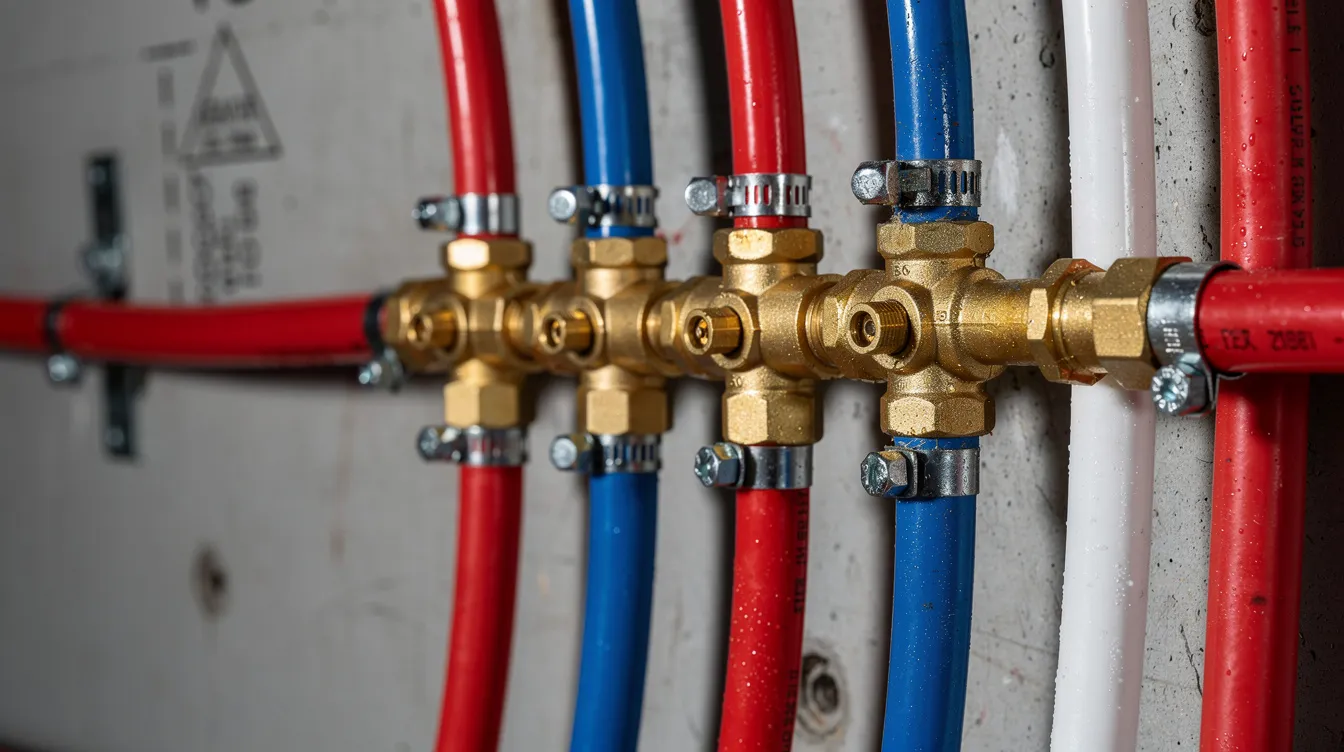
For tiny house plumbing, PEX (Cross-Linked Polyethylene) pipes are often preferred due to their flexibility, ease of installation, and resistance to freezing, making them suitable for both on-grid and off-grid systems.
Most tiny houses centralize fixtures on one “wet wall” to minimize pipe runs, save weight, and reduce potential leak points. Cold water feeds the kitchen sink, bathroom sink, shower, and water heater. Hot water feeds the same fixtures except toilets.
Managing Grey Water, Blackwater, and Drainage
Getting water in is only half the equation. Managing waste water safely is essential for legal, hygienic tiny living.
Tiny homes can manage wastewater through various systems, including connecting to city sewer systems, using septic systems, or opting for composting toilets.
Grey water comes from sinks, showers, and washing machines. Blackwater comes from flush toilets. Many jurisdictions regulate each differently.
Grey Water / Gray Water Systems
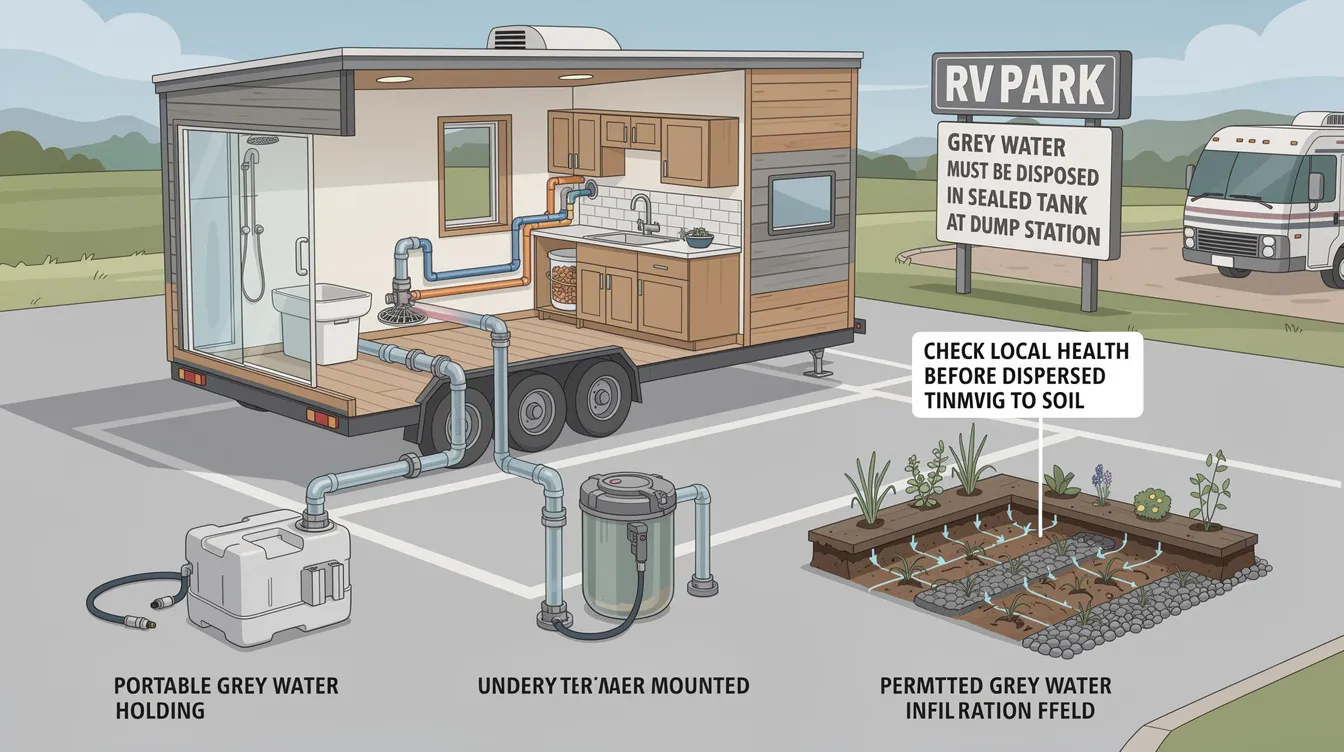
Most tiny houses route grey water to either a portable holding tank, an under-trailer tank, or a permitted grey water field.
Greywater systems can be implemented in tiny homes to filter and reuse water from sinks and showers for non potable uses, such as irrigation. Basic components include hair/food catchers at drains and possibly a small grease trap in kitchen lines.
Some RV parks require all grey water to go into a sealed tank for dumping at official stations. Always check local health regulations before dispersing grey water to soil.
Blackwater and Toilet Options
Blackwater exists in systems with a regular toilet that sends waste to a blackwater tank, septic tank, or municipal sewer.
Common toilet solutions:
- Standard RV flush toilet with black tank
- Low-flush toilet tied to septic system
- Composting toilets
- Incinerating toilets
Composting toilets are a popular choice in tiny houses as they significantly reduce the amount of wastewater produced, making them an eco-friendly option. Using composting toilets can eliminate blackwater lines entirely, simplifying your drainage system and venting requirements.
On-Grid vs. Off-Grid Tiny House Water Systems
The choice between living on grid and living off grid affects your daily routine significantly.
Feature | On-Grid | Off-Grid |
|---|---|---|
Water source | City water or well | Tank, rainwater, delivery |
Convenience | High | Moderate |
Independence | Low | High |
Equipment needed | Minimal | Tanks, pumps, filters |
Cost upfront | Higher (permits, trenching) | Lower to moderate |
On-Grid Water Systems
For tiny houses built on a foundation in areas with access to utilities, connecting to the local water supply is the simplest option. Backyard tiny houses often share the main house service line and sewer connection.
On-grid setups cost more upfront in permits and inspections but provide the most “set and forget” experience. Standard plumbing vents, cleanouts, and shutoff valves, along with appropriately sized tiny house septic system options, are typically required the same way as a full-sized whole house.
Off-Grid Water Systems
Off-grid tiny houses commonly combine a fresh water tank, 12V pump, filtration, and either a septic system, composting toilets, or permitted grey water field.
Realistic daily water usage with conservation habits runs 15–30 gallons per person—much less than the 80–100 gallons typical in traditional houses. This water usage reduction makes off grid options practical even with limited space for storage tanks.
Carrying water in jugs works for weekend cabins but becomes tedious for full-time living. Plan accordingly.
Powering Your Water System: Pumps, Heaters, and Solar Panels
Water systems and power needs are tightly linked. Every pump, heater, and control valve requires electricity or natural gas.
Most tiny houses use a mix of 12V DC (for pumps) and 120V AC (for water heaters), supplied by grid power or solar power. Solar systems can easily power small pumps requiring minimal power but struggle with large electric water heaters.
A typical off-grid tiny house might run 1–3 kW of solar panels with 5–15 kWh of battery storage. This can support basic plumbing systems and low-power appliances. Wind power can supplement in some locations, and it’s important to factor these choices into your overall plan for how to build a tiny house.
How much electricity you need depends entirely on your water system choices.
Water Heaters in Tiny Houses
Main heater types include:
- Propane tankless: Space-efficient, heats on demand, works well off-grid
- Electric tankless: High instantaneous power needs, requires strong power grid connection
- Small electric tank (6–20 gallons): More compatible with solar systems
Tankless units are popular because they save more space and generate heat only when needed. Propane units are friendlier to solar-powered off grid systems since they use minimal power for ignition.
Safety matters: ensure proper venting for gas units and freeze protection around heater plumbing.
Cold-Weather Considerations: Freezing, Insulation, and Heat Tape
A small house is especially vulnerable to winter temperatures. Freeze protection is crucial anywhere winter lows dip below 32°F.
Key strategies:
- Insulate all exposed pipes
- Use enclosed, heated utility chases
- Add removable skirting (even a simple concrete pad helps)
- Design systems with minimal exterior components
When water freezes, repairs get expensive fast. Keep a trickle of water running in extreme cold if on-grid.
Using Heat Tape Safely
Heat tape is an electric cable that wraps around pipes to prevent freezing. It’s commonly used on RV hoses and tiny house water lines.
Modern self-regulating cables are preferred. Always follow manufacturer instructions to avoid fire hazards. Add a thermostat to reduce energy use—heat tape typically draws 50–150 watts continuously during cold periods.
Combine heat tape with foam insulation sleeves for best performance and a consistent supply of unfrozen water.
Planning Your Tiny House Plumbing System
Design your plumbing system early—during the floor plan stage. Thoughtful tiny house floor plans that work for you avoid costly rework and important considerations getting overlooked.
Key planning factors:
- House size and occupancy
- Travel frequency
- Climate
- On-grid vs. off-grid goals
- Budget and local regulations
Draw a schematic showing fresh water lines, hot water lines, drains, vents, and tanks before framing. Aligning this with tiny house plans that fit your life ensures the plumbing supports how you’ll actually use the space. Even for DIY builds, a consultation with a licensed plumber prevents code problems later.
Space, Weight, and Layout
Most tiny houses concentrate fixtures along a single wall to minimize pipe length and fittings. Fresh water and waste water tanks go low and near trailer axles for balanced towing in mobile tiny houses, which is an important layout consideration when evaluating Home Depot tiny house kits and similar shell options.
All shutoff valves, pumps, and filters should be reachable behind removable panels. Burying critical components in walls creates headaches later, especially in affordable tiny house designs focused on efficiency and maintenance access.
Budgeting for a Tiny House Water System
Ballpark 2024–2026 costs for DIY plumbing:
Component | Simple RV-Style | Off-Grid System |
|---|---|---|
Pipes and fittings (PEX) | $200–400 | $300–600 |
Fixtures | $300–800 | $300–800 |
Water heater | $200–600 | $400–1,200 |
Pumps and pressure tank | $0–100 | $150–400 |
Tanks | $0 | $200–800 |
Filters/treatment | $50–150 | $300–1,500 |
Total | $750–2,000 | $1,650–5,300 |
Leave 10–20% contingency for code changes or upgraded fixtures. Off-grid systems cost more upfront but can reduce ongoing utility bills, especially those paired with solar panels that easily power your water needs; tools like a tiny home cost calculator can help you budget these trade-offs accurately. |
FAQ
How much water does a tiny house use per day?
With low-flow fixtures and careful habits, a full-time tiny house typically uses 15–30 gallons per person daily. That’s much less than the 80–100 gallons common in larger homes. A 40–50 gallon tank might support one careful person for 4–6 days of showers, cooking, and dishwashing.
Can I drink rainwater from my tiny house roof safely?
Rainwater can be made potable with proper collection surfaces, first-flush diverters, sediment and carbon filtration, and UV disinfection. Check local regulations and roof materials first. Test water periodically at a certified lab and treat rainwater systems with the same seriousness as any well supply.
Do I need a plumbing vent in a tiny house?
Venting is usually required for traditional drain and sewer systems to prevent siphoning and sewer gas. Many tiny houses avoid full vent stacks by using composting toilets or air admittance valves where code allows. Confirm requirements with local building officials before finalizing your design.
Is it better to use PEX or copper pipes in a tiny house?
Most tiny houses use PEX because it’s light, flexible, forgiving in cold weather, and easier for DIY installation. Copper is more durable but heavier, more expensive, and harder to work with in limited space. PEX is especially common in mobile tiny houses due to movement during towing.
Can a tiny house run completely off-grid for water and power?
Yes. Many tiny houses operate fully off grid using rainwater or delivered water, onboard tanks, energy efficient plumbing systems, composting toilets, and properly sized solar panels. Success depends on climate, careful conservation, realistic expectations about comfort, and well-designed storage for both water and energy.