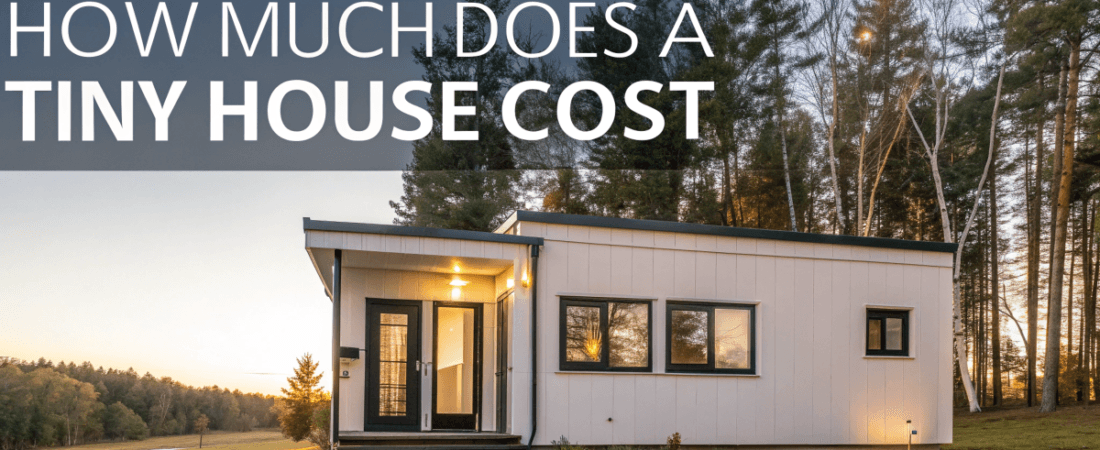
How much does a tiny house cost, and is it really affordable? The tiny house cost can be tricky to pin down because it depends on so many factors. Are you building it yourself or hiring a professional? What about materials, utilities, or foundation options? Hidden expenses, like permits or buying land, can add up fast. Many people go tiny to save money, but it’s important to know how the numbers stack up before you commit. When considering the cost of a tiny and tiny home pricing, these are often much lower than traditional homes, making them an attractive option for budget-conscious buyers. Whether you’re dreaming about a minimalist retreat or a full-time small home, understanding the cost is key. With the right planning, you can figure out if this big lifestyle change fits your budget. Tiny homes also support a minimalist lifestyle, encouraging simplicity, lower expenses, and intentional living.
TL;DR
Tiny homes typically cost between $30,000 and $100,000, depending on size, materials, and whether you build it yourself or hire professionals. DIY builds are cheaper but require time and skills, while professional builds offer quality and compliance but cost more. Additional expenses like land purchase, permits, utility hookups, and maintenance can add to the total cost. Tiny homes offer financial freedom through lower monthly expenses and support a minimalist, eco-friendly lifestyle. Financing options include personal loans, construction loans, and specialized tiny home mortgages, though traditional mortgages are less common. Proper planning and understanding local building codes and zoning laws are essential for a successful tiny home project.
Introduction to Tiny Homes
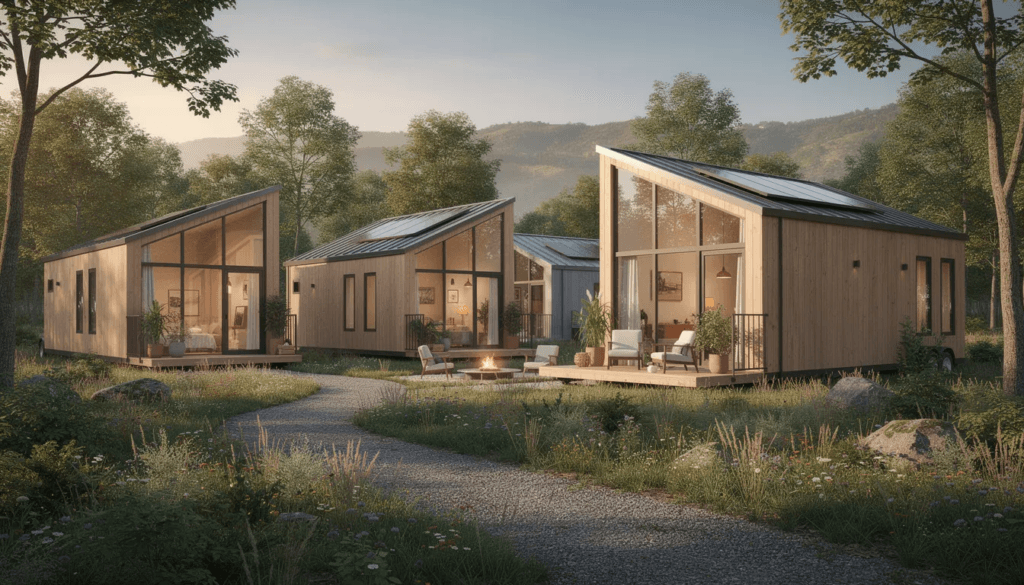
Tiny homes, often called tiny houses, are compact dwellings designed to maximize living space while minimizing square footage. Ranging from about 100 to 600 square feet, these homes offer a smart solution for anyone looking to save money and embrace a simpler lifestyle. The average price of a tiny home can vary widely, but most fall between $60,000 and $120,000, depending on the size, materials, and custom features you choose. Unlike traditional houses, tiny homes can be built on a permanent foundation or on wheels, giving you the flexibility to relocate whenever you want. Many people are drawn to tiny living for the financial freedom it offers—lower monthly expenses, less debt, and the chance to focus on what truly matters. Whether you’re a first-time buyer, downsizing, or seeking a more sustainable way of life, a tiny home could be the perfect fit.
What Affects Tiny House Cost?
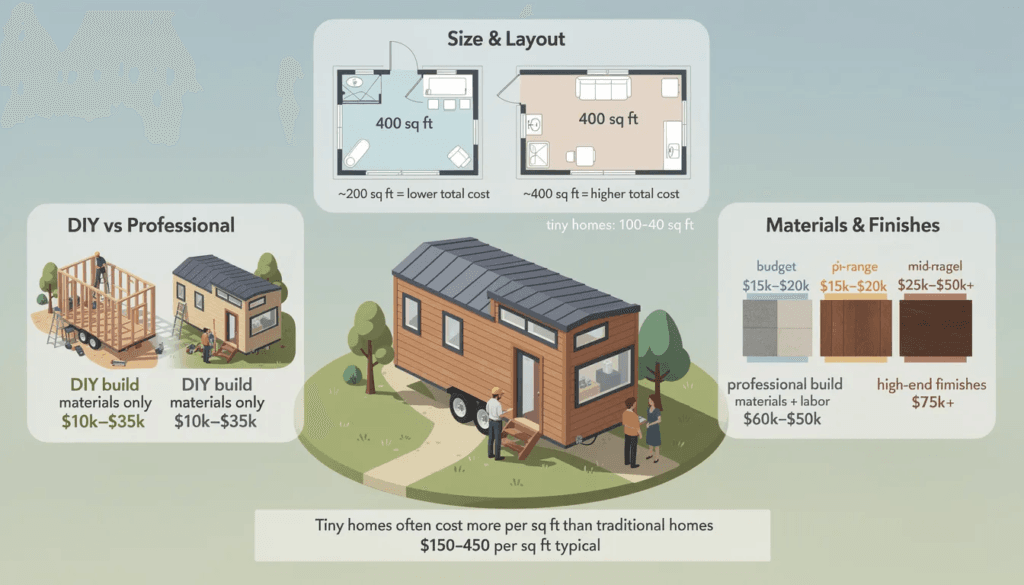
Tiny houses don’t come with one-size-fits-all pricing. The cost depends on your choices, materials, and needs. Here’s what matters most:
When building a tiny home, many tiny homeowners choose to build a tiny home themselves or hire professionals, making tiny house construction a flexible process. Building costs are influenced by building materials and labor costs, which are key components of the total expense. Professional labor can be a significant portion of the budget, especially for complex tasks like electrical or plumbing, and typically accounts for 40% to 60% of the total construction cost. Labor costs for building a tiny home can account for 15-45% of the total project cost, depending on location and complexity. Many tiny homeowners opt for DIY to save on labor costs. When you build a tiny house, consider that the cost per square foot is often higher than traditional homes—tiny homes generally cost $300 per square foot (with a range of $150 to $450), while traditional homes average about $150 per square foot. The process to build a tiny home involves careful planning and consideration of these factors.
1. DIY vs. Professional Build
- A DIY is usually cheaper.
- Expect to spend $10,000 to $30,000 if you go this route. DIY projects generally cost $10,000–$35,000 for materials.
- Be ready to put in serious time and effort.
- A professionally built costs more.
- Prices start around $50,000 and can easily top $100,000. Professional turnkey or builder-finished homes range from $60,000 to over $150,000.
- Builders charge for materials, labor, and expertise. Professional labor typically accounts for 40% to 60% of the total construction cost, especially for complex tasks like electrical, plumbing, and structural work to ensure safety and compliance.
Building a tiny home can take longer than buying a pre-built one, often requiring four to six months for custom construction.
2. **Size, Square Footage, and Layout**
Bigger tiny houses cost more. The size of a tiny home typically ranges from 100 to 400 square feet, with some areas limiting them to a maximum of 400 square feet. A 200-sq-ft home will cost less than 400 sq ft. But even tiny spaces add up when fancy features are involved. Tiny homes make use of a smaller space, which can lead to higher costs per square foot but offers efficiency and flexibility.
Custom features? Those layouts don’t come cheap. You’ll pay for design work, materials, and more time to build. Limited storage space is a common trade-off in tiny homes.
3. Materials Matter
Using reclaimed or budget materials can shrink costs. Building materials are a major factor in the overall cost, durability, and maintenance of a tiny house, and your choice of materials can have a big impact on long-term expenses. But if you want premium options like hardwood floors, expect to spend extra.
- Cheap materials: $15,000–$20,000
- Mid-range options: $25,000–$50,000
- High-end finishes: $75,000+ High-end appliances and luxury finishes can significantly increase costs.
Pick a mix that fits your style and pocket.
4. Foundation Options
There are two common types for tiny houses:
- Tiny house** on wheels:** More portable. Costs include a trailer, typically starting at $4,500. Mobile tiny homes can be moved easily, but moving a tiny house on wheels can cost between $200 and $1,500 for short trips and up to $5,000 for longer hauls.
- Tiny house** on a foundation:** More permanent. Foundation work can add $5,000–$10,000 (or more). Homes built in one location require utility hookups, and foundation-built homes may have different costs for utility, plumbing, and electrical hookups.
Your choice here greatly shapes final costs.
Hidden Costs You Shouldn’t Ignore
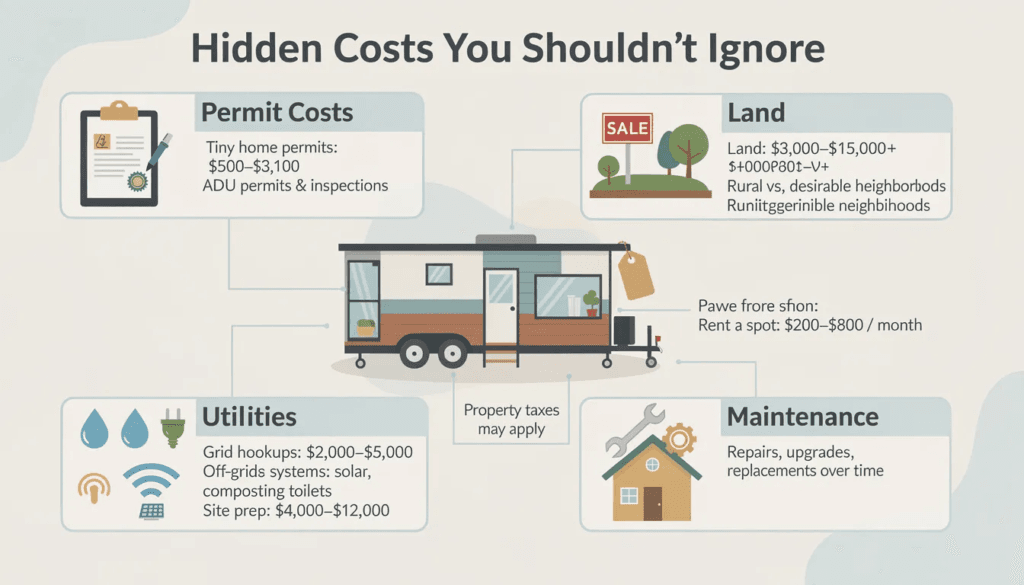
The sticker price isn’t always the full story. Here are extra costs that can sneak up on you: Permit costs, land costs, and property taxes are important hidden expenses that can significantly impact your total budget.
Permit Costs
- If the house is on wheels, rules vary by area. Tiny home building permits are required for most projects, and permit costs are an essential part of the total budget.
- Local permits can cost a few hundred to a few thousand dollars. Permits for building tiny homes typically cost between $500 and $3,100, and permitting costs can vary by locality.
If your tiny home is considered an accessory dwelling unit (ADU), additional permitting and inspection requirements may apply.
Land
- Do you own land already? Great. If you need to purchase land, land purchase can add from $3,000 to $150,000 depending on location and size.
- If not, land can add $10,000 or more, depending on location. Land costs for tiny homes can vary widely, ranging from $20,000 in rural areas to over $300,000 in desirable neighborhoods, and land costs can vary widely depending on location. To qualify for a land loan, you’ll need to make a significant down payment and have a good credit score. Building in rural areas can offer lower land and utility hookup costs.
- You might rent a spot for $200–$800 per month instead.
Property taxes may apply when owning land for a tiny home.
Utilities
You’ll need water, power, and internet. Utility hookups are a key part of building costs for tiny homes, as connecting to essential services is necessary whether you’re on-grid or off-grid. Hooking up to a grid or going off-grid has its own costs:
- Off-grid systems: Solar panels or composting toilets cost extra upfront.
- Grid connections: Water, electricity, and sewer hookups could add $2,000–$5,000. Utilities and site preparation can cost between $4,000 and $12,000.
Foundation-built homes may have different costs for utility, plumbing, and electrical hookups.
Maintenance
Even small houses need upkeep. Budget for repairs, upgrades, or replacing parts over the years.
Financing Options for Your Tiny House
Figuring out how to pay for your tiny house is a big step on the road to tiny home ownership. While traditional mortgages aren’t always available for tiny homes, there are several financing options to consider. Many future tiny homeowners start with a personal loan, which can be used to cover the cost of building a tiny house or buying a pre-built model. If you’re planning a custom built tiny home, a construction loan might be a better fit, allowing you to finance the building process from start to finish. Some lenders now offer specialized tiny home financing, including chattel loans or tiny home mortgages, designed specifically for these unique properties. Don’t forget to factor in the cost of land, permits, and inspections—these can add up quickly. Having a good credit score and a clear budget will help you secure the best financing options and make your dream of tiny home living a reality.
Inspection and Certification: What to Know
Before you move into your new tiny home, it’s crucial to make sure it meets all local building codes and zoning laws. This often means hiring a professional inspector to check the construction, electrical, and plumbing systems for safety and quality. Many areas also require tiny homes to be certified by organizations like the National Organization of Alternative Housing (NOAH) or the International Code Council (ICC). Certification shows that your tiny home meets important standards for durability, safety, and sustainability. Not only does this give you peace of mind, but it can also make it easier to get insurance, secure financing, and avoid headaches with local authorities. Staying on top of building codes and zoning laws from the start will help you enjoy your tiny home without unexpected surprises down the road.
Tips to Save on Your Tiny House
Living tiny shouldn’t mean draining your wallet. Here’s how to spend smart: Tiny homes can help you save more money over time and are a cost effective way to own a home.
Use Salvaged and Reclaimed Materials
- Look for second-hand windows, doors, or wood.
- Hit up local salvage yards for great deals.
Keep the Layout Simple
- Fancy features = higher costs.
- Stick to a basic layout to save.
Build It Yourself
- A DIY build saves thousands on labor. Building your own tiny home can cost as little as $10,000–$35,000 for materials, making it an affordable way to own a tiny home.
- Just make sure you have skills or get help when needed.
Buy a Shell
- Not ready for full-on DIY?
- Buy a pre-built shell and finish the interior yourself. It’s important to work with a reputable company to ensure quality construction and reliable support throughout the process. Buying a pre-built tiny home allows for quicker occupancy compared to building one from scratch, and typically comes with compliance documentation and has been built to code.
Relook at Sizing
- Do you truly need extra square feet? Tiny homes make use of a smaller space, typically ranging from 100 to 400 square feet, with some areas limiting them to a maximum of 400 square feet.
- Stick to the smallest size possible for your needs.
Is Living Tiny Worth It?
Paying less for housing is a great reason to go tiny. Many people save big by downsizing. But it’s not just about money. Many tiny homeowners are drawn to the minimalist lifestyle and the environmentally friendly benefits of tiny homes. The diversity among tiny home owners shows that this lifestyle is accessible and practical for a wide range of people.
Here’s why some say it’s worth every penny:
Budget-Friendly Living
Sure, the upfront cost matters. Tiny homes are a cost effective way to save more money over time, as they generally offer a more budget-friendly and economical living option compared to traditional homes. But in the long run, tiny houses have lower long-term costs.
- Lower utility bills
Living in a tiny home can lead to lower monthly utility bills due to reduced energy consumption. - Less maintenance
Tiny homes are easier to maintain due to their smaller size, requiring less time to clean and manage. - No giant mortgage
By saving on utilities, maintenance, property taxes, and insurance, tiny living can ultimately allow homeowners to accumulate more money and achieve greater financial freedom.
Eco-Friendly Lifestyle
Living tiny often means using fewer resources. Tiny homes are environmentally friendly, with a low environmental impact, using less water and energy than traditional homes. Smaller spaces take less energy to heat or cool.
Minimalist Freedom
Fewer things. More flexibility. Tiny homes support a minimalist lifestyle, allowing owners to focus on what truly matters. Focus on what truly matters.
Resale Value: What Happens When You Move On?
Thinking about the future? Many owners wonder how their tiny home will hold its value if they decide to move on. The resale value of a tiny home depends on several factors, including its size, condition, location, and compliance with zoning laws. As the tiny home movement grows, demand for these unique properties is on the rise, and many owners find that their tiny homes retain or even increase in value over time. To get the best resale price, keep your tiny home well-maintained, update features as needed, and make sure it meets current building codes. Location also plays a big role—tiny homes in desirable areas or those with flexible zoning laws tend to sell faster and for higher prices. With careful planning and regular upkeep, your tiny home can remain a valuable asset, ready for the next adventure when you are.
What’s the Final Tiny House Cost?
If you go small, you’re looking at a wide range of costs. Tiny house prices and tiny home pricing can vary widely depending on location, materials, and features, so the cost of a tiny home is not one-size-fits-all. A bare-bones DIY build might cost $10,000–$20,000. Tiny homes can cost as little as $8,000 or as much as $150,000, depending on the amenities and materials used. A high-end custom home can hit $100,000 or more. Fully finished prefab units typically cost between $25,000 and $80,000.
For most, the average tiny house cost falls between $30,000–$60,000. Tiny houses typically cost between $30,000 and $80,000 on average, and the average cost of a tiny home typically ranges from $30,000 to $100,000, with many in the mid-range offering quality construction and standard features. How much does it cost to build or buy a tiny house depends on factors like size, materials, and whether you choose a DIY or professional build, which all influence tiny house prices and the overall cost of a tiny home.
If you’re ready to take the leap, plan smart to make it happen!