

Small generators-typically producing under 3,000 running watts-are built for situations where you need portable, reliable power without hauling industrial equipment. Whether you’re powering lights and a refrigerator at a campsite, keeping your RV comfortable on the road, or maintaining essentials during a power outage after a winter storm, these compact units fill a critical gap.
Small generators are generally more affordable and require no major installation compared to permanently installed stationary generators. Most small models are lightweight and compact, making them easy to transport and store. They’re also commonly used at job sites to power tools where outlet access is unavailable. Midsized generators provide 2,500 to 4,900 watts of power, while camping generators provide up to 2,500 watts, making them ideal for outdoor recreation and light emergency use.
But not all small generators perform equally. The difference between a great option and a mediocre one comes down to portability, fuel efficiency, noise levels, and how much power the machine actually delivers when you need it most. This guide breaks down the best models across those exact criteria.
How We Chose the Best Small Generators
Selecting the right generator means weighing several factors simultaneously. Here’s what mattered most in this comparison:
- Power output and surge capacity: Both running watts (sustained output) and starting watts (surge for motors) determine what equipment a generator can handle. A unit that can’t surge enough power won’t start air conditioners or refrigerators.
- Portability and weight: Most camping generators weigh around 50 to 60 pounds. Anything significantly heavier becomes impractical for one person to carry.
- Fuel efficiency and runtime: How long can you operate on a full tank at moderate load? Many small generators feature an eco-mode to enhance fuel efficiency and reduce noise by varying engine speed with the load.
- Noise levels: Quiet operation is essential in campgrounds and residential areas. Inverter generators produce cleaner power for sensitive electronics and typically run 8–10 dB quieter than conventional open frame models.
- Build quality and reliability: Engine type, materials, warranty length, and brand reputation all factor in.
- Ease of starting and maintenance: Electric start, recoil ease, spark plug access, and oil change simplicity matter for everyday users.
- Value for money and warranty: Price per watt, long-term costs, and warranty coverage round out the evaluation.
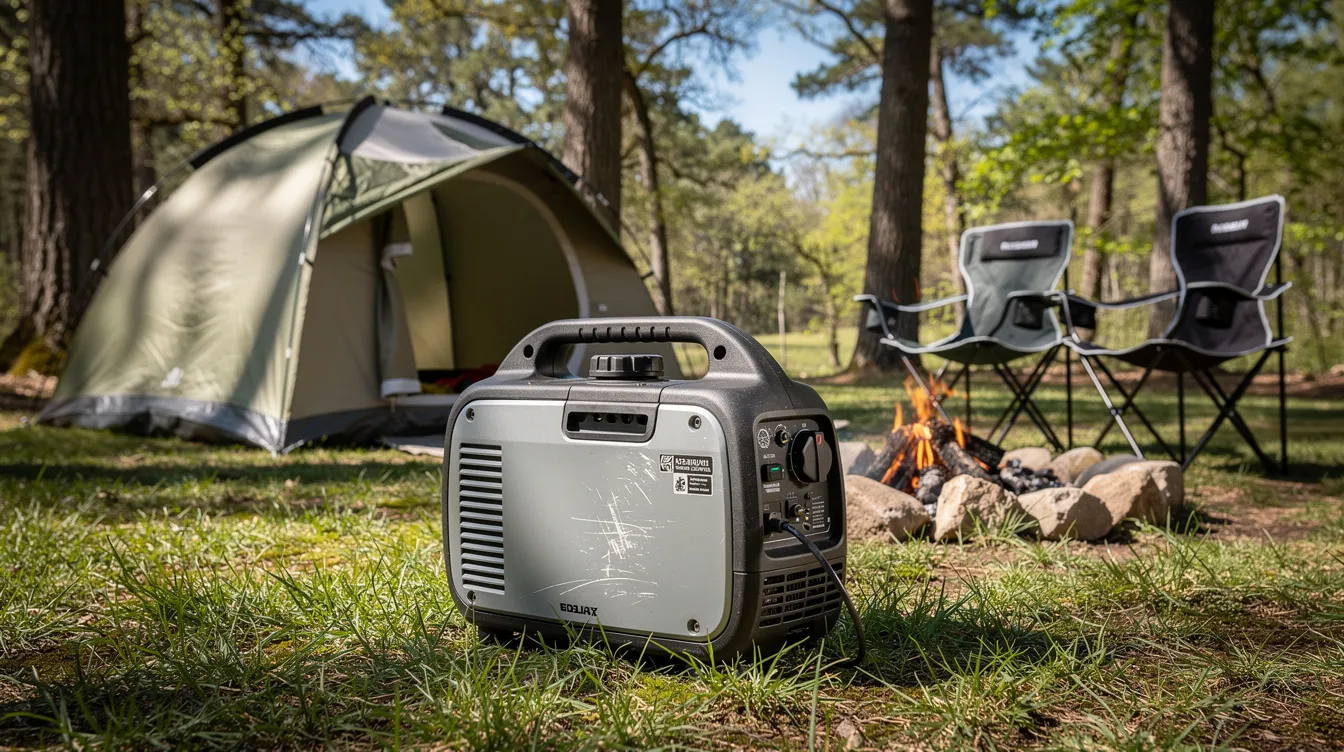
Best 6 Small Generators for Camping and Emergency Use
1. Honda EU2200i Portable Inverter Generator
The Honda EU2200i is the benchmark that other models in this category try to match. It delivers 1,800 running watts and 2,200 starting watts from a Honda GXR120 121cc engine, all packed into a 47-pound closed frame inverter generator. It earns the top spot for its unmatched combination of quiet operation, reliability, and clean ac power.
Why It Stands Out
The EU2200i is remarkably quiet. At quarter load, it produces just 48 dB(A), roughly the volume of a quiet conversation. At rated load, it reaches 57 dB(A). The Honda EU2200i generator measures 68.9 decibels at idle-still far below what most generators produce. Many small generators operate quietly at decibel levels lower than a conversation, and the EU2200i exemplifies that standard.
Best For
Serious campers who need a generator they can trust season after season, and homeowners wanting dependable emergency backup for sensitive electronics like computers, routers, and medical equipment.
Key Strengths
- Extremely quiet operation (48–57 dB at standard distances)
- Clean inverter power with low total harmonic distortion, safe for computers and sensitive electronics
- Legendary Honda reliability with a long track record of durability
- Runtime of approximately 8.1 hours at quarter load on a 0.95-gallon gas tank
Possible Limitations
- Higher price point compared to other models in this range
- Single fuel option-gasoline only, with no propane or natural gas capability
- At 1,800 running watts, it may not provide enough power for larger RV air conditioners without a soft-start device
2. Champion 3400-Watt Dual Fuel Inverter Generator
The Champion 3400-Watt Dual Fuel Inverter is built for users who want fuel flexibility and higher output. It produces 3,100 running watts on gasoline and approximately 2,790 on propane, with 3,400 starting watts on gas. For context, Champion also makes larger generators-the Champion 201175 generator can produce 8,500 watts of power-but this 3400W model hits the sweet spot for RV owners who need serious capability in a portable package.
Why It Stands Out
Dual fuel operation is the headline feature. Many portable generators for camping are dual-fuel models, and this Champion leads the pack. On propane, camping generators can run for up to 14 hours, which is exceptional for extended trips or prolonged outages. On gasoline, expect about 7.5 hours at 25% load from the 1.6-gallon fuel tank.
Best For
RV owners needing to run 13,500 BTU air conditioners, and anyone wanting dual fuel flexibility for an emergency situation where gasoline may be scarce.
Key Strengths
- Dual fuel operation lets you switch between propane and gasoline
- Electric start and remote start capability for convenience
- Enough power to handle most RV AC units and multiple appliances simultaneously
- Clean inverter power with THD under 3%
Possible Limitations
- At roughly 96 pounds, it’s significantly heavier than most competitors
- Noise at approximately 59 dB(A) is louder than premium inverter models like the Honda
- Dual fuel systems add maintenance complexity with regulators and carburetor adjustments
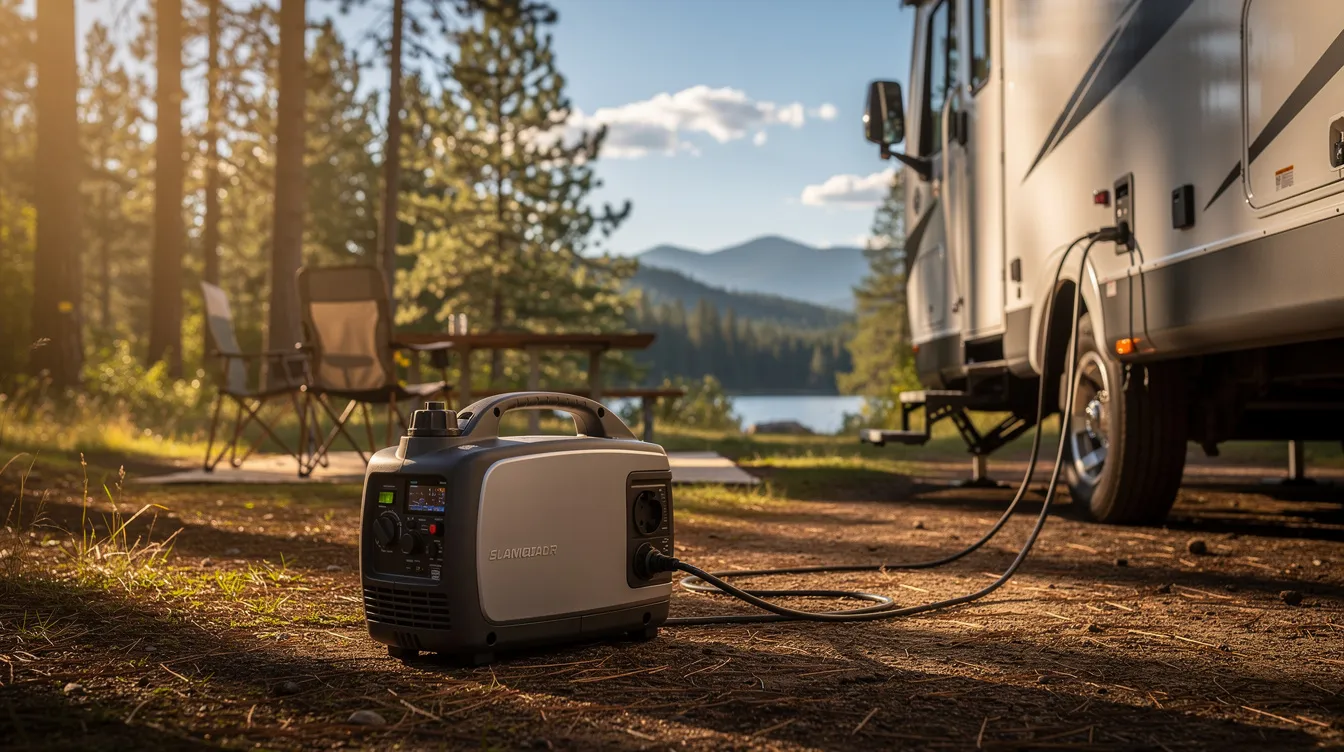
3. WEN 56200i Super Quiet Portable Inverter Generator
The WEN 56200i has earned a strong reputation as the best value entry point into inverter generators. Producing 1,600 running watts and 2,000 starting watts from a 79.7cc OHV engine, it weighs just 48 pounds and delivers fuel efficient performance at a price that undercuts most competitors by a significant margin. You can often find this model at retailers like harbor freight and other discount outlets.
Why It Stands Out
The WEN 56200i delivers legitimate inverter-quality power-clean enough for sensitive electronics-at a fraction of what premium brands charge. It operates at roughly 51 dB(A) at quarter load, making it one of the quieter units available.
Best For
Budget-conscious campers and occasional users who don’t need maximum wattage but want reliable, clean electricity for lights, phones, and laptops.
Key Strengths
- Very competitive pricing makes it accessible for first-time buyers
- Lightweight at 48 pounds with a suitcase-style carry handle
- Quiet operation that competes with units costing twice as much
Possible Limitations
- Lower power output limits what you can operate simultaneously
- Limited warranty coverage compared to Honda or Yamaha
- Not ideal for powering high-draw appliances like air conditioners
4. Generac GP3000i Inverter Generator
The Generac GP3000i brings the trusted Generac name-known primarily for permanently installed home standby systems-into the portable inverter space. It produces 2,300 running watts and an impressive 3,000 starting watts thanks to Generac’s PowerRush technology, which delivers over 50% more surge capacity. For reference, the Generac iQ3800 has a total harmonic distortion of less than 3 percent, and this GP3000i maintains similarly clean power output.
Why It Stands Out
The PowerRush surge capability gives this generator an edge when you need to start motor-driven appliances. That 3,000-watt surge is enough to kick on a 13,500 BTU RV AC unit, which many other models in this class struggle to handle.
Best For
Homeowners who want a trusted brand for backup power during a prolonged outage, and RV users who need strong surge capacity from a mid-weight unit.
Key Strengths
- Established brand reputation with extensive service network
- Good fuel efficiency with eco-mode for lighter loads
- Clean inverter power output safe for electronics
- RV-ready outlets built in
Possible Limitations
- Runtime of approximately 4.5 hours at half load is shorter than some rivals
- 1.06-gallon fuel tank is on the smaller side
- Weighs about 59.5 pounds-manageable but not ultralight
5. Yamaha EF2400iSHC Inverter Generator
The Yamaha EF2400iSHC sits at the premium end of this category. With 2,000 running watts, 2,400 starting watts, and a 171cc OHV engine, it’s equipped with Yamaha’s Smart Throttle system for variable-speed operation. This is a generator built for people who view reliability as non-negotiable.
Why It Stands Out
Yamaha’s engineering pedigree shows in the build quality. The materials, fit, and finish exceed what you’ll find on most other models. The Smart Throttle system adjusts engine speed based on load, improving fuel efficiency by 20–40% compared to conventional fixed-speed units and keeping noise between 53 and 60 dB(A).
Best For
Professionals, frequent RV travelers, and anyone who needs a generator that will operate reliably for years with minimal fuss.
Key Strengths
- Excellent build quality with premium materials throughout
- Advanced inverter technology produces stable, clean ac power
- Quiet operation with variable engine speed
- Runtime of approximately 8.6 hours at quarter load from a 1.6-gallon tank
Possible Limitations
- Premium pricing puts it among the most expensive in this class
- At approximately 75 pounds, it’s heavier than many alternatives
- Single fuel type-gasoline only
6. Pulsar G2319N Portable Gas Inverter Generator
The Pulsar G2319N rounds out this list as the most budget-friendly option that still delivers genuine inverter power. It produces 1,800 running watts and 2,300 starting watts from an 80cc OHV engine, weighs just 47.1 pounds, and offers parallel capability-meaning you can connect two units together for increased power output when needed.
Why It Stands Out
Parallel capability allows users to connect two generators for increased power output, effectively doubling your capacity without buying a single larger unit. At its price point, the Pulsar offers surprisingly capable performance for occasional use.
Best For
First-time buyers, tailgaters, and anyone who needs a functional inverter generator without a significant financial commitment.
Key Strengths
- Affordable entry-level pricing opens the door for budget-conscious buyers
- Lightweight and compact at 47 pounds
- Includes USB port, 12V DC outlet, and two 120V AC outlets
- Parallel capable for scaling up when you need more energy
Possible Limitations
- Newer brand with limited track record compared to Honda or Yamaha
- Basic feature set-recoil start only, no electric start
- Shorter warranty (typically 1 year) compared to premium brands
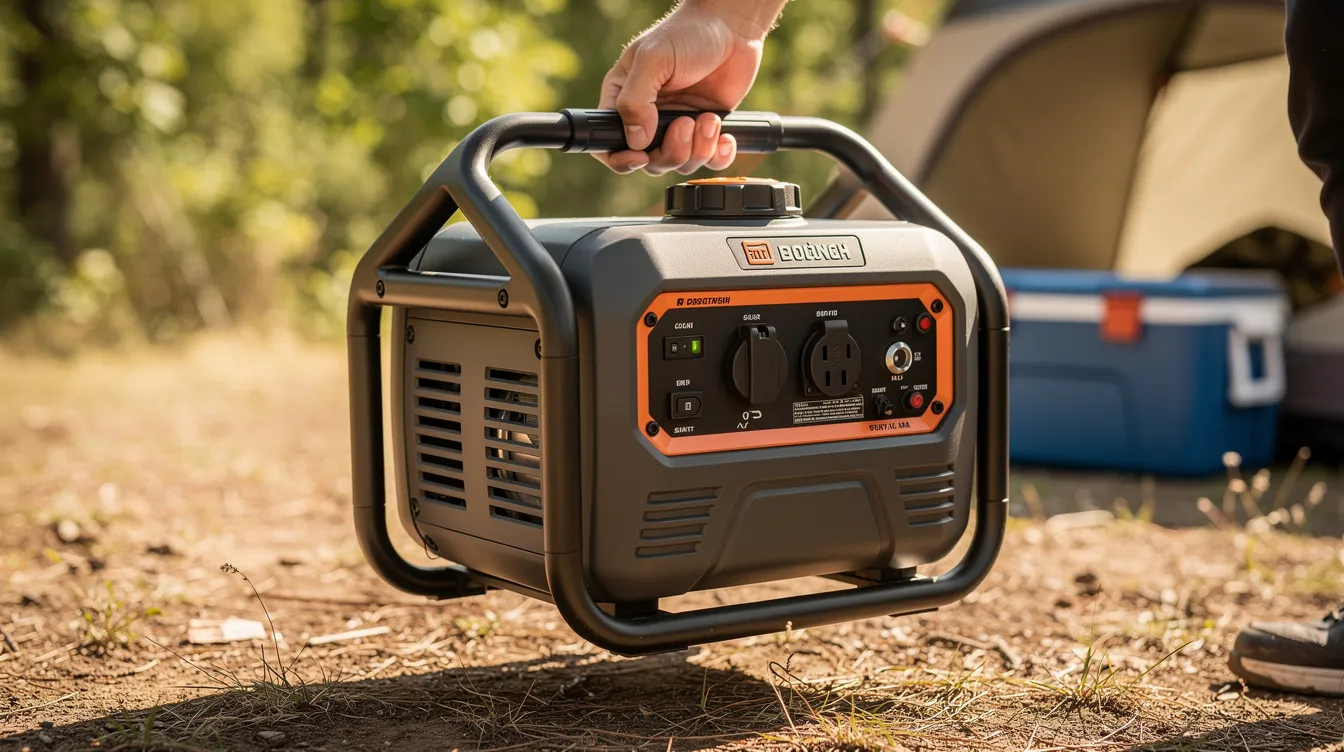
Quick Comparison of the Best Small Generators
Model | Running Watts | Surge Watts | Noise Level | Weight | Fuel Type | Best For |
|---|---|---|---|---|---|---|
Honda EU2200i | 1,800 W | 2,200 W | 48–57 dB(A) | 47 lb | Gasoline | Maximum reliability, quietest operation |
Champion 3400W | 3,100 W (gas) | 3,400 W (gas) | ~59 dB(A) | ~96 lb | Dual fuel (gas/propane) | Dual fuel capability, RV use |
WEN 56200i | 1,600 W | 2,000 W | ~51 dB(A) | 48 lb | Gasoline | Best value for basic camping |
Generac GP3000i | 2,300 W | 3,000 W | <60 dB(A) | ~59.5 lb | Gasoline | Trusted brand emergency backup |
Yamaha EF2400iSHC | 2,000 W | 2,400 W | 53–60 dB(A) | ~75 lb | Gasoline | Premium features, professional use |
Pulsar G2319N | 1,800 W | 2,300 W | ~59 dB(A) | ~47 lb | Gasoline | Budget option for occasional use |
How to Choose the Right Small Generator
Choose Based on Power Needs
Generators list starting watts and running watts, and understanding the difference is critical. Running watts represent the continuous output a generator can sustain. Starting watts include the initial surge for appliances with motors-like a refrigerator compressor or an air conditioner.
You can calculate watts by multiplying voltage by amperage, which helps when appliance labels only show amps. For example, a device drawing 12.5 amps at 120 volts requires 1,500 watts.
Small generators can power essential household devices like refrigerators, lights, routers, and medical equipment during outages. Emergency preparedness involves using generators for backup power to prevent food spoilage and maintain communication. If you need to run multiple high-draw appliances simultaneously, consider that a 7,000 to 8,000-watt generator powers most essential appliances-but for targeted backup of a few critical items, a small generator in the 2,000–3,000 watt range is typically sufficient.
For most camping scenarios, you’re looking at 1,500–2,500 watts of capacity. For home emergency backup covering a refrigerator, a few lights, and a modem, 2,000–3,000 watts handles the load comfortably.
Keep in mind that larger generators provide more headroom but sacrifice portability. Full-size portable generators provide 7,000 to 8,000 watts of power, but most portable generators at that level weigh 200 pounds or more-not exactly something you toss in the back of a vehicle for a weekend trip.
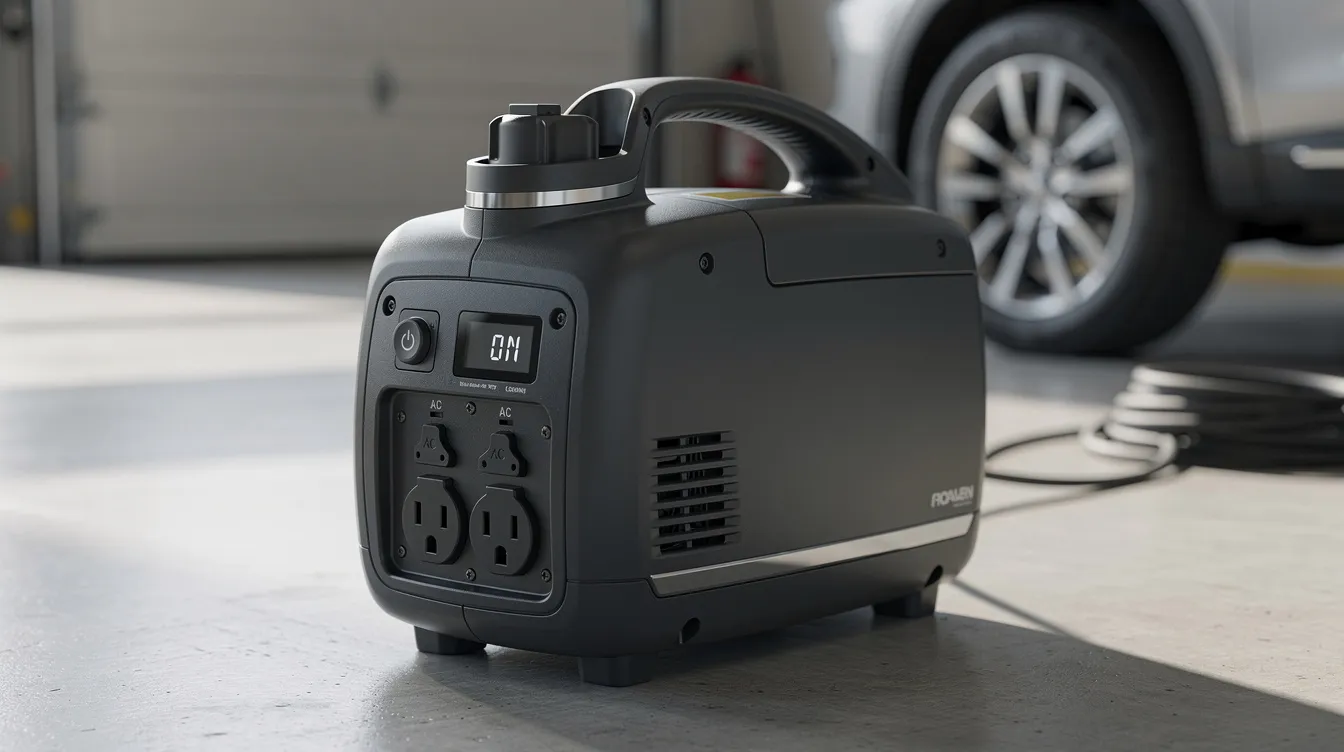
Choose Based on Portability Requirements
Weight is the single biggest portability factor. The best portable generators in this class stay under 60 pounds, which one person can lift into a truck bed or carry a short distance. Once you cross 75–100 pounds, you’ll want wheels-and even then, rough terrain makes transport difficult.
Handle design matters too. Suitcase-style handles (like on the Honda and WEN) make carrying intuitive. Larger units like the Champion benefit from built-in wheels but still require effort on uneven ground.
For camping and RVing, small generators are often used for providing power for electronics and appliances without the bulk of full-size units. Portable generators can also be used at job sites to power tools where outlet access is unavailable, so consider whether your generator needs to travel between multiple environments.
Choose Based on Noise Tolerance
Noise changes the equation depending on where you operate. In a campground with neighbors 30 feet away, a generator running at 59 dB(A) is noticeably louder than one at 48 dB(A). That 11 dB difference means the louder unit sounds roughly twice as loud to human ears.
Inverter generators are consistently quieter than conventional open frame generators because their engines run at variable speeds rather than a constant 3,600 RPM. Most generators in our list produce less noise than a normal conversation at light loads.
For nighttime use at a campsite, prioritize models under 55 dB(A) at quarter load. For home emergency backup, noise is less critical but still matters if you’re running the generator overnight.
A Note on Safety Features
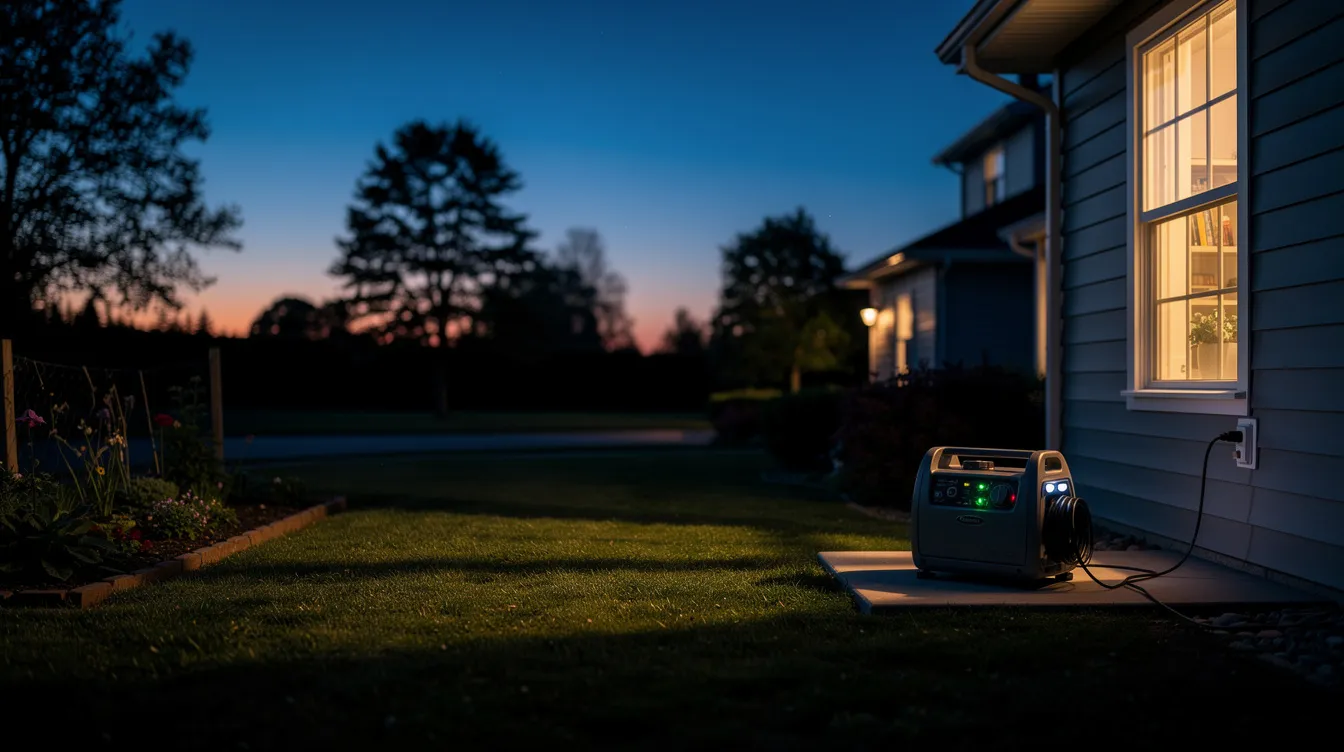
Safety precautions are non-negotiable with any gas-powered generator. Exhaust gases contain carbon monoxide, which is deadly. Never operate a generator indoors or in closed spaces. Run generators at least 20 feet away from your home, with the exhaust pointed away from windows and doors.
Most generators now have CO shutoff features-a built-in sensor that automatically shuts the engine down if carbon monoxide levels become dangerous. Look for this feature on any model you’re considering. It should be standard, not optional.
Always add fuel stabilizer to gasoline if you plan to store the generator between uses, and perform regular maintenance including oil changes and spark plug inspection.
Which Option Is Best for You?
Choosing between these best models depends on your specific situation:
- Choose the Honda EU2200i if you need maximum reliability and the quietest operation available. It has a long track record and produces clean power for computers and sensitive electronics.
- Choose the Champion 3400W if you want dual fuel flexibility and enough power to run RV air conditioners. The propane option is a great option for long-term fuel storage and extended runtime.
- Choose the WEN 56200i if you want the best value for occasional camping and light emergency use without overspending.
- Choose the Generac GP3000i if you prefer an established brand with strong surge capacity for home backup. Generac’s systems are widely recognized for life in the backup power space.
- Choose the Yamaha EF2400iSHC if you need professional-grade features, premium build quality, and are willing to pay for it. This machine is equipped to handle demanding, repeated use.
- Choose the Pulsar G2319N if budget is your primary concern and you need portable power for tailgating, light camping, or occasional outage coverage.
Small Generators for Tiny Homes
Tiny homes present unique power challenges due to their compact size and off-grid potential. Small generators are an excellent fit for these living spaces because they provide sufficient electricity without the bulk and complexity of larger systems. Typically, tiny homes require between 1,500 and 3,000 watts to power essentials like lighting, small appliances, and heating or cooling units.
When selecting a generator for a tiny home, consider models with clean inverter power to safely run sensitive electronics such as laptops, Wi-Fi routers, and medical devices. Portability remains important, especially if the tiny home is mobile or located in remote areas where fuel access may be limited.
Many tiny home owners benefit from dual-fuel generators, which offer the option to run on gasoline or propane. Propane is often preferred for its cleaner burning and longer shelf life, making it ideal for emergency backup. Additionally, pairing a small generator with an electrical panel transfer switch allows seamless integration with the tiny home’s electrical system, enabling safe and convenient power distribution.
In terms of noise, quieter inverter generators enhance comfort in the confined space of a tiny home and reduce disturbance to neighbors in close proximity. Safety features such as CO shutoff sensors are critical due to the limited ventilation typical in tiny home setups.
For readers exploring housing options, custom tiny homes with smart space optimization, elegant design-forward tiny houses, and innovative small-space tiny home layouts can pair well with a compact generator setup. If you prefer a more streamlined build process, Home Depot tiny house kits for DIY builders or minimalist tiny houses focused on sustainable living are strong companions to a portable power solution. Those interested in living further off-grid might consider self-contained tiny homes with integrated utilities, or tiny smart homes that leverage automation and energy monitoring alongside a generator. Finally, integrating solar panels specifically sized for tiny houses can reduce fuel use and allow your small generator to serve mainly as a backup source.
Final Thoughts
Small generators offer portable power for appliances during outages or outdoor recreation, and the right choice ultimately depends on how much power you need, where you’ll use it, and what you’re prepared to spend. There’s no single “best” answer-a serious RV camper running air conditioners has completely different needs than someone who wants to keep a refrigerator going during a winter storm.
That said, if budget allows, the Honda EU2200i remains the strongest all-around choice for its combination of whisper-quiet operation, clean inverter power, and proven reliability that other models struggle to match. For those needing more wattage or fuel flexibility, the Champion 3400W dual fuel earns its spot as the best value per watt of output.
Whatever you choose, match your generator’s capacity to your actual power requirements. Add up the wattage of every device you plan to operate simultaneously, account for surge loads, and buy accordingly. A generator that’s properly sized for your needs will run more efficiently, last longer, and keep you powered exactly when it matters most.