
Log cabin kits offer a streamlined path to owning a log home in one of the most geographically diverse states in the Southeast. Whether you’re drawn to the mountain ridges near Asheville, the rolling Piedmont around Greensboro and Winston Salem, or the coastal lowlands by Wilmington, North Carolina provides landscapes that blend seamlessly with log cabin living. This guide covers the types of cabin home kits available, the quality features that matter most in NC’s climate, and how to choose the right kit for your property and budget.
Types of North Carolina Log Cabin Kits
Log cabin home kits in North Carolina range from compact weekend retreats to spacious custom log home designs. The right fit depends on how much space you need, how you plan to use the structure, and where in NC you intend to build.
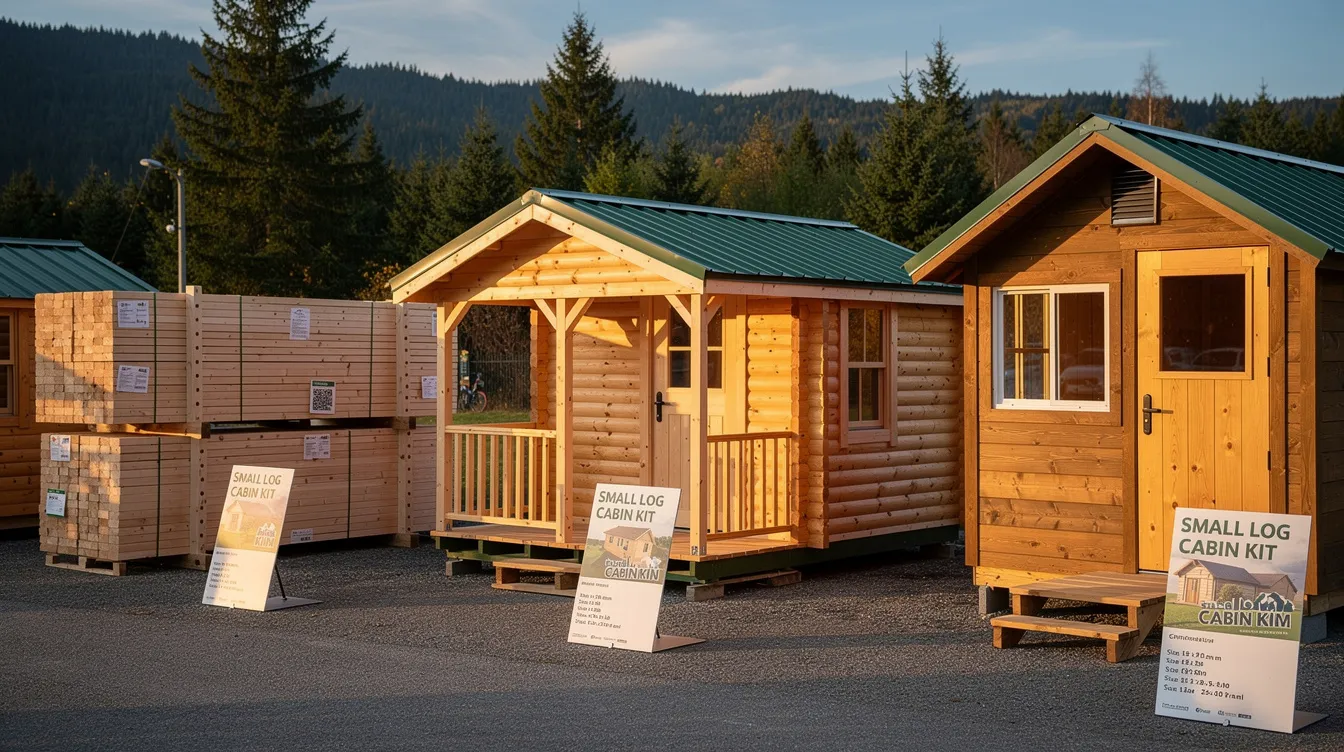
Small Cabin Kits (Under 1,000 sq ft)
Small cabin kits are compact packages-often starting from around 400 sq ft-designed for guest house use, seasonal retreats, or short-term vacation rentals. NC-based suppliers like Lake Lure / Chimney Rock Log Homes offer kits in this range with multiple floor plan options. These kits are ideal for couples, retirees looking for a mountain getaway, or investors seeking rental income near the Blue Ridge Parkway who may also consider 2-bedroom portable cabin options. A log cabin in North Carolina often appeals as a vacation rental due to its rustic character, and distinctive log cabins command premium rental rates. Log cabins can generate significant rental income when positioned in high-demand areas like the western mountains or coastal retreats.
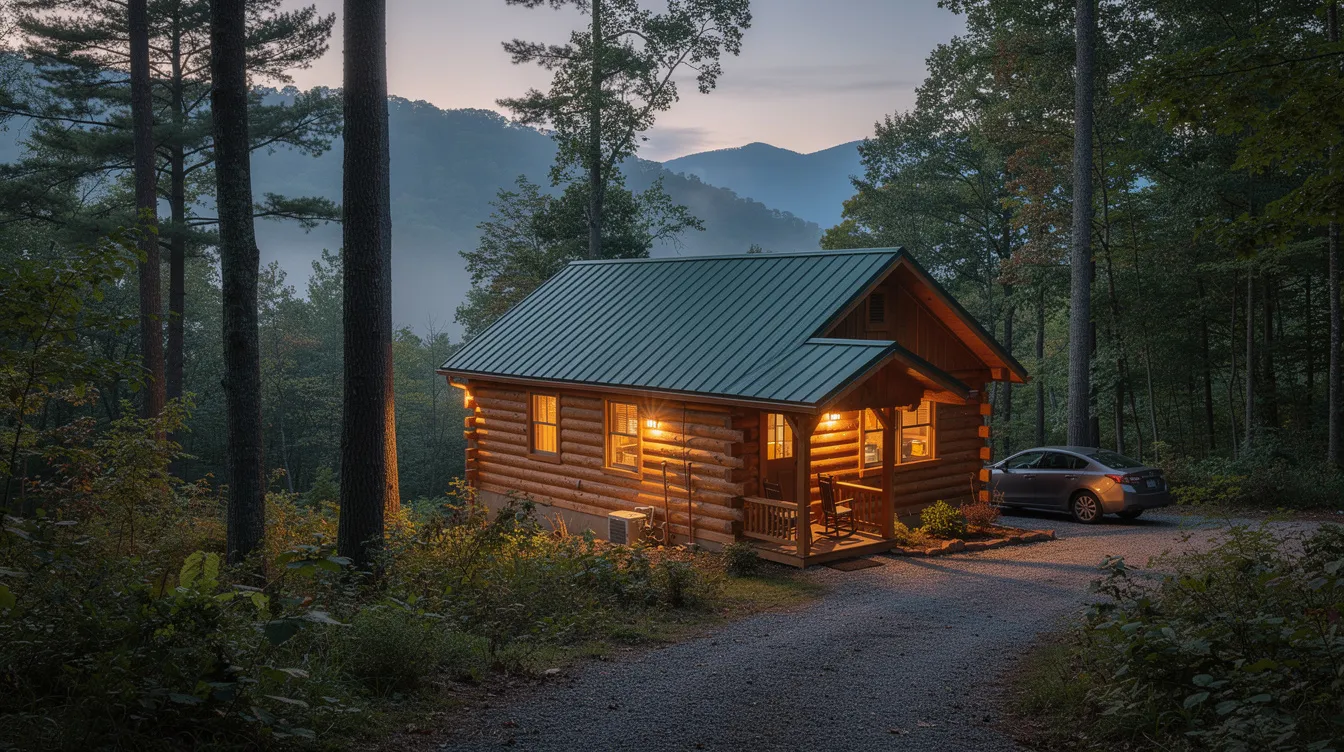
Mid-Size Residential Kits (1,000–2,500 sq ft)
Mid-size kits deliver family-friendly layouts with 2–3 bedrooms, open living areas, and enough space for a primary residence or larger vacation home, similar in many ways to other prefabricated cabin options. Companies like Quality Log Home Builders in Kenly, NC offer designs in this category-models like the “Riverside” with 3 beds and 2.5 baths are representative. These kits suit families seeking the perfect blend of rustic charm and modern convenience without the complexity of a fully custom build. Log homes in this range integrate modern amenities with traditional aesthetics, making them practical for year-round living.
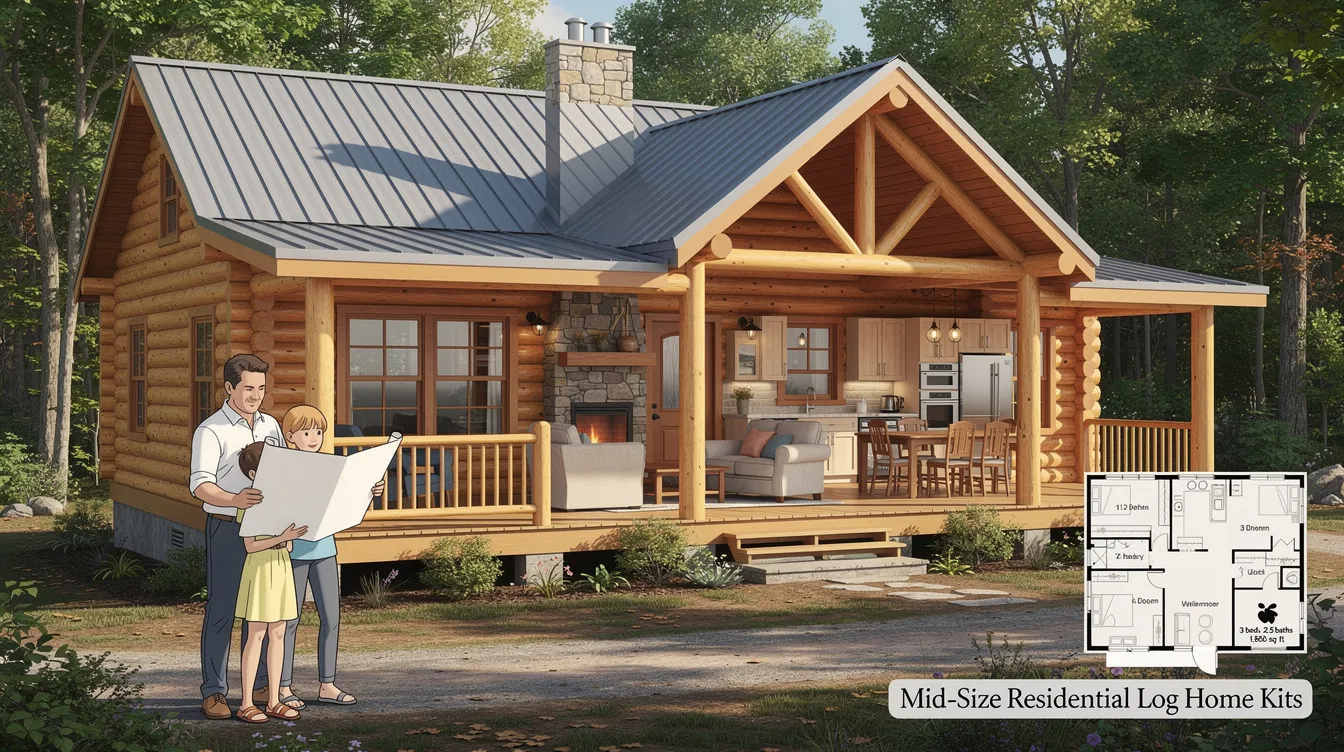
Luxury Custom Kits (2,500+ sq ft)
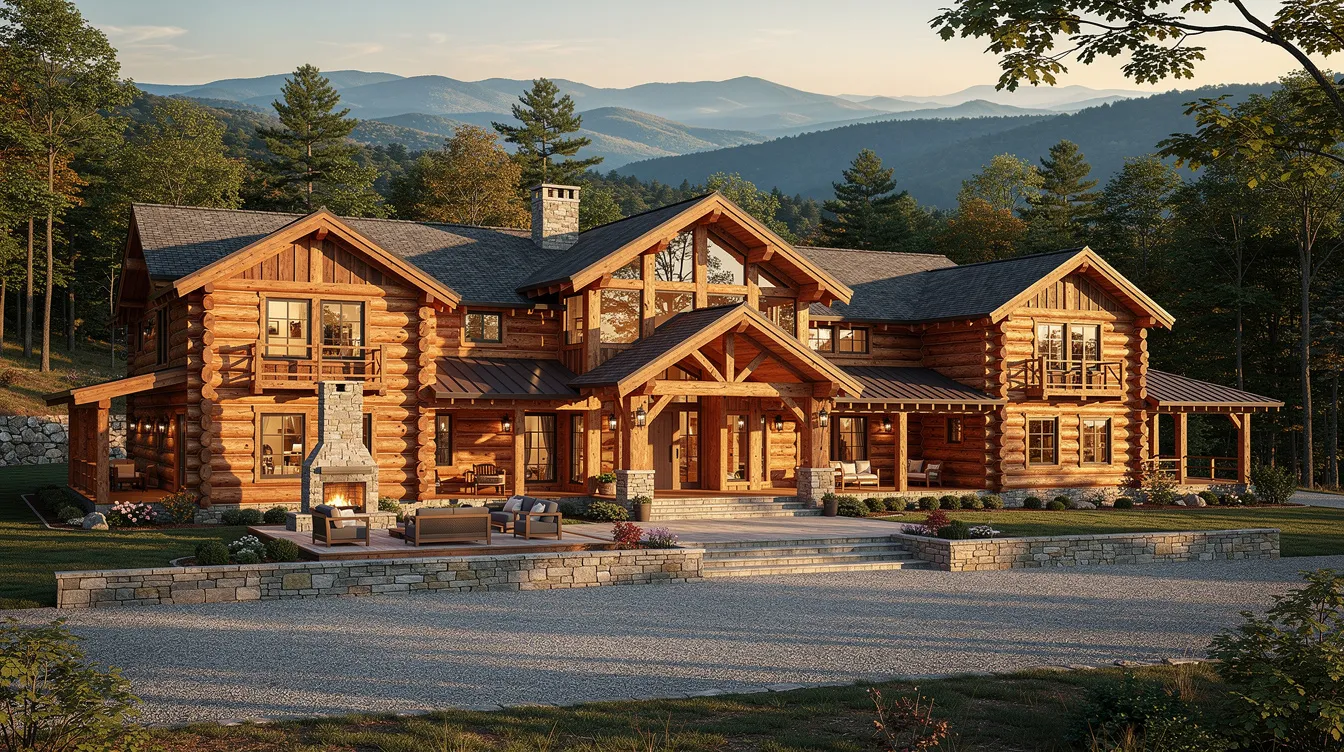
For buyers wanting a dream log cabin with exceptional craftsmanship and premium detail, luxury kits exceed 2,500 sq ft and can reach over 4,500 sq ft. HearthStone / Mountain Construction provides standard plans featuring European dovetail joints, through bolts, and live-edge logs-features that define high-end log construction. These kits serve owners building spacious mountain retreats or custom home primary residences near Asheville, Charlotte, or the surrounding highlands, and some buyers also compare A-frame home kits for sale for alternative designs. Asheville is known for its picturesque mountain vistas and log cabins, making it one of the most sought-after areas for luxury log cabin construction.
What to Look For in North Carolina Log Cabin Kits
Not every log cabin kit is built for NC conditions. The state’s varied climate zones, humidity levels, and building codes demand specific features. Here’s what separates a quality kit from a generic one.
Construction Materials and Methods
Log cabin kits can include a variety of wood types such as pine and cedar, each offering different characteristics for durability and insect resistance. In NC’s humid climate, kiln-dried logs-typically dried to around 18–20% moisture content in a controlled environment-are preferable to air-dried logs, which can take months or years to season properly and risk decay in high-humidity areas. Log cabin kits include pre-cut materials and detailed plans, and quality control managers inspect every aspect of log homes before delivery.
Notching and connection systems matter enormously. Traditional dovetail, saddle notch, and engineered through-bolt systems each affect tightness, settling behavior, and long-term maintenance. HearthStone’s standard plans, for example, use European dovetail joints rated for 110 mph wind loads-a critical specification for both mountain and coastal NC sites. High quality materials and proven joinery techniques reduce the ongoing maintenance burden. Maintaining a log cabin requires regular staining, sealing, and inspections, so starting with quality materials makes a measurable difference over decades, especially if you are also considering pre-built log home options.
Energy Efficiency Features
Energy efficiency is a benefit of log cabin construction due to solid wood thermal mass. Log cabins provide exceptional thermal performance year-round-solid wood construction reduces heating costs in winter while helping maintain comfortable temperatures with minimal energy consumption through NC’s warm summers. Log cabins in North Carolina provide excellent energy efficiency year-round, much like well-designed tiny house kits available through major retailers.
However, solid log walls have relatively modest R-values compared to framed and insulated walls. NC spans multiple climate zones-Zone 3A (hot-humid) covering roughly 79% of counties, Zone 4A (mixed-humid) at about 16%, and Zone 5A (cold) in high-elevation mountain counties like Avery, Watauga, and Mitchell. Some kits include modern amenities like energy-efficient windows with proper U-factors for these zones, and hybrid wall systems (log exterior with insulated interior) are increasingly common to meet updated energy code requirements. The right kit will address windows, roof insulation, and vapor management for your specific NC location.
North Carolina Building Code Compliance
Local building codes and climate requirements are important for log cabin kits in North Carolina. Under the 2024 NC State Building Code, log cabins are classified as “alternate materials, design, and methods” under Section 105, meaning local code enforcement must specifically approve log construction plans. Kits that comply with the ICC 400 Standard for log structures offer a recognized compliance pathway that can streamline the permitting process.
Pre-engineered kits with stamped plans, structural specifications, and documented wind and snow load ratings save significant time and money during plan review. Foundation compatibility is another critical aspect-whether your site calls for crawlspace, slab, or pier foundations depends on local soil conditions and frost depth, which vary widely from the mountains near Rocky Mount to the Piedmont around High Point and Raleigh. Log cabin kits can accommodate various foundation types, but this must be specified during the planning stage.
How to Choose the Right Log Cabin Kit
Selecting the perfect log cabin kit comes down to four decision criteria that shape every other choice in the building process:
- Intended Use – A primary residence demands full insulation, utility systems, and year-round durability, and some North Carolina buyers also weigh tiny home builders in the state when deciding what type of small dwelling best fits their needs. A seasonal cabin or guest house may prioritize simpler construction and lower cost. Log cabin kits are often sold as shell-only or dry-in packages, so clarify what’s included before you purchase. A log cabin kit can offer customization options for features like decks and lofts, and log cabin kits can be fully customized to fit needs.
- Location in North Carolina – Mountain sites near the Blue Ridge Parkway face snow loads, freeze-thaw cycles, and steeper access roads. Coastal sites near Wilmington deal with wind exposure and high humidity. Piedmont locations around Charlotte, Greensboro, or Winston Salem sit in mixed-humid zones. North Carolina offers diverse landscapes for log cabin construction, and each demands different kit specifications for insulation, structural loads, and moisture control, just as you would find when evaluating tiny house communities in North Carolina.
- Budget and Timeline – Log cabin kits account for roughly 40% of the total construction budget in North Carolina. Log cabin kits typically do not include site preparation and foundation costs in their price, so expect total installed costs to range from roughly $100–$300 per sq ft depending on size and finishes. Transparent pricing builds trust in the log cabin investment process-look for suppliers who clearly itemize what the kit includes versus what you’ll need separately. Log cabin kits offer cost savings and faster construction in North Carolina compared to fully custom site-built homes, and for some buyers rent-to-own log cabin arrangements further improve affordability. Kits vary in completeness and customization options available, so understand exactly what’s included.
- Site Conditions – Soil type, slope, road access for delivery trucks, and available utilities all determine which kit specifications and foundation type will work. Shipping heavy logs into remote mountain counties increases costs, which is why some owners opt for compact tiny house cabin retreats on more accessible sites instead. Evaluate your land and site conditions as the first step before committing to a specific kit or builder.
Frequently Asked Questions
Do log cabin kits work well in North Carolina’s climate?
Yes. With proper design choices-rot-resistant species like cedar, kiln-dried logs, adequate roof overhangs, quality sealants, and energy efficient windows-log cabin kits perform well across NC’s climate zones. The key is matching your kit to the specific humidity, temperature, and weather exposure of your building site. Log cabins offer a unique blend of rustic charm and modern convenience when properly specified for local conditions. Log cabins maintain excellent value when properly maintained.
What permits do I need for a log cabin kit in North Carolina?
A building permit is required in every NC county. Because log cabins fall under “alternate materials” in the NC code (Section 105), your plans must be specifically approved by local building inspection. Permitting requirements vary by county and may include structural engineering documentation, soil reports, foundation permits, and erosion control plans-particularly in mountain or coastal zones. Working with a kit supplier experienced in NC codes, such as Gastineau Log Homes, which has been operating in North Carolina since 1977, can simplify the entire process.
How long does it take to build a log cabin from a kit in NC?
The construction process follows a logical sequence from foundation to finish. Log cabin construction can be completed in as little as one day for shell assembly on smaller kits, and log cabin kits can be delivered and set up in one day in some cases. However, the full construction process-including foundation work, utilities, interior finishing, and inspections-typically runs 6–12 months. Weather, site accessibility, and labor availability in remote areas can extend timelines. Log cabin construction requires careful planning and quality control at every stage.
Can I install a log cabin kit myself in North Carolina?
DIY assembly is possible, especially for smaller cabin kits at the shell stage. Log cabin kits include pre-cut materials and detailed plans that support owner-builders. However, structural work in areas with significant snow or wind load requirements may need a licensed contractor or supervised assembly to satisfy code enforcement. Insurance and warranty coverage can also be affected by self-installation. For larger or more complex builds-particularly a dream home or custom log home-partnering with an experienced builder with local expertise is the recommended approach. Companies like Tar River Log Homes in eastern NC and Lincoln Log Home Enterprises in Salisbury offer both kits and professional support.
Finding Your Perfect North Carolina Log Cabin Kit
Owning a log cabin in NC starts with understanding your location, your intended use, and the quality details that matter for this climate. Whether you’re planning a compact mountain retreat, a family-sized log home near the Piedmont, or a luxury property with exceptional craftsmanship in the highlands, the right kit turns the dream of log cabin living into reality. Log cabin kits vary significantly in pricing and customization options, so compare what each supplier includes, verify code compliance for your county, and visit suppliers to see the quality of materials and factory processes firsthand. That clarity is the first step toward making your dream log cabin a reality.