Massachusetts is embracing tiny living.
Rising housing costs have pushed median home prices to over $620,000 in 2025. Traditional homes feel out of reach for many families.
Enter tiny house communities in Massachusetts.
These compact homes offer affordable alternatives. They promote sustainable living. And they’re growing fast.
The state adopted Appendix Q from the International Residential Code in 2020, setting uniform construction guidelines for tiny homes on foundations up to 400 square feet. Massachusetts permits tiny houses as permanent dwellings under this code, covering homes of 400 square feet or smaller.
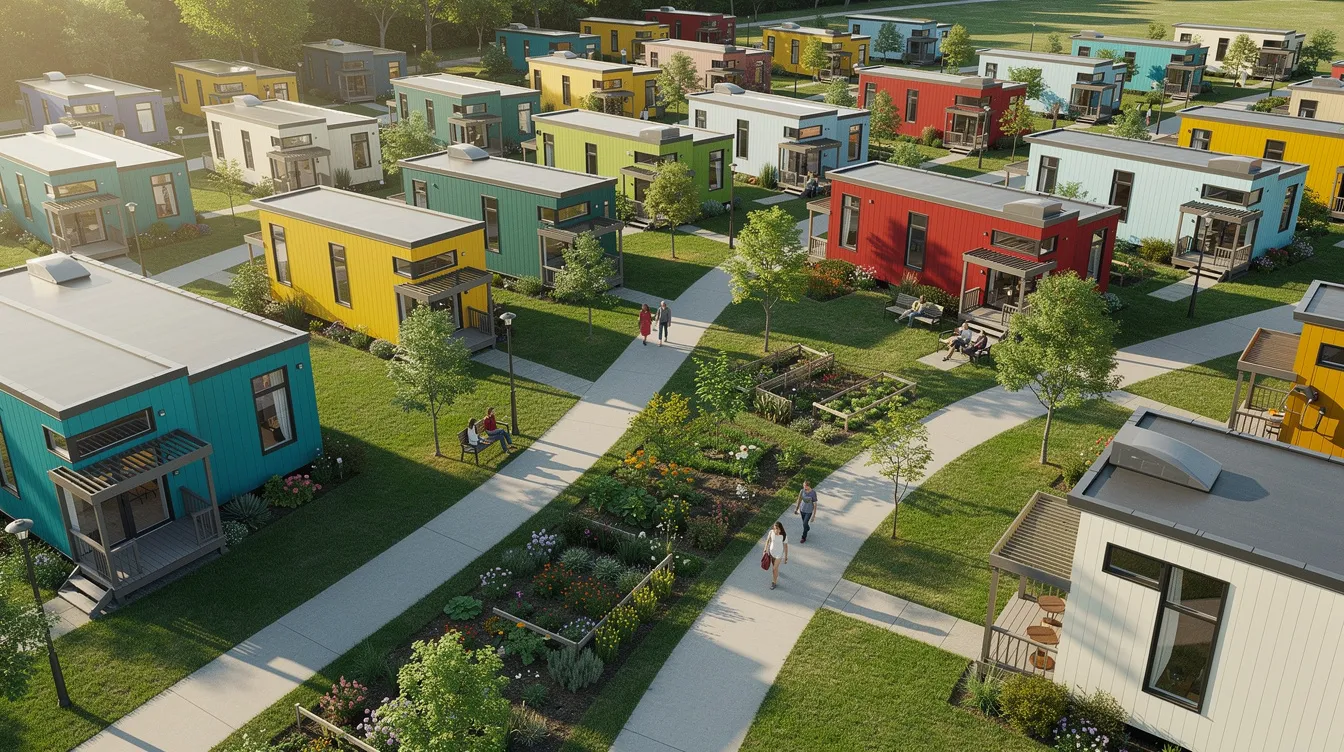
Tiny house communities in Massachusetts are evolving from seasonal RV-style villages to permanent accessory dwelling units (ADUs) and dedicated pocket neighborhoods. They emphasize a smaller carbon footprint and shared spaces.
Tiny living promotes a reduced environmental impact, as smaller homes typically require fewer resources to build and maintain, leading to lower energy consumption and waste production, especially in minimalist tiny houses designed for sustainable living.
But which communities are best? Let’s find out.
- How We Chose the Best Tiny House Communities
- Top 5 Tiny House Communities in Massachusetts
- Quick Comparison of the Best Tiny House Communities
- How to Choose the Right Tiny House Community
- Which Option Is Best for You?
- Final Thoughts
How We Chose the Best Tiny House Communities
Selecting the best communities required research across multiple factors.
Location and Accessibility Proximity to Boston, suburbs, and cities matters. We evaluated access to jobs, urban amenities, and transportation.
Community Amenities Shared amenities in tiny house communities include community gardens, common houses, and workshops. These create vital connections among residents.
Zoning Compliance Every community must meet MA regulations. We verified legal status and building code adherence.
Sustainability Features From solar power to rainwater systems, eco-friendly practices distinguish top communities.
Community Culture Some communities offer collaborative governance. Others provide professional management. Both serve different personal preferences.
Pricing and Affordability Building a tiny home in Massachusetts can start at around $112,000, which is generally lower than traditional home prices. Living in a tiny home can lead to significant cost savings, as both the initial purchase price and ongoing maintenance costs are generally lower compared to traditional homes.
Safety and Security Gated access, community watches, and well-lit spaces support resident wellbeing.
Accessory Dwelling Units (ADUs) are permitted by-right statewide in Massachusetts as of 2024, allowing homeowners to add tiny-style units to their lots without special permits, making it easier to implement accessory dwelling units as practical housing solutions.
Top 5 Tiny House Communities in Massachusetts
1. Village Hill Cohousing – Northampton
This eco-focused community sits near downtown Northampton. It blends urban access with nature immersion.
Village Hill in Northampton, launched in 2019, features 28 eco-tiny homes and promotes sustainability and community living with shared governance and eco-friendly features.
Why It Stands Out
Solar integration defines this community. Tiny homes in the region typically boast a 40% reduction in energy use compared to traditional homes, utilizing solar integration and eco-friendly materials.
Best For
Environmental enthusiasts seeking balance between urban amenities and nature access.
Key Strengths
- 28 eco-tiny homes with shared governance model
- Walking trails and public transit connections
- Strong community interaction and collaborative problem-solving
- Gardens and green space throughout
Possible Limitations
- Limited availability due to high demand
- Higher upfront costs due to eco-features
2. Hillcrest Community – Rockland
Family-friendly mobile and tiny home ownership near Boston.
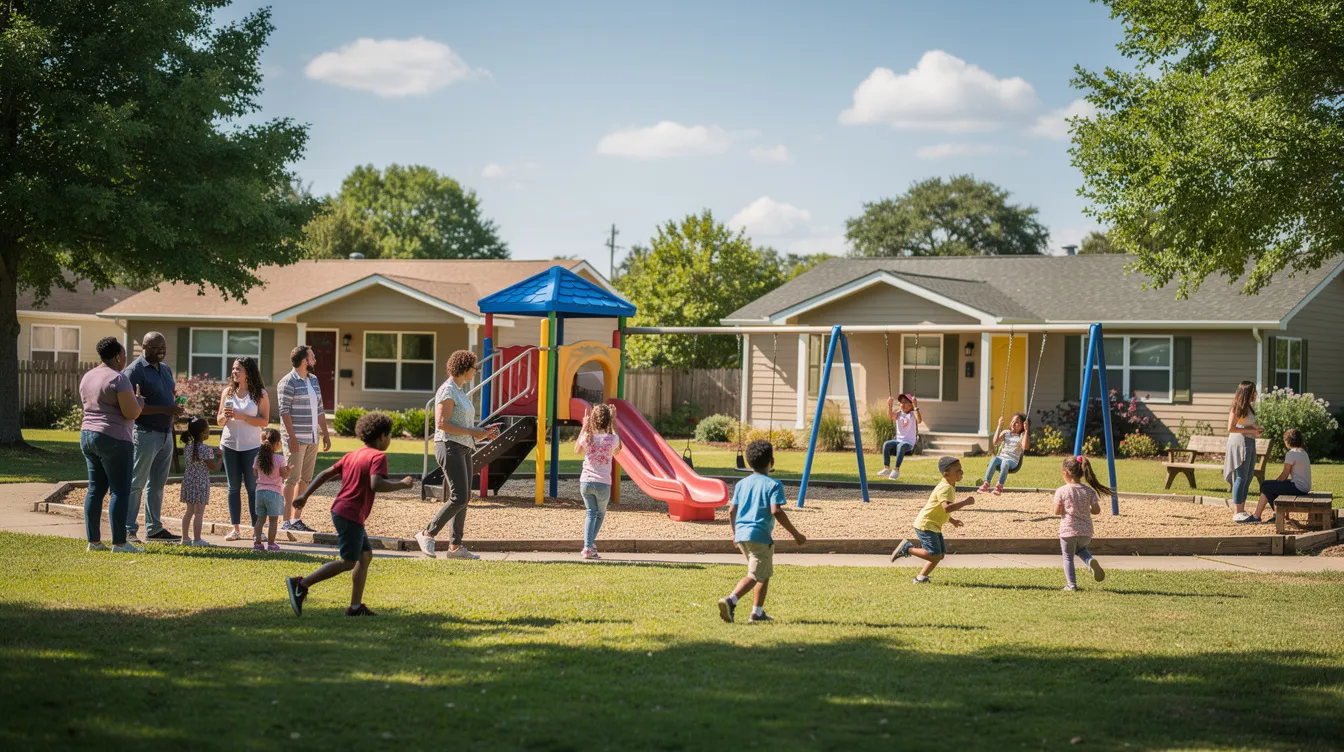
Hillcrest in Rockland offers family-oriented mobile and tiny spots, ensuring stability through resident ownership and fostering a community atmosphere.
Why It Stands Out
Resident ownership empowers community decision-making. This cooperative model, established through a 1970s buyout, enhances affordability and quality of life.
Best For
Families seeking stable, long-term tiny house living with community amenities.
Key Strengths
- Family-oriented policies supporting residents of all ages
- Close proximity to Boston while maintaining nature access
- Cooperative ownership enhances affordability and quality
- Lot rents range $600-$900/month
- Playgrounds, clubhouse, and support programs for homeowners
Possible Limitations
- Limited availability for new residents
- Ownership requirements may not suit all budgets
3. Brewster Green Resort – Brewster, Cape Cod
Luxury meets tiny living on Cape Cod.
Brewster Green Resort in Brewster, MA, combines luxury with tiny living, featuring compact homes with modern amenities and access to recreational facilities like swimming pools and tennis courts.
Why It Stands Out
This 55+ community combines resort-style amenities with small homes near beaches.
Best For
Retirees and vacation home seekers wanting upscale amenities and Cape Cod lifestyle.
Key Strengths
- Swimming pools, tennis courts, and walking trails
- Prime Cape Cod location near beaches and town center
- Modern amenities in compact homes (400-1,200 sq ft)
- Beach shuttle service
- Park models and foundation homes available
Possible Limitations
- Higher cost due to resort amenities and Cape Cod location (lot fees $800-$1,200/month)
- Seasonal community atmosphere may not suit year-round residents
- Primary residence requirements vary
4. The Meadows Tiny House Community – Carver
Sustainable community emphasizing self-sufficiency and eco-friendly living.
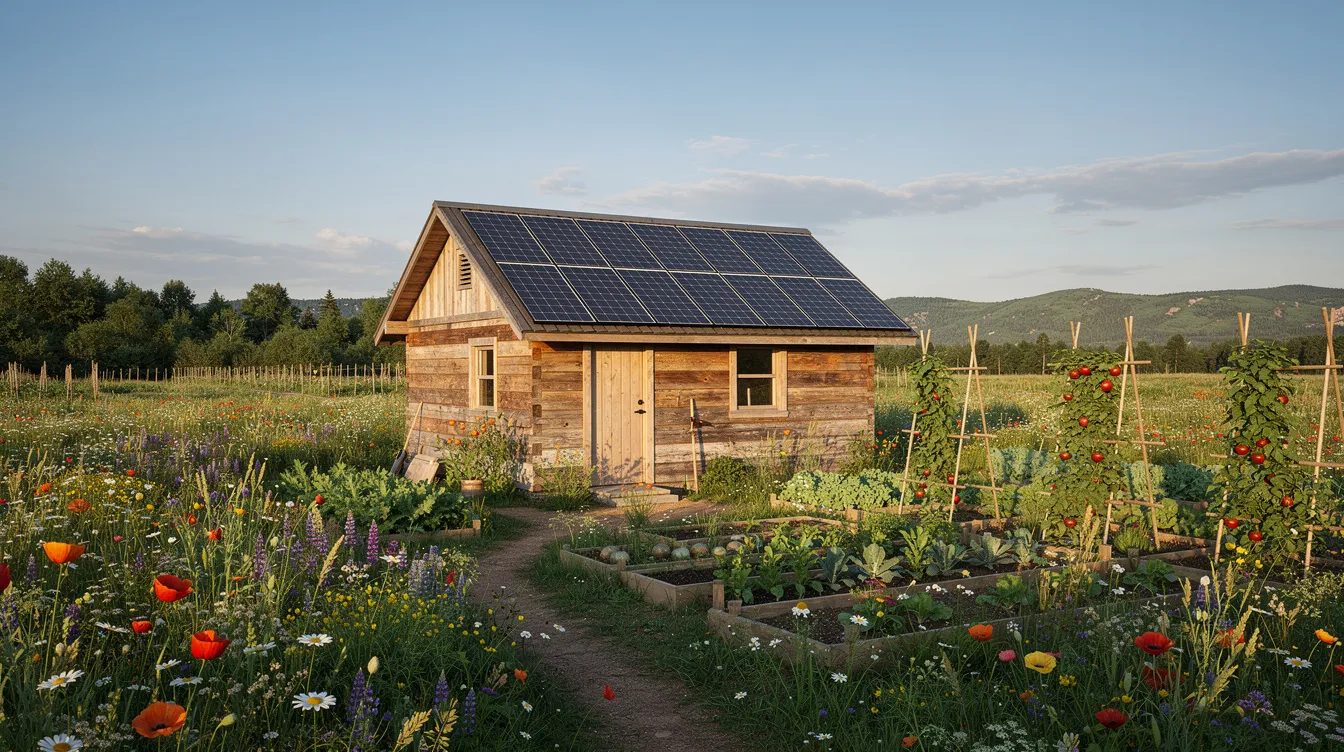
The Meadows Tiny House Community in Carver, MA, emphasizes eco-friendly practices, incorporating solar power and rainwater harvesting, and encourages residents to cultivate their own gardens, reflecting many features of self-contained tiny homes for off-grid living.
Why It Stands Out
Rural flexibility and off-grid capabilities attract tiny home dwellers seeking independence.
Best For
Environmental enthusiasts seeking off-grid living and self-sufficiency.
Key Strengths
- Surrounded by meadows and woodlands for nature immersion
- Encourages gardening and sustainable practices
- Strong community focus on environmental responsibility
- Utilities designed for minimal waste
Possible Limitations
- More remote location with limited access to urban amenities
- Off-grid living may require significant lifestyle adjustments
- Storage space considerations for seasonal items
5. Cape Cod Village – Orleans
Specialized tiny home community for adults with autism providing supportive living.
Cape Cod Village in Orleans, MA, is designed specifically for adults with autism, providing a supportive and inclusive environment with compact homes adapted to their needs.
Why It Stands Out
Uniquely adapted homes and on-site professional support create tailored solutions for residents with special needs.
Best For
Adults with autism and their families seeking independent yet supportive living.
Key Strengths
- Homes specifically adapted for accessibility and comfort (~600 sq ft)
- Professional support staff creating safe environment (24/7 on-site)
- Fosters independence while providing necessary assistance
- Vocational programs with 80% resident employment outcomes
- Expert designers created spaces meeting specific sensory needs
Possible Limitations
- Limited to specific population with particular needs
- May have waiting lists (18-24 months) due to specialized services
- Application-based entry through organization
Quick Comparison of the Best Tiny House Communities
Community | Best For | Location | Key Feature |
|---|---|---|---|
Village Hill Cohousing | Eco-conscious residents | Northampton | Urban-nature balance |
Hillcrest Community | Families | Rockland (near Boston) | Long-term ownership |
Brewster Green Resort | Retirees | Cape Cod | Luxury amenities |
The Meadows | Off-grid enthusiasts | Carver | Sustainability focus |
Cape Cod Village | Adults with autism | Orleans | Supportive independence |
The tiny house movement encourages a minimalist lifestyle, which can lead to increased financial flexibility and a focus on experiences rather than material possessions, as shown by many innovative tiny homes redefining small-space living. |
How to Choose the Right Tiny House Community
Choose Based on Location and Lifestyle
Consider proximity to work, family, and preferred activities.
- Boston suburbs offer diverse job access
- Cape Cod provides beach life and seasonal tourism business opportunities, which can appeal to fans of tropical tiny homes for cozy beachfront living
- Western MA towns like North Adams offer affordable land and rural character
Evaluate urban vs. rural preferences. Some tiny home community options serve those wanting trails and nature, similar to tiny house nature retreats that blend minimalism with the outdoors. Others prioritize proximity to cities.
Choose Based on Community Culture
Assess governance preferences:
- Collaborative: Village Hill, Hillcrest (shared decision-making)
- Managed: Brewster Green (professional oversight)
- Supportive: Cape Cod Village (staff-assisted)
Consider family-friendly vs. adult-oriented atmosphere. Hillcrest supports families of all ages. Brewster Green focuses on 55+ residents.
Tiny house communities in Massachusetts often focus on intentional living, emphasizing community connections and inspiring many people to explore tiny house resources and inspiration before committing to a move.
Choose Based on Budget and Ownership Model
Compare payment structures:
Model | Example | Monthly Cost |
|---|---|---|
Rental | Various parks | $1,000-$2,000 |
Cooperative ownership | Hillcrest | $600-$900 lot rent |
Resort-style | Brewster Green | $800-$1,200 + purchase |
Factor ongoing fees, utilities, and maintenance costs. |
Zoning rules for tiny houses differ by town in Massachusetts, with some municipalities encouraging tiny houses to boost affordable housing stock, while others impose restrictions to preserve traditional neighborhood aesthetics.
Communities often face zoning restrictions that vary by town, with many areas still restricting mobile tiny homes.
Nantucket County defines tiny houses as detached units under 500 square feet on movable trailers, secured to foundations via permits, blending mobility with permanence, which aligns well with how top micro house builders approach compact, flexible designs.
Barnstable County treats tiny houses as accessory dwelling units (ADUs), integrating them into existing properties while upholding safety and aesthetic standards, creating opportunities to apply modern tiny house design ideas on existing lots.
Which Option Is Best for You?
Choose Village Hill Cohousing if you want eco-friendly living with urban access. Sustainability and shared governance create connected community life.
Choose Hillcrest Community if you need family-friendly ownership near Boston. Cooperative model provides stability and affordability.
Choose Brewster Green Resort if you want luxury amenities and Cape Cod lifestyle. Resort features and beach access support comfortable retirement.
Choose The Meadows if your priority is sustainable, off-grid living. Gardens, solar, and rainwater systems create self-sufficient housing.
Choose Cape Cod Village if you need specialized support for autism. Professional staff and adapted spaces foster meaningful independence.
Builders and developers continue creating new options across MA counties. Research local planning departments for emerging communities and compare them with tiny house communities and options in Texas to understand how different regions approach this lifestyle.
Final Thoughts
The best tiny house community depends on your priorities.
Massachusetts tiny house regulations continue evolving. Permanent tiny homes gain acceptance across more municipalities. Local owners report improvements in quality of life and financial freedom.
Tiny houses must adhere to Massachusetts’ Appendix Q, which sets construction standards for homes up to 400 square feet, impacting overall building costs and compliance requirements. Costs for tiny houses in Massachusetts can vary significantly based on size, foundation type, and compliance with local regulations, with total expenses reflecting quality and adaptability.
Before deciding, visit communities. Talk with current residents. Walk the trails. Test the space.
Some communities work better for families. Others serve retirees or those with wheels-based mobility preferences. Construction quality, foundation type, and zoning all affect your experience.
Tiny house communities offer diverse solutions for different housing needs. They create pathways to homeownership. They support locals seeking affordable alternatives to traditional homes.
The world of Massachusetts tiny living keeps growing.
Your perfect community is waiting.