
Europe has a rapidly growing tiny house movement, and finding the right manufacturer is the single most important decision you’ll make when buying a tiny home on this continent. This guide from Explore Tiny House breaks down the types of builders operating across Europe, highlights notable companies by region, explains what to look for in quality and compliance, and gives realistic 2024 price ranges so you can compare options with confidence. Whether you’re planning a permanent residence, a vacation home, a rental property for additional income, or simply want the freedom of a smaller, more intentional living space, the information below will help you navigate a market that spans from Portugal to Estonia and everywhere in between.
Tiny houses in Europe range from 10 to 40 square meters, and European tiny house designs often emphasize energy efficiency. Prices for tiny houses in Europe typically range from €20,000 to €60,000 for standard models, though luxury tiny houses can cost up to €150,000 or more depending on size, materials, and finish level. The tiny house market in Europe includes both traditional homes and modern modular structures – and the companies building them vary enormously in what they offer.
Types of Tiny House Manufacturers in Europe
Not all tiny house builders are the same. European manufacturers specialize in different construction methods, mobility types, and price levels – and understanding these categories is the fastest way to narrow your search to companies that actually fit your individual needs.
1. Tiny Houses on Wheels (THOW) Specialists
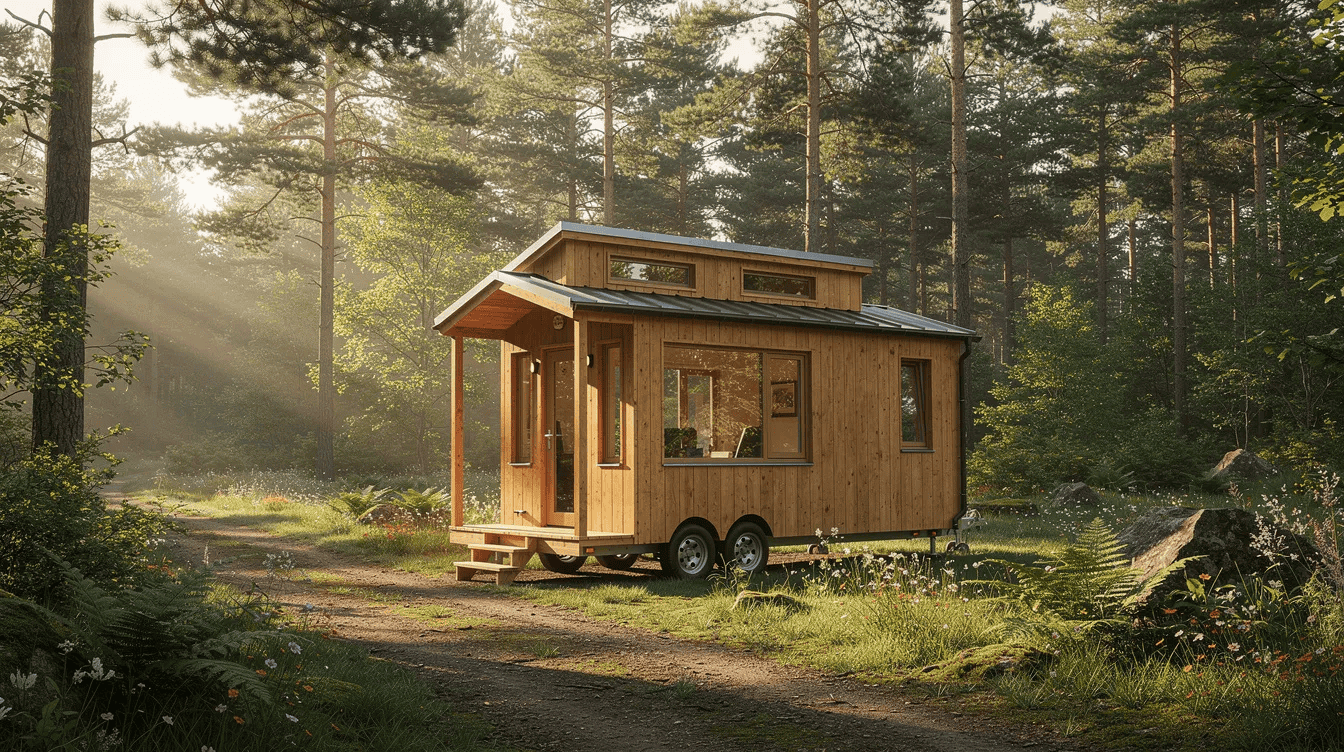
THOW manufacturers focus on building houses on trailers that remain road-legal, typically under 3.5 tonnes total weight with a maximum width of about 2.55 m and height around 4 m. These tiny houses on wheels can be relocated easily on trailers, offering lifestyle flexibility that fixed structures simply can’t match. Common use cases include full-time mobile homes, glamping sites, mobile offices, and garden studios. Countries where THOW builders are especially common include Poland, the Netherlands, the UK, and France. There are various building regulations for road-legal tiny houses in Europe, so buyers should pay special attention to trailer registration and chassis compliance.
2. Modular / Prefab Tiny House Factories
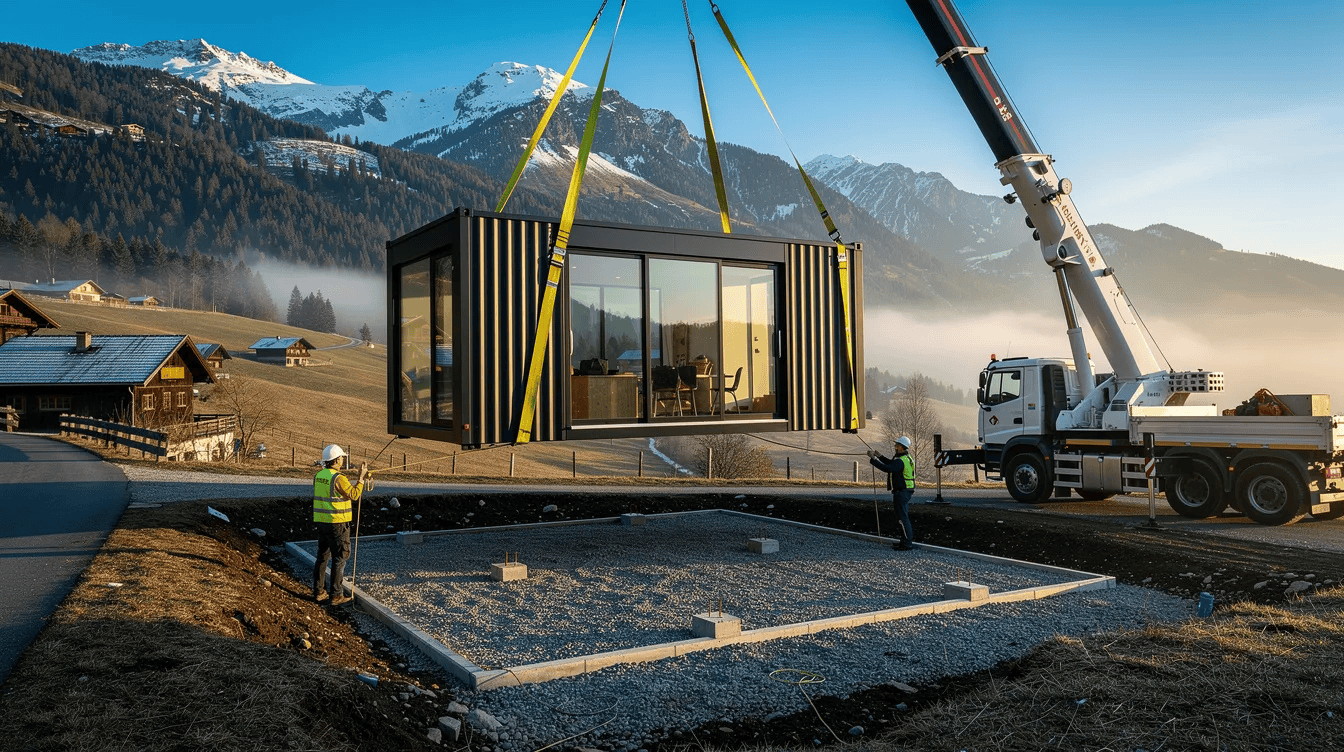
These manufacturers build complete modules in a factory, then deliver them by truck to be craned onto foundations or ground screws at the final location. Modular houses are popular in Scandinavia, Germany, and the Baltic states, where harsh winters demand thick insulation and airtight construction. Typical size ranges run from 20 to 50 m². The key advantage is better energy efficiency and easier compliance with strict building codes – making them a strong choice for anyone seeking a permanent residence in a cold climate. Manufacturers provide tiny houses designed for year-round living in this category, often meeting or exceeding national energy performance standards.
3. Eco & Off-Grid Tiny House Builders
Several manufacturers specialize in eco-friendly and sustainable designs. These producers prioritize wood from sustainably managed forests, natural materials like sheep wool, cellulose, and hemp insulation, plus off-grid systems including solar panels, rainwater harvesting, and composting toilets. Typical markets include rural France, Austria, Italy, Spain, and Slovenia – regions with strong eco-tourism scenes. Many of these builders offer “off-grid packages” as add-ons, letting customers tailor the level of self-sufficiency. If you’re interested in self-sufficient tiny homes, this is the category to explore.
4. Luxury and Design-Led Tiny House Studios
At the premium end, boutique studios combine architectural design with manufacturing, delivering modern tiny houses with high-end finishes, large glazing, smart-home systems, and meticulous modern design. Rough price brackets for 30–50 m² models typically fall between €90,000 and €150,000. These are popular with boutique resorts, Airbnb operators, and design-conscious city dwellers who want a cool, architecturally significant space. They represent the intersection of sustainable living and luxury – where environmental impact is minimized without sacrificing comfort or aesthetics.
5. DIY-Friendly Kit and Shell Manufacturers
Kit and shell manufacturers sell the structural frame or building envelope rather than a turnkey product. The target audience is hands-on builders who want to save money and customize interiors to suit different lifestyles. This approach is common in countries with strong self-build cultures: the UK, Germany, Scandinavia, and the Czech Republic. A typical shell might cost €30,000–€55,000, leaving the buyer to complete the bathroom, kitchen, furniture, and finishing – which can significantly reduce total cost if you have the skills and tools. Many tiny house builders focus on maximizing space through innovative design even in their kit offerings, providing detailed floor plans with loft layouts.
Key European Tiny House Manufacturers to Know in 2024
This section provides a curated snapshot of notable manufacturers across Europe – not an exhaustive list, but enough to illustrate the range of what’s available by region. Each description covers location, specialty, typical sizes, starting prices, and delivery areas.
Tiny House Manufacturers in Western Europe
- Quadrapol (France/Poland): Offers THOWs, garden studios, and small timber-frame chalets for tourism and permanent living. With a showroom near Avignon and a workshop in Poland, they blend custom projects with catalogue models. French entry-level models sometimes come in under €40,000 for roughly 20 m², with higher-spec versions scaling up significantly. Delivers across France and the EU with natural insulation options.
- Baluchon (France): A respected name in the French tiny house movement, specializing in THOWs built with eco friendly materials including hemp and natural insulation. Known for small-scale, artisan production and distinctive craftsmanship.
- Netherlands builders: Dutch companies offer compact, highly insulated turnkey tiny houses suited to the country’s wet, windy climate. Manufacturers like Tiny House Factory offer models including the Visby – billed as the tiniest house in their range. Prices for modular units in the Netherlands often start around €70,000–€90,000 for 25–40 m².
- Belgium & Luxembourg: Cross-border delivery from French, Dutch, and German manufacturers is common practice, giving buyers access to a broader range of companies without heavy transport premiums.
Tiny House Manufacturers in Northern Europe & Scandinavia
- Sweden & Norway: Manufacturers here produce highly insulated cabins for extreme cold, often on steel frames or as modules. Construction quality is typically excellent, with triple-glazed windows and wall thicknesses of 200–300 mm or more. If you’re considering a 4 season tiny house, Scandinavian builders set the standard. The Stuga model, at 65 square meters, costs €98,000 – a useful benchmark for the region’s mid-to-upper range.
- Finland: A strong tradition of saunas and cabins has naturally extended into the tiny house space. Off-grid and lakeside designs dominate, with a focus on wood construction and nature-integrated living.
- Denmark: Design-forward studios here focus on minimalist Nordic aesthetics and high-end finishes, positioning their products as designer cabins or microhotel units.
Tiny House Manufacturers in Central Europe
- Germany & Austria: Precision-engineered prefab tiny houses meeting strict energy standards are the norm. Wohnwagon in Austria is a standout example – a manufacturer committed to eco modular houses in solid timber, strong on off-grid autarky and natural materials. Their models range from the ~28 m² Oskar to the 60–80 m² Franz, with a 27 m² luxury autarkic configuration costing approximately €195,000 with full off-grid systems and premium finish. German turnkey tiny houses under 60 m² average roughly €3,900 per m². Many companies adhere to European building standards and KfW energy efficiency ratings.
- Switzerland: Premium pricing reflects high labour costs and strict building regulations. A fully finished 30 m² tiny house can reach around €123,000 – and often targets chalet-style micro home aesthetics.
- Czech Republic & Slovakia: A growing scene of mid-range tiny home builders and kit-house suppliers serves both domestic and EU export markets at competitive prices.
Tiny House Manufacturers in Eastern Europe
- Poland: The country has become a significant manufacturing hub for the European tiny house market. REDUKT Tiny Houses in Kościan builds turnkey THOWs for year-round use, exporting to Germany, Austria, Switzerland, and Norway since approximately 2017. The REDUKT PURA model accommodates two to four people. Mobi House, another Polish manufacturer, focuses on classic THOWs and mobile homes with broad customisation and exports across the EU. Average price per m² in Poland runs roughly €1,050–€1,650 for 20–30 m² homes – a fraction of Western European rates.
- Baltic States (Estonia, Latvia, Lithuania): KODA by Kodasema in Estonia produces architecturally focused prefab micro-houses in the 20–40 m² range, shipped across the EU as modules. Baltic eco-prefab factories emphasize timber construction and energy efficiency, exporting primarily to Scandinavia and Western Europe.
- Romania & Bulgaria: Emerging low-cost manufacturers and workshop builders often handle custom projects for local rural sites. According to Kubo TinyHouse data, a fully finished ~20 m² tiny home in Romania costs around €22,000, while a ~30 m² model averages roughly €31,500.
Tiny House Manufacturers in Southern Europe
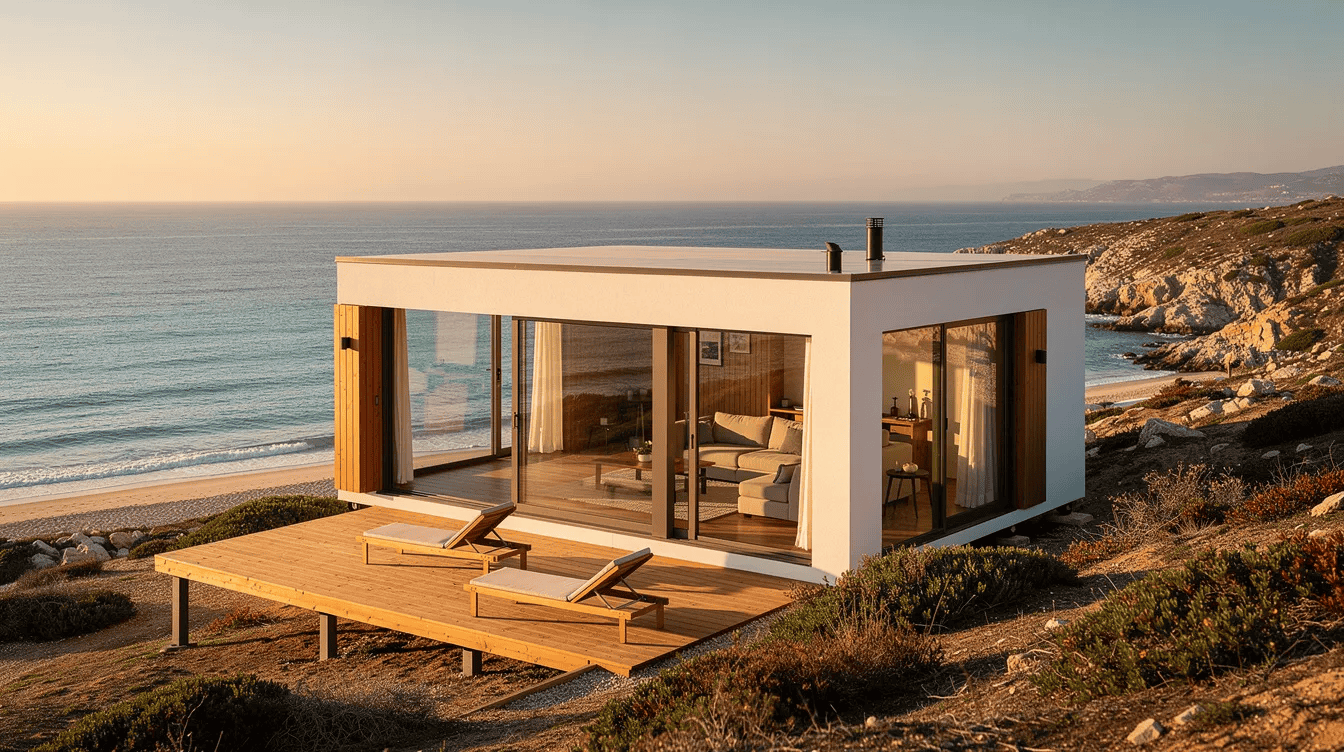
- Italy: Eco tiny houses with Mediterranean aesthetics, terraces, and large windows designed for coastal or hillside plots. Natural ventilation and passive solar strategies often replace heavy insulation needs.
- Spain & Portugal: Tinyhouse Portugal has offered budget-friendly THOWs since approximately 2016, with designs optimized for sun and warm climates. Off-grid and solar-optimized tiny homes are popular for sunny locations in Andalusia, Catalonia, and the Algarve. For anyone exploring a tiny house solar setup, southern European manufacturers have particular expertise.
- Greece & Croatia: Seaside and island-focused cabins used for seasonal rentals and microhotels. These locations increasingly attract tiny house customers looking to create a rental property that generates additional income.
What to Look For in a European Tiny House Manufacturer
The builder you choose matters as much as the design itself. Compliance with building codes is crucial for tiny homes, and quality, after-sales support, and transparency separate reliable companies from risky ones. Here’s what to pay special attention to.
1. Compliance with EU and National Standards
Many manufacturers across Europe use CE-marked construction materials and follow Eurocodes for structural, thermal, and safety performance. For THOWs, mobility means the house must meet vehicle and trailer regulations: maximum trailer width is often 2.55 m, height limits sit around 4 m, and the 3.5-tonne weight cap applies in many countries – exceeding these triggers special transport rules and licensing requirements. Zoning laws vary across Europe for tiny houses, and mobile units registered as trailers are treated differently from fixed tiny houses classified as conventional buildings. Always ask manufacturers for documentation: certificates, structural calculations, electrical safety reports, and trailer registration info if applicable.
2. Climate-Appropriate Insulation and Materials
Insulation methods in tiny houses vary depending on regional climates in Europe. A house destined for a Swedish winter needs very different wall, roof, and floor assemblies than one heading to southern Spain. Common insulation materials include rockwool, PIR, wood fibre, sheep wool, and cellulose – and their performance is measured by U-values (the lower, the better). Wall thicknesses in cold-climate builds often reach 200–300 mm. Pay attention to whether the manufacturer offers double or triple glazing, how they handle thermal bridges, and whether they publish detailed cross-section drawings. If they don’t, that’s a red flag. European tiny house designs often emphasize energy efficiency, so the best builders will be transparent about performance numbers.
3. Build Quality and Craftsmanship
Green flags include clean joinery, proper flashing details, well-installed vapour barriers, and robust roof construction. Red flags include visible gaps, poor sealing, and lack of third-party quality checks. Check how long the company has been in production – a manufacturer operating since 2015 carries more track record than one launched last year. Visit example houses if possible. A useful trick: search rental sites like Airbnb or Booking for tiny houses built by that manufacturer and read guest reviews on heat retention, moisture, noise, and build quality.
4. Customisation Options vs Standard Models
Many tiny house manufacturers offer customization options in their designs, but there’s always a trade-off between cost/speed (standard models) and flexibility (custom builds). Typical customisations include adding a home office space, changing loft height, selecting an off-grid package, or choosing exterior cladding. Before committing, clarify what elements are fixed – some prefab systems can’t accommodate changes to structural walls or window placements after the production process begins. If you want a space tailored to your individual needs, budget extra time and money for bespoke work.
5. Warranty, After-Sales Service, and Maintenance Support
The EU provides a minimum 2-year legal warranty on purchased goods, but structural warranties from manufacturers may extend to 5–10 years. Ask whether the builder offers annual inspections, repair services, and spare parts. Documentation should be available in English or your local language, and remote support across borders is essential if you’re ordering from another country. Maintaining a tiny house over time requires access to the manufacturer or their recommended service partners.
6. Delivery, Transport, and Installation
Cross-border deliveries typically involve trucks, and oversize loads may require permits and escort vehicles – adding significant cost. Delivery within 1,000 km might cost €1,500–€5,000 depending on house size and route. Ask whether craning or site preparation (foundations, utility hookups) is included or separate. Transport, delivery, foundation costs, and permits can add 20–40% above the base house price. Tiny houses can be placed on private property or in parks, but always confirm site access: road widths, turning circles, overhead cables, and ground conditions matter for delivery day.
Typical Costs of Tiny Houses from European Manufacturers (2024)
Prices vary considerably by country, size, and specification. These are realistic 2024 ballparks – not aspirational marketing numbers. A tiny house typically requires less material than a standard house, but the compression of all services (kitchen, bathroom, plumbing, electricity) into small spaces means the cost per square metre is often higher than conventional construction.
Entry-Level Tiny Houses
- Basic 15–20 m² THOWs or shells, suitable as weekend cabins, garden offices, or starter units.
- Typical price range: about €25,000–€45,000 for a simple, partially or fully equipped unit. Tiny houses can be built for as low as €20,000 in Eastern European markets.
- At this level, off-grid systems, premium finishes, and custom design are usually excluded. Furniture and appliances may be basic or absent.
- Tiny houses are popular among budget-conscious buyers seeking affordable housing options at this tier.
Mid-Range Turnkey Tiny Homes
- 20–30 m² models with full bathroom, kitchen, sleeping loft, quality insulation, and basic appliances – turnkey tiny houses ready for year-round living.
- Price range: around €45,000–€80,000 depending on country and builder. Initial costs for well-specified models start around €69,000 in many Western European markets.
- This is the most common bracket for full-time living and small rental cabins. Heating costs are significantly lower for tiny houses of this size, and they reduce utility costs due to their smaller space.
High-End and Luxury Tiny Houses
- 30–50 m² models with high quality materials, large glazing, smart-home systems, and architectural modern design.
- Price range: roughly €80,000–€160,000, sometimes more in Switzerland or for highly bespoke builds. As a reference, Wohnwagon’s 27 m² autarkic luxury model costs approximately €195,000.
- Typical buyers include boutique resorts, microhotels, and design-conscious homeowners. These best tiny house designs combine sustainable development with premium aesthetics.
Extra Costs to Budget For
- Delivery and transport: €1,500–€5,000+ depending on distance and oversize requirements.
- Crane hire: often €500–€2,000 per day for modular unit installation.
- Foundations or ground screws: varies widely by soil type and frost depth.
- Utility connections: water, electricity, sewage hookups may cost several thousand euros.
- Permits and planning fees: planning permission may be required for permanent placement of tiny houses.
- Furniture, appliances, and interior finishing (if not included in quoted price).
- Always request itemized quotes from manufacturers so you can compare like-for-like. The advertised price may exclude many critical elements.
How to Choose the Right Tiny House Manufacturer in Europe
Turning the features above into a practical decision process starts with your lifestyle and legal constraints. Here are the criteria that actually determine the right pick:
- Legal status and zoning in your country – First confirm whether you need a building permit, can use a caravan classification, or must meet full residential codes. Most municipalities may not require a permit for tiny houses classified as mobile, but fixed placements typically do. This single factor narrows your manufacturer options significantly.
- Climate and intended location – A house for Lapland mountains differs fundamentally from one for southern Portugal. Steer towards manufacturers experienced with your climate – they’ll know the right insulation thickness, ventilation strategy, and materials. Discover manufacturers who already deliver to your region.
- Primary use: full-time living vs rental vs holiday cabin – Layouts, durability, and finishes differ for year-round living and high-turnover rentals. A rental property needs robust, easy-to-clean finishes and clear safety documentation. A permanent residence demands full compliance with dwelling standards and comfortable living space.
- Budget and financing options – Set a realistic total budget including land, utilities, transport, and permits. Check whether local banks classify the unit as real estate, a vehicle, or require an unsecured loan. Insurance for tiny homes can be challenging to obtain, so factor this into your planning early.
- Timeline and build capacity – Ask about production lead times (typically 4–9 months for many European manufacturers in 2024) and whether the builder can meet your deadline. Some manufacturers have waiting lists of 6–12 months, especially during peak season.
- Communication and transparency – Clear contracts, language compatibility, photo updates from the factory, and references from past customers are non-negotiable. If a manufacturer can’t provide these, move on.
Working with a Tiny House Manufacturer Across Borders
Many buyers order from manufacturers in other EU countries to access better prices, specific designs, or expertise with certain construction methods. Eastern Europe becoming an export hub is one of the defining trends of the European tiny house market. But cross-border orders come with their own considerations.
Language, Contracts, and Expectations
Get contracts in a language you fully understand – English plus the local language where needed. Specify materials, insulation thickness, appliances, and layout in detail, ideally with technical drawings and written specs. Agree on a staged payment schedule tied to milestones (e.g. frame completion, fit-out, delivery), with photos or video calls as proof of progress. Many tiny houses utilize reclaimed materials in construction, so clarify exactly which materials are specified.
Transport, Customs (for UK), and Site Access
Intra-EU shipments are relatively straightforward. Post-Brexit UK–EU movements involve customs paperwork and possible VAT complications. Check access roads, turning circles, overhead cables, and ground conditions at your site before placing the order – not after. Confirm who is responsible for transport insurance and damage during transit. Tiny houses can be relocated easily on trailers within the EU, but oversize loads crossing borders require coordination.
Installation, Hookups, and Commissioning
Some manufacturers offer complete on-site installation and utility hookups; others only deliver to the property boundary. Hire local electricians and plumbers familiar with national standards to sign off installations. Do a detailed handover checklist on delivery day and photograph any issues immediately for warranty records. Tiny houses can serve as permanent homes or vacation rentals, but in either case, proper commissioning of electricity, water, heat, and waste systems is essential.
Alternatives to Buying New from a Manufacturer
Not everyone needs a brand-new tiny house. Pre-owned and DIY routes can reduce cost and wait times significantly.
Pre-Owned Tiny Houses in Europe
The second-hand market across European platforms and local classifieds is growing. Benefits include lower upfront cost, shorter wait times, and units often already fitted out for full-time living. Caution is warranted, though: check roadworthiness (for THOWs), look for moisture damage, and request original manufacturer documentation and any warranty transfers. Tiny houses require less land than traditional homes, making resale locations more flexible.
DIY Tiny House Builds and Kits
There’s a significant difference between buying a shell from a manufacturer and building from a trailer up. DIY can reduce cost substantially – tiny houses use less material than standard homes – but may be harder to certify or insure in some European countries. If you lack construction experience, consider using structural shells or kits from reputable suppliers. Our tiny house building guides cover the construction process in detail. Many tiny houses are designed with off-grid capabilities that advanced DIY builders can integrate themselves, and FSC and PEFC certification indicates sustainable timber sourcing for the wood you purchase.
Frequently Asked Questions About Tiny House Manufacturers in Europe
These FAQs address common questions readers ask when starting to research European builders.
Are tiny house manufacturers in Europe required to follow specific building codes?
It depends on whether the unit is classified as a mobile structure (trailer or caravan) or a fixed building. Mobile units registered as trailers must comply with road-vehicle regulations – weight, width, height, braking, and registration rules. Fixed tiny houses treated as conventional buildings must meet national building codes covering structural safety, fire resistance, insulation, and accessibility. National rules differ significantly between, for example, Germany, France, and the UK, even though EU product standards for materials (CE marking) overlap. Always confirm with local planning authorities before placing an order. Compliance with building codes is crucial for tiny homes regardless of classification.
Can I legally live full-time in a tiny house from a European manufacturer?
Legality depends entirely on zoning and registration status, which vary widely across Europe. In some rural municipalities in the Netherlands, France, and Germany, tiny houses have been successfully permitted as main residences through “light habitat” or similar classifications. However, there is no universal EU-wide right to live full-time in a tiny house. Check local rules about minimum dwelling sizes, permanent vs temporary structures, and utility connection requirements. The tiny house movement promotes minimalist living and sustainable lifestyles, but the legal framework hasn’t caught up everywhere. You can explore more on this topic in our guide to tiny home codes.
How long does it take for a European manufacturer to build a tiny house?
Typical 2024 timelines break down as follows: design and contract phase runs 4–8 weeks, factory production takes 8–16 weeks, and transport scheduling adds additional time depending on distance and permits. High-demand manufacturers may have waiting lists of 6–12 months, especially during spring and summer peak season. Confirm timelines in writing and plan around weather windows for delivery, particularly to mountainous or remote locations. The construction process for custom builds generally takes longer than standard models.
Is it cheaper to buy from manufacturers in Eastern Europe and ship to Western Europe?
Generally, yes. Labour and material costs in Poland, Romania, and the Baltic states result in lower prices per square metre – roughly €1,050–€1,650/m² compared to €2,800–€3,200/m² in Germany, the Netherlands, and Denmark. However, you need to balance this against transport costs (potentially €3,000–€8,000+ for long hauls), possible language barriers, and the absolute need to ensure the finished house complies with destination-country regulations. Compare the full landed cost – house plus delivery plus any duties – rather than the base price alone. European tiny houses can range from portable to stationary modular designs, and the perfect choice depends on total value, not just the sticker price.
Do European tiny house manufacturers offer financing?
Some manufacturers partner with local lenders, but cross-border financing remains tricky. Many buyers use personal loans, vehicle loans (for THOWs on wheels), or equity from selling a larger home. Talk to local banks early to understand how they classify tiny houses for lending purposes – some treat them as real estate, others as vehicles, and others won’t finance them at all. As the market matures, financing and insurance products specifically tailored for tiny homes are expected to expand. Tiny houses reduce carbon emissions due to lower heating needs and promote a minimalistic lifestyle – arguments that some environmentally focused lenders are beginning to recognize.
Next Steps: Explore Manufacturers and Tiny Living with Us
Choosing a tiny house manufacturer in Europe comes down to clarity: clarify your goals, shortlist builders experienced with your climate and legal context, then compare detailed, itemized quotes. Pay special attention to what’s included versus excluded, and always calculate total landed cost. Tiny houses use eco-friendly materials, minimizing environmental impact and helping create a greener future – but only if the build quality and regulatory compliance match the marketing.
Continue exploring our guides for design inspiration, off-grid living strategies, and practical advice on making small spaces work for the life you want. Whether your focus is sustainable living, the freedom of a mobile home, or generating rent from a vacation property, the European tiny house market offers a complete range of options to accommodate different lifestyles and budgets. Save this guide as your reference checklist when contacting manufacturers and visiting show models – it’s the perfect fit for turning research into action.