
Key Takeaways
- Tiny house roof types like shed, gable, gambrel, and flat dramatically affect loft headroom, storage capacity, and overall aesthetic appeal. Choosing the right roof shape can mean the difference between a cramped sleeping loft and comfortable standing room.
- Metal roofing, especially standing seam metal roofs or corrugated metal, is usually the most durable, lightweight, and energy efficient option for tiny homes on wheels. Asphalt shingles work well on stationary tiny houses with foundations.
- Flat roofs on tiny houses are rarely truly flat. They should have at least a 2:12 pitch with materials like EPDM rubber or thermoplastic polyolefin (TPO) to prevent leaks and ponding water.
- Your roof shape and roofing material should match your climate (snow vs. sun), mobility needs, weight limits, and budget. Green roofs and solar panels are possible but require careful planning.
- This article covers ballpark cost ranges as of 2024-2026 and includes a practical FAQ for first-time tiny house builders.
Introduction: Why Tiny House Roof Types Matter
On a 20-30 foot tiny house, every inch of vertical space counts. Your roof isn’t just protection from rain. It determines how much headroom you get in your sleeping loft, how your home looks from the street, and how well it handles extreme weather during highway travel while still staying within maximum height guidelines for tiny houses.
A tiny home is typically 100-400 square feet, often built on a trailer. In North America, road-legal heights max out around 13 feet 6 inches (4.1 meters) including the trailer. That leaves roughly 9-10 feet for your actual structure. Your roof shape eats into that space directly.
The shape and style of a roof can significantly impact the overall aesthetic of a tiny house, with options ranging from flat roofs for a modern look to gable roofs for a classic appearance. Common roof shapes for tiny houses include gable, shed, gambrel, and flat roofs, each offering unique visual and functional characteristics.
This article covers the main roof types (shed roof, gable roof, gambrel roof, and low-slope flat variants) plus roofing options like metal roofing, asphalt shingles, and membranes like EPDM rubber. Everything here comes from a practical builder’s perspective with concrete dimensions, slopes, and real costs.
Priority | Best Roof Shape | Best Material |
|---|---|---|
Mobility | Shed or Gable | Standing Seam Metal |
Simple DIY Framing | Shed | Corrugated Metal |
Maximum Loft Space | Gambrel | Metal Panels |
- Core Tiny House Roof Shapes (Profiles)
- Roofing Materials for Tiny Houses: Pros, Cons, and Use Cases
- Tiny House Roof Design: Pitch, Drainage, and Energy Efficiency
- Climate and Location: Matching Roof Type to Weather
- Cost and Maintenance of Tiny House Roofs (2024-2026)
- Practical Tips for Choosing Your Tiny House Roof
- FAQ: Tiny House Roof Types and Materials
- What tiny house roof type is best if I want to add solar panels?
- How can I keep my tiny house roof as light as possible for towing?
- Is a green roof realistic on a tiny house on wheels?
- How often should I inspect and maintain a tiny house roof?
- Can I realistically DIY my tiny house roof, or should I hire a roofer?
Core Tiny House Roof Shapes (Profiles)
Your roof shape determines interior volume, headroom in lofts, and how effectively water and snow run off. On a tiny house on wheels, dimensions are constrained: 8.5 feet (2.6 meters) road width and about 13 feet 6 inches maximum height in the US and Canada, and these structural choices should fit into an overall plan for building a tiny house from start to finish.
These limits force every roof decision to balance space inside against legal transport requirements. A steep pitch gives better snow runoff but eats height. A shallow slope saves height but may pool water.
Let’s examine four main shapes: shed roof, gable roof, gambrel roof, and low-slope flat roof.
Shed Roof (Single-Slope) Tiny Houses
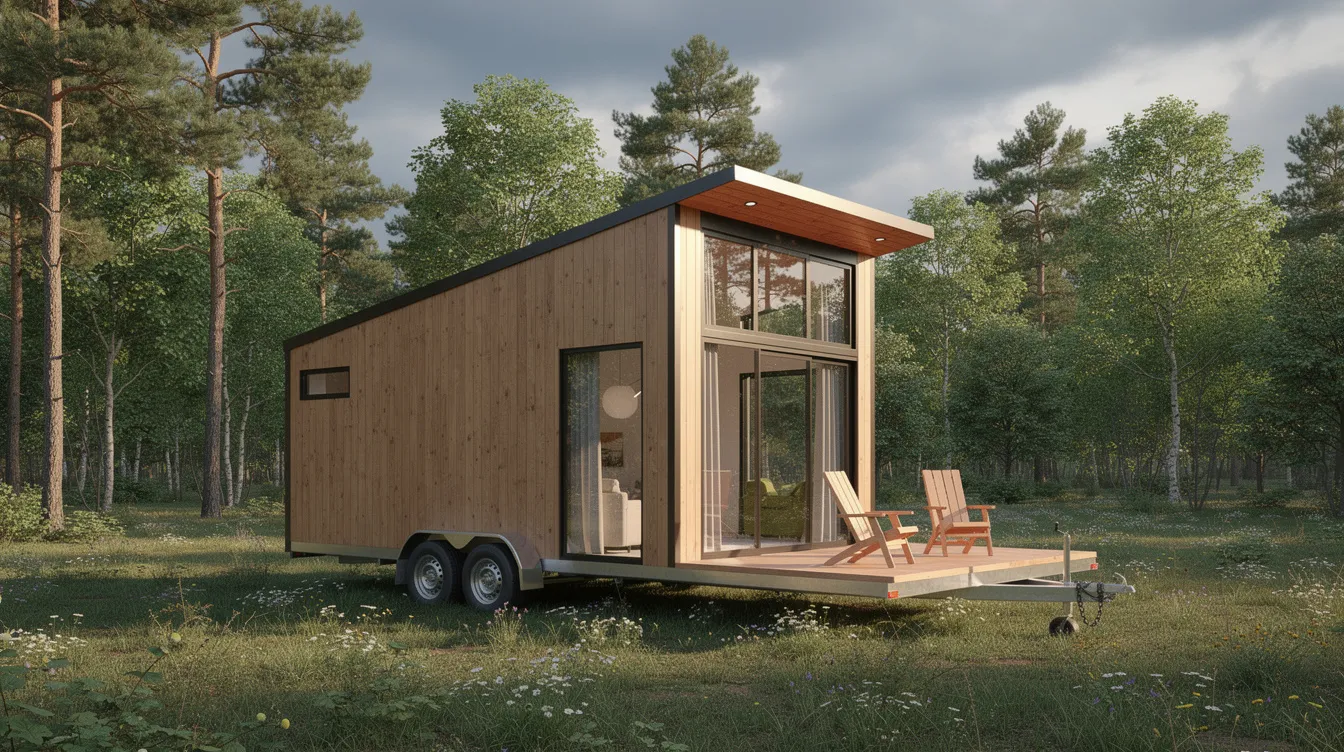
A shed roof is a single plane sloping in one direction. It’s become one of the most popular tiny house roof types since 2015 because it maximizes loft headroom at one end and lends itself well to shed-to-tiny-house conversion ideas.
A shed roof is popular in tiny house design due to its simple slope, which effectively sheds rain and snow while providing a modern aesthetic.
Typical pitches range from 2:12 to 6:12. A 24-foot tiny house with a 3:12 shed roof can achieve 7-foot loft clearance at the high side while staying under 13 feet total height.
Best for: Modern aesthetics, solar panel installation, full-length sleeping lofts
Advantages:
- Simple framing with fewer materials and cuts
- Easy to air-seal for proper insulation
- Good south-facing orientation for solar panels
- Maximum wall height on loft side
Drawbacks:
- Asymmetrical snow loading in heavy-snow regions
- Wind uplift risk on the high eave
- Challenging guttering on the low side for rainwater catchment
Recommended pitch: 2:12 to 6:12 with standing seam metal roofing or corrugated metal panels
Gable Roof Tiny Houses
A gable roof features two sloping sides meeting at a central ridge. It’s the classic house roof silhouette and remains one of the most common roof types for traditional aesthetics.
Typical gable roof pitches run from 4:12 to 10:12. Steeper pitches help with snow shedding but can breach maximum road height limits. On a 20-foot gable at 6:12 pitch, the ridge rises about 5 feet from eave height.
Best for: Traditional curb appeal, balanced towing stability, snowy climates
Advantages:
- Symmetrical appearance matching residential architecture
- Good runoff in rain or snow
- Ridge venting for moisture control
- Compatible with most roofing material options
Drawbacks:
- More complex framing than a shed roof
- More cuts and waste (10-20% more lumber)
- Less usable loft headroom than gambrel at equivalent heights
Common materials include asphalt shingles on stationary homes and standing seam metal roof panels on houses on wheels.
Gambrel Roof Tiny Houses
A gambrel roof is the barn-style profile with two slopes on each side. The steeper lower slope (often 10:12 to 14:12) transitions to a shallower upper slope (3:12 to 5:12).
This design can deliver 6.5-7 feet standing room across a 6-7 foot deep loft without exceeding road height limits. That’s a significant gain in interior space compared to standard gable designs, especially when paired with a well-designed tiny house loft ladder solution.
Best for: Maximum loft volume, rustic aesthetics, families needing more space
Advantages:
- Up to 100 cubic feet extra loft space versus gable
- Near-vertical upper walls for usable floor area
- Efficient rain and snow runoff
- Classic look for rural areas
Drawbacks:
- Complicated framing with multiple angles
- More joints requiring careful air-sealing
- Higher labor costs (20-30% more than simple roofs)
- Vulnerability in high-wind zones without proper engineering
Metal roofing works well on gambrel roofs, but extra attention is needed around breaks in pitch and flashing details. Hurricane clips should secure every rafter in strong winds zones.
Low-Slope and Flat Roof Tiny Houses
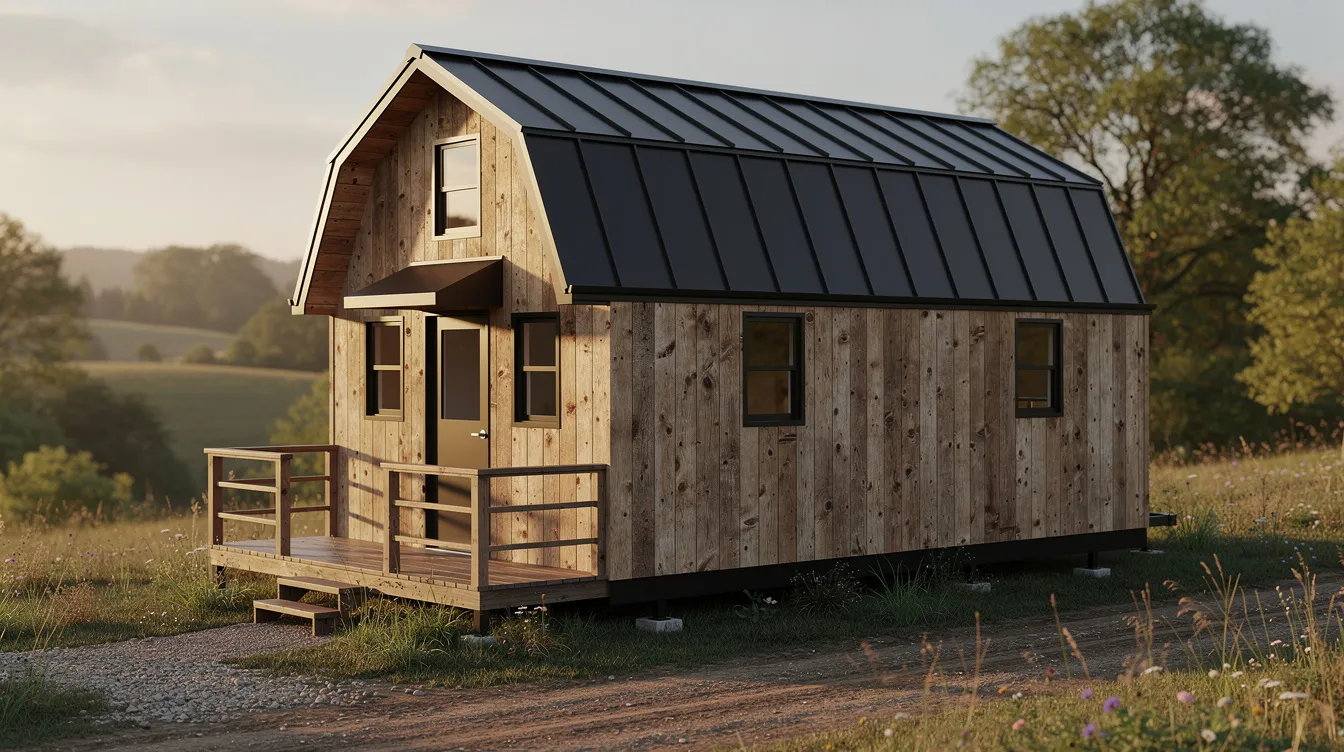
Flat roofs on tiny houses are almost never truly flat. Low-slope means roughly 1:12 to 2:12 pitch, which is critical for drainage. Even a quarter-inch-per-foot fall prevents ponding.
Low pitch roofs give a sleek, modern architecture aesthetic. They can make a 20-28 foot tiny home feel less bulky while allowing rooftop decks, green roof systems, or solar arrays, all of which should be coordinated with tiny house floor plans that maximize functionality.
Best for: Urban ADUs, modern style, rooftop utility space
Advantages:
- Precise height control under 13 feet 6 inches
- Potential rooftop terrace or deck
- Simple stick-frame construction
- Pairs well with contemporary design
Drawbacks:
- Higher leak risk if detailing is poor
- Ponding water in cold weather climates
- Need for meticulous waterproofing
- More frequent maintenance and inspection requirements
Common materials include EPDM rubber, TPO, and PVC membranes. These handle the shallow slope where metal or shingles would fail.
Roofing Materials for Tiny Houses: Pros, Cons, and Use Cases
Choosing the right roofing material matters as much as choosing the right shape. Each material has different lifespan, weight, cost, and climate suitability, and should be evaluated alongside your overall budget using tools like a tiny home cost calculator for total project expenses.
The cost of roofing for tiny houses can range from a few thousand dollars to tens of thousands of dollars, depending on the materials and complexity of the design.
Priority | Best Material |
|---|---|
Best for mobility | Standing Seam Metal |
Best low upfront cost | Corrugated Metal |
Best long-term durability | Standing Seam Metal |
Most energy efficient | White TPO or Metal with Cool Coating |
Standing Seam Metal Roofing
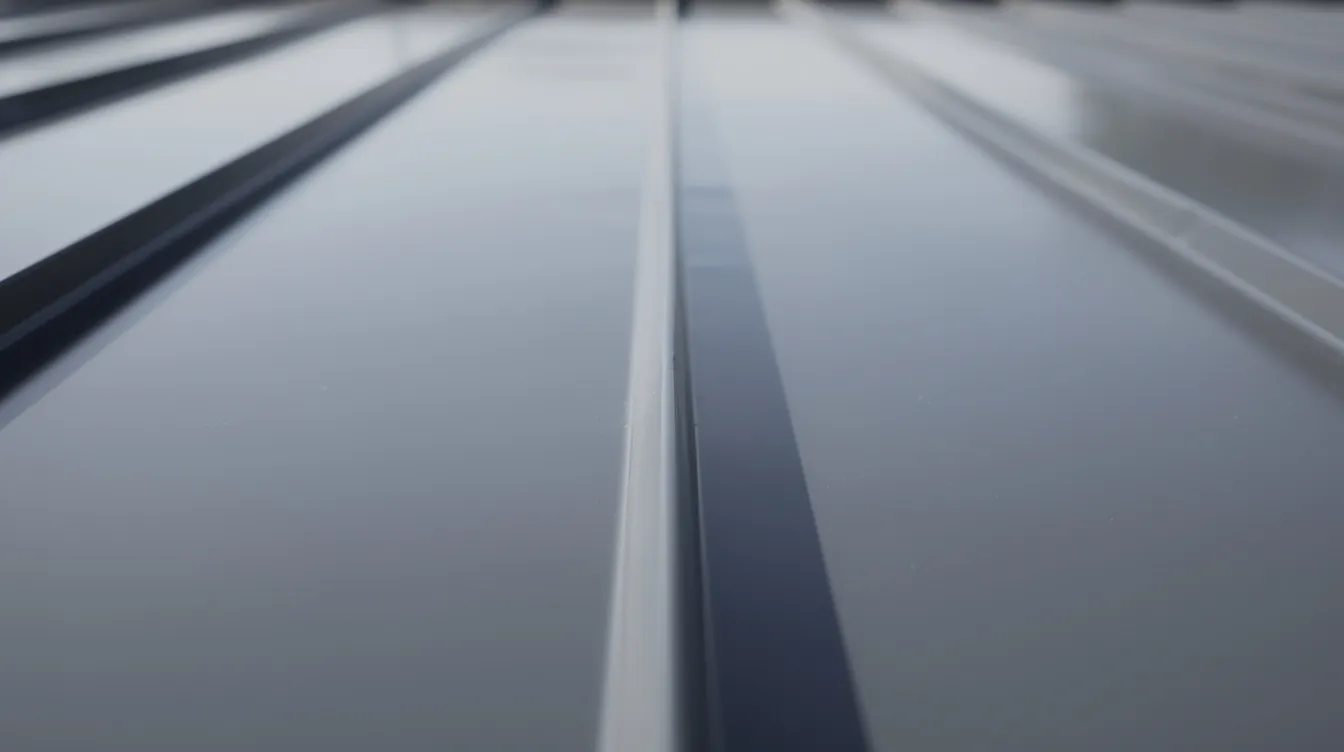
Standing seam metal roofing uses interlocking panels with hidden fasteners, making it one of the most watertight and durable options for tiny houses.
Metal roofing is a popular choice for tiny homes due to its durability, often lasting 40 to 70 years with minimal maintenance, and it reflects sunlight, helping to keep interiors cooler in summer.
Metal roofing typically costs between $8 and $14 per square foot installed, depending on the style and type of metal used.
Advantages:
- Lightweight at 0.8-1.2 pounds per square foot
- Excellent wind resistance (150+ mph ratings)
- Compatible with solar panel clamps without roof penetrations
- Reflective coatings improve energy efficiency
- Low maintenance over decades
Disadvantages:
- Higher upfront cost (30-50% more than corrugated)
- Needs careful detailing at ends and penetrations
- Rain noise without proper insulation
Standing seam works on almost all roof shapes: shed, gable roof, gambrel roof, and even low-slope roofs above manufacturer minimum pitch.
Corrugated Metal Roofing (Exposed Fastener Panels)
Corrugated metal features ribbed steel or aluminum sheets with exposed fasteners—gasketed screws driven through the surface. It’s been popular for DIY tiny houses since 2010.
Typical lifespan runs 25-40 years with maintenance. Cost ranges from $4-$8 per square foot installed, significantly cheaper than standing seam metal roofing.
Pros:
- Inexpensive and widely available
- Straightforward for experienced DIYers
- Lighter than most other options
- DIY friendly installation
Cons:
- Hundreds of penetrations that can eventually leak
- Periodic re-screwing every 8-10 years
- Limited solar mounting without extra sealing
- Shorter lifespan than standing seam
Best suited to steeper shed or gable roofs rather than low-slope applications where overlaps may leak.
Asphalt Shingles on Tiny Houses
Asphalt shingles dominate North American residential roofing and are often used on stationary tiny houses or small cabins on foundations, where choosing the best foundation type for a tiny house is just as critical as the roof system.
Typical lifespan is 15-25 years for standard 3-tab or architectural shingles. Cost runs around $4-$7 per square foot installed.
Advantages:
- Low upfront cost
- Easy to repair or patch
- Familiar to most professional roofers
- Many color and texture options
- Works well with a gable roof or hipped roof
Drawbacks for mobile tiny homes:
- Higher weight per square foot than metal (2-3 pounds)
- Risk of shingles lifting in highway winds at 60+ mph
- More heat absorption reducing energy efficiency
- Requires steeper pitch (4:12 minimum)
Asphalt shingles can be a good choice for foundation-based tiny houses with moderate climate suitability requirements.
EPDM Rubber Roofs for Low-Slope Tiny Houses
EPDM rubber roofing is lightweight, affordable, and energy efficient, making it a smart option for tiny homes with low-slope or flat roofs, and it can last 20-30 years with proper maintenance.
EPDM rubber roofing ranges from $5 to $9 per square foot installed, making it an affordable option for tiny homes with flat roofs.
EPDM rubber roofing is energy efficient and weather resistant, making it a smart option for off-grid or mobile tiny homes.
Benefits:
- Excellent waterproofing when correctly installed
- Relatively lightweight (0.4-0.8 pounds per square foot)
- Works on 1:12 to 2:12 slopes
- Stretches 300% to bridge cracks
- Fire resistant properties
Challenges:
- Limited aesthetics (usually black or white)
- Needs careful edge and penetration detailing
- Periodic seam inspection required
- 80% of failures occur at penetrations
EPDM is particularly suited to compact urban tiny houses with flat roof designs or roof decks.
TPO and Other Membrane Roofing Options
TPO (thermoplastic polyolefin) roofs are heat-welded membranes used on commercial flat roofs, now applied to tiny homes with low-slope roofs.
Lifespan ranges roughly 10-20 years. Installation requires professional crews with hot-air welders, making it less DIY friendly than EPDM rubber.
Advantages:
- Bright white surfaces for high energy efficiency
- Resistance to punctures and chemicals
- Clean modern appearance
- 80-85% solar reflectivity
Elastomeric coatings and liquid-applied membranes exist as budget options, lasting 5-10 years. They’re suitable for refreshing older tiny house roofs rather than initial builds.
Consider local contractor availability before choosing TPO or specialty coatings for your new tiny house.
Natural Roofing: Cedar Shakes and Green Roofs
Cedar shake roofing provides a rustic aesthetic and is naturally resistant to rot and insects, typically lasting 15-30 years, but requires regular maintenance to prevent warping and rot.
Cedar shake roofing generally costs between $10 and $16 per square foot installed, making it one of the more expensive roofing options for tiny houses.
Cedar Pros: Beautiful texture, natural insulation (approximately R-15), renewable material
Cedar Cons: Higher maintenance, moss and rot risk in damp climates, fire considerations requiring treatments
A green roof involves a planted layer over waterproofing. Benefits include improved energy efficiency, reduced heat absorption, and potential outdoor space. However, green roofs add significant extra weight (15-25 pounds per square foot saturated) requiring structural engineering, which can impact whether you pursue more affordable tiny house building strategies and designs.
Slate roofing is highly durable, with a lifespan of up to 200 years, and is resistant to wind, hail, and harsh weather, but it is expensive and may require structural reinforcement due to its weight. It’s rarely practical for mobile tiny houses.
Mobile tiny houses should generally avoid heavy natural roof systems unless supported by upgraded trailers rated for 14,000+ pound GVWR.
Tiny House Roof Design: Pitch, Drainage, and Energy Efficiency
The pitch of a roof, which refers to its angle, is crucial in determining its effectiveness in shedding water and snow, with a minimum recommended pitch of 2:12 for tiny houses.
Here’s a practical example: On a 24-foot shed roof, a 2:12 pitch adds about 4 feet to ridge height. At 6:12, that same span adds 10 feet. The steeper pitch gives faster runoff but leaves less room under height limits.
Different materials have minimum pitch requirements:
- Asphalt shingles: 4:12 or steeper
- Metal roofing: Down to 2:12
- EPDM rubber: Works on nearly flat roofs (1:12)
Tiny house roofs must be designed to handle the structural load imposed by snow, rain, and wind, which can vary significantly based on the local climate and roof pitch.
Minimum Roof Pitch for Tiny Houses
The minimum recommended roof pitch for tiny houses is generally 2:12, meaning for every foot of run, the roof should rise at least 2 inches, although a pitch of 4:12 is often advised for better water drainage.
Many builders aim for at least 2:12 for metal panels, with 4:12 or steeper preferred when possible. Flat roof systems using EPDM rubber or TPO can work at 1:12 if meticulously installed.
Why avoid truly flat roofs on mobile tiny houses? Trailer settling, out-of-level parking, and road vibration create unexpected low spots. Water ponds. Leaks follow.
Quick calculation: On a 7-foot run, a 2:12 pitch raises the roof about 14 inches. That dramatically changes loft headroom and exterior profile.
Energy Efficiency and Roof Assemblies
Unvented roof assemblies with continuous insulation are often used in tiny houses to save vertical space. Proper insulation in pitched roofs can provide excellent thermal performance, which helps lower energy bills.
Recommended R-values for tiny house roofs:
- Cold climates: R-30 to R-40
- Moderate climates: R-20 to R-30
- Hot climates: R-20 minimum with reflective surface
Metal roofing reflects sunlight, helping to keep interiors cooler during the summer months, which contributes to energy efficiency. Pair metal with high Solar Reflectance Index (SRI) coatings to reduce cooling loads 20-30%.
White TPO or white EPDM can significantly lower roof surface temperatures—by 50-70°F—in sunny regions. Adding continuous exterior insulation reduces thermal bridging and condensation issues.
Climate and Location: Matching Roof Type to Weather
Climate should be your first filter when choosing a tiny house roof shape and material.
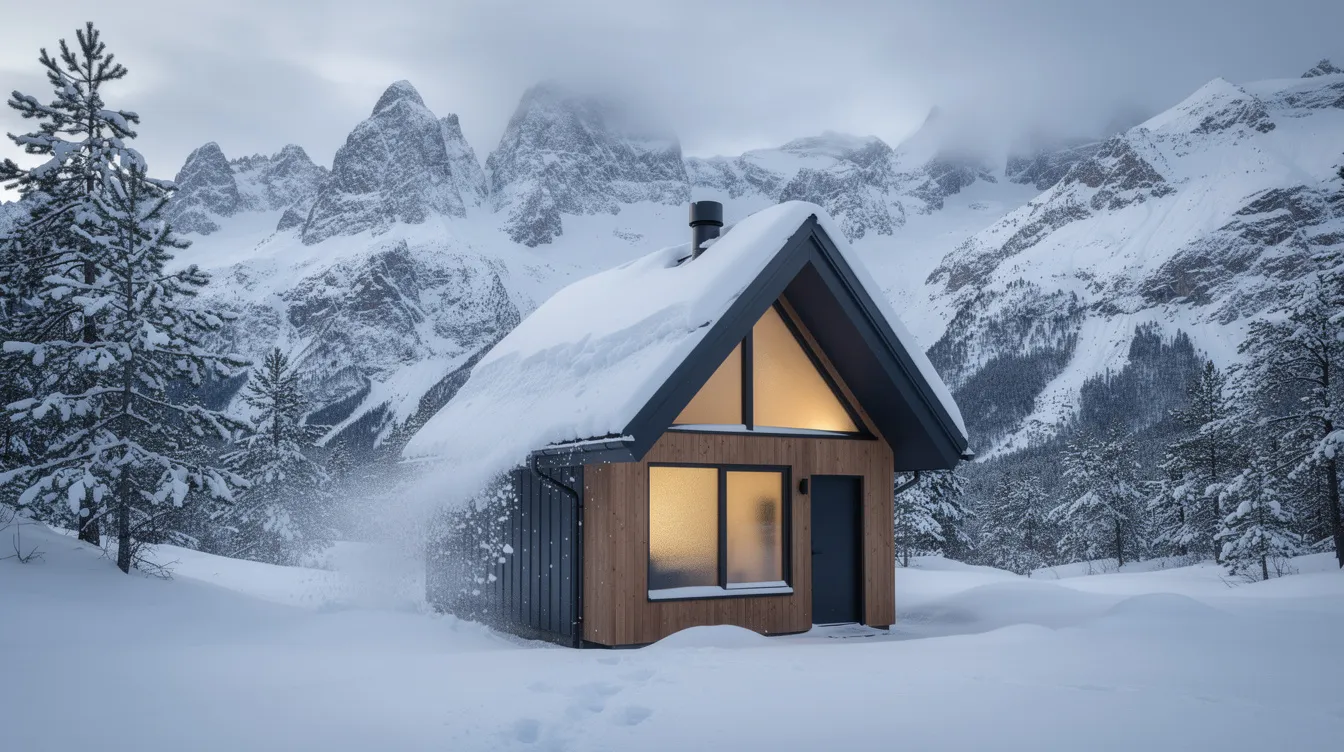
Cold and Snowy Regions: Steeper shed or gable roofs (6:12+) with metal roofing provide fast snow shedding. During 2020-2021, some Rocky Mountain regions received 5-10 feet of snow. Low-slope flat roofs risk structural shift unless engineered for 50-70 psf snow loads.
Hot and Sunny Climates: Cool metal roofs with reflective coatings cut heat absorption dramatically. White membranes work well on flat designs. Green roof systems can reduce indoor temperatures through evapotranspiration, improving energy efficient performance.
Windy or Coastal Areas: Simple shapes like shed or gable roof with modest overhangs perform best in strong winds. Hurricane-prone regions need:
- High-quality fasteners
- Continuous roof-to-wall tie-downs every 16 inches
- Standing seam metal roofing rated for 140+ mph
Cost and Maintenance of Tiny House Roofs (2024-2026)
Roof cost for a 20-30 foot tiny house depends on complexity (gambrel vs. shed), material choice, and whether you build DIY or hire professional roofers, and it should align with your chosen tiny house plans that fit your lifestyle and budget.
Ballpark cost ranges for a 250-300 square foot roof:
- Corrugated metal (DIY): $1,000-$2,000
- Corrugated metal (installed): $1,200-$2,400
- Standing seam metal (installed): $2,400-$4,200
- Asphalt shingles (installed): $1,200-$2,100
- EPDM rubber (installed): $1,500-$2,700
- Cedar shakes (installed): $3,000-$4,800
Metal roofing has higher upfront cost but lower lifetime maintenance. Over 20 years, standing seam averages about $0.20 per square foot per year versus $0.40 for shingles.
Maintenance schedules:
- Metal roofs: Annual fastener and sealant inspection
- Corrugated metal with exposed fasteners: Re-screw every 8-10 years
- Membranes: Bi-annual inspection, especially after storms
- Cedar and green roofs: Regular cleaning and treatment
20-year cost example: A 24-foot stationary tiny house with corrugated metal ($1,500 initial + $400 maintenance) costs about $1,900 total. The same roof with architectural asphalt shingles ($1,400 initial + one replacement at $1,400) costs $2,800.
Practical Tips for Choosing Your Tiny House Roof
Before finalizing your new roof design, consider:
- Mobility needs: Will you tow frequently?
- Climate: Snow load, heat, or hurricane risk?
- Budget: Upfront versus lifetime cost
- Style preference: Modern or rustic?
- Maintenance willingness: DIY capability?
Mobile tiny houses should prioritize lightweight, durable materials like standing seam metal roofing or corrugated metal. Avoid heavy options like thick slate or extensive green roof systems that add extra weight beyond trailer capacity.
Sketch your tiny house elevation with different roof pitches. Visualize headroom tradeoffs. Confirm final ridge heights against local road transport limits before you build, and look at modern tiny house design examples to see how successful layouts integrate rooflines with overall aesthetics.
When constructing a tiny house roof, it is crucial to ensure that the framing is square and straight, as misalignment can lead to structural issues and complications during installation.
Talk to local roofers or tiny house builders about real-world performance in your region. Ask about leak issues, construction timeline challenges, and actual energy bills from 2015-2025 builds.
The perfect roof balances function, energy efficiency, and aesthetic appeal. Your tiny house should feel both safe and inspiring—starting from the top down.
FAQ: Tiny House Roof Types and Materials
These questions address common follow-up concerns not fully covered in the main sections.
What tiny house roof type is best if I want to add solar panels?
Shed roofs facing south with a moderate pitch around 3:12 to 6:12 are usually ideal for solar panels on tiny houses. Standing seam metal roofing works well because clamp-on solar mounts attach directly to the raised seams without drilling extra holes. Flat roofs with EPDM or TPO can host ballasted solar racks, but you need careful structural design and attention to added weight and wind uplift on a small, light structure.
How can I keep my tiny house roof as light as possible for towing?
The lightest practical metal roofing system combines thin-gauge aluminum standing seam (around 0.8 pounds per square foot) over well-engineered framing with high-performance insulation. Avoid heavy materials like concrete tile, thick slate, or deep green roof soil layers. Check your trailer ratings, weigh components where possible, and calculate total roof load including snow, solar panels, and any roof deck accessories before finalizing your tiny house roof design.
Is a green roof realistic on a tiny house on wheels?
Full intensive green roofs with deep soil are generally not recommended on tiny houses on wheels due to weight and shifting loads while towing. A 4-inch extensive green roof saturated adds 20-25 pounds per square foot—potentially 5,000+ pounds on a 250 square foot roof. Lighter alternatives include shallow modular tray systems over structurally reinforced sections, or container gardens on removable racks that can be unloaded before transport.
How often should I inspect and maintain a tiny house roof?
Plan at least one detailed inspection per year, plus quick checks after major storms or long road trips. Look for loose fasteners, cracked sealant, punctures, and debris buildup. Metal roofing with exposed fasteners may need re-screwing or gasket replacement every 8-10 years. Membranes and wood shingles may require spot repairs or re-coating within 10-20 years depending on climate. This is commonly recommended by experienced tiny house builders to prevent small issues from becoming expensive problems.
Can I realistically DIY my tiny house roof, or should I hire a roofer?
Many tiny house owners successfully DIY simple shed or gable roofs with corrugated metal or asphalt shingles if they’re comfortable with ladders, tools, and safety gear. Composite panels and basic metal roofing are DIY friendly for those with construction experience. However, complex gambrel roofs, low-slope membranes requiring heat welding, and high-end standing seam systems often benefit from professional installation. A poorly installed roof on a tiny house leads to leaks that are expensive to fix in such a tightly built space.