

Tacoma’s housing crisis has left hundreds of individuals, couples, and families without stable shelter – sleeping near public rights-of-way, under bridges, and in places never meant for living. The Tiny House Village at 6th and Orchard, located at 602 N Orchard St, provides transitional shelter for people experiencing homelessness, functioning as a temporary stepping stone to permanent housing. The Village at 6th and Orchard opened in December 2020 as a partnership between First Christian Church of Tacoma and the City of Tacoma, with operations managed by the Low Income Housing Institute (LIHI). Since then, approximately half of the residents transition into permanent housing – a rate that far exceeds traditional shelter models in the region.
If you or someone you know needs housing assistance, contact the City of Tacoma’s Homeless Outreach Team (HOT Team) for a referral. To support the village through donations or volunteering, reach out to First Christian Church of Tacoma at (253) 752-7734 or info@fcctacoma.org.
Why Tacoma Residents Trust 6th and Orchard Village
- 24/7 on-site staffing and security: The village maintains round-the-clock staffing including shelter monitors, a site manager, and a security pavilion with surveillance – ensuring resident safety at all hours
- City-backed referral system: Referrals come through the City of Tacoma’s HOT Team, providing a structured and accountable intake process
- Established faith-community partnership: First Christian Church of Tacoma has hosted and supported the village since its opening, providing the land and missional commitment
- Professional case management: On-site case managers assist residents with access to permanent housing and support services, including health care, employment, and education coordination
- Transparent outcomes: Since opening, the village has served 428 clients, with 218 exiting to permanent housing – data that LIHI tracks and shares publicly

What Makes 6th and Orchard Village Stand Out in Tacoma
The tiny home village at 6th and Orchard takes a fundamentally different approach to transitional housing than congregate shelters. Rather than shared dormitories or tent structures, residents live in individual tiny houses with lockable doors – offering the privacy and dignity that many people experiencing homelessness have gone years without.
- Individual tiny homes instead of shared bunks: Each unit gives residents personal space and security for their belongings, reducing conflict and supporting mental well-being
- Comprehensive on-site services: A community kitchen, hygiene trailer with showers and laundry facilities, and case management offices mean residents don’t need to travel across Tacoma for basic needs
- Church-city-nonprofit collaboration: The partnership between First Christian Church, the city, and LIHI combines faith-based mission, municipal funding, and professional housing expertise – a successful model that few shelters replicate
- Family-friendly environment: The site accommodates individuals, couples, and families together, with priority given to families with children. Neighbors even donated a playground to the village
Village Facilities and Services
The 6th and Orchard Village operates as a self-contained community designed to meet residents’ daily needs while they work toward stable housing. Here’s what the site includes.
Housing Units
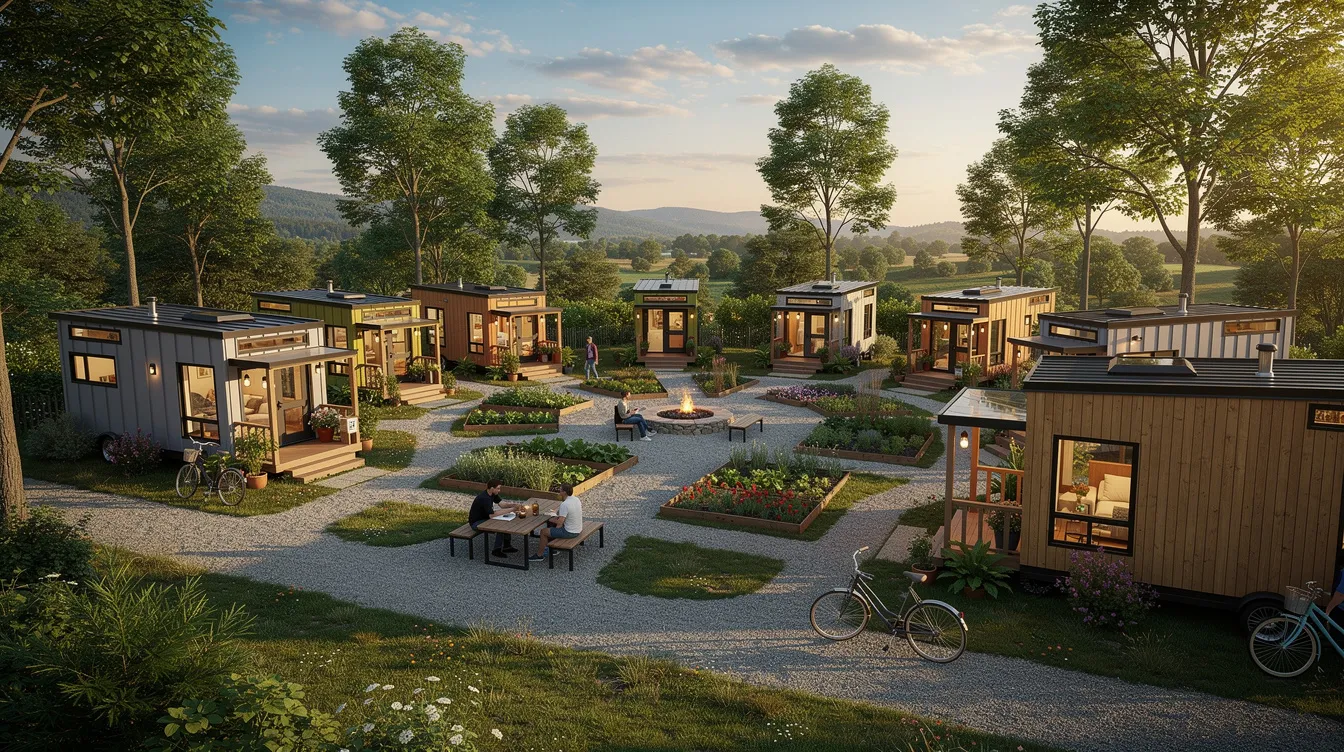
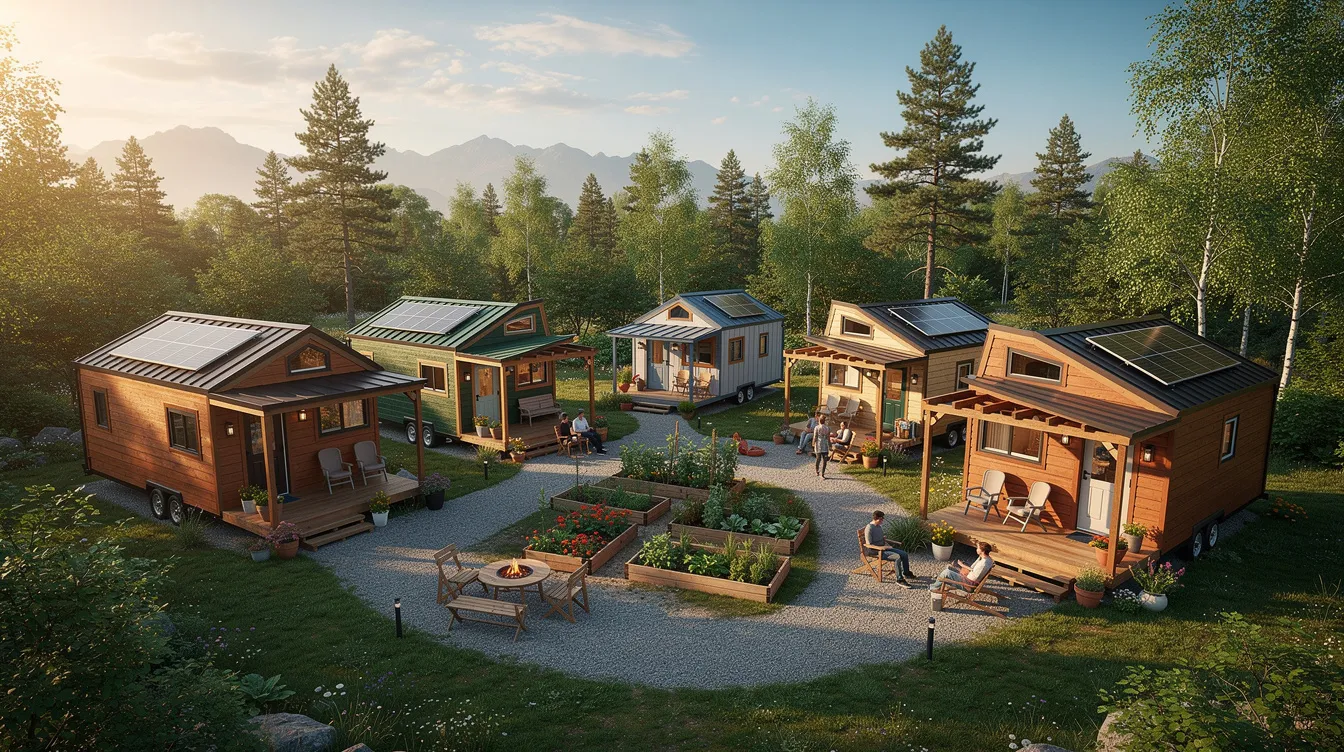
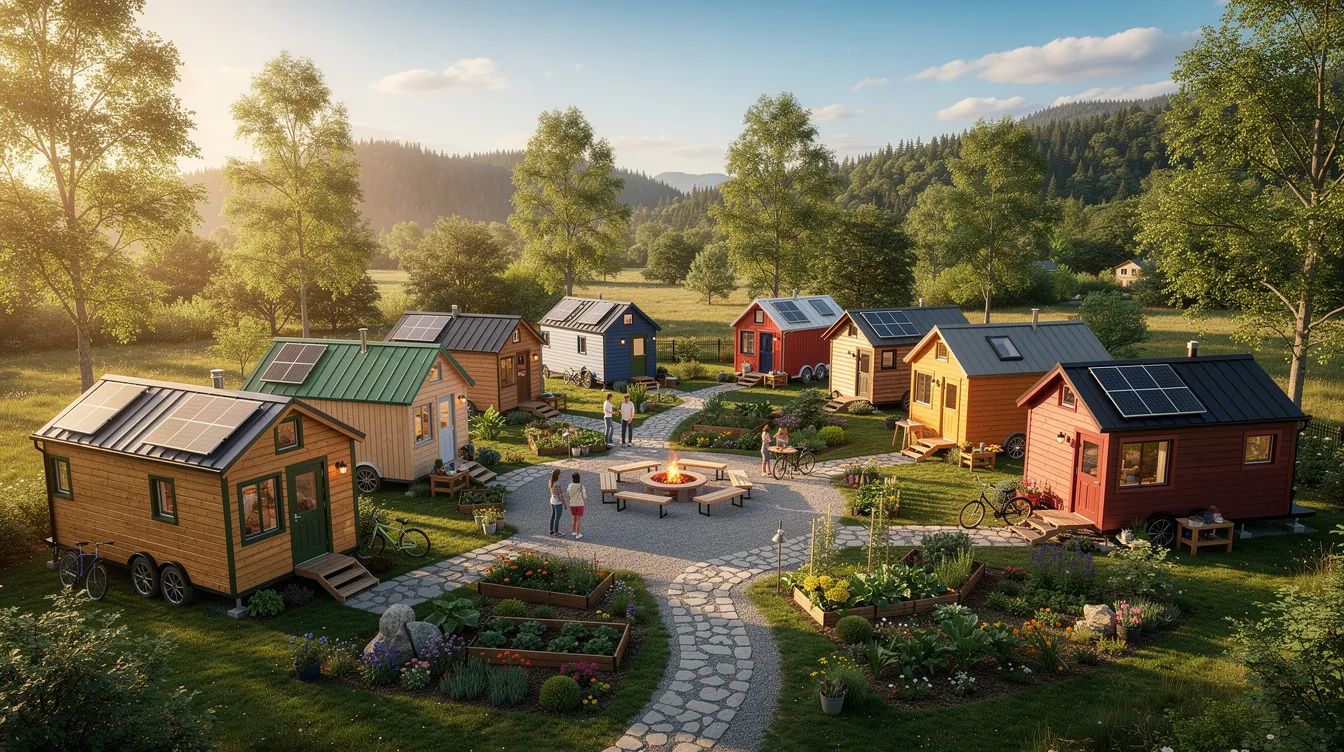
The Tiny House Village has 39 tiny houses for residents, designed to accommodate up to approximately 60 people depending on household size. Each unit is individual and lockable, serving individuals, couples, and families. Animals are permitted with proper documentation. The longevity and durability of each tiny home depend on build quality and maintenance, and the privacy of a personal tiny home – compared to a cot in a crowded shelter – is frequently cited by residents as transformative.
Community Amenities
Residents share community amenities such as kitchens and laundry facilities. The village offers a community kitchen where residents can prepare meals, and a hygiene trailer equipped with restrooms, showers, and laundry facilities. Staff offices and a security pavilion with gated entry and surveillance round out the shared infrastructure, supporting the kind of community-focused tiny living lifestyle that helps residents rebuild stability.
Support Services
Tiny homes provide 24/7 supportive services to residents through a wrap-around model. Two dedicated case managers help residents set goals for housing, employment, and health. Residents have access to health care and employment services, including referrals to mobile clinics, job training programs, and benefits navigation. Education support is also coordinated on site, and many residents take interest in exploring tiny house resources, tips, and community support as they consider their long-term housing options.
How Village Admission and Support Works
The path from referral to permanent housing follows a structured process designed to move residents toward stability as efficiently as possible, often sparking interest in tiny house designs that redefine small living for people who may pursue a permanent tiny home after leaving the village.
Step 1: Referral Process
Referrals come through the City of Tacoma’s HOT Team and First Christian Church of Tacoma. Prospective residents undergo an intake assessment that evaluates homelessness status, family composition, income level, and safety needs. Eligibility includes single women, couples with or without children, and families. Residents must sign a strict code of conduct to maintain their residency, and certain restrictions apply – registered sex offenders are excluded, and on-site substance use is not permitted under the village’s harm-reduction model.
Step 2: Village Life and Services
Daily life in the village includes scheduled check-ins with case managers, goal-setting sessions, and participation in community responsibilities. There is 24/7 staffing and case management on-site. Residents are expected to maintain their units, respect neighbors, and follow site rules. The community kitchen and hygiene trailer operate on shared schedules. Staff are available around the clock for emergencies and security needs.
Step 3: Transition to Permanent Housing
The village functions as a temporary stepping stone to permanent housing, not a long-term destination. Case managers actively assist with housing searches, documentation, rental applications, and connecting residents to subsidies. The median length of stay is approximately 215 days. Continued case management supports residents during their transition, and LIHI tracks exit destinations to measure program effectiveness, contributing to Washington’s broader network of tiny house communities across the state.
Community Impact and Success Stories
The data behind the 6th and Orchard Village tells a compelling story. Since opening, the village has served 428 clients through September 2025. Of those, 218 – approximately half – obtained permanent housing. This 50% exit-to-housing rate dramatically outperforms traditional shelters in Tacoma, where men’s and women’s shelters achieve just 6–8% and family shelters around 42%.
The numbers behind the village’s operations are equally notable. Setup cost was approximately $400,000, with annual operations running about $750,000. From 2020 to 2025, the city invested roughly $2.5 million, while Pierce County contributed approximately $1.3 million from July 2023 through June 2026. Pierce County raised over $23 million for affordable housing in 2023 through the Maureen Howard Affordable Housing Act, underscoring the region’s commitment to addressing the housing crisis.
Neighborhood relations have also improved markedly. Between August 2021 and August 2022, only ten 911 calls were associated with the village – a figure that helped ease initial concerns. Community members have donated amenities, and advisory meetings have kept dialogue open between the village and surrounding residents.
What Residents and Community Members Say
The shift in community perception has been one of the village’s most notable achievements. Initial opposition from neighbors – concerned about safety, property values, and increased crime – has largely given way to support as residents observed the village’s actual impact.
Tacoma City Council member John Hines described the village as a “good proof of concept.” Neighborhood residents have reported that they “would not even know the village was there at all” apart from initial media coverage. Many noted no noticeable negative effects on safety or cleanliness in the surrounding area.
For the people served – many of whom were chronically homeless, and approximately 29% of whom were survivors of domestic violence – having a private, lockable space was life-changing. The village’s leadership at First Christian Church has emphasized that creating refuge and hope is core to their mission of “missional presence” in the community. Governor Jay Inslee toured the Tiny House Village on October 19, further validating the model’s effectiveness at a state level.
Who the Village Serves
The village serves individuals, couples, and families experiencing homelessness in Tacoma. Priority is given to families with children, single women, and couples. Referrals are managed through the city’s HOT Team and church partners, so the village primarily serves Tacoma and Pierce County residents who are currently unhoused or at imminent risk, even as some may later look to tiny house communities in other states like Missouri when planning long-term housing.
Among those helped in the past, many had been chronically homeless before entering the village. Roughly 29% of families served were survivors of domestic violence. The majority had zero or very little income upon entry – highlighting the depth of need that the village addresses and the importance of the wrap-around support services provided on site, which can be a bridge to longer-term tiny house community options in regions like New Hampshire or other areas where residents may relocate.
Frequently Asked Questions
How long can residents stay at the village?
The program is transitional in nature, with a median stay of approximately 215 days (about seven months). There is no rigid maximum, and some residents stay longer while they secure permanent housing. The village’s operating contract with LIHI runs through June 2026, and stakeholders are working to extend funding and operations beyond that date.
How does someone get referred to the village?
Referrals are made through the City of Tacoma’s Homeless Outreach Team (HOT Team) and First Christian Church. Prospective residents undergo an eligibility assessment that considers homelessness status, family composition, income, and safety needs. Certain populations are excluded, including registered sex offenders. The harm-reduction model means residents with substance use history are not turned away, but on-site use is prohibited.
What services are provided to help residents find permanent housing?
On-site case managers work with residents on housing searches, documentation, applications, and benefits enrollment. Employment and education support helps residents increase income. Health care referrals address physical and mental health needs. Despite these resources, securing affordable housing in Tacoma remains challenging due to high costs, limited low income housing stock, and landlord participation barriers – making the village’s 50% permanent housing exit rate all the more significant and underscoring the value of established tiny house communities in places like North Carolina for people exploring tiny living beyond Washington.
How does the village impact the surrounding neighborhood?
Data shows minimal negative impact. Between August 2021 and August 2022, only ten 911 responses were recorded at the site. The village is fenced, has 24/7 staff and a security pavilion, and enforces community rules. Advisory committee meetings and transparency with neighbors have built trust over the years. Neighbors have gone from opposition to active support, including donating a playground for children living at the village, while success stories from tiny house communities in Tennessee and other states further demonstrate how small-scale villages can integrate positively into neighborhoods.
Supporting the Village
The 6th and Orchard Village’s future depends on continued community support and funding. A new 60-unit tiny home village opened in Tacoma on July 23, 2025 – Kingfisher Village helps hundreds transition out of homelessness and demonstrates that this model is expanding across Pierce County and beyond. But the original village at 6th and Orchard faces potential challenges, including a proposed $50 million cancer treatment center redevelopment at the same site and funding that currently extends only through June 2026.
Here’s how you can help:
- Donate to LIHI or First Christian Church of Tacoma to support village operations
- Volunteer through the church or LIHI for on-site support and community events
- Advocate at city and county council meetings for continued funding of tiny house villages in Tacoma
- Attend Community Advisory Committee meetings to stay informed and engaged
First Christian Church of Tacoma
For referrals or housing assistance, contact the City of Tacoma’s Homeless Outreach Team.