
Choosing between A-frame houses and tiny houses on wheels affects mobility, legal placement, construction costs and lifestyle flexibility. The right option depends on your need for portability, local zoning laws and whether you prioritize unique design or maximum mobility.
Below is a practical comparison of A-frame vs tiny house on wheels living.
- A-Frame vs Tiny House on Wheels: Key Differences
- Mobility and Portability
- Legal and Zoning Considerations
- Design and Space Utilization
- Construction Costs and Financing
- Maintenance and Durability
- Climate and Environmental Considerations
- Resale Value and Investment Potential
- A-Frame vs Tiny House on Wheels: Which Should You Choose?
A-Frame vs Tiny House on Wheels: Key Differences
The main difference comes down to architectural statement versus portable living.
- A-frame houses focus on distinctive triangular architecture and can be stationary or mobile
- Tiny houses on wheels prioritize mobility and RV-style living with standardized dimensions
- Both offer compact living solutions but serve different lifestyle priorities
- Legal classification and placement options vary significantly between the two
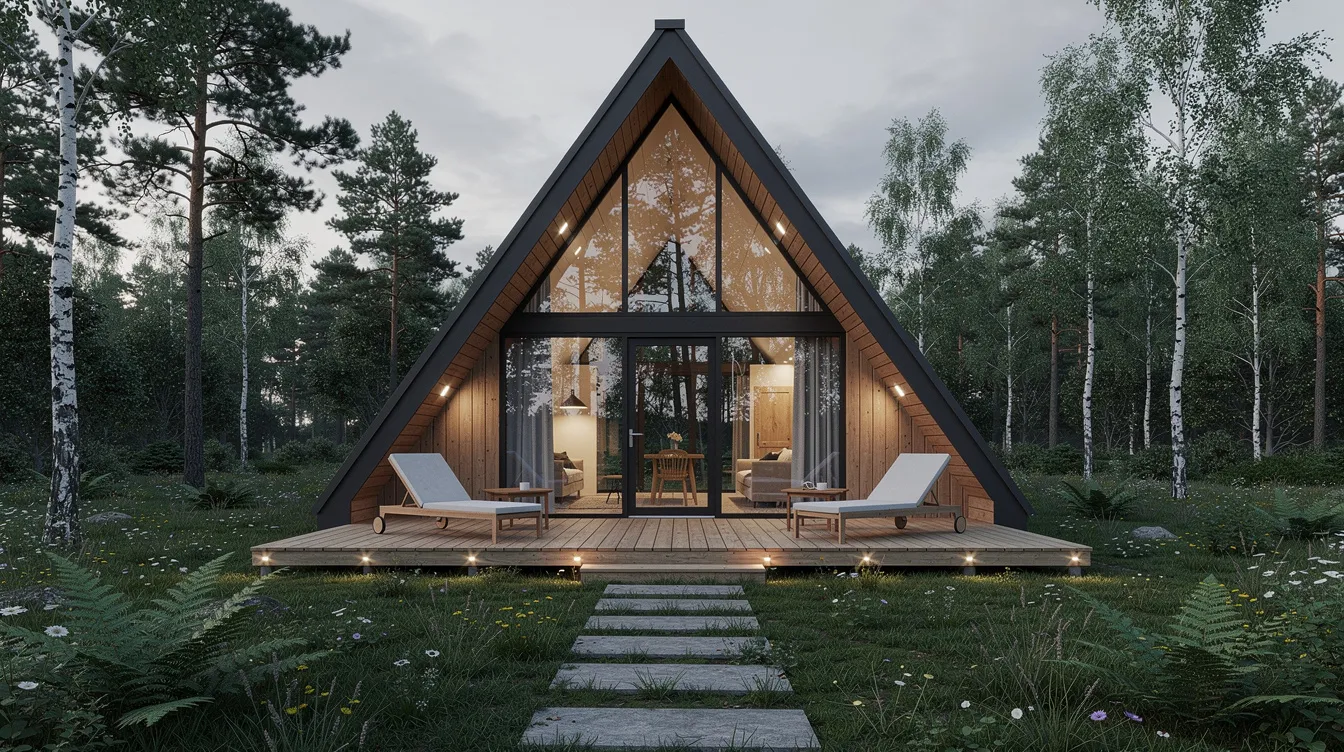
A-frame houses are characterized by their steeply pitched rooflines that run all the way to the ground, creating a dramatic triangular silhouette. This unique geometry allows for large open-space interiors, which can create a playful and airy vibe inside. Tiny homes are typically under 400 square feet and designed for mobility, catering to people interested in tiny house living and downsizing, while A-frame houses can vary in size but often emphasize a more permanent structure with distinctive triangular designs.
Mobility and Portability
Portability represents one of the most significant differences between these alternative housing options.
A-Frame Mobility
A-frames can be built on wheels but are often designed as permanent structures on foundations. The triangular shape creates transport challenges that limit practical mobility.
Mobile A-frames like Studio Edwards’ “Base Cabin” demonstrate that the A-frame form can be married with wheels, but these remain design novelties rather than widespread residential solutions. The steep roof geometry often exceeds highway height clearances, typically limited to around 13.5 feet for standard road travel.
Moving a stationary A-frame requires professional transport, crane equipment, special permits and significant expense. Once built on a foundation, relocation becomes impractical for most owners.
Tiny House on Wheels Mobility
Tiny houses on wheels are specifically designed for regular relocation and towing. They conform to highway-friendly dimensions, typically around 8.5 feet wide without special permits.
Built with road travel in mind, these structures feature proper weight distribution, trailer frame engineering and materials chosen to withstand dynamic loads from vibration, acceleration and deceleration during transport. Owners can move their tiny house with a properly rated pickup truck without professional transport services, and many opt for custom tiny homes on wheels to tailor layouts and features to their lifestyle.
This mobility allows for seasonal relocation to follow favorable weather patterns or job opportunities, making tiny living particularly attractive for remote workers and those seeking flexibility.
Legal and Zoning Considerations
Legal classification determines where you can place your home and how it affects your property rights.
A-Frame Legal Status
Stationary A-frames are typically classified as permanent dwellings and must meet local building codes for residential structures. This includes minimum lot sizes, setbacks, foundation construction and plumbing and electrical codes.
Zoning regulations often impose minimum square footage requirements that can complicate using smaller A-frames as a primary residence in many areas. However, foundation-based A-frames can qualify as real property, enabling traditional mortgages, property tax deductions and certificates of occupancy.
Mobile A-frames face classification challenges. Building codes may lack precedent for these hybrid structures, creating uncertainty around RV regulations, liability and utilities connection.
Tiny House on Wheels Legal Status
Tiny homes built on wheels are frequently classified as RVs, which limits their placement to designated RV parks or tiny home communities, complicating full-time living arrangements.
RVIA or NOAH certifications provide a standardized legal framework that improves insurance access, financing options and placement possibilities. These certifications validate safety and road readiness.
Some jurisdictions allow tiny homes to be classified as Accessory Dwelling Units (ADUs), enabling them to be built in backyards alongside larger homes, which can help circumvent zoning restrictions. This ADU pathway offers one route to legal tiny living while maintaining the mobility option.
Design and Space Utilization
Interior layout and architectural features create distinctly different living experiences.
A-Frame Design Features
The unique geometry of A-frame houses allows for large open-space interiors, which can create a playful and airy vibe inside, making them ideal for those who enjoy spaciousness. Floor to ceiling windows on the front and back facades maximize natural light and outdoor views.
A-frame homes often feature loft spaces that are open to the floor below, providing flexible usage but limited privacy, making them suitable for creative spaces like playrooms or reading nooks. The dramatic cathedral ceiling creates impressive interior volume.
However, sloped walls limit conventional storage, counter space and furniture placement. The space inside near the lower walls is less usable, and custom cabinetry becomes necessary. A-frame houses often feature unique architectural designs that maximize shared spaces while requiring creative solutions for the angled walls.
Tiny House on Wheels Design Features
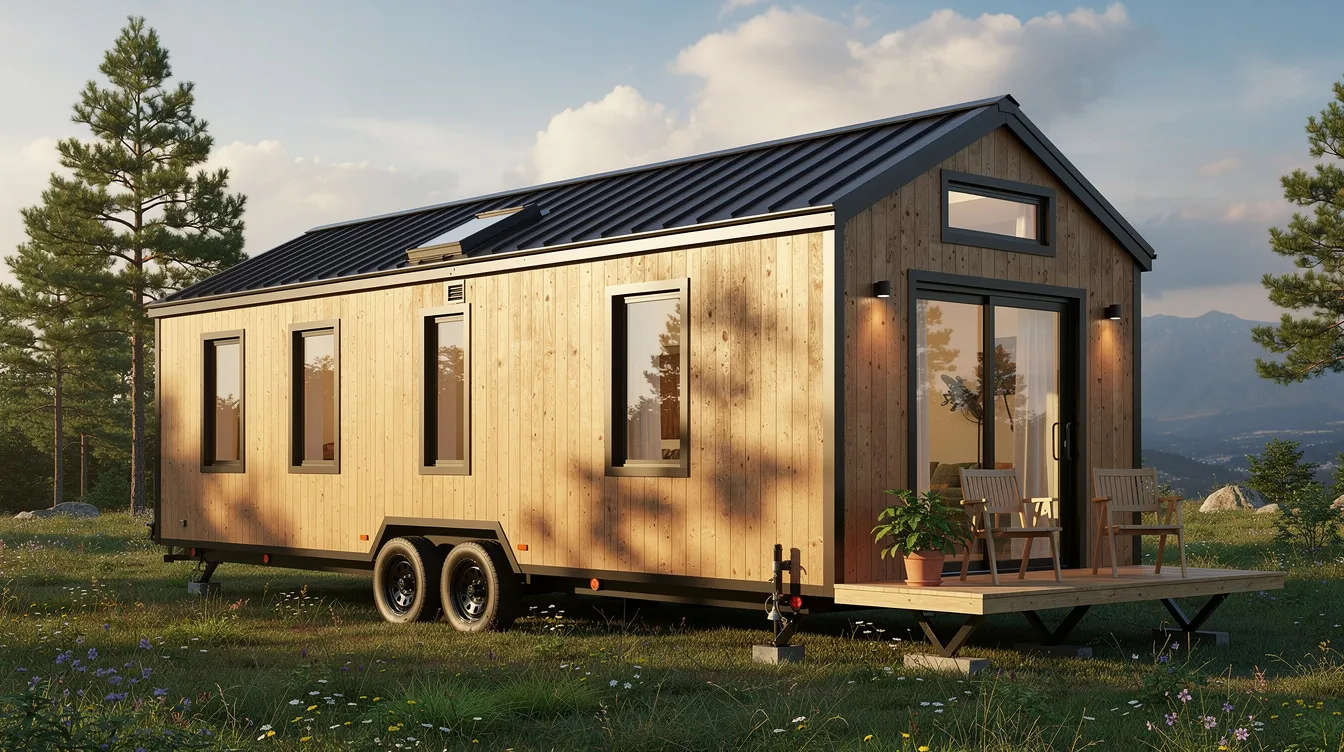
Rectangular design maximizes usable wall space and storage options throughout the small space. Vertical walls allow conventional furniture arrangements and standard cabinetry, making the interior more practical for daily life.
Standard trailer dimensions create predictable layout constraints but enable efficient multi-use spaces to maximize every square inch. Built-in furniture, fold-up tables and stairs with integrated storage are common features.
Loft areas for sleeping optimize floor space within height restrictions for road travel. A full bathroom and functional kitchen are standard, with composting toilets and other self-contained tiny home systems offering an off-grid option for those seeking independence from utilities.
Construction Costs and Financing
Initial costs and financing availability differ substantially between these housing options.
A-Frame Construction Costs
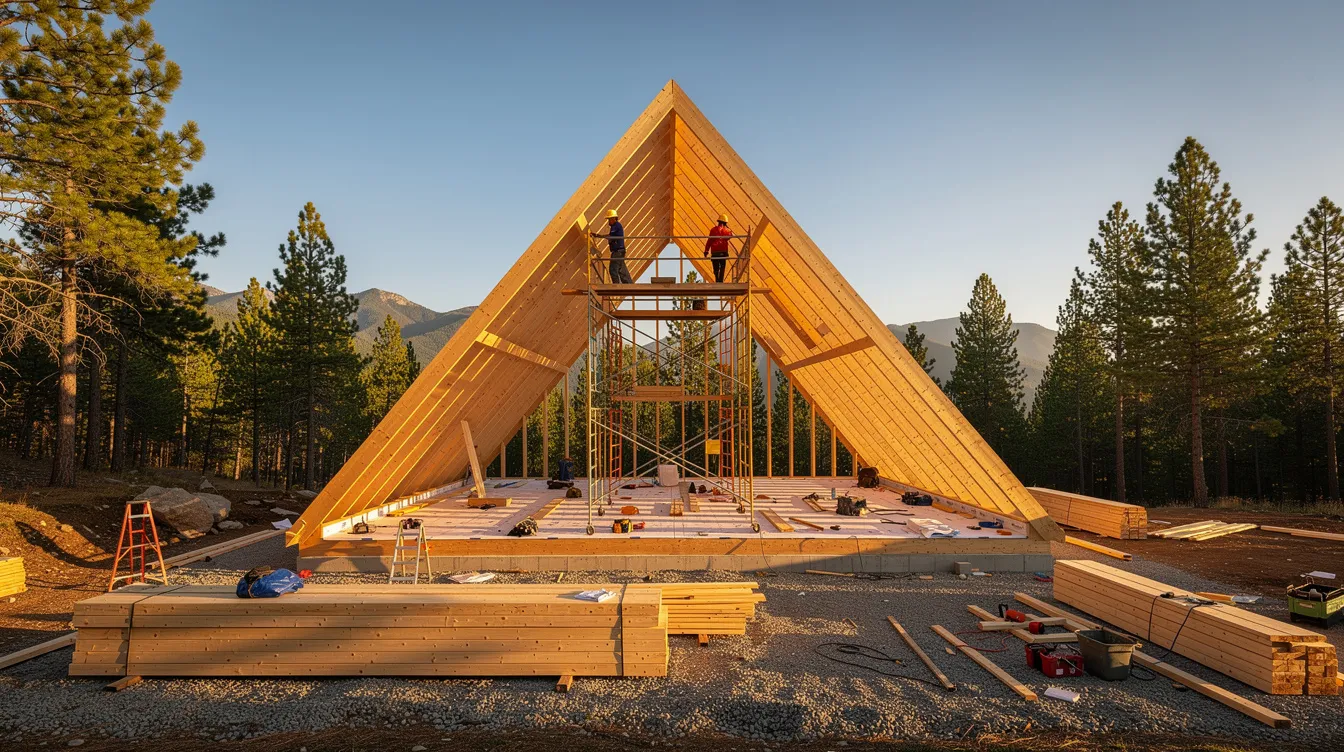
A-frame kits range from $30,000 to $100,000 depending on size and features, with shell kits starting around $10,600. A small home costs between $80,000 and $250,000, depending on location, finishes, and construction method.
For a 1,000 square foot A-frame house, expect costs between $100,000 and $200,000, roughly $100 to $200 per square foot for labor and materials. Custom designs with large glass facades can push toward $200 to $300+ per square foot. A-frame homes generally have about 20% more exterior surface area exposed to the elements compared to traditional homes of the same living space, which can lead to higher material costs.
Buyers of small homes often have access to traditional mortgage options, making them more accessible for long-term homeownership compared to tiny homes. The unique design may require specialized contractors, increasing labor costs, but the long run financing benefits offset this for many buyers.
Tiny House on Wheels Construction Costs
A tiny home typically costs between $30,000 and $100,000, with some high-end custom models exceeding $150,000. Professional builds for a 180 to 400 square foot tiny house typically range from $45,000 to $85,000 in 2026, and prospective builders often rely on a tiny home cost calculator to plan their budgets accurately.
Cost per square foot runs higher than traditional construction, around $250 to $300, because the trailer base, lightweight materials and road compliance add premium. The trailer chassis alone costs $6,000 to $12,000 for heavy-duty construction.
Financing for tiny homes on wheels can be challenging because they are not considered real estate, making traditional mortgages inapplicable. Options include personal loans, RV loans for RVIA-certified units, or chattel loans with higher interest rates of 8% to 14% and shorter terms.
Maintenance and Durability
Ongoing maintenance needs reflect the fundamental differences in structure and intended use.
A-Frame Maintenance
Steep roof design sheds snow and rain effectively, reducing maintenance concerns in cold climates. The natural snow-shedding geometry makes A-frames ideal for mountain settings.
However, the large roof surface area requires regular inspection of panels, flashing and window seals. A-frame homes generally have about 20% more exterior surface area exposed to the elements, increasing weatherproofing requirements for the exterior cladding.
Stationary foundations provide better long-term structural stability. Concrete slabs, crawl spaces or basements require ongoing maintenance, especially in climates with freeze-thaw cycles, but offer reliable building permanence.
Tiny House on Wheels Maintenance
Road travel creates ongoing wear on structural components and connections. Dynamic stresses from vibration, braking and road irregularities can cause loosening of fasteners, cracking of finishes and fatigue in structural joints.
Trailer maintenance includes tire replacement, brake service, hitch inspection and light systems. These mechanical components need regular upkeep regardless of how often you actually move.
Compact plumbing and electrical systems require specialized knowledge for repairs. Water intrusion risk is higher around wheel wells, roof connections and windows. Regular leveling and stabilization is needed when parked long-term.
Climate and Environmental Considerations
Different climates favor different housing choices.
A-Frame Climate Performance
The triangular shape performs well in snowy and windy conditions. Steep roof pitch sheds snow fast, reducing load and avoiding dangerous buildup. Aerodynamic slopes reduce wind pressure in exposed locations.
However, large windows and cathedral ceilings can create heating challenges. The volume requires more energy to condition, and thermal bridging through the large roof surface requires careful insulation detailing to avoid energy loss.
Better insulation throughout the continuous roof and wall system improves energy efficiency, but installation must address vapor barriers and air sealing along the sloped surfaces. In hot climates, steep metal roofs may radiate heat inward without proper ventilation.
Tiny House on Wheels Climate Performance
Compact size allows efficient heating and cooling, requiring less energy per square foot when properly insulated. The ability to relocate seasonally to follow favorable weather patterns offers a unique climate adaptation strategy.
Road-ready construction must withstand temperature extremes while traveling between regions. Limited insulation space due to weight restrictions and the trailer floor steel base can create thermal bridging and cold floor issues.
Off-grid tiny homes often integrate solar panels, composting toilets and rainwater systems, though these add upfront cost. Many of these designs follow minimalist tiny house principles that keep interiors cozy and energy efficient, but they still require consistent climate control.
Resale Value and Investment Potential
Long-term value retention differs significantly based on legal classification.
A-Frame Resale Value
Unique architectural appeal attracts specific buyer demographics seeking distinctive design. Stationary A-frames may appreciate as real estate in desirable scenic locations like mountains, lakes or ski resorts.
A-frame houses may have a niche appeal, which can affect their resale value depending on local market trends and buyer preferences. Fewer comparable sales make appraisals uncertain. The resale value of A-frame houses can be unpredictable, and potential sellers are advised to consult local real estate agents to understand market conditions.
A-frames are popular in vacation rental markets for their distinctive design appeal, offering potential for commercial return while building equity as a property investment.
Tiny House on Wheels Resale Value
Tiny homes on wheels may depreciate in value like vehicles if classified as RVs, while small homes typically appreciate in value and are easier to sell. Mobile tiny homes often lose 15% to 25% of value in the first year, with perhaps 40% to 60% of value remaining after five years.
High demand in the tiny house market currently supports resale values. Mobility allows access to buyers nationwide rather than only local markets, and there is a growing inventory of tiny houses for sale that appeal to eco-conscious and first-time buyers. RVIA certification enhances resale credibility and financing options for potential buyers.
Documentation including title, certificate of origin and inspection records significantly affects resale potential. The better resale value comes with proper certification and maintenance records.
A-Frame vs Tiny House on Wheels: Which Should You Choose?
Choose an A-frame if you want distinctive architectural design with dramatic floor to ceiling windows and cathedral ceilings. This option makes sense if you plan to stay in one location, want your dream home to serve as real property, and prioritize the unique interior space that the triangular form creates.
Choose a tiny house on wheels if you value mobility, want maximum storage and living space efficiency within a small space, and prefer the flexibility to relocate easily. This great option works well for those seeking affordable tiny living inspired by great tiny homes that redefine small-space living without committing to land or a forever home in one location.
Consider local zoning laws and financing options as major factors in your decision. Both options provide affordable alternatives to traditional homes with different lifestyle benefits and future needs considerations.
Your reality will depend on whether you prioritize architectural character and property investment potential or mobility and lifestyle flexibility. Either choice represents a meaningful step away from conventional housing toward a more intentional way of life.