
Latest posts
-
Spray Foam Insulation for a Tiny House: Pros, Cons & Buyer’s Guide
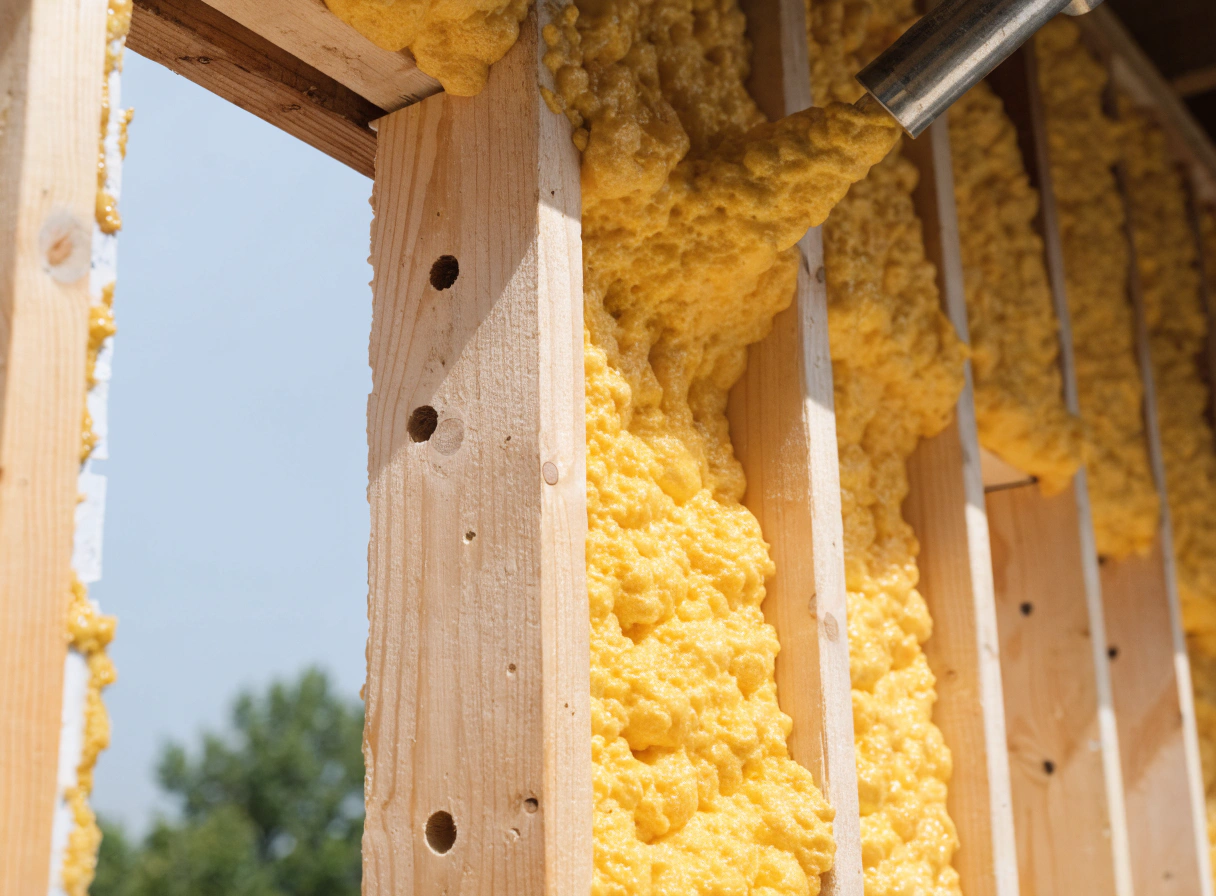
Quick answer: Spray foam insulation is widely considered the best insulation choice for tiny houses. Closed-cell spray foam delivers R-5.6 to R-8 per inch, seals air leaks, blocks moisture, and adds structural strength—all in one thin layer. Open-cell is cheaper but absorbs moisture and offers lower R-values. For most tiny home builds, closed-cell wins on…
-
Tiny House Insulation Cost: What to Expect and How to Save
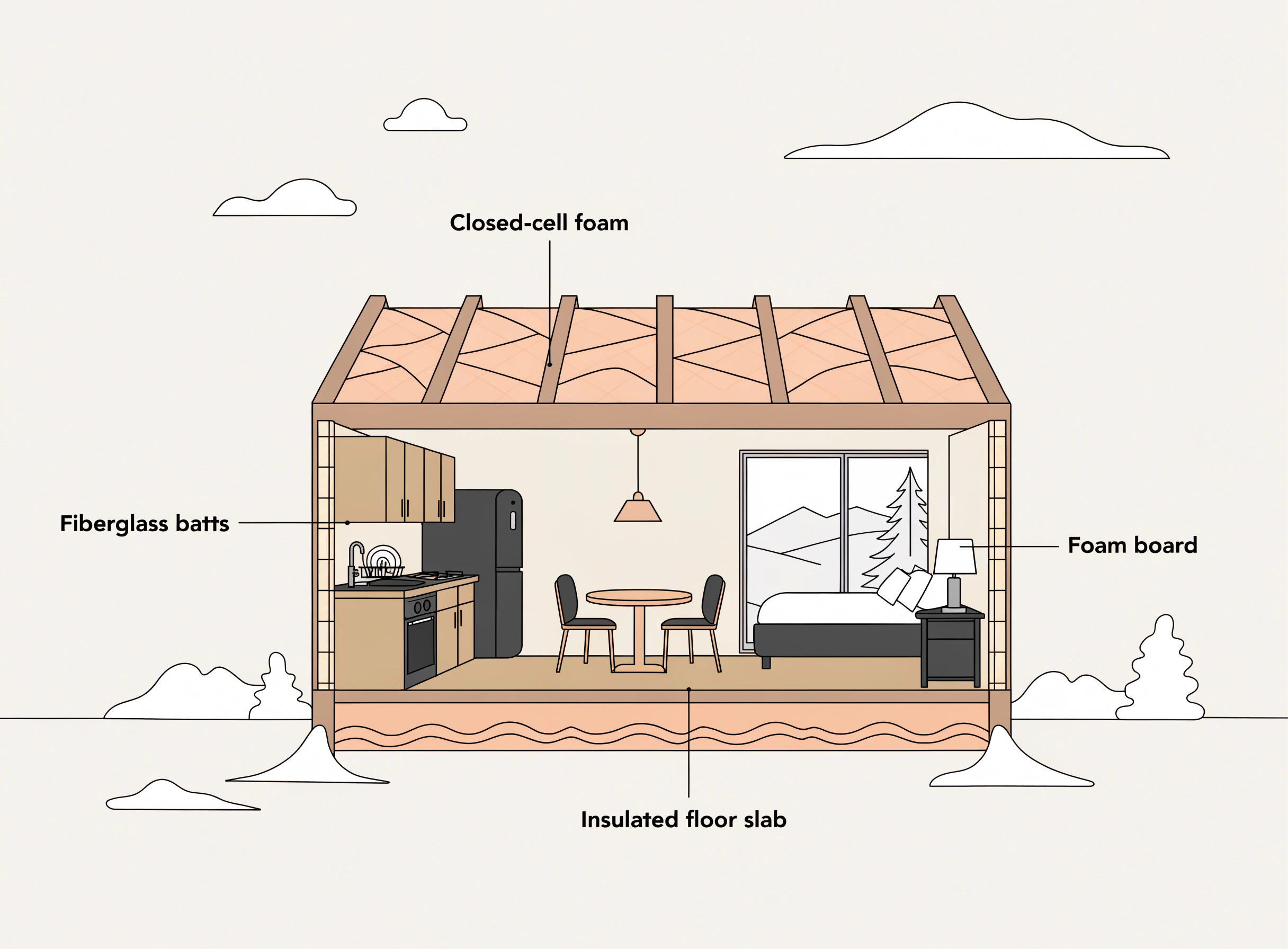
TL;DR: Tiny house insulation cost ranges from $0.25 to $4.50 per square foot depending on the material. Fiberglass batts are the most affordable option, while closed-cell spray foam costs more upfront but saves the most energy long-term. Total insulation costs for a typical tiny home typically fall between $500 and $3,500. Tiny house insulation cost…
-
Best Insulation for Tiny Homes: The Complete Guide
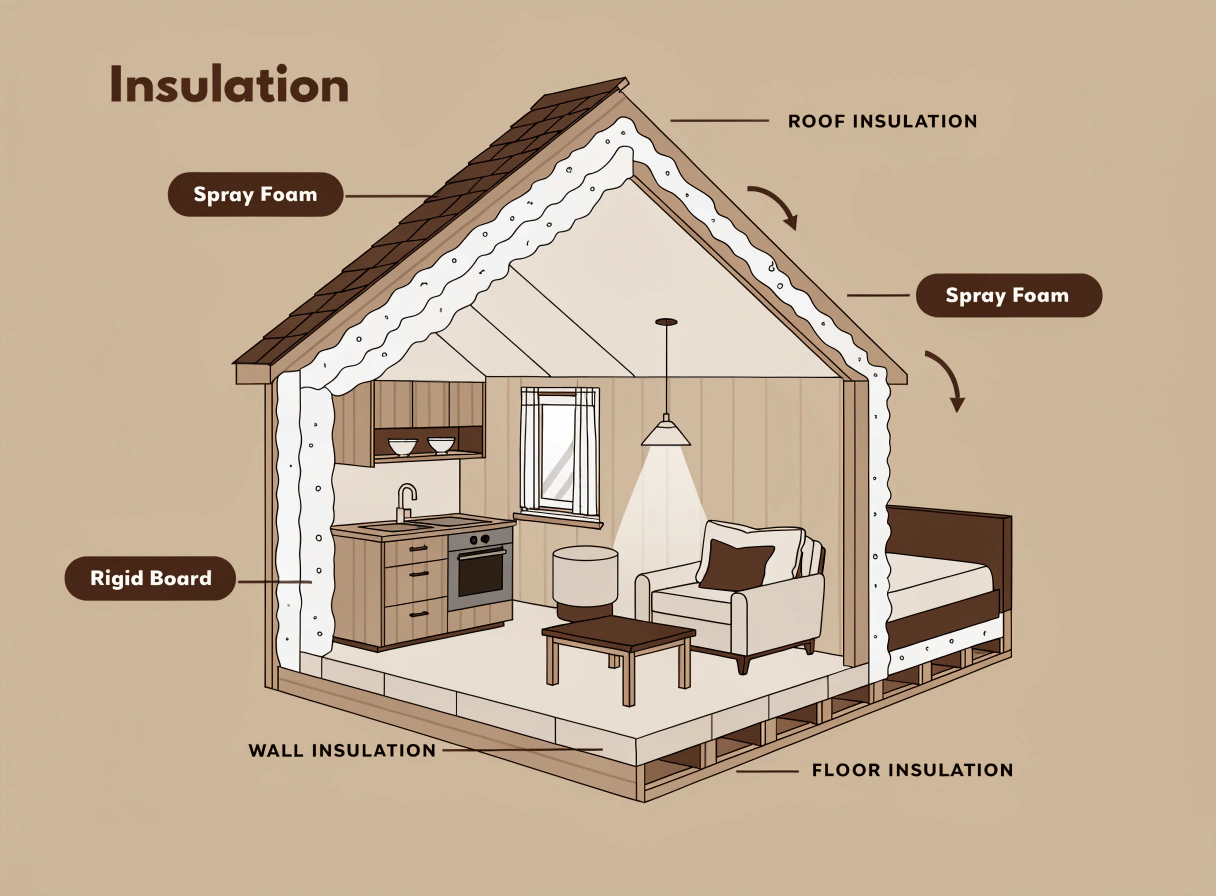
TL;DR: The best insulation for tiny homes depends on your climate, budget, and build type. Closed-cell spray foam tops the list for performance—offering R-5.6 to R-8 per inch—while rigid foam boards and mineral wool are solid alternatives. Fiberglass batts work for tight budgets. Always match your insulation choice to your climate zone’s R-value requirements. Best…
-
Small House Insulation Options: Your Complete Guide
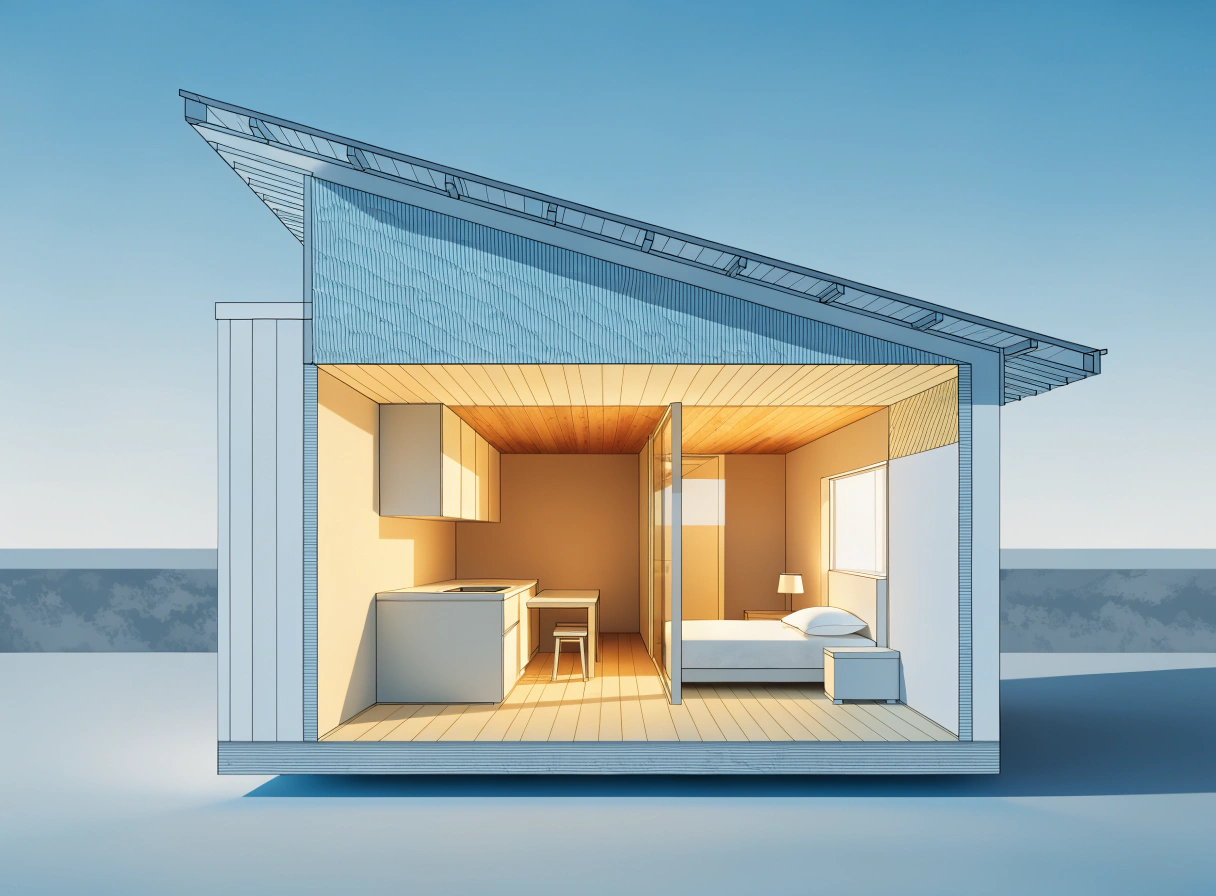
TL;DR: Small house insulation options include fiberglass batts, spray foam, rigid foam boards, and mineral wool. Each material has a different R-value, cost, and best-fit use case. The right choice depends on your climate zone, budget, and whether you’re insulating walls, roof, or floor. Small house insulation options are the first thing to get right…
-
How to Insulate a Tiny House: The Complete Guide
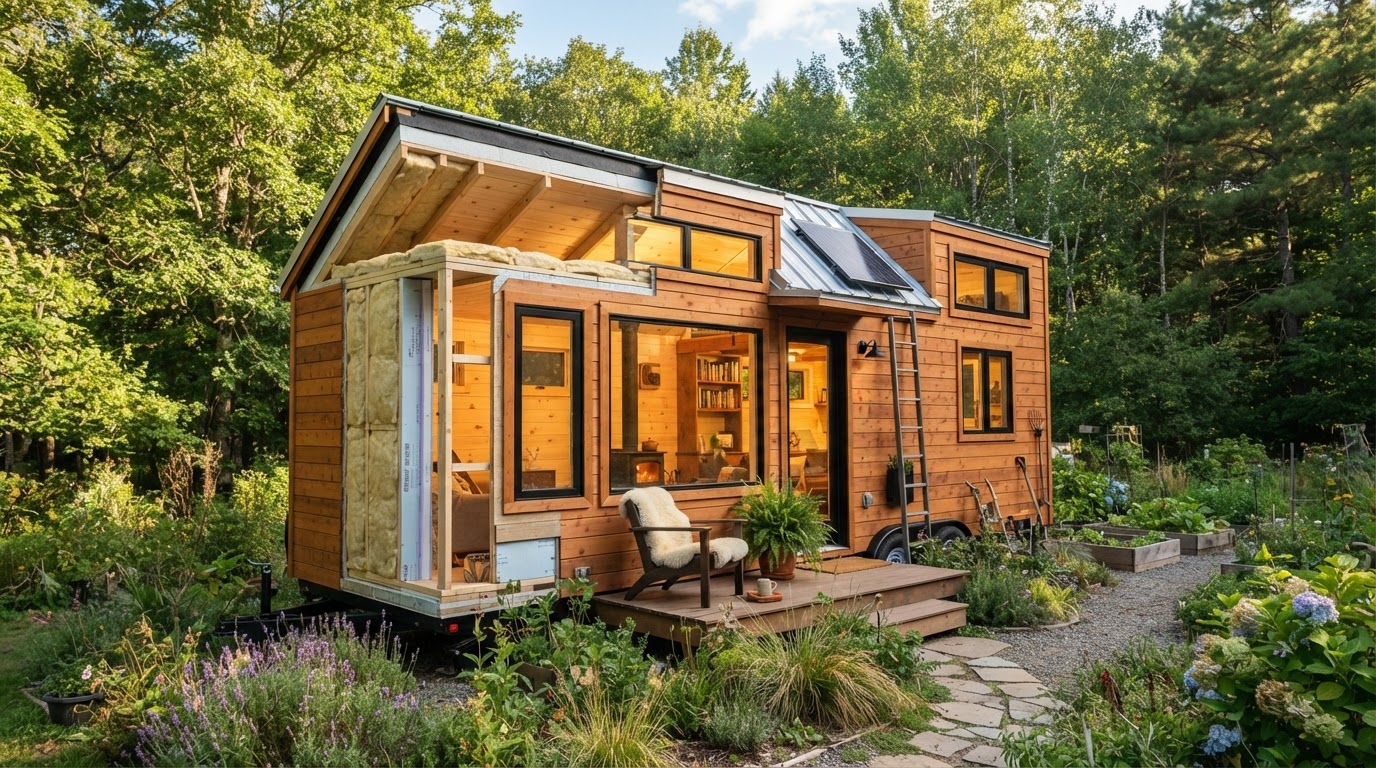
How to insulate a tiny house is one of the first questions you should ask before you build — or move in. Good insulation keeps you warm in winter, cool in summer, and can cut energy bills by up to 30%, says the U.S. Department of Energy. But tiny homes come with real challenges: shallow…
-
The Complete Tiny House Insulation Guide: Materials, R-Values & Costs
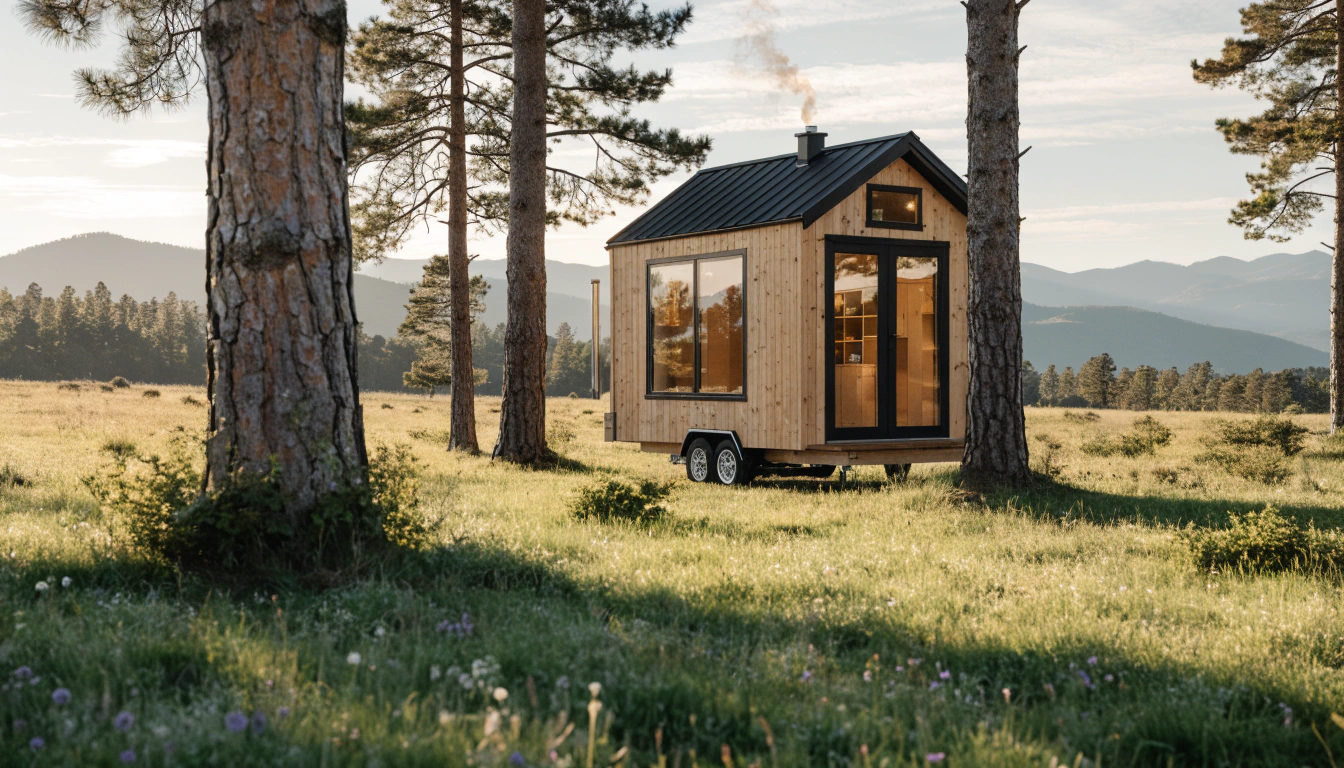
This tiny house insulation guide covers everything you need to know to keep your small home warm in winter, cool in summer, and energy efficient all year long. Insulating a tiny house is trickier than a standard home — wall cavities are shallow, space is limited, and weight matters if you’re on wheels. Choose the…
-
Living in a Small Space: How Tiny Living Looks Around the World

Picture yourself standing in the middle of a 400-square-foot apartment. You turn a slow circle, take it all in, and realize something surprising: you don’t miss the extra rooms at all. The clutter is gone. The bills are smaller. And your home somehow feels more like you than any big house ever did. That’s the…
-
Best Coastal Tiny Home Interiors: 12 Ideas to Bring the Beach Home

Coastal tiny home interiors mix the calm of the sea with smart, space-saving design. I love how these spaces feel light, open, and connected to nature — even when you’re working with just a few hundred square feet. The right colors, textures, and furniture can make a small home feel relaxed and airy instead of…
-
Noise Insulation Tiny House Ideas for Peace and Quiet
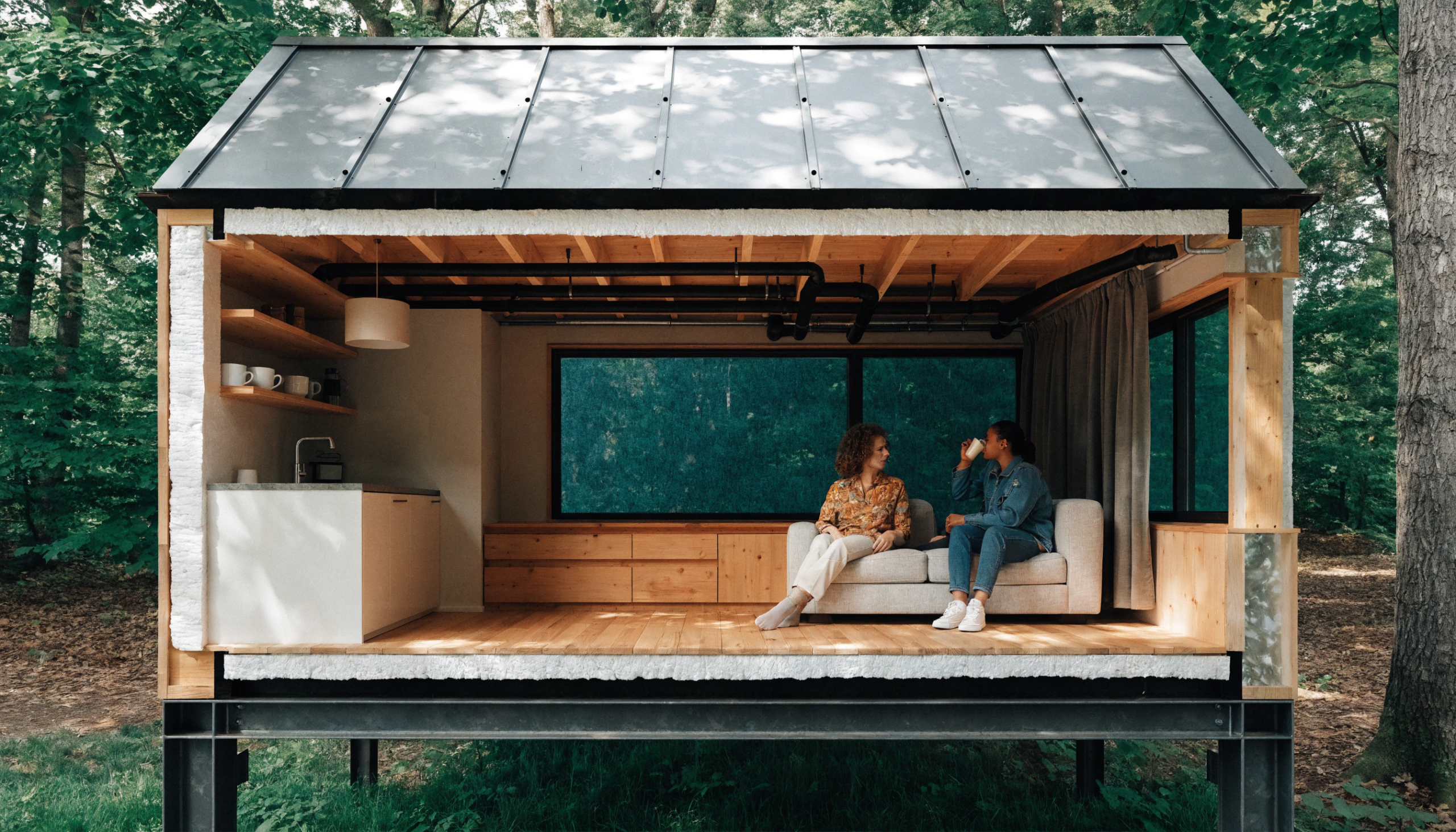
Quick answer: The best noise insulation tiny house ideas combine four principles—mass, decoupling, damping, and sealing. Use dense materials like mineral wool and Mass Loaded Vinyl, decouple walls with resilient channels or sound clips, seal every gap with acoustic caulk, and upgrade to double or triple-pane windows for a quieter, cozier tiny home. Let me…
-
Tiny House Land Lease vs Buying Land: Which Option Is Right for You?
The choice between leasing and buying land for your tiny house comes down to one core trade-off: flexibility versus permanence. Leasing land keeps upfront costs low and lets you relocate easily, while buying land builds equity and gives you complete control over your property. Both paths work for tiny house living, but they serve different…