Expert Tiny House Community Placement Services
Finding the perfect tiny house community requires more than browsing listings—it demands expertise in zoning laws, community rules, and lifestyle matching across hundreds of locations nationwide.
Our placement specialists maintain a nationwide network of tiny home communities, from coastal retreats to mountain villages, connecting tiny house owners with neighborhoods that match their budget, lifestyle, and tiny living vision. Whether you’re interested in a vibrant community with shared amenities or a quieter village nestled in nature, we know the landscape.
Schedule Your Tiny House Community Consultation Today!
Why Tiny House Communities are Perfect for Your Lifestyle
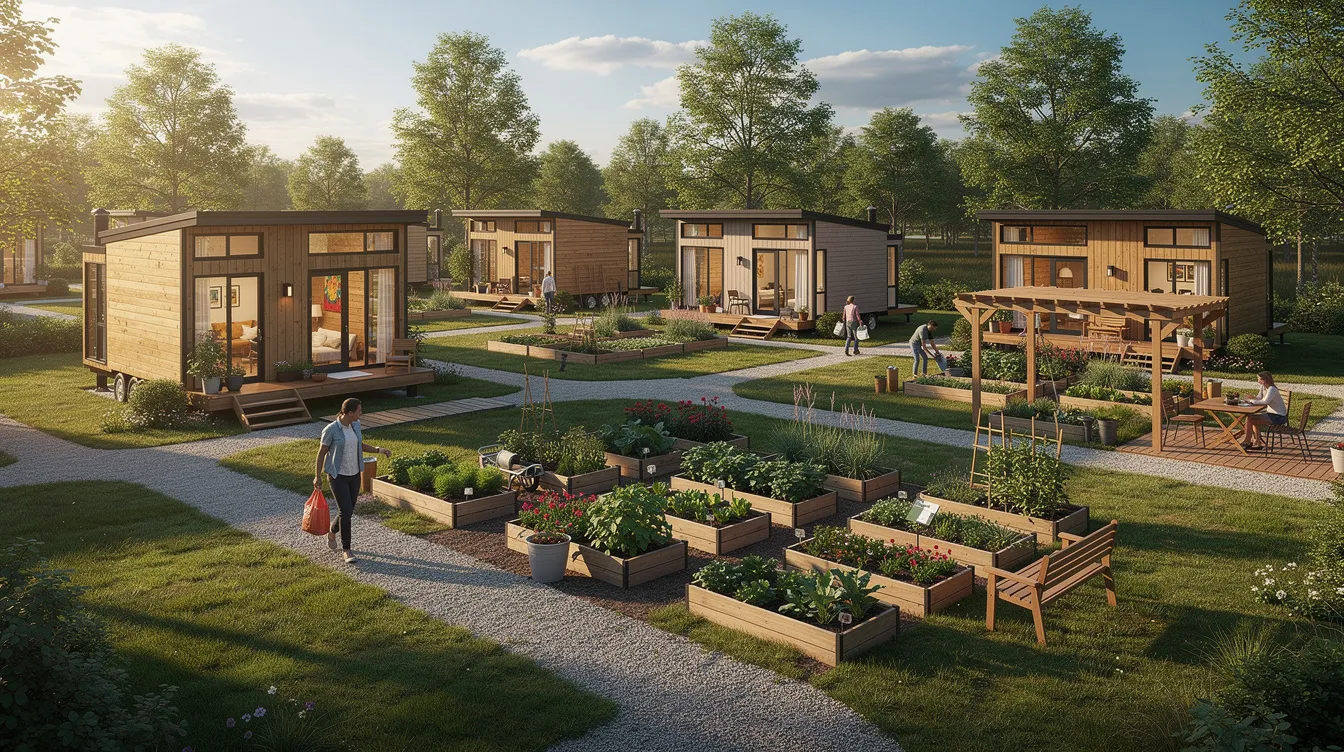
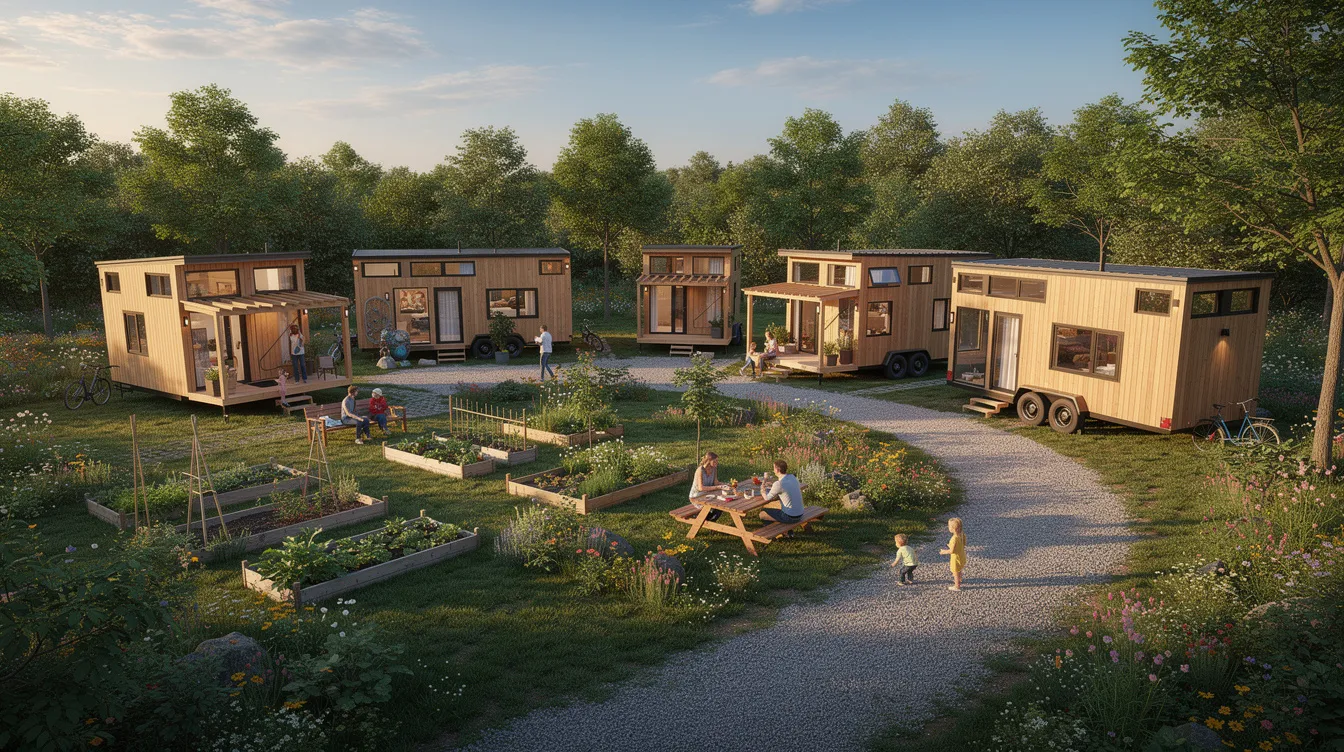
Tiny house communities are neighborhoods specifically designed for small-footprint living, ranging from 200 to 800 square feet. When you join an established community rather than navigating private land placement, you unlock distinct advantages that make the tiny house movement accessible and enjoyable.
- Cost-Effective Living: Residents of tiny house communities often share costs, including land rental fees and maintenance expenses, contributing to affordability. Lot rentals typically range from $300 to $1,000 monthly depending on location and amenities.
- Built-In Social Connections: Joining a tiny home community can create a built-in social network of like-minded neighbors, which can be beneficial for emotional support and social interaction. Communities like Simple Life prioritize social connection, supporting shared activities among residents.
- Legal Compliance and Zoning Peace of Mind: Many tiny home communities operate legally as licensed RV parks, providing a safe and beautiful environment specifically for tiny living. This eliminates the stress of navigating complex legal regulations on your own.
- Instant Access to Utilities: Living in a tiny home community often provides instant access to utilities, which can simplify the transition to tiny living compared to setting up on private land.
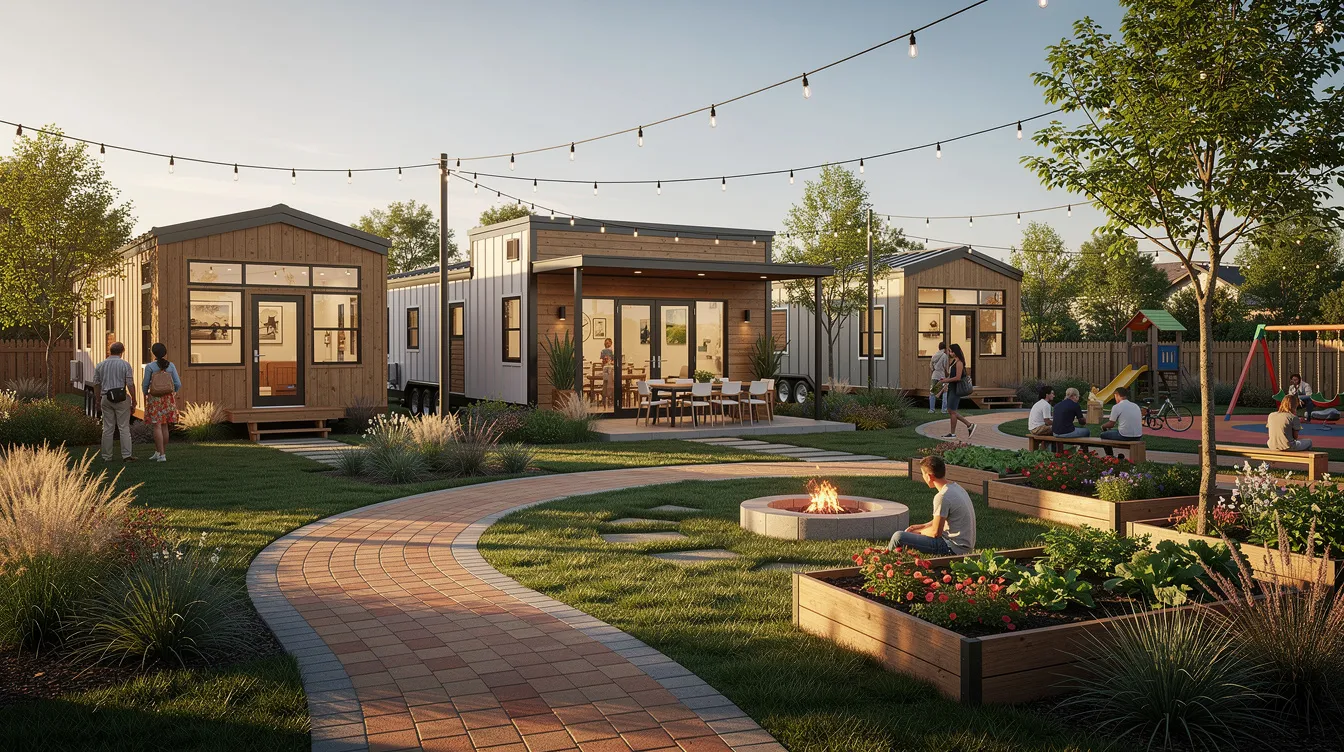
- Community Amenities: Tiny home communities typically offer shared amenities such as pools, community gardens, and dog parks, enhancing the living experience and fostering a sense of community among residents. Shared facilities often include communal kitchens, laundry rooms, and fitness centers.
- Professional Maintenance: Community management handles landscaping, common areas, and infrastructure upkeep, freeing you to focus on simple living.
Our Community Placement Services
Permanent Tiny House Communities
We specialize in long-term placement within established tiny house villages and planned communities across Western North Carolina and nationwide. Our focus includes ownership opportunities where you purchase both home and lot, condominium-style arrangements, and permanent residency in communities designed for year-round tiny living, often in collaboration with top tiny house builders who understand community requirements.
Ownership models for tiny house communities include lot lease, condominium/ownership, and rental—we help you explore which structure aligns with your plans and budget.
RV Park Tiny House Sections
Many tiny home communities operate under RV park zoning laws, allowing them to provide legal and safe environments for tiny living despite the classification of tiny homes as RVs. We connect clients with RV parks featuring dedicated tiny house sections, offering flexible rental terms and seasonal options for those who desire mobility or are testing the tiny lifestyle before committing long-term.
Top 10 Tiny House Communities We Recommend
- Peaceful Meadows, Franklin NC — A gated tiny home community located just outside Franklin, NC, featuring 78 homesites on nearly 29 acres with upscale amenities including a pool, fire pit areas, and walking trails. Lot rentals range from $500–$750 monthly.
- Acony Bell, Mills River NC — Located near Asheville, this community offers both permanent sites and short-term vacation rentals, allowing visitors to experience tiny living before committing. Features include community gardens, EV charging, hiking trails, and a common clubhouse. Monthly costs run $500–$700.
- Green Gate Farms, Western North Carolina — A vibrant community surrounded by mountain views with emphasis on sustainability and community gardens. Perfect for folks seeking harmony with nature.
- Village Farm, Texas — Part of the growing tiny home communities in Texas providing a ‘plug-and-play’ solution for residents, offering instant access to utilities and shared amenities like pools and community gardens. Monthly lot rentals $600–$900.
- Escalante Village, Durango CO — Nestled along a river in mountain country, this community offers walkable design and homes ranging from 200–600 square feet. Pricing significantly below local single-family home market.
- Tiny Tranquility, Waldport OR — A coastal community with 40+ sites, community lodge, and strong focus on neighbor connections. Monthly costs $600–$900. Cool ocean environment for beach lovers.
- Cedar Springs Tiny Village, New Paris OH — Rural acreage with 30 lots across 26 acres featuring walking trails, a fishing pond, and dog park. Affordable lot rentals $400–$650 monthly.
- Lake Walk, South Carolina — Lakefront community a short drive from Atlanta, featuring trails, community gardens, and tons of outdoor recreation. Lot rentals $700–$950 monthly.
- Lemon Cove Village, California — Located near Sequoia National Park, this community offers access to world-class nature with full amenities. Monthly costs $700–$1,200.
- Sprout Tiny Homes, La Junta CO — Affordable full home and lot packages with utilities connected, shared gardens, and workshop space. Rural location keeps land costs low for those with big dreams on a budget.
Availability status varies across these communities—many maintain wait lists, especially for bring-your-own-home lots. We maintain current listings and can connect you with openings.
Our Community Matching Process
Step 1: Lifestyle Assessment
We evaluate your budget, location preferences, and lifestyle needs through a detailed questionnaire. This includes assessing your tiny house specifications—whether on wheels or foundation, certification status, and size—alongside tiny house plans that fit your life and community requirements. We explore whether you desire rural solitude, urban convenience, or something in between.
Step 2: Community Research
Our team researches available communities matching your criteria, reviewing zoning laws, community rules, and fee structures. We examine ownership models, pet policies, amenity access, and long-term costs including hidden fees like hookup charges and membership dues, drawing on a broad perspective from exploring the world of tiny houses.
Step 3: Site Visits and Applications
We arrange visits to your top community candidates so you can explore the environment, meet residents, and experience the neighborhood firsthand. Seeing a variety of great tiny homes that redefine small space living in person can clarify what style and layout work best for you. We then assist with application processes and lease negotiations, ensuring you understand all terms before signing.
Step 4: Move-in Support
We coordinate utility connections and community orientation, helping you connect with neighbors and access common areas. If you’re still choosing between models from top micro house builders, we can also help you align builder timelines with your move-in date. Our support continues beyond move-in to ensure smooth integration into your new village life.
Customer Success Stories
“After months of searching on our own and running into zoning law roadblocks, their team found us the perfect place at Peaceful Meadows. We’re now surrounded by like-minded folks who share our vision for simple living!” – Sarah and David M., Tiny House Owners
“I was interested in tiny living but didn’t know where to start. They walked me through the entire journey—from understanding community rules to coordinating my move. Now I wake up every morning with mountain views and a vibrant community just a short walk away.” – Marcus L., Retiree
“The community matching process was complete and thorough. They understood our desire for sustainability and connected us with a neighborhood featuring community gardens and collective eco-projects. We’re proud to call it home.” – Jennifer K., Environmental Consultant
Frequently Asked Questions
What’s the average cost of tiny house community living?
Lot rental fees typically range from $300 to $1,000 per month, depending on whether you’re in a rural or urban location and the amenity level included. Rural communities often run $300–$600 monthly while urban or high-amenity suburban sites reach $700–$1,500.
Most tiny homes themselves cost $60,000–$120,000 professionally built, though DIY construction can lower this to $25,000–$50,000, especially if you draw inspiration from great tiny homes that redefine small space living and adapt designs to your budget. For those planning to build themselves, a structured guide on how to build a tiny house can help manage both costs and timelines. Utility hookup fees add $1,000–$4,000 for electrical and water, with septic or sewer connections potentially reaching $2,000–$20,000 depending on existing infrastructure. Some communities include utilities in lot rent while others bill separately.
Residents in tiny house communities often need significant downsizing, as storage space is limited—factor this into your planning and budget, and consider cute tiny house designs for your dream home that integrate smart storage into their overall aesthetic.
Do I need RV certification for my tiny house?
In many jurisdictions, tiny homes on wheels (THOW) are classified as recreational vehicles (RVs), which affects where they can be legally parked and lived in full-time. Many of the best tiny house designs for modern living now factor these legal requirements into their structure and certifications. Most communities require RVIA certification or equivalent for THOWs to meet local ordinance requirements.
Homes built on permanent foundations must meet local minimum square footage requirements and building codes—often addressed through IRC Appendix Q for structures under 400 square feet. This is a crucial consideration when following any step‑by‑step guide on how to build a tiny house. Zoning laws for tiny homes can vary significantly by location, with some areas actively changing their regulations to accommodate tiny home living.
We help you understand certification requirements for your specific tiny house and target communities.
How long does it take to find and move into a community?
If purchasing an existing tiny home with an available lot in an established community, expect 1–3 months from search to move-in. Commissioning one of the top custom tiny homes for your perfect small-space living or building a new home while securing a lot, utility hookups, and permits extends the timeline to 6–12 months or longer depending on local bureaucracy and construction schedules.
Communities with strong demand maintain wait lists—planning ahead gives you access to better options. Our network allows us to identify openings faster than individual searches.
Start Your Tiny House Community Journey Today
Your dream of tiny living in a supportive neighborhood is closer than you think. Our experts specialize in connecting you with the perfect community—whether you’re drawn to a dog park and pool amenities, community gardens and sustainability projects, or simply the convenience of legal, established housing with like-minded neighbors inspired by exploring the world of tiny houses.
Living in a tiny house community can offer social connections and shared costs, though it’s worth noting that living in close proximity to others can limit opportunities for solitude. Some communities may also foster potential isolation if located in remote areas. We help you understand these tradeoffs and find the balance that fits your life.
Service Areas: Nationwide placement services with local expertise in Western North Carolina, Texas, Colorado, Oregon, California, Ohio, and South Carolina
Talk to Our Tiny House Community Experts Today!