
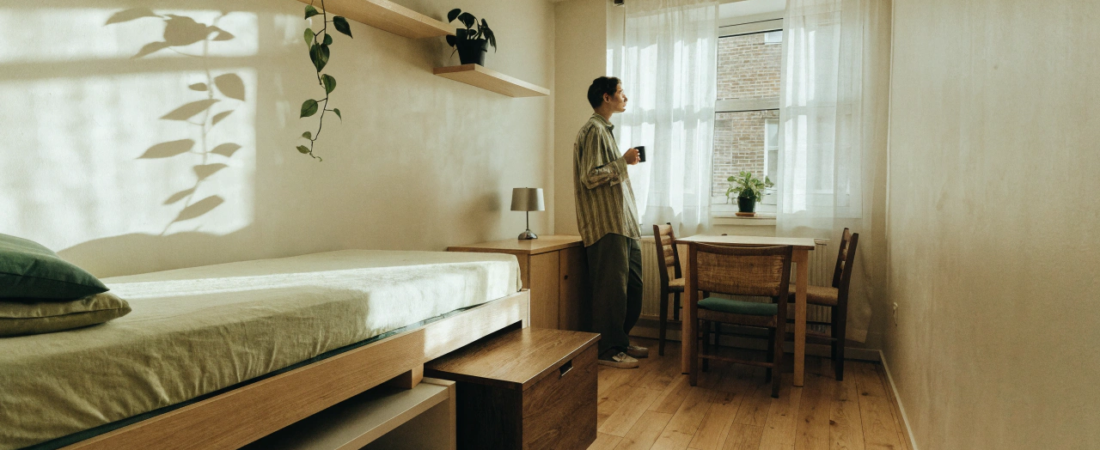


Picture yourself standing in the middle of a 400-square-foot apartment. You turn a slow circle, take it all in, and realize something surprising: you don’t miss the extra rooms at all. The clutter is gone. The bills are smaller. And your home somehow feels more like you than any big house ever did.
That’s the quiet magic of living in a small space. But here’s the thing most people miss — small living doesn’t look the same everywhere. It bends and shifts depending on where you plant your feet. Climate, culture, city density, and even local rules all shape how people make tiny homes work.
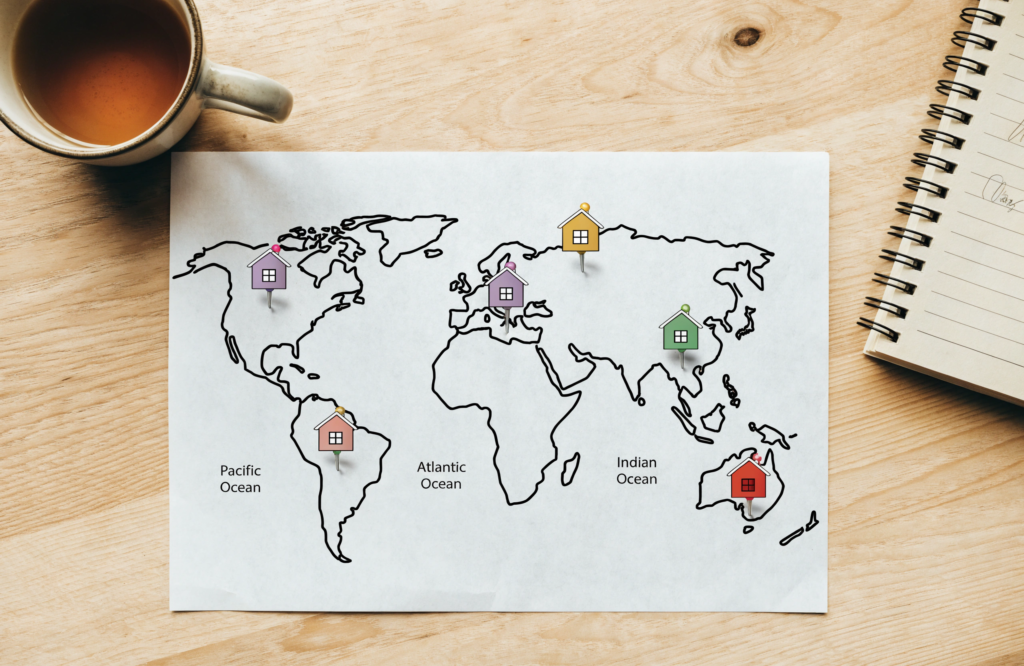
So let’s take a trip around the world. We’ll look at how five regions approach compact living, what challenges they face, and the clever tricks each one has picked up along the way. By the end, you’ll have a pocketful of small-space living tips you can try no matter where you call home.
Small-Space Living in North America
What’s Driving the Trend
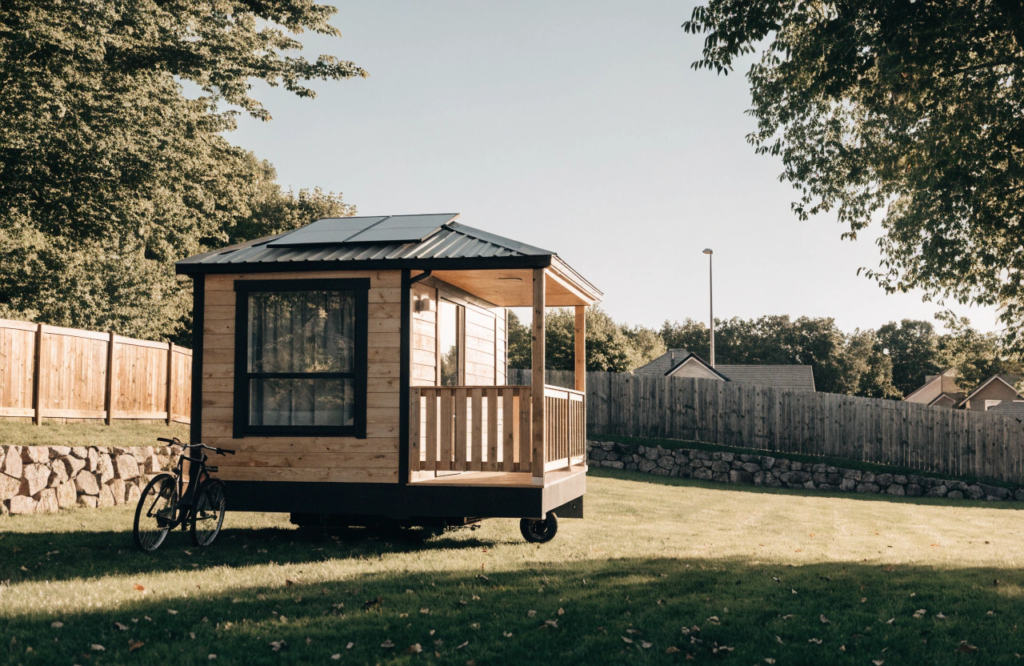
Across the U.S. and Canada, tiny living is having a real moment. Tiny homes on wheels roll down highways, and backyard ADUs (accessory dwelling units — basically small standalone homes on an existing property) are popping up in neighborhoods everywhere.
Two groups lead the charge: young professionals who’d rather save money than furnish a guest room they’ll never use, and retirees looking to downsize and simplify. Add in sky-high rents in cities like New York, Toronto, and San Francisco, and it’s easy to see why micro-apartments keep gaining fans.
How People Feel About Minimalism
The old “bigger is better” idea is fading. More folks now see a smaller home as a smarter choice, not a lesser one. There’s real pride in intentional living and a lighter footprint on the planet. Social media helps too — a beautifully designed 300-square-foot studio can rack up thousands of likes and inspire someone to give tiny living a shot.
The Common Hurdles
It’s not all smooth sailing. Zoning laws can make it tricky to park or build a tiny home legally. Then there’s the seasonal gear problem — where do you stash winter coats, boots, and camping equipment when every closet counts? Car culture adds another layer, since parking and small lots don’t always play nice with compact homes.
Tips That Work Here
- Research ADU-friendly cities before you buy or build, so you don’t hit legal roadblocks later.
- Go vertical for bulky winter items — tall shelving and overhead storage keep floors clear.
- Choose furniture that folds flat when guests leave, like a drop-leaf table or a wall-mounted desk.
Small-Space Living in Europe
What’s Driving the Trend
Europeans have been living small for centuries. Apartments in Paris, Amsterdam, and Rome were compact long before it was trendy. Strong public transit means fewer people need a big garage or driveway, and eco-minded building rules push developers toward energy-smart, smaller homes.
How People Feel About Minimalism
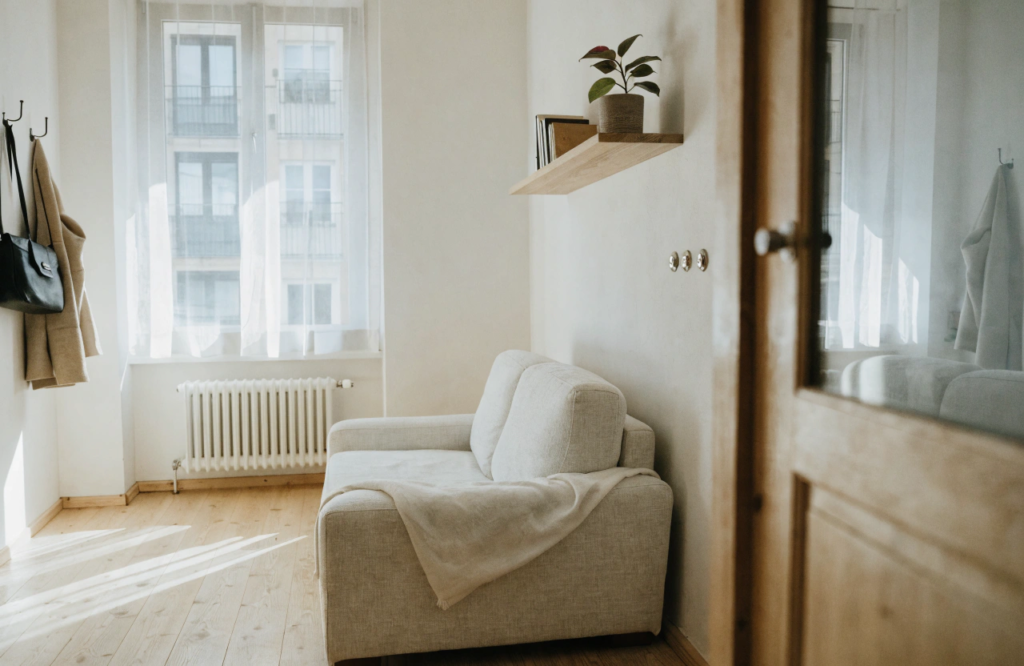
Here, small living is simply normal — not a sacrifice. Scandinavian design gets a lot of the credit, with its love of clean lines, natural light, and cozy simplicity. There’s also a cultural comfort with sharing public spaces, like a neighborhood park or café, instead of needing every amenity inside your own four walls.
The Common Hurdles
Charming old buildings come with quirks. Think narrow staircases, strict rules against renovations, and tiny kitchens. Laundry is often shared, and closet space in older flats can be almost nonexistent.
Tips That Work Here
- Borrow the Scandinavian trick of light, airy colors to make a room feel open and calm.
- Mount racks and hooks on walls when floor space runs short — they hold everything from pots to bikes.
- Shop at nearby markets often instead of stockpiling groceries. Fresh food, less pantry clutter.
Small-Space Living in Asia
What’s Driving the Trend
In dense cities like Tokyo, Hong Kong, and Seoul, micro-apartments are a way of life. Capsule and pod-style homes give solo dwellers a smart, affordable place to land. When land prices climb this high, every square foot truly counts.
How People Feel About Minimalism
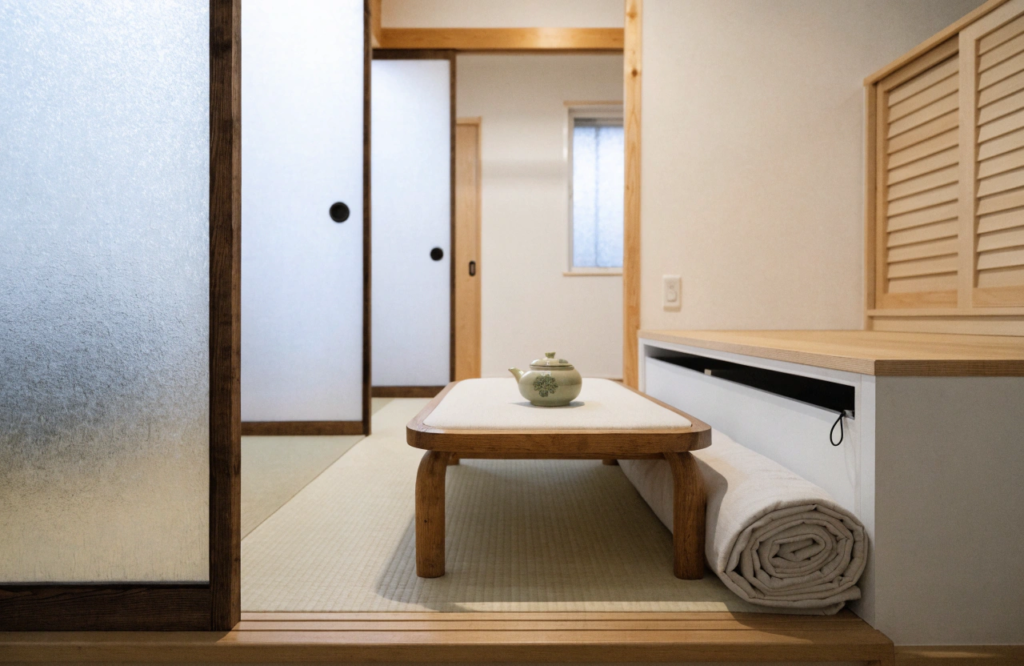
Japanese design has long celebrated calm, clutter-free rooms. There’s a beautiful tradition of flexible spaces too — futons that fold away by day turn a bedroom into a living room in seconds. The focus tends to be on quality craftsmanship over piles of possessions.
The Common Hurdles
One room often has to be a bedroom, office, and dining area all at once. Storage is scarce in ultra-compact units, and humidity can be a real headache in tight quarters without good airflow.
Tips That Work Here
- Pick foldable and stackable furniture that clears out fast when you need open floor.
- Build a daily tidying habit — even five minutes keeps small rooms feeling roomy.
- Use hidden storage under the floor or bed, so your stuff stays out of sight.
Small-Space Living in Australia and Oceania
What’s Driving the Trend
Rising home prices are nudging more Australians and New Zealanders toward compact living and granny flats. Coastal towns suit smaller homes and an outdoorsy lifestyle, and there’s growing interest in off-grid tiny homes scattered across the countryside.
How People Feel About Minimalism
The relaxed, outdoorsy culture here values experiences over stuff. People love homes that pair with solar panels and rainwater tanks, and they’re comfortable blurring the line between indoors and out — a patio can feel like just another room.
The Common Hurdles
Small suburban blocks demand clever layouts. Heat and strong sun shape how rooms are arranged, and there’s always the question of where to store surfboards, bikes, and camping kits.
Tips That Work Here
- Stretch your living area outdoors with a deck or patio — it’s like adding a room for free.
- Add solar panels and water tanks for real off-grid freedom and lower bills.
- Install built-in benches that double as storage for all that outdoor gear.
Small-Space Living in Latin America
What’s Driving the Trend
Compact city apartments fill São Paulo, Mexico City, and Buenos Aires. Multi-generational families often share modest homes, and tight budgets spark colorful, creative solutions you won’t see anywhere else.
How People Feel About Minimalism
Strong family bonds make shared, cozy spaces feel warm rather than cramped. There’s a resourceful spirit here that turns small homes into personal, expressive places. Community life spills out onto streets, plazas, and shared courtyards, so home doesn’t have to hold everything.
The Common Hurdles
Fitting several family members under one small roof takes planning. Budgets for renovations and furniture are often tight, and warm climates shape how kitchens and living areas function day to day.
Tips That Work Here
- Use bold color and personal touches to make small rooms feel alive and full of character.
- Try room dividers — a curtain or shelf — to carve out privacy in shared homes.
- Choose secondhand and handmade furniture to save money and add charm.
Universal Tips for Living Well in a Small Space
No matter where you live, a few ideas work everywhere. These are the building blocks of great compact home design.
Make Every Room Work Harder
- Pick furniture that does double duty — sofa beds, storage ottomans, and fold-out desks earn their keep.
- Think vertical. Shelves, hooks, and wall storage free up precious floor space.
Keep Clutter in Check
- Try a simple “one in, one out” rule. Buy something new, let something old go.
- Do quick daily tidy-ups so small messes never snowball into big ones.
Design for Light and Air
- Use mirrors and light colors to trick the eye and make rooms feel bigger.
- Keep windows clear so natural light can pour in and open up the space.
Live Lighter, Spend Smarter
- Small homes mean lower bills and less upkeep — that’s more time and money for you.
- Put the savings toward experiences, travel, or giving back to your community.
Small Home, Big Life
Here’s what stands out after our trip around the globe: no matter the country, tiny home living rewards creativity and intention. A studio in Tokyo, a granny flat in Sydney, and a cozy flat in Rome all prove the same point — you don’t need more room to live large.
The best part? You can borrow ideas from anywhere. Steal the Scandinavian love of light, the Japanese art of hidden storage, or the Latin American gift for color. Mix and match until your little home feels just right.
So pick one tip from another region and try it in your own space this week. You might be surprised how much bigger a small home can feel with a fresh idea and a bit of heart.