
Key Takeaways
- Knowing when to plant in Houston is the difference between thriving harvests and wasted effort in a tiny home garden. Houston features two distinct growing seasons-spring and fall-each with its own ideal crops and planting dates.
- The main planting windows are late February through April for warm-season vegetables and mid-October through early December for cool-season crops, with a long hot summer pause for many plants.
- Houston’s cool season (October through March) is prime time to plant vegetables like lettuce, kale, peas, and root crops, especially in small raised beds near a tiny home.
- Fall planting is generally more forgiving than spring because pests and heat are lower, making it the ideal starting point for new gardeners with limited space.
Understanding Houston’s Climate and Planting Dates
Houston has a subtropical climate with long summers and mild winters, sitting in USDA hardiness zones 9a–9b. This means vegetable planting windows vary by season in Houston’s climate, and timing matters far more here than in regions with a single, predictable growing season.
Here are the numbers that anchor your calendar:
- Frost dates: The last average spring frost in Houston typically occurs between February 10 and March 1. Houston’s first frost date is November 29, though the first fall freeze usually arrives in late November to early December in some outlying areas.
- Cool season vs. warm season: Houston’s cool season runs from October to March, while the warm season stretches from April through September. Cool-season crops often perform better in fall than in spring in Houston because temperatures are declining rather than spiking.
- Soil temperature is crucial for planting success. Warm-season crops like tomatoes and peppers need soil consistently above 65–70°F, while cool-season greens prefer the 50–65°F range.
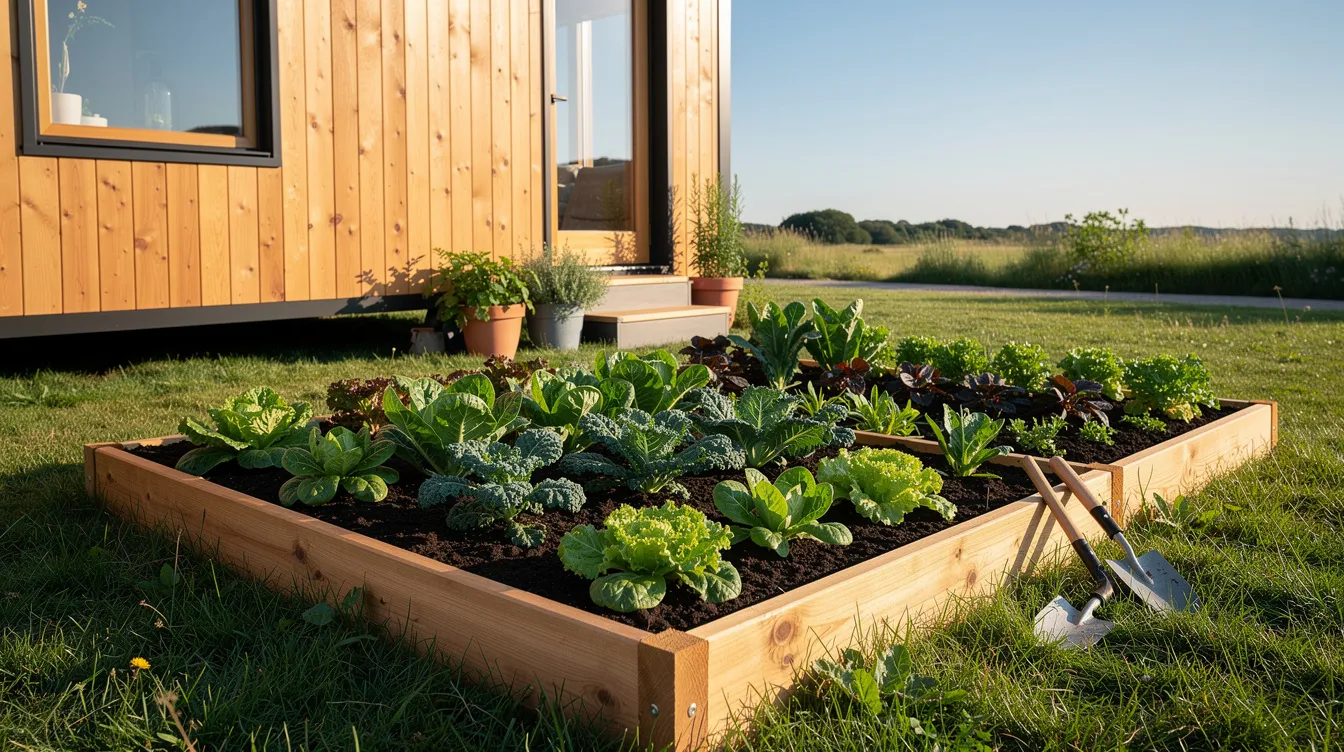
- Tiny home advantage: Small, movable planters and raised beds let you dodge extreme microclimates-reflected heat from metal siding, hot concrete pads, or full-sun walls-by simply repositioning containers as conditions change.
Spring Planting in Houston: Late Winter Through April
Spring is when Houston gardeners get eager, and for good reason. Warm-season vegetables can be planted in Houston from late February through April, giving you a window of roughly eight to ten weeks before summer heat takes over.
- Early spring (late February–early March): This is the time to finish cool-season holdovers like lettuce, peas, carrots, beets, broccoli, and cauliflower. These crops should mature before sustained heat triggers bolting. You can also plant tomatoes in Houston starting in February if you use transplants and protect them from any late cold snaps.
- Warm-season window (March 1–April 10): Transplant or direct sow tomatoes, peppers, eggplant, squash, cucumbers, green beans, and corn after the last frost risk drops. Tomatoes thrive best when planted in spring, ideally by late march, so they can fruit before midsummer stress.
- Pros and cons: Spring brings fast growth and big harvests, but also heavy pest pressure from aphids, whiteflies, and caterpillars. Plants can stall once night temperatures stay above 75°F.
- Tiny home strategy: Focus on compact bush tomatoes, patio peppers, dwarf okra, and trellised cucumbers in containers around your deck. Look for creative tiny garden ideas for small spaces that help you skip space-hogging crops like field corn and prioritize high-yield plants with vertical supports.
Fall Planting in Houston: Why October Is the Sweet Spot
If you’re asking when to plant in Houston and want the simplest answer, it’s october. Fall planting season in Houston runs from mid-October to December, and this window is the most forgiving for beginner and tiny home gardeners alike.
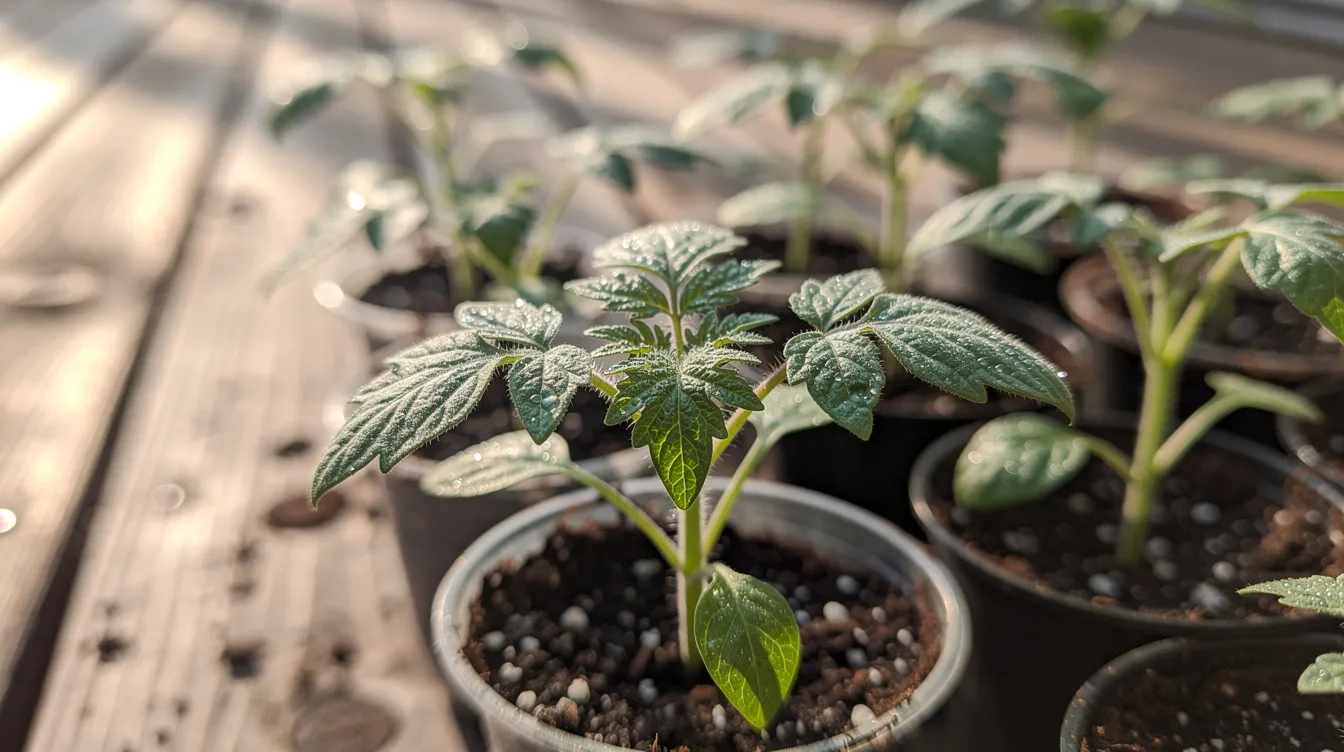
- Why fall works: Daytime highs drop below 90°F, nights settle into the 50s–60s, and pest pressure drops significantly. Cool-season vegetables can be planted in Houston from late August through November, giving you a wide runway.
- What to plant: Peas, fava beans, lettuce, spinach, kale, collards, mustards, radishes, carrots, beets, turnips, broccoli, cauliflower, cabbage, cilantro, parsley, dill, garlic, and onions all thrive in this window. Broccoli and cauliflower prefer cooler temperatures for growth, so fall is their ideal season.
- Container reset: Pull plants after they stop producing to refresh the soil. October is the perfect month to clear out exhausted summer crops, amend potting mix with compost, and replant with cool-season varieties, including flowering plants suited for tiny homes to add color around your space.
- Root establishment: Fall planting allows roots to establish in mild soil temperatures, so plants power through winter and explode with growth in late winter and early spring.
A pair of 2×4 raised beds or several 5-gallon containers can keep one or two people in greens and herbs all winter with staggered plantings.
What to Plant by Season in a Tiny Home Houston Garden
This section serves as a practical seasonal planting guide tailored to small spaces and container gardens around a tiny home, especially if you’re exploring the best little houses in Texas and planning how outdoor space will support gardening.
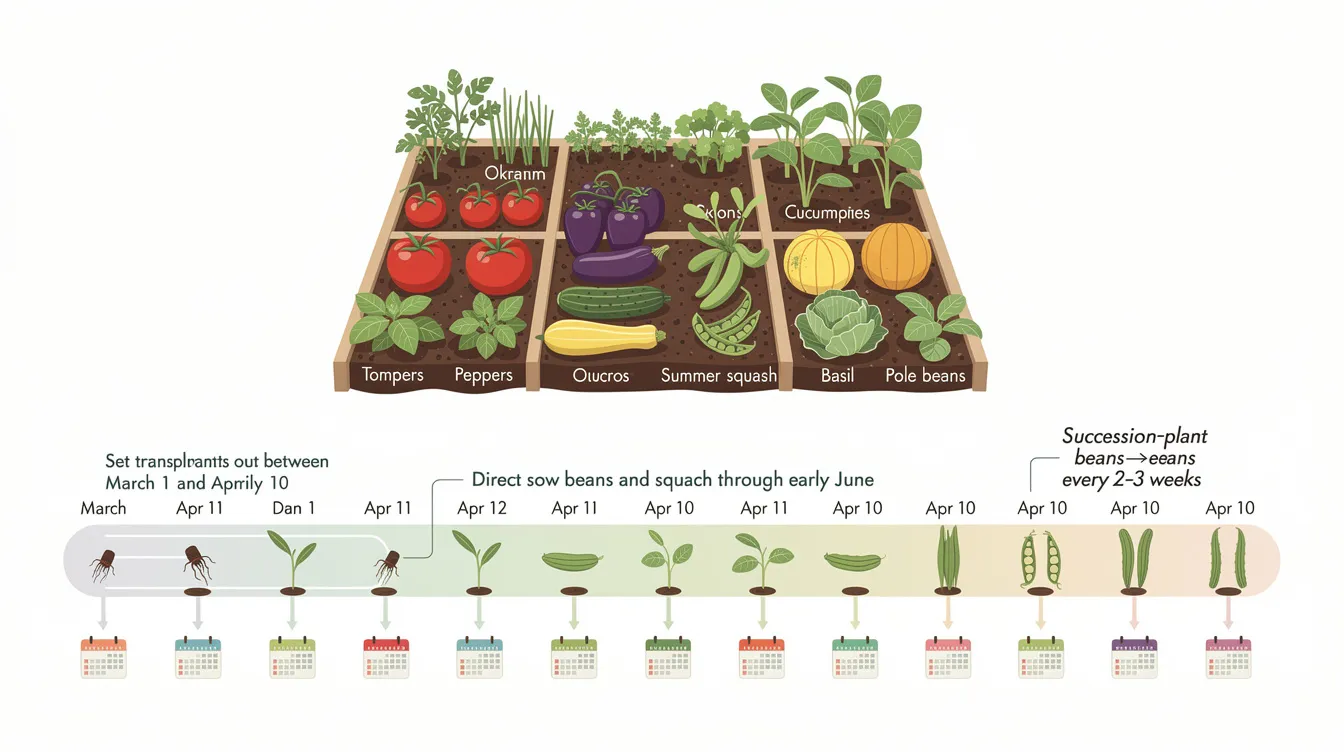
- Warm-season crops (April–September): Plant tomatoes, peppers, eggplant, okra, cucumbers, summer squash, basil, melons, and pole beans. Set transplants out between March 1 and April 10. You can direct sow beans and squash through early June, and succession-plant beans every two to three weeks.
- Cool-season crops (October–March): Plant leafy greens (lettuce, kale, chard, arugula), root vegetables (radishes, carrots, beets, turnips), brassicas (broccoli, cauliflower, cabbage), peas, fava beans, and cool-loving herbs (cilantro, dill, parsley).
- Compact varieties win: Tiny home gardeners should favor quick-maturing, cut-and-come-again crops like looseleaf lettuce and baby greens for continual harvest from limited square footage.
- Go vertical: Use trellises on walls, balcony railings, and fence lines to grow peas, pole beans, and cucumbers upward rather than out-essential when yard space is tight.
- Stagger your dates: Direct seed lettuce, radishes, and bush beans every two to three weeks during their appropriate windows. This keeps a steady supply without overcrowding small planters.
Fall Planting Focus: Cool‑Season Greens, Herbs, and Root Crops
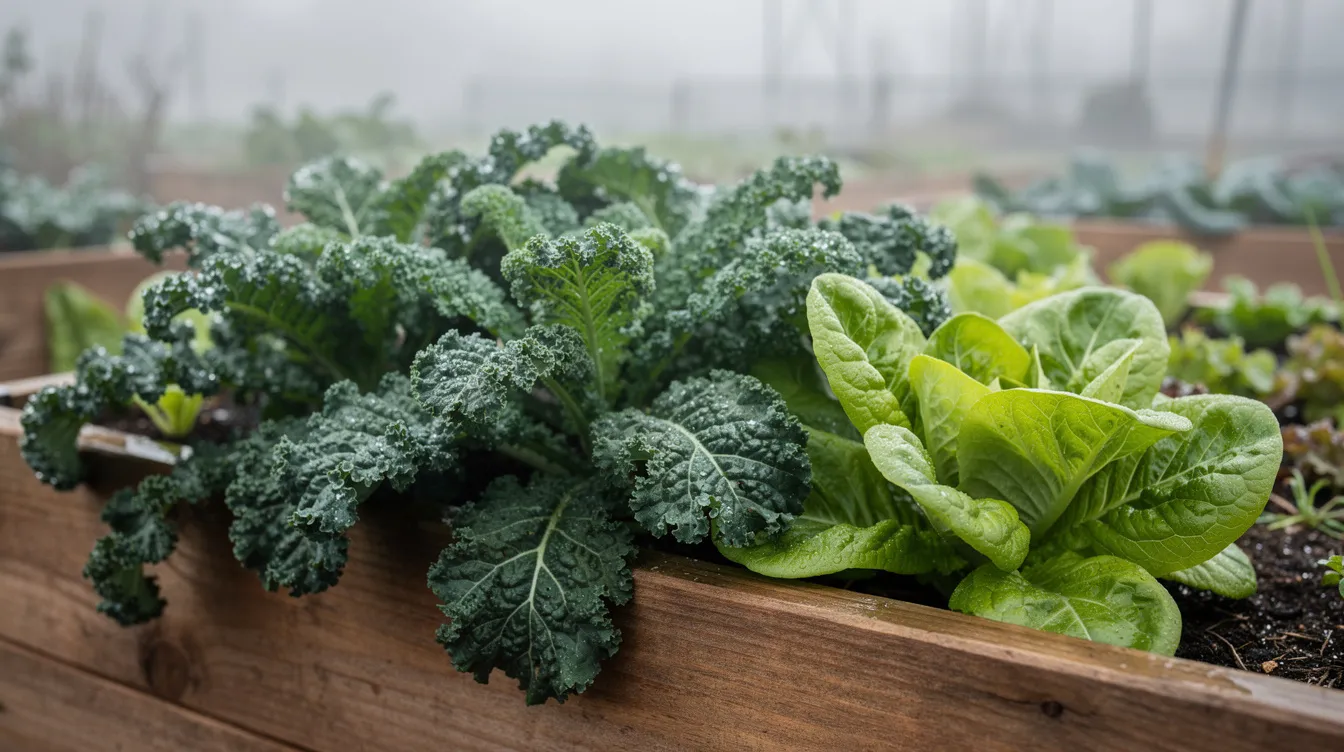
October through November is the prime cool-season planting window in Houston, especially for leafy crops in raised beds just outside a tiny home.
- Lettuce: Plant sweet lettuces from October through April in Houston. Direct seed or transplant looseleaf and romaine types for repeated harvest. The sweetest leaves come from November through March when temperatures stay mild.
- Kale, chard, collards, arugula, mustards: Plant kale and other greens from October to March. Kale can be planted from seed in October, and specifically from mid-October to November for the strongest fall establishment. Occasional light freezes can actually improve the flavor and sweetness of kale and collards.
- Herbs: Herbs like cilantro and dill thrive in cooler temperatures and bolt quickly in heat, so plant them from late October through January. Parsley also performs well in this window. Window boxes and rail planters on a tiny home porch work perfectly for these crops-they’re part of the mint family of easy-to-grow kitchen herbs that prefer cool weather.
- Root crops: Radishes can be planted in November and mature in 30 days-radishes can be ready to harvest in as little as 30 days. Carrots and beets take roughly 70–80 days from sowing. All root crops need at least 8–10 inches of loose soil in raised beds or deep containers for proper formation.
Layout for small spaces: Dedicate one container to cut-and-come-again greens, one deeper box for roots, and one narrow planter for herbs along a tiny home wall.
Using Trellises and Vertical Space: Peas, Fava Beans, and Climbing Veggies
Vertical gardening is crucial for tiny home gardens in Houston. It maximizes yield per square foot and improves airflow in humid weather, reducing fungal disease on leaves, and pairs well with thoughtful tiny house design ideas that integrate outdoor living space.
- Peas (sugar snaps, snow peas, shelling peas): Direct seed from late October through early december so they flower and produce pods before warm spring nights shut them down. They climb 4–6 feet on trellises or netting and tolerate light frost.
- Fava beans: Plant seeds in October through November. They tolerate cool weather well, reach about 3–4 feet tall, and are harvested in late winter or early spring. They also fix nitrogen in the soil for the next crop.
- Summer climbers (pole beans, cucumbers): Plant in March through April and grow them up trellises anchored to tiny home skirting, fences, or balcony rails to keep walkways open, especially if you use tiny house floor plans with loft that rely on outdoor areas for extra living space.
- Materials: Natural twine, mesh panels, or cattle panel arches can double as light shade structures over a tiny home patio or outdoor seating area.
- Added benefits: Vertical systems also protect plants from pets and foot traffic in compact yards and improve sun access where taller structures cast partial shade.
Planning a Year‑Round Planting Calendar for a Tiny Home in Houston
Even with very limited space, tiny home gardeners can harvest nearly year-round by mapping planting dates to Houston’s seasons. The city enjoys roughly 270 frost-free days per year, so there’s almost always something to grow, so it pays to choose tiny house plans that fit your life and your gardening goals.
- Late winter (February–early March): Start warm-season seedlings indoors or in a mini-greenhouse near the tiny home. Direct seed last rounds of cool-season crops that will mature by late April.
- Spring (March–April): Transplant main warm-season crops. Transition containers from greens to tomatoes, peppers, basil, and beans as frost risk passes.
- Early summer (May–June): Maintain and mulch heavily. Remove cool-season crops that are bolting. Start heat-tough annuals like okra, basil, and Malabar spinach. Sweet potatoes can be planted through August if you have ground space or large containers, and coordinating harvests with tiny house kitchen appliances for small spaces makes preserving and cooking easier.
- Peak summer (July–August): A rest and reset period for many crops. Mulching can help keep soil cooler and retain moisture during hot summers in Houston. Focus on soil building with compost, use shade cloth, and maintain heat-loving herbs or peppers in containers tucked in partial shade. Consider purchasing perennials, shrubs, roses, trees, and bulbs during nursery sales for fall planting.
- Fall (September–October): Begin sowing or transplanting cool-season crops as evenings cool. Fall planting is the easiest season for new gardeners, especially in small raised beds around a tiny home.
Houston Planting Tips for Tiny Home and Small‑Space Gardeners
Here’s how to adapt general Houston planting advice to very small or mobile tiny home sites, especially if you’re investing in top custom tiny homes for small-space living and want outdoor areas to work hard for you.
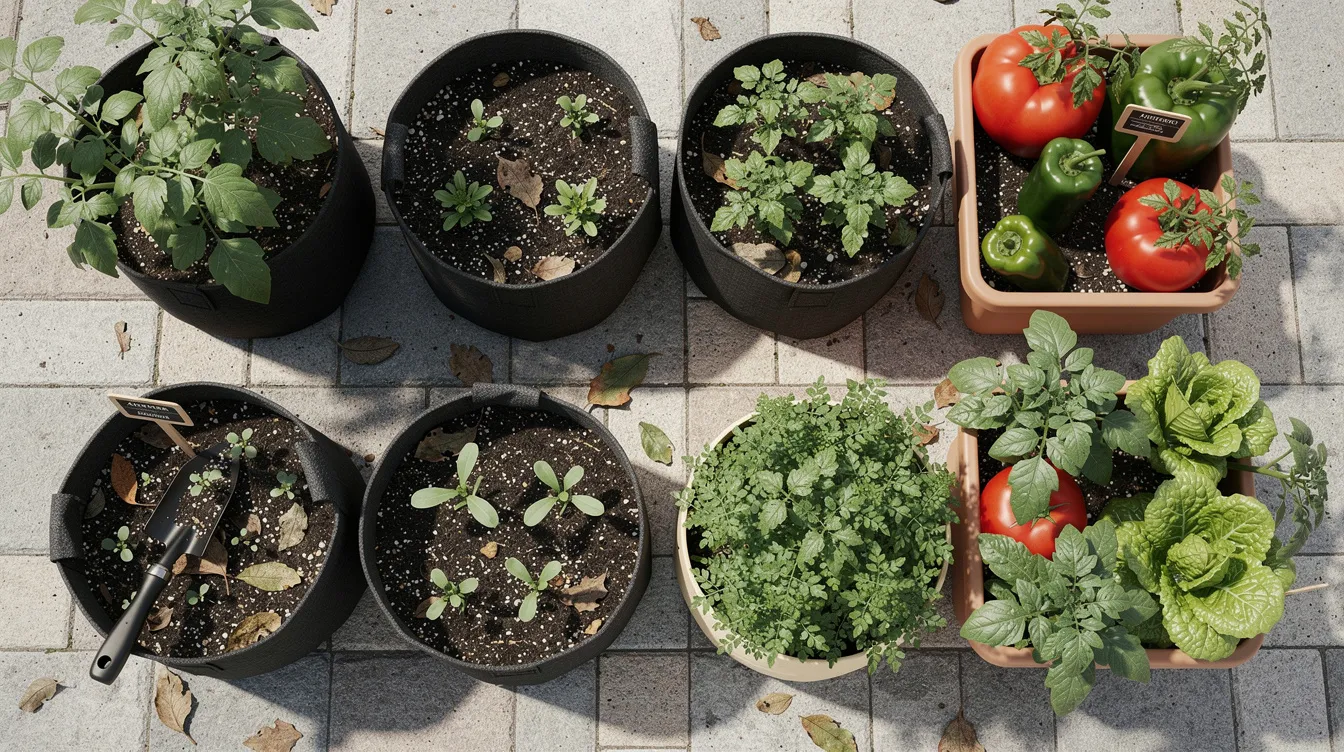
- Containers and raised beds: Use 5-gallon buckets, 10–20 gallon fabric pots, and 2×4 or 3×6 raised beds. Raised beds should contain at least 8 inches of compost-enriched soil-deeper for carrots and beets. Dark-colored pots heat up faster against a tiny home wall, which helps in spring but hurts in summer.
- Microclimates: Metal siding, concrete pads, and tiny home skirting create extra heat. Use these warm spots for early tomatoes and peppers, while giving green leafy crops and herbs morning sun with afternoon shade. Vegetables need at least six hours of full sun daily, but in Houston’s summer heat, afternoon shade actually helps tender crops, something to consider if you’re placing Garland Tiny Homes in Texas on a sunny lot.
- Watering: Set up drip irrigation or soaker hoses on timers. Container soil dries faster on decks and porches, so check moisture daily during summer. Consistent watering is what separates a thriving garden from a struggling one, especially when pairing a garden with Home Depot tiny house kits that may sit on exposed pads or driveways.
- Succession planting and crop rotation: Follow spring bush beans with fall carrots, or spring lettuce with fall garlic. This keeps soil healthy and beds productive across seasons.
- Beauty and function: Flowers should be planted in fall to bloom through winter and spring in Houston. Planting wildflower seeds in fall can trigger germination for spring blooms. Mix edible flowers and compact ornamentals with vegetables in containers to keep a tiny home site attractive-and HOA-friendly if that’s a concern. Visit your local nursery in september to access the best selection of native plants and cool-season annuals for your lawn and yard.
Frequently Asked Questions: When to Plant in Houston
These questions cover common concerns not fully addressed in the guide above.
When should I start seeds indoors for a Houston tiny home garden?
Most warm-season crops-tomatoes, peppers, eggplant-should be started indoors about 6–8 weeks before the last frost date, so around early to mid-January for transplants set out in late February or early March. Cool-season crops like broccoli, cauliflower, and cabbage can be started indoors in late August through September for October transplanting. A small grow-light rack or a sunny window shelf inside a tiny home makes an efficient seed-starting station.
Is it better to plant seeds or transplants in Houston?
Many Houston gardeners prefer to purchase transplants for tomatoes, peppers, broccoli, and cauliflower to get a head start before heat arrives. Seeds are usually best-and cheaper-for root crops (carrots, beets, radishes), peas, beans, and most salad greens. In tiny home gardens, using transplants for slow crops maximizes your short spring window and limited container capacity.
Can I grow vegetables in full sun next to my tiny home in Houston?
Vegetables generally need at least six hours of sun, but in Houston’s summer, full afternoon sun against a wall can be too intense for lettuce and some herbs. Place heat-loving crops like peppers, okra, eggplant, and rosemary in the hottest, sunniest spots. Give greens morning sun with dappled or filtered afternoon shade. Adding shade cloth on west-facing sides during July and August will help protect both plants and your tiny home from extreme heat.
What grows best in Houston’s hottest months?
Reliable heat lovers include okra, cowpeas, sweet potatoes, Malabar spinach, basil, roselle hibiscus, and hot pepper varieties. Plant these in late spring so they’re established before peak heat. Maintain extra mulch and consistent watering, especially in containers on or near a tiny home deck that heats up fast. Share your friends what works-this page is a good place to start.
How do I protect my plants from a rare hard freeze in Houston?
Keep frost cloth or old sheets ready to drape over raised beds and containers. Move smaller containers under the tiny home porch or inside for the night when hard freezes below 28°F are forecast. Many cool-season crops-kale, spinach, peas, garlic-tolerate light frost without damage, so focus protection efforts on tomatoes, peppers, citrus, and tender herbs in texas weather that dips below freezing.