

Living in a tiny home or compact apartment means every element needs to earn its place. Bringing fragrant plants into compact indoor spaces adds a natural aroma that synthetic air fresheners simply cannot replicate. Compact fragrant plants can enhance the sensory experience in tiny living environments while doubling as living decor. Studies consistently show that fragrant indoor plants can significantly improve psychological wellbeing, making them more than just pretty additions.
This guide covers seven aromatic houseplants that thrive indoors, stay compact, and deliver meaningful fragrance without overwhelming your space.
How We Chose the Best Fragrant Plants for Small Homes
Choosing plants that are naturally compact is essential for small indoor spaces. Here’s what we prioritized:
- Space efficiency: Plants that stay under 2–3 feet and fit windowsills, counters, or hanging baskets.
- Fragrance quality: Strong scent from foliage, blossoms, or both.
- Indoor adaptability: Ability to grow indoors under typical home light and humidity conditions.
- Low maintenance: Forgiving care tips for busy lifestyles.
- Year round potential: Preference for plants offering fragrance beyond a single bloom season.
Top 7 Fragrant Indoor Plants for Small Homes
1. Scented Geraniums
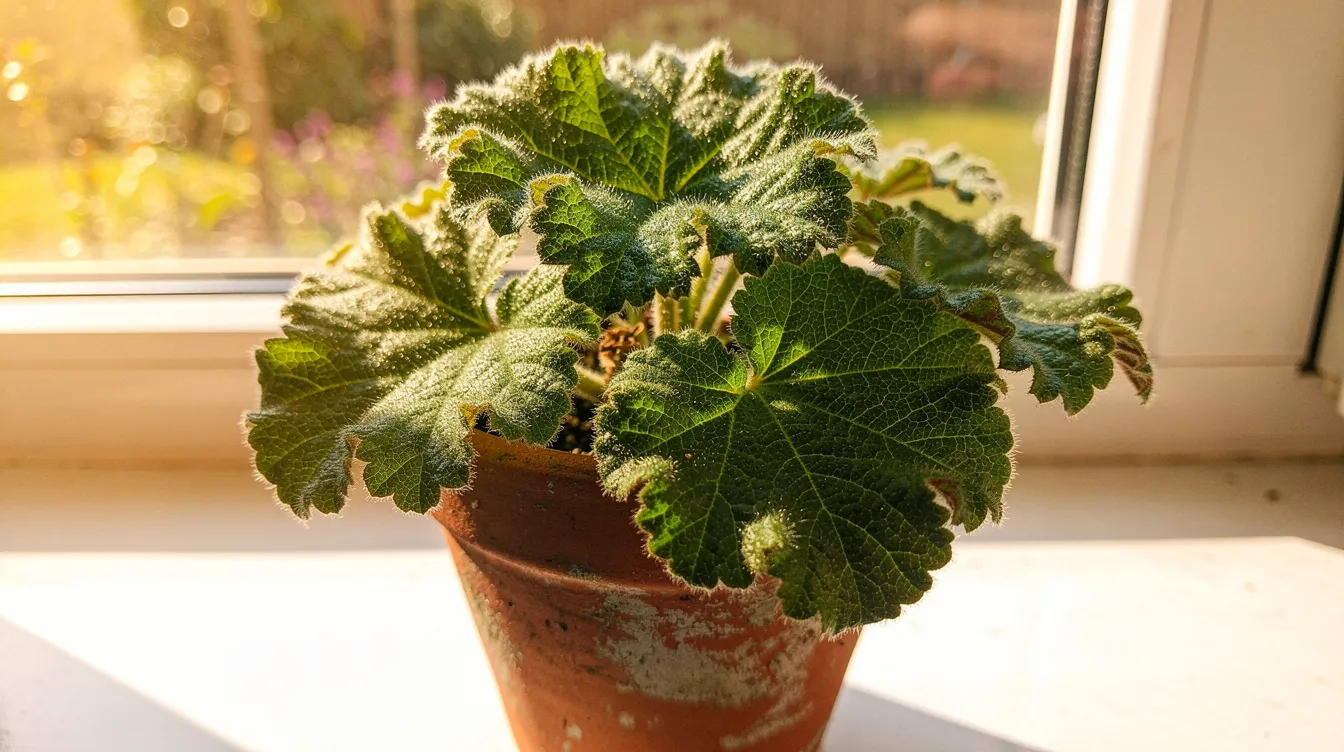
Scented geraniums (Pelargonium species) are among the most versatile fragrant houseplants for tiny spaces. Unlike traditional geraniums grown for flowers, these produce scent primarily from their foliage.
- Why It Stands Out: Scented geraniums release aromas when brushed or handled, giving you instant fragrance on demand. Many varieties exist, from rose and lemon to peppermint and even coconut-scented cultivars.
- Best For: Small-space dwellers wanting immediate, low-fuss fragrance.
- Key Strengths: Stay 12–18 inches tall, drought-tolerant, bloom periodically through spring and summer.
- Possible Limitations: Requires bright sunlight near a south or west window. Overwatering causes leaf drop and root rot.
2. Compact Lavender Varieties
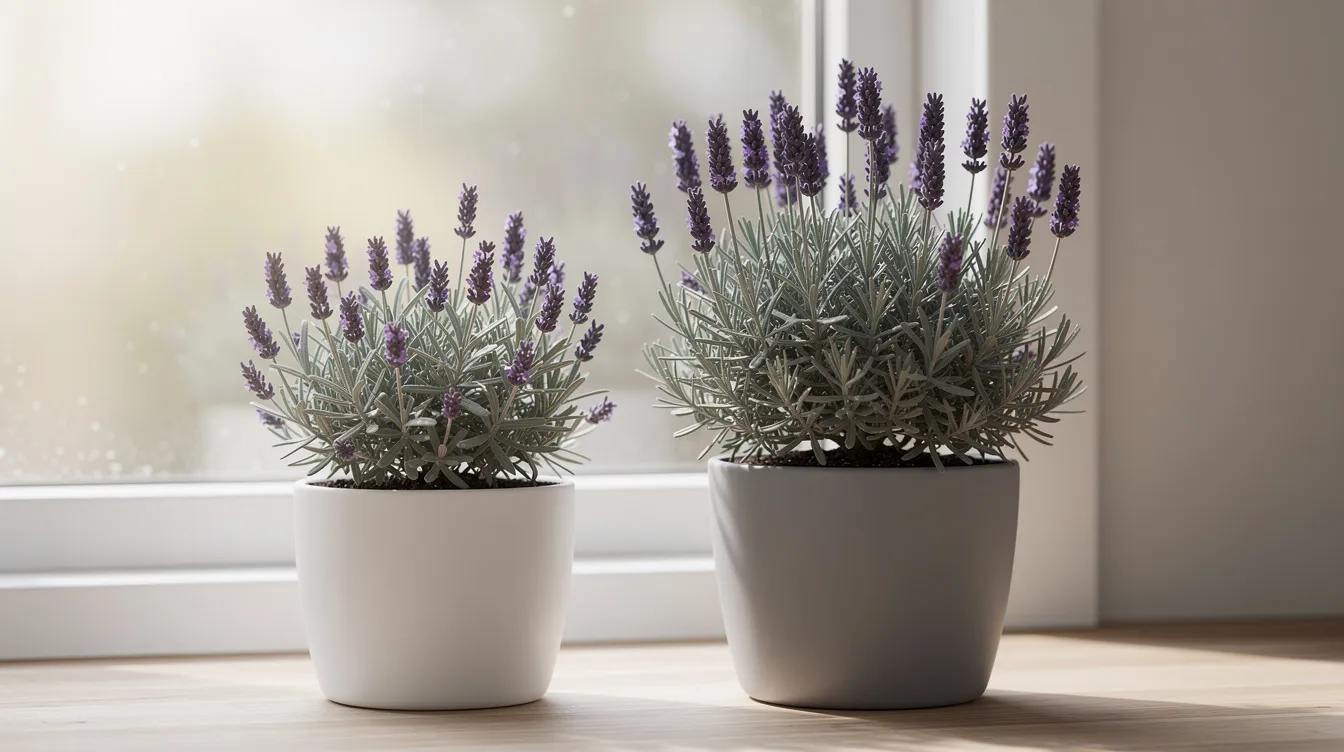
Dwarf lavender cultivars like ‘Wee One’ (just 10 inches tall) and ‘Hidcote’ make lavender realistic for indoor pots. Lavender offers a clean herbal aroma from its blooms and foliage that works beautifully in small rooms.
- Why It Stands Out: Lavender has calming fragrance and beautiful purple blooms with proven aromatherapy benefits.
- Best For: Tiny home owners seeking stress relief and relaxation.
- Key Strengths: Dried flowers retain scent for several weeks, naturally pest-repelling, attractive silvery foliage adds beauty.
- Possible Limitations: Lavender requires abundant sunlight and well-drained soil. Without 6+ hours of direct sunlight or supplemental grow lights, plants become leggy and fragrance weakens.
3. Jasmine Sambac
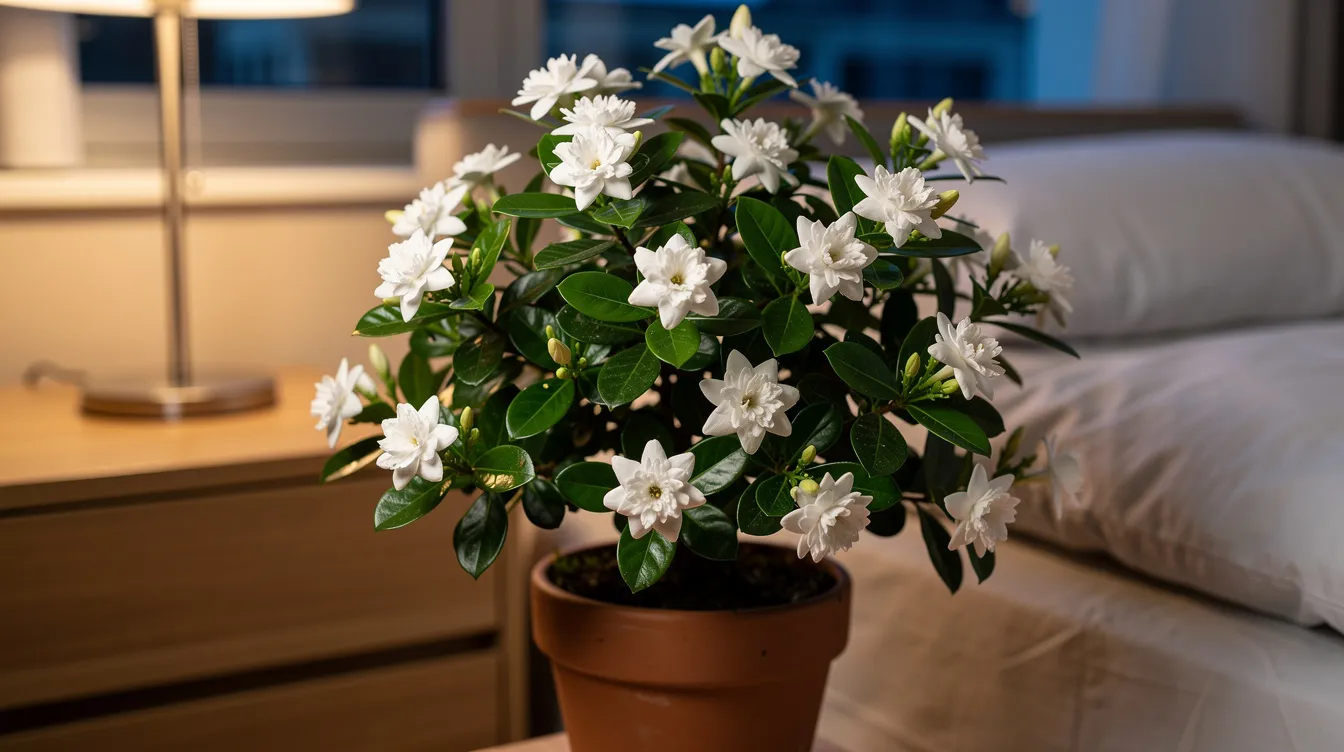
This climbing plant can be trained into a compact bush in pots, making it a great choice for apartments. Arabian Jasmine emits an intensely sweet floral fragrance that peaks in the evening, perfect for bedrooms.
- Why It Stands Out: Few fragrant flowers rival jasmine for sheer intensity. It can produce flowers repeatedly in warm conditions.
- Best For: Apartment dwellers wanting powerful floral scent in minimal space.
- Key Strengths: Classic jasmine perfume, trails or climbs compactly, blooms through summer with adequate warmth.
- Possible Limitations: Needs consistent humidity, warm temperatures above 60°F, and bright light. Bud drop is common if conditions shift suddenly.
4. Culinary Mint Varieties
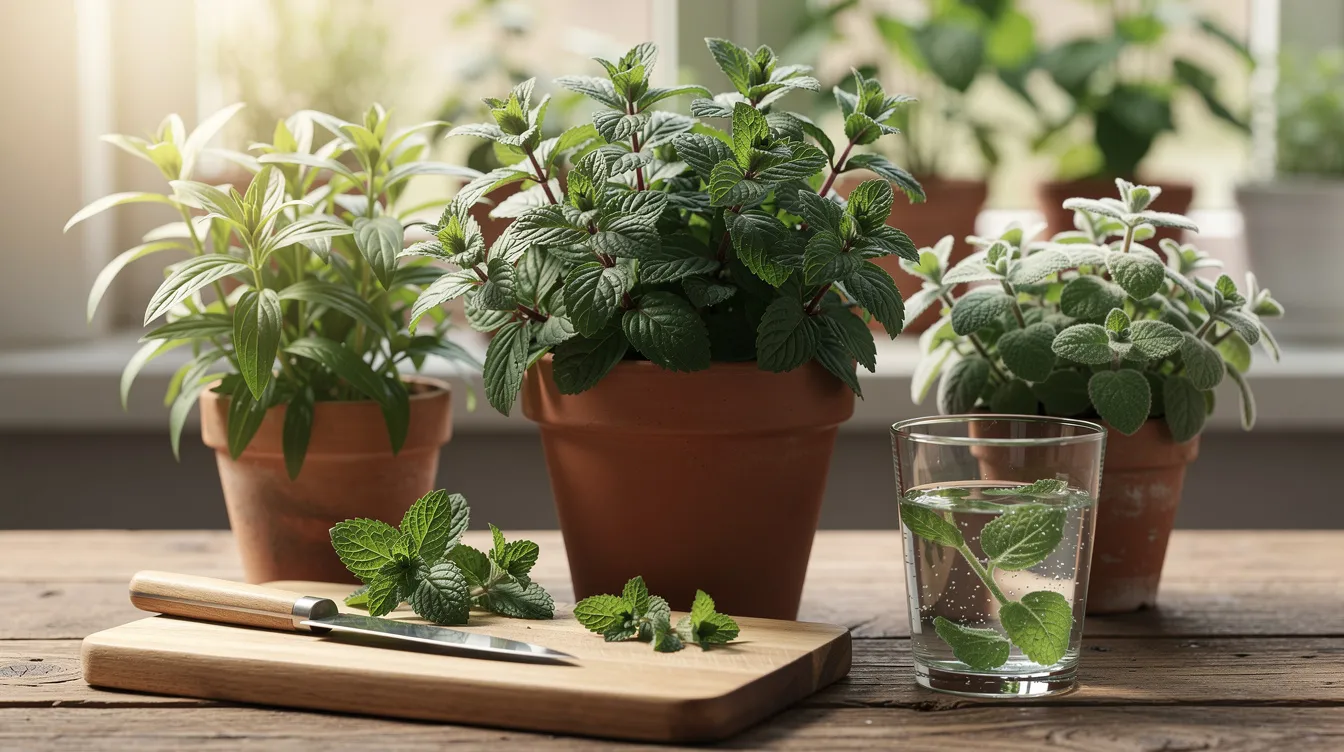
Peppermint, spearmint, and apple mint deliver fresh herbal scent plus kitchen utility. All belong to the mint family and grow vigorously in containers.
- Why It Stands Out: Instant fresh fragrance when harvested, plus culinary value for drinks, salads, and garnishes. Lemon balm (melissa officinalis), a close relative, adds a citrus-mint twist.
- Best For: Small kitchen gardens and multi-functional plant enthusiasts.
- Key Strengths: Tolerates moderate light, fast-growing, constantly harvestable.
- Possible Limitations: Invasive if not contained in pots. Can become overpowering in tiny rooms.
5. Dwarf Meyer Lemon
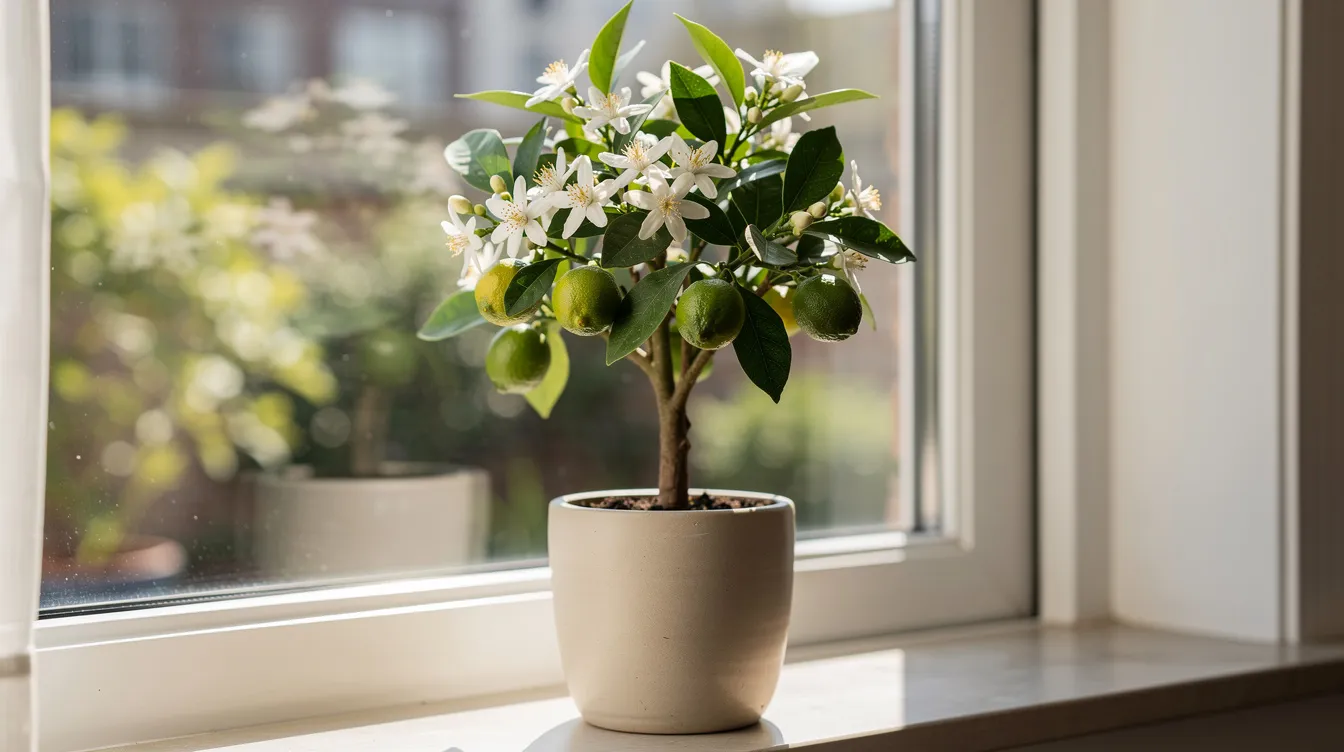
A dwarf lemon tree in a container brings citrus fragrance indoors. Dwarf Citrus provides fragrant flowers and miniature fruits in a compact form, typically reaching 3–4 feet in a container. Potted citrus trees have beautifully scented flowers and fruits that fill a room.
- Why It Stands Out: White citrus blossoms smell incredible, and the lemon peel oils add a second layer of scent.
- Best For: Tiny homeowners wanting year round citrus fragrance and occasional fruit.
- Key Strengths: Multiple fragrance sources (blossoms, foliage, fruit), evergreen, produces edible lemon and lime-adjacent fruit.
- Possible Limitations: Citrus trees need bright light to thrive indoors-at least 6 hours of direct sun daily. Heavy feeding required. Fruit drop can reach 75% from stress or low light.
6. Compact Rosemary
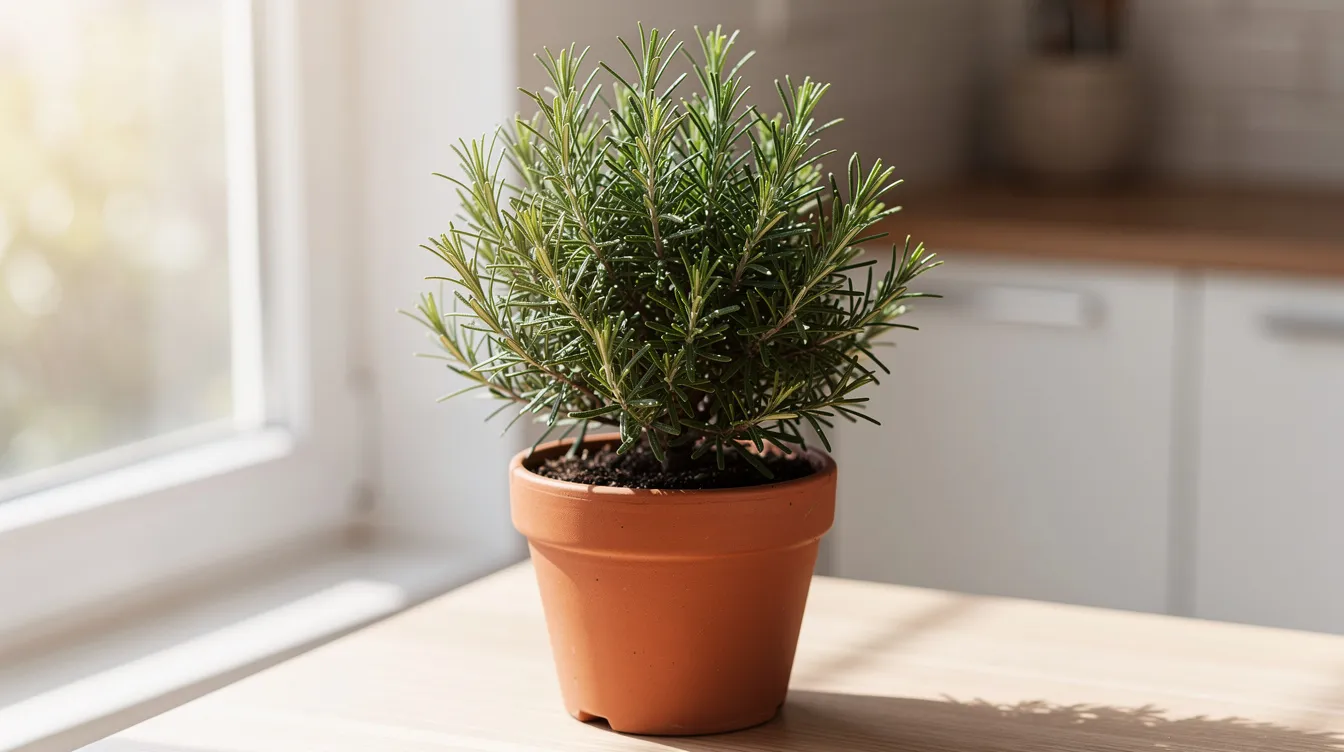
Rosemary delivers a sharp, pine-like Mediterranean fragrance from its evergreen foliage. Cultivars like ‘Blue Boy’ stay manageable indoors with regular pruning.
- Why It Stands Out: Constant herbal scent from foliage year round, plus essential herbs for cooking. Among the most fragrant plants in the herb category.
- Best For: Small space cooks and those preferring woody, herbal scents over floral perfumes.
- Key Strengths: Extremely drought-tolerant, dual culinary purpose, sturdy growth in a sunny spot.
- Possible Limitations: Needs full sun and excellent drainage. Can grow large without pruning.
7. Miniature Gardenia
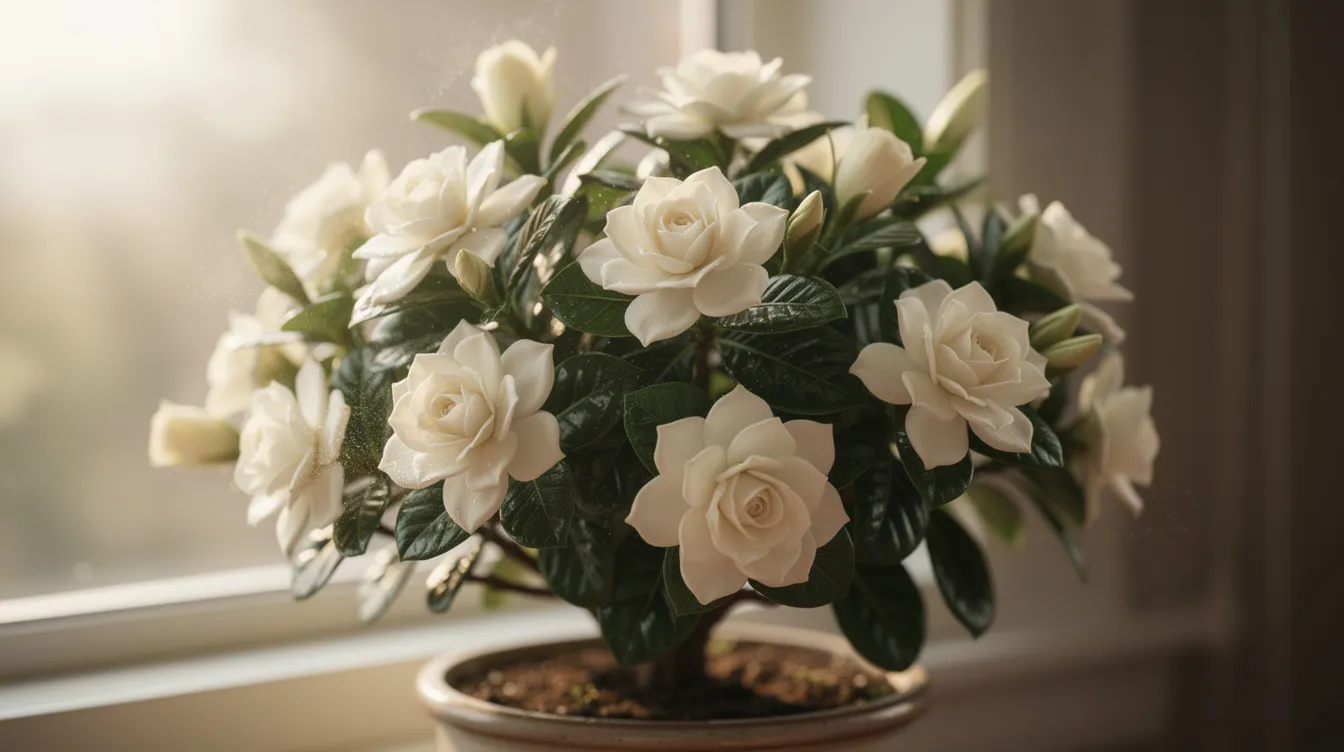
Gardenia jasminoides in dwarf form stays around 1.5–2 feet and delivers what many consider the most luxurious floral scent available indoors. Gardenias release an intensely sweet fragrance from their blooms, strongest in morning and evening.
- Why It Stands Out: Among the most fragrant houseplants you can grow. Waxy white blossoms create a lush, perfume-quality scent.
- Best For: Experienced small-space gardeners wanting luxury fragrance.
- Key Strengths: Intense fragrance, stunning flowers, compact varieties available.
- Possible Limitations: Gardenias prefer consistent moisture and slightly acidic soil (pH 5.0–6.5). Requires humidity above 50%. Protect from drafts and temperature swings.
Quick Comparison of the Best Fragrant Plants
Plant | Best For | Fragrance Type | Maintenance |
|---|---|---|---|
Scented Geraniums | Easy care, instant scent | Foliage (rose, lemon, mint) | Low |
Compact Lavender | Stress relief | Sweet floral/herbal | Moderate |
Jasmine Sambac | Powerful floral scent | Intense floral | Moderate-High |
Culinary Mint | Fresh scent + cooking | Sharp herbal | Low |
Dwarf Meyer Lemon | Year-round citrus | Citrus blossoms + fruit | High |
Compact Rosemary | Herbal scent + cooking | Pine/herbaceous | Low-Moderate |
Miniature Gardenia | Luxury fragrance | Rich floral | High |
How to Choose the Right Fragrant Plant for Your Small Home
Choose Based on Available Light
Light is the single biggest factor determining success. Lavender, rosemary, and citrus demand bright direct sunlight for at least 6 hours. Scented geraniums need a bright window but tolerate slightly less. Mint is most forgiving, handling moderate indirect light. If your home lacks south-facing windows, consider supplemental grow lights or stick to lower-light herbs.
Choose Based on Desired Scent Type
In tiny spaces, a single well-placed aromatic plant can easily perfume an entire room. But keep in mind that fragrant plants do not continuously perfume a room; they smell strongest when flowering. Floral scents (jasmine, gardenias) are intense and romantic. Herbal scents (rosemary, basil, bay laurel) feel fresh and grounding. Citrus scents (lemon, lime) are energizing. Some people also enjoy exotic options like orchids, plumeria, or hyacinths for seasonal blooms, while eucalyptus globulus and murraya paniculata offer unique aromatic profiles. Even vanilla-scented varieties of some houseplants and cinnamon-fragranced options like certain roses exist for adventurous growers.
Choose Based on Care Level
If you travel often or prefer low-maintenance living, start with scented geraniums, mint, or rosemary. These tolerate inconsistent watering and don’t demand precise humidity or soil conditions. Gardenias and jasmine reward dedicated care but punish neglect with bud drop. Consider your realistic commitment before choosing.
Beyond this list, plants like Hoya, which do well in good light and warmth indoors, produce delicate, fragrant flowers indoors and make excellent hanging basket choices. Stephanotis has sweetly scented, waxy star-shaped flowers but needs a brightly lit position out of draughts. Both work well as flowering plants for tiny homes.
Which Fragrant Plant Is Best for You?
- Choose Scented Geraniums if you want immediate fragrance with minimal fuss.
- Choose Compact Lavender if you prioritize relaxation during winter evenings.
- Choose Jasmine Sambac if you love intense floral scents in spring and summer.
- Choose Culinary Mint if you want fragrance plus cooking herbs.
- Choose Dwarf Meyer Lemon if you want multi-season interest and citrus scent.
- Choose Compact Rosemary for Mediterranean fragrance and a great choice for cooking.
- Choose Miniature Gardenia if you’re experienced and want luxury fragrance.
Plants that grow outdoors in a garden often adapt well to indoor container life when given proper soil, air circulation, and light. Many of these come in many varieties suited to different tiny garden setups.
Final Thoughts
The right fragrant indoor plants transform a small home from simply functional to genuinely inviting. Whether you prefer the warm floral smell of gardenias, the fresh herbal air of rosemary, or the sweet citrus blossoms of a lemon tree, success comes down to matching each plant’s needs to your specific space and lifestyle.
Start with something forgiving like a scented geranium or a pot of mint. As your confidence grows, add a jasmine or gardenia for deeper, more complex perfumes. Even one well-chosen plant can fill your entire tiny home with natural, lush fragrance that no candle or spray can match.