

Living in a tiny house means every square inch matters, and that includes the space you dedicate to nature. Dainty flowers offer a way to bring beauty, fragrance, and life into your tiny home without overwhelming your carefully curated layout. Flowers enhance aesthetics in small living spaces, and the right picks can make small homes feel warmer and more personal.
The trick is choosing tiny flowers that complement minimalist aesthetics rather than compete with them. Whether you have a sunny windowsill, a compact porch, or a shared community garden bed, the seven blooms below were selected for their space efficiency, low maintenance needs, and visual impact in both indoor and outdoor settings.
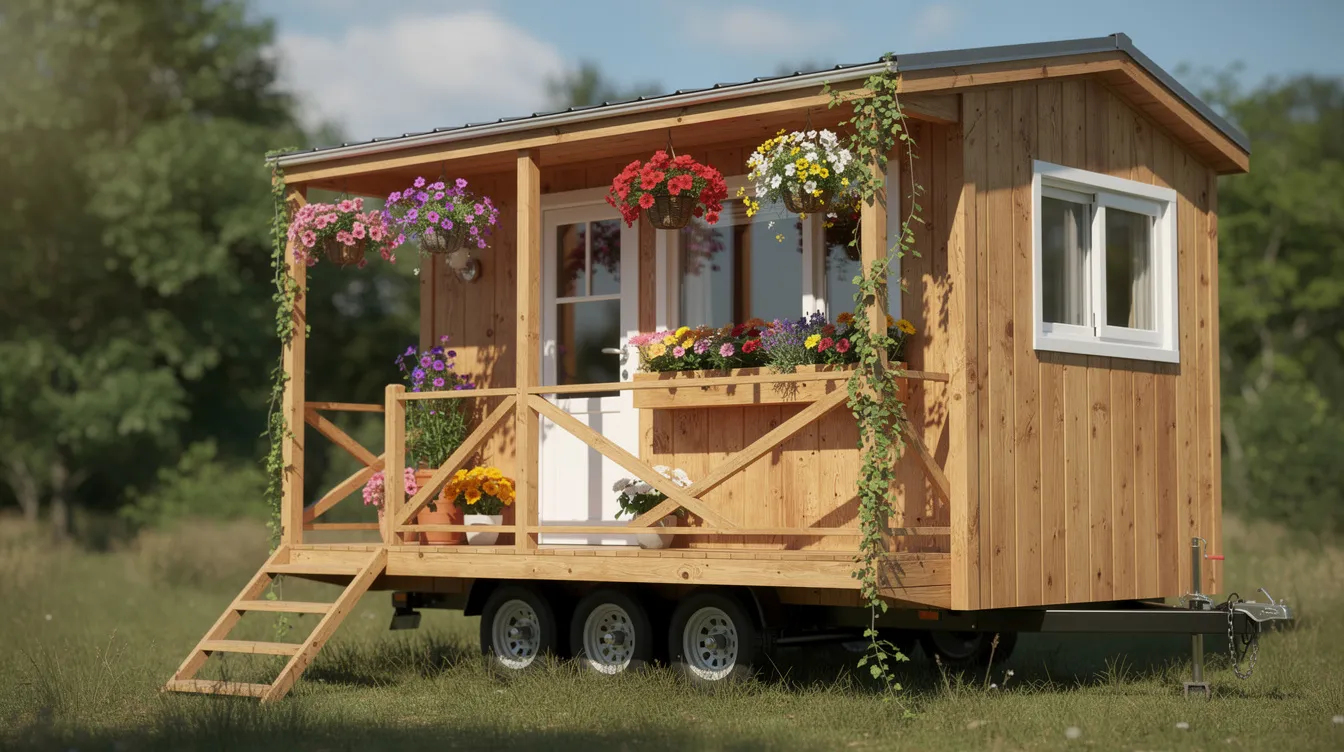
How We Chose the Best Dainty Flowers for Tiny Houses
Our selection criteria were built around the realities of tiny house living:
- Space efficiency – flowers that thrive in containers, window boxes, and small flower beds without sprawling out of control
- Low maintenance – varieties suited for busy lifestyles with limited water access and minimal pruning needs
- Aesthetic appeal – delicate blooms that complement modern tiny house design rather than clutter it
- Versatility – plants that work as both indoor plants and outdoor garden additions
- Seasonal performance – extended growing season color and reliable bloom duration
- Climate compatibility – tolerance for the temperature swings and resource constraints common in tiny homes across various usda hardiness zones
Top 7 Dainty Flowers for Tiny Houses
1. Sweet Alyssum
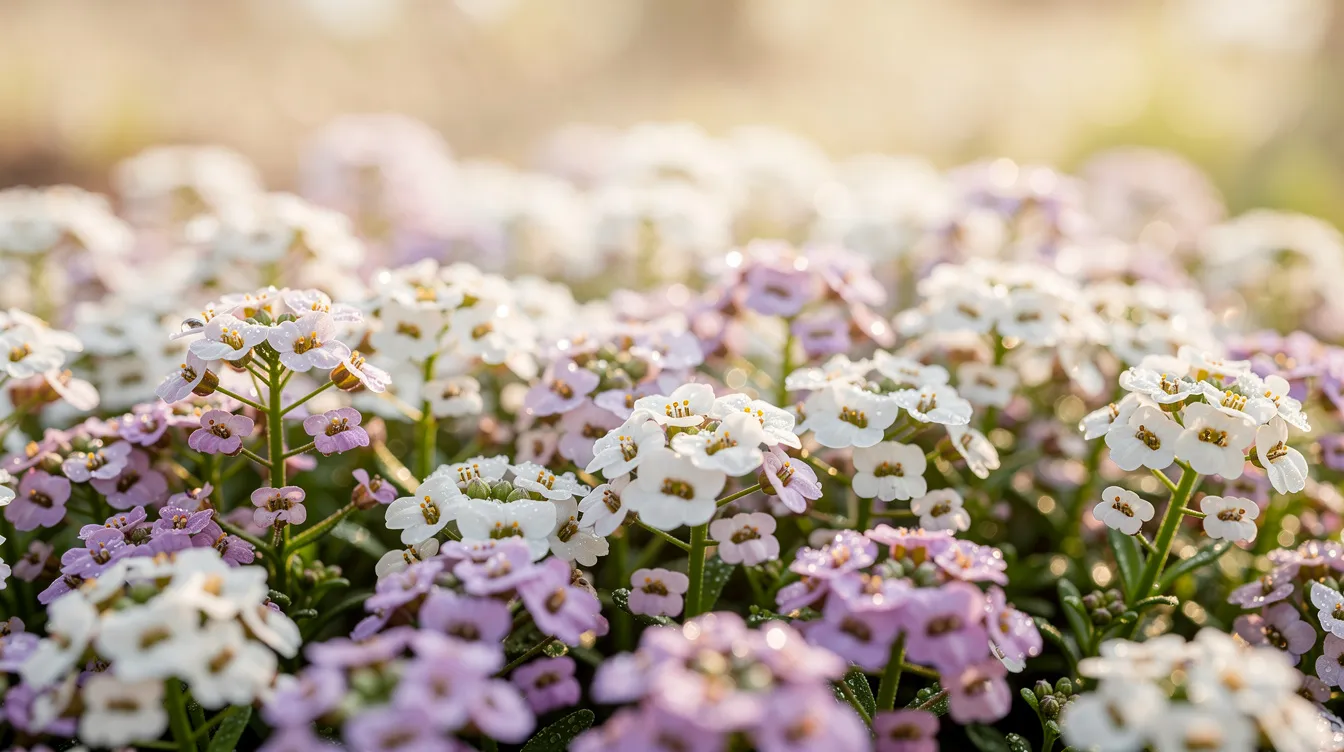
Sweet Alyssum forms low mounds covered in honey-scented flowers, making it one of the most rewarding dainty flowers for tiny house container gardens. This member of the Brassicaceae family stays just 3–9 inches tall while spreading generously to fill planters and spill over edges.
Why It Stands Out: The honey-like fragrance is surprisingly potent for such a small plant. Its cascading growth habit turns a simple window box into a sensory experience.
Best For: Tiny house owners wanting fragrant flowers in hanging baskets or window boxes.
Key Strengths:
- Quick to germinate from seeds and blooms from spring through first frost
- Tolerates cool weather; vibrant blooms persist in late spring and fall
- Newer hybrids like Snow Princess® offer extended bloom periods and better heat tolerance
- Attracts beneficial pollinators with its sweet scent
Possible Limitations: May struggle in extreme heat without afternoon partial shade. Containers dry quickly, so regular watering is essential. Hybrid varieties are often sterile, meaning less self-seeding.
2. Baby’s Breath
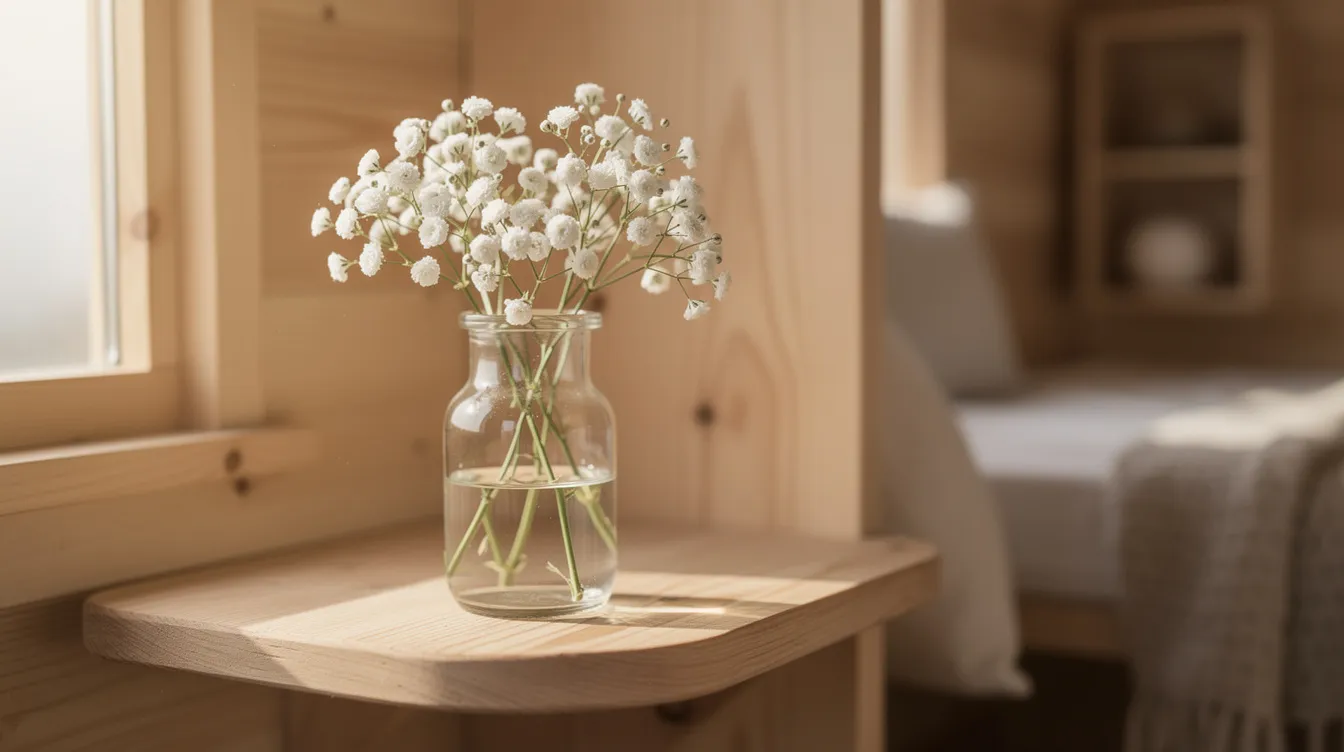
Baby’s breath is the classic white flowers filler that creates airy, cloud-like texture in any floral arrangements. The genus includes over 150 species, and compact alpine varieties work beautifully in tiny house gardens.
Why It Stands Out: Its visual lightness adds softness without bulk. Few flowers deliver this much texture per square inch.
Best For: Tiny house dwellers who love fresh arrangements and want blooms that work dried too. Small arrangements work well on kitchen counters and shelves.
Key Strengths:
- Long-lasting blooms from late spring through summer
- Drought tolerant once established; low fertilizer needs
- Works fresh or dried for interior decor
- Deer resistant and generally unbothered by pests
Possible Limitations: Perennial varieties (G. paniculata) can reach 2–3 feet and spread aggressively. In some western U.S. states, certain species are considered invasive. Stick to compact or annual types for tight spaces.
3. Lobelia
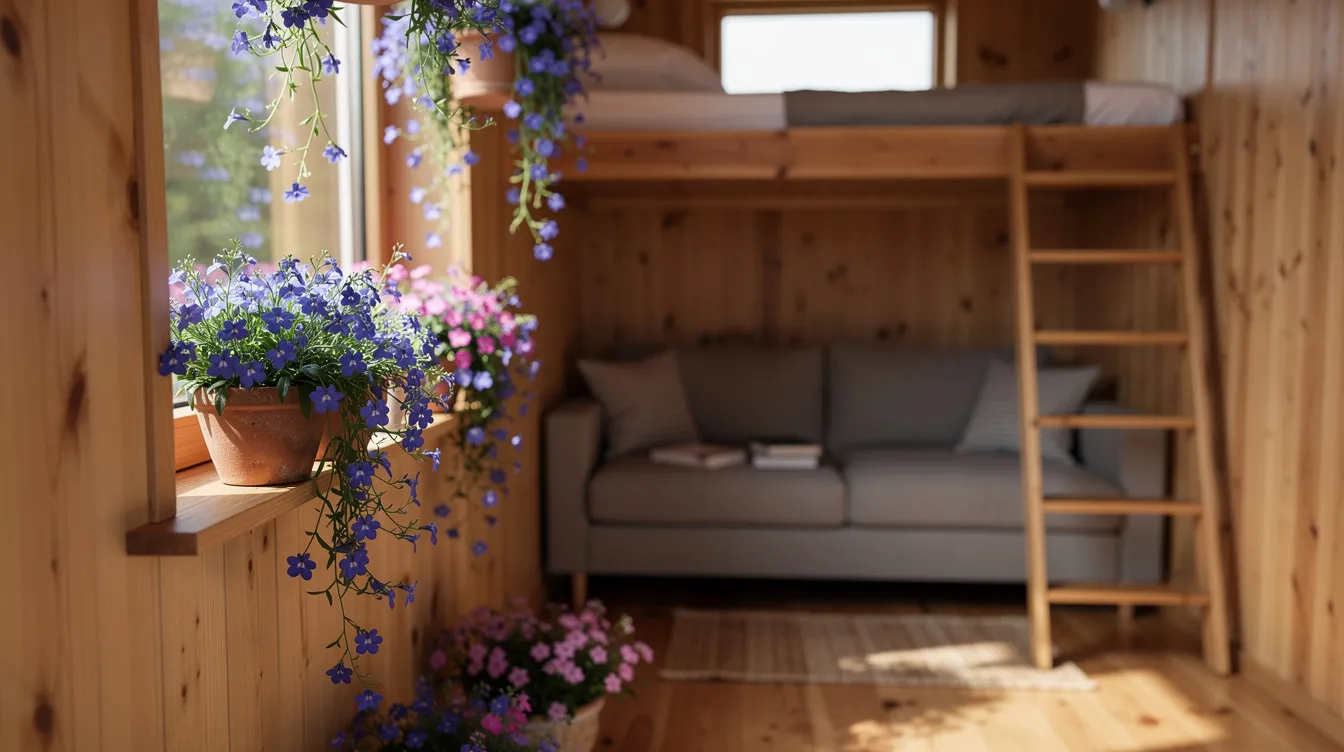
Lobelia delivers vivid blue and purple blooms that are rare among small flowers. This trailing annual stays compact at 6–12 inches and cascades beautifully from containers, making it perfect for elevated displays on porches.
Why It Stands Out: True blue color is hard to find in the flower world. Lobelia also comes in lavender, pink, and white varieties.
Best For: Tiny house owners with covered porches or shaded outdoor spaces. Calibrachoa produces tiny trumpet blooms that cascade beautifully over edges too, but lobelia offers that unmatched blue.
Key Strengths:
- Continuous blooms from spring through fall in cool weather
- Trailing habit ideal for baskets and elevated containers
- Attracts pollinators including hummingbirds
- Compact growth perfect for small garden spaces
Possible Limitations: Needs consistent moisture; containers dry fast. May die back in midsummer heat but typically rebounds in fall.
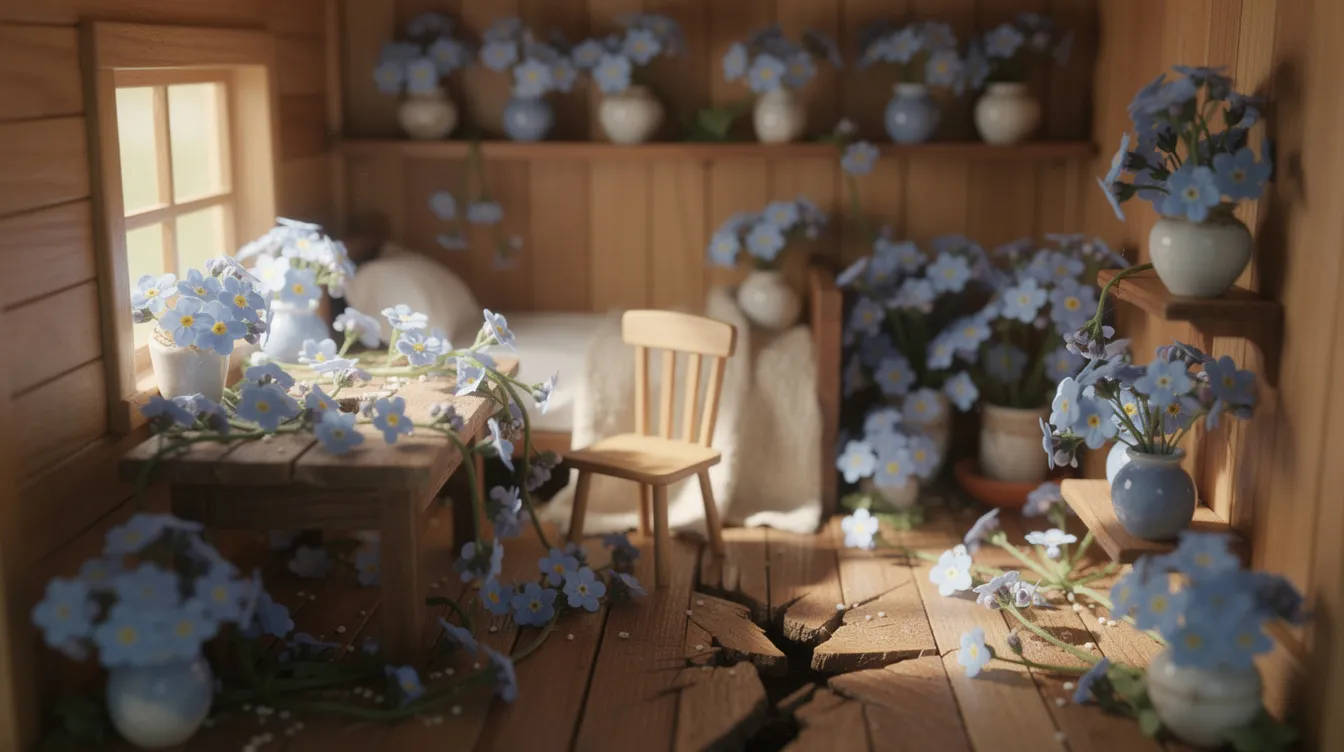
4. Forget-Me-Nots
These charming blue flowers self-seed reliably, creating a self-sustaining garden population with minimal intervention. Forget-me-not flowers bloom in April and May, providing some of the earliest spring color.
Why It Stands Out: Once established, they return year after year through self-seeding, filling gaps in garden beds naturally.
Best For: Tiny house communities with shared garden spaces and woodland-style landscaping.
Key Strengths:
- Extremely low maintenance after initial planting
- Hardy in Zones 3–8; deer resistant foliage
- Thrives in partial shade near structures where sunlight is limited
- Nostalgic, delicate charm that suits rustic tiny house aesthetics
Possible Limitations: Can become weedy through aggressive reseeding. Bloom period is relatively short compared to other options. Prefers cool, moist conditions and may struggle in hot, dry climates.
5. Dianthus (Pinks)
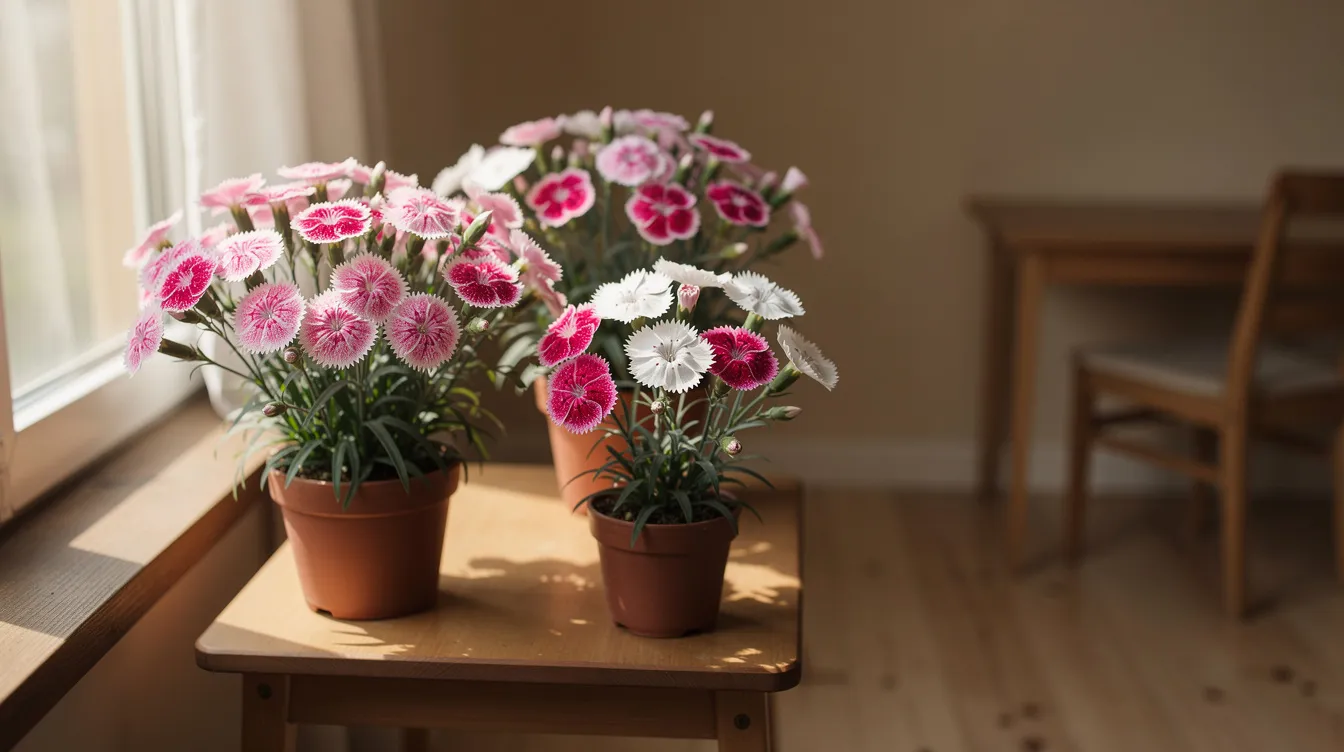
Dianthus brings a spicy, clove-like fragrance in a compact package. Its fringed petals come in many colors including pink, red, white, and bi-colored patterns. Dianthus is low-maintenance and hardy in Zones 3 to 9, making it one of the most versatile perennial options on this list. Carnations, a close relative, last long and come in many colors for small spaces.
Why It Stands Out: Strong fragrance from a small plant, plus flowers hold up well as cut stems for indoor interest.
Best For: Tiny house owners wanting fragrant flowering plants for both garden and indoor arrangements.
Key Strengths:
- Long blooming season with multiple bloom waves through warm months
- Drought tolerant once roots are established
- Attracts beneficial insects and butterflies
- Compact miniature varieties exist specifically for containers
Possible Limitations: May require winter protection in the coldest zones. Susceptible to fungal disease in overly moist or shaded conditions. Prefers alkaline soil, which may need amending in some regions.
6. Creeping Thyme
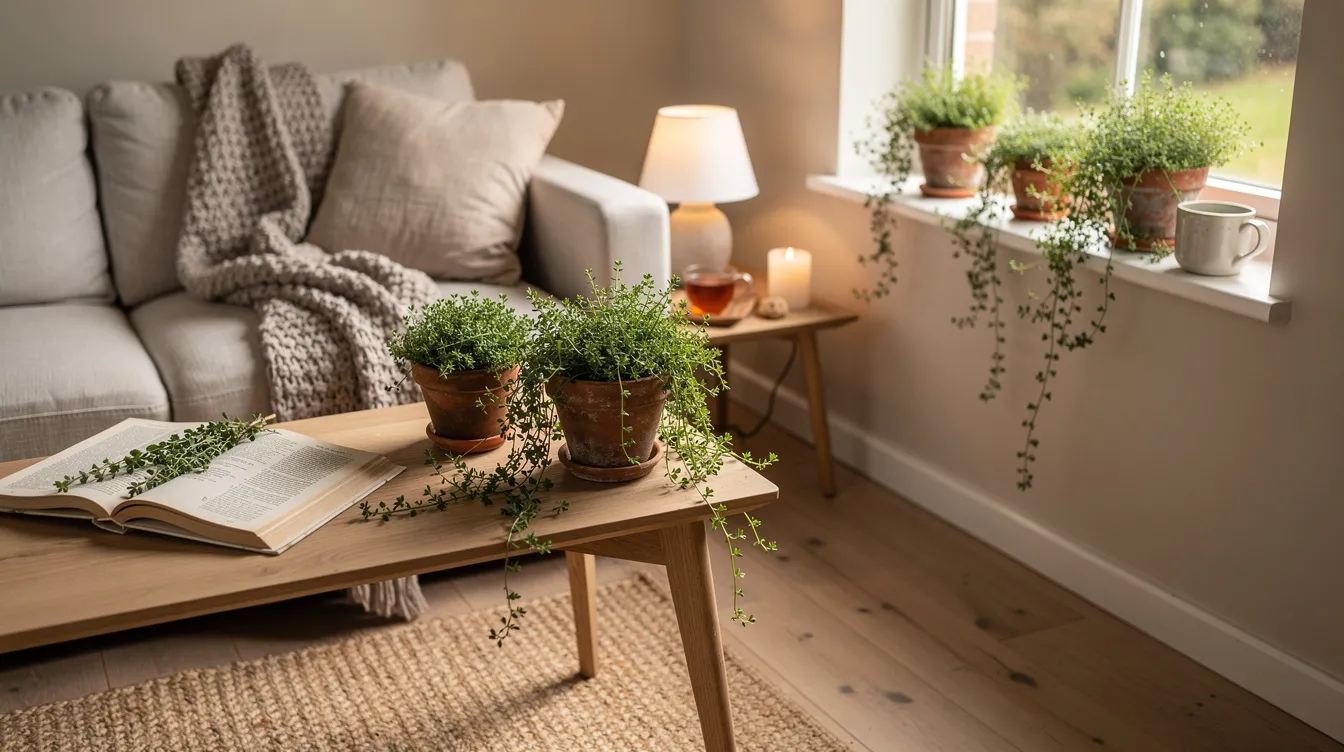
Creeping thyme is a perennial herb that doubles as groundcover, herb, and flowering plant. At just 1–4 inches tall, it produces tiny purple, pink, or lilac blooms in summer while providing aromatic greenery year-round.
Why It Stands Out: It’s the ultimate multi-tasker. You can walk on it, cook with it, and enjoy its beauty all at once.
Best For: Tiny house owners maximizing functionality in small garden spaces. It works between pavers, on green roofs, or in shallow containers.
Key Strengths:
- Extremely drought tolerant; thrives in poor, sandy, or rocky soil
- Evergreen or semi-evergreen foliage in USDA Zones 4–9
- Suppresses weeds and attracts pollinators during bloom
- Virtually zero maintenance after establishment
Possible Limitations: Individual flowers are very small; visual impact requires massing. Slow to establish during the first growing season. Performs poorly in heavy shade or waterlogged soil.
7. Begonias
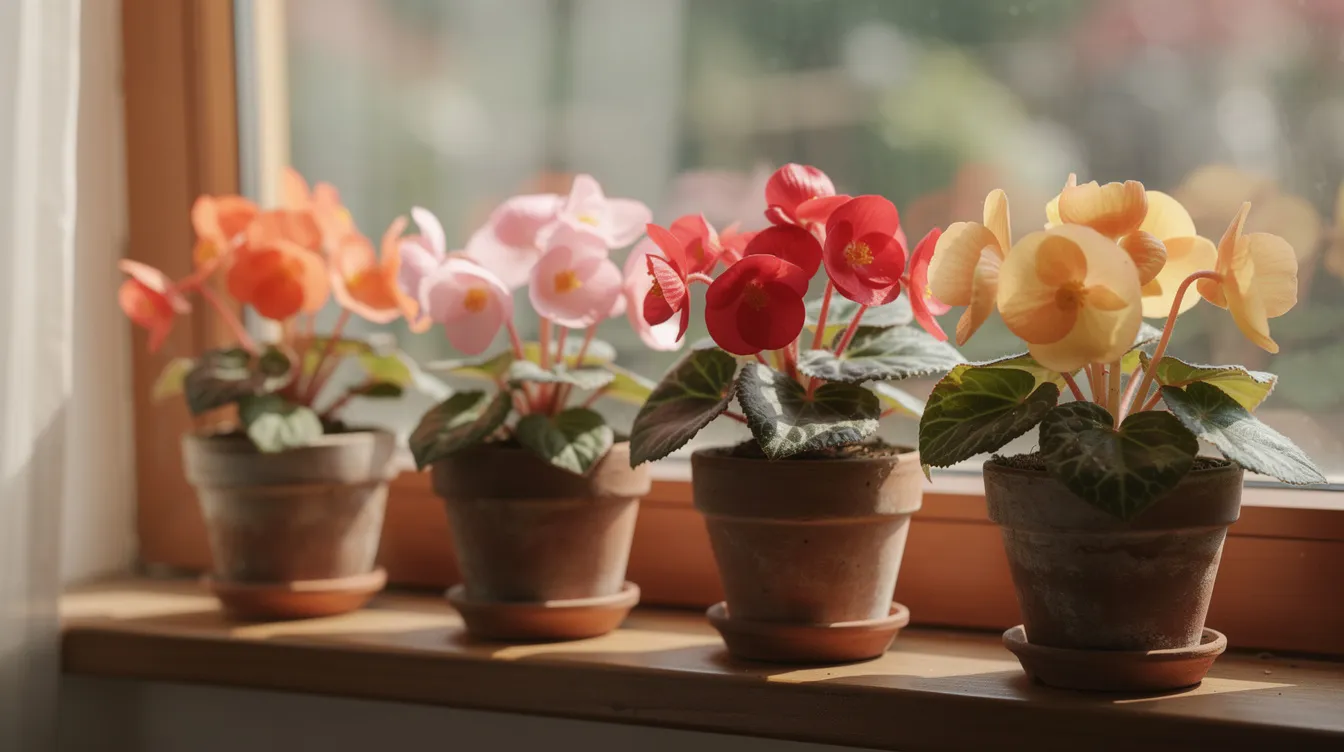
With over 2,000 species, begonias offer colorful flowers and dramatic foliage for the shadiest spots of your tiny house. Rex Begonia smaller varieties produce delicate flowers alongside their stunning patterned leaves.
Why It Stands Out: Most dainty flowers demand full sun. Begonias thrive where others fail, making them essential for north-facing windows and covered decks.
Best For: Tiny house owners with limited direct sunlight or indoor growing conditions.
Key Strengths:
- Wide color range and foliage patterns for visual variety
- Some varieties bloom year-round indoors (Elatior types)
- Trailing types ideal for hanging baskets; compact wax types suit windowsills
- Can be overwintered indoors by storing tubers
Possible Limitations: Not cold hardy; need protection or indoor overwintering. Overwatering causes root rot. Some types grow leggy without regular pinching.
Quick Comparison of the Best Dainty Flowers
Flower | Best Use | Sun Needs | Water | Bloom Season |
|---|---|---|---|---|
Sweet Alyssum | Fragrant trailing displays | Full sun | Moderate | Spring to frost |
Baby’s Breath | Dried and fresh arrangements | Full sun | Low | Late spring–summer |
Lobelia | Vibrant blue in shade | Sun to partial shade | High | Spring–fall |
Forget-Me-Nots | Self-sustaining woodland garden | Partial shade | Moderate | Early spring |
Dianthus | Fragrant cut flowers | Full sun | Low–moderate | Spring–fall |
Creeping Thyme | Herb and flower groundcover | Full sun | Low | Late spring–summer |
Begonias | Shade gardens and indoors | Indirect light | Moderate | Year-round indoors |
How to Choose the Right Dainty Flowers for Your Tiny House
Choose Based on Available Space
Tiny pots dry out faster than larger containers, so check moisture frequently if you’re working with small vessels. For ground-level plantings, mounding flowers are recommended for small planters, while trailing varieties like Bacopa, with its tiny star-shaped blossoms and a delicate trailing habit, work best in elevated positions.
Vertical gardening maximizes limited floor space in tiny homes. Using magnetic pots can help save counter space on metal surfaces. String of Pearls features trailing stems and tiny fragrant flowers, making it another wonderful option for vertical displays.
Choose Based on Light Conditions
Container gardening allows for plants to be moved for optimal sunlight throughout the day and across seasons. If your tiny house sits in a shaded valley, choose begonias, forget-me-nots, or lobelia. For full sun exposures, creeping thyme, butterfly weed, and Dwarf French Marigolds are compact and produce bright colored blooms. Geraniums require minimal care and thrive in sunny spots as well.
For indoor growing, small LED grow lights can enhance natural light for flowering houseplants. Flowering houseplants generally need 14–16 hours of total light per day. African Violets have fuzzy leaves and can bloom continuously under indirect light, while Miniature Orchids showcase intricate blooms for small spaces. English Daisy miniature varieties thrive in cooler indoor temperatures, and Miniature African violets can be less than 8 inches wide. Polka Dot Plant is grown for its dainty speckled foliage, adding visual interest even without blooms.
Choose Based on Maintenance Level
If you travel frequently or have a busy life, prioritize drought tolerant options like creeping thyme, dianthus, and perennial baby’s breath. Butterfly weed is drought-tolerant and blooms in full sun, offering another low-water option. Lavender thrives in USDA Hardiness Zones 5 to 9 and is ideal for small outdoor spaces due to its fragrance. Yarrow blooms from summer to fall and attracts pollinators while being deer resistant, requiring almost no attention once established.
For those who enjoy garden tending, lobelia and begonias reward consistent care with continuous vibrant blooms. Lantana flowers attract butterflies and hummingbirds, adding another easy-care option for tranquil outdoor spaces.
Which Dainty Flower Is Best for You?
- Choose Sweet Alyssum if you want continuous fragrance and trailing beauty in containers
- Choose Baby’s Breath if you prefer low-maintenance flowers for arrangements
- Choose Lobelia if you have shaded spaces and want vibrant blue color
- Choose Forget-Me-Nots if you want self-sustaining garden flowers that create a sense of woodland charm
- Choose Dianthus if you want fragrant, long-lasting cut flowers you can eat and decorate with
- Choose Creeping Thyme if you want dual-purpose thyme coverage as both herb and ground-level beauty
- Choose Begonias if you have primarily shaded or indoor growing conditions
Miniature Roses offer classic beauty in a small container for those who want something beyond this list. Butterfly weed produces bright orange flowers in summer and will attract butterflies to your outdoor space. Baby’s Tears forms a creeping mat with microscopic leaves, perfect as a living mulch around larger container plants.
Final Thoughts
The best dainty flower for your tiny home depends on your specific conditions: available light, climate zone, maintenance capacity, and whether you’re growing indoors or out. No matter which you choose, even a single well-placed container can transform a compact sleeping loft window or a narrow porch into something wonderful.
Consider combining varieties for year-round inspiration. Sweet alyssum and lobelia for spring through fall color, dried baby’s breath for winter arrangements, and begonias for indoor life during the cold months.
Native plants are essential for attracting local butterflies, and butterflies need host plants to lay their eggs, so adding butterfly weed alongside your dainty flowers supports local ecosystems. Even a small water feature helps attract butterflies to your tiny house garden.
Flowers connect tiny house dwellers with nature in a way that matters deeply when your living space is measured in square feet rather than square yards. Start with one or two varieties, see what plants thrive in your conditions, and let your garden grow from there.