Living in a tiny house or small apartment doesn’t mean you have to sacrifice the lush foliage and vibrant colors of a tropical paradise. The right tropical flowers can turn even the most compact living space into a warm, inviting retreat-without overwhelming your limited square footage.
Compact tropical options thrive in small indoor spaces, and many tropical plants naturally maintain a petite footprint while offering brilliant colors indoors. The trick is knowing which species stay manageable and which ones will outgrow your home before the season ends.
In this guide, we’ll break down the six best tropical plants for small homes, compare their strengths side by side, and help you pick the right one for your specific space.
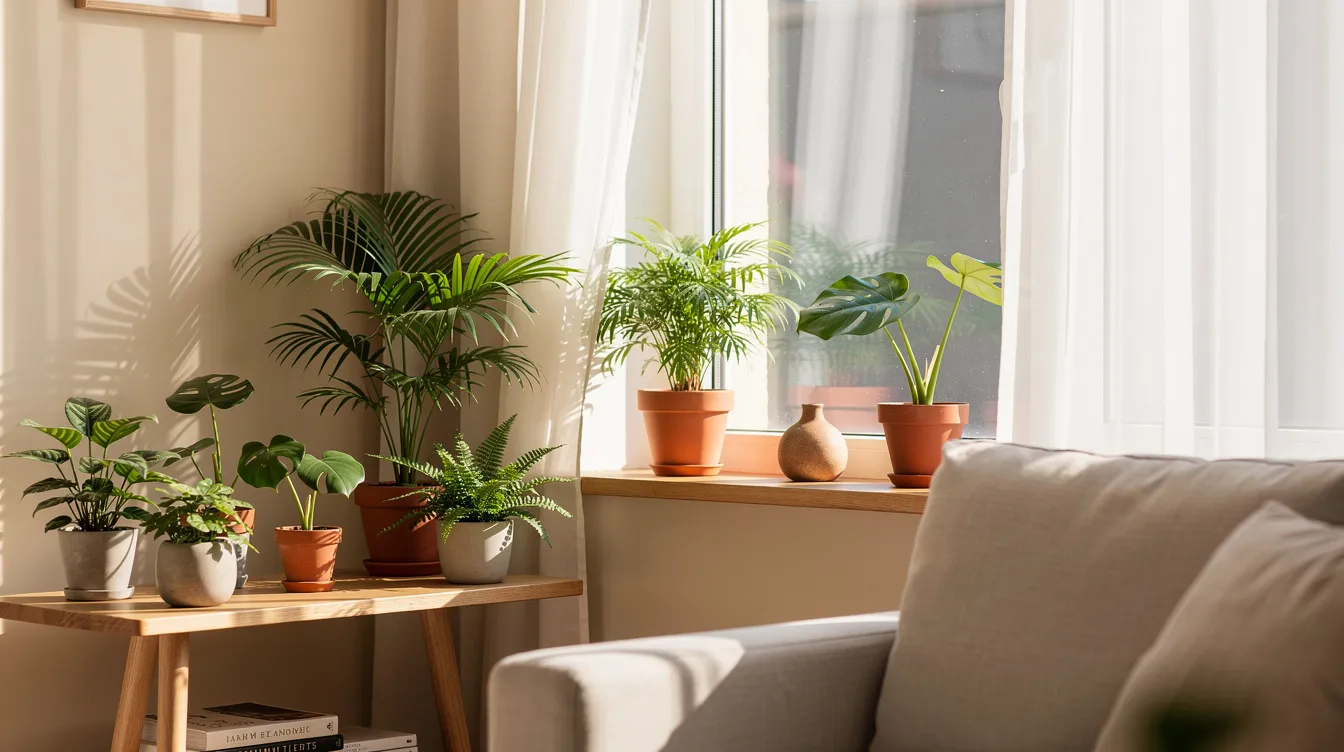
How We Chose the Best Tropical Flowers for Small Homes
Not every tropical house plant belongs in a tiny home. Banana plants can grow over ten feet tall in summer. Canna lilies can reach over twelve feet tall by summer’s end. Elephant ears can grow massive leaves over twelve feet tall in ideal conditions. These are stunning plants-but they’re not practical when you’re working with 400 square feet or less.
Here’s what we prioritized instead:
- Space efficiency: Mature indoor size under two feet tall and wide, or vertical growth habits that minimize floor footprint.
- Indoor growing capability: Tolerance for indirect light, moderate humidity (50–70%), and temperatures typical of climate-controlled homes. Tropical plants prefer temperatures between 65°F and 85°F, and humidity levels should be maintained between 50% and 70%.
- Maintenance simplicity: Many tropical flowers require minimal care once established. We favored plants thrive with forgiving watering and feeding schedules.
- Visual impact: Bloom frequency, duration, and color variety-maximizing exotic beauty per square inch.
- Air purification: Tropical flowers benefit indoor air quality, which matters even more in small, tightly sealed spaces.
- Container suitability: Containers are essential for small tropical garden designs, so every pick here does well in pots with drainage holes.
- Availability and cost: Budget-friendly options you can find at most garden centers or online retailers.
Tropical flowers thrive in warm, humid conditions, but the species below have adapted well to typical indoor environments-especially when you provide the right microclimate.
Top 6 Tropical Flowers for Small Homes
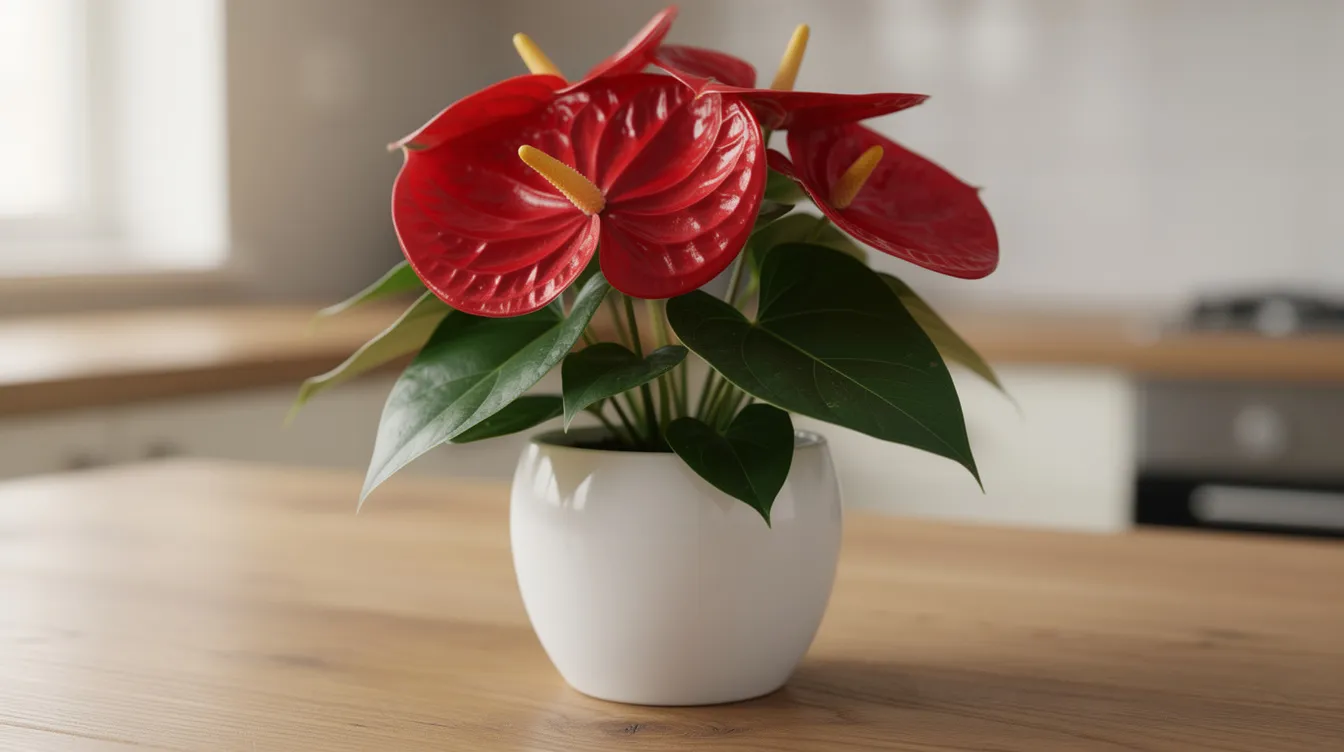
1. Anthurium (Flamingo Flower)
Anthurium is also known as the flamingo flower, and for good reason. Anthurium features glossy heart shaped leaves and long-lasting red spathes that look almost artificial in their perfection. With over 1,300 species native to tropical regions of Central and South America, compact cultivars of Anthurium andraeanum are tailor-made for small homes.
This plant made the list because it delivers dramatic presence and reliable color without demanding much floor space.
Why It Stands Out
Anthuriums can bloom four to six times per year under optimal conditions. Each vibrant bloom (technically a colorful spathe surrounding a spadix) lasts six to eight weeks, meaning you can enjoy near year-round color from a single plant. The glossy, architectural foliage looks striking even between bloom cycles.
Best For
- Tiny house owners wanting dramatic color without sacrificing tabletop space
- Renters needing portable tropical plants for shelves and countertops
Key Strengths
- Compact 12–18 inch height with a 9–12 inch spread-ideal for small tables
- Individual blooms last 6–8 weeks with proper care
- Thrives in bright indirect light, common near east-facing windows
- Available in pink flowers, red, white, and purple varieties for vibrant hues
Possible Limitations
- Requires consistent humidity (60%+ preferred), which may need extra attention via pebble trays or misting
- Toxic to pets and children due to calcium oxalate crystals
2. Compact Orchids (Phalaenopsis)
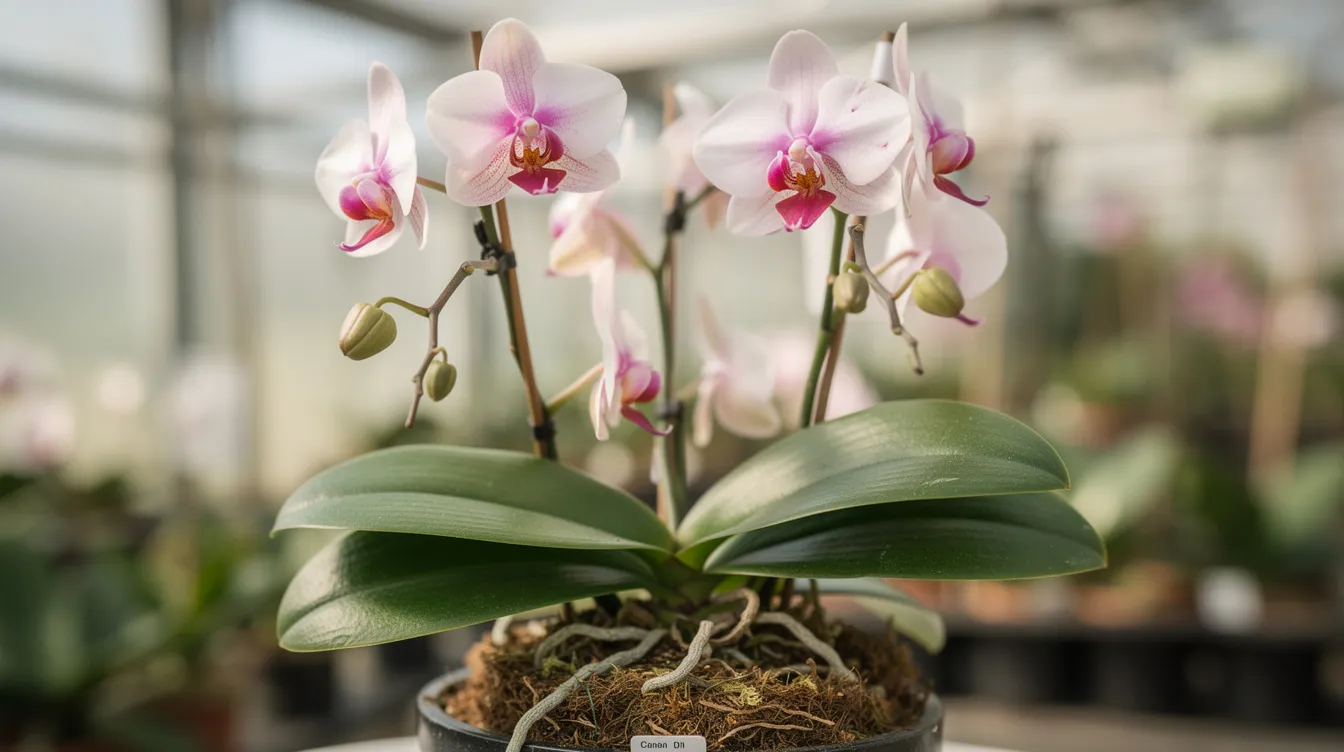
Phalaenopsis orchids-moth orchids-are epiphytic plants native to southeast asia and parts of Australia. Their flower spikes rise vertically above compact foliage, making them one of the most space-efficient tropical flowering plants you can own. Orchids have over 25,000 species worldwide, but Phalaenopsis hybrids are the go-to for indoor growers.
Their elegant, long-lasting showy blooms earned them a spot on this list without hesitation.
Why It Stands Out
A single Phalaenopsis bloom spike can last two to six months-far longer than most popular tropical flowers. After the flowers fade, you can cut the spike above a node to trigger reblooming. Many hybrids bloom one to three times per year once mature.
Best For
- Small home dwellers wanting sophisticated tropical elegance
- Beginners seeking low-maintenance striking flowers
Key Strengths
- Blooms can last 3–4 months (some up to 6 months) with proper care
- Takes up minimal horizontal space on windowsills-vertical growth is the advantage
- Available in white, pink, purple, and spotted varieties
- Tolerates lower humidity than many tropical flowers, needing moderate levels with good air circulation
Possible Limitations
- May only bloom once per year if light exposure or temperature conditions aren’t optimal
- Requires specific watering technique-avoid water pooling in the crown, and use well drained soil (orchid bark mix)
3. Peace Lily (Spathiphyllum)
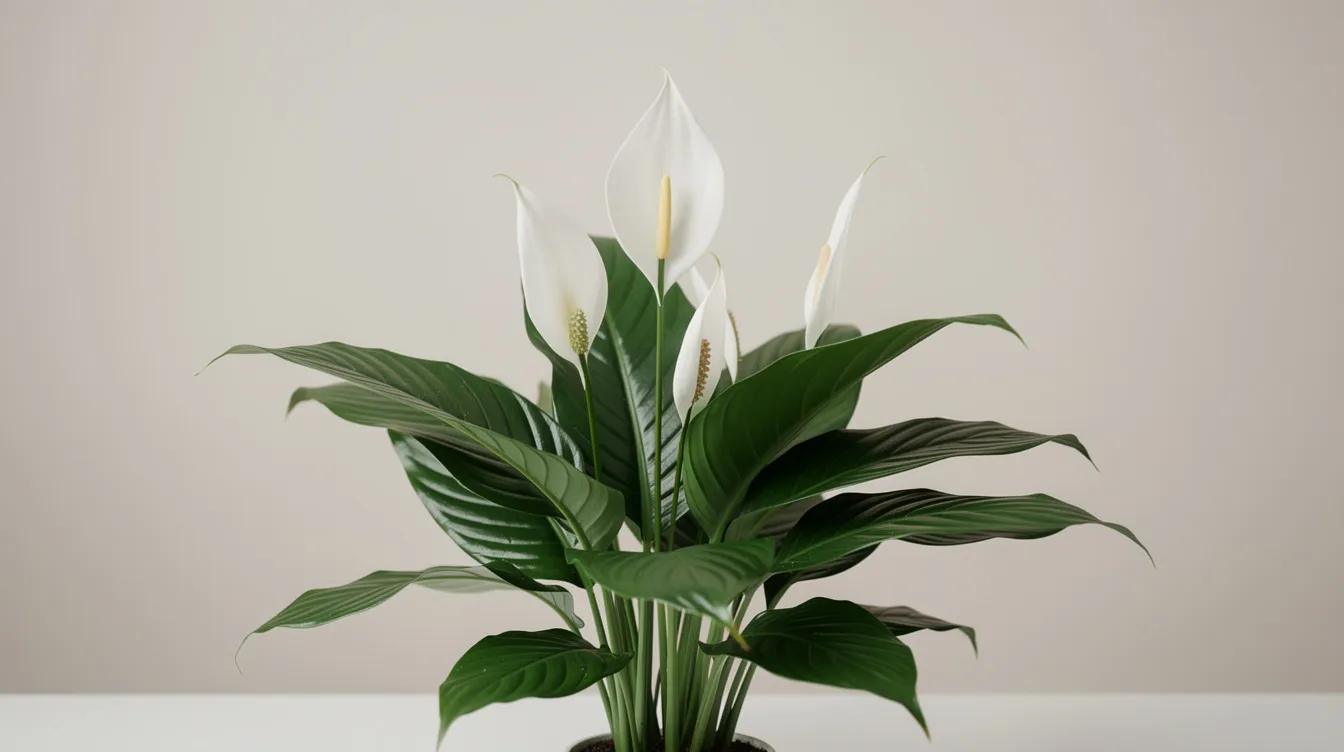
Peace lilies are among the most forgiving tropical plants for indoor growing. Their white spathes rise above dark green leaves, creating an elegant contrast that suits any small space aesthetic. Native to tropical Americas and Southeast Asia, dwarf cultivars like Spathiphyllum ‘Wallisii’ stay a manageable 12–15 inches tall.
Their combination of low light tolerance and air-purifying power made them essential for this list.
Why It Stands Out
Peace lilies were featured in the NASA Clean Air Study, ranking among the top houseplants for removing indoor toxins like benzene, formaldehyde, and trichloroethylene. For small, tightly sealed homes where air quality matters, this is a functional and visual win.
Best For
- Tiny house bathrooms and kitchens with higher humidity
- Small homes with limited natural light-north-facing windows or shaded apartments
Key Strengths
- NASA-approved air purifier, removing toxins from enclosed spaces
- Thrives in low light to medium indirect sunlight conditions
- Blooms multiple times per year with adequate moisture and nutrition
- Indicates watering needs by drooping leaves begin to wilt-a built-in alert system
Possible Limitations
- Toxic to pets and children if ingested (calcium oxalate crystals cause irritation)
- Standard varieties can grow 2–4 feet tall, so stick with dwarf cultivars for tiny spaces
4. African Violet (Saintpaulia)
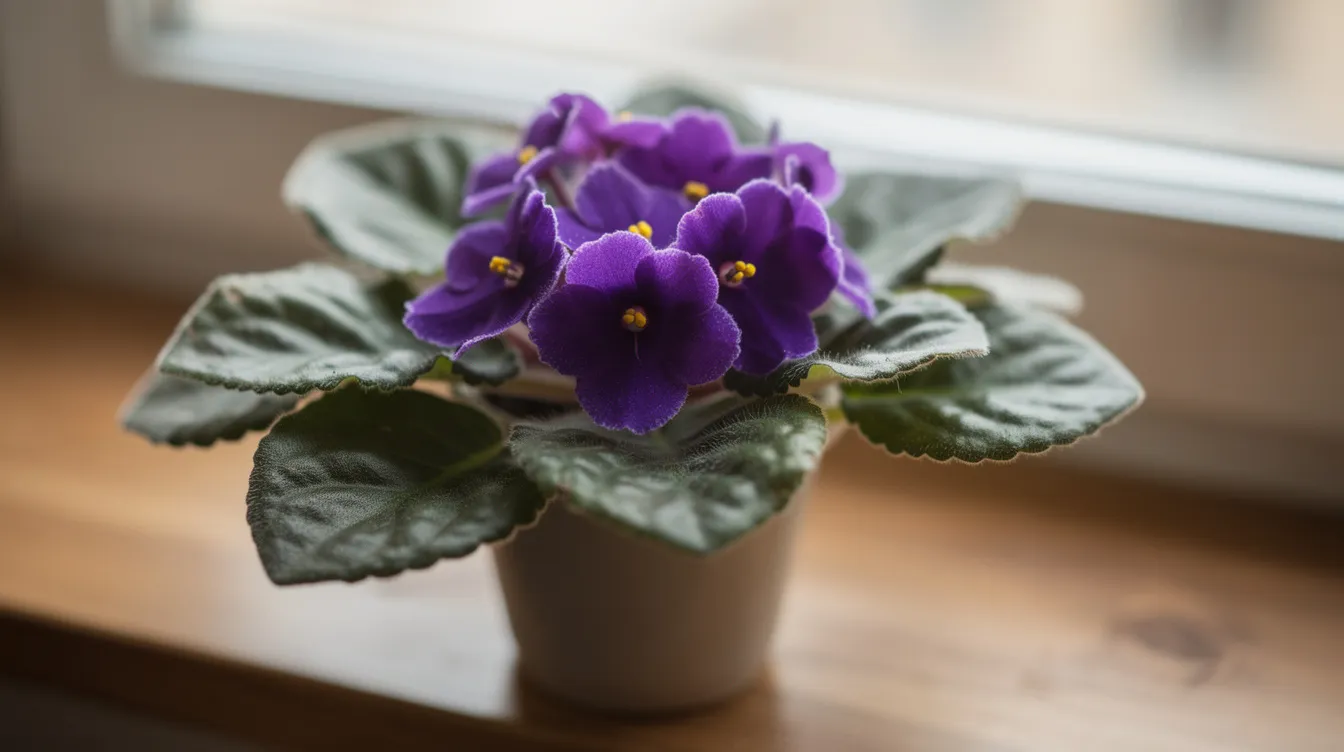
African violets produce soft, fuzzy leaves and continuous clusters of flowers, making them one of the most rewarding small-scale tropical plants you can grow. Originally from the cloud forests of Tanzania and Kenya, these compact plants have been hybridized into thousands of cultivars-including miniature and trailing varieties.
Their tiny footprint and nearly continuous bloom cycle make them perfect for tiny house windowsills.
Why It Stands Out
Under ideal conditions, African violets can bloom nine to twelve months of the year, cycling through flushes that each last four to six weeks. At just 4–8 inches tall and wide, they deliver an outsized return on beauty for the space they occupy.
Best For
- Small home kitchens and bathrooms with bright light filtered through curtains
- Apartment dwellers with limited growing space who want colorful flowers without bulk
Key Strengths
- Stays compact at 6–8 inches wide and tall (miniature varieties even smaller)
- Blooms continuously with proper care-near year-round color
- Available in purple, pink, white, and bicolor varieties in vibrant colors
- Low-growing plants like African violets are ideal for shelves and tabletop displays
- Non-toxic to pets, unlike many other tropical flowering plants
Possible Limitations
- Sensitive to water on leaves-needs bottom watering to prevent crown rot
- Requires consistent temperatures between 65–75°F and 12–14 hours of bright indirect light (supplemental LED grow lights help in winter)
5. Small Bromeliad Varieties
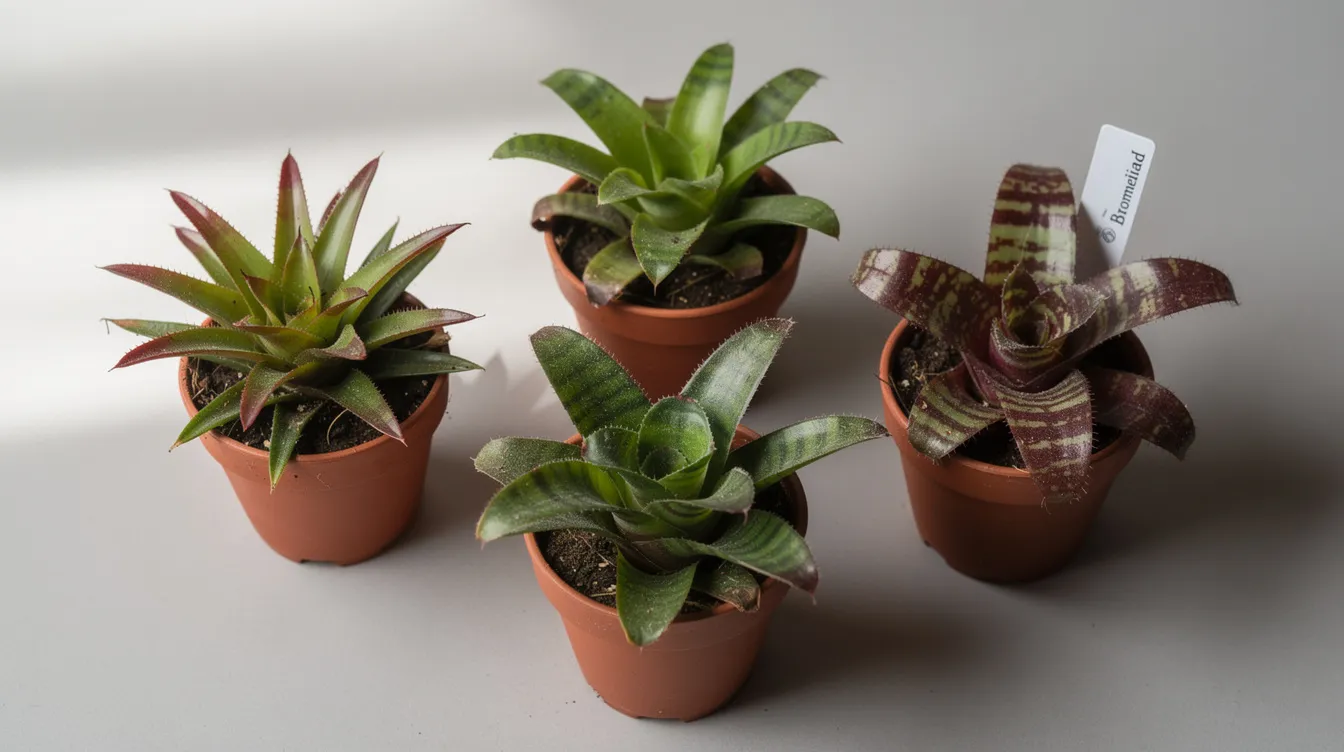
Bromeliads-including genera like Guzmania, Aechmea, and Neoregelia-bring an architectural, modern look to small spaces. Miniature bromeliads feature tight rosettes of glossy leaves surrounding colorful bracts that can last three to six months. The urn plant (Aechmea fasciata), sometimes called the rose grape, is a classic example with its pink bract and silvery-green foliage.
Their sculptural form and low-maintenance nature make them a natural fit for contemporary tiny homes.
Why It Stands Out
Bromeliads are among the easiest tropical plants to grow. Once established, they need minimal watering and feeding. Bromeliads thrive in humid environments and are great indoor décor, adding bold foliage and exotic flowers without demanding constant attention. The colorful bracts provide months of color-far outlasting most cut floral arrangements.
Best For
- Modern tiny houses and minimalist small spaces wanting an aesthetic tiny home vibe
- Renters wanting striking tropical plants without long-term commitment
Key Strengths
- Architectural shape adds a modern design element
- Colorful bracts last 3–6 months-among the longest-lasting displays
- Compact varieties stay under 12 inches
- Low water and fertilizer needs; keep soil moist but not soggy
Possible Limitations
- Parent plant dies after flowering (though it produces pups-offshoot plants-that can be separated and grown)
- Limited to one bloom cycle per plant; you’ll need to grow the pups for future blooms
6. Dwarf Hibiscus
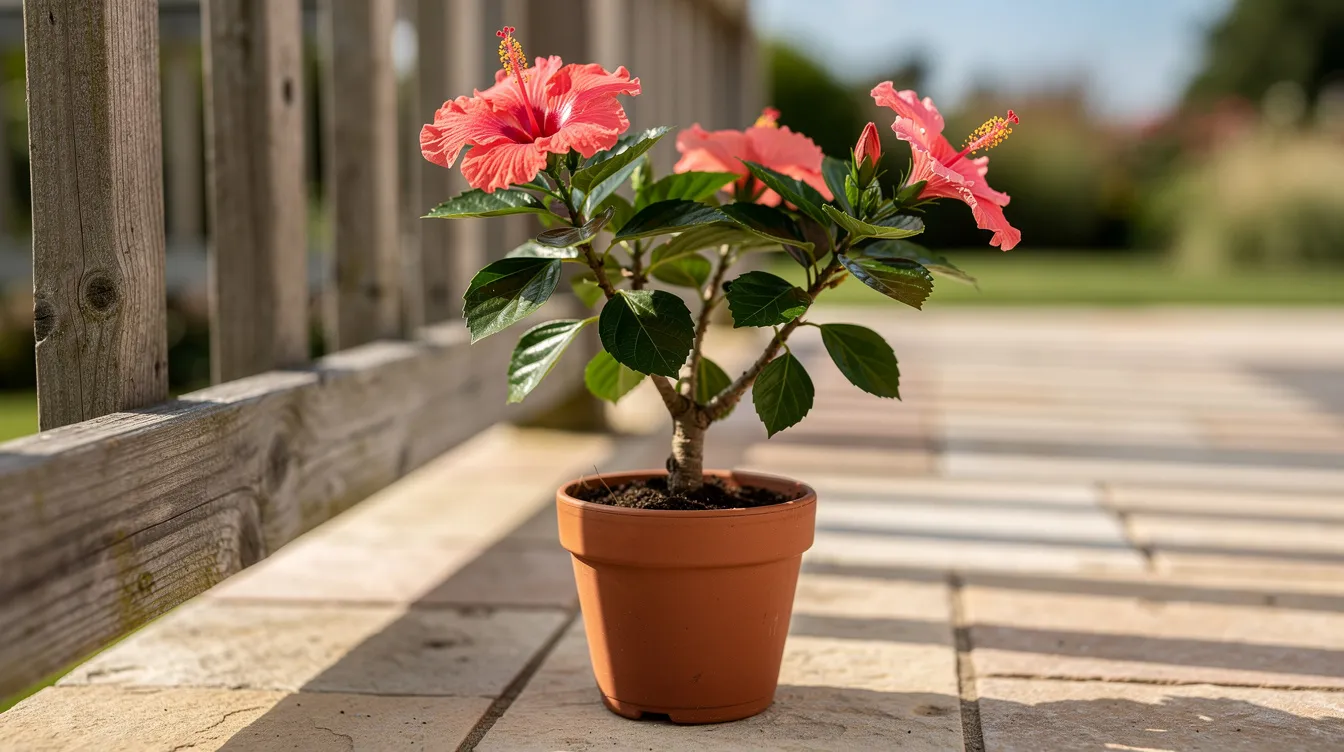
Hibiscus flowers are known for their large, colorful blooms, and dwarf tropical hibiscus varieties deliver that same impact on a smaller scale. These plants produce large blooms measuring 4–6 inches across in red, pink, yellow, and orange flowers-trumpet shaped flowers that evoke tropical climates and warm climates instantly.
Plumeria flowers are commonly associated with tropical climates like Hawaii and hawaiian culture, but dwarf hibiscus offers a similar tropical feel with better adaptability to container gardening.
Why It Stands Out
Few plants match the dramatic visual punch of a hibiscus in full bloom. Dwarf varieties stay 2–3 feet tall with pruning, producing trumpet shaped blooms throughout the growing season when given enough sun exposure.
Best For
- Small home patios and sunny indoor spots near south-facing windows
- Tiny house owners wanting classic tropical flower appeal with maximum impact
Key Strengths
- Large, showy blooms in vibrant flowers: red, pink, yellow, and orange
- Compact varieties stay 2–3 feet tall with regular pruning
- Can be moved outdoors in summer through early fall for small space flexibility
- Blooms throughout growing season with sufficient direct sunlight
Possible Limitations
- Needs bright light-several hours of full sun daily for best flowering; without it, blooming is sparse
- May require pruning to maintain compact size; woody branches spread if unchecked
- Watch for spider mites in dry indoor conditions; ensure good air circulation
Quick Comparison of the Best Tropical Flowers for Small Homes
Plant | Best For | Mature Size | Bloom Duration | Light Needs | Pet Safe? |
|---|---|---|---|---|---|
Anthurium | Year-round tabletop color | 12–18″ H × 9–12″ W | 6–8 weeks per bloom | Bright, indirect | No |
Compact Orchids | Elegant, long-lasting blooms | 1–2 ft (with spike) | 2–6 months | Bright, shaded | Generally yes |
Peace Lily | Low-light rooms & air purification | 12–15″ (dwarf) | Several weeks–months | Low to medium | No |
African Violet | Continuous blooms in tiny spaces | 4–8″ H × 4–8″ W | Year-round cycling | Bright, indirect | Yes |
Small Bromeliads | Modern, architectural appeal | Under 12″ | 3–6 months (bracts) | Bright, filtered | Most species yes |
Dwarf Hibiscus | Dramatic tropical flower impact | 2–3 ft with pruning | Season-long | Direct sun/full sun | Some sensitivity |
Each of these most popular tropical flowers serves a different need. Your best pick depends on the light, space, and lifestyle factors covered next.
How to Choose the Right Tropical Flower for Your Small Home
Choose Based on Available Light
Plant selection should match the natural light available in the home. This is the single most important factor for flowering success.
- North-facing or shaded windows: Peace lilies and African violets tolerate low light conditions better than most. They’ll still produce attractive foliage even when blooms slow down.
- East or west-facing windows: Anthuriums and orchids perform well here. Most indoor tropical flowers need bright indirect light for blooming-roughly 1,000–1,500 foot-candles for orchids.
- South-facing windows or sunny patios: Dwarf hibiscus needs this kind of light exposure. Direct sun can burn the leaves of indoor tropical plants, so position other species a few feet back or filter through a sheer curtain.
Tropical flowers need at least 6 hours of indirect sunlight daily. If your home falls short, LED grow lights are an affordable supplement. Even a snake plant or chenille plant might struggle to flower without adequate light, though they’ll survive on foliage alone.
In cooler climates or subtropical regions, natural light can be especially limited in winter. Consider rotating plants between rooms or supplementing with artificial lighting during shorter days.
Choose Based on Space Constraints
Measure your potential locations before buying. Account for mature size, not just the plant’s current dimensions:
- Windowsills and shelves: African violets (4–8 inches) and small bromeliads (under 12 inches) fit narrow ledges.
- Tabletops and counters: Anthuriums and compact orchids work well, with orchid spikes adding height without spread.
- Hanging planters or wall mounts: Bromeliads and air plants (Tillandsia) free up surface area entirely. A lipstick plant is another option for hanging baskets, producing tubular flowers on trailing stems. For more ideas, check out these 50 creative tiny gardens ideas for small spaces.
- Floor placement: Only dwarf hibiscus requires floor space, and even then, keep it near a window for proper light.
Layering plants creates fullness and height in small gardens-place taller orchid spikes behind shorter African violets for a dynamic display. Tropical gardens can thrive in narrow patios or compact backyards with this approach, and the swiss cheese plant makes a great companion with its attractive foliage if you have room for one climbing specimen.
Choose Based on Maintenance Level
Match care requirements to your actual routine-not your aspirations:
- Lowest maintenance: Bromeliads and peace lilies. Water when the top inch of soil dry, and they’ll forgive occasional neglect.
- Moderate maintenance: Anthuriums and orchids. Fertilize tropical flowers every 4–6 weeks during the growing season. Most tropical plants prefer humidity and should not sit in standing water, so use pots with drainage holes to prevent root rot.
- Higher maintenance: African violets (precise watering technique) and dwarf hibiscus (pruning, full sun requirements). Water tropical flowers when the top inch of soil feels dry.
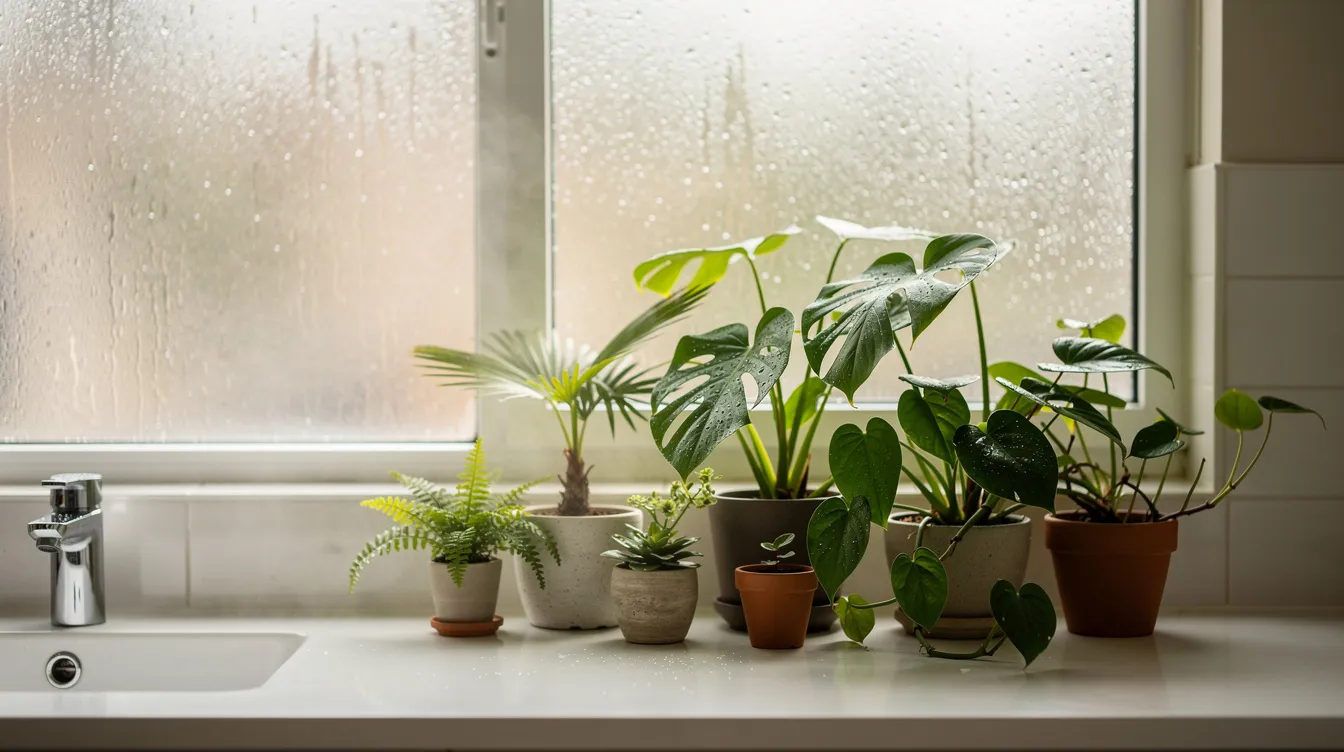
Grouping plants helps replicate the ambient moisture of tropical jungles-a pebble tray beneath clustered plants creates a microclimate that raises humidity without a humidifier.
If you’re new to indoor gardening, start with a peace lily or bromeliad. You can always add more demanding species as you build confidence.
For those living in tropical tiny homes, natural humidity often does the work for you. In tropical environments and tropical areas, these plants practically care for themselves outdoors-but the indoor picks above bring that same energy inside.
Which Tropical Flower Is Best for You?
Here’s the quick decision guide:
- Choose Anthurium if you want reliable year-round color in a compact package. Its heart shaped leaves and vibrant blooms deliver a dramatic presence on any surface.
- Choose Orchids if you prefer elegant, long-lasting blooms with minimal horizontal space. One spike can carry a room for months.
- Choose Peace Lily if you need air purification and your home has lower light. Peace lilies are among the hardest-working plants in tropical rainforests and indoor spaces alike.
- Choose African Violet if you want continuous small-scale blooms. Perfectly sized for tight spots, these are the sweet fragrance of success in miniature form.
- Choose Bromeliads if you prefer modern design and effortless maintenance. Their bold foliage and long-lasting colorful bracts require almost no fuss.
- Choose Dwarf Hibiscus if you want maximum tropical flower impact. Nothing matches those large blooms for pure visual drama.
In the wild, tropical flowers attract bees, butterflies, and hummingbirds-Pentas flowers are frequented by butterflies for nectar, and Heliconia flowers attract hummingbirds with their vibrant colors. Indoors, these plants won’t attract pollinators, but planting tropical flowers supports local ecosystems and biodiversity if you move them outside during warmer months. Even container-grown plants on a patio can attract pollinators and contribute to local ecosystems.
For more ideas on flowering plants suited for tiny homes, we’ve covered additional species including options for every light condition and experience level.
Final Thoughts
Many tropical flowers can transform even the smallest home into a space that feels alive and connected to nature. The key isn’t cramming in as many plants as possible-it’s selecting the right species for your specific conditions.
Limited square footage doesn’t mean limited tropical beauty. Every plant on this list stays compact enough for a tiny house, apartment, or studio while delivering the colorful blooms and lush foliage that make tropical gardens so appealing. Whether you’re drawn to the architectural form of bromeliads or the classic appeal of spent flowers being replaced by fresh orchid blooms every few months, there’s a match for your space.
Success comes from matching plant needs to your environment rather than forcing unsuitable varieties into conditions they can’t handle. Measure your light. Check your humidity. Pick one plant from this list, give it a proper home, and build from there. In peat based soil or bark mix, on a windowsill or hanging from a rafter-the best tropical plants are the ones that fit your life.