What Is a Colour Mood Board for Tiny Houses (and Why It Matters)?
This blog post is your step-by-step guide to creating a colour mood board that turns tiny house design ideas into confident, real-world decisions. At Explore Tiny House, we know that every surface in a small home carries outsized visual weight – and a mood board is the tool that keeps you on track.
A color mood board is a visual collage that establishes the emotional direction of a design project. It can include colors, patterns, and textures – photographs, material samples, paint swatches, and fabrics – arranged to capture the overall feel of your tiny home interior or exterior. Think of it as a story you tell yourself before you spend a single dollar.
A mood board can test how different colors interact before building physical spaces or designs, which makes sense when you consider that walls with a Light Reflectance Value of 60–80 significantly increase brightness and perceived spaciousness in homes under 400 sq ft. A color mood board also serves as a reference to guide design decisions throughout a project, acting as a decision filter for every purchase from siding to throw pillows. Below, we’ll show you how to build mood boards with HDR-quality photographs and translate them into mood board images that guide real tiny house projects.
Color Psychology in Tiny Spaces: How Colours Shape Mood in Your Tiny Home
Color psychology studies how colors affect moods and emotions, and that process becomes far more intense inside a 24–28 ft tiny house on wheels where every hue is visible from nearly every angle. Using color can create specific moods in mood boards – and in compact spaces, even a bit of the wrong tone can throw off an entire room. Using color can also enhance visual interest in designs, so the goal is choosing hues that support how you want to feel at home.
Here’s what the research tells us about specific colour–emotion pairings for tiny spaces:
- Soft whites and off-whites → openness and tranquillity, ideal for walls and ceilings
- Blue is associated with calmness and serenity; blue and green create calming and relaxing mood board effects – perfect for a coastal tiny home interior
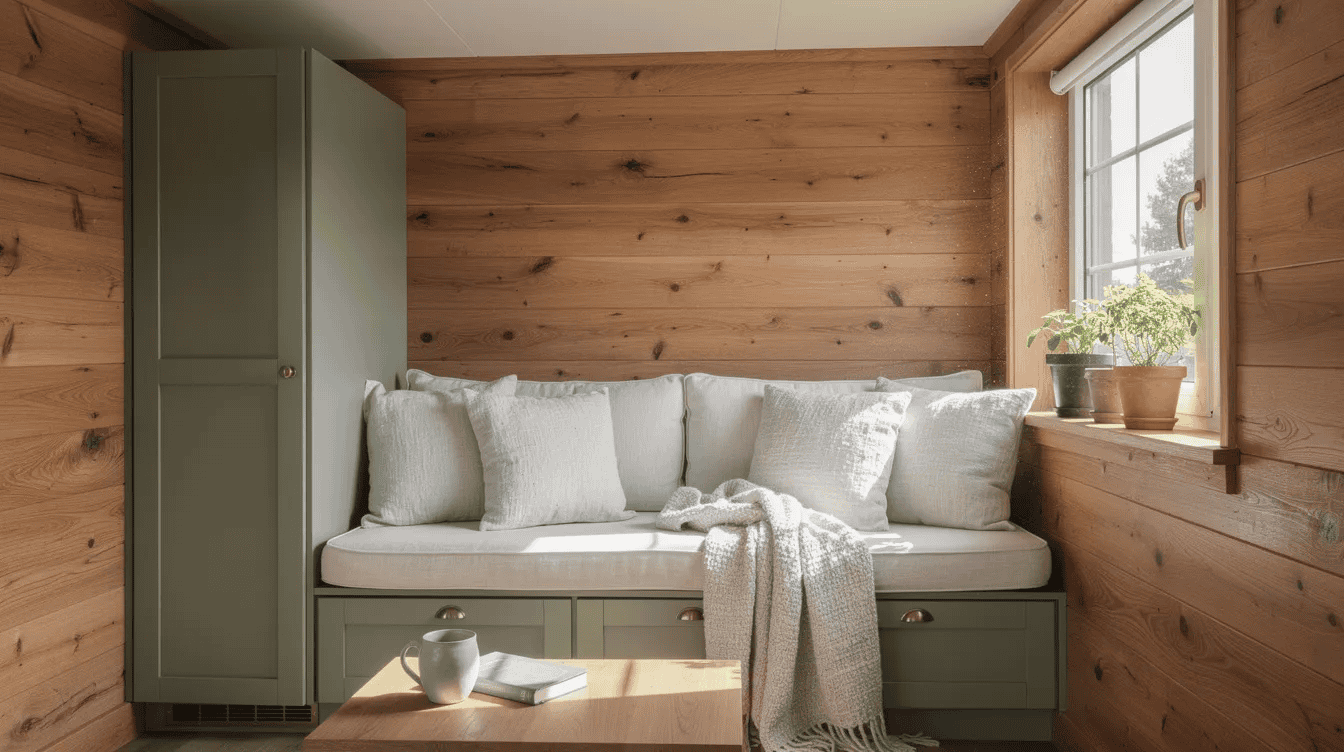
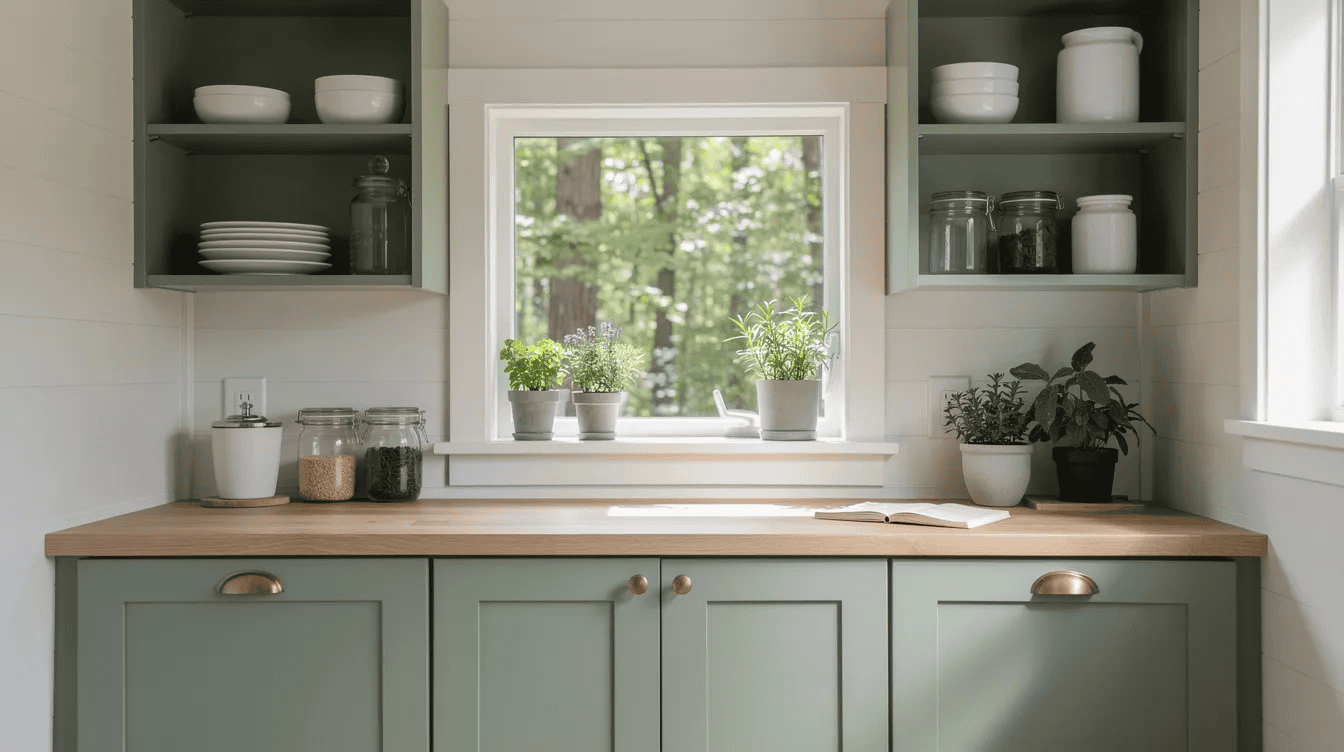
- Green symbolizes nature, growth, and new beginnings – think moss green in an off-grid forest cabin paired with warm wood tones
- Yellow evokes feelings of happiness and optimism when used sparingly as an accent
- Orange is associated with happiness, energy, and excitement – great for a creative studio on wheels
- Red is linked to passion, love, and anger, so use it in tiny doses (a cushion, a mug, a piece of art)
- Warm terracotta and earth tones → coziness and depth for woodland cabins
- Charcoal accents → sophistication without overwhelming a greige-and-black minimalist urban tiny studio
Brighter colors evoke energy and excitement in mood boards, while muted tones keep the mood restful. Choose your emotional goal first – “calm retreat after work,” “family-friendly tiny home,” “creative studio on wheels,” or “Scandinavian-inspired minimalist pod” – and let that emotion drive every colour decision.
Planning Your Tiny House Mood Board: Vision, Keywords, and Practical Constraints
Before browsing for images, planning keeps your final mood board realistic for budget and space limits. Using different colors can help organize mood board projects, but only when you start with a clear vision.
Define your style with 3–5 concrete keywords – for example, “Japandi tiny house,” “modern rustic cabin,” “off-grid A-frame,” or “family bunk tiny home.” Then write down practical details that shape your palette:
- Tiny house size (e.g., 8.5 ft × 24 ft trailer or a backyard aesthetic tiny home pod)
- Location – forest, city lot, coastal, desert
- Natural light direction – which side faces sun vs. shade
- Mobile or foundation-built
- Primary goal – e.g., “cozy creative studio” or “energy-efficient off-grid home”
Darker tones suit woodland cabins; reflective neutrals open up narrow, low-light interiors. Keep a short note in the corner of your board with your project name (e.g., “Explore Tiny House – Cedar Ridge 2026”) and goals so every decision stays aligned. Color can help organize elements in a mood board, turning a messy collection into a focused design road map.
Gathering HDR Images and Inspiration: Building a Tiny House Mood Board Library
Gathering visual inspiration is essential when creating a color mood board. Search for HDR-style photographs – images with rich, balanced lighting that show real colour differences in wood, fabrics, metals, and paint. These are ideal for judging palettes on any device because highlights and shadows are both preserved.
- Pinterest – search “tiny house interiors 2026” or “small space design mood board” and save to a dedicated board
- Unsplash and Pexels – free HDR-quality photos of tiny lofts, compact kitchens, Japanese tiny homes, trailer exteriors, and storage stairs
- Explore Tiny House galleries – visiting our colorful tiny houses or elegant tiny homes collections is a fun way to start
- Material close-ups – cedar siding, birch plywood, concrete, brass hardware
Save 30–40 images first, then narrow down. Textures and materials should be included in a color mood board to show how colors interact with light. Tag each image with a palette name (e.g., “sage + white + light oak”) so you can track inspiration by tone. Look for a series of images that already share coherent colour temperatures – that’s a sign your palette is coming together naturally.
Designing Your Tiny House Color Palette from the Mood Board
Now it’s time to drag your messy inspiration into a clear, limited palette. A color mood board includes primary, secondary, and accent colors as a core palette – and you should limit the color palette in a mood board to create a clearer visual message. The 60-30-10 rule helps establish a balanced color palette in design: 60% dominant base, 30% secondary, 10% accent.
Color palettes can be generated from any image. Upload a favourite HDR photograph to Coolors, which allows palette creation from uploaded images, or use another color palette generator – most provide instant results in browsers with a single click. Select hex codes from wood grain, textiles, and large wall planes, then review them side by side.
Here’s a concrete example palette for a modern tiny house:
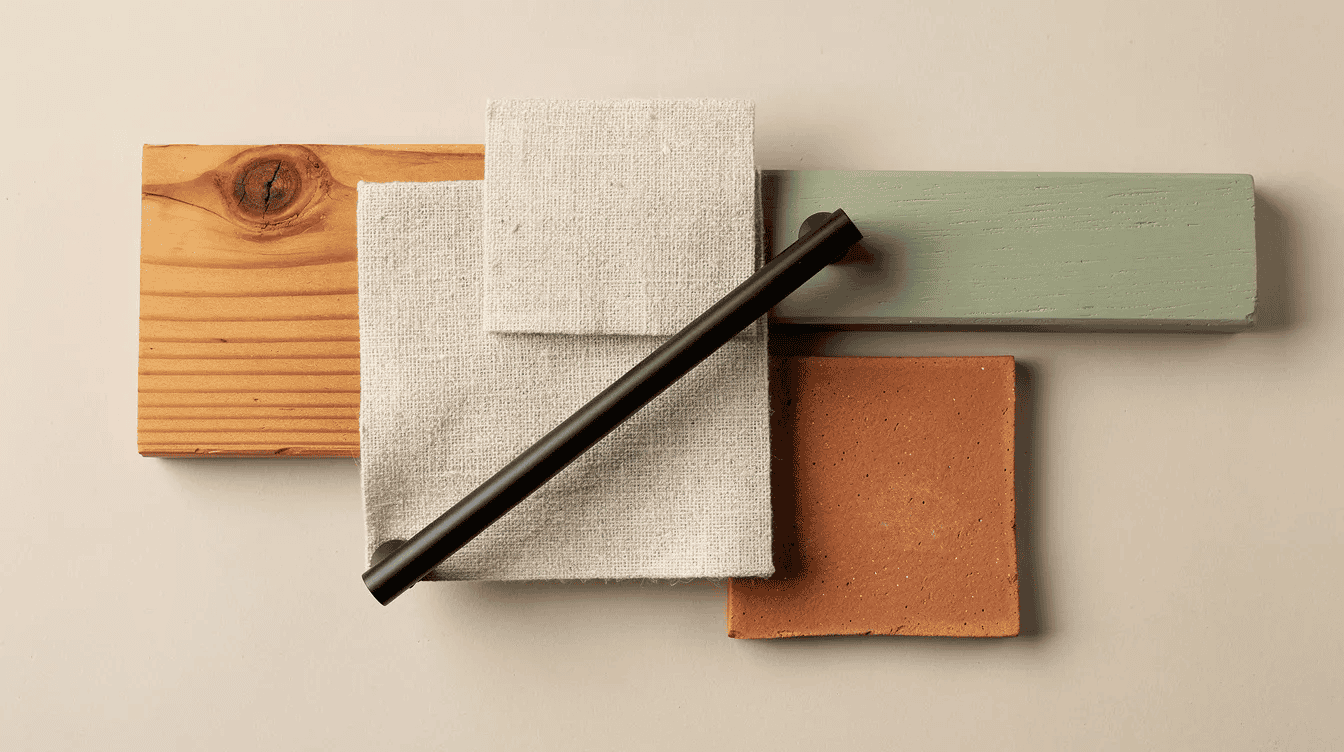
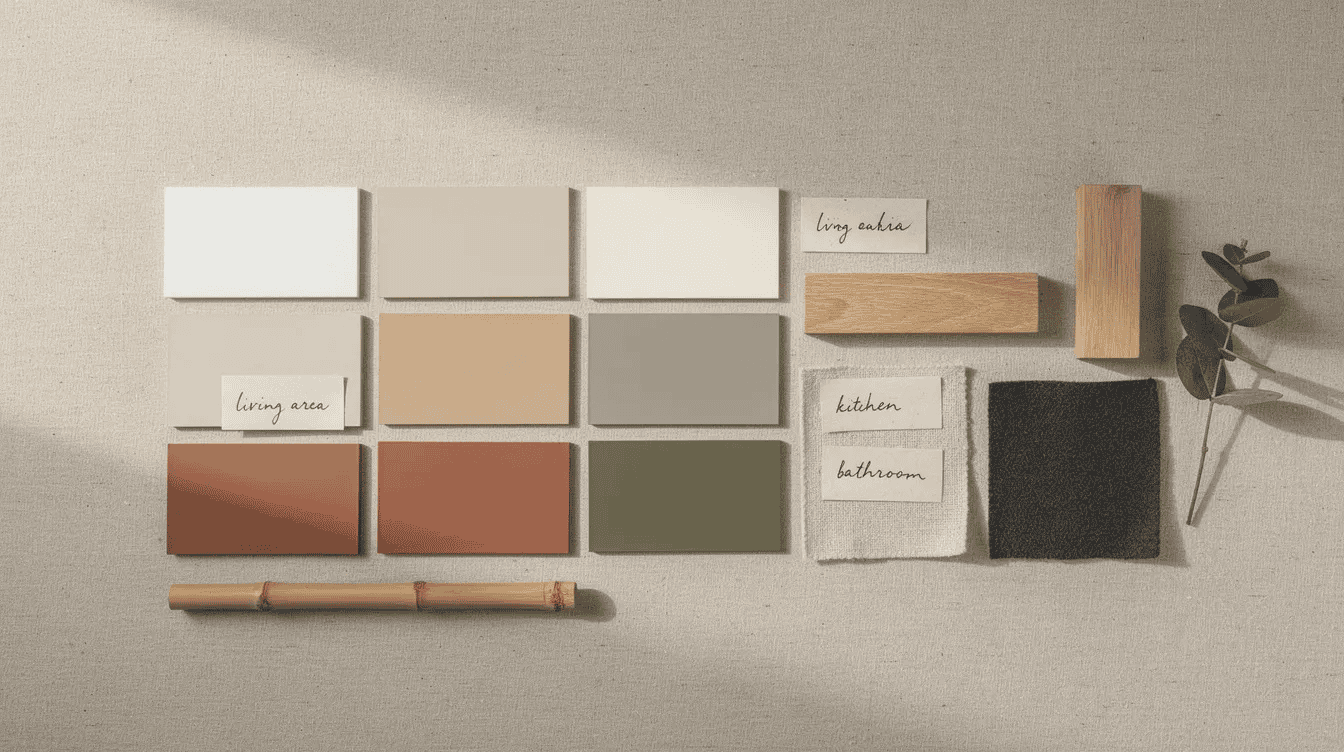
- Warm white (#F5F3ED) – walls and ceiling (dominant)
- Honey oak (#C8985A) – wood elements (secondary)
- Sage green (#8FA58C) – cabinets (secondary)
- Matte black (#333333) – hardware and metal trim (accent)
- Clay/terracotta (#C56A4F) – textiles and décor (accent)
Adapt for your style: pale ash and soft greys for Nordic cabins, high-contrast black-and-cedar for boxy builds, soft neutrals with indigo for Japanese-inspired designs. Remember that warm LED lighting (2700–3000K) enhances earth tones, while neutral white light keeps cool palettes crisp. Download your final palette as a PDF so you can follow it throughout the build process.
Assembling the Final Mood Board: Layout, Image Types, and Tiny House Use Cases
Your final mood board is a curated, print- or screen-ready document you can share with builders, partners, or family. Using a color mood board can help align teams and clients on a project’s visual direction – so layout matters.
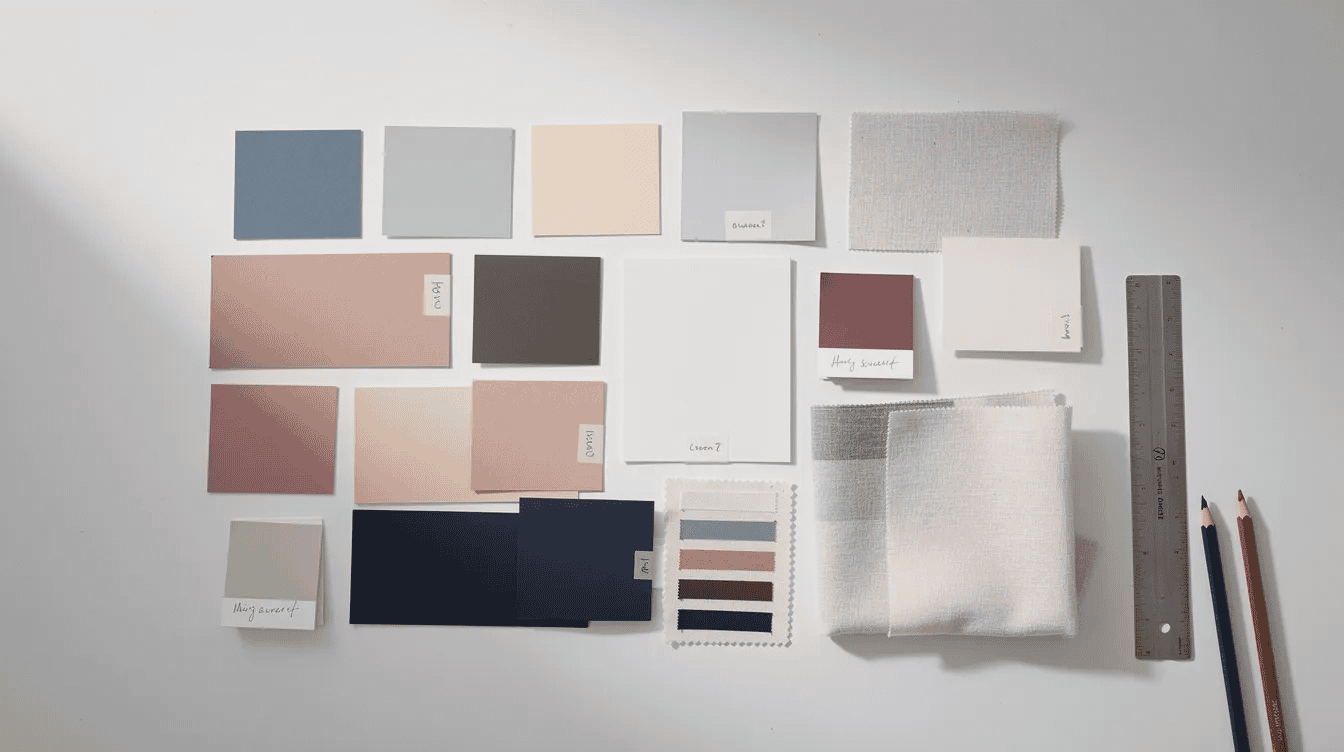
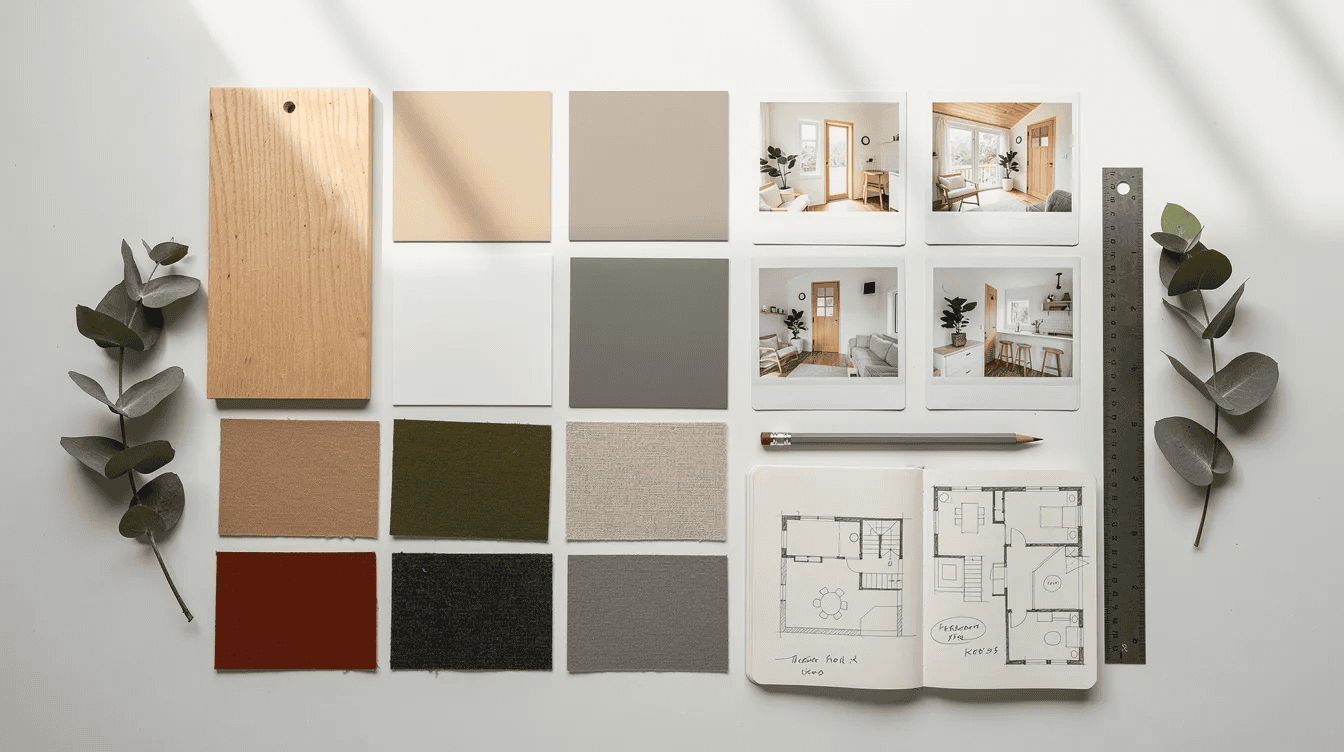
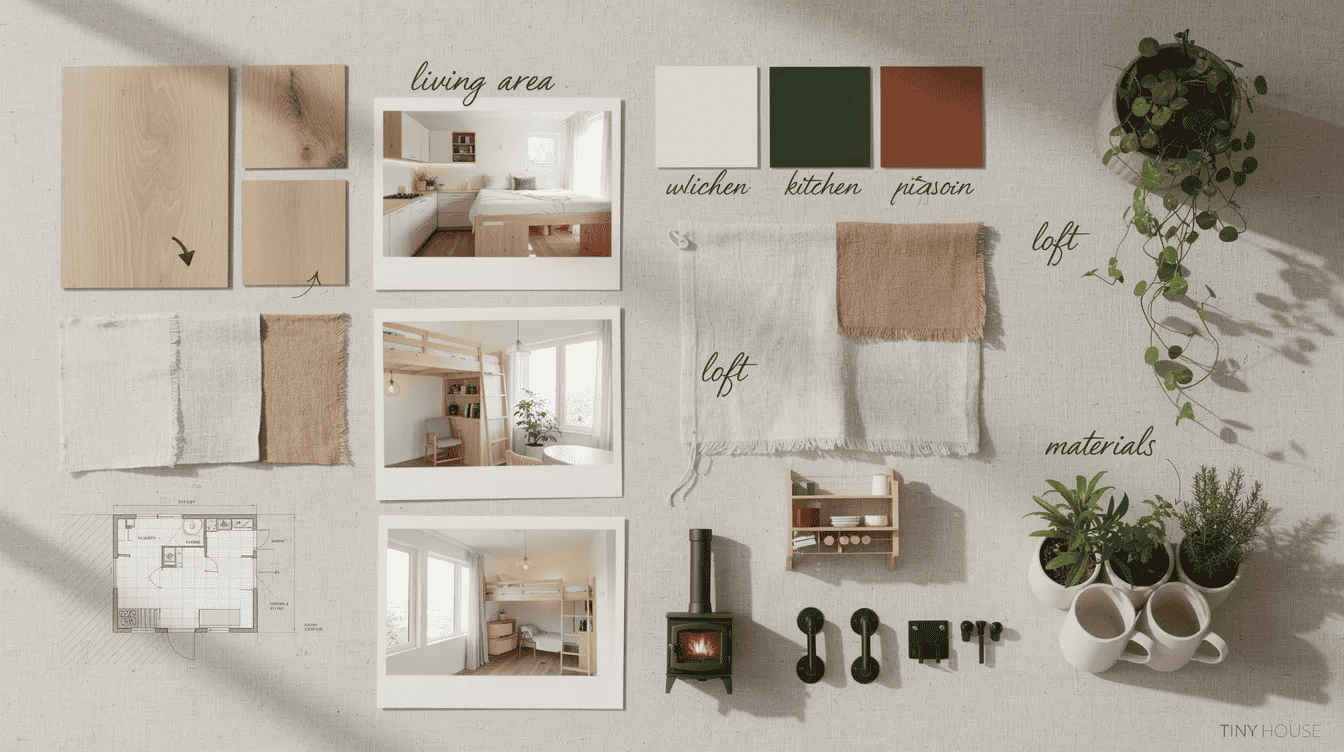
Separate the board into clear zones: colour swatches with hex codes, HDR interior photos, exterior references, and material samples. Include 3–5 high-resolution photographs that together tell the whole mood. Add small text labels – “tiny kitchen colour palette,” “loft mood lighting,” “exterior cedar stain” – so the board is easy to discuss.
Use cases for inspiration:
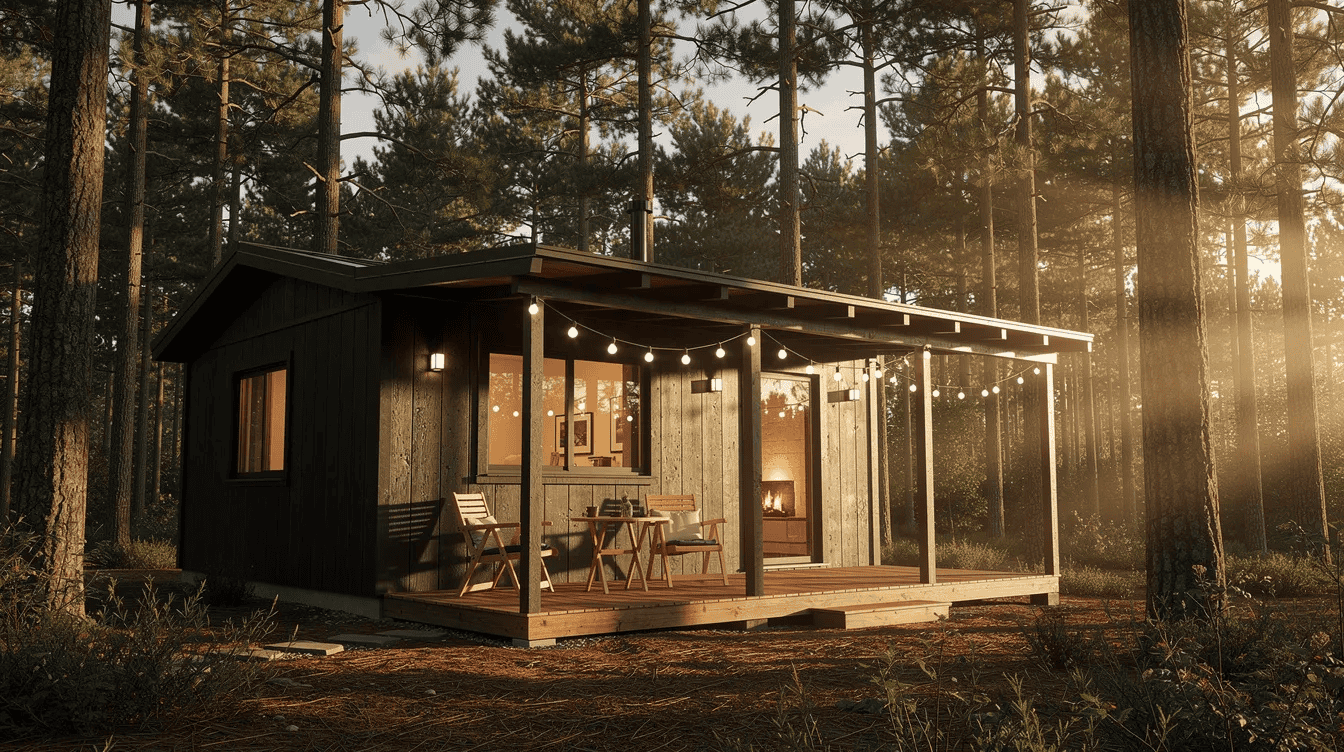
- A 26 ft off-grid mountain cabin – dark cedar exterior, earthy warm interiors, terracotta accents
- A backyard Scandinavian office pod – pale neutrals, light ash wood, black metal framing
- A family bunk-bed custom tiny home – durable finishes, playful accent colours, wood tones that hide wear
Quick layout tips:
- Keep the background clean and neutral
- Maintain consistent spacing
- Avoid more than 12–15 images so the board stays readable
- Choose one unifying metal finish (matte black or brushed brass) and repeat it
- Use templates if you’re new – many are free on Google Slides or Canva
From Mood Board to Tiny House Reality: Next Steps with Explore Tiny House
A colour mood board is only the starting point. To translate it into reality, you need to test physical swatches against your printed board under natural light – watch how colours shift from morning to afternoon. The trend in 2026 is toward warm earth tones and saturated pastels, but what matters most is how the palette makes you happy in your own space.
- Test paint chips and fabric samples in the actual tiny house (or a similarly lit room) for 24–48 hours
- Create separate mood boards for interior and exterior if your tiny home sits in a distinctive environment – forest, desert, or city rooftop
- Explore our tiny houses guide and best tiny houses gallery for real homes sorted by colour palette
- Learn from the community – drop a message in our threads where people share mood boards and get feedback
- Save this blog post as a reference and keep adding to your board as your design evolves
Your mood board is the bridge between a Pinterest dream and a brand-new tiny home you love. Start building yours today, share it with the Explore Tiny House community, and let your colour choices tell the story of the life you want to live – just in fewer square feet.