
Limited square footage doesn’t mean limited beauty. Whether you’re working with a tiny house yard, a balcony, a narrow patio, or a few containers on a deck, the right small plants can transform even the tightest spaces into a lush, inviting retreat. Incorporating small plants adds intricate detail and texture to gardens, and they can create layers in garden design for depth that makes a small area feel surprisingly expansive.
The key is choosing plants that stay compact, deliver big impact across multiple seasons, and won’t demand hours of upkeep. In this guide, we’ll walk through seven standout varieties that work beautifully in small garden ideas-from shade-loving foliage gems to drought-tolerant sun worshippers.
How We Chose the Best Small Plants
Not every pretty plant belongs in a small garden. We evaluated each variety against criteria that matter most when space is at a premium:
- Mature size and spread – Plants that stay under 18 inches tall and won’t aggressively overtake their neighbors.
- Low maintenance needs – Ideal for busy tiny house dwellers who don’t want a second job tending their yard.
- Multi-season visual interest – Foliage color, flowers, or structural form that earns its keep beyond a single bloom window.
- Container adaptability – Container gardens solve limited in-ground planting space, so every plant here performs well in pots, raised beds, or raised planters.
- Drought tolerance – Especially relevant in recent years as water restrictions expand.
- Pollinator and ecological value – Supporting bees, butterflies, and beneficial insects.
- Beginner friendliness – Accessible to gardeners at any skill level, no green thumb required to start.
Top 7 Small Plants for Garden Ideas
1. Coral Bells (Heuchera)
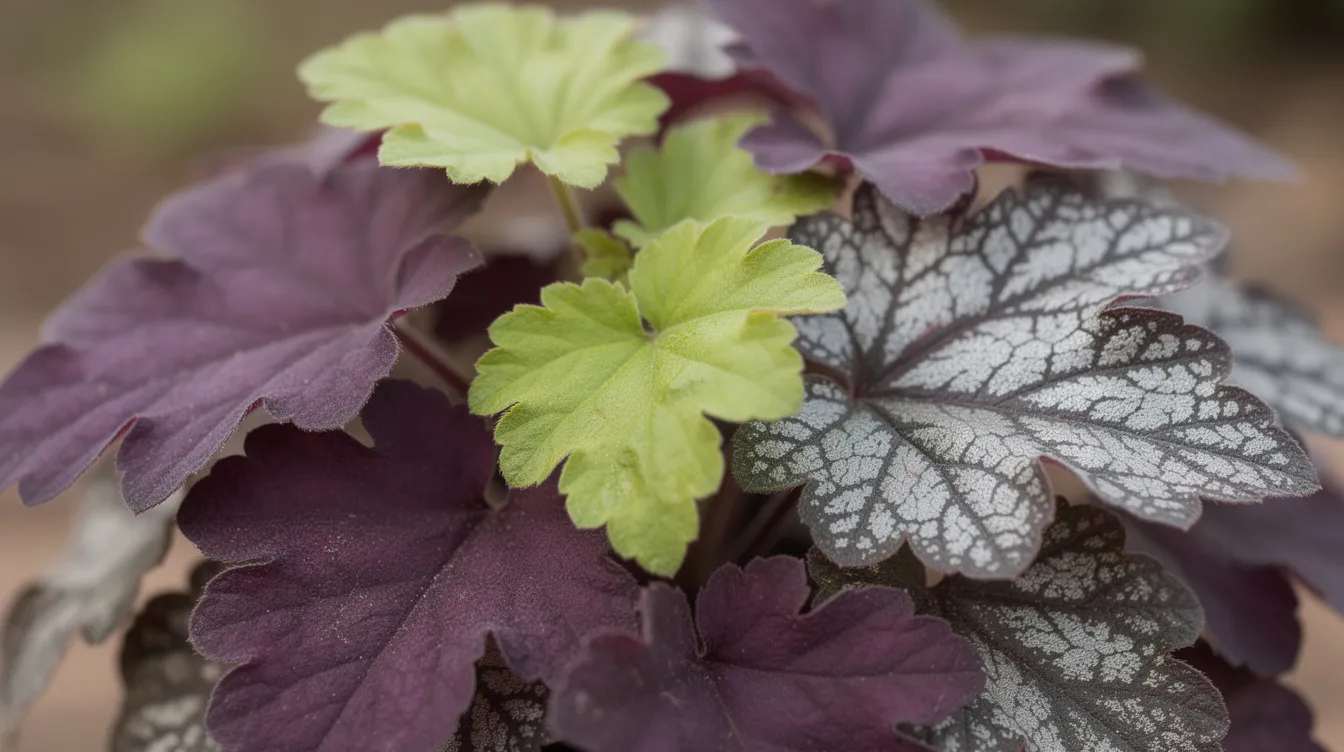
Coral bells are foliage-first perennials that pack remarkable color into a compact mound. With leaves ranging from chartreuse and silver to deep burgundy and near-black, they bring year-round interest to shade borders, window boxes, and container gardens.
Why It Stands Out
Few plants offer this much color diversity in such a small footprint. Modern cultivars are bred specifically for compact, mounding habits with foliage that stays vibrant across seasons.
Best For
Shade gardens, containers, and gardeners who want color without relying solely on flowers.
Key Strengths
- Compact 6–12 inch height and 8–12 inch spread-perfect for edging beds or filling large pots
- Stunning foliage in colors from lime to deep burgundy, with metallic sheens and ruffled textures
- Tolerates shade and partial sun conditions (darker-leaved cultivars handle more sun)
- Evergreen in mild climates (USDA Zones 4–9), offering year-round interest
Possible Limitations
- Leaves may scorch under intense afternoon heat in hot climates
- Needs consistent moisture during establishment; avoid soggy soil
- Requires division every 3–4 years to prevent bald centers
2. Dwarf Lavender (Lavandula angustifolia ‘Munstead’)
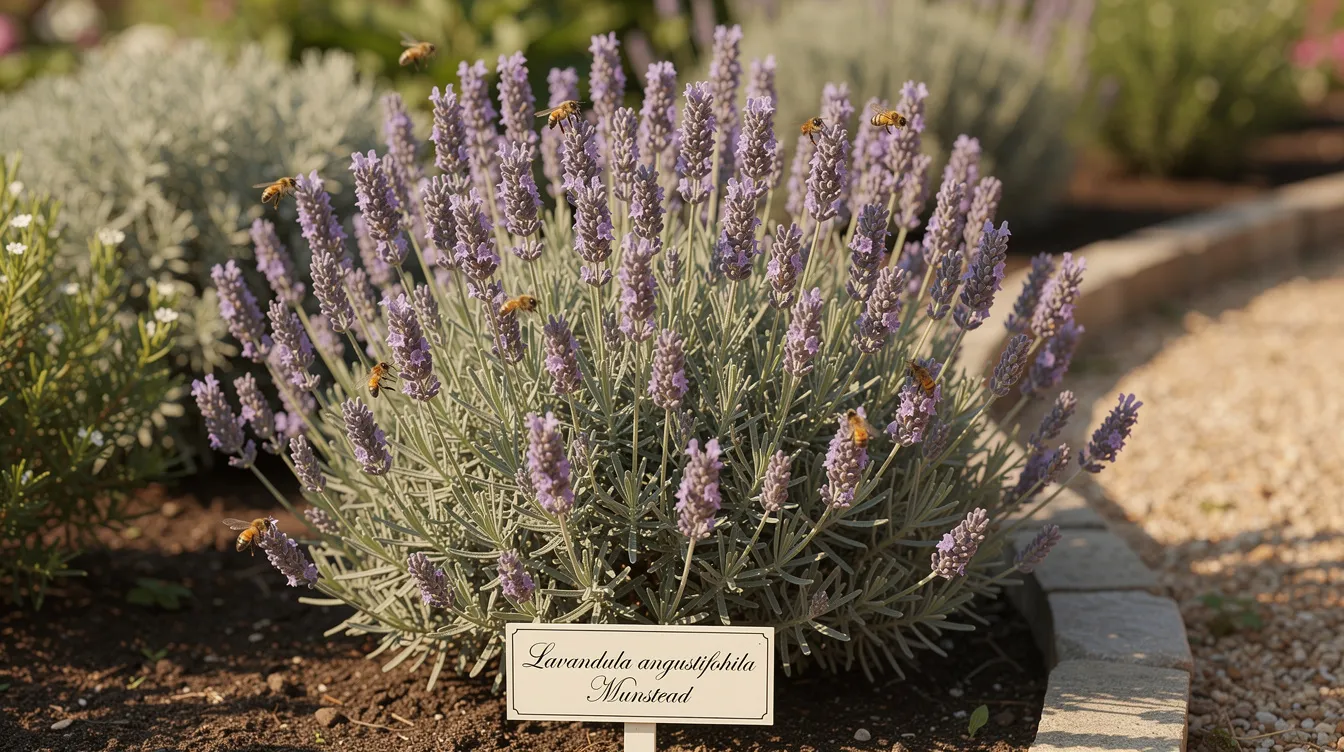
‘Munstead’ is a compact English lavender cultivar that delivers fragrance, structure, and pollinator value in a tidy bush. It’s been a garden staple since its introduction in 1916 and remains one of the best choices for a sunny herb garden or border edge.
Why It Stands Out
This plant appeals to multiple senses-aromatic foliage, beautiful flowers, and culinary usefulness-while tolerating drought once established.
Best For
Sunny small gardens, herb gardens, and anyone wanting pollinator support. Herbs can be grown in window boxes or hanging baskets, making ‘Munstead’ versatile even without ground space.
Key Strengths
- Compact 12–18 inch mature size fits tiny spaces alongside a seating area or along a fence
- Fragrant lavender-blue flowers attract bees throughout summer
- Extremely drought tolerant once established; prefers lean, well-draining soil
- Culinary and aromatherapy uses add functionality beyond ornamental beauty
Possible Limitations
- Requires full sun (6+ hours daily) and well-draining soil
- Performs poorly in humid climates or wet winter conditions
- Needs spring pruning every few years to maintain shape and prevent woody overgrowth
3. Japanese Painted Fern (Athyrium niponicum)
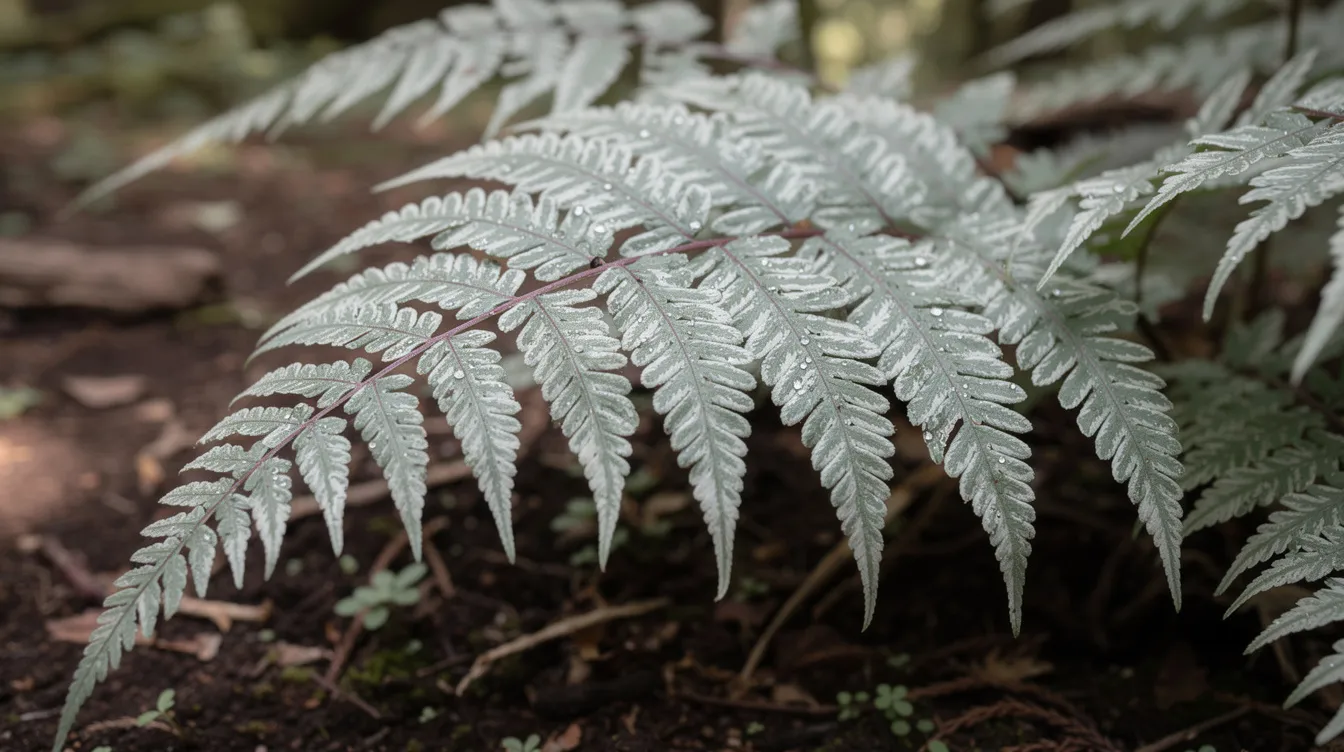
This elegant shade perennial brings a metallic shimmer to spots where most plants struggle. Silver-grey fronds with dark burgundy midribs create a striking contrast that brightens woodland corners and shady nooks.
Why It Stands Out
Nothing else in the shade garden offers this kind of foliage drama. The silvery, painted quality of the fronds catches light and adds dimension to areas that might otherwise feel flat.
Best For
Shade gardens, woodland settings, and textural contrast beneath trees or against a retaining wall.
Key Strengths
- Compact 12–18 inch clumps work well in small shade gardens and containers
- Stunning silver and green variegated fronds with burgundy accents
- Thrives in challenging shady conditions where sun-loving plants fail
- Low maintenance once established; spreads slowly via rhizomes
Possible Limitations
- Requires consistent moisture-not suited for dry, neglected corners
- Dies back completely in winter in cold climates (Zones 5–8)
- Color fades under direct sun or drought stress
4. Dwarf Ornamental Grasses (Festuca glauca)
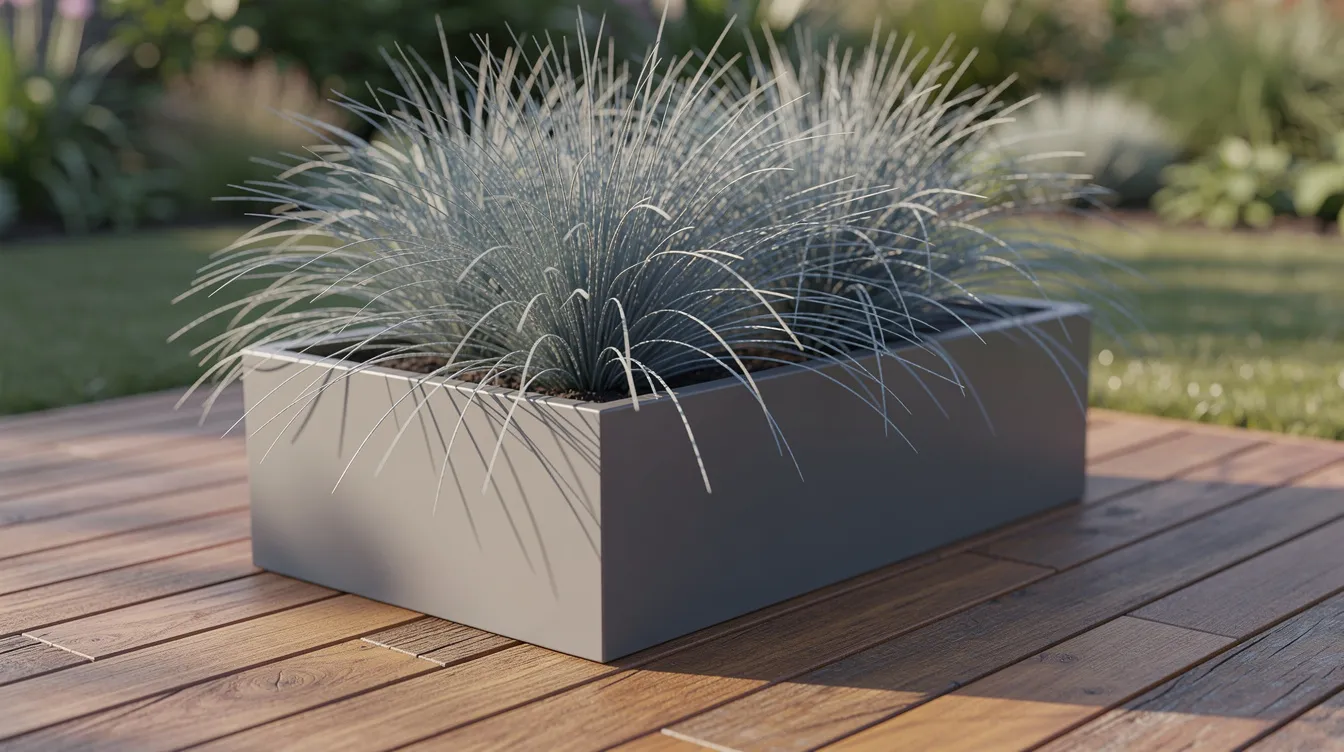
Blue fescue is a clumping ornamental grass that brings modern architectural form to any small garden. Its fine, blue-silver blades radiate in neat tufts, creating a sculptural accent that works in the ground or in containers.
Why It Stands Out
Compact shrubs and ornamental grasses suit small garden spaces perfectly, and Festuca glauca delivers year-round structure with almost no effort. The blue tone complements warm-colored foliage and gravel beautifully.
Best For
Modern landscapes, rock gardens, and container plantings where structural interest matters.
Key Strengths
- Neat 8–12 inch clumps stay compact and won’t overtake the room
- Blue-silver foliage provides year-round structure, semi-evergreen in mild climates
- Extremely low maintenance and drought tolerant-thrives in poor soil
- Works well in containers, along a patio edge, or grouped with other plants
Possible Limitations
- Centers may hollow out if not divided every 2–3 years
- Requires full sun for the strongest blue color; fades in shade
- Less flowering interest compared to other options on this list
5. Creeping Thyme (Thymus serpyllum)
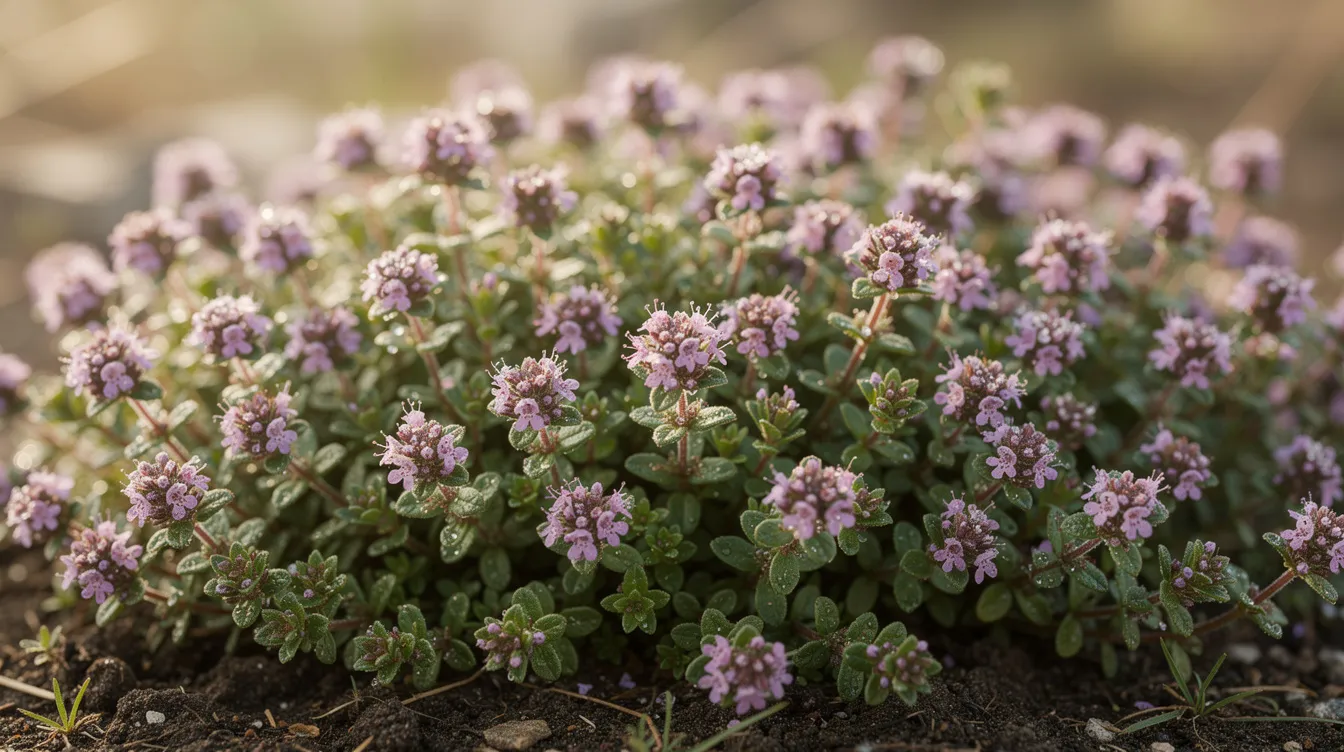
Creeping thyme is an ultra-low groundcover that fills gaps between stepping stones, softens hard edges, and releases fragrance when walked on. Creeping ground covers like this can soften hard edges and create living carpets across paths and borders.
Why It Stands Out
It pulls double duty as both a decorative groundcover and a culinary herb, making it a perfect way to maximize a small area. You can use window boxes to grow herbs like thyme in small spaces where ground planting isn’t an option.
Best For
Rock gardens, pathway edges, and herb gardens. Using small plants as edging works nicely along paths and larger beds.
Key Strengths
- Ultra-compact 2–4 inch height perfect for tight spaces and between pavers
- Fragrant foliage releases scent when brushed or stepped on
- Edible flowers and leaves for culinary use-mixing herbs and flowers enhances beauty and usability
- Tolerates light foot traffic between stepping stones
Possible Limitations
- Can spread beyond intended bounds if conditions are ideal-plan for edge containment
- May struggle in high humidity areas or dense shade
- Winter dieback possible in cold, wet zones
6. Dwarf Hostas (Hosta ‘Mouse Ears’)
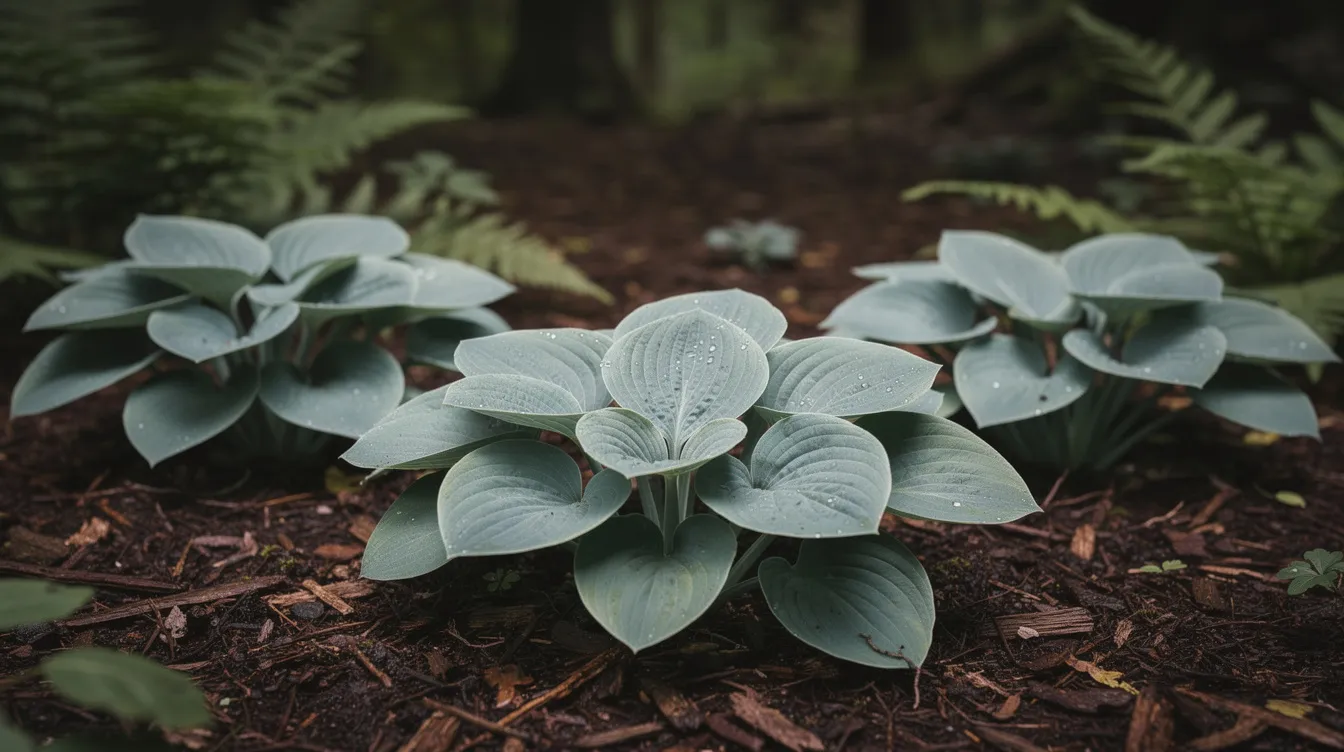
‘Blue Mouse Ears’ is a miniature hosta cultivar with thick, rounded blue-green leaves that earned it Hosta of the Year in 2008. It’s tailor-made for container gardens and small shade borders.
Why It Stands Out
This tiny perennial packs big visual impact into a remarkably small footprint-ideal for gardeners working with limited land.
Best For
Container gardens, shade borders, and miniature gardens. Check out more ideas in our guide to 50 creative tiny gardens ideas for small spaces.
Key Strengths
- Tiny 6–8 inch mature height and 10–12 inch spread, ideal for containers and small beds
- Thick blue-green leaves resist slug damage better than standard hostas
- Produces delicate flowers on short scapes in summer
- Forms neat clumps that won’t outgrow their space (Zones 3–9)
Possible Limitations
- Slow growing; takes 3–5 years to reach full size
- Requires consistent moisture and shade; potted plants require frequent watering, especially in summer
- Foliage may burn under direct afternoon sun
7. Sedum ‘Autumn Joy’
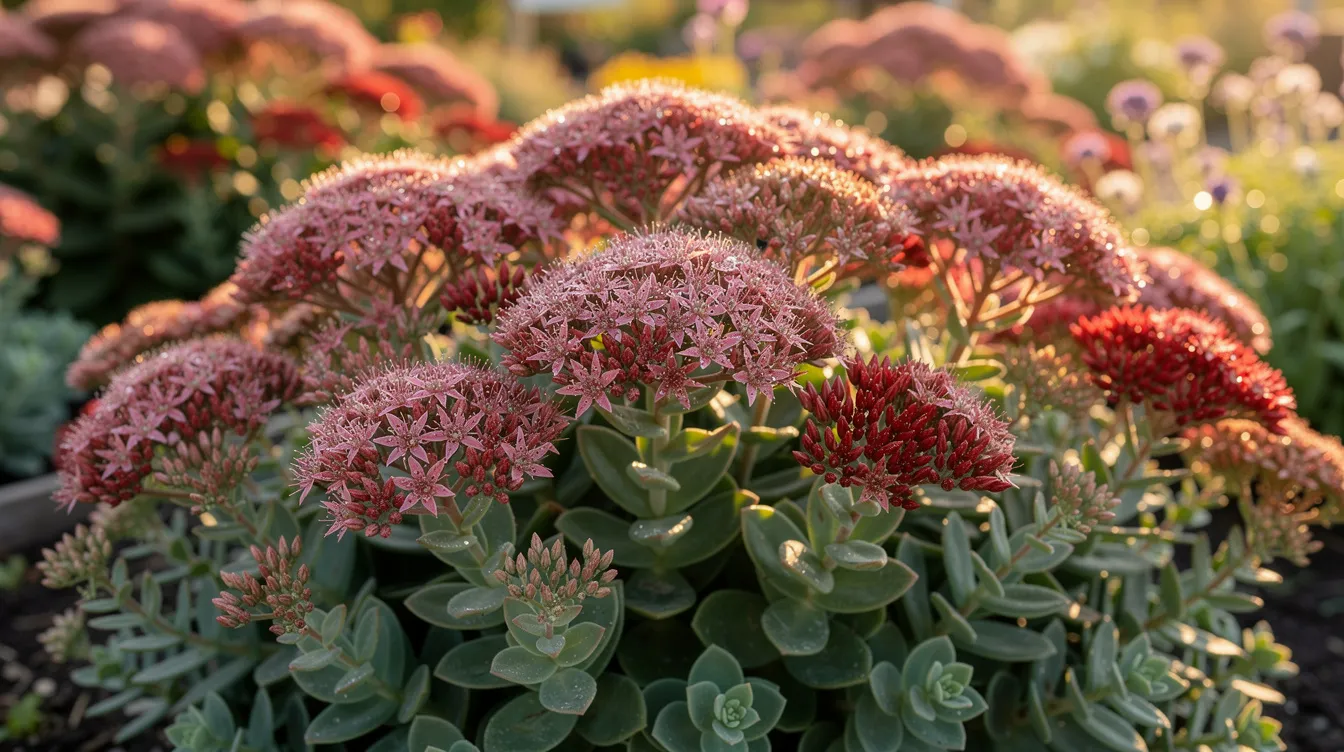
This succulent perennial (now classified as Hylotelephium ‘Herbstfreude’) delivers three-season interest with minimal effort. Flower clusters open pink in late summer, deepen to ruby-bronze through fall, and persist as attractive seed heads into winter.
Why It Stands Out
Few plants offer this kind of seasonal color progression. It’s a pollinator magnet during a time when few other plants are blooming, attracting butterflies and beneficial insects.
Best For
Drought-prone areas, rooftop gardens, and low-water landscapes. It’s an excellent companion to flowering plants suited for tiny homes.
Key Strengths
- Compact 12–18 inch height with upright, rounded habit
- Flowers change from pink to bronze throughout fall for extended interest
- Extremely drought tolerant once established; thrives in poor, well-drained soil
- Strong pollinator support during late season when other food sources diminish
Possible Limitations
- May flop if grown in too much shade-needs full sun for sturdy stems
- Spread can reach 2–3 feet, so plan accordingly in tight spaces
- Benefits from division every few years to maintain form
Quick Comparison of the Best Small Plants
Plant | Best Use Case | Height | Light | Drought Tolerance |
|---|---|---|---|---|
Coral Bells | Shade gardens & containers | 6–12 in | Partial shade | Moderate |
Dwarf Lavender | Sunny herb gardens & pollinators | 12–18 in | Full sun | High |
Japanese Painted Fern | Shady woodland settings | 12–18 in | Shade | Low |
Dwarf Ornamental Grasses | Modern landscapes & structure | 8–12 in | Full sun | High |
Creeping Thyme | Groundcover & culinary use | 2–4 in | Full sun | High |
Dwarf Hostas | Miniature gardens & containers | 6–8 in | Shade | Moderate |
Sedum ‘Autumn Joy’ | Drought-prone areas & fall color | 12–18 in | Full sun | Very high |
Small plants should be grouped in clusters for greater impact. Mix different-sized pots for visual interest in container gardens, and try repeating plants throughout a garden to create a cohesive design.
How to Choose the Right Small Plant for Your Garden
Choose Based on Light Conditions
Match plants to your existing site conditions rather than fighting them. Measure how many hours of direct sun your space receives before you choose plants.
- Full sun spots (6+ hours): Lavender, Festuca, Creeping Thyme, Sedum
- Partial to full shade: Heuchera, Hosta, Japanese Painted Fern
A strong focal point-like a specimen Sedum or a colorful Heuchera-can visually stretch the space and draw the eye through your backyard or balcony garden.
Choose Based on Water Requirements
Your maintenance time and water access matter. Drought-tolerant options like Sedum, Lavender, and Festuca are ideal for low maintenance gardens or areas with water restrictions. Moisture-loving plants like hostas and ferns need consistent irrigation. All containers need drainage holes to prevent root rot.
Vertical gardening adds height without taking ground area-use tiered containers to maximize vertical space, or install trellises for climbing plants like pole beans and cucumbers that maximize vertical space. Vertical living walls maximize space by showcasing trailing small plants, and vertical gardens can even provide privacy from neighbors while enhancing small garden aesthetics. Climbing vegetables can be grown on these vertical structures, turning a bare wall or fence into productive growing space.
Choose Based on Garden Function
A small backyard garden plan defines how the garden will be used. Determine your priority:
- Visual appeal: Heuchera, Fern, Festuca for foliage and shape
- Fragrance: Lavender and Creeping Thyme
- Edible harvest: Thyme, Lavender (culinary varieties), plus vegetables in containers-container gardens can grow vegetables like cauliflower and broccoli
- Pollinator habitat: Sedum and Lavender
Layered planting around the perimeter expands the sense of space, creating depth in small gardens. Using fewer colors helps unify the design, while using fewer plant varieties creates a calm garden atmosphere. Hardscape materials like gravel, pavers, and a fire pit shape functionality in small gardens, and miniature rock gardens use tiny alpines and succulents tucked into crevices for added interest. For more design inspiration, explore our guide to small Japanese garden designs.
Which Small Plant Is Best for You?
Here’s a decision-oriented summary to simplify your choice:
- Choose Coral Bells if you need colorful foliage for shade areas
- Choose Dwarf Lavender if you want fragrance and pollinator support in sun
- Choose Japanese Painted Fern if you need elegant texture for shade
- Choose Dwarf Grasses if you want modern architectural elements with shrubs
- Choose Creeping Thyme if you need functional groundcover that fills the ground with greenery
- Choose Dwarf Hostas if you’re growing in containers on a lawn, patio, or deck
- Choose Sedum if you need ultra-low maintenance options with late-season fruit for pollinators
Consider starting with creative ways to combine two or three varieties. For example, pair Heuchera with Hosta in a shady container grouping, or plant Lavender alongside Festuca in a sunny raised bed for contrasting color and sight lines.
Final Thoughts
Small plants can create big garden impact in limited spaces. You don’t need a sprawling backyard or acres of land to enjoy a thriving, beautiful garden-a few well-chosen varieties in containers, hanging baskets, raised planters, or a tiny yard can deliver as much satisfaction as any large-scale landscape.
The best choice depends on your specific growing conditions and goals. Assess your sun exposure, water availability, and what you want from your garden-color, fragrance, food, or pollinator support-then match accordingly. These plants work especially well for tiny house dwellers and anyone embracing self-sufficient small space living.
Start with one or two varieties that match your conditions, build confidence, and expand from there. Even the smallest balcony or patio corner is enough to grow something worth looking at every day.