

An off-the-grid outdoor shower operates independently from municipal water and electricity, yet it can deliver a genuinely satisfying hot shower every single day. Whether you live on a remote property or just want to explore a more self-sufficient lifestyle, this guide covers everything you need to plan, build, and maintain your own system.
Key Takeaways
An off the grid outdoor shower can deliver real hot water using simple, low-tech systems like gravity-fed barrels, solar heating, or a hand pump. Off-grid showers utilize alternative methods for water supply, heating, and drainage that require zero connection to the grid.
- Gravity barrel system: Best for a remote cabin with a reliable water source and elevated terrain.
- Solar bag system: Perfect for seasonal campsites and weekend adventure trips where portability matters.
- Pump-powered system: Ideal for a full-time off grid homestead that needs consistent water pressure year-round.
You can stay completely off grid by combining rainwater catchment, manual pumping, and solar heat. This article covers planning, materials, heating options, plumbing layout, and safety so you can start building this weekend.
Why Build an Off the Grid Outdoor Shower?
Picture this: it’s a hot July evening in 2026. You’ve spent the day splitting firewood on your off grid property. You walk to a private cedar shower stall, turn a valve, and step under a stream of sun-warmed water with nothing but sky overhead. No power lines, no utility bills, no matter how far you are from town.
Here’s why this setup is worth your time:
- Independence from the grid. No municipal water or electricity means no monthly bills and no service interruptions.
- Better hygiene at remote locations. A proper outdoor shower with hot water beats cold showers from a hose in every way.
- Reduced indoor moisture. An off-grid outdoor shower can significantly reduce indoor humidity and mold risk in small cabins.
- Lower cost. Costs for outdoor showers are typically lower than building full indoor bathroom facilities.
- It creates a private sanctuary for outdoor bathing that most people genuinely enjoy using daily.
Off the grid outdoor showers pair naturally with rainwater collection and small solar power setups, and they fit seamlessly alongside self-contained tiny homes designed for modern off-grid living, but they also work with no electricity at all.
Planning Your Off Grid Outdoor Shower Layout
Planning size, placement, and orientation up front saves costly rework and keeps the system functional across all seasons. Choosing a location with natural privacy and good drainage is essential for off-grid showers, so spend an hour walking your property before you grab any tools.
- Stall size: A shower stall of 4 ft by 4 ft is sufficient for comfortable bathing. Add a 2 ft deep changing and drying space adjacent to the wet area. Total wall height should be around 7 ft for privacy.
- Distance from water sources: Site the shower at least 50–100 ft downhill from wells, springs, or surface water to prevent contamination.
- Ground slope: A slight 2–3% slope under the floor directs runoff away from the stall and prevents pooling.
- Proximity to your cabin: Close enough to be convenient in bad weather so you don’t dread the walk on a cold morning.
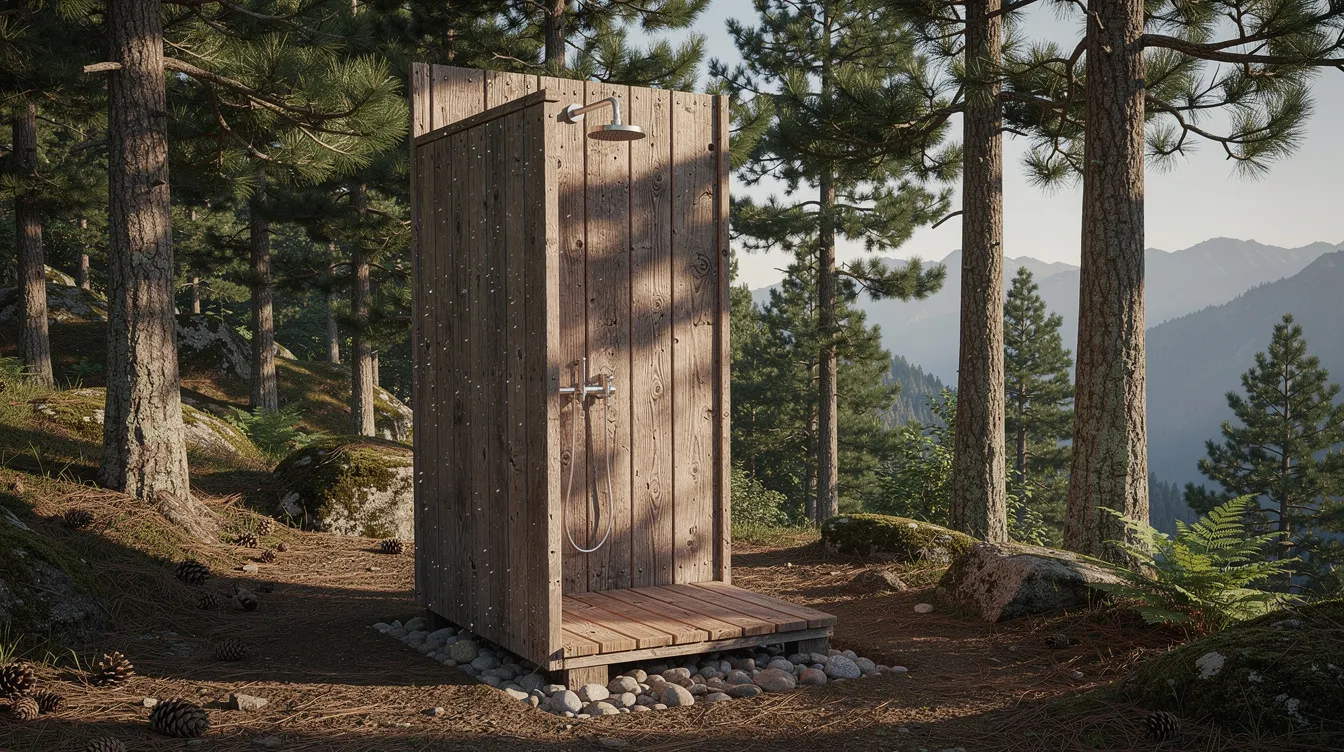
- Entry design: A simple spiral or L-shaped entry eliminates the need for a door and blocks sight lines. Plan for about 3 ft of clearance at the opening.
- Orientation: Face the main walls to block prevailing winds. Position any solar-heated tank or black barrel on the south- or southwest-facing side to maximize sun exposure.
Choosing a Water Source and Pressure System
Off grid showers usually rely on one of three sources: hauled-in water, rainwater cisterns, or nearby wells and streams with a pump. Common water sources for off-grid showers include rainwater, wells, and streams, so pick whichever your property supports best, especially if you’re also planning a complete tiny house water system.
Supply setups:
- A rainwater catchment barrel on a cabin roof, dedicated to the outdoor shower, with a screen filter over the inlet. For larger setups, consider a full tiny house rainwater collection system that can also feed indoor fixtures.
- Hauling 5–7 gallon jugs from town or a spring and pouring them into a storage tank. A 20-gallon water drum can provide enough water for several showers, and a 20-gallon water storage drum is enough for a couple of showers before you need to refill, much like the storage planning in tiny house rainwater harvesting systems.
- Drawing from a shallow well or creek using a cast-iron hand pump mounted beside the shower area.
Pressure options:
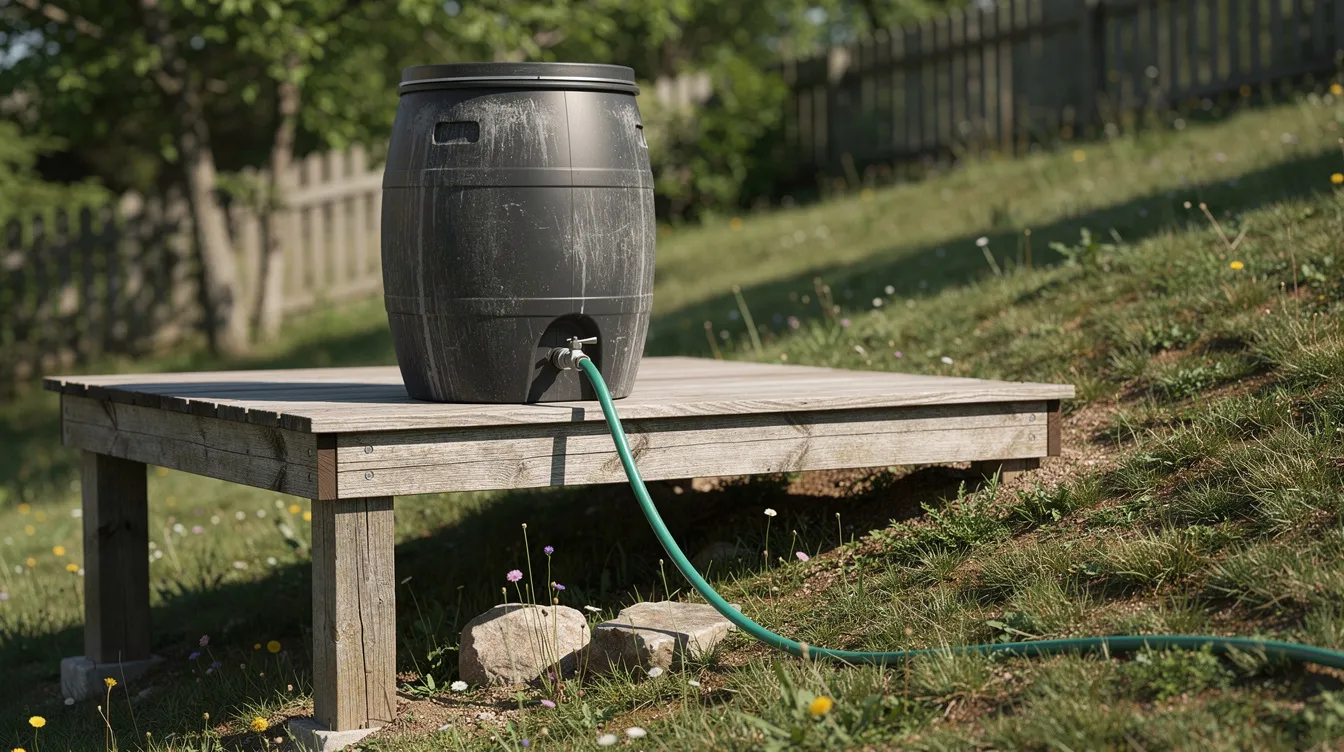
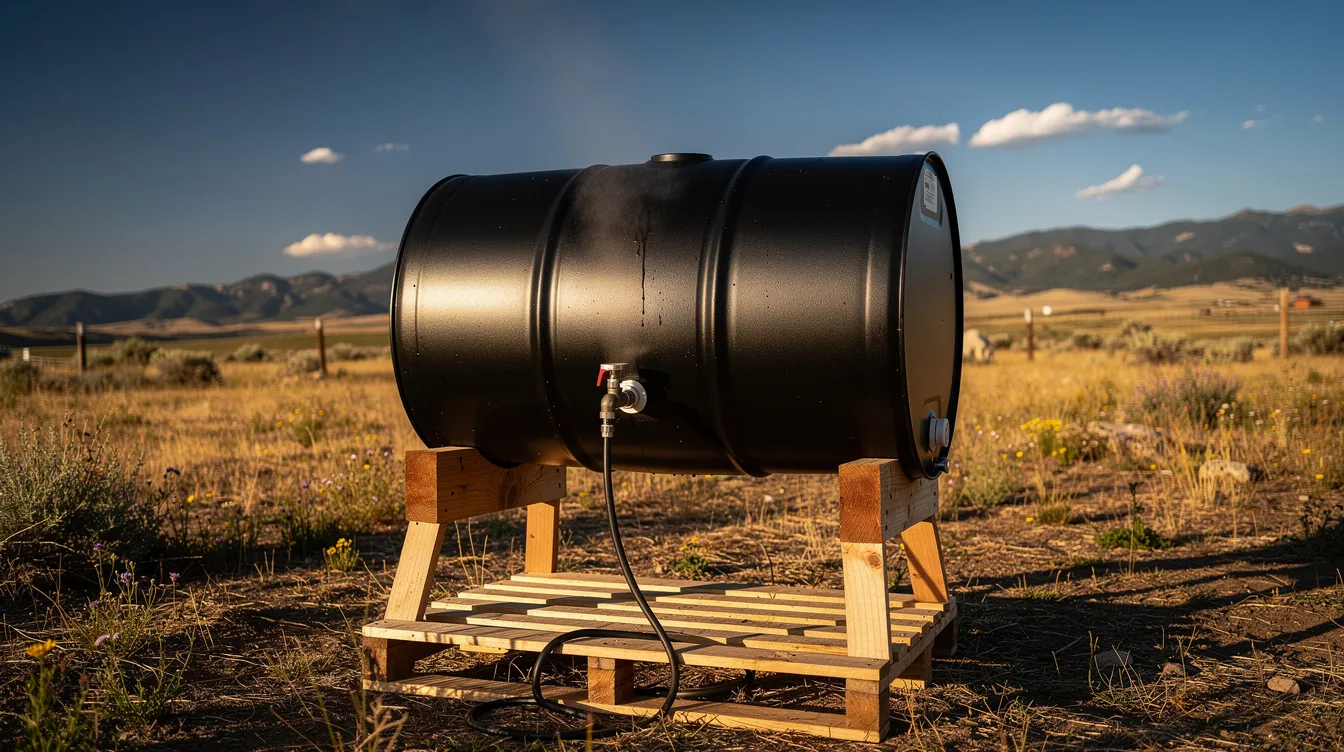
- Gravity-fed: A gravity fed shower requires a container of water elevated above the shower head. Mounting a water barrel 12 feet uphill improves water pressure considerably. At that height, you get roughly 5.2 psi based on the 0.433 psi-per-foot rule, enough for a low-flow head at 1–2 gpm. The downside is limited flow if you can’t get enough elevation.
- Pump-fed: 12V battery or pump systems can provide water pressure in off-grid showers. Battery powered showers use a submersible pump for water flow, and even a basic RV pump can create pressure up to 40–50 psi. You’ll need a power source, but the stronger pressure makes this a big upgrade.
Getting Hot Water Off Grid: Heating Options
A hot shower off the grid is realistic in most climates if you combine solar gain, insulation, and backup heat for tough or cloudy days. A solar heated shower needs sunlight to warm the water, but you have several options when the sun doesn’t cooperate.
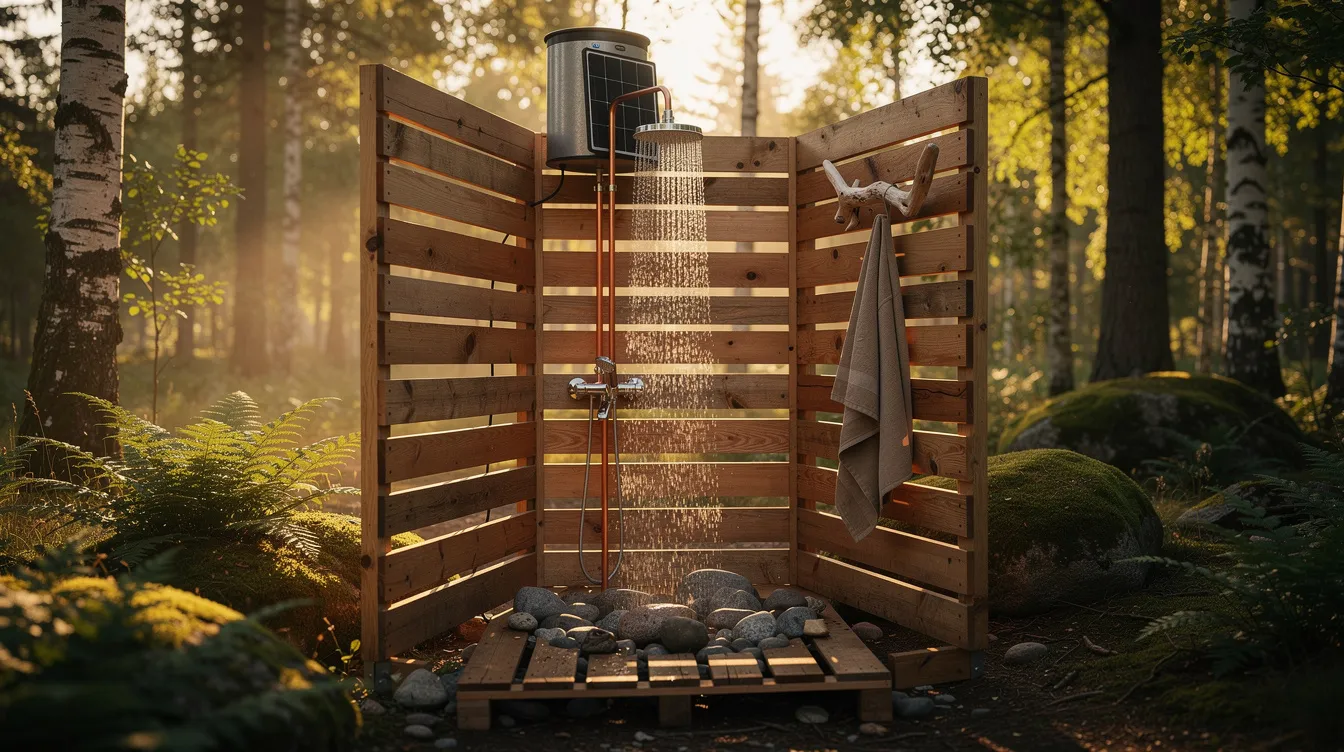
- Solar shower bags are portable and inexpensive for off-grid heating needs. Hang a 2.5–5 gallon bag from a sturdy hook in direct sun for a few hours and you’ll have warm water for a quick rinse. Best for weekend campers.
- Black-painted barrel: A 20–55 gallon barrel painted flat black on a raised stand can reach 100–110°F by late afternoon on a sunny August day in Colorado, according to community benchmarks from off-grid builders. This is the easiest way to fill your summer evenings with comfortable showers.
- Propane demand water heater: Tankless water heaters provide hot water in 1–2 minutes and work well mounted on an exterior wall. That Yurt in Vermont uses a Camplux 1.32 GPM unit for their spring and summer setup, similar to the compact options covered in the best water heaters for tiny houses.
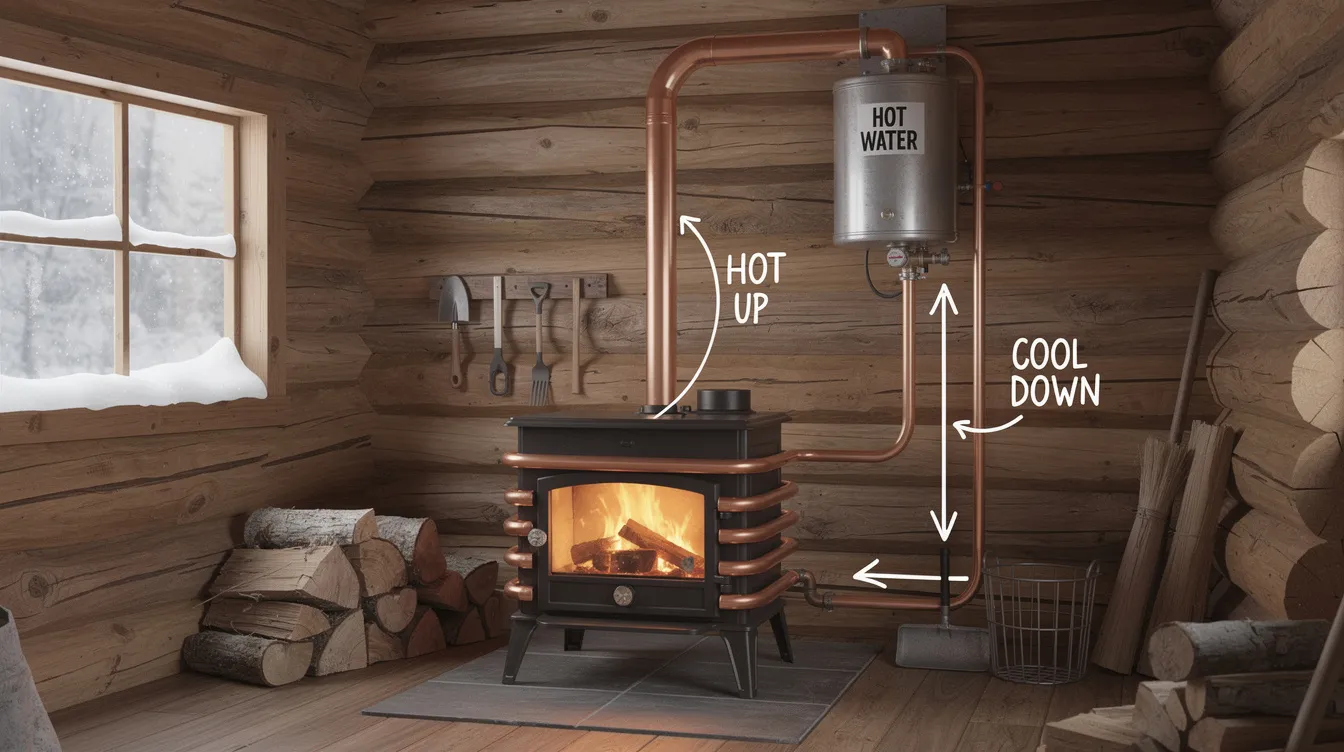
- Wood-fired coil or donkey boiler: Run a copper coil around your woodstove to heat water by thermosiphon. This is the go-to for winter cabins.
Heating methods for off-grid showers include solar bags and propane water heaters, but don’t skip safety: never use indoor-rated heaters in enclosed stalls, keep propane cylinders on level ground away from open flame, and add ventilation gaps at the top of walls. Mix hot water with cold using a simple mixing valve or two separate spigots to avoid scalding, especially if the shower is part of a fully self-sufficient tiny home.
Building the Outdoor Shower Structure
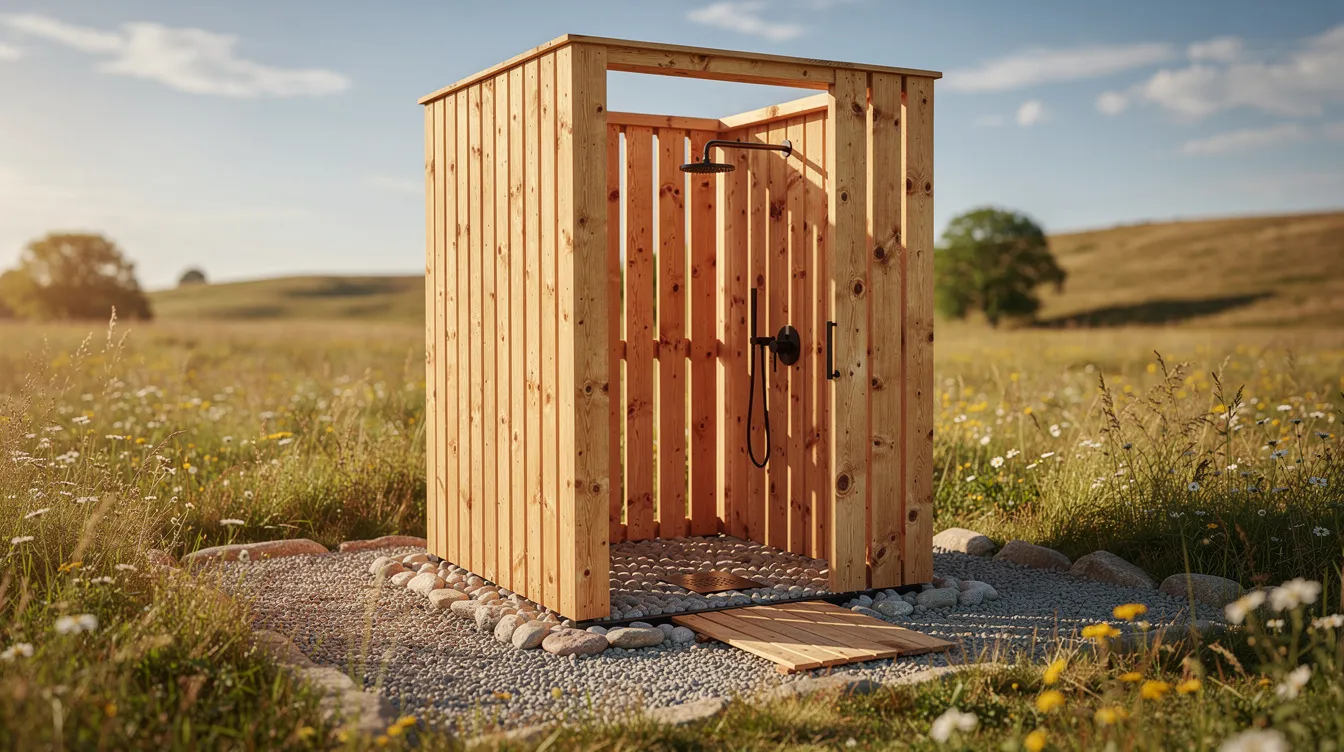
The structure doesn’t need to be fancy, but it must be solid, weather-resistant, and private. In wind-prone or snowy regions, cutting corners on framing will cost you later. The Cedar Outdoor Shower measures 4′ x 6′ in many popular designs and is suitable for DIY projects of all skill levels.
Materials:
- Use treated 4×4 posts about 10 feet long for stability (buried 2–3 ft, leaving ~7 ft above grade).
- Cedar or pine board cladding with corrosion-resistant exterior screws and galvanized brackets.
- Use wooden slats for building walls to ensure privacy while allowing airflow between boards.
Build steps:
- Level the ground before building an outdoor shower. Mark out the 4 ft × 4 ft footprint plus the entry area.
- Set four main post holes 2–3 ft deep, fill with gravel, tamp soil or pour concrete footings.
- Add two more posts if creating a spiral or L-shaped entry for privacy.
- Run horizontal framing at about 1 ft above the floor and at 6–7 ft height for rigidity.
- Clad with 1×6 or 1×8 boards spaced slightly (about 1/4 inch) for airflow. Attach each board with two screws per joint.
Note: Metal cattle panels wrapped with outdoor privacy fabric offer a durable, low-cost alternative to a full wood build. Easy to roll out, connect to posts, and replace when worn.
In rainy climates, add a simple sloped roof panel over the shower head area, but leave enough open space at the top for steam to escape.
Flooring, Drainage, and Greywater Management
Outdoor showers must handle constant moisture safely and dispose of greywater without creating mud pits or harming groundwater. Proper drainage is necessary to prevent muddy conditions and manage greywater, and getting this right from the start means less maintenance down the road, particularly if you tie it into a tiny house grey water system.
- Raised slat floor: Lay treated 2×4 sleepers on tamped gravel, then top with 1×4 or 1×6 boards spaced 1/4–1/2 inch apart for grip and drainage. Elevate the floor 2–3 inches above grade so water drops through freely.
- French drain: Dig a shallow trench filled with clean gravel leading 6–10 ft away from the stall, directing water downhill.
- Soak pit: Bury a small drum filled with rock as an infiltration pit for occasional-use showers.
- Environmental protection: Biodegradable soaps help minimize environmental impact from off-grid showers. Your greywater outlet should be at least 100 ft from wells, springs, or food gardens, per common state greywater regulations, and should be planned alongside off-grid sanitation systems for human waste.
- Example layout: A 3 ft long gravel-filled channel laid directly under the floor that directs water downhill to a small infiltration bed planted with moisture-loving native grasses. Clean and simple.
Plumbing, Fixtures, and Controls
Even a simple off grid shower feels real when it has familiar fixtures: a proper shower head, easy on/off control, and a way to adjust temperature. A small pressurized tank typically holds 1.5 gallons of water and can be used for spot rinsing or connecting to a foot pump.
- Run 1/2 inch PEX or reinforced garden hose from the elevated tank or pump to the shower wall.
- Install a basic ball valve at chest height as the main shutoff control.
- Mount a standard shower head or low-flow camping head at about 6.5–7 ft height.
- For hot and cold mixing, run two lines (one from your hot source, one from cold storage) to a mechanical mixing valve. Insulate piping to reduce heat loss in cool climates.
- For ultra-remote sites, a hand pump or foot pump connected directly to a bucket or jerry can works when outside tanks freeze. You can also purchase a portable shower curtain to hang across the entry for added privacy.
Add a small removable shelf or caddy screwed to the wall for soap and shampoo, plus hooks for towels and a robe. These small details turn a basic spot into something you actually look forward to using.
Comfort, Privacy, and Year-Round Use
Off grid living can be tough, but the shower doesn’t have to be. A few thoughtful additions transform a basic stall into a daily luxury. The shower promotes relaxation and mental clarity, and it transforms backyards into serene spa-like escapes even on the most remote property, complementing any nearby small bathroom sink cabinet or compact indoor wash area.
- Comfort: Add a wooden bench or fold-down seat, a rubber mat on the floor slats for bare feet in cold weather, and a battery-powered LED light or solar lantern for early morning or evening use. If you’re off-grid, a dedicated power source like a tiny home generator can keep lights and small pumps running reliably.
- Privacy: Build higher wall sections on the side facing neighbors or common paths. A fabric shower curtain across the entry works if the spiral design isn’t enough.
- Shoulder seasons: Attach wind-blocking panels, keep towels in a waterproof crate, and hang a robe on a dedicated hook near the entry.
- Winter strategies: Winterization is needed for off-grid shower systems in cold climates to prevent freezing. Drain all lines after each use, use quick-connect fittings so you can bring pumps and hoses indoors in winter, and consider relocating to a semi-enclosed porch area during sub-freezing months. Pre-heating water on a woodstove and carrying it out in a bag or bucket is a proven cold-weather approach.
Maintenance, Safety, and Long-Term Durability
An off grid shower built in 2026 should last many seasons with routine checks on wood, plumbing, and water quality. Regular maintenance is required to keep off-grid shower systems safe and functional, but the time investment is minimal.
- Wood care: Review all wood surfaces annually for rot. Re-seal or stain high-splash areas every 2–3 years. Cedar walls can last 25–30 years with this kind of attention.
- Structural checks: Verify the stability of your elevated water tank or barrel twice a year. Tighten loose screws, check all connections for leaks that could erode soil under posts.
- Tank hygiene: Drain and rinse barrels at least once per season. Use dark, opaque containers to limit algae growth. Keep screens over inlets to block insects and debris.
- Legal considerations: Check local regulations about greywater disposal and outdoor structures before building, especially near property lines or waterways. File any required permits before you pour concrete or connect propane.
Frequently Asked Questions
Below are answers to common questions that come up when people plan their first off the grid outdoor shower, covering water usage, climate, safety, and permits.
How much water does an off grid outdoor shower use per person?
A typical low-flow shower head at 1.5–2.0 gallons per minute uses 7–10 gallons for a 5-minute shower. Many off grid users take “navy showers” of 3–4 minutes, keeping consumption under 6–8 gallons per person. With a 20-gallon drum, that’s enough for a couple of fun back-to-back showers.
Can I run an outdoor shower in freezing winter conditions?
Yes, but it requires winterizing: fully drain all lines after each use, use quick-disconnect hoses, and rely on on-demand propane or indoor-heated water carried in buckets. Storage tanks will freeze solid if left full overnight in sub-zero temperatures.
Is it safe to use river or lake water in my off the grid shower?
Unfiltered surface water can be used for body rinsing but not for drinking. Install at least a basic sediment filter to protect pumps and nozzles, and keep a separate clean water source for brushing teeth and face washing.
Do I need a permit for an off grid shower on rural land?
In many rural counties, simple outdoor showers are allowed, but greywater disposal and propane installation may be regulated. Call your local building or environmental health office before you build, especially if you plan a permanent concrete pad.
How long will a gravity-fed hot shower stay warm in a barrel?
An uninsulated black barrel heated by the sun will generally hold comfortable hot water for 2–3 hours after peak sun. Adding simple insulation like old blankets or foam board can extend usable temperatures well into the evening on clear summer days.